Bikepacking Gear
Best Budget Bikepacking Gear: Four Low-Cost Items That Earn Their Place
Four affordable bikepacking and touring items that solve real problems on the road, from load control and drivetrain durability to on-the-fly repairs.
Introduction
Bikepacking and long-distance touring reward practical thinking far more than expensive equipment. A lot of the gear that keeps a trip running comes from hardware shops, supermarket aisles, or the second-hand market rather than from specialist cycling brands.
The four items below are the ones that consistently earn their place on a loaded bike. Each solves a specific problem, costs considerably less than the specialist alternative, and can be replaced almost anywhere along the route.
What to Look For in Budget Bikepacking Gear
Three qualities matter more than price alone.
Availability comes first. Anything that can be picked up from a hardware store, a supermarket, or a general outdoor shop is easier to replace mid-trip than a part that has to be ordered and shipped.
Durability matters more than lightness. Touring equipment carries more weight and absorbs more vibration than race equipment, so a heavier and simpler component often outlasts a lighter one. The same logic applies to drivetrains, where lower-cost mechanical parts tend to wear more slowly than high-end equivalents.
Multi-use is the third filter. The best budget items do more than one job, which keeps pack weight and spending down at the same time.
Price is the last consideration, not the first. An inexpensive item that fails in a remote place costs more than a slightly pricier item that keeps working, because replacements and improvisation both eat into a trip.
Restrap Fast Straps: Cheap Load Control That Protects Your Bags
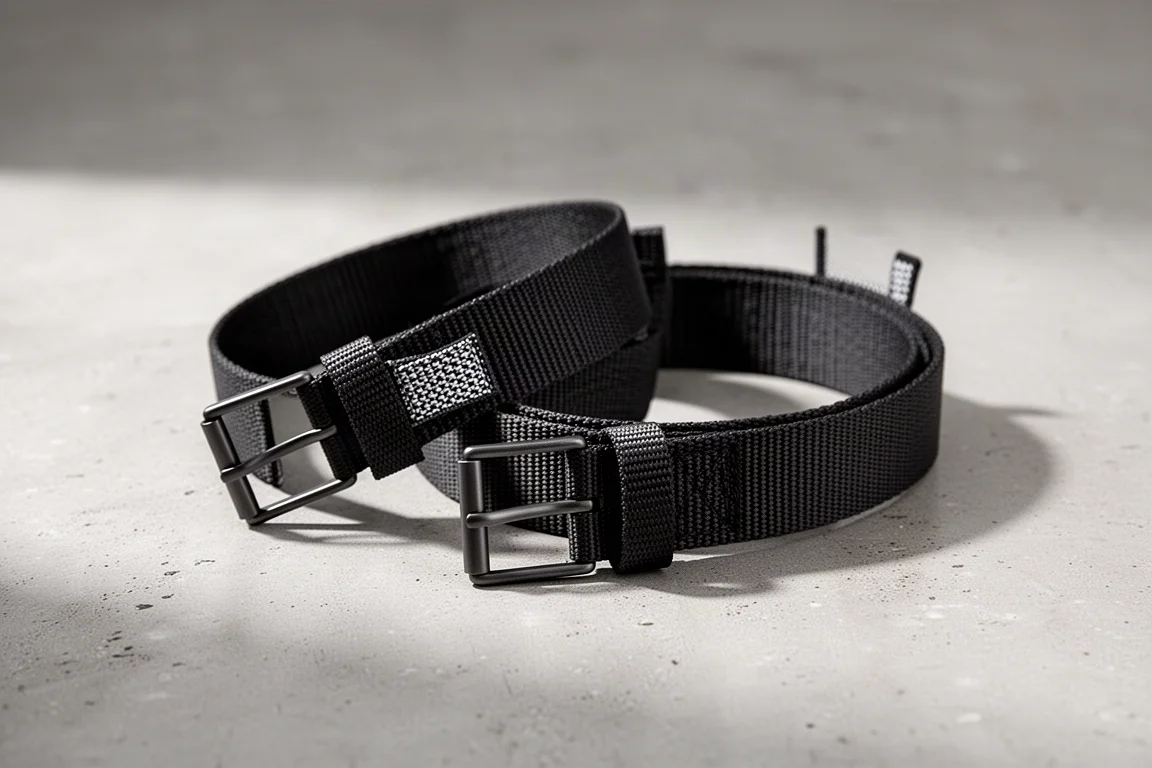
Straps are the cheapest way to stop a loaded bike from shaking itself apart. Loose luggage rubs against itself and against the frame, and that friction is what wears holes in bags, webbing, and paint.
A good set of webbing straps cinches everything down so nothing rattles, which extends the life of every bag on the bike. They also let you build luggage capacity without buying a dedicated bag. A dry bag strapped between aero bars or across a rear rack does much of what a custom bikepacking bag does, at a fraction of the cost.
Restrap Fast Straps are a well-known option in this category and typically cost around £5 for a pair. They suit fork packs, bottle cages, and the space between aero bars, and they are cheap enough that carrying a couple of spares makes sense.
SRAM Force 1: Mechanical Shifting Built for Loaded Touring
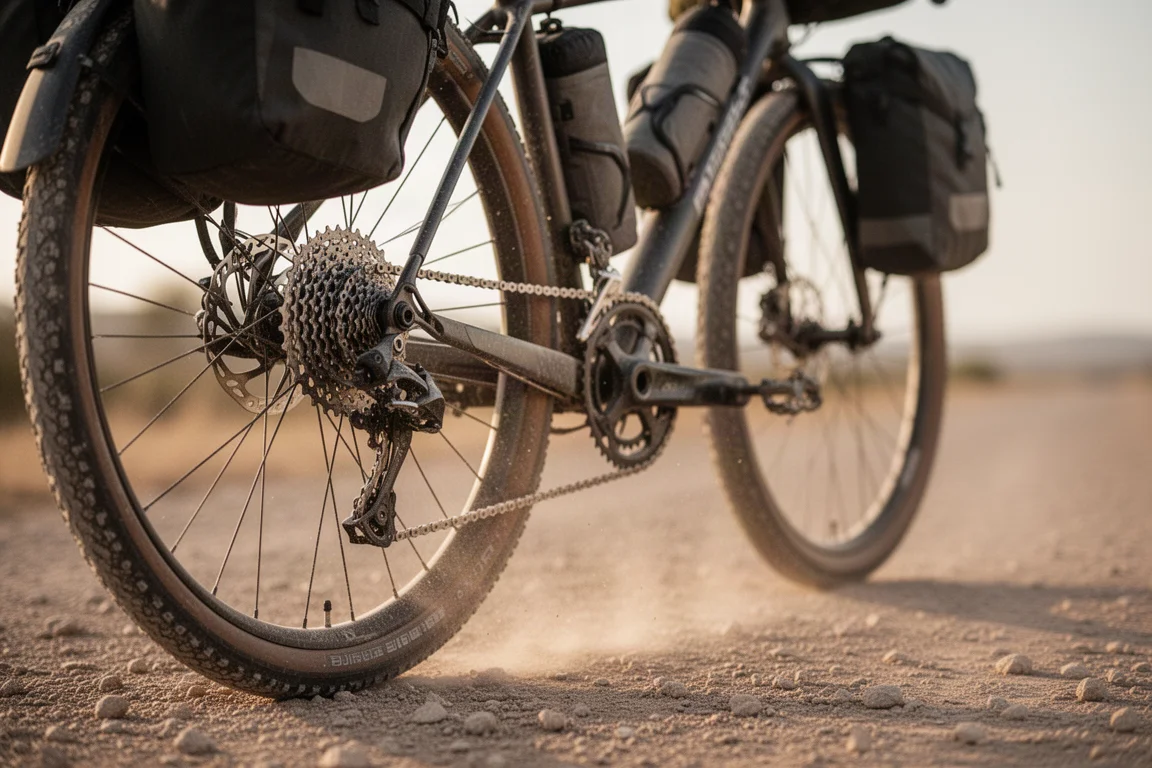
For a bike being built or rebuilt for touring, a mechanical group set is usually the smarter choice than a top-tier electronic one. Spare parts are easier to find, replacements cost less, and the components tend to be more durable because they are not built to the lightest possible weight.
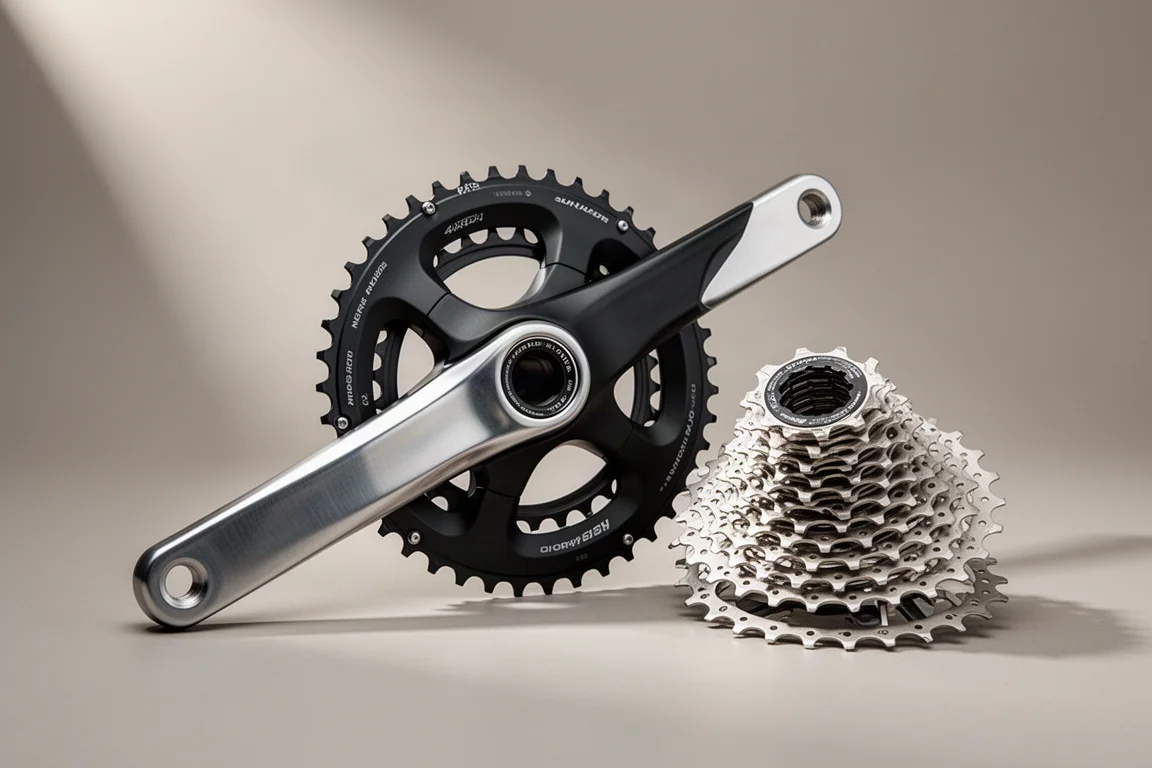
Nine-speed mechanical is a particularly sensible baseline. Wear rates are lower, chain stretch is slower, and consumables are inexpensive and widely stocked. A mechanical setup also means less to go wrong when the bike is being packed down and reassembled repeatedly.
Hydraulic braking is the other half of the decision. With more weight on the bike, stronger and more consistent stopping power becomes genuinely valuable. A 2015 SRAM Force 1 hydraulic group bought second-hand for around £300 has outlasted three frames, and brake bleeds proved manageable even in remote corners of Africa.
For riders weighing mechanical against hydraulic, the deciding factor is usually load. A lightly loaded bike can get away with cable brakes, while a fully loaded touring setup benefits from the extra power and modulation that hydraulics provide.
Tenacious Tape: Repair Fabric Before You Replace It
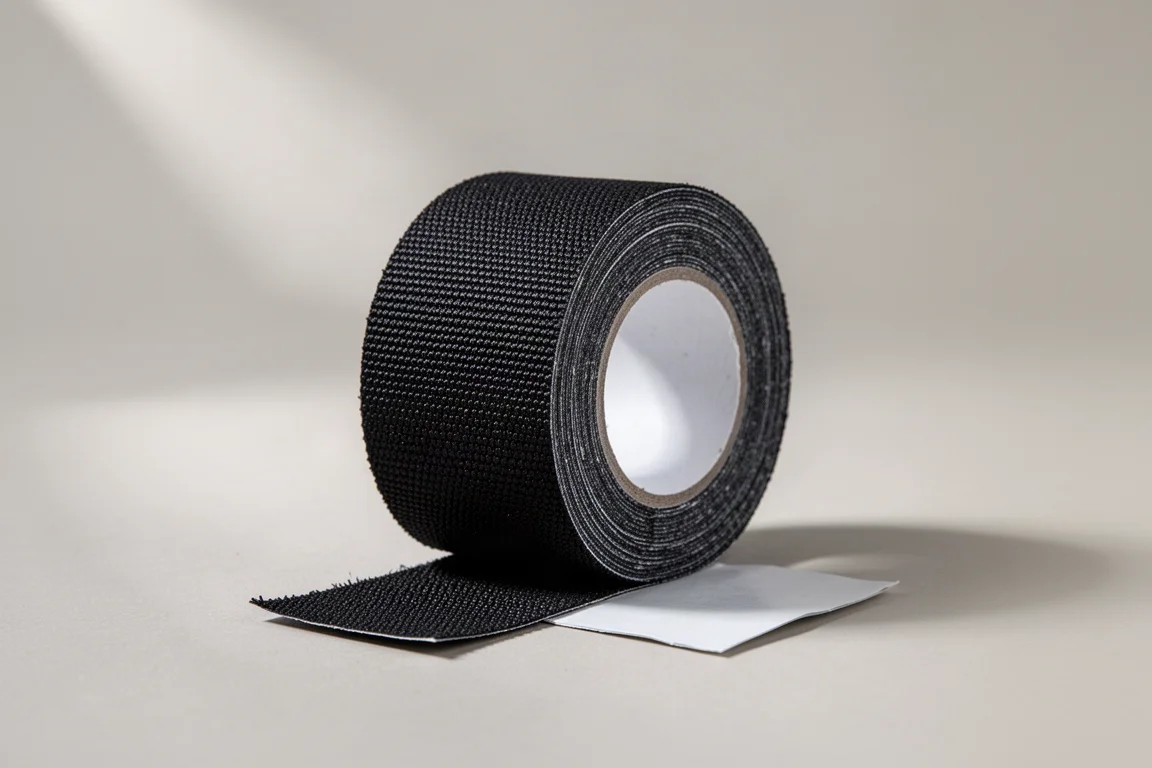
Down jackets, sleeping bags, and tents all eventually pick up a tear, and replacing them mid-trip is rarely an option. Waterproof repair tape handles the problem in a few minutes.
Tenacious Tape is a strong choice for down repairs in particular, and the patches pack down small enough to disappear into a tool bag. Keeping a roll with you means damaged insulation stays usable instead of shedding feathers for the rest of the trip, and the same tape covers tent fabric and sleeping bag shells.
Therm-a-Rest Instant Repair Kit: Fixing a Sleeping Pad on the Road
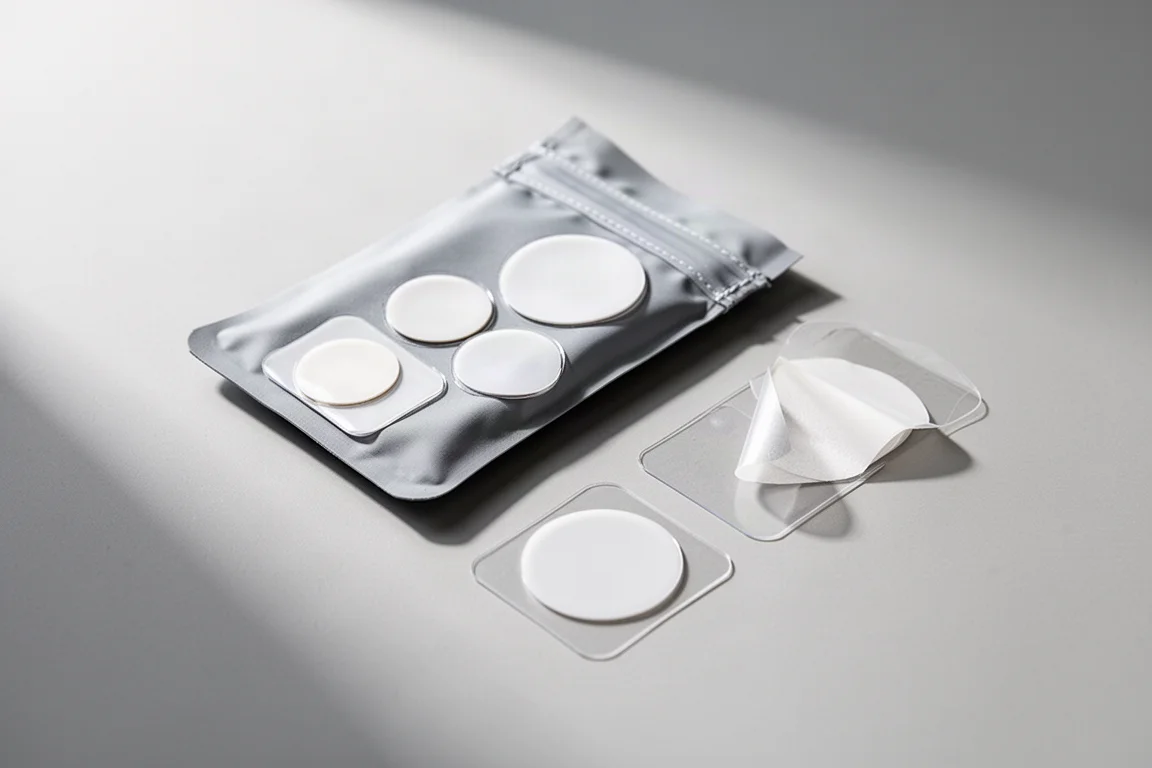
A punctured sleeping pad ends comfortable nights, and on a long tour it is not something you can simply replace. An instant repair kit for inflatable mattresses deals with the problem on the spot.
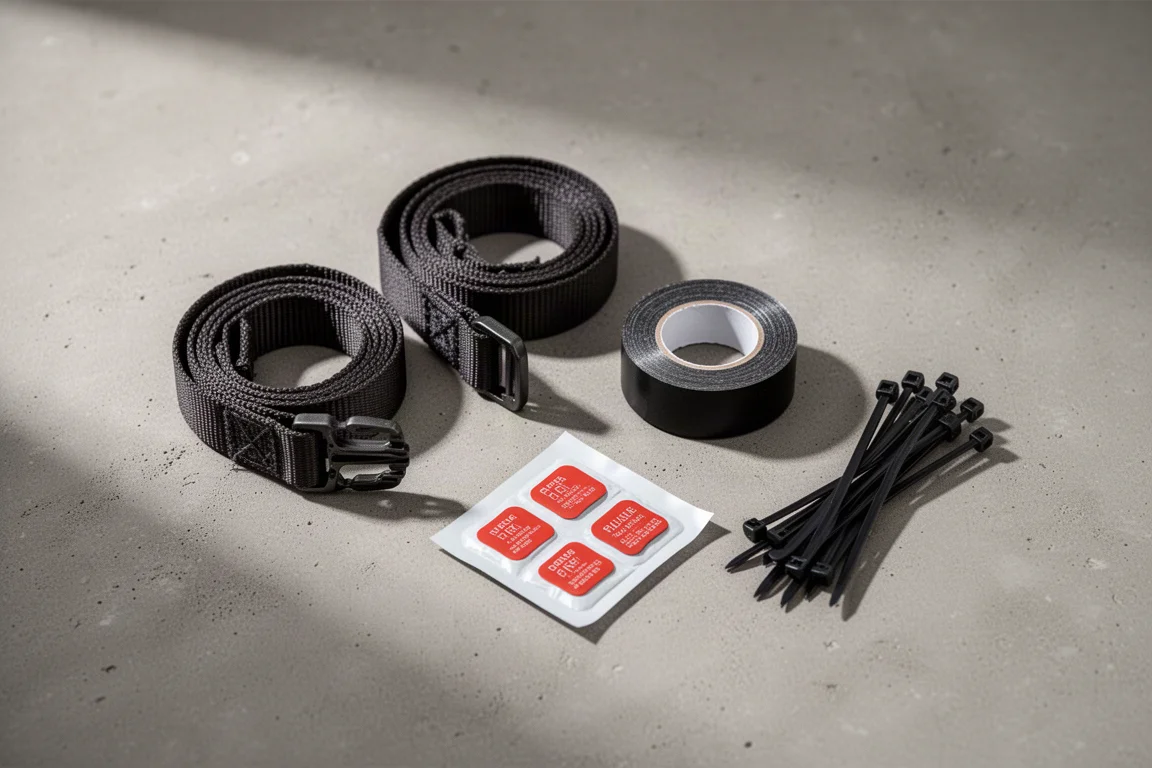
The kit is small, inexpensive, and keeps an expensive mat in service rather than forcing a purchase. That is better for the budget and better for the environment, and it takes up almost no space in a bag. Carrying patches alongside a couple of other repair supplies means most minor damage can be fixed the same evening.
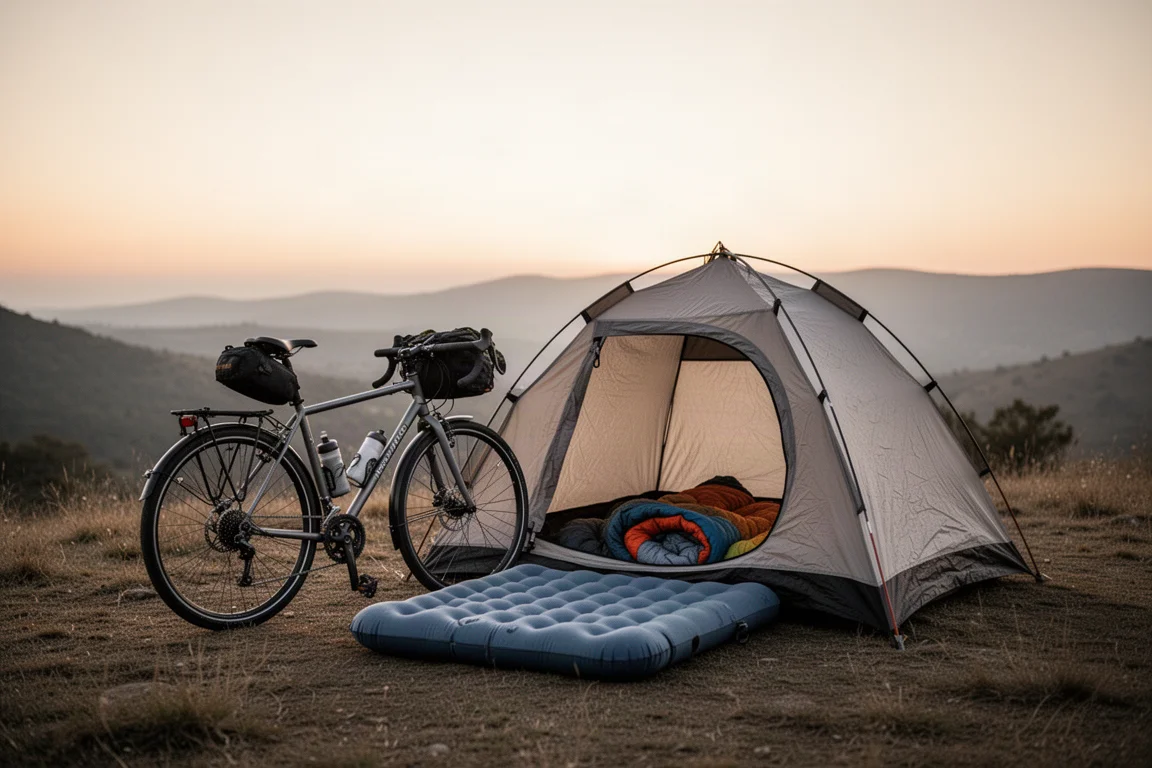
Patches like this are worth packing even on short trips. A pad that leaks slowly is easy to overlook until it has ruined several nights in a row.
Low-Cost Extras That Earn Their Place
A handful of non-cycling items round out a budget touring kit and cost very little.
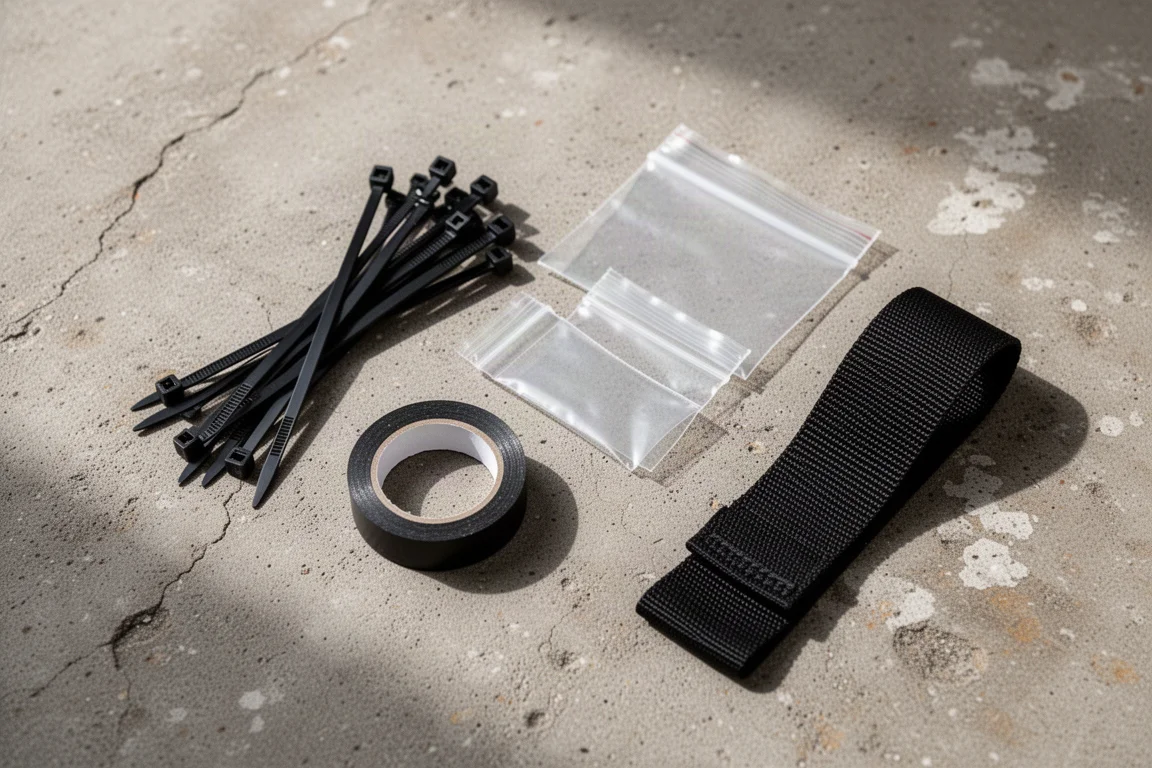
- Cable ties. Available in any hardware store for pennies, they handle quick fixes on the road. A reusable, micro-adjustable version works like a miniature webbing strap and can hold a GPS computer to a stem when a mount fails.
- Resealable bags. A budget alternative to dry bags, useful for organizing the contents of large panniers, compressing down jackets and sleeping bags, protecting electronics from dust and water, containing leaking toiletries, and portioning snacks. A worn bag used as a first layer inside a good dry bag protects it from sharp metal edges and extends its life.
- Electrical tape. Useful for repairing ripped bar tape, protecting frame paint where straps rub, improvising a chainstay guard, and marking seat post height so the bike can be packed down and rebuilt without adjusting saddle position.
- A sleeping bag liner. Around £20, it keeps a sleeping bag clean so the bag itself needs washing less often, and it works on its own in very warm conditions. It also adds a protective layer in budget hotel rooms.
- A motion-sensing bike alarm. Roughly £15 to £20, loud, and operated by remote. A real deterrent when the bike is left outside a tent or a shop, and considerably cheaper than a heavy lock.
- Lanyards. Almost every electronic device ships with one and almost nobody uses them. Fitting them to lights and computers is cheap insurance against losing gear on rough terrain.
- A knitted hat. Warm even when wet, it fits under a helmet and adds comfort on cold descents and inside the tent at night.
- A deck of cards. Evenings on tour get long, and a small card game costs a fraction of any electronic alternative.
Buying Advice: Match the Gear to the Trip
Priorities shift depending on the trip. Repair supplies come first on any long route, because they keep existing kit working. Load control comes second, since straps protect everything else you are carrying. Drivetrain choices come last, and only really matter if you are building or rebuilding a bike.
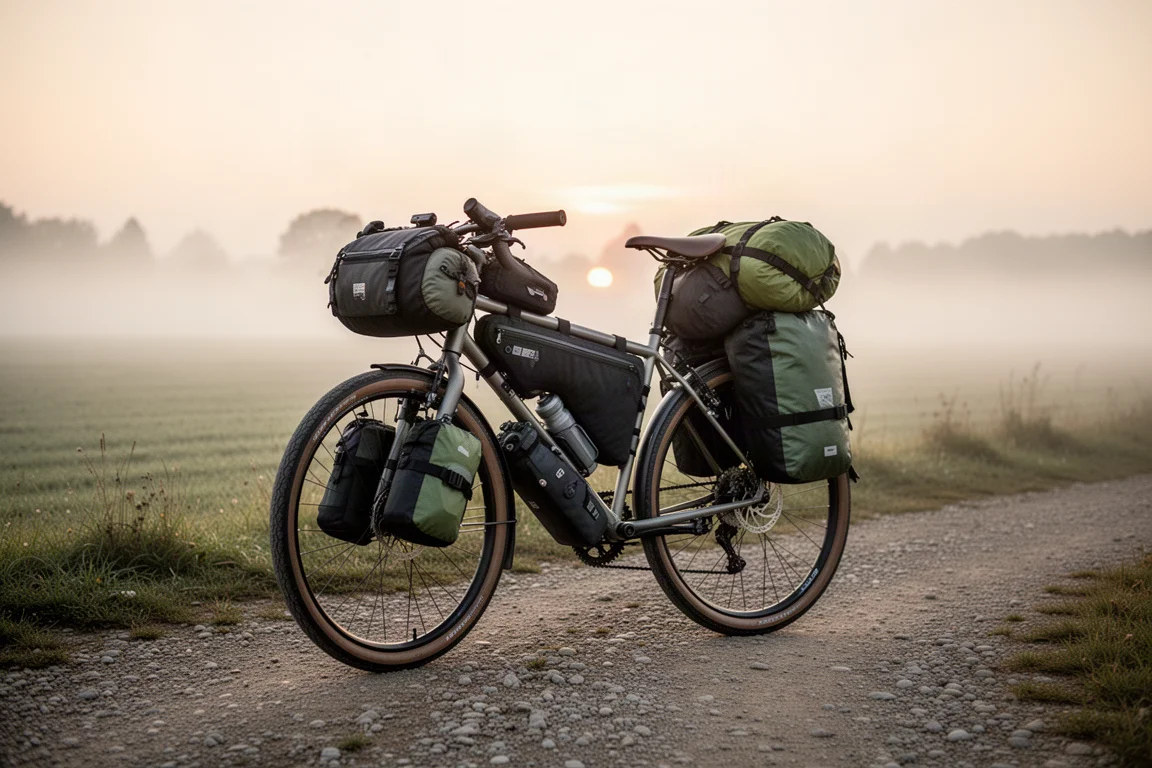
For shorter trips, a small repair kit and a few straps cover most situations. For months on the road, the case for a durable mechanical groupset, a generous supply of patches, and a handful of hardware-store extras becomes much stronger, because replacement parts and specialist shops may be days apart.
Conclusion
Budget bikepacking gear is not about cutting corners. It is about choosing items that are easy to find, easy to repair, and useful in more than one situation. Straps, repair tape, patch kits, and a sensible drivetrain all fit that description, and each one keeps a trip moving when something goes wrong.
Further reading
Related Reviews
Bikepacking Gear
11 Bikepacking Essentials for Long-Distance Cycling
Eleven bikepacking essentials for long-distance cycling, from a steel gravel frame and a two-person tent to helmet lights, packable gloves, and a frame bag that puts weight in the right place.
Bikepacking Gear
Best Bikepacking Gear 2026: 11 Essentials Worth Carrying
A practical look at bikepacking kit that earned its place on long rides, from a solar bike computer and basket packing to bar bags, bivvies and gravel shoes.
Bikepacking Gear
Best Bikepacking Gear: 10 Field-Tested Picks for Long-Distance Rides
Ten bikepacking products that earn their place on long rides, from a steel gravel frame to packable gloves, with the strengths and trade-offs worth knowing.