Bikepacking Gear
Best Budget Bikepacking Essentials: Three Cheap Items That Protect Expensive Kit
Three low-cost bikepacking picks, plus the cheap hardware store items that keep a touring kit running without a big spend.
Introduction
Bikepacking and touring kit lists have a habit of filling up with cycling-specific products, and the total adds up quickly. Some of the most useful items in a touring setup come from a hardware store or an outdoor shop instead, and they cost very little.
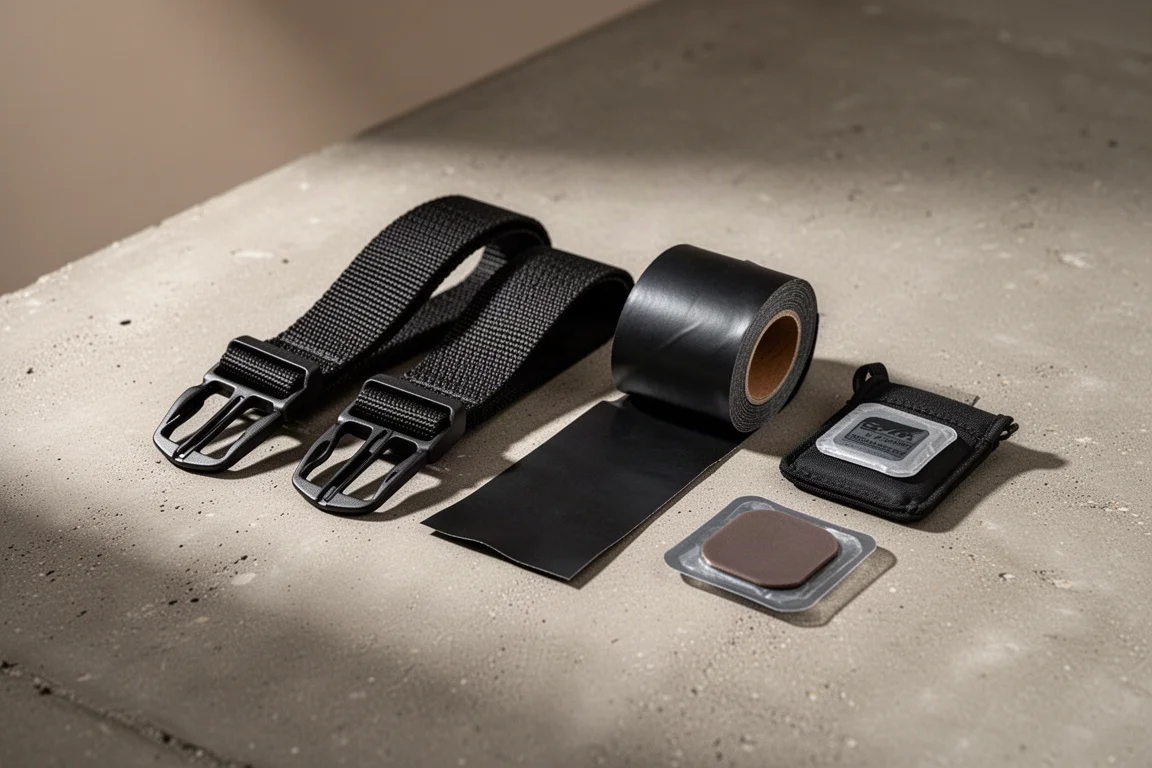
This roundup covers three inexpensive items that protect the expensive parts of a kit: a pair of cinch straps, a roll of repair tape, and a small patch kit for inflatable sleeping pads. It also covers the other low-cost essentials worth carrying on a long ride, from zip ties to a sleeping bag liner.
None of these are glamorous purchases. Each one solves a problem that shows up on the road, and each one is small enough to disappear into a tool bag or a pannier.
What Makes a Good Budget Bikepacking Item
Four things separate a genuinely useful cheap item from clutter. It has to solve a problem that would otherwise end a ride or cost more later. It has to pack down small. It has to be easy to find or replace almost anywhere. And it has to cost little enough that replacing it does not require a decision.
A cheap item that prevents an expensive replacement earns its place. Repair tape that keeps a down jacket usable, or a strap that stops a bag from rattling itself apart, saves far more than it costs.
Versatility matters as much as price. An item with one narrow job on a bike has to justify the space it takes, while an item with five jobs earns it without argument.
Availability is the final piece. Anything that can be picked up in an ordinary hardware store, or replaced at a supermarket on the way through town, is easier to rely on than a specialist part that has to be ordered and shipped.
Restrap Fast Straps: Cinch Straps That Replace Custom Bags
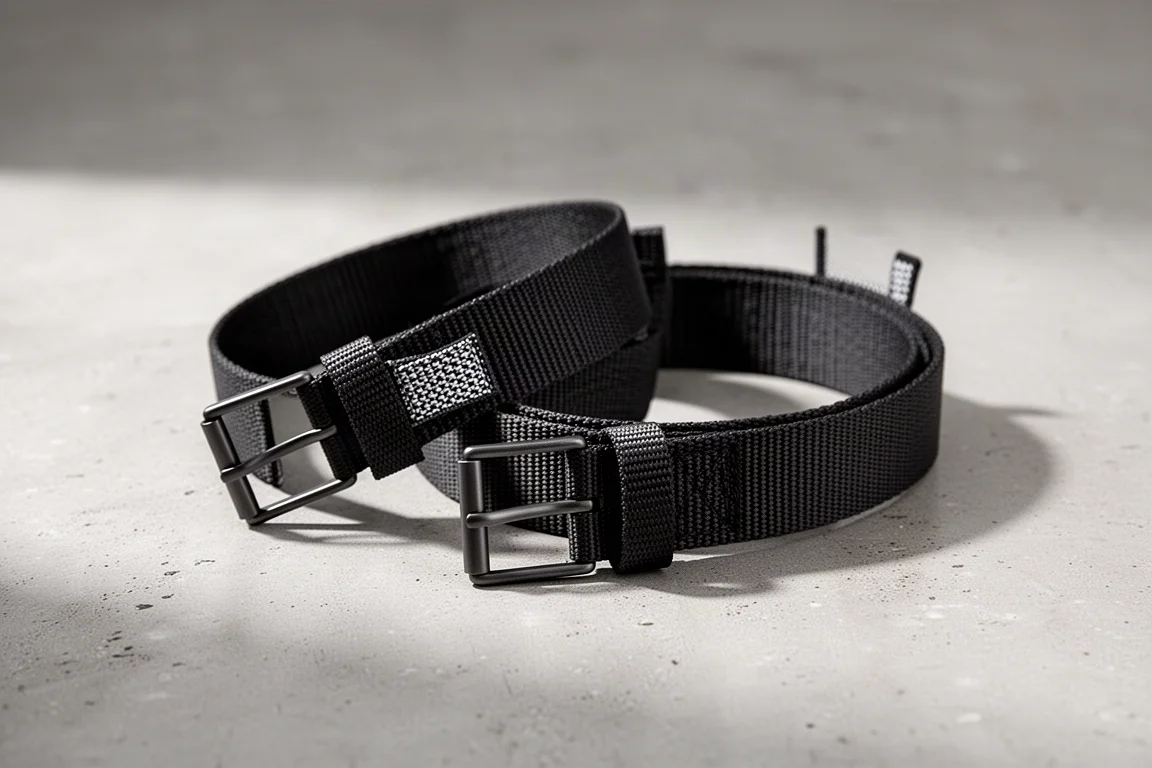
Straps are among the least glamorous items in a bikepacking kit and among the most useful. Much of the wear on bikepacking bags comes from movement, and cinching luggage so that nothing rattles or shifts reduces friction wear, which means the bags last longer.
The second job is attachment. A dry bag strapped between aero bars, or strapped to a rack, works as a bike bag without the cost of a dedicated one. Fork packs stay put when they are strapped down properly, and a bottle cage can be held between aero bars with a strap or two.
Restrap Fast Straps come as a pair, typically for around £5. That is more than a basic webbing strap from a hardware store, and the extra cost buys a more versatile strap that is easy to reuse across different setups. Longer cargo straps are worth carrying as well for bulky or awkward loads, and a lanyard on electronics such as a rear radar light is cheap insurance against losing an item on the first rough section.
Tenacious Tape: Field Repairs for Down and Shell Layers
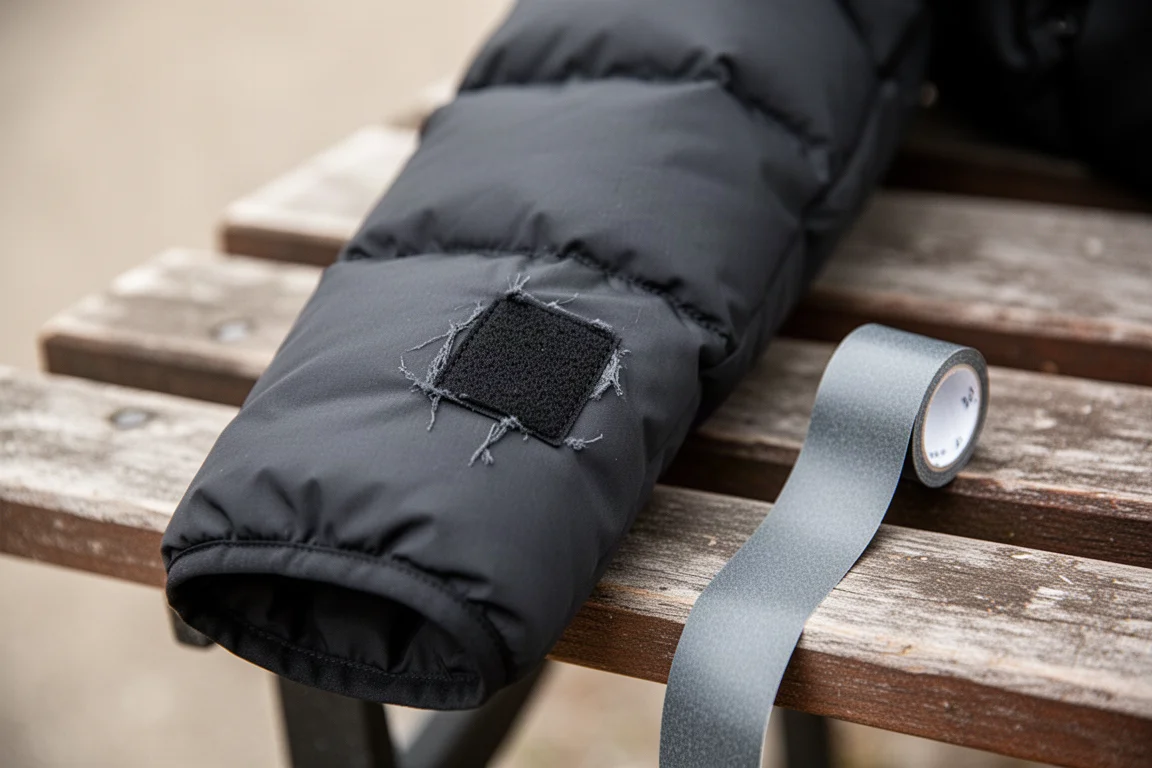
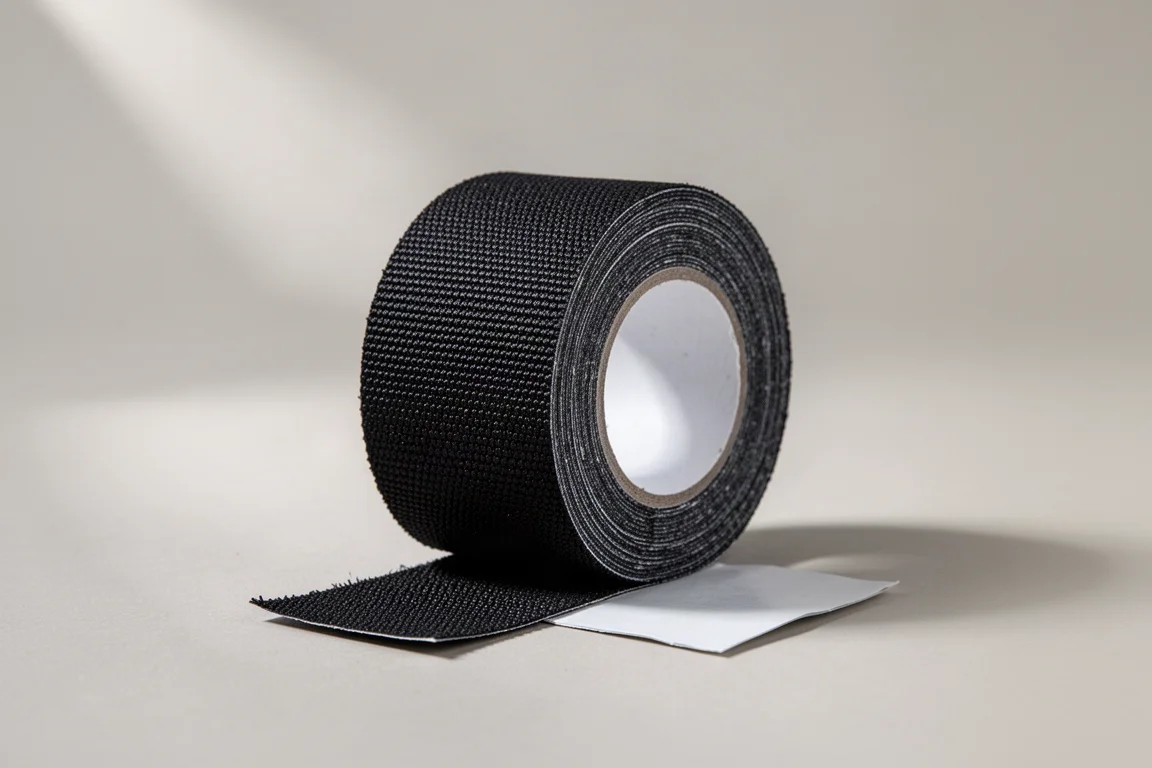
A small roll of repair tape handles the damage that touring gear collects. It can be used on down jackets, sleeping bags and tents, and it is waterproof, which matters when the repair sits on the outside of a shelter or on a layer that will be worn in rain.
Down repairs are where Tenacious Tape is especially useful. A tear in a down jacket or a quilt lets insulation escape, and a patch stops the loss before the item becomes unusable. Sleeping bag and tent repairs follow the same logic: a patch now avoids a replacement later.
The economics are simple. Repair materials cost a fraction of the gear they protect, they pack down to almost nothing, and they let a rider keep using kit that would otherwise be retired early. The same thinking applies to waterproof tent patches and to the patch kits used on inflatable sleeping pads.
Therm-a-Rest Instant Repair Kit: Keeping Inflatable Pads Alive
Inflatable sleeping pads are comfortable, compact and vulnerable. A puncture in the wrong place turns a warm night into a cold one, and on a long tour a replacement is rarely available nearby.
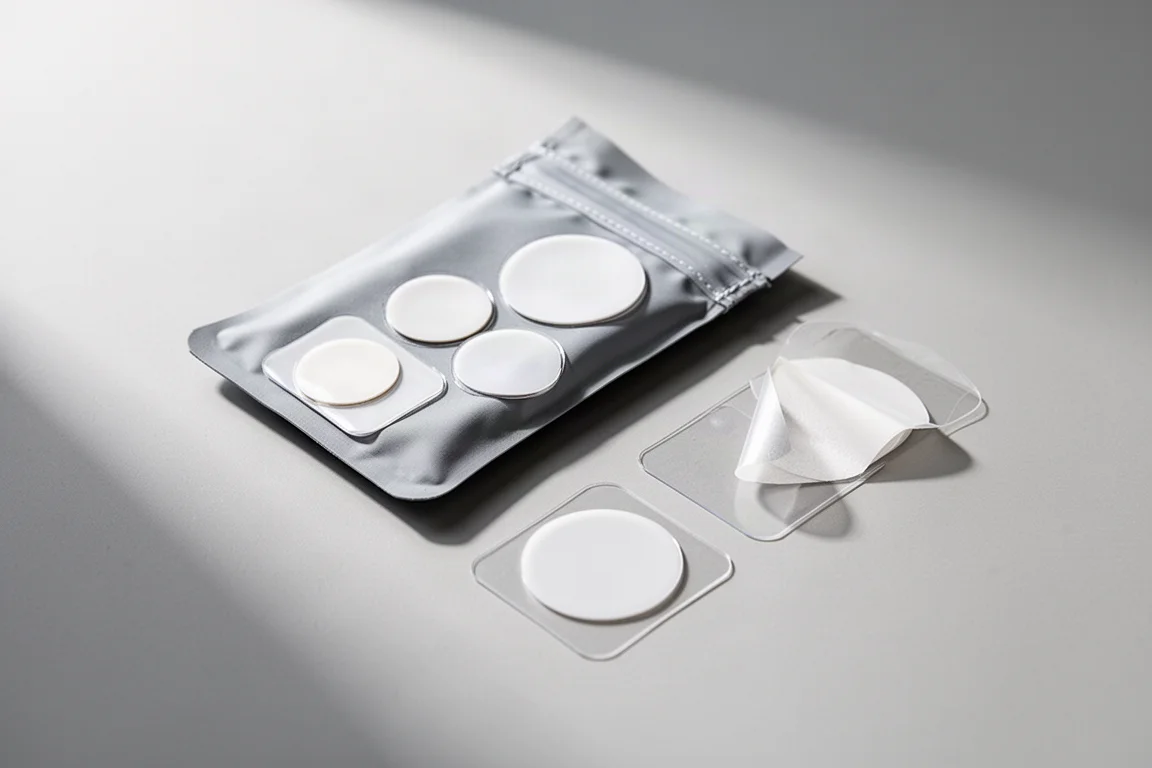
An instant repair kit addresses that problem directly. The Therm-a-Rest Instant Repair Kit is built for inflatable mattresses, and it packs small enough to live in a pannier or frame bag for the whole trip. Paired with a couple of patches for down and tent fabric, it covers most of the fabric damage a touring kit is likely to meet.
The value here is not really in the kit itself but in what it prevents. A pad that can be patched at the roadside stays in service for years, which is better for a touring budget and better for the gear that already exists.
Other Budget Bikepacking Essentials Worth Packing
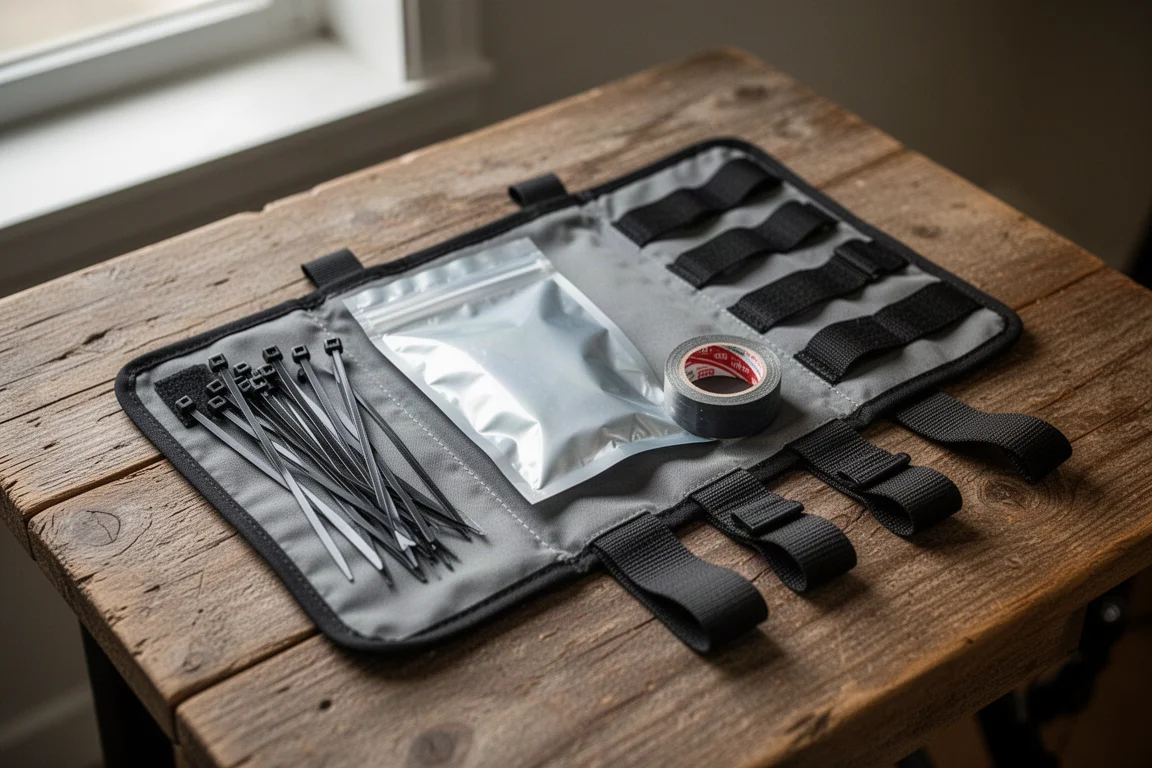
A few more inexpensive items round out a touring kit. Zip ties are the classic quick fix, useful for reattaching a bag or a mount when a strap fails, and reusable versions work like a small adjustable strap. They cost pennies at any hardware store.
Resealable bags do three jobs. They organise the contents of panniers like packing cubes, they compress soft items such as down jackets by sealing air out, and they protect gear from leaks, dust and mud. Used as a first layer inside an expensive dry bag, a cheap bag also stops sharp metal items from puncturing the dry bag, which extends its working life.
Electrical tape covers a surprising range of problems: fixing ripped bar tape, protecting the frame where bag straps rub, acting as a chainstay guard, and marking seat post height so a bike can be packed down and rebuilt without readjusting the saddle.
Other small items earn their place too. A sleeping bag liner, available for around £20, keeps a sleeping bag clean so the liner is washed instead of the bag, and it works on its own in hot climates. A motion-triggered alarm, around £15 to £20, adds a loud deterrent when a bike is left outside a tent or a shop. A knitted hat is warm when wet and fits under a helmet. A deck of cards fills long evenings in the tent. And a basic mechanical drivetrain is often the smarter choice for touring, because parts are easier to find and cheaper to replace in remote places.
Matching Your Kit to the Route You Ride
Which of these items matters most depends on where the ride goes. In hot climates, a sleeping bag liner is often used on its own for months at a time while the bag stays packed away. In remote regions, drivetrain parts availability and cost become the deciding factors, which favours simpler mechanical groupsets. Where security is a concern, a small motion alarm is a lightweight addition to a lock rather than a replacement for one.
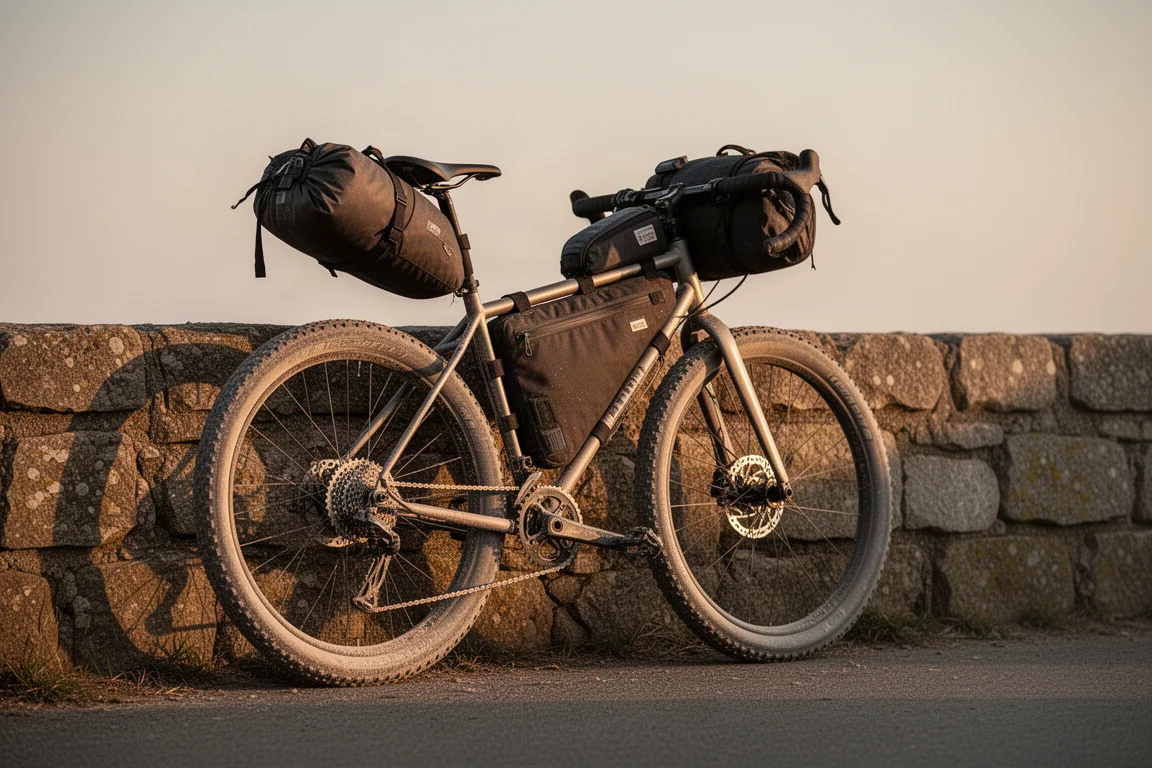
For riders who spend long days in the saddle, aero bars are worth considering. Budget versions have covered long tours without trouble, and the main benefit is a change of hand position that reduces numbness over consecutive days. The same bars double as a front rack: a bottle cage can be zip tied to them and a dry bag strapped across, which adds luggage capacity and shifts weight forward.
Buying Advice
Start with the cheap version and upgrade only where experience demands it. For most touring riders, the money is better spent on a reliable drivetrain, a sleeping system that suits the climate, and luggage that does not move, than on lightweight components that wear faster and cost more to replace.
Second-hand parts deserve a look. A used groupset can outlast several frames, and a second-hand purchase spread across three bikes over five years is a better return than a new top-tier set that is harder to source parts for. On a loaded bike, hydraulic braking has a clear advantage in stopping power, and a brake bleed is manageable even in remote places.
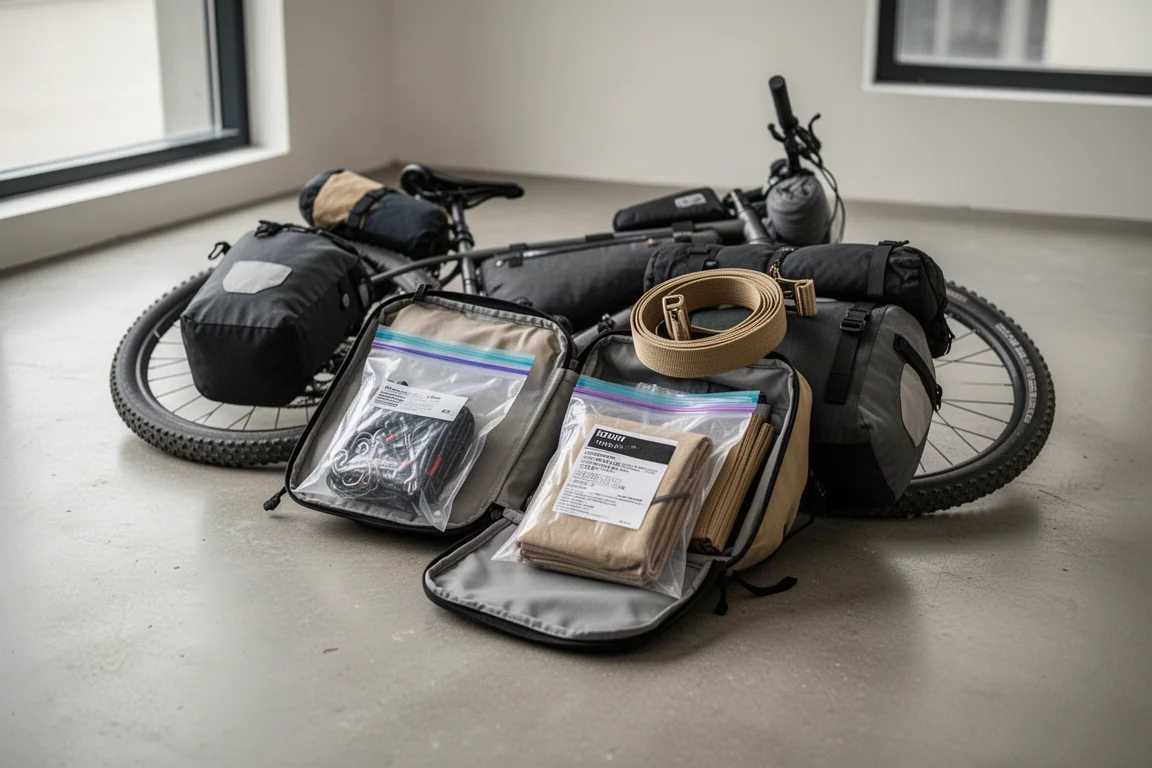
The three picks in this guide are inexpensive enough to buy on a whim and useful enough to justify the space they take. Straps hold a load together, tape and patch kits keep expensive gear in service, and both cost less than the items they protect.
Conclusion
Bikepacking does not require a specialist purchase for every problem. A handful of cheap items, from a pair of cinch straps to a small repair kit, covers the failures that actually happen on tour and keeps the expensive parts of a kit working for longer. Buy them early, pack them small, and replace them only when they run out.
Further reading
Related Reviews
Bikepacking Gear
11 Bikepacking Essentials for Long-Distance Cycling
Eleven bikepacking essentials for long-distance cycling, from a steel gravel frame and a two-person tent to helmet lights, packable gloves, and a frame bag that puts weight in the right place.
Bikepacking Gear
Best Bikepacking Gear 2026: 11 Essentials Worth Carrying
A practical look at bikepacking kit that earned its place on long rides, from a solar bike computer and basket packing to bar bags, bivvies and gravel shoes.
Bikepacking Gear
Best Bikepacking Gear: 10 Field-Tested Picks for Long-Distance Rides
Ten bikepacking products that earn their place on long rides, from a steel gravel frame to packable gloves, with the strengths and trade-offs worth knowing.