Cycling
Best Bikes of 2024: Road, Gravel and Mountain Awards
The bikes that stood out most over the 2024 season across road, endurance, gravel and cross-country, plus two that fell short of expectations.
Introduction
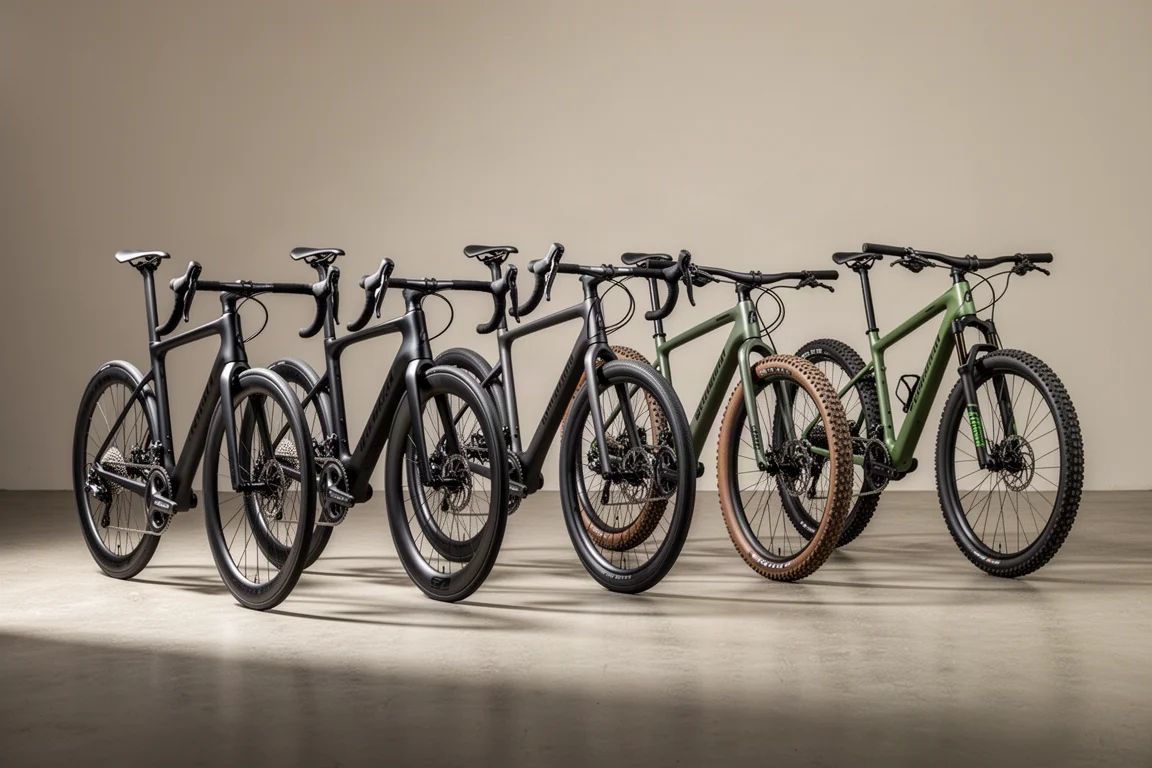
Aerodynamics, integration and wider tires shaped the 2024 model year more than any single launch, and the effect shows up across every category. Race bikes got faster without getting heavier, endurance platforms quietly gained clearance for 40mm rubber, and gravel machines split into two clear families: fast race bikes and rugged adventure rigs.
This roundup collects the bikes that stood out most over the season across road racing, endurance, gravel and cross-country mountain biking, along with a short list of models that fell short. Awards are grouped by category, so a value pick and a flagship can sit side by side when both do their job well.
How These Picks Were Chosen
Ride quality carries the most weight here. A fast bike that feels harsh or nervous over broken tarmac rarely stays in the rotation, and a comfortable bike that feels dull is just as hard to recommend. Handling, fit and geometry come next, because a bike only works if the position suits the rider it is aimed at.
Tire clearance and mounting points matter more every year, particularly on endurance and gravel models, where 40mm tires and mudguard mounts turn a fair weather bike into a year round one. Value is judged against what the bike actually delivers, including whether the stock build needs immediate upgrades.
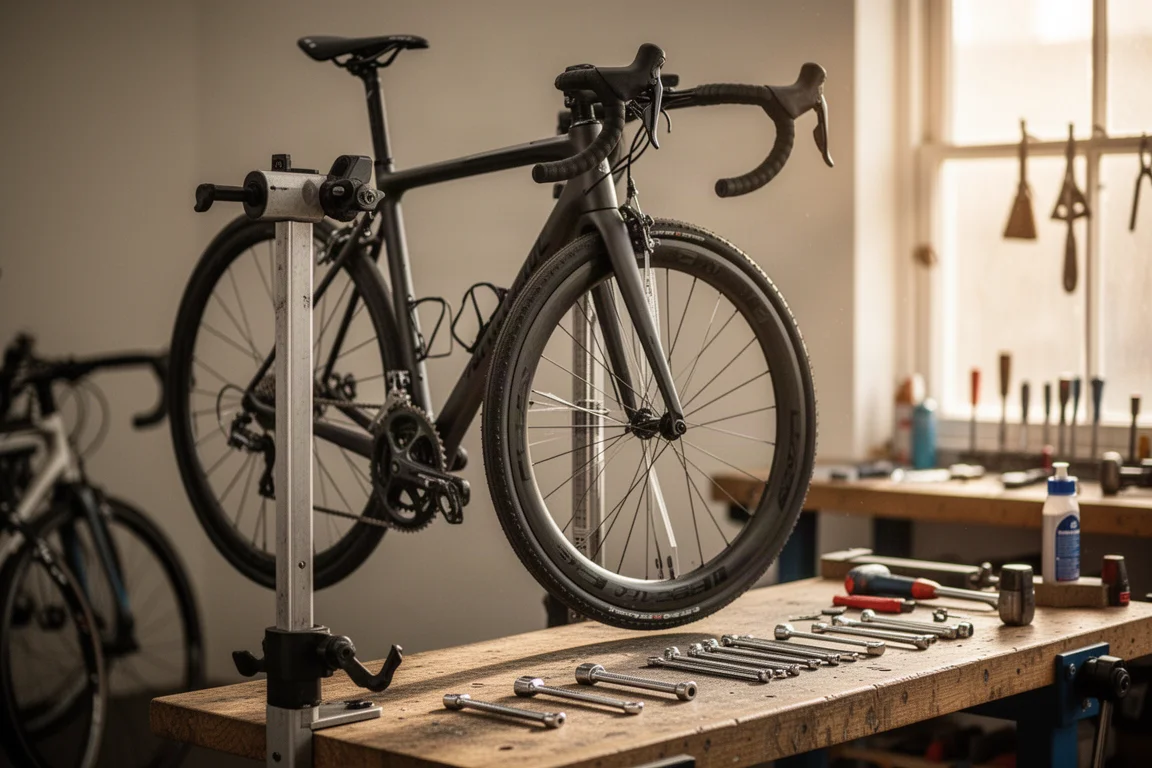
Finally, each award reflects the job the bike was designed to do. A cross-country race bike is not penalised for being stiff, and a bikepacking rig is not penalised for being heavy, as long as each performs well in its intended setting.
Best Race Bike: Specialized Tarmac SL8
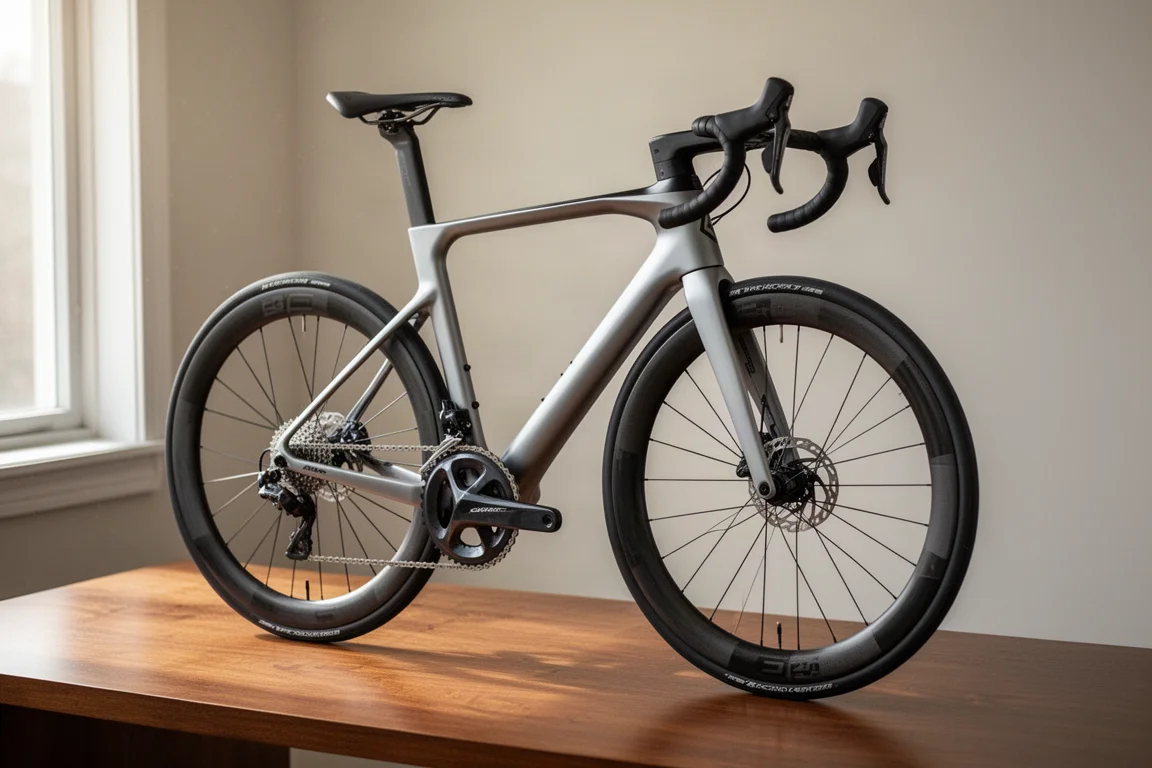
The Tarmac SL8 earns this award by combining two things that usually pull in opposite directions. It is one of the lightest race frames available and still genuinely aerodynamic, so it climbs well and holds speed on the flat without demanding a compromise.
Practical details make it easy to live with. Internal routing is straightforward to adjust, the bottom bracket is an external threaded design, and tire clearance is reasonable for a race bike. On the road it feels composed and unusually smooth for the category, with handling that stays predictable across rough surfaces.
The one caveat is stiffness. Very powerful sprinters may find stiffer race frames more rewarding, and Specialized pricing sits at a premium, even though the lower end of the range tends to offer better value.
Fastest Aero Race Bike: BMC Teammachine R
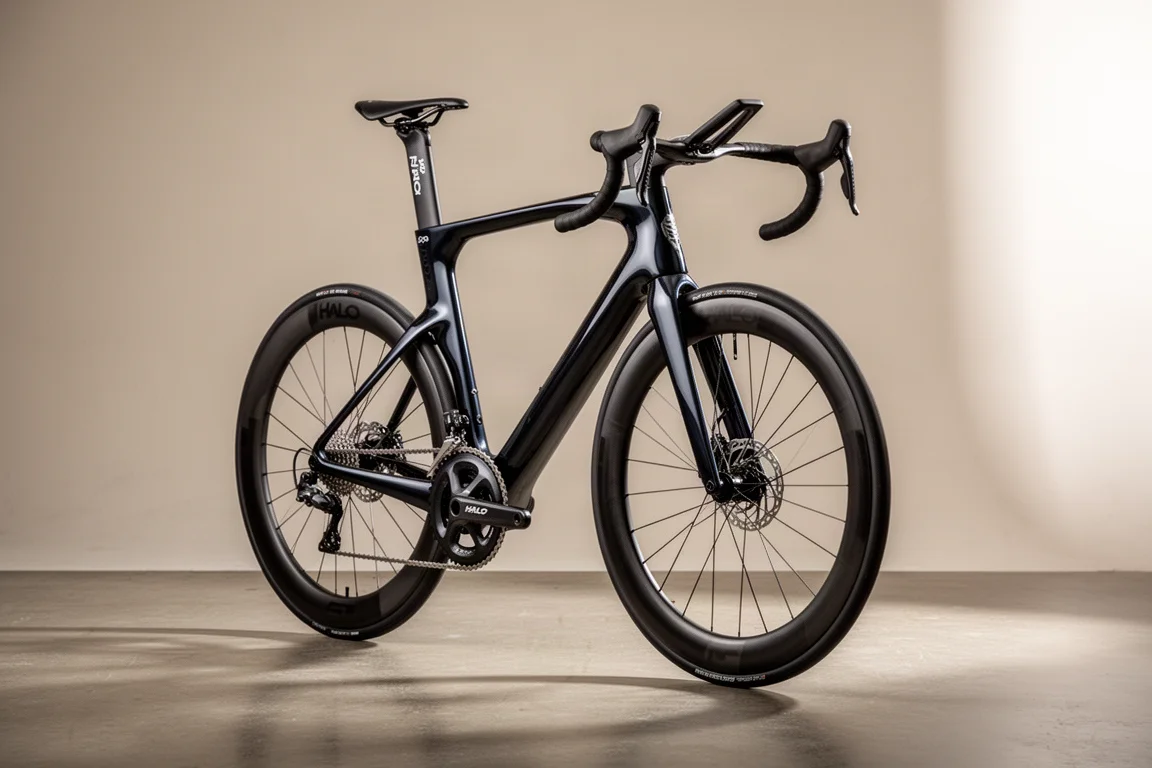
If outright speed is the goal, the Teammachine R is the quickest bike here. On a standard test loop it recorded a lower power requirement at 32 km/h than the range-topping Aeroad CFR, which is a meaningful gap in a category where gains are usually measured in single watts.
The difference is obvious the moment you ride it. Stiffness and aerodynamic efficiency are both immediate, and the frame looks the part as well. The trade-offs are comfort and tire clearance: this is not the smoothest bike in the category, and it is happiest on smooth surfaces.
Riders who race on fast circuits and are willing to pay flagship money will find a lot to like. Everyone else should weigh comfort and versatility more heavily.
Best Endurance Bike: Giant Defy Advanced 1
The Defy is the endurance bike to buy this year. Tire clearance is generous, mudguard mounts are included, and the fit sits in a useful middle ground: more relaxed than an aggressive race bike, but not as upright as the most comfort focused endurance models. That position works well for riders who still want to ride fast without paying for it in the neck and shoulders.
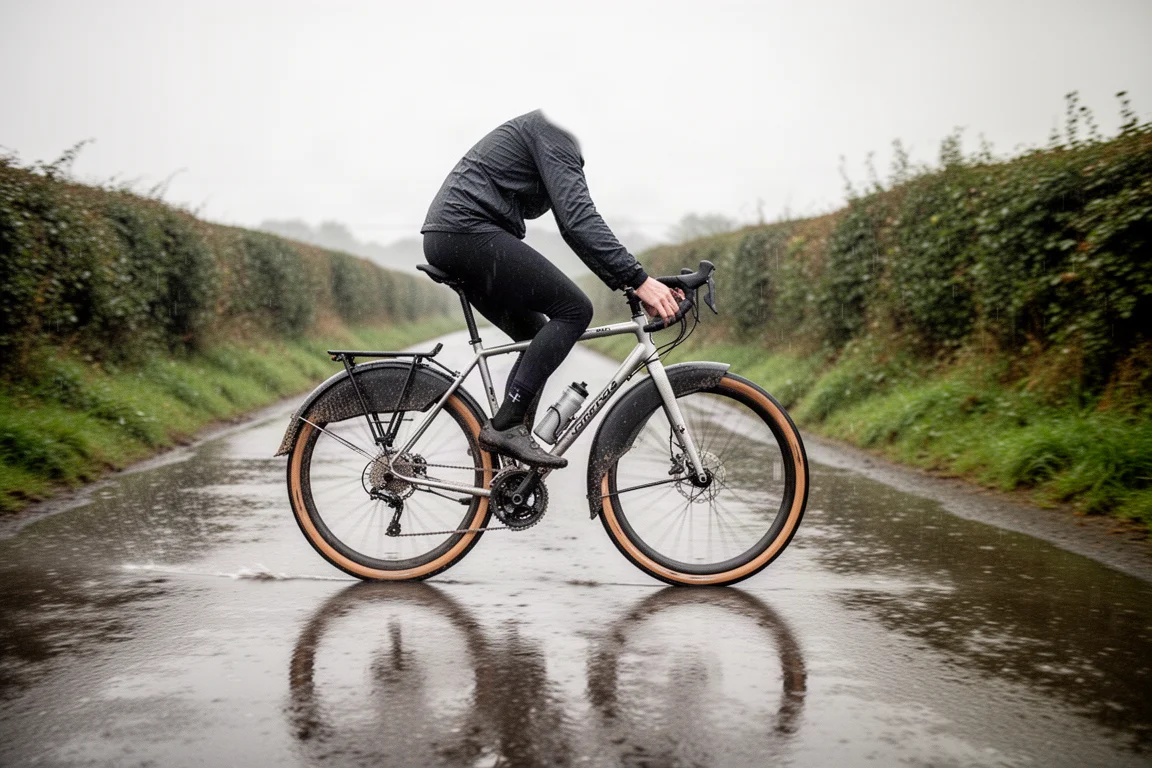
The Advanced 1 build makes the case even stronger. For around £2,500 you get a full carbon frame and fork, Shimano 105 Di2 electronic shifting and hydraulic disc brakes. Out of the shop it needs nothing, and there is clear upgrade potential later in the tires, wheels, handlebar and seatpost.
It is not the outright smoothest bike in this category, and riders chasing maximum plushness may prefer a suspension equipped endurance frame. For most riders, though, the balance of speed, comfort and value is hard to beat.
Best Budget Race Bike: Canyon Aeroad CF SLX
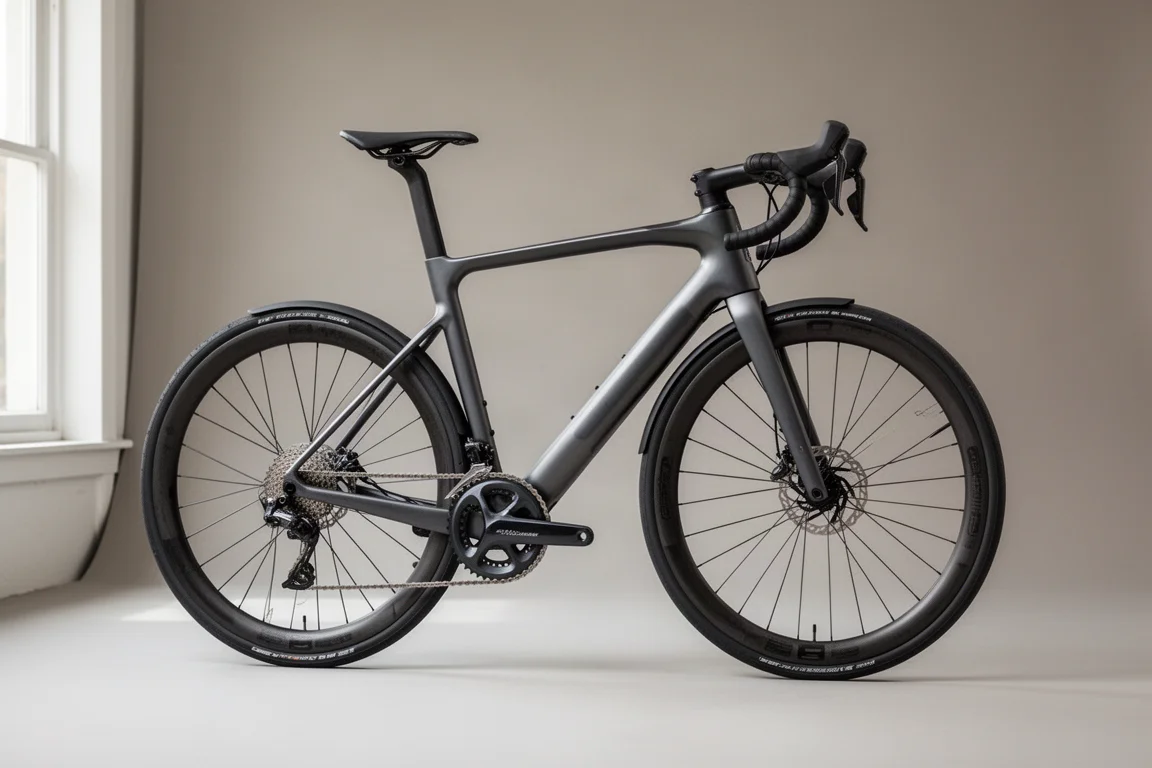
An aero race bike for around £4,000 is a rare thing, and the Aeroad CF SLX does it without obvious cost cutting. You get a carbon frame, a one-piece carbon aero handlebar and stem, full internal routing, aero carbon wheels, a SRAM Rival groupset and good tires. Nothing needs changing before the first race.
Fit flexibility is a bonus: the cockpit can be adjusted for stack height and bar width, and there are mounting options for a computer, a phone or triathlon extensions. The gear mount on the handlebar is an acquired taste, but it adds versatility.
In testing it gave away less than expected to the top build in the same range, which reaches around 7kg in its lightest configuration. Riders who want to race tomorrow on a sensible budget should start here.
Best Debut: Van Rysel RCR
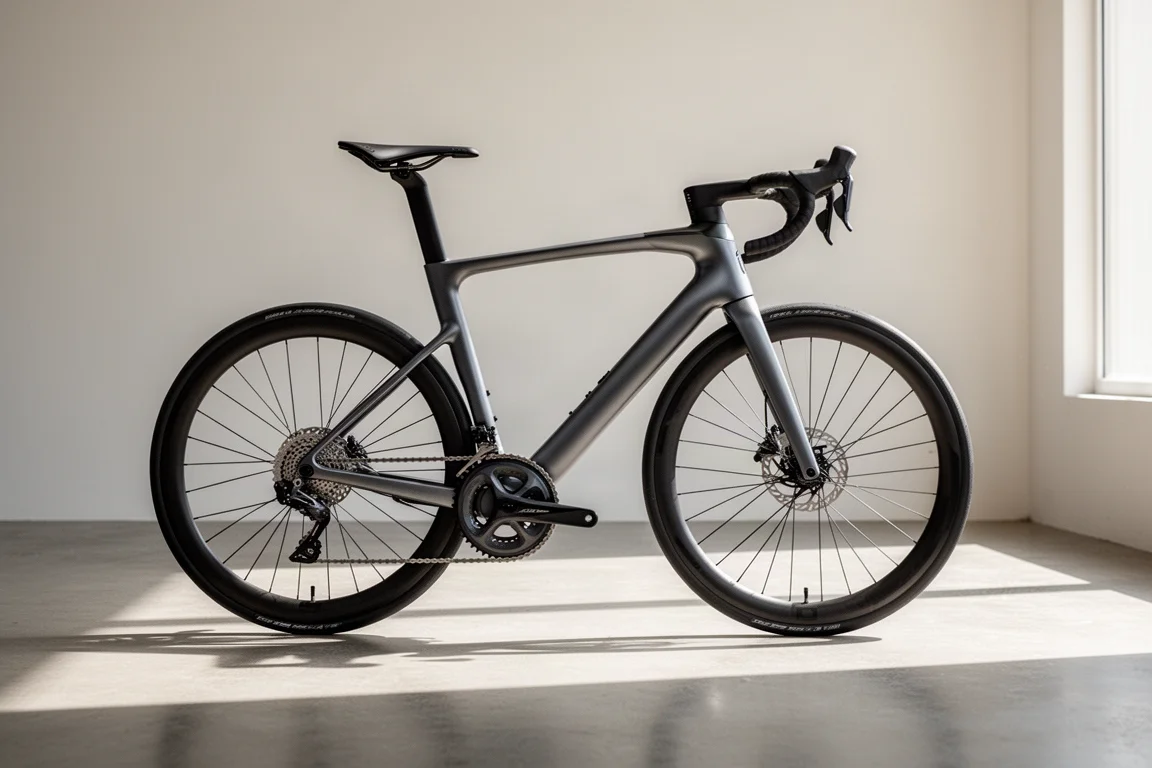
Launching a credible race bike into one of the most saturated corners of the market is not easy, and Van Rysel managed it at the first attempt. The RCR range undercuts mainstream race bikes while standing up well against established models.
Two builds were ridden over the season. The mid-range model offered strong value but lacked a little of the finesse and ride quality that separates a good race bike from a great one. The range-topping model, with Shimano Dura-Ace Di2 and carbon wheels, felt far more polished and gave nothing away to well known race platforms.
For buyers who want race performance without flagship pricing, the RCR deserves a place on the shortlist.
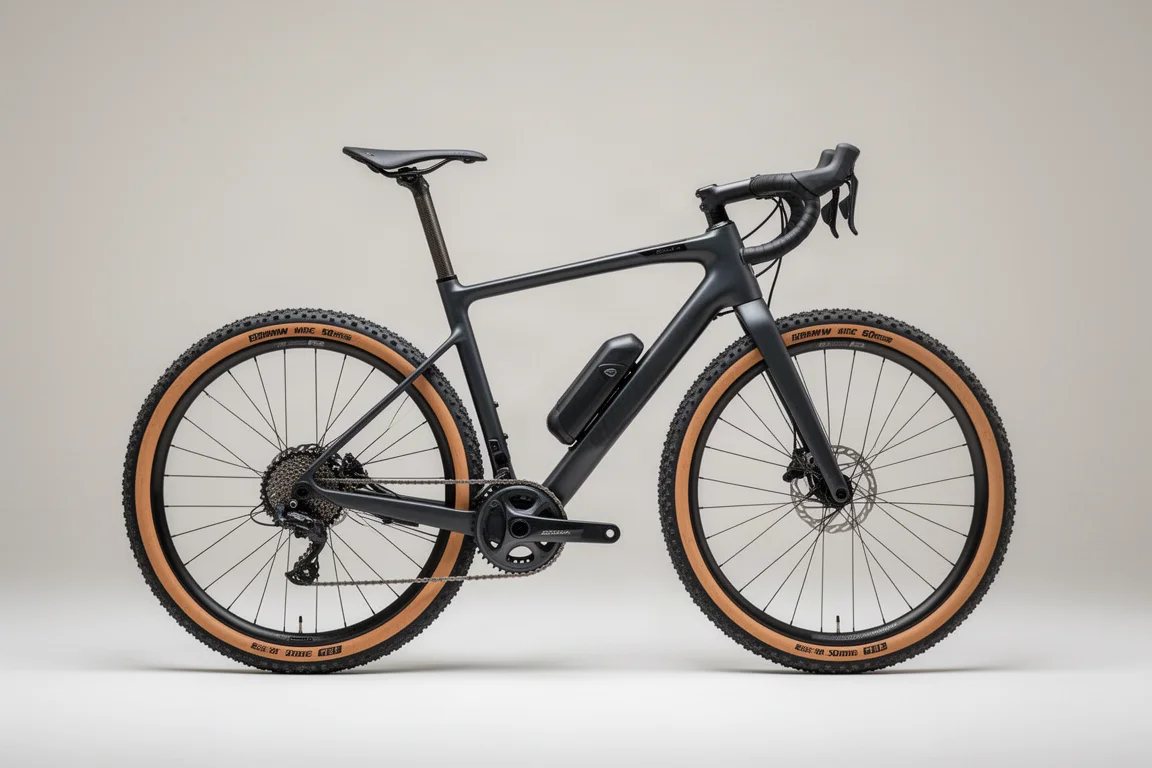
Best Value Gravel Bike: Propain Terrel
Propain comes from mountain biking, and the Terrel is the company’s first drop bar gravel bike. The base model costs just over £2,000 and arrives with a Shimano GRX 1x mechanical groupset, hydraulic disc brakes, DT Swiss wheels and good quality tires, which is a lot of specification for the money.
The geometry is progressive rather than racy, with slack angles, a long wheelbase and a short stem. The frame accepts a suspension fork and a dropper post, includes down tube storage and carries mounts for fenders, bags, racks and bottles. That makes it a genuinely capable bikepacking platform rather than a gravel race bike with knobbly tires.
Based on riding so far, it delivers what the design promises: steady, confident performance on rough terrain and long adventure routes.
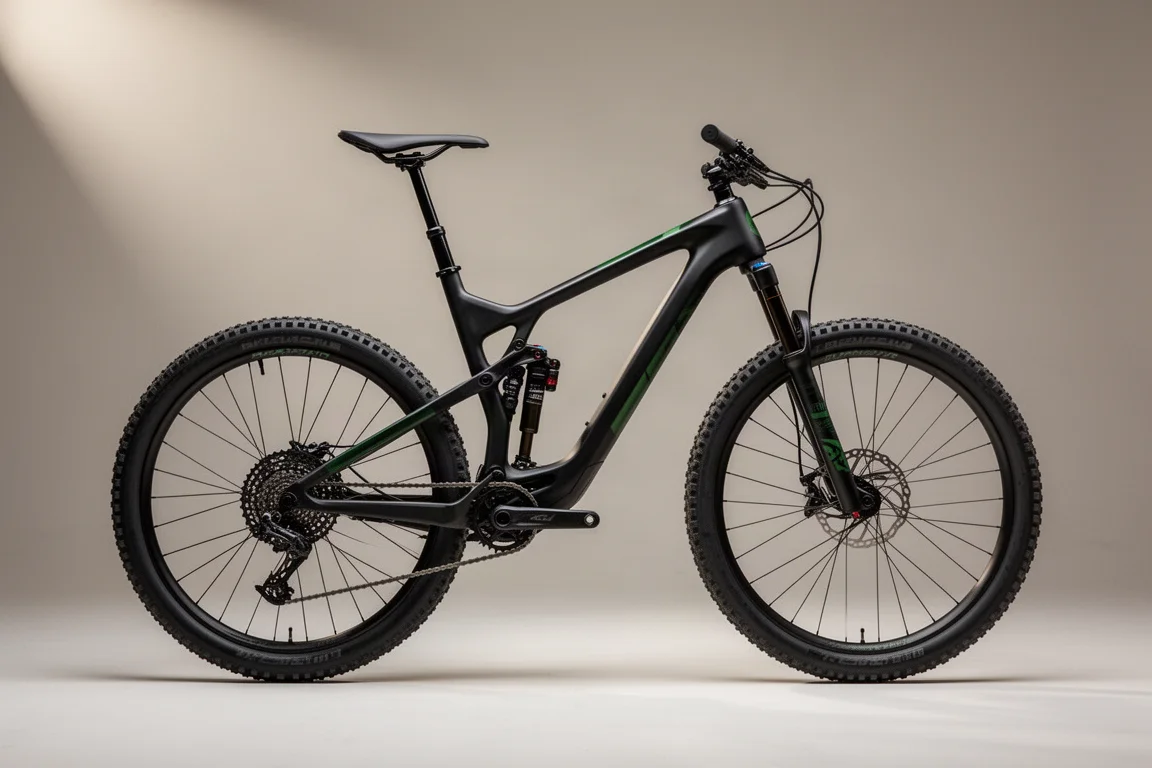
Best Mountain Bike: Cannondale Scalpel
The Scalpel takes this award for the way it handles the full range of cross-country riding. The flagship build is expensive, but more attainable models sit below it and share the same fundamental character.
The bike is light, the suspension performs well, and the geometry is well judged for modern trails. The single-sided Lefty fork still works extremely well after two decades on the market and holds an edge on steep, rocky descents where some cross-country forks start to bind and hold the rider back. It climbs quickly and descends with far more confidence than the category used to allow.
For riders who want one fast mountain bike that does not need to be babied, this is the benchmark.
Overall Champion: Bridge Surveyor
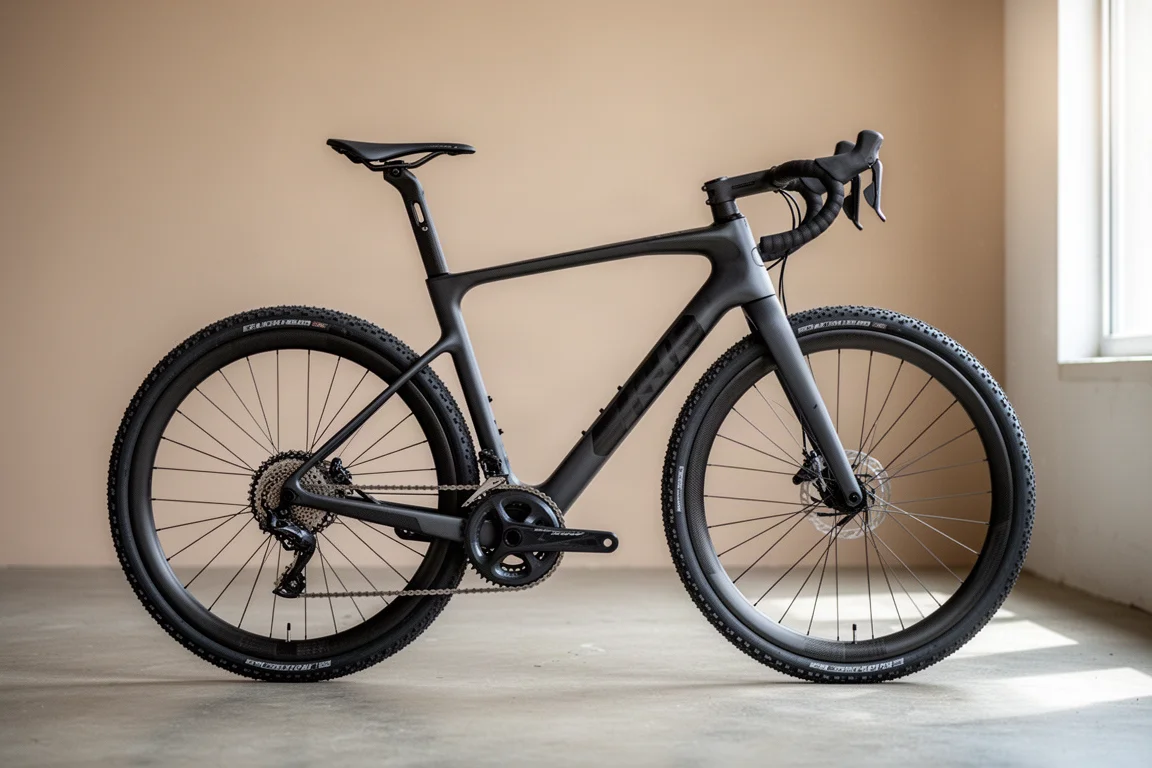
The Surveyor wins the overall award because it solves a problem most road bikes ignore: how to keep race bike speed while fitting tires wide enough for rough roads. Clearance goes up to 40mm, and the geometry is unmistakably race oriented, with a low stack and a longer reach.
That combination means an aggressive, efficient position paired with the ability to run wide rubber over broken tarmac, dirt roads and light gravel. The frames and forks are handmade in Canada by a small company that invested in bringing carbon manufacturing in-house rather than outsourcing it, and that story is part of what makes the bike appealing.
It is a niche choice from a small builder rather than a mass market machine, but as a single bike for fast riding almost anywhere, it is the one that stood out most.
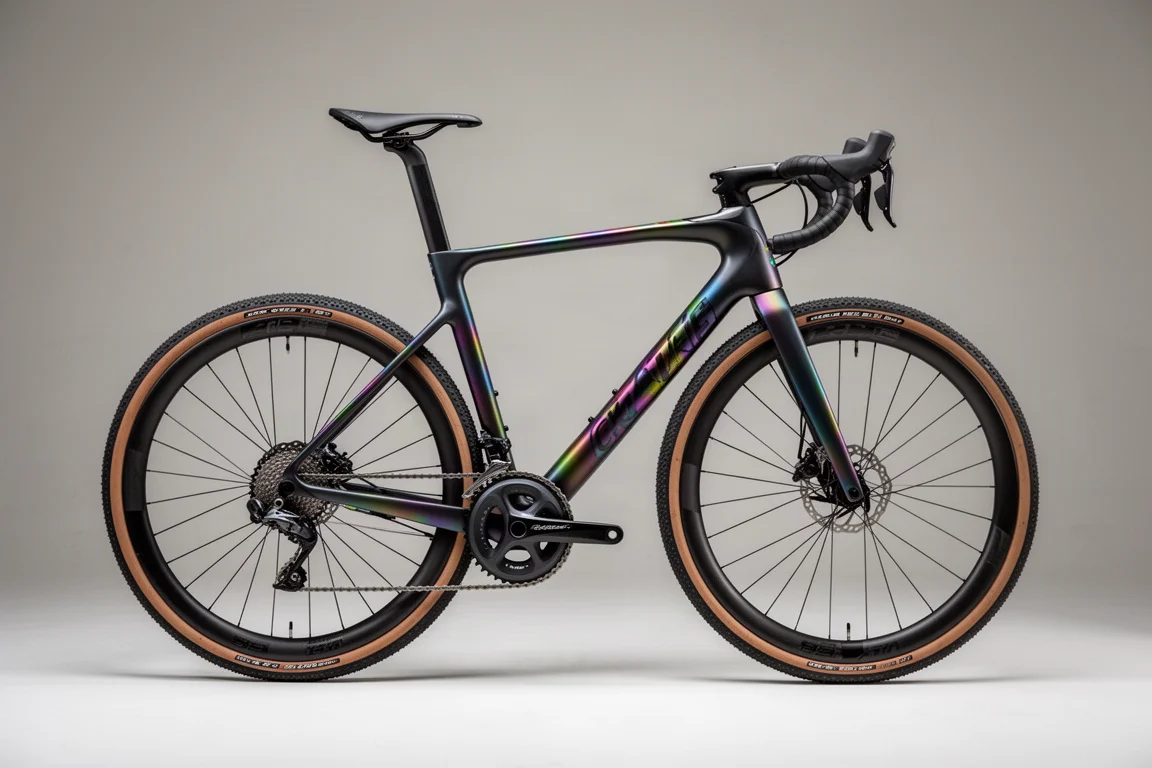
Runner-Up Overall: FiftyOne Seeker
The Seeker takes a slightly different route to the same destination. It is the first stock road bike from a custom frame builder, with tire clearance up to 40mm, a fit that sits closer to a race bike than a traditional endurance model, and a frame weight under 700g. Light builds are realistic without any exotic parts.
The details are sensible too: a one-piece handlebar and stem, a round seat post, an external seat clamp and a T47 bottom bracket, all of which make maintenance easier over the years. Long rides suit it particularly well, and it stays comfortable over distance while still feeling quick.
Riders who want a more upright front end may prefer a conventional endurance bike, but for anyone who wants race pace with all-day comfort, the Seeker is a compelling package.
Bikes That Missed the Mark
Not every well regarded bike suits every rider, and a couple of models that looked strong on paper fell short in practice. Both of the bikes below are genuinely capable machines, but each has a characteristic that makes it hard to recommend without reservations.
Pinarello Dogma F
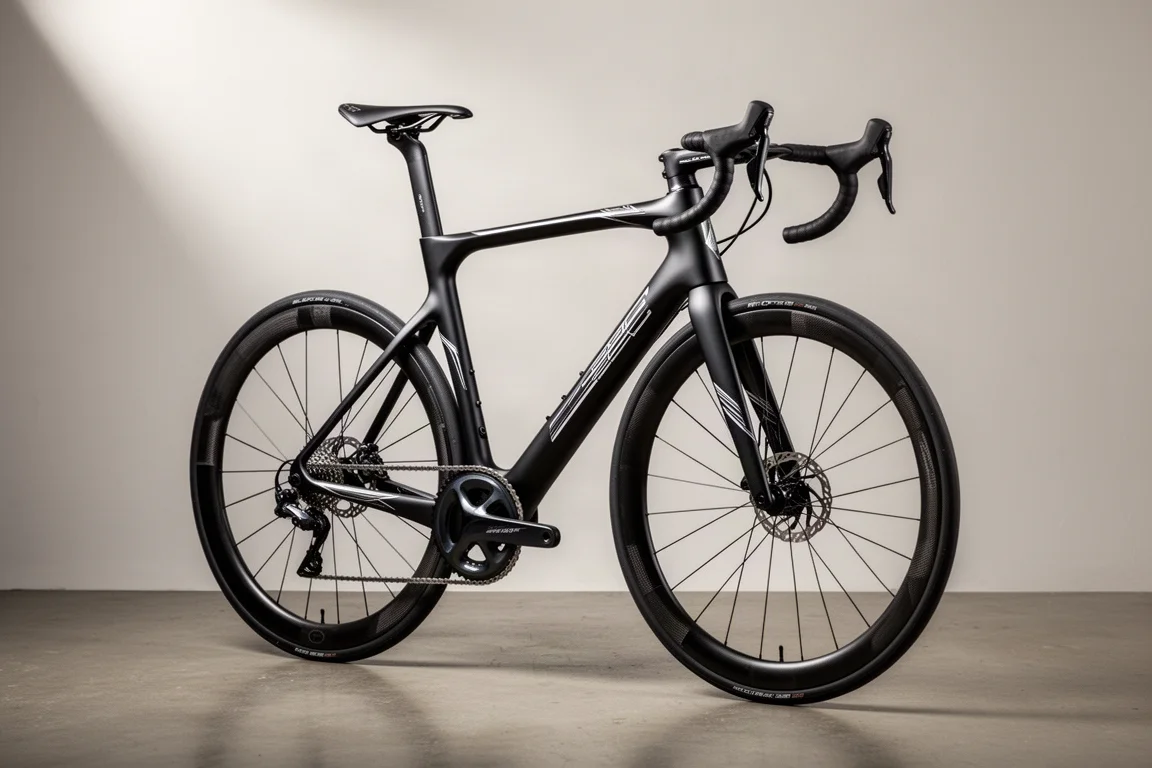
There is no doubting the Dogma F racing credentials. It is extremely stiff and delivers strong performance for powerful riders who can use that stiffness. For everyone else, the ride is jarring, with little of the finesse and comfort that make a race bike enjoyable over long days.
Steering also felt less fluid than expected through corners and bends, and the looks are divisive. It remains a fast bike, but one that asks a lot of its rider in return.
Canyon Grail
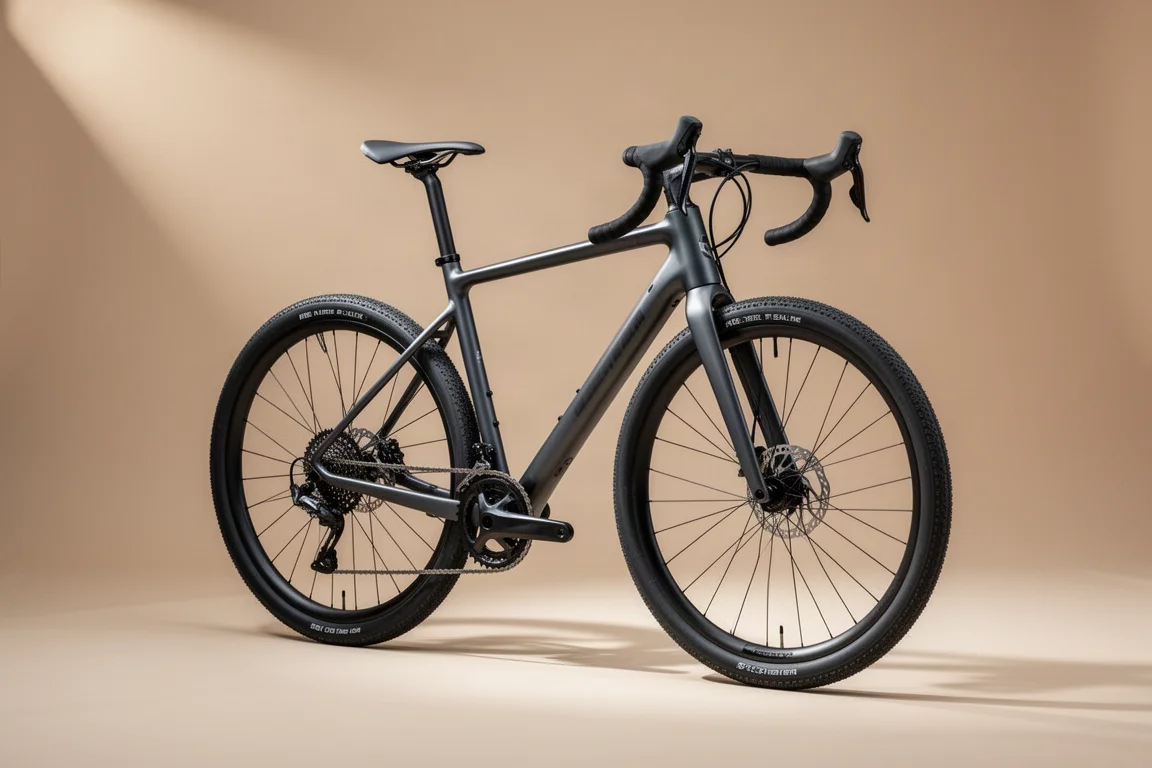
The Grail is Canyon’s gravel race bike, designed for fast events on dry courses, and in that narrow window it works well. It is quick on smooth gravel, the narrow aero handlebar helps, and the integrated frame bag that sits at the junction of the down tube and top tube is a neat touch. Comfort on dry, dusty trails is decent.
The problem is tire clearance. Anything wider than 42mm is difficult to fit, and while some tire and rim combinations allow a 45mm tire, there is effectively no room for mud. On wet or gritty surfaces that risks frame damage. The down tube storage hatch is also small and awkward to load.
An update addressing clearance would transform the bike. Until then, it suits riders who stick to fast, dry gravel.
Buying Advice
Start with the surface you actually ride, not the surface you imagine riding. Tire clearance is the specification that dates fastest, and a frame that accepts 40mm rubber will stay useful long after aero claims have moved on.
Fit matters just as much. A race geometry with a low stack and a long reach rewards flexible, experienced riders, while a more relaxed endurance position keeps most people comfortable over long distances. Neither is better in the abstract.
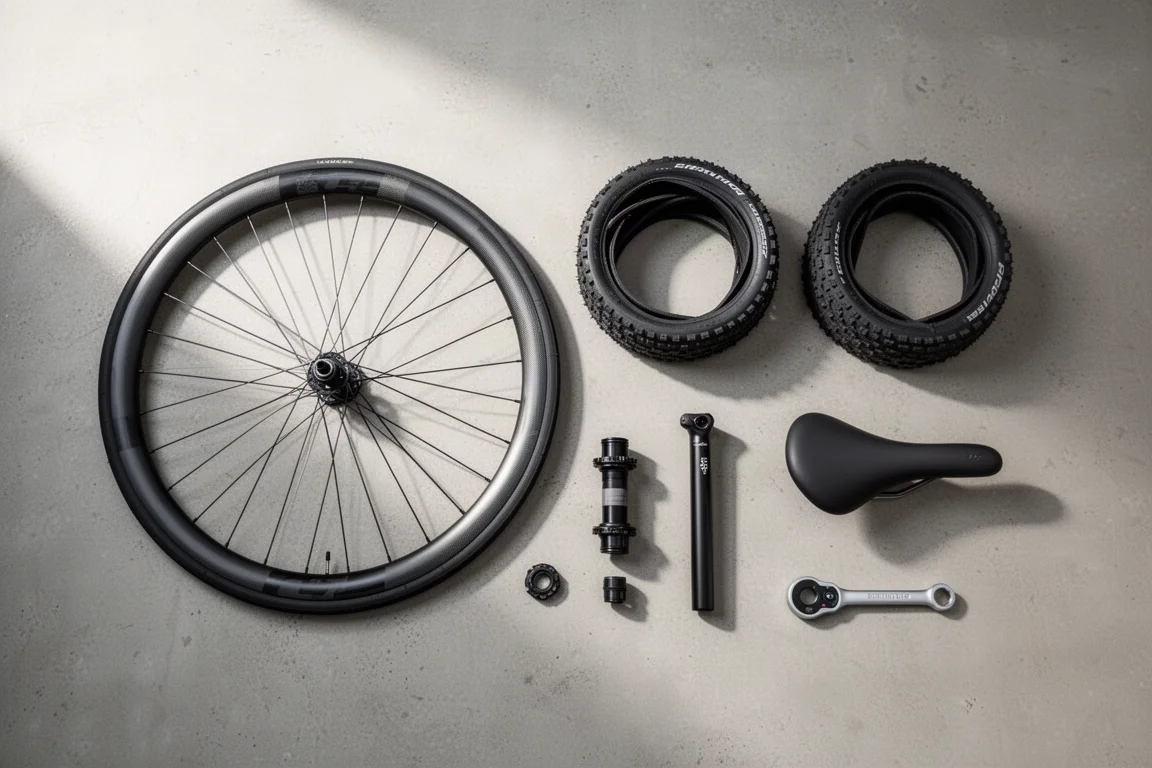
Value is worth judging on the complete package. Bikes that arrive with electronic shifting, carbon wheels and quality tires often cost less over time than a cheaper frame that needs immediate upgrades. If the stock build is already race ready, that is money saved.
Finally, think about longevity. Threaded bottom brackets, round seat posts and external seat clamps are not glamorous, but they make a bike easier to service and keep for years.
Conclusion
The 2024 season produced a strong field, and the best bikes from it share a common trait: they are fast without being punishing. The Giant Defy Advanced 1 is the easiest recommendation for most road riders, the Tarmac SL8 remains the benchmark race bike, and the Bridge Surveyor is the pick for anyone who wants race speed with room for wide tires.
On the gravel side, the Propain Terrel offers a lot of bike for the money, while the Canyon Grail shows how quickly tire clearance can date a design. Riders who know their terrain and their preferred fit will find something here that suits both.
Further reading
Related Reviews
Cycling
2026 Bike of the Year and the Cycling Gear Worth Watching
A drop bar roundup for 2026 covering the Ridley Kanzo Fast 2.0, Shimano Dura-Ace Di2 R9300, Trek Checkpoint ALR Gen 3, Specialized Tarmac SL9, Garmin Fenix 9 and Insta360 X6.
Cycling
Best All-Road Bikes 2026: Six Versatile Endurance Road Bikes Worth Considering
A practical look at six all-road and endurance road bikes, from lightweight carbon speed machines to steel all-rounders and comfort-focused mile eaters.
Cycling
Best All-Road Bikes 2026: 8 Endurance Bikes for Road and Light Gravel
Eight all-road bikes that blur the line between endurance road and light gravel, compared on tire clearance, ride character, practicality, and value.