Bikepacking Gear
Best Bikepacking Gear: Nine Field-Tested Favourites for Long-Distance Rides
A decade of loaded riding distilled into nine dependable picks, from seat packs and pedals to shelters, clothing, navigation, and recovery tools.
Introduction
Bikepacking gear earns its place slowly. A bag, a shoe, or a shelter only proves itself after seasons of loaded riding, rough surfaces, and weather that changes its mind halfway through the day. The picks below come from more than a decade of loaded touring on roads and off-road routes, both domestically and internationally, and from kit that kept getting packed trip after trip instead of being replaced.
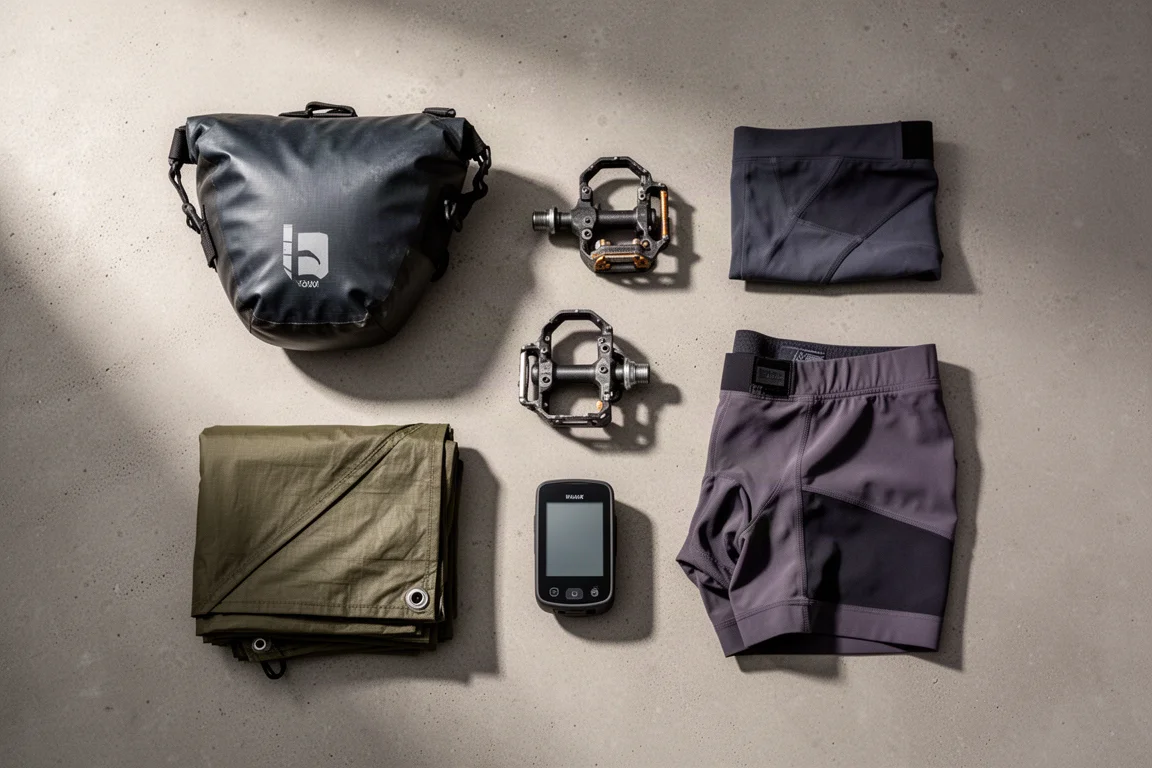
The list covers a seat pack, pedals, shoes, two bike computers, riding clothing, a shelter, and one recovery tool. Every item here has a clear job, and each one is worth considering if you are building or refining a bikepacking setup.
How We Chose This Gear
Five things separated these items from the rest of the gear pile.
- Durability under real abuse. Anything that survived thousands of miles of dust, sun, and repeated packing and unpacking earned a longer look.
- Stability while riding. A bag that shifts, or a pedal that feels vague, adds fatigue over a long day.
- Weather protection. Waterproofing matters most for the items carrying a sleep system or spare layers.
- Walkability and off-bike comfort. Hike-a-bike is part of bikepacking, so shoes and clothing have to work when you are pushing rather than pedalling.
- Simplicity. Fewer parts, fewer failure points, and less time spent fiddling at camp.
The result is a list that leans practical rather than exotic. Several of these items have been carried across multiple countries and thousands of miles, and none of them were replaced because they stopped working.
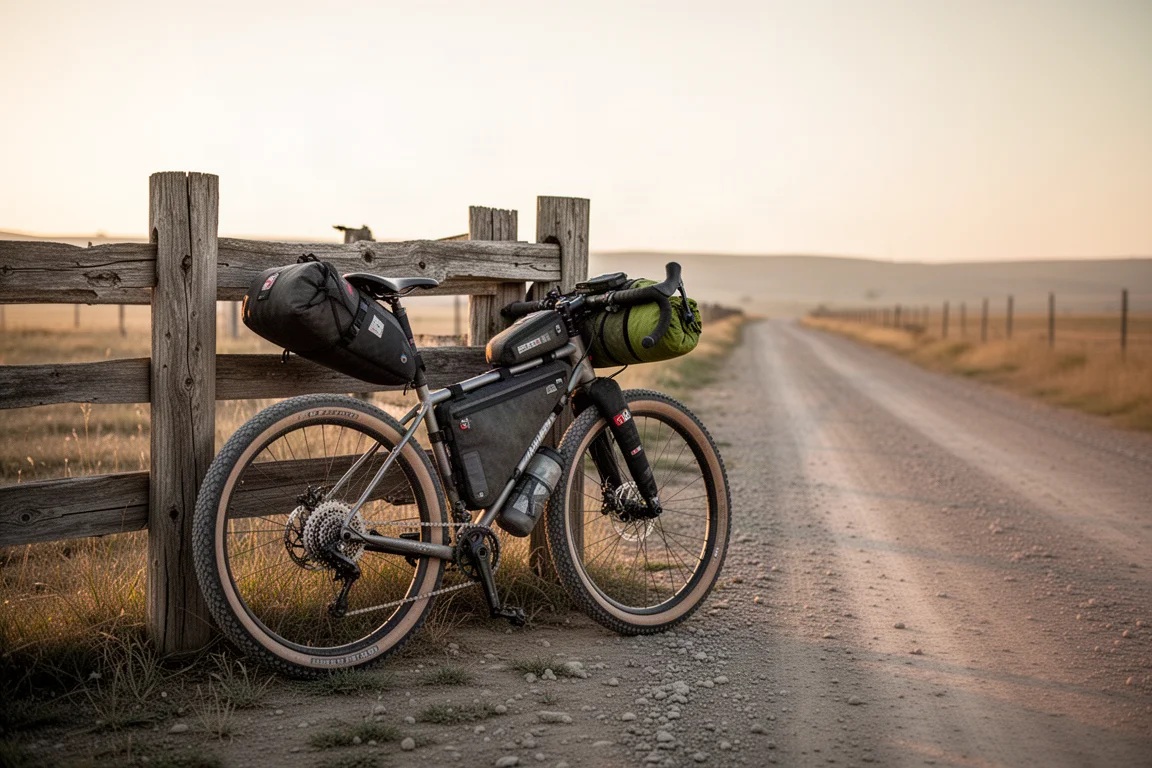
Most of these items are straightforward to pack, adjust, and live with, which matters more than any single specification once you are far from a shop. Where a product has a meaningful trade-off, it is called out in the section below.
Brooks Scape Seat Pack: Stable, Dry, and Built to Last
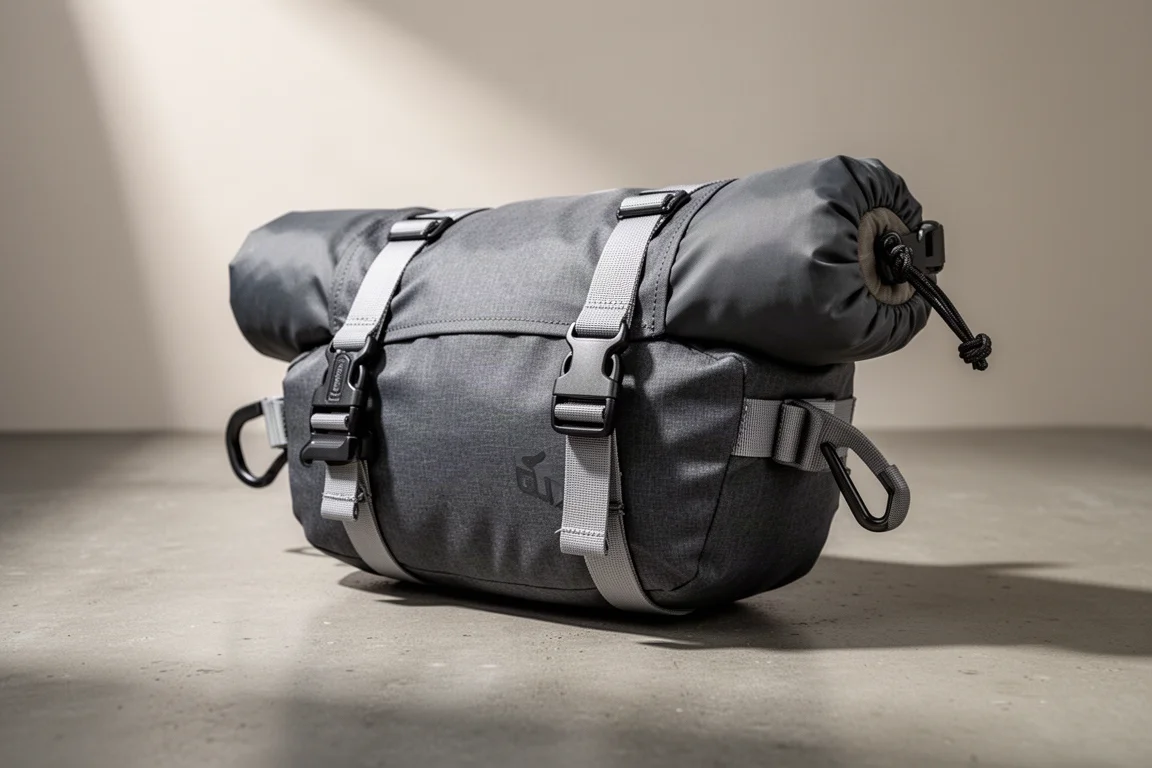
A seat pack lives at the back of the bike, where any movement is amplified. Wagging is the classic complaint: a bag that sways side to side with every pedal stroke, wears on the mounting hardware, and makes the bike feel unsettled on rough ground. The Brooks Scape Seat Pack avoids that problem almost entirely.
Brooks built its reputation on saddles, particularly classic leather models, and the brand’s bikepacking bag range arrived a few years ago with the same emphasis on long-term durability. The Scape uses a two-part clamshell design. A harness stays bolted to the saddle and seatpost, and a removable dry bag hooks into it with a G-hook, so loading and unloading happens off the bike. The dry bag itself is laser welded and fully waterproof, with a small air release valve that lets you compress the load once it is sealed.
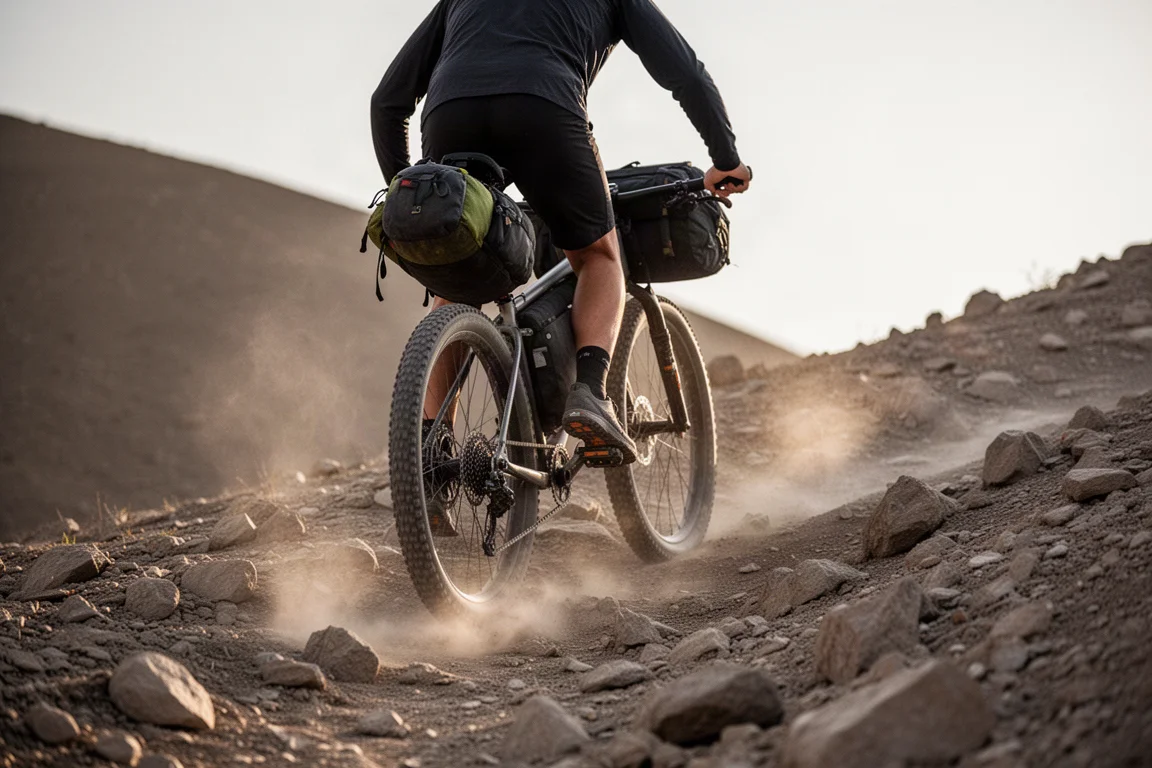
In practice, the pack suits the items you cannot afford to get wet: a sleeping pad, quilt, spare clothing, or a down jacket. It also has enough volume for a cook kit and a tent when the rest of the setup is dialled in. After thousands of miles of domestic and international riding, the harness has stayed put, the closure has stayed dry, and the fabric has held up to sun and dirt.
Shimano XTR Pedals: Dual-Sided Clipless Confidence
The clipless versus platform debate never really ends, and the terminology does not help. The word clipless dates back to the era of toe clips and straps, when pedals that used a cleat instead were named for what they left behind. Confusing name, simple idea: your shoe locks into the pedal.
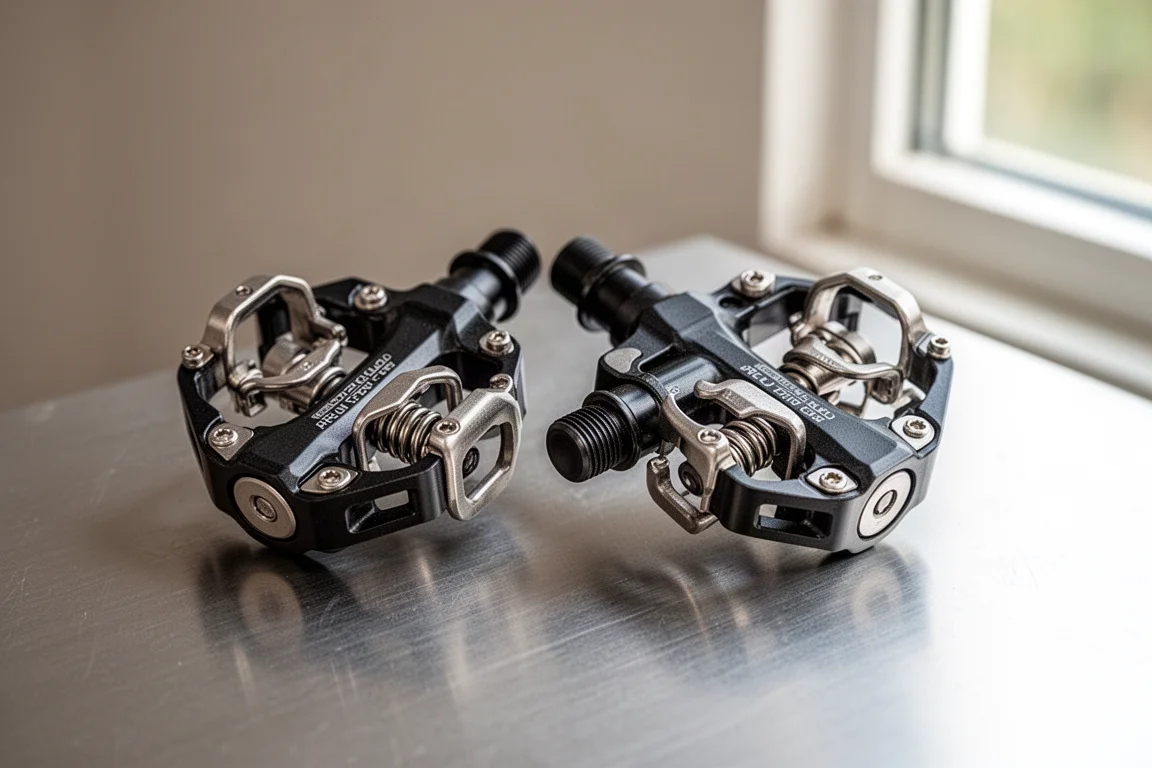
For riders who prefer that connection, the Shimano XTR pedal has been a long-standing favourite. It is dual-sided, so you can clip in from either side of the pedal without looking down, which matters on technical terrain and repeated stops. Engagement is positive and the platform is efficient, which is the main argument for clipping in on long days: less wasted movement through the pedal stroke.
Pearl Izumi X-Alp Summit: Stiff Enough to Ride, Flexible Enough to Walk
Bikepacking shoes have an awkward double life. On the bike, you want a stiff sole for efficient power transfer. Off the bike, during the hike-a-bike sections that define many routes, you want something that walks like a trail shoe. Most footwear lands too far in one direction: walkable soles that flex under power, or stiff soles that are miserable on a loose climb.
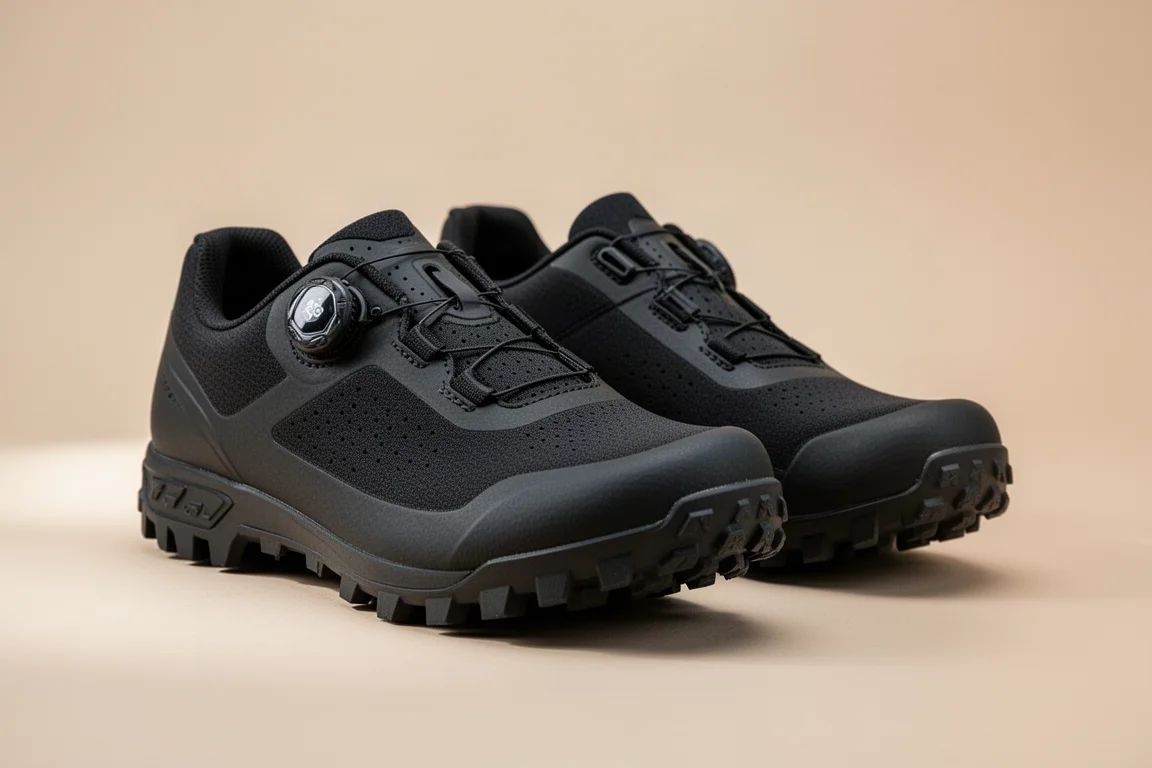
The Pearl Izumi X-Alp Summit sits close to the middle. The sole is stiff enough to feel efficient when pedalling, but it keeps a little give, and the tread has the kind of grip that recalls a trail runner rather than a road shoe. The toe box is wide, which is unusual for cycling footwear, and an adjustable Velcro strap lets you open it up further. Tensioning is handled by a BOA dial, so there are no laces to tie, tuck, or catch. This is a shoe that has covered thousands of miles, and the sole is only now beginning to show a small crack after years of hard use.
Wahoo ELEMNT ROAM: Compact Navigation with Long Battery Life
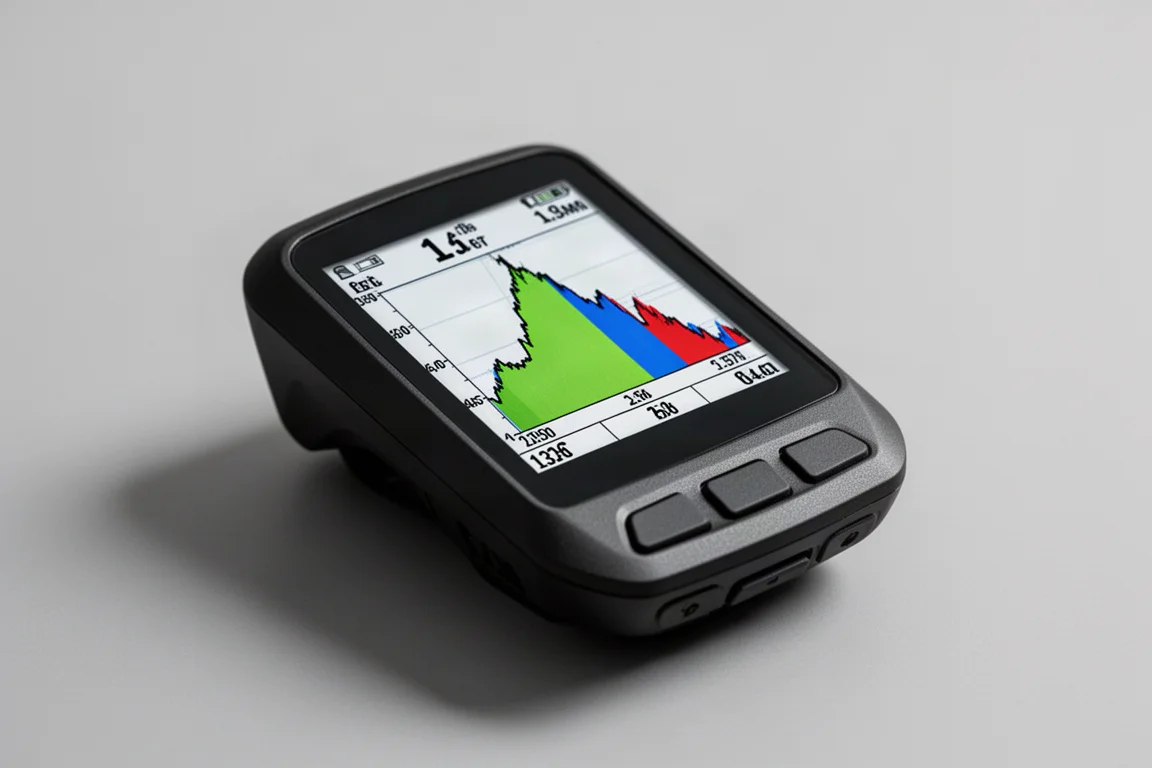
A bike computer earns its keep through navigation, and the Wahoo ELEMNT ROAM has been a dependable head unit for loaded trips. The workflow is straightforward: build or download a GPX track in mapping software, mark waypoints for water sources, campsites, and resupply points, then load the file onto the computer. On the bike, that becomes turn-by-turn directions, a map view of your position, and the day’s ride data including distance and elevation.
The ROAM is compact and battery life is strong, which is the practical requirement for multi-day routes where charging opportunities are unpredictable. This version uses a micro-USB charging port and physical buttons for control. If you are shopping the current line, the newer model below addresses a few of those details.
Wahoo ELEMNT ROAM 3: Longer Battery, USB-C, and a Touchscreen
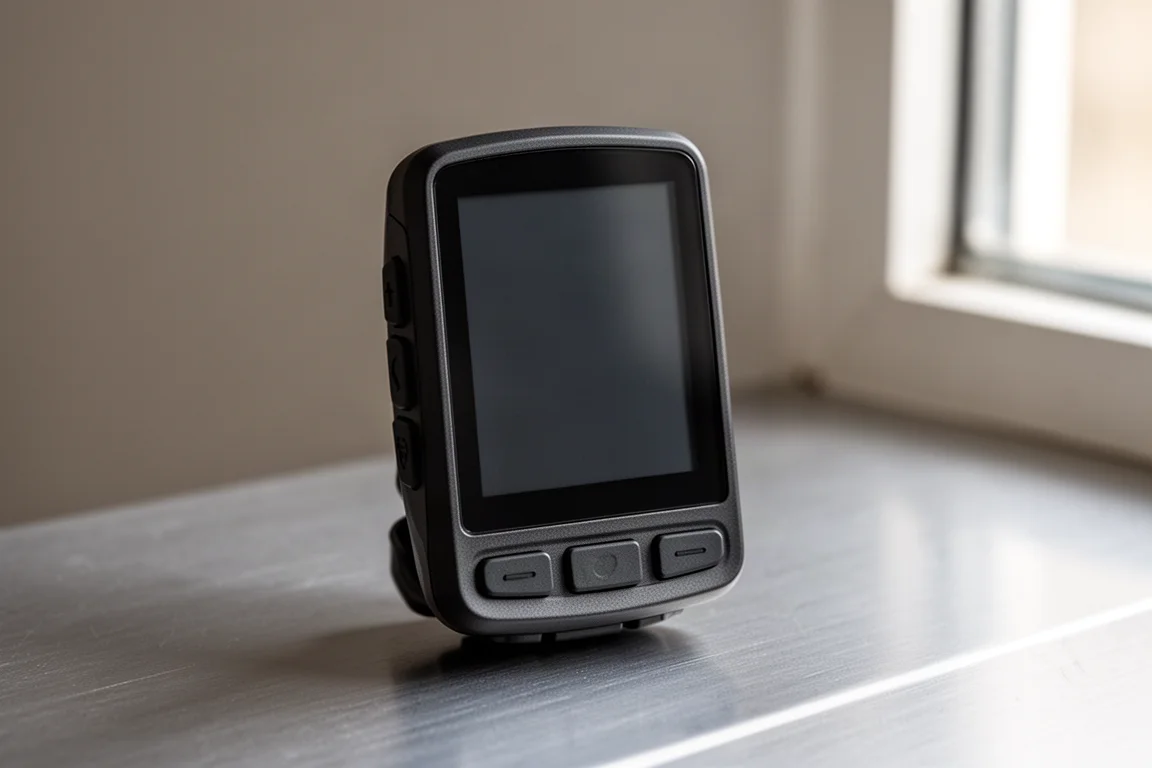
The ELEMNT ROAM 3 keeps the navigation approach of the earlier unit and updates the parts that matter most over long distances. Battery life is considerably longer, the charging port moves to USB-C, and the display gains touchscreen control. The screen is also more vibrant, which makes maps easier to read at a glance, and it can present more information on a single page.
For riders planning multi-day routes, the combination of longer runtime and a modern charging standard is the headline. USB-C means one cable can cover the computer, a phone, and a light, which simplifies the electronics bag considerably.
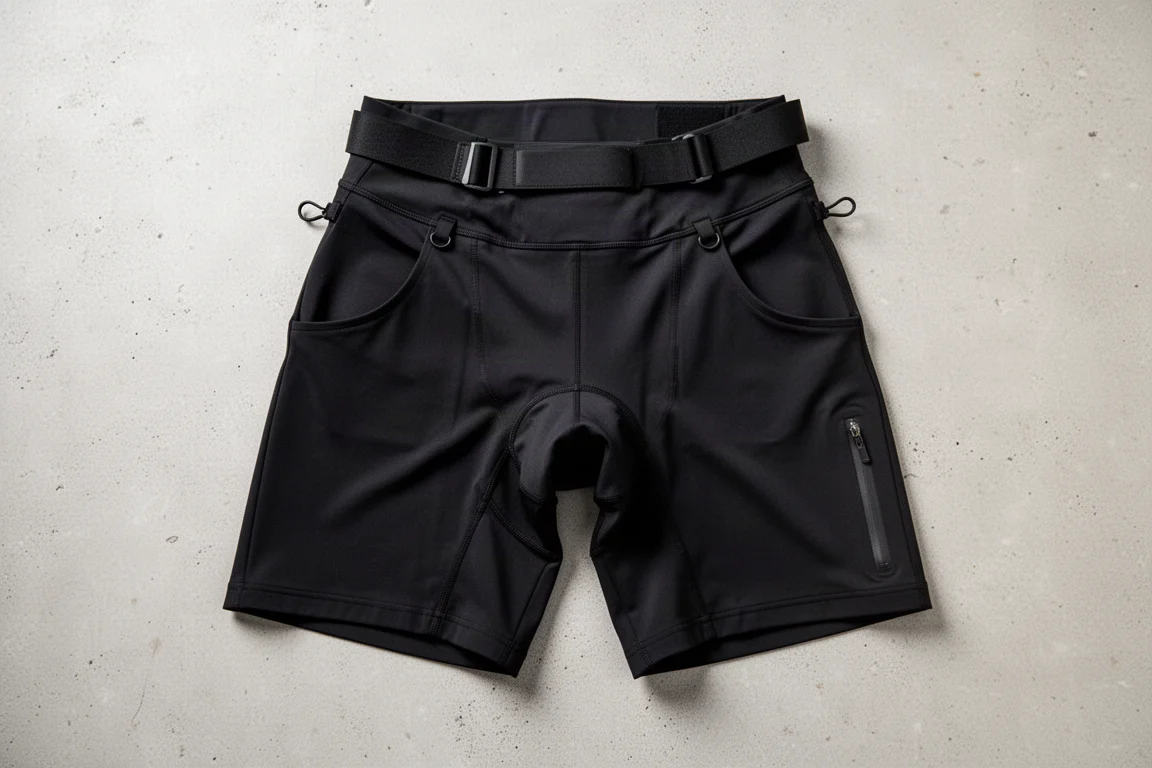
Patagonia Dirt Craft Shorts: Town-Friendly Riding Shorts
Clothing counts as gear when you are sitting on a saddle for eight hours a day. The Patagonia Dirt Craft shorts were designed with mountain biking in mind, and they have become a staple for bikepacking because they handle both parts of the day: the riding and the resupply stop afterwards.
The shorts are light, breathable, and stretchy, with a gusseted crotch that moves with you instead of pulling. The cut stops above the knee without being short, so nothing feels restrictive when you are pedalling. They come with a clip-in liner short that has a chamois pad, though many riders will prefer to wear them over a bib short, which keeps the pad in place better over long, bumpy days.
The details are well thought out. Instead of a front belt buckle that would dig into your stomach when bent over the bars, the Dirt Craft uses a rear belt with side hooks for adjusting the fit. There are deep hand pockets for a phone and a zip pocket on the side. In town, they read as ordinary shorts rather than performance kit, which is a real benefit when you would rather not announce that you arrived by bike.
Durability is the other reason these keep coming back. After roughly 4,000 miles of riding across several years, the fabric has held together without holes and the black has not faded noticeably.
Teren Daily Driver Shirt: A Button-Up That Works on the Bike
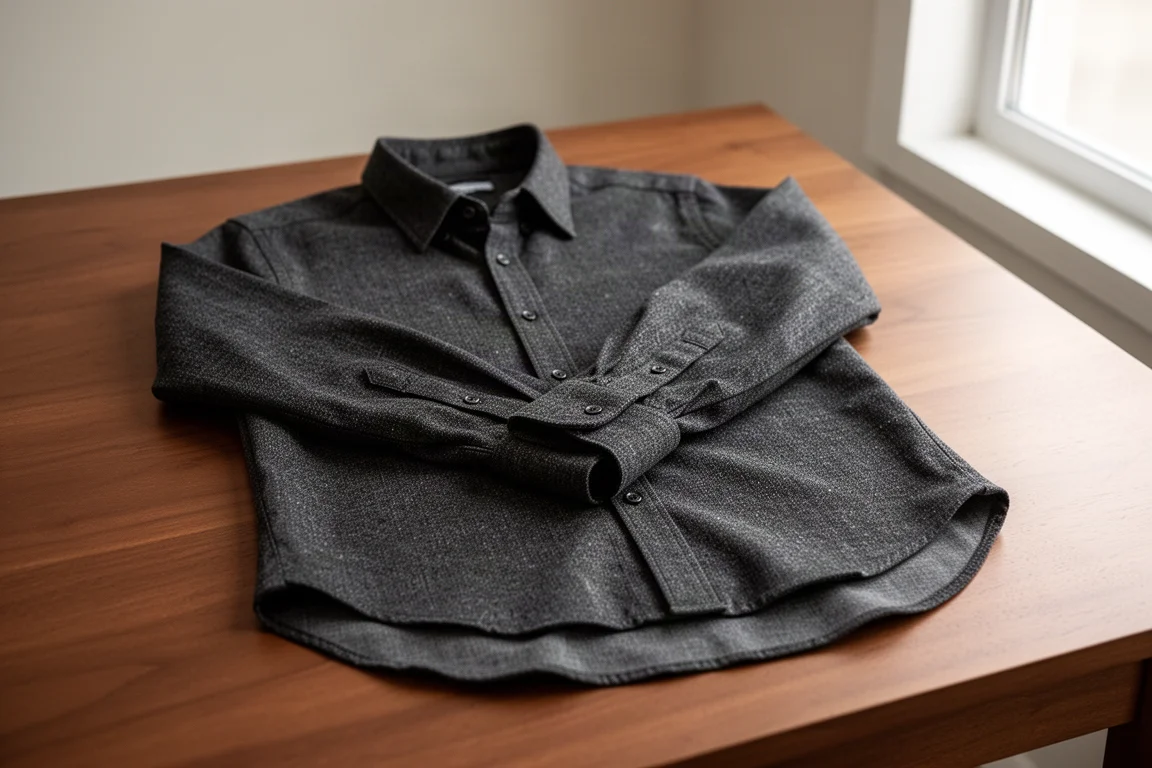
On the bike, a button-up collared shirt does several jobs at once. You can unbutton it for airflow on a hot climb, the fabric moves in the wind, and the sleeves roll up or down depending on sun exposure. It also looks tidy when you stop for supplies.
The Teren Daily Driver takes that idea and tunes it for riding. The fabric has stretch, and the hem is cut longer at the back so the shirt does not ride up when you are bent over the bars. A high proportion of bamboo in the blend keeps it cool in heat and gives it antimicrobial properties, so it resists odour far better than a synthetic shirt over consecutive days. One small detail worth knowing: there is a lens cleaning cloth built into the hem, which is handy for glasses or sunglasses when spray and dust start to build up.
Zpacks Altaplex Tarp: Light, Simple, and Very Packable
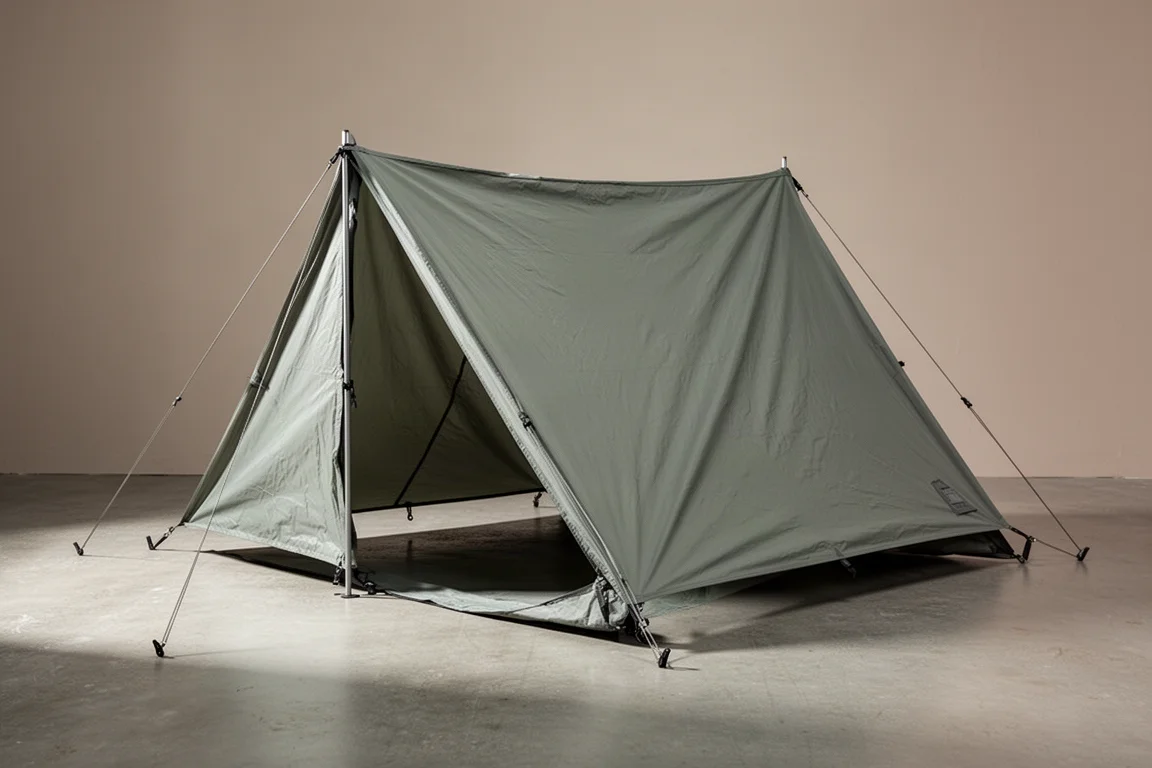
Shelter choice defines a bikepacking setup, and the Zpacks Altaplex has been a long-standing favourite for backcountry trips of all kinds. The tarp version strips the design back further: no bug netting, no zipper door, and no sewn-in bathtub floor. What remains is a large, simple shelter that sets up quickly and packs down remarkably small.
That simplicity is the appeal. The tarp works with a stand-alone pole carried in a frame bag, a handful of stakes, and, if you want one, a clip-in bathtub floor that can be added separately. For riders who are not dealing with heavy bug pressure, or who carry a head net as backup, it covers a lot of ground for very little weight and volume.
One practical note for buyers: this specific tarp variant is no longer part of the current line. The full Altaplex remains the closest comparable model, and it adds the bug netting, door, and bathtub floor that the tarp leaves out.
Kineon Move+: Recovery Support After Long Days
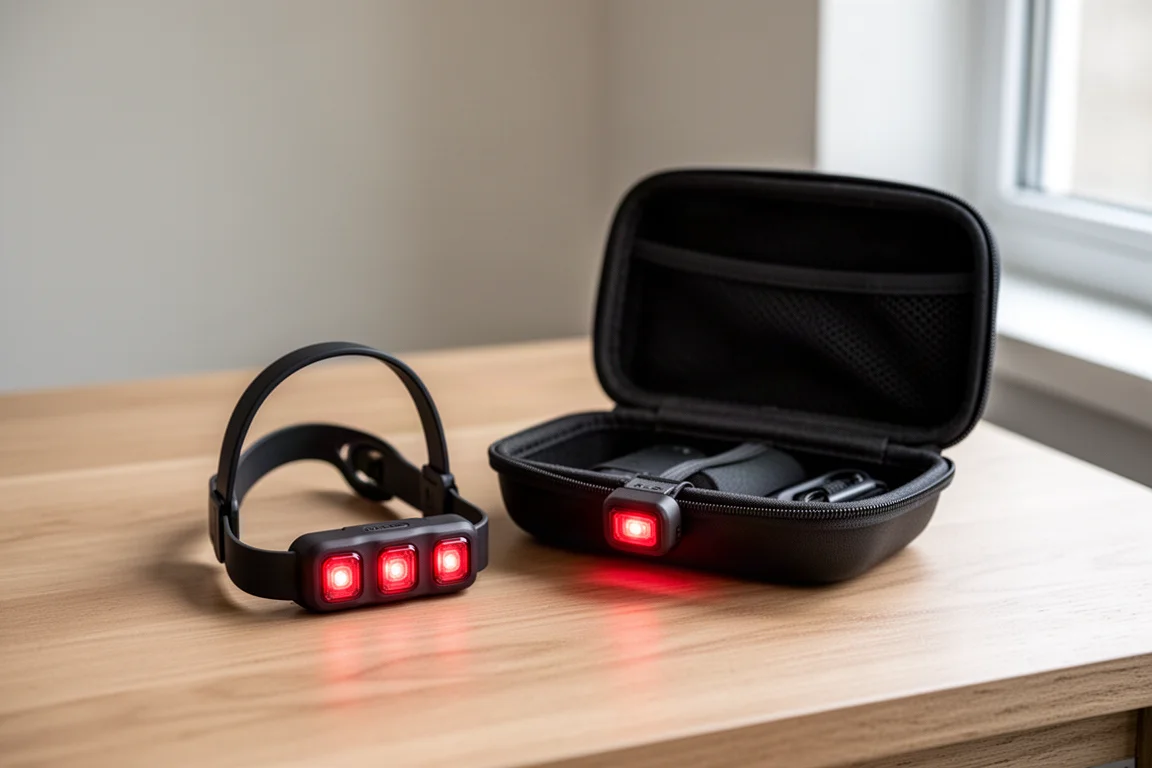
Long trips take a toll on knees, shoulders, and feet, and recovery becomes part of the routine rather than an afterthought. The Kineon Move+ is a red light therapy system built around three small light modules that clip into a strap. Because the strap is configurable, the same unit can be positioned on knees, shoulders, neck, or feet depending on what needs attention.
The system is aimed at supporting recovery from inflammation, everyday aches, and joint discomfort, and it is designed for use at home between trips. It ships with a travel case, and the modules can be charged while still in the case, which makes it easy to bring along. For riders logging consecutive big days, a consistent recovery routine at the end of a trip is a practical addition to the gear list.
Buying Advice: Matching Gear to Your Ride
Start with how you actually ride rather than with the longest possible gear list. A few questions sort most decisions quickly.
How much do you carry? A seat pack with a stable harness and a waterproof dry bag covers the sleep system and spare layers for most setups. If you are carrying a cook kit and a shelter in the same bag, check the volume before committing.
What does the terrain demand? Routes with repeated hike-a-bike sections make shoe choice critical. Look for a sole that pedals efficiently but still walks, and a toe box that does not squeeze on long descents.
How much battery do you need? Multi-day navigation puts a premium on runtime. USB-C charging on a computer means one cable for several devices, which reduces clutter and failure points in your electronics kit.
How many bugs will you meet? A tarp is light, simple, and packs small, but it trades away bug netting and a floor. Riders in high bug pressure areas will want a fully enclosed shelter.
Do you want to look like a cyclist in town? Shorts and a button-up shirt that read as normal clothing make resupply stops and rest days considerably more pleasant.
None of these choices are permanent. Most bikepacking setups evolve trip by trip as you learn which items you reach for and which ones stay at the bottom of the bag. Buy for the riding you do now, and let the kit adjust from there.
Conclusion
The gear that lasts is rarely the most complicated. A seat pack that stays put and keeps water out, pedals that engage predictably, shoes that walk as well as they ride, a computer with enough battery for the route, clothing that works on and off the bike, a shelter that packs down to almost nothing, and a recovery routine that keeps you moving. Each of the items above has earned its place over years of loaded riding, and each one is worth a closer look if you are putting together a setup for a long route of your own.
Further reading
Related Reviews
Bikepacking Gear
11 Bikepacking Essentials for Long-Distance Cycling
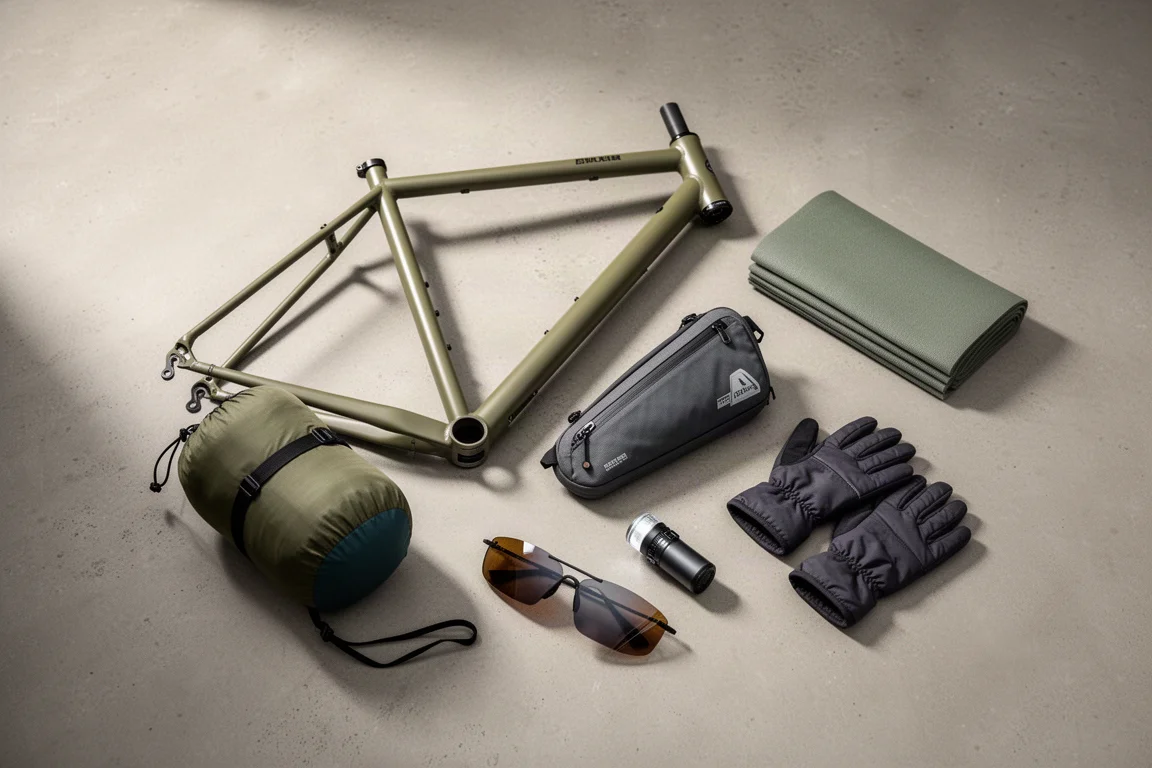
Eleven bikepacking essentials for long-distance cycling, from a steel gravel frame and a two-person tent to helmet lights, packable gloves, and a frame bag that puts weight in the right place.
Bikepacking Gear
Best Bikepacking Gear 2026: 11 Essentials Worth Carrying
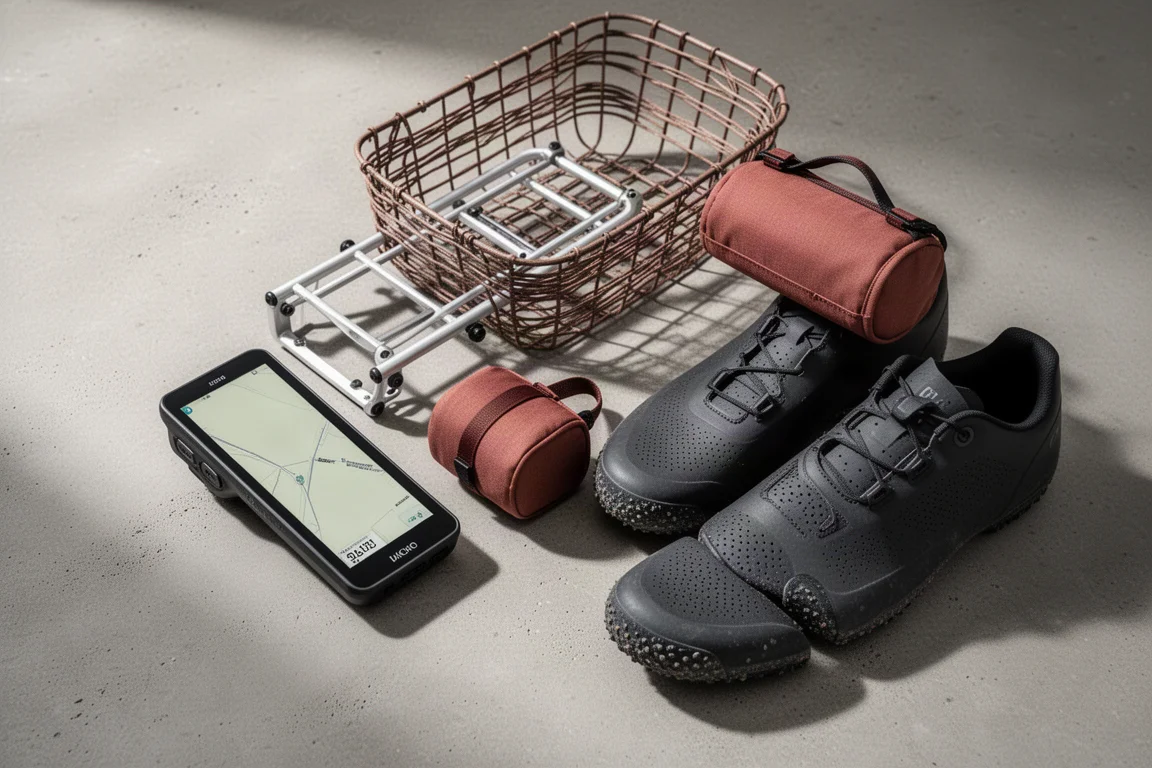
A practical look at bikepacking kit that earned its place on long rides, from a solar bike computer and basket packing to bar bags, bivvies and gravel shoes.
Bikepacking Gear
Best Bikepacking Gear: 10 Field-Tested Picks for Long-Distance Rides
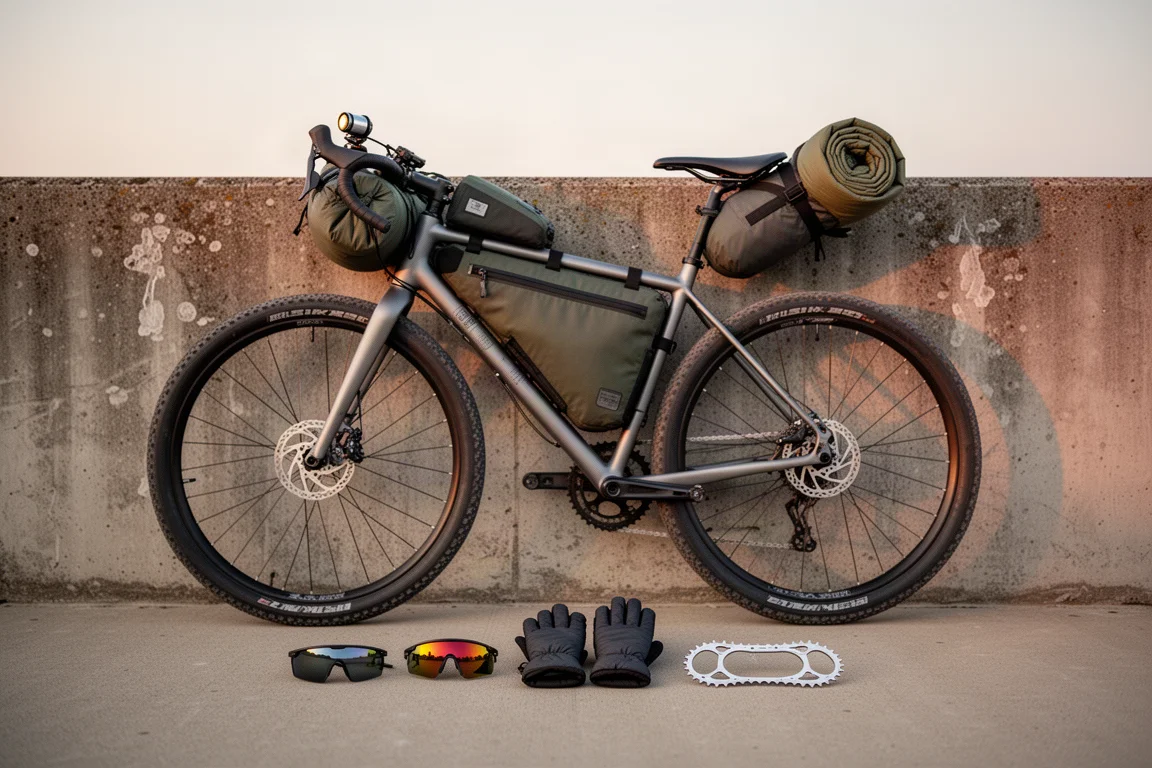
Ten bikepacking products that earn their place on long rides, from a steel gravel frame to packable gloves, with the strengths and trade-offs worth knowing.