Bike Upgrades
Best Bike Upgrades Ranked: Five Worthwhile Additions for 2026
A ranked look at five bike upgrades with honest trade-offs, from supple tires and suspension seatposts to 3D printed saddles and ceramic bottom brackets.
Introduction
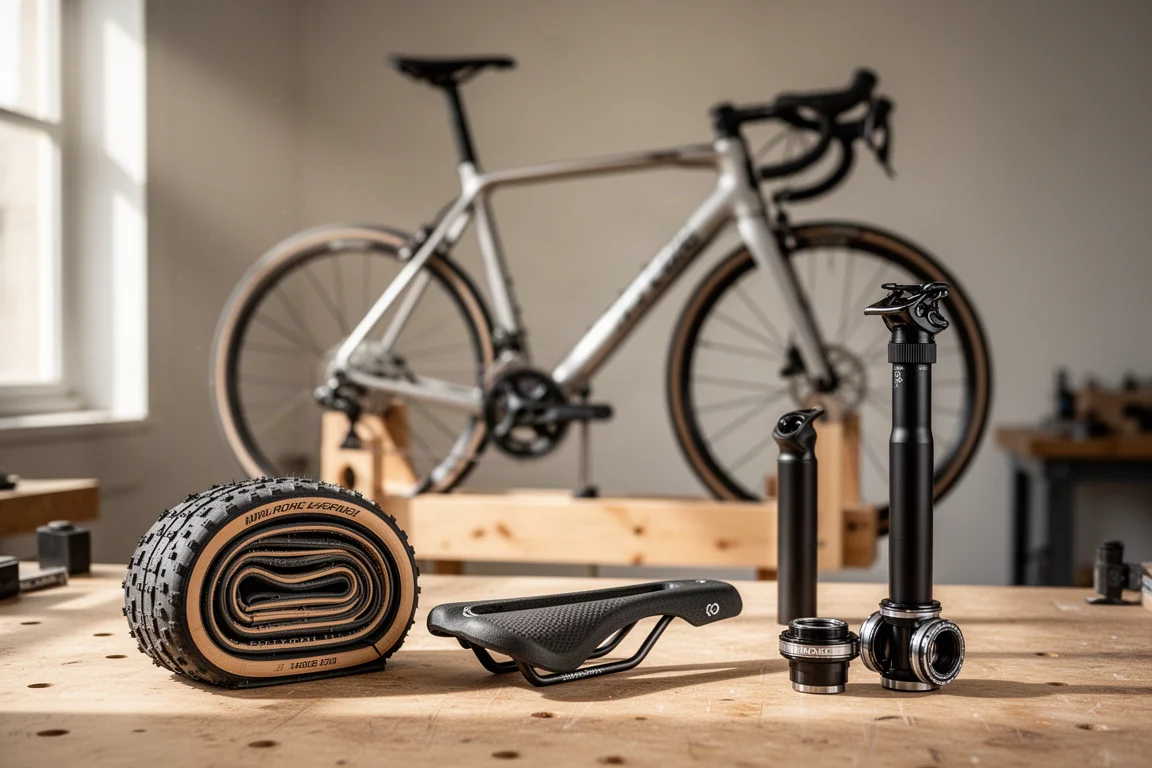
A bike is one of the most personal machines you can own. New wheels, a different saddle, a layer of fresh bar tape; everyone has their own idea of the first change that will make a bike faster, more comfortable, or simply more their own. The tricky part is telling the upgrades that genuinely change the ride from the ones that cost real money and give very little back.
This roundup settles that argument with a straightforward ranking. Five featured upgrades are examined in detail, each with a clear use case, honest trade-offs, and a firm verdict on where it belongs in the order of upgrades.
How These Upgrades Were Ranked
The long list of possible upgrades was sorted into simple buckets: the changes you genuinely want, the ones that are pretty good, the parts that are merely meh, and the products best left in the bin. Ranking weighs how much difference each upgrade makes on the bike, how often a rider actually notices it, and what it costs to get there.
Comfort and ride feel carry a lot of weight in the final order, because an upgrade that only looks faster rarely survives contact with a long ride. Tire choice, contact points, and body position consistently outperform hidden weight-saving parts when real-world riding is the test.
Specialized Turbo Cotton: Supple Tires First
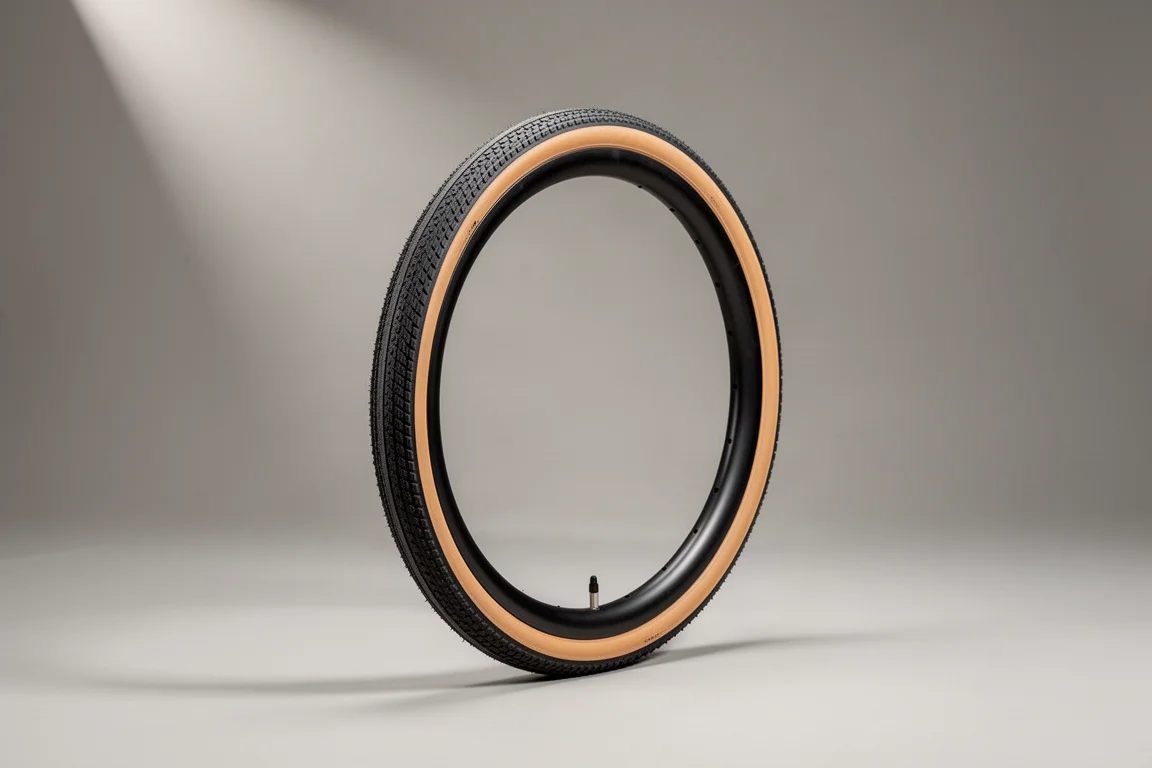
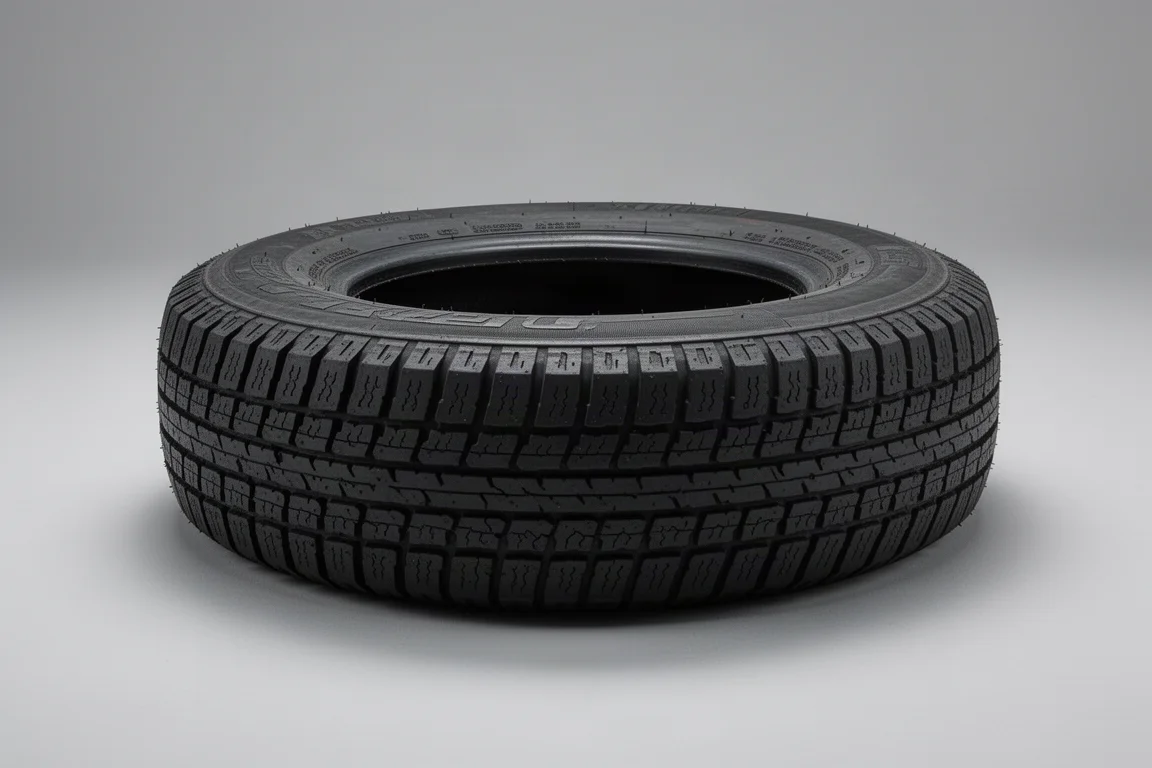
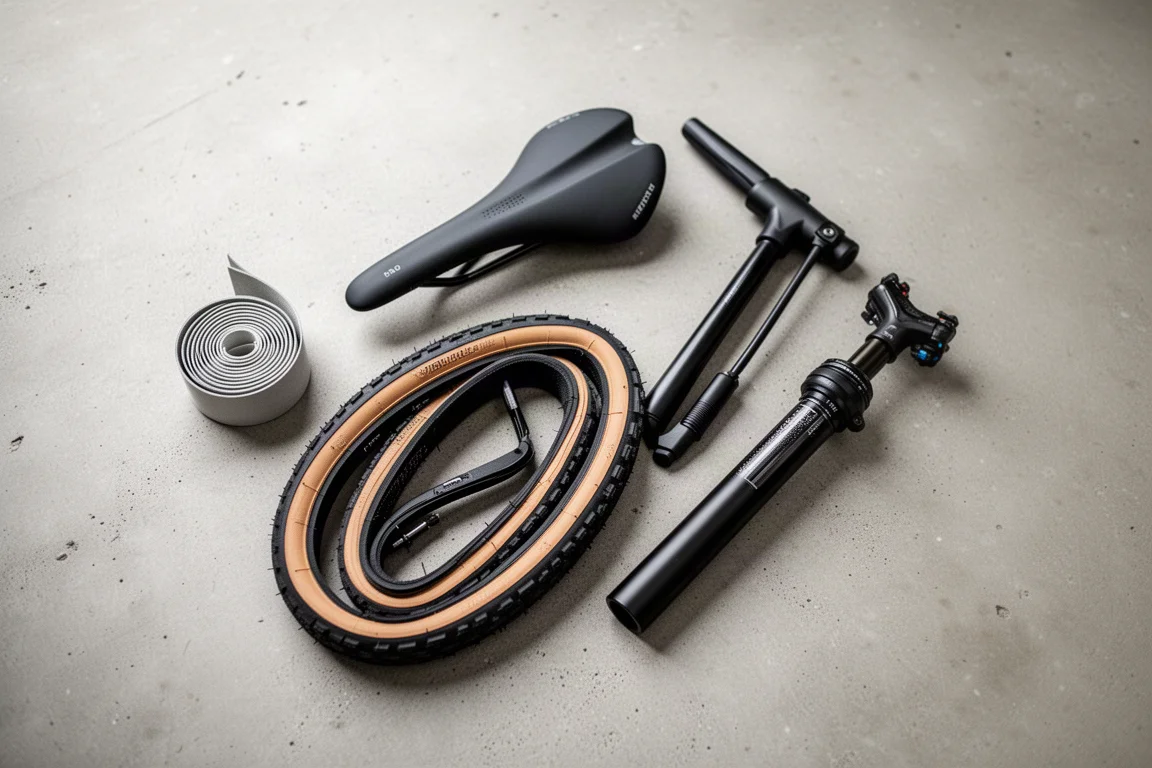
Tire choice changes how a bike rides more than almost anything else on it. On road bikes and off-road bikes alike, the tire is the only connection to the ground, and a supple casing transforms the way the whole machine feels. That makes tires one of the first upgrades worth doing on any new bike. Tire pressure matters just as much as tire choice: a great tire ridden far too hard feels harsh, dead, and slow, so a quality tire deserves a quick pressure check before every ride.
Race tires sit at the performance end of that upgrade, and they can carry a serious price tag. Riders still using inner tubes had a genuine reason to look this way in early 2026, with the Specialized Turbo Cotton appearing at notable discounts. The trade-off is honest and simple: race casings are thinner, so they are more prone to punctures than training tires. Plenty of riders accept that risk because the reward is a bike that feels alive on nearly every surface, and that feeling is hard to put a price on.
Thud Buster: A Properly Good Suspension Seatpost
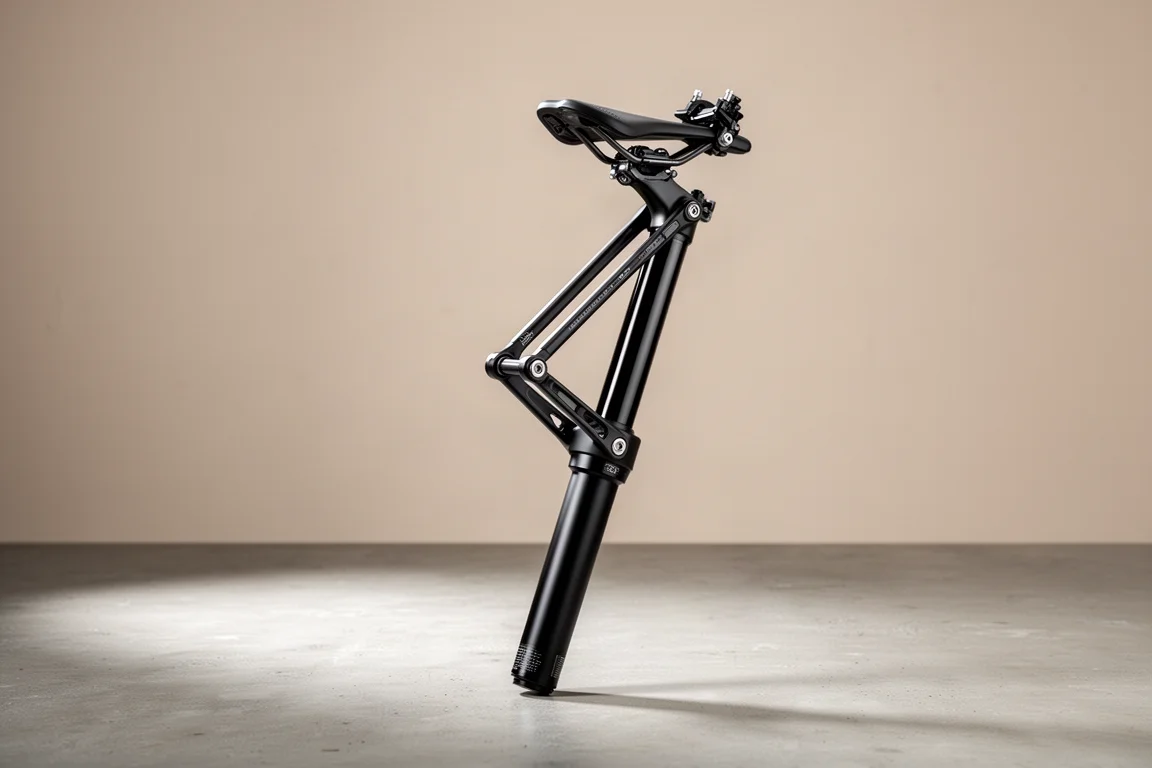
Suspension seatposts and stems are a familiar idea to mountain bikers, but road riders are quick to dismiss them. That is usually a mistake. A suspension seatpost makes a huge difference to ride comfort, especially on long, rough, bumpy routes, and it does the job at a fraction of the cost of a full suspension system.
The Thud Buster makes this upgrade easy to appreciate, starting with a name that brings a smile. In practical terms, it does a very good job of taking the harshness out of broken surfaces before it reaches the rider. There is one important caution: the good examples are not exactly cheap, and the cheapest suspension stems and posts are worth treating with suspicion, because a broken stem can be catastrophic mid-ride. The sensible approach is to spend on the component rather than risk paying at the dentist afterwards. Handled that way, a suspension seatpost is one of the most underrated comfort upgrades in cycling.
Schwalbe Marathon Plus: Puncture Protection With a Real Purpose
There is a general rule for most bikes: life is too short to ride bad tires. Heavy puncture-protective tires ride firmer and less lively than supple performance rubber, which is a real cost for anyone chasing road feel. But there are exceptions where hard-wearing protection is exactly the right call.
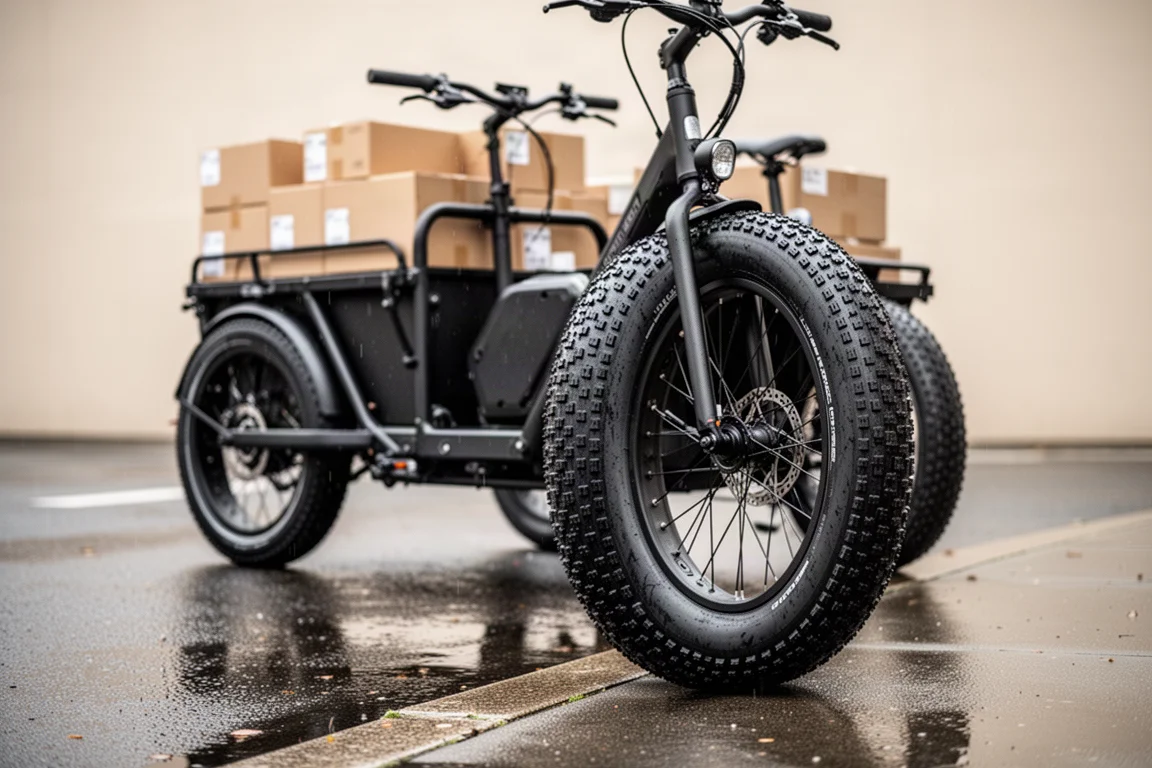
The clearest exception is the big electric cargo bike. These machines are heavy, carry substantial loads, and are far more expensive and inconvenient to deal with at the roadside. Puncture-protective tires make obvious sense there. The Schwalbe Marathon Plus demonstrates why: punctures are extremely rare in normal use, with years of trouble-free riding being reported before a first flat arrives. That kind of reliability is the entire point of a bike built to haul rather than to sprint.
Fizik Vento Argo R1: The 3D Printed Saddle Question
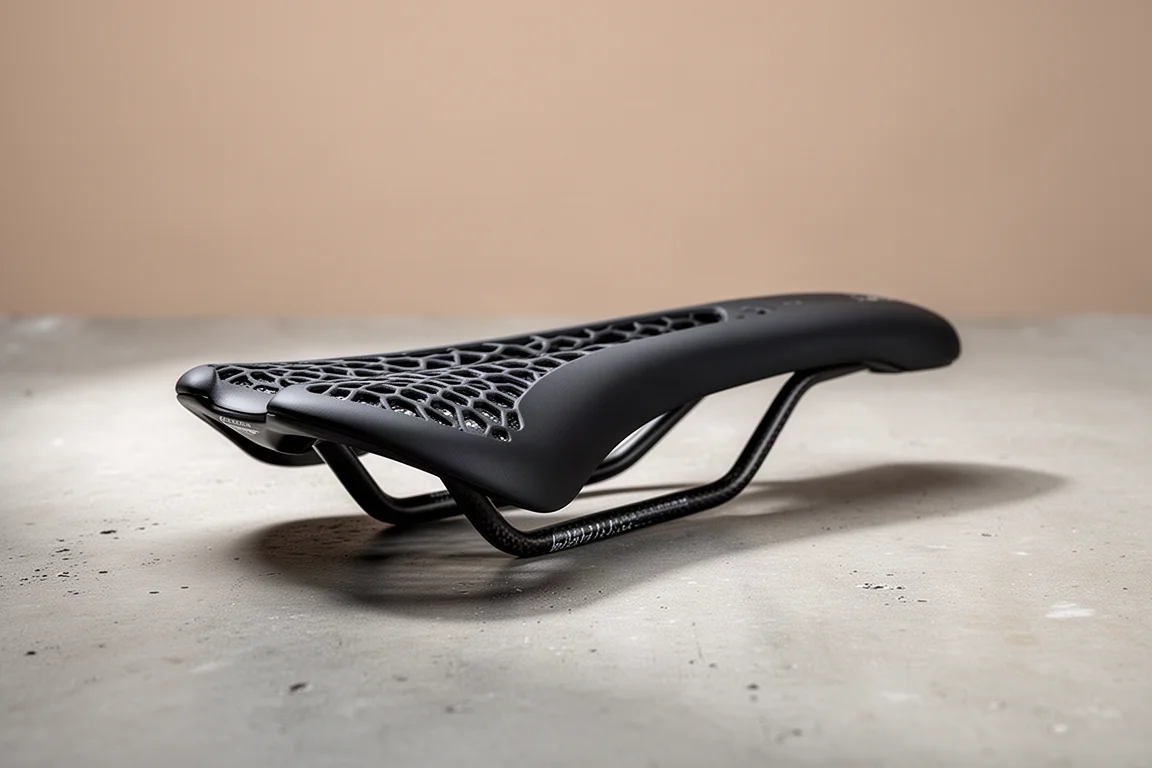
3D printed saddles still feel like a glimpse of the future. The lattice structure looks technical, and when the design is done properly it can distribute pressure more evenly than a traditional foam pad. But comfort is decided by the overall shape of the saddle before anything else. If a standard saddle does not suit a rider, a 3D printed version of the same shape is unlikely to solve the problem.
The 3D printed version of the Fizik Vento Argo R1 illustrates the point well. It is lighter than the standard version, which is always welcome, but the shape remains the deciding factor. Riders who are already comfortable on the Argo profile will see the printed version as a genuine refinement. Everyone else is better off finding a saddle shape that works first, and treating the 3D printed cushion as a bonus rather than a solution.
Enduro XD15: The Ceramic Bottom Bracket Exception
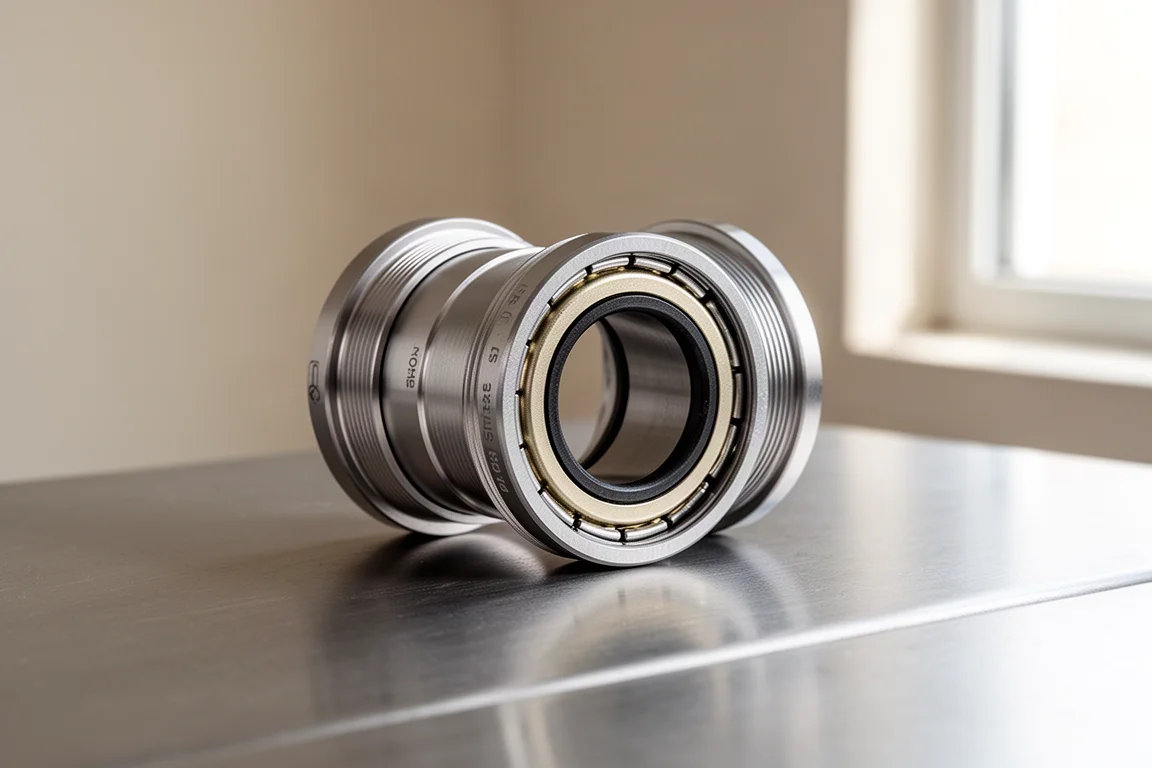
Ceramic components are easy to get excited about and very hard to justify. Most ceramic bottom brackets combine ceramic balls with steel races, and because the races are softer than the balls, a groove can wear into the race over time, which quietly ruins the point of the upgrade.
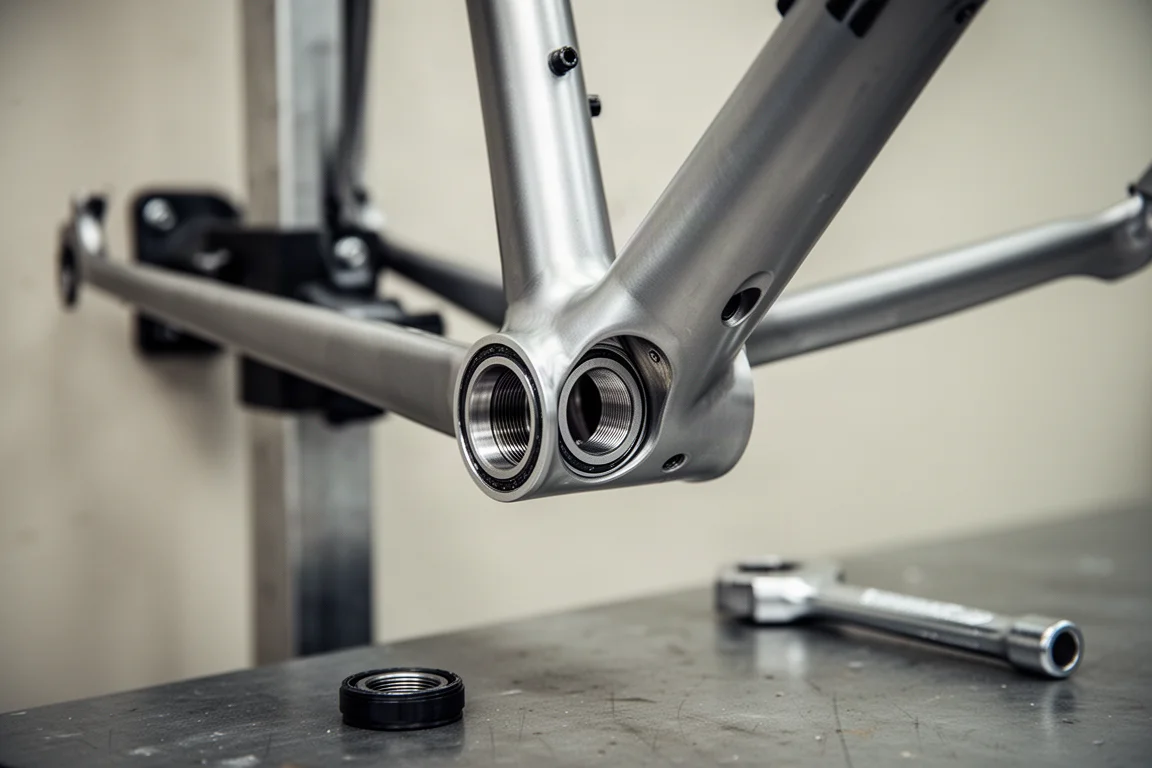
The Enduro XD15 is the notable exception. It uses nitrogen-infused steel races that are reportedly extremely hard-wearing, potentially outlasting the frame around them. The catch is the price: at around £250 for a component that sits completely hidden inside the bike, the cost is difficult to justify against a quality standard bottom bracket. Riders who value maximum durability in a long-term build might call it an investment. For most riders, the measurable gain will be small, and that places it firmly in the meh tier.
Bar Tape and Handlebar Width: Cheap Upgrades That Matter
Two contact-point upgrades deserve attention long before any expensive carbon goes near the bike. Bar tape is the easiest way to make a bike feel more premium, because it is the one surface your hands touch on every ride. Good tape does not have to be expensive, and replacing worn tape is a ten-minute job that transforms the cockpit.
Handlebar width is the other overlooked adjustment. A sensible starting point is to match the bar to shoulder width, and lighter bars with a shorter reach can also reduce the stretch to the brake levers. These changes are inexpensive compared with carbon finishing kits, and they often deliver more noticeable results.
Buying Advice: Which Upgrade Should You Do First
If a single starting point is needed, tires are the strongest first upgrade. They change ride quality, grip, and confidence on every single ride, and discounted performance rubber makes that argument even more convincing. A suspension seatpost follows closely behind for anyone whose routes are long, rough, or heavily loaded.
There is a broader lesson in the full ranking: changes to body position, contact points, and tires tend to matter far more than changes to the bike itself. Aero bars, tighter clothing, and a well-fitted cockpit will do more for most riders than ceramic bearings, oversized pulleys, or aero socks. It also pays to remember that expensive parts still need maintenance. A normal chain kept clean and a standard bottom bracket set up properly will beat neglected premium components every time.
The five products in this roundup cover both ends of the spectrum. The supple tire and the suspension seatpost are upgrades riders notice within the first few rides. The puncture-resistant tire earns its place for heavy load-carrying bikes and wheelchairs. The saddle and the bottom bracket are more conditional: buy them when the specifics of the design genuinely match your body and your bike.
Conclusion
The best bike upgrades are not automatically the most expensive ones. Tires, contact points, and comfort parts change how a bike feels on every ride, while hidden weight-saving parts and ceramic bearings rarely deliver the drama their price suggests. For most riders, the strongest first move is a genuinely good set of tires, followed by anything that makes long rides more comfortable. Pick upgrades based on how you actually ride, and the right choices reveal themselves quickly.
Further reading
Related Reviews

Backpacking Gear
Building a 10 lb Base Weight: An Ultralight Backpacking Gear List
A practical walkthrough of the ultralight pieces behind a 10 lb base weight, from a 765 g pack and a roomy one-person tent to a full camp chair and a dependable water filter.
Road Bikes
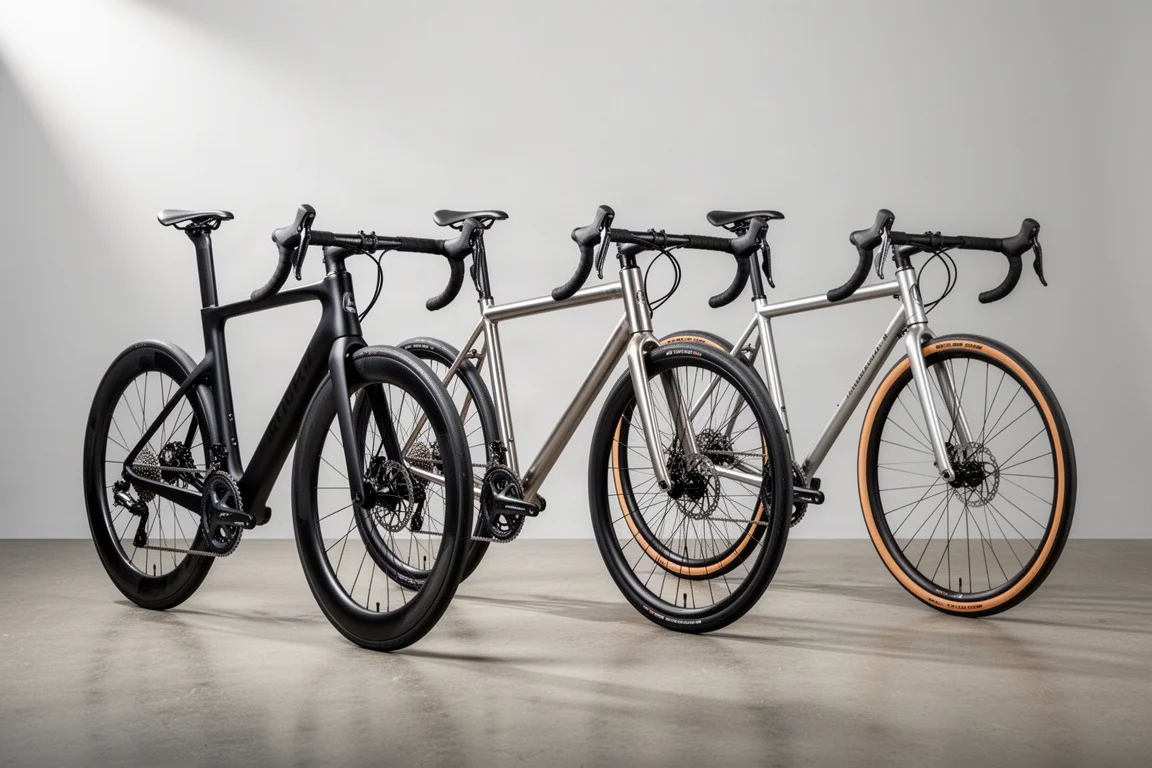
10 New Road Bikes Worth Watching: Aero, Titanium, Steel and Endurance Standouts
A practical roundup of 10 new road bikes, from aero flagships chasing single-watt gains to titanium, steel and endurance platforms built for real roads.
Saltwater Aquarium Setup
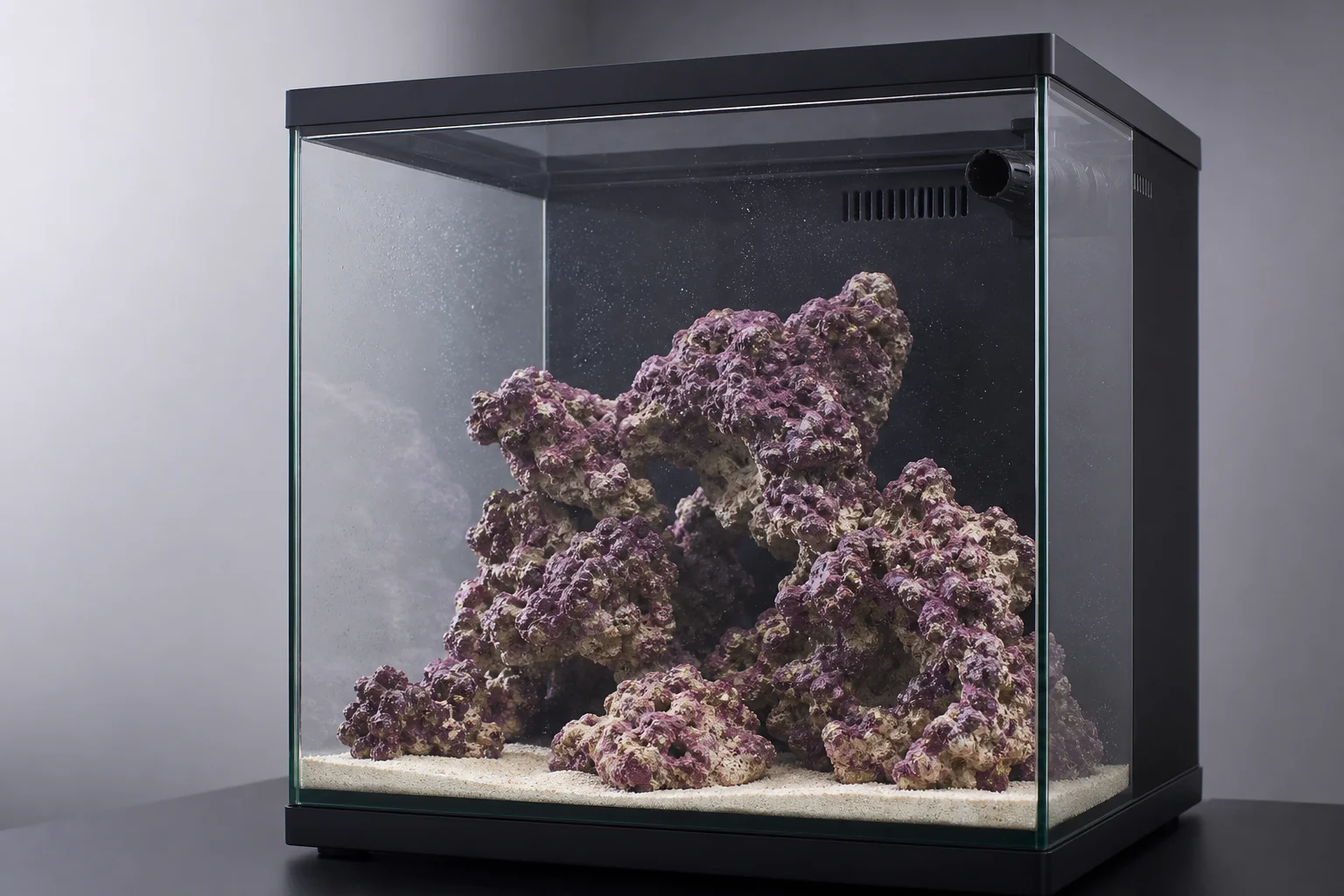
10 Questions About Cycling a Saltwater Aquarium: What You Need to Know
Essential questions and answers for cycling a reef tank or saltwater aquarium, from biome building to light management and bacterial supplements.