Bike Tech
Five Bike Tech Upgrades Worth Considering: Shoes, Smartwatch, Steel Frame, Groupset and Action Camera
A lace-up race shoe, a solar multisport watch, a steel frameset built for the long haul, a semi-wireless groupset and a high frame rate action camera, weighed up for real riders.
Introduction
Not every worthwhile upgrade means a new bike. The five items below touch very different parts of riding, from the contact points that transfer your power to the frame that carries your luggage, and each one answers a question riders actually ask themselves.
Some are about comfort over long distances, others are about recording the day or understanding it afterwards. What they share is a clear reason to exist beyond a spec sheet refresh, and that is usually the sign of a component worth spending on.
Two of these picks are aimed squarely at riders chasing performance, two lean towards longevity and practicality, and one is about capturing the ride itself. That spread is deliberate. A good season of riding usually involves more than one kind of improvement, and the right order depends on what already works on your bike.
Specialized S-Works 7 Lace: Laces Return to a Race Shoe
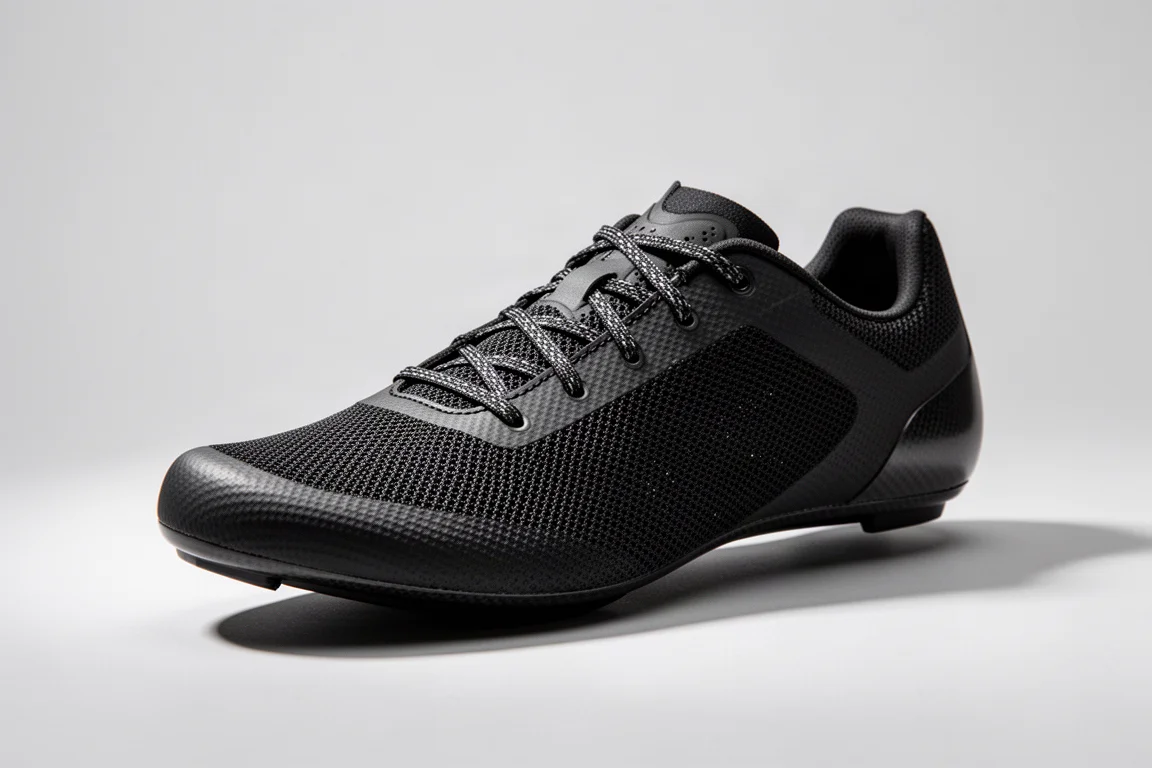
Lace-up road shoes have quietly returned to the market, and this is one of the more interesting examples: a race-focused design that swaps rotary dials for a traditional lacing system. Specialized says laces give the upper extra suppleness and adaptability, which is a notable claim for a shoe built around performance rather than comfort cruising.
Removing the dials has also brought the price down by around 70 pounds, to roughly 300 pounds. That is still a serious amount of money for a pair of cycling shoes, but the saving from the simpler closure is being passed on rather than absorbed.
The rest of the shoe carries over from the dial version: the same heel cup design, an engineered mesh no-stretch upper, and the Powerline full carbon sole rated 15 out of 15 on the brand’s own stiffness scale. The upper eyelets are reinforced, which matters more with laces than with a dial that can be replaced.
At 494 grams for a pair in EU 45, the shoe is competitively light without being a record breaker, and it is available in black, all white, or a marbled pink-purple finish. There is no lace cover, so riders chasing every last aerodynamic watt will want to weigh that against the feel and simplicity of laces.
Garmin Fenix 7: A Solar Multisport Watch for Data-Hungry Riders
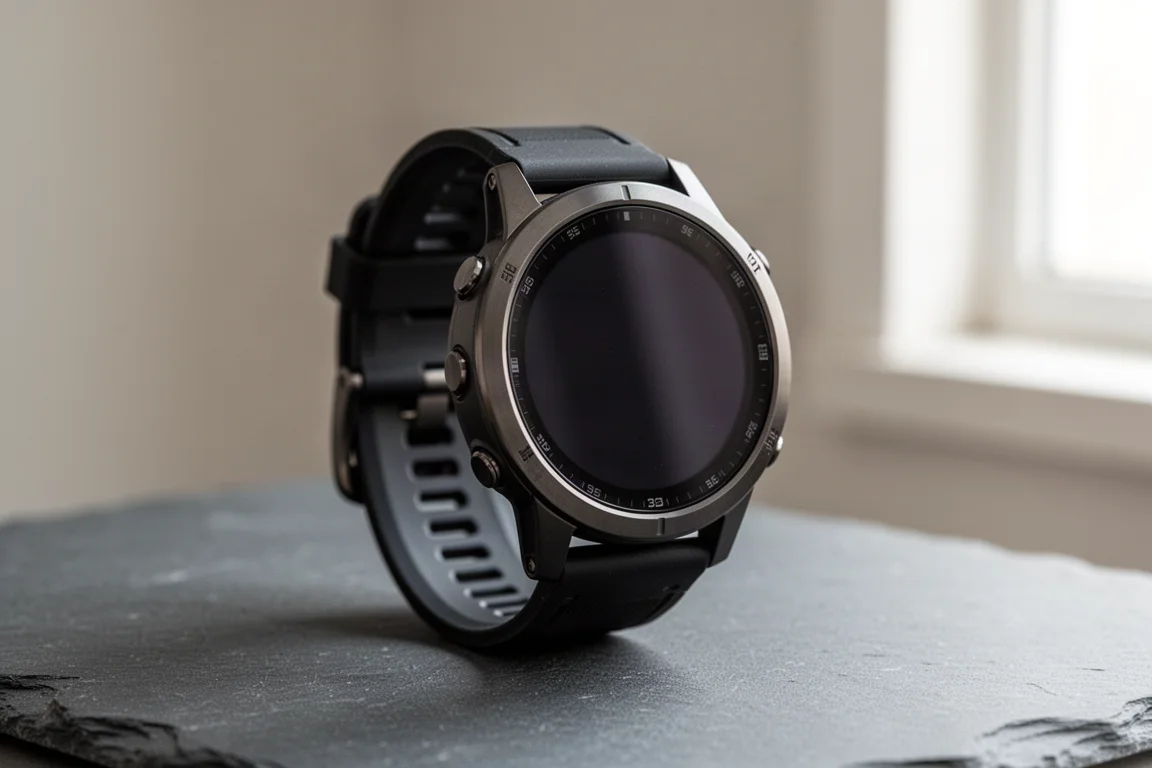
The Fenix 7 is the brand’s flagship solar-enhanced multisport watch and the successor to the Fenix 6. Two new training tools stand out. Real-time stamina is designed to help you monitor exertion during an activity, while a visual race predictor assesses your run history and fitness to estimate race times.
The Sapphire Solar edition adds a scratch-resistant screen and improved solar harvesting over the outgoing generation. Every Fenix 7 model now pairs a touchscreen with physical buttons, a combination that makes menu navigation quicker while keeping the buttons dependable in wet weather.
Battery claims are 5 days in GPS mode and up to 5 weeks in smartwatch mode. Cyclists get dedicated activity profiles for road, mountain biking and indoor training, and the watch connects to the same devices a bike computer would, including power meter pedals and speed and cadence sensors, with support for non-Garmin hardware as well.
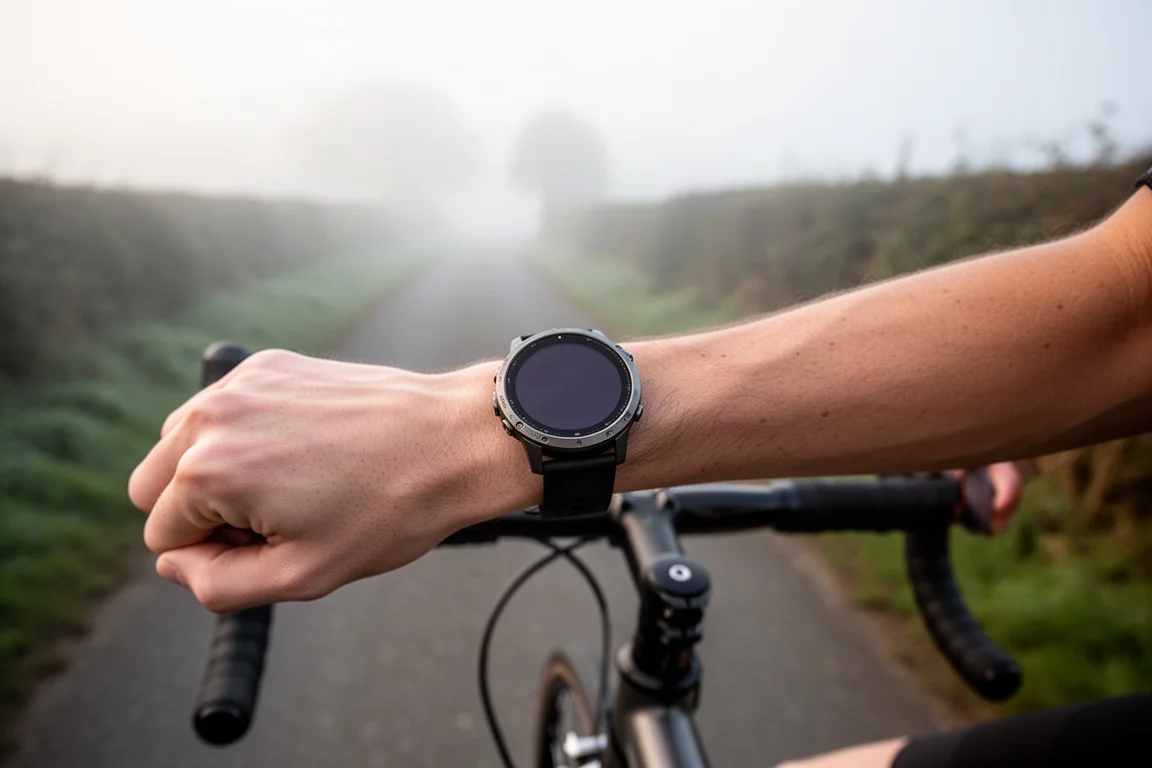
Beyond cycling, there are activity profiles for running, hiking, skiing, surfing and golf, plus wellness metrics such as a Body Battery score, blood oxygen readings and a sleep score. The sensor suite covers GPS, GLONASS and Galileo alongside a compass and an accelerometer, with Wi-Fi, ANT+ and wireless connectivity for syncing through the companion app.
The 1.3 inch, 260 pixel display has proved readable even in low light, the watch weighs 73 grams with the silicone strap fitted, and it is waterproof to a depth of 100 metres. Pricing starts around 600 pounds for the standard model and reaches 860 pounds for the larger Fenix 7X, with the Sapphire Solar version at 780 pounds or 900 US dollars.
Fairlight Strael 3.0: A Steel Road Bike Built to Last
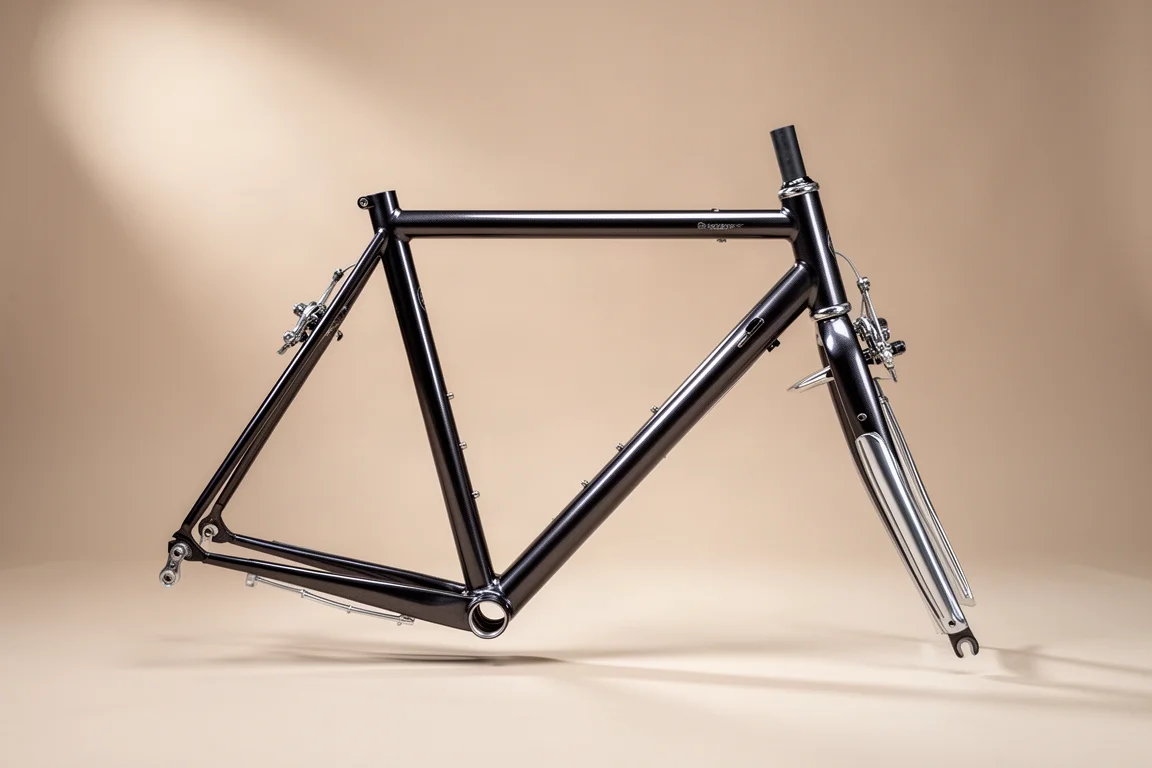
The Strael 3.0 blends traditional and modern road bike design in a way that makes it easy to think of as a long-term bike, the sort you keep for years rather than seasons. The starting point is the frame material: steel, chosen for longevity, but built from Reynolds 853 tubing with custom formed Reynolds 725 chainstays selected for added comfort.
Practicality runs through the details. There is a standard external threaded bottom bracket shell, which keeps servicing straightforward, and full length mudguard mounts on both the frame and the fork, so the bike stays usable through a British winter.
Tyre clearance is generous at up to 36 millimetres. The intention is extra comfort for long distance riding rather than turning the bike into something else entirely, which keeps its road manners intact. The fork also has neat internal routing for a dynamo cable, a tidy solution for riders who want lighting wired in cleanly.
The rear dropout is compatible with flat mount disc brakes and a thru axle, and it was designed in collaboration with Bentley Components, so it is as pleasant to look at as it is functional. A third bottle cage position on the down tube is a smart touch for bikepacking, giving heavy tools or a tool caddy a low, secure home that you can largely forget about until you need it.
Shimano Dura-Ace 9200: Twelve-Speed, Semi-Wireless, Electronic Only
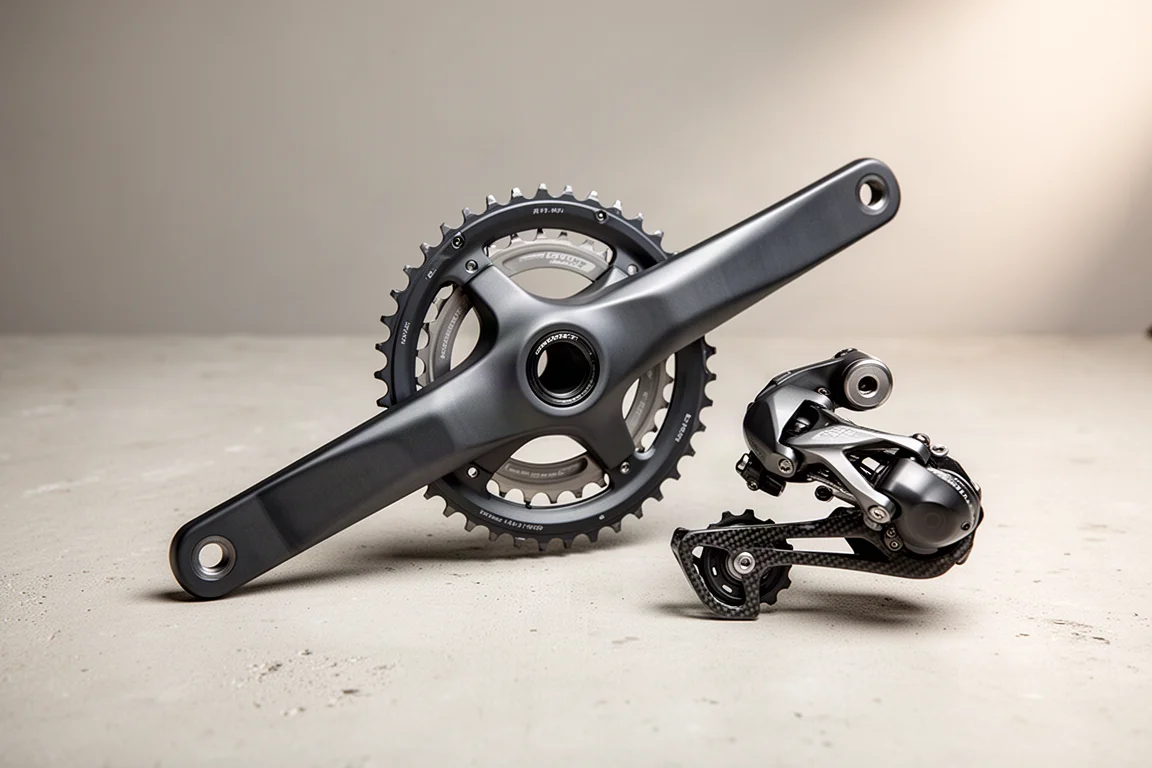
Dura-Ace 9200 moves the flagship groupset to 12 speeds, drops mechanical shifting entirely, and adopts a semi-wireless layout. The headline claims are faster shifting, improved braking and tweaked gearing, along with a host of smaller refinements across the system.
For riders already committed to electronic shifting, that combination is the natural direction for a top-tier groupset. The wireless sections simplify cockpit setup, while the rest of the system keeps the dependable behaviour expected at this level.
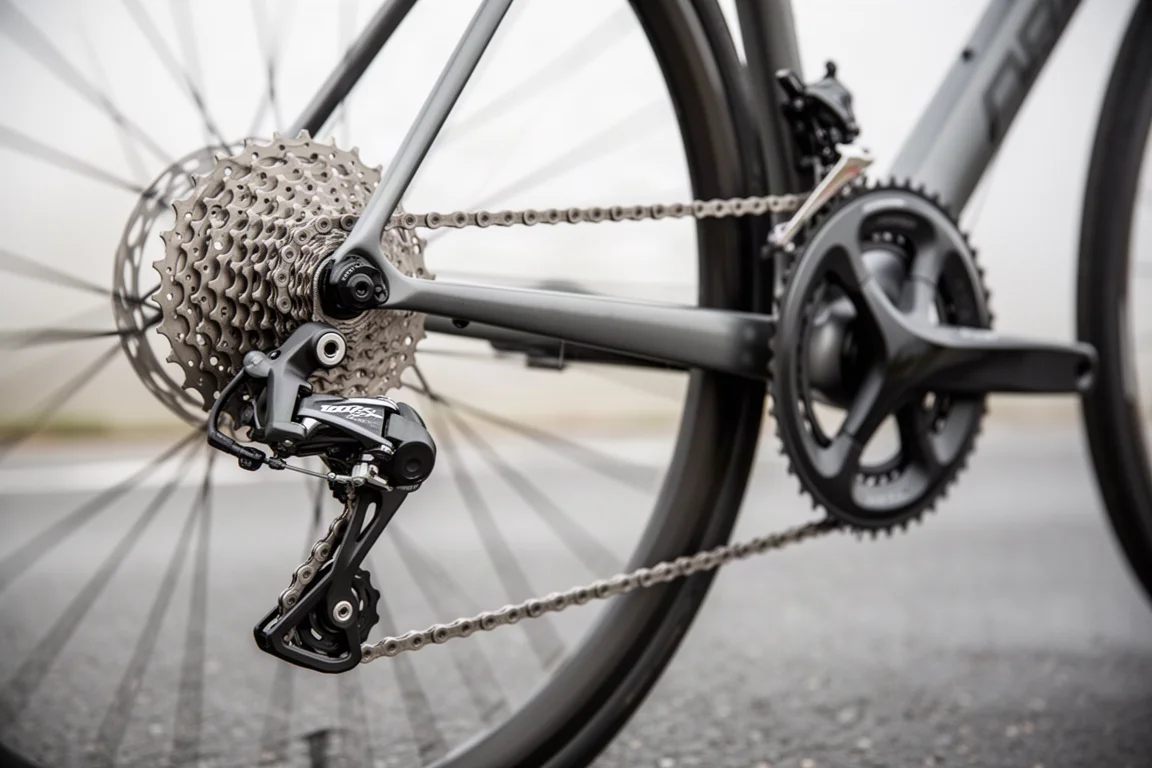
Whether that package represents a meaningful step forward or a modest one is a fair question, and the answer will largely depend on which generation you are coming from. Riders moving up from an older mechanical setup will notice far more than those already running the previous electronic flagship.
GoPro Hero 10: A Small Action Camera With Big Frame Rates
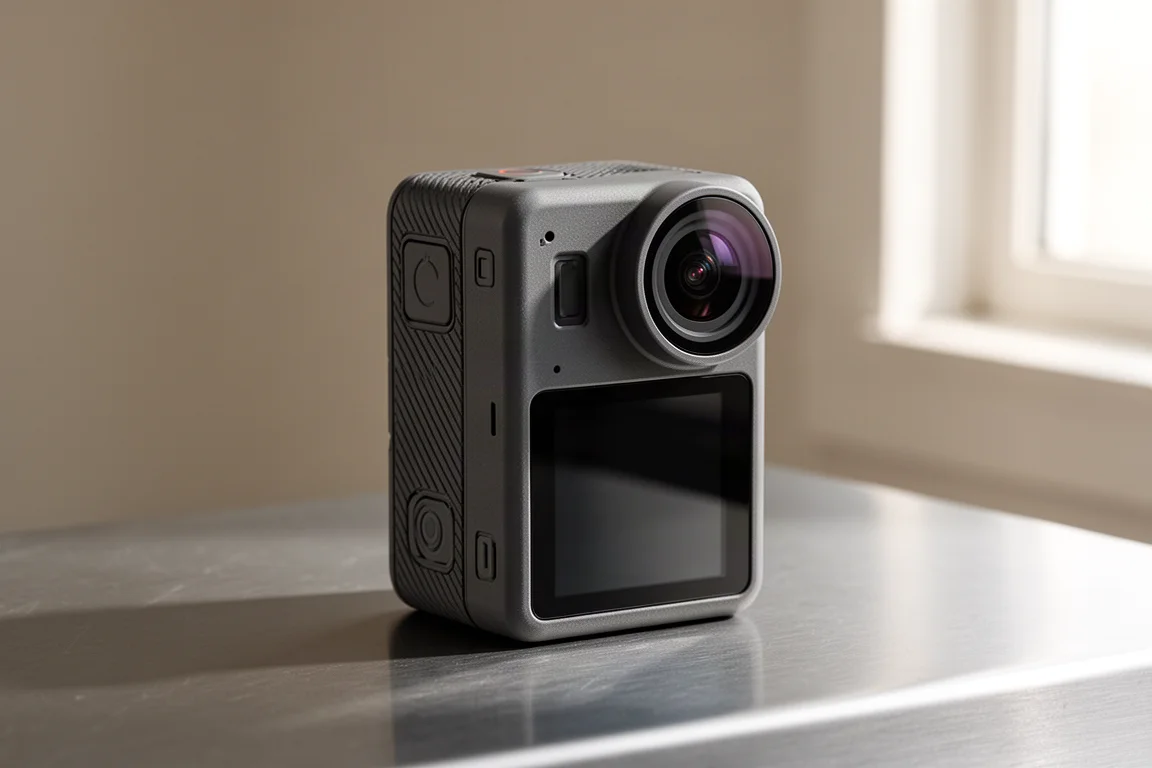
The Hero 10 is the newest camera in the range, and the everyday improvements are the ones that matter most. The touchscreen is far more responsive than on older models, which means less standing around pulling gloves on and off to flip between settings or check footage on the trail.
Stabilisation gets an incremental update in HyperSmooth Boost 4. It is marginally better than the previous iteration, though on older cameras the difference is hard to spot in good light. More noticeable is the reduction in noise and grain in low light conditions.
The front lens now carries a hydrophobic layer and is interchangeable between the Hero 9 and Hero 10, so rain and splashes from puddles should slide straight off while you ride. The old habit of licking the lens to gain a similar effect is best avoided, because it removes that coating.
Horizon leveling has also improved: the camera can now be rotated roughly 45 degrees before the effect is disabled, compared with around 22 degrees previously. On the resolution front, 5.3K capture runs at 25 and 50 frames per second, 2.7K reaches 200 frames per second, 1080p goes up to 200 frames per second, and 4K covers multiple frame rates including 24 and 25 frames per second.
Buying Advice: Matching the Upgrade to the Rider
The right first purchase depends on where your riding currently feels limited. If power transfer and shoe feel are the priority, the lace-up race shoe is the most direct change you can make, and the lower price relative to the dial version makes that decision easier.
If the gap is data and health tracking, a multisport watch earns its place quickly, especially for riders who also run, hike or ski and want one device to cover all of it. Those who simply want route and ride data from a handlebar display may find a bike computer the more natural fit.
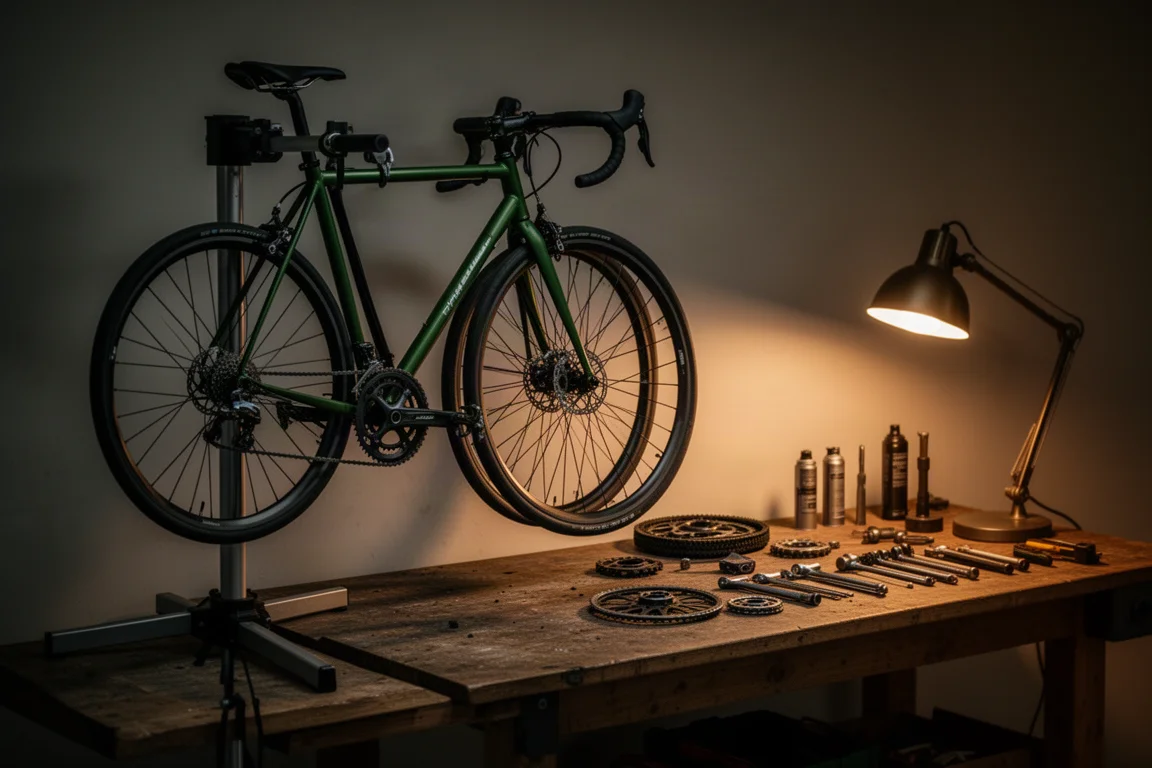
For riders thinking in decades rather than seasons, the steel frameset is the long-game choice, with mudguard mounts, threaded bottom bracket and generous tyre clearance all pointing towards low-fuss ownership. A 12-speed semi-wireless groupset makes sense for anyone already invested in electronic shifting and looking for faster, cleaner changes.
The action camera sits slightly apart from the rest. It is the pick for riders who want to bring home footage that looks steady and clean, particularly in poor weather where the hydrophobic lens and improved low light performance do the most work.
Conclusion
These five upgrades cover a lot of ground, and none of them requires replacing the whole bike. A lace-up race shoe trims weight and cost while keeping the same carbon sole, a solar multisport watch expands what you can measure and record, and a steel frameset with threaded bottom bracket and mudguard mounts is built to stay in service for years.
The groupset and the action camera round things out for riders who want faster shifting or better footage from the trails and lanes they already ride. Choose the one that solves the problem you notice most often, and the rest can follow in their own time.
Further reading
Related Reviews

Backpacking Gear
Building a 10 lb Base Weight: An Ultralight Backpacking Gear List
A practical walkthrough of the ultralight pieces behind a 10 lb base weight, from a 765 g pack and a roomy one-person tent to a full camp chair and a dependable water filter.

Road Bikes
10 New Road Bikes Worth Watching: Aero, Titanium, Steel and Endurance Standouts
A practical roundup of 10 new road bikes, from aero flagships chasing single-watt gains to titanium, steel and endurance platforms built for real roads.
Bikepacking Gear
11 Bikepacking Essentials for Long-Distance Cycling
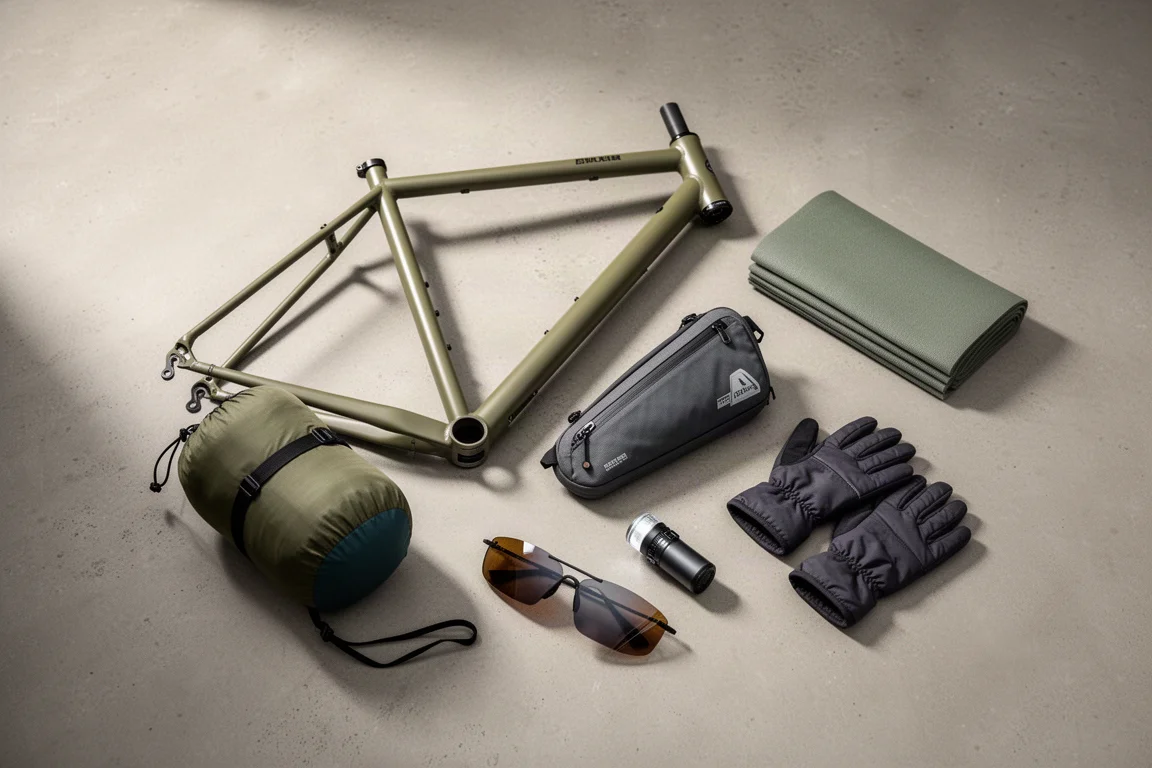
Eleven bikepacking essentials for long-distance cycling, from a steel gravel frame and a two-person tent to helmet lights, packable gloves, and a frame bag that puts weight in the right place.