Cycling Accessories
Best Bike Radar Rear Lights: Six Rearview Radars Compared
Six radar-equipped rear lights compared on detection range, software behaviour, mounting and run time, with clear guidance on which unit suits which rider.
Introduction
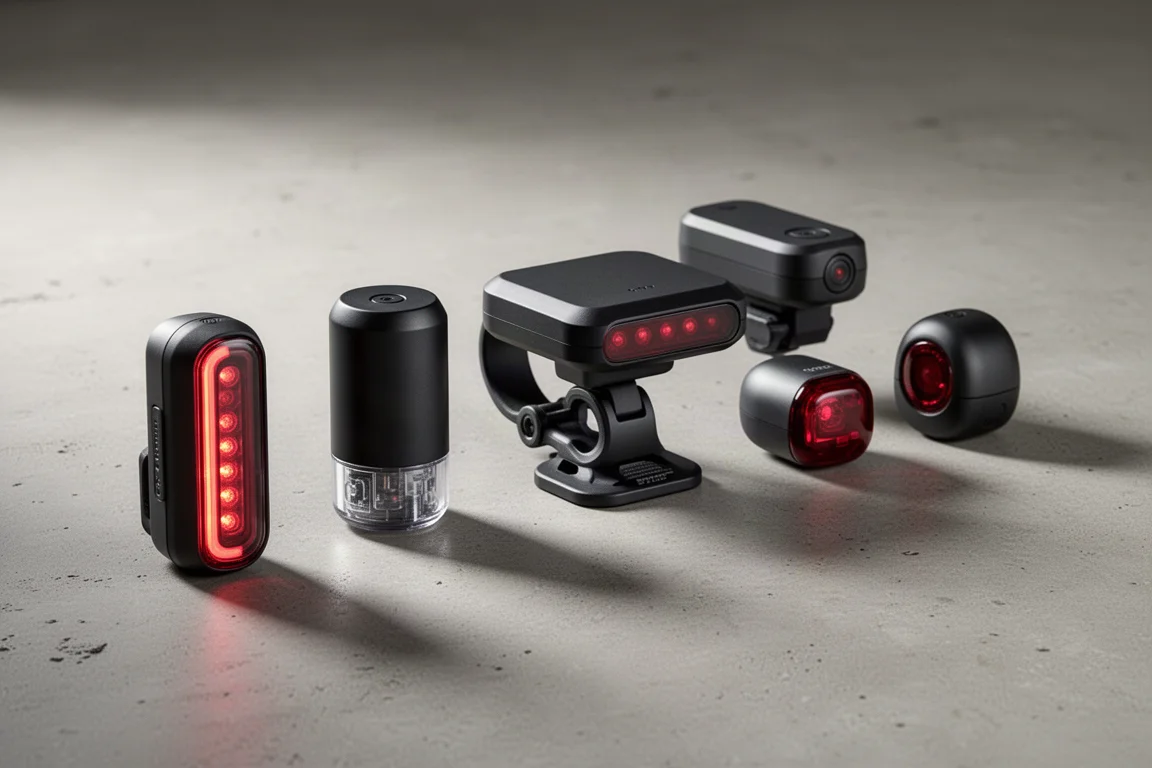
A rearview radar is an early alert system. It tells you when a vehicle is approaching from behind, so you can hold your line with more confidence and react sooner. Radar-equipped rear lights work in one of three ways: with a compatible bike computer and an app on your phone or smart watch, as a standalone unit with its own audio warning, or in tandem with a compatible front light.
Daytime running lights are already worth using, because they raise your visibility to other road users, and adding radar to the mix improves that further. Every unit here uses radio waves to detect traffic behind you. The light sends out a low-power radar signal that reflects off approaching vehicles and returns to the unit, which then calculates distance and speed and produces a warning on your computer, app, or as a visual and audible alert.
Performance differences come down to two things: the detection angle, meaning the radar’s field of view, and the quality of the software interpreting the data. Everything else, including mounting, light output and run time, shapes how pleasant the unit is to live with day to day.
What Matters in a Radar Rear Light
All of the units compared here use the ANT+ radar device profile, the open standard that lets rear-facing radars communicate wirelessly with head units, phones and watches. The exception is the Garmin Varia RearVue 820, which sends its data over a secure Bluetooth connection instead.
That single design decision shapes what you can do with each light. ANT+ radars pair with almost any modern head unit, while the RearVue 820 unlocks its extra features only when paired with a recent Garmin computer or app.
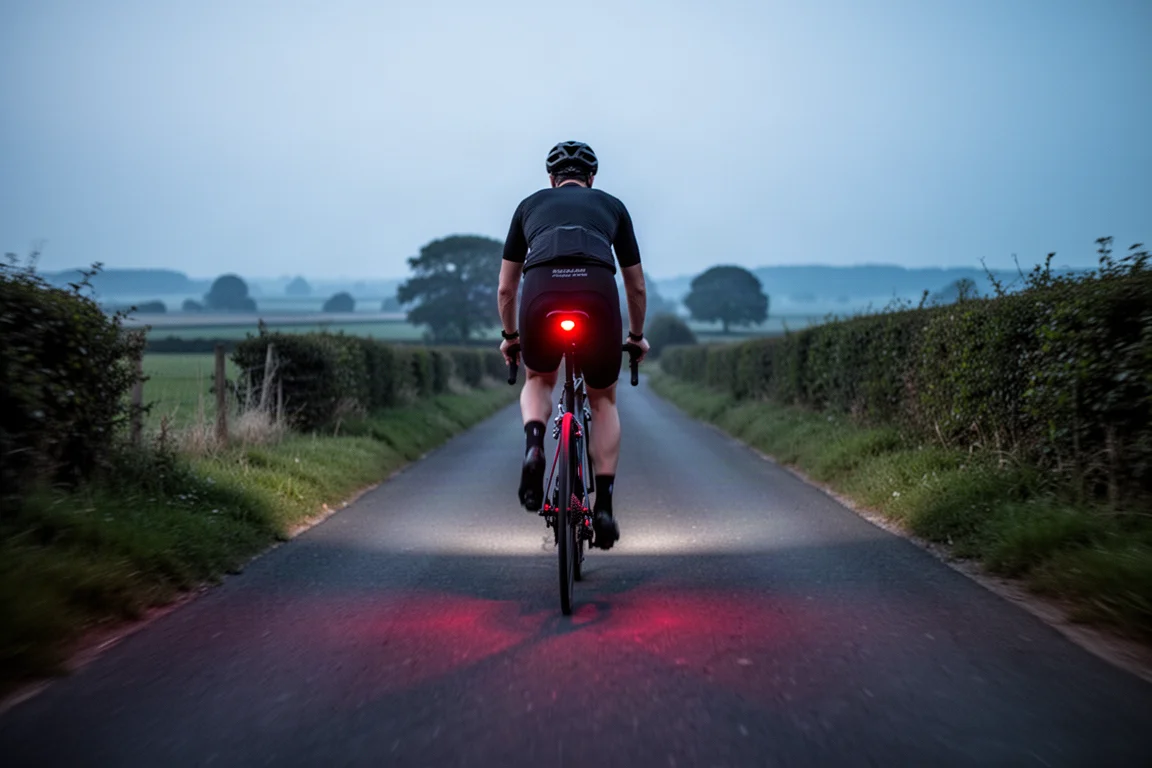
There is also a shared weakness worth knowing about before you spend anything. Most radars can lose track of a vehicle travelling directly behind you at your own speed, and the vehicle simply disappears from the display before it overtakes. Some units handle this better than others, and it is one of the clearest differences between the cheapest and the most expensive options here.
Claimed detection distances are another area where the specification sheet and the road diverge. Several units advertise a potential range of around 190 m, yet real-world detection often lands well short of that figure, and the gap tends to widen in heavy traffic.
Best Overall: Garmin Varia RearVue 820
The RearVue 820 is the most expensive radar in this comparison, and it is also the one carrying the most current hardware. It is more accurate than any other radar available, with the widest detection angle here at 60 degrees.
Its standout feature is vehicle size recognition. Where other radars show a generic blip, the RearVue 820 distinguishes between motorcycles, cars, vans and trucks, and the graphic on a compatible Garmin head unit reflects that difference. The unit also claims to maintain detection even when other vehicles are travelling at the same speed as you, the exact scenario that trips up most rivals. The light itself is bright at 100 lumens, and with a large capacity battery it carries a maximum claimed runtime of 24 hours. In practice, solid mode exceeded 14 hours even in heavier traffic, where the radar increases brightness to keep you visible. It doubles as a brake light, with solid or flashing behaviour selectable in the Varia app.
Claimed detection is 175 m, and measured range peaked above 192 m, further than any rival here managed. Paired with a Garmin Edge 840 Solar, the side strip radar view shows how quickly vehicles are picked up, along with warning triangles for faster moving traffic, which is genuinely useful on multi-lane city roads. Riders outside the Garmin ecosystem can still use the Garmin Varia app to change device settings and light modes, and a phone can serve as the radar display.
The catch is the price, and the fact that the full feature set depends on pairing with a recent Garmin GPS or app. Buyers on other head units will get a very good radar, but not everything the hardware can do.
Garmin Varia RTL515: A Proven Older Generation
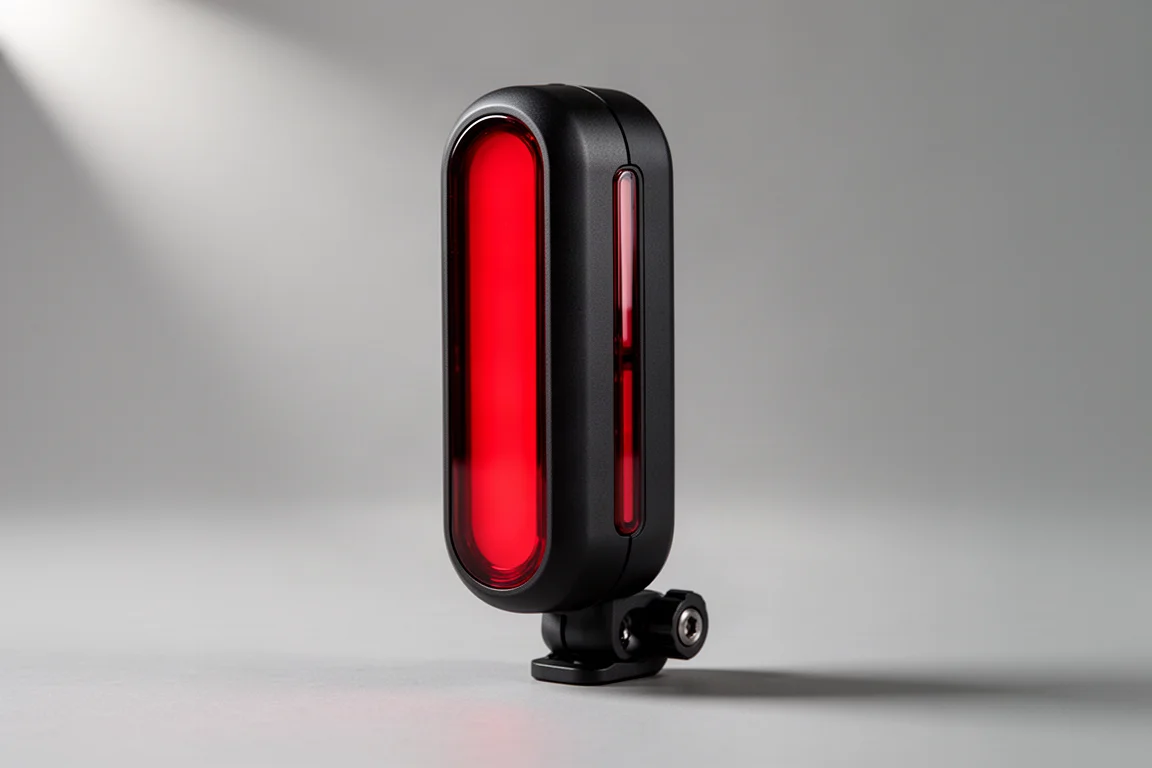
The RTL515 is the previous generation, and it is still better than the other four rivals here on raw radar performance. For riders who want proven reliability without flagship pricing, that makes it the sensible middle path.
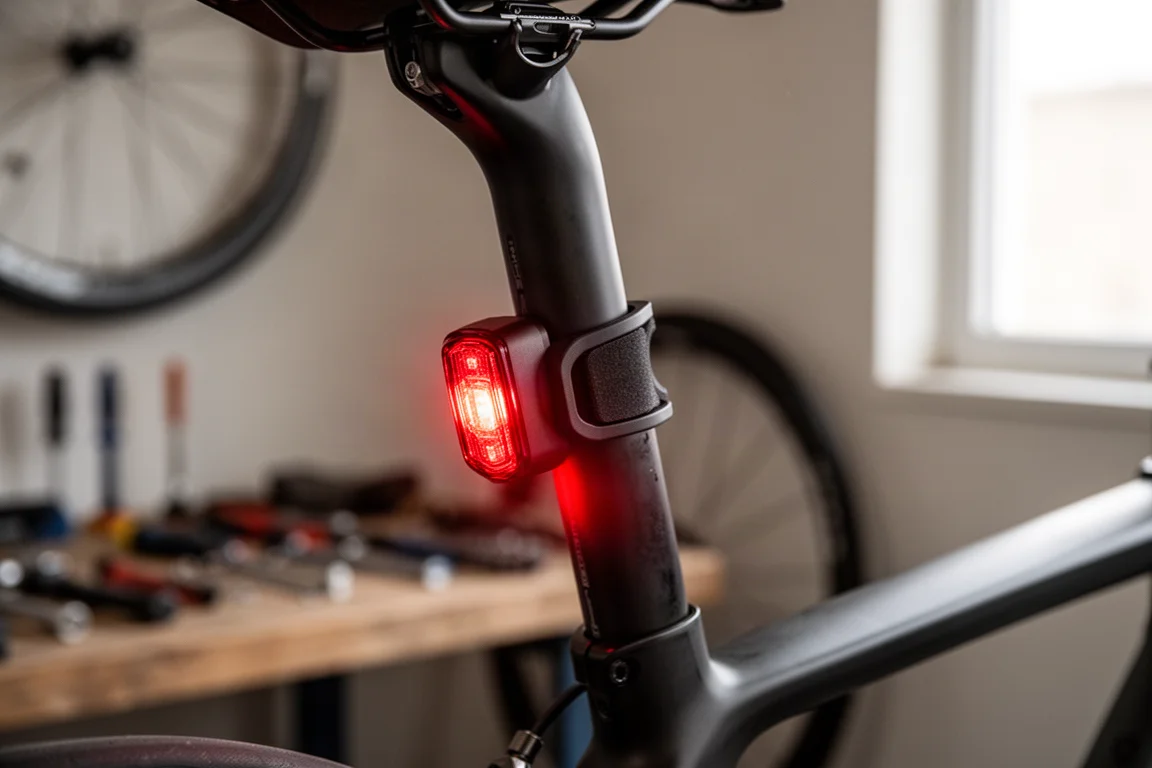
Because it is being phased out, it is worth shopping around. Discounts tend to appear as stock clears, and the radar performance on offer stays strong regardless of the price you eventually pay.
Lezyne Radar Drive
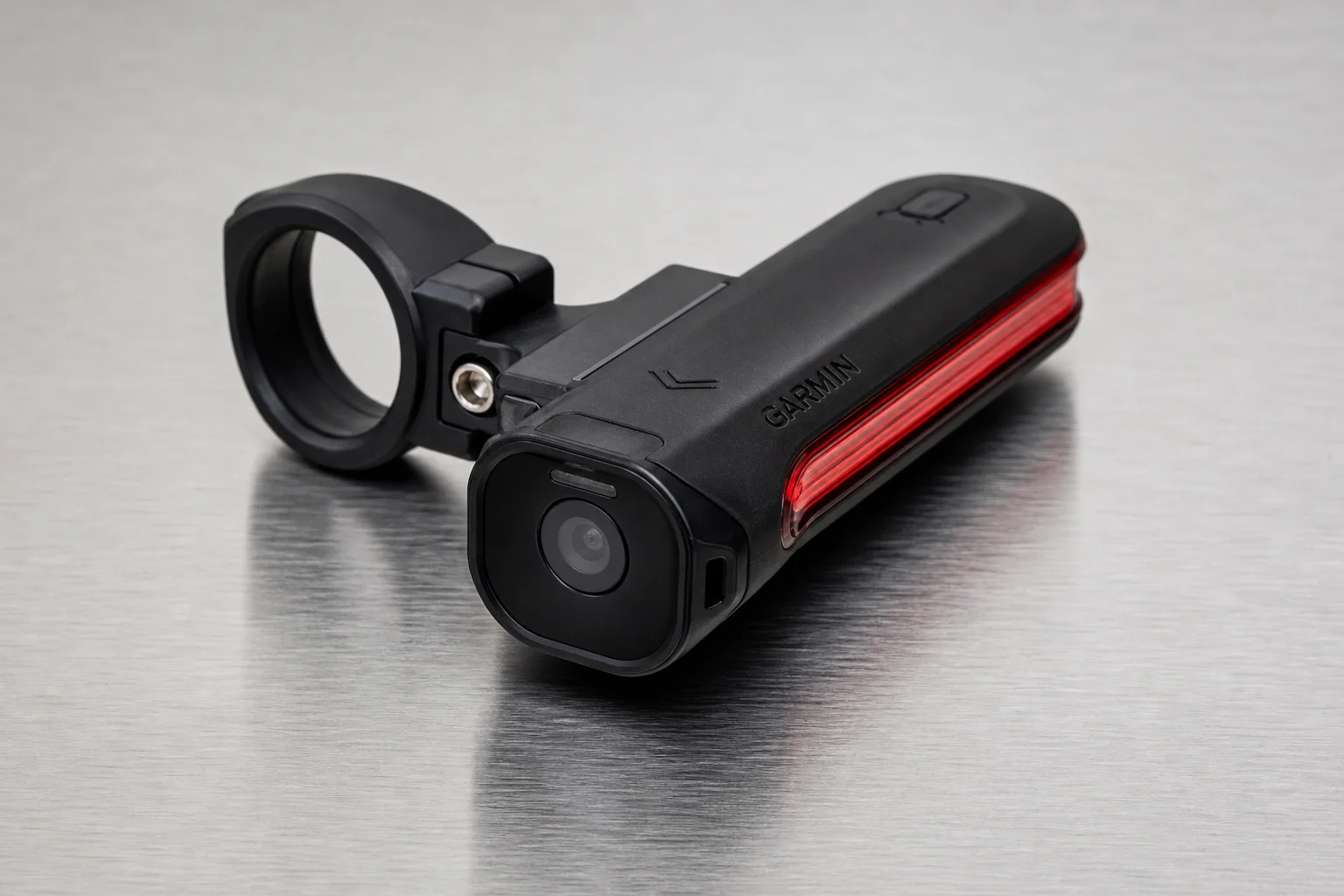
The Radar Drive is the most flexible unit here in how it connects. It can run without a bike computer at all through a free app, and it can also be paired with the Lezyne React Drive front light, which adds a warning light, a grid display and a sound alert for approaching traffic.
Physically it looks the most like a standard rear light. It is chunky, yet noticeably more compact than its rivals, so the fit is secure and it mounted without issue even on the smallest frame sizes. It ships with two lengths of mounting strap, adapters for D-shaped and aero posts, and a built-in mount for round posts.
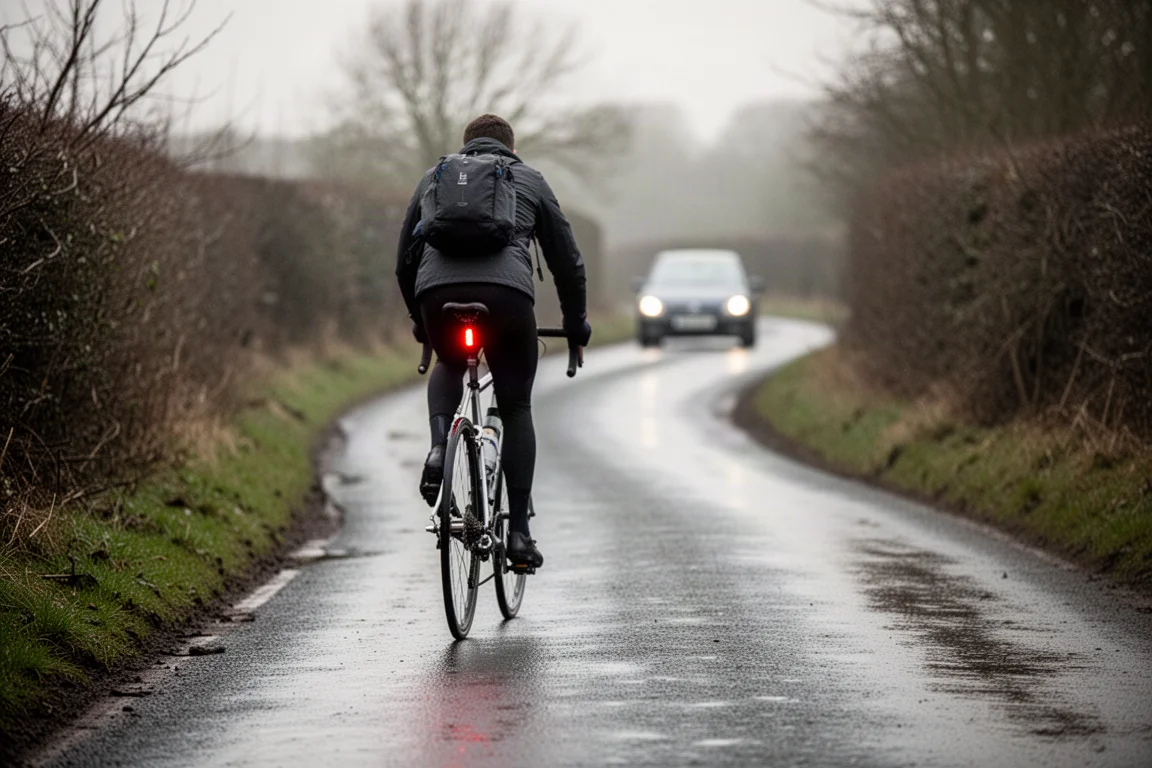
The wrap-around lens offers a huge amount of visibility from every angle. Claimed flash mode runtime is an impressive 20 hours, and medium power solid mode ran for around 7.5 hours before the light automatically dropped to low power. A built-in sleep mode semi shuts the unit down after two hours of inactivity, which is useful, though it means the light can still connect to a head unit and drain battery when you assumed it was switched off. When paired with the front light rather than a head unit or app, the rear light flashes red when a vehicle is more than 50 m away and turns solid once it closes inside that distance.
Radar performance is strong. Detection distance is among the longest here at over 140 m, and the wide angle of detection picked up approaching traffic even from a bike path more than 5 m from the main road. Like every radar except the RearVue 820, it can lose a vehicle moving at your own speed, but it is noticeably better at this than the BBB, Bryton and Wahoo units, only dropping detection when you and the traffic around you are moving very slowly.
BBB Signal Radar
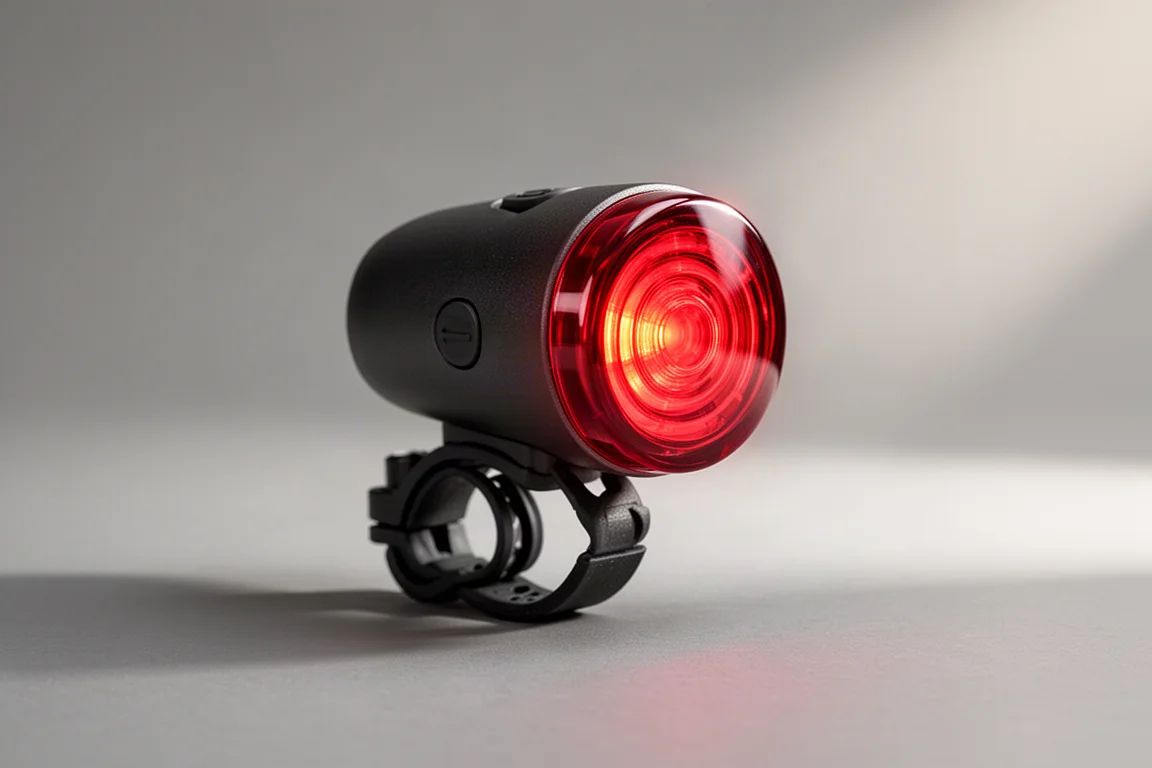
BBB’s take on the rearview radar has one feature no rival here matches: a built-in 85 decibel speaker, which means the Signal can be used entirely on its own, without a head unit, phone or front light. It also transmits on both Bluetooth and ANT+, so it works with GPS head units, and with a phone through the Cannondale app. BBB is part of the Pon Bike Group, which owns Cannondale, which explains the pairing. That app also works as a bike computer, so radar readings can be displayed on a phone screen, and the unit supports the ANT+ radar and ANT+ light standards for connection to all major GPS units.
As a light it is a strong performer, with a maximum of 80 lumens, a potential 14-hour run time, a battery level indicator and a set of genuinely practical features. The radar has a claimed detection distance of 190 m, a 35 degree angle and the ability to track up to eight vehicles at once. Measured range peaked at 137 m across repeated rides. On busy peak time commutes it coped admirably with multiple cars, though it occasionally reported two vehicles instead of one large coach or articulated truck, and it can be overwhelmed by a constant stream of traffic passing you. Like the Wahoo, it occasionally loses a vehicle travelling at your own speed.
One practical limitation is the bracket position, which makes the Signal harder to fit on smaller frames or bikes with little exposed seat post.
Radar performance sits on a par with the more expensive Wahoo and Lezyne units, but it is a long way behind the Garmin Varia RTL515. For riders who want a standalone audio warning at a very good price, that trade-off is easy to accept.
Wahoo Trackr Radar
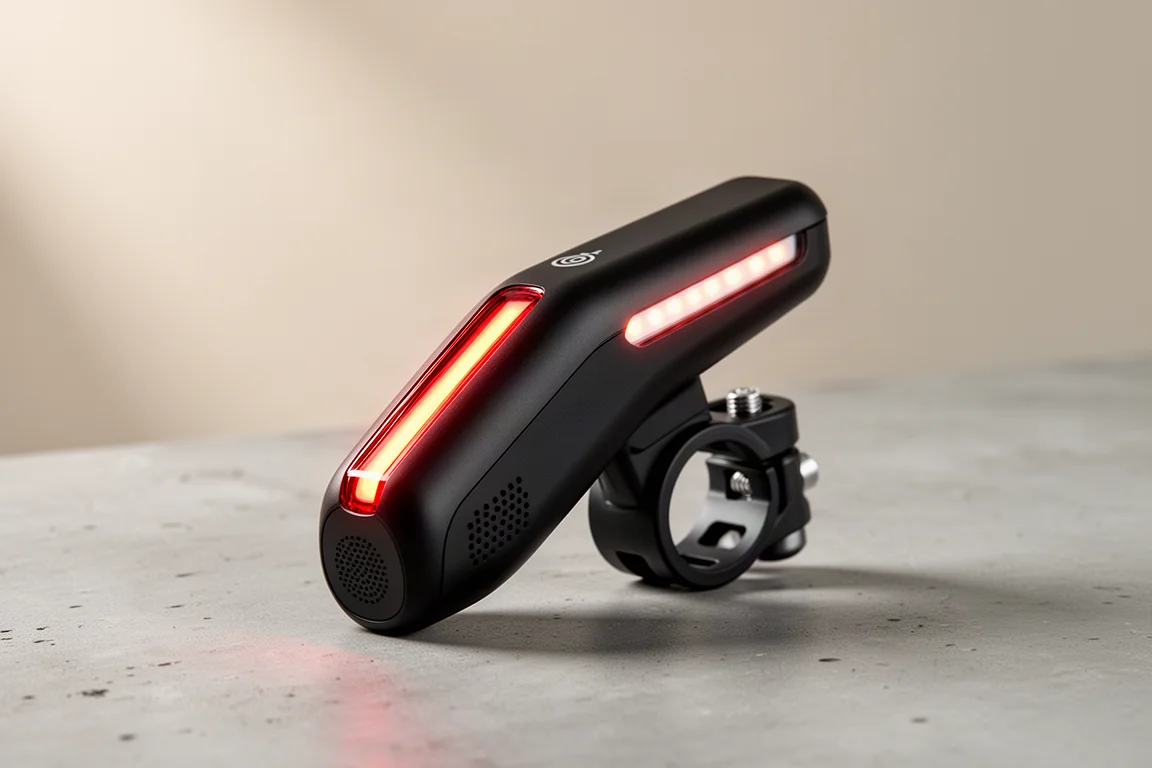
Wahoo’s first entry into the rear light radar space is feature packed, with twin LEDs, a translucent casing for all-round visibility, and long run times. Setup involves pairing with the Wahoo app to handle initial configuration and light modes, then pairing to any GPS head unit for use on the bike. Unlike the Garmin, Bryton and Lezyne apps, the Wahoo app cannot display radar readings on the fly, so the Trackr needs a head unit to be useful while riding. The app does handle firmware updates, and the ANT+ connection means light modes can be controlled from a head unit.
The bracket creates a flush fit with the light itself and comes with three soft rubber inserts, one for round aero posts, one for D-shaped posts and one for flat back edges. All three are flippable to match the seat tube angle of your bike, which matters because a rear radar needs to run perpendicular to the ground. The bulky bracket can clash with seat clusters on bikes with little seat post exposed, so it is not ideal for smaller frames.
The light is excellent. A focused LED lens provides the brightest element, complemented by a second LED at the base behind a translucent casing that delivers strong side visibility. It also doubles as a brake light, ramping up power as you slow, which is another solid safety measure. Run times are impressive thanks to clever auto dimming: using the daylight setting during the day means about a week of riding between charges.
As a radar, the Trackr is good. On single lane rural roads it picks up approaching vehicles a second or two later than the Garmin RearVue 820, and it suffers from a fair number of false negatives, particularly with drivers tailgating or sitting out towards the middle of the road looking to overtake. It also loses vehicles travelling directly behind at your own speed, and its field of view is fairly narrow, so it takes longer to detect traffic on twisting rural roads. Overall it is slightly ahead of the Bryton, because it is a little more stable, but behind the other alternatives here. It is worth repeating that a radar is a safety aid, not an excuse to skip a look over your shoulder before turning.
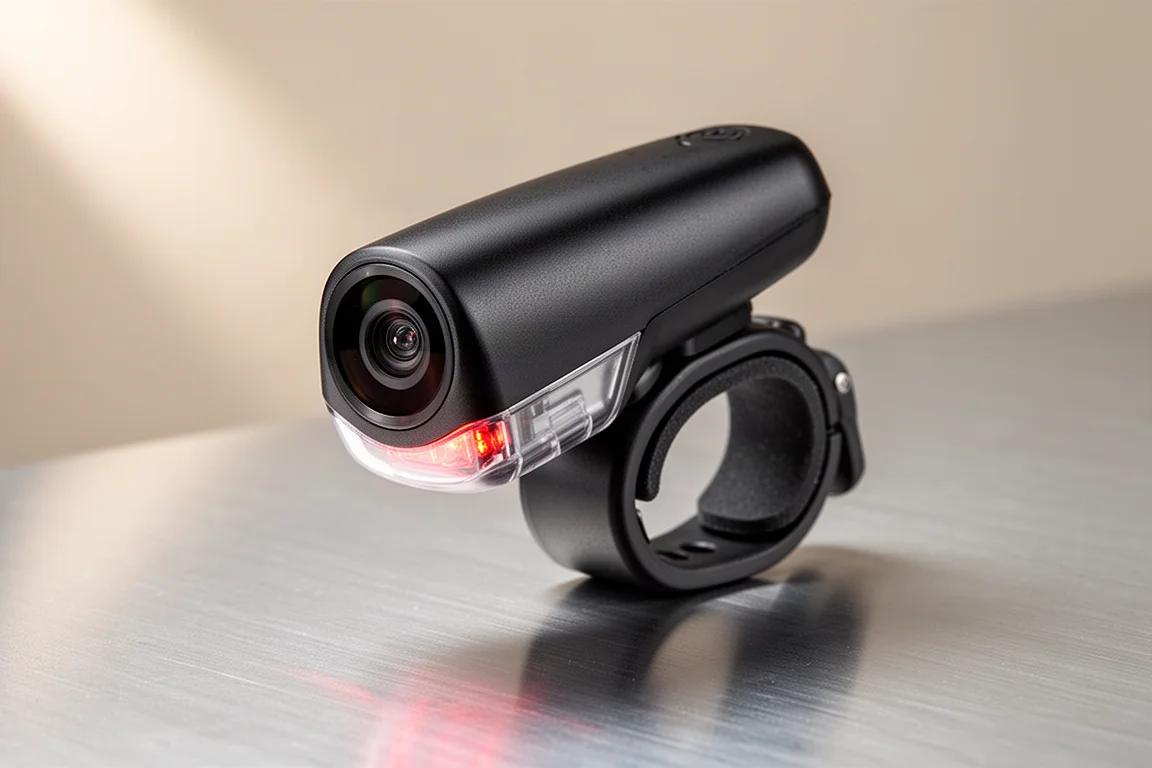
Most Affordable: Bryton Gardia R300L
The Gardia R300L is one of the cheapest radars available, priced at just $99.99. That is less than half the price of the Garmin RearVue 820, and around 70 pounds cheaper than the Wahoo and Lezyne offerings. It is compact, lightweight, and the light is strong.
Because it uses the ANT+ radar protocol, setup with a GPS is simple, and it paired instantly with Garmin, Bryton and Hammerhead units. Phone use requires the Bryton Gardia app, which provides a graphic depiction of the road behind and shows remaining battery life, current light mode and the ability to switch between modes, along with volume control and firmware updates. Fitting it to a bike is straightforward thanks to a quarter-turn interface, and because the unit is compact it works well on smaller frames.
Radar performance is where the compromises show. The Gardia did not get close to its claimed 190 m detection distance, with a maximum of around 195 ft, roughly 60 m, recorded on a 38-mile rural ride. Vehicles travelling at the same speed regularly glitched out of detection, reappearing and disappearing again before overtaking, and on more than one occasion a bump in the road caused a momentary disconnect. On rural roads with light traffic those dropouts can be forgiven, since a vehicle vanishing at a junction is likely still there, but on busier suburban streets the unit is simply too inconsistent, and in cities, where every radar struggles with the sheer volume of moving targets, it is quite poor.
As a smart light, the Gardia is genuinely good. The braking function, power output and visibility are all pluses, and solid mode ran for around 9 hours with the radar function active. As a radar, its raw performance is average, which is the trade-off you accept for the lowest price here.
Buying Advice
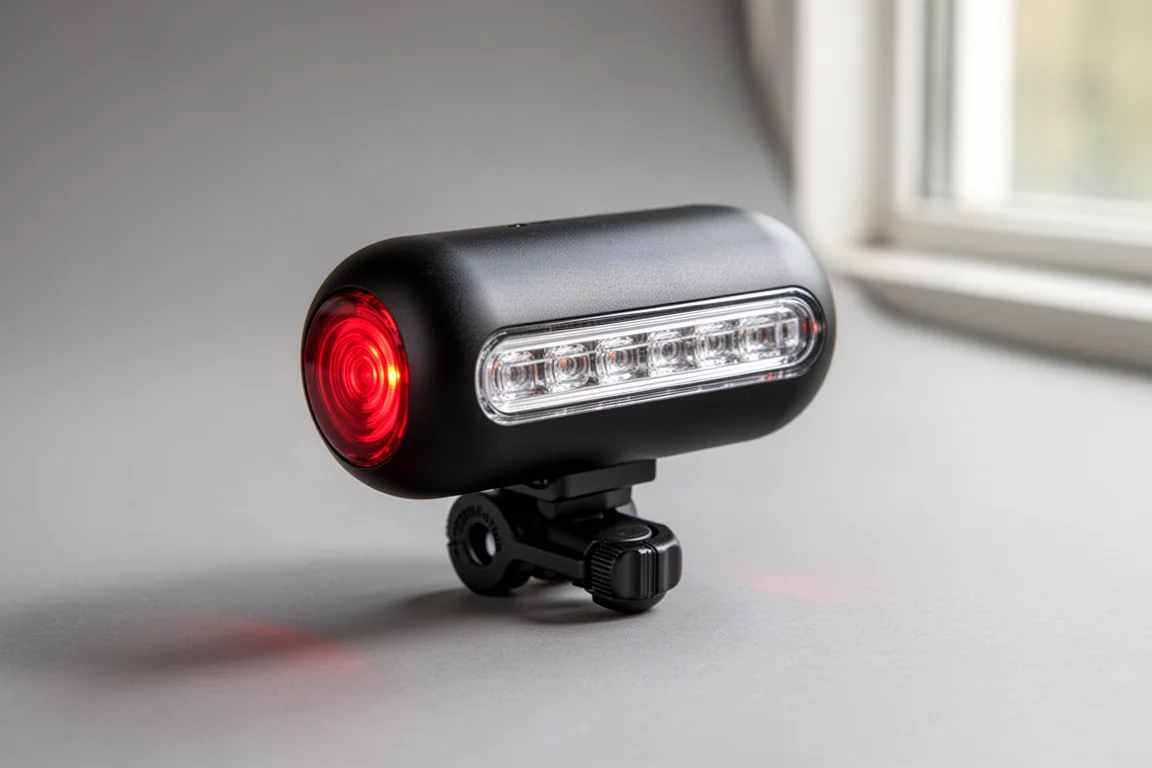
Start by accepting what a radar can and cannot do. It is an early warning aid that buys you time and awareness, not a replacement for checking over your shoulder before you turn or change lane. Every unit here, including the best of them, will occasionally drop a vehicle from the display.
The most important decision is ecosystem. The Garmin Varia RearVue 820 delivers its best features only with a recent Garmin GPS or app, including vehicle size recognition and the side strip radar view. The other units use the ANT+ radar standard and work across major head units, which makes them easier to recommend if you ride with a different brand. If you ride without a computer at all, the BBB Signal Radar is the only unit here with a standalone audio warning, while the Lezyne Radar Drive can run through a free app or pair with a matching front light.
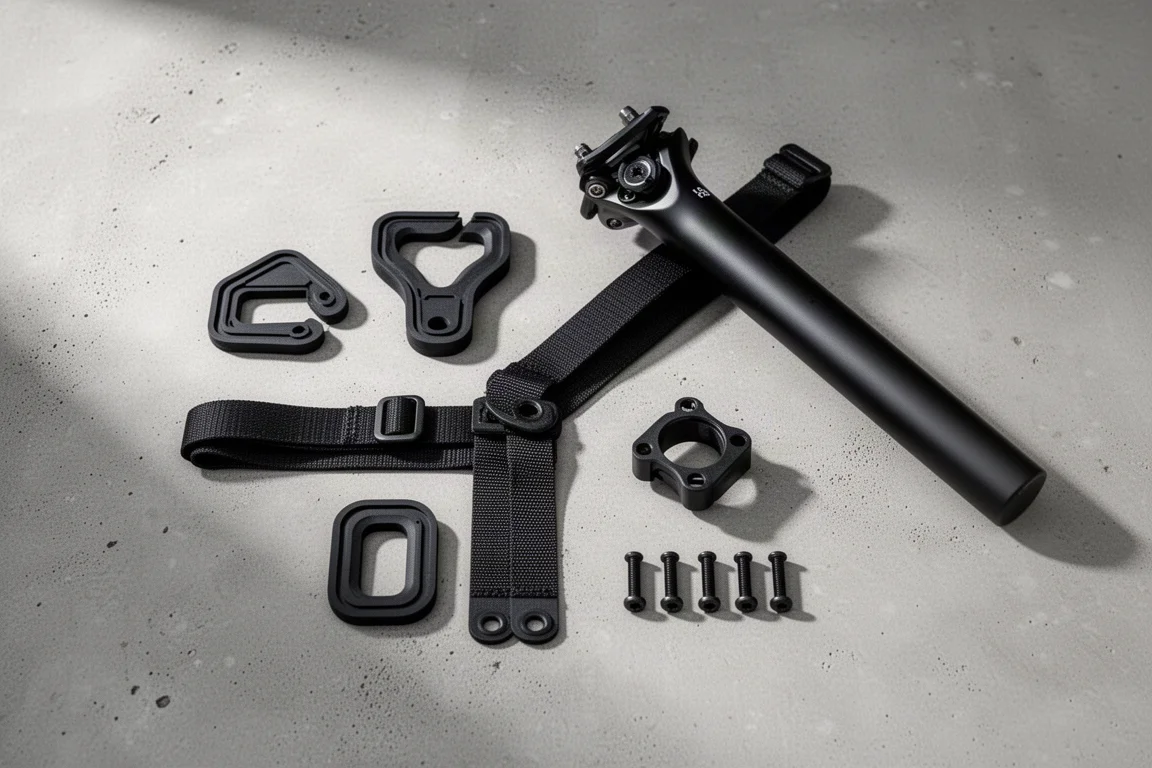
Fit matters more than most buyers expect. The Lezyne Radar Drive is the most compact and fitted even the smallest frames, while the Wahoo and BBB brackets are bulkier and can clash with seat clusters on bikes with limited exposed seat post. Any radar also needs to sit perpendicular to the ground to work properly, so check the mounting options for your seat post shape before committing.
Finally, weigh run time and price together. The RearVue 820 claims up to 24 hours, the BBB offers a potential 14 hours, the Lezyne claims 20 hours in flash mode, and the Wahoo can stretch to about a week of daytime riding between charges. On price, the Bryton Gardia R300L is the clear budget pick, but its radar consistency trails the field, and the Garmin Varia RTL515 remains a strong performer now being phased out, so it is worth shopping around for remaining stock.
Conclusion
If budget is not the deciding factor and you ride with a Garmin head unit, the Varia RearVue 820 is the most capable radar here, with the widest detection angle, vehicle size recognition and the most reliable behaviour around same-speed traffic. The Varia RTL515 remains the value option from the same brand, and still outperforms the other four rivals on radar performance. The Lezyne Radar Drive is the best of the rest for detection range and flexibility, the BBB Signal Radar adds a standalone audio warning at a very good price, the Wahoo Trackr Radar pairs an excellent light with good but narrower radar performance, and the Bryton Gardia R300L wins on price alone. Match the unit to your head unit, your frame and your typical roads, and any of them will make you more aware of what is coming up behind you.
Further reading
Related Reviews
Cycling Accessories
7 Inexpensive Everyday Products That Are Brilliant for Cyclists
Seven cheap household products that solve real problems for cyclists, from portable bike washing and dry shoes to clean bottles and protected paintwork.
Cycling Accessories
Amazon Cycling Accessories Worth Buying: Five Practical Picks
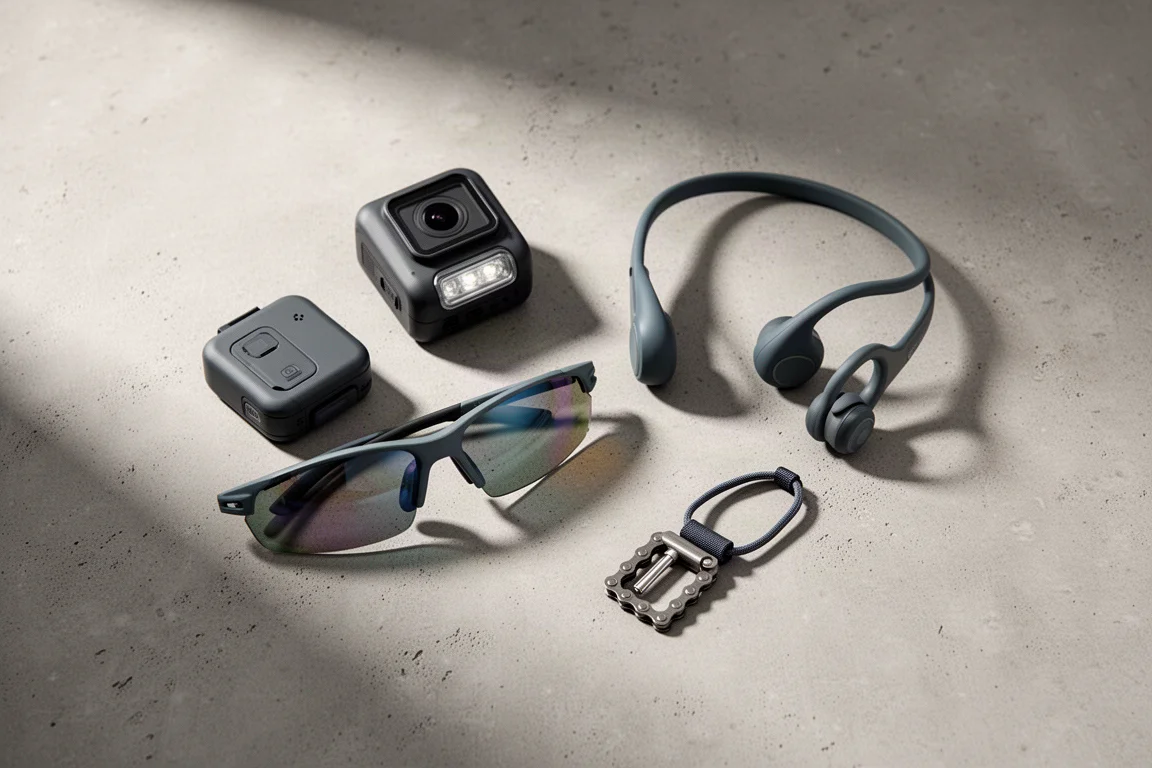
A basket of low-cost cycling accessories judged on real-world use, from a dash cam style camera and light combo to bone conduction headphones and one tool best left on the shelf.
Cycling Accessories
Electric Bike Pumps Compared: AS2 Pro Tiny Pump vs AS2 Pro Max
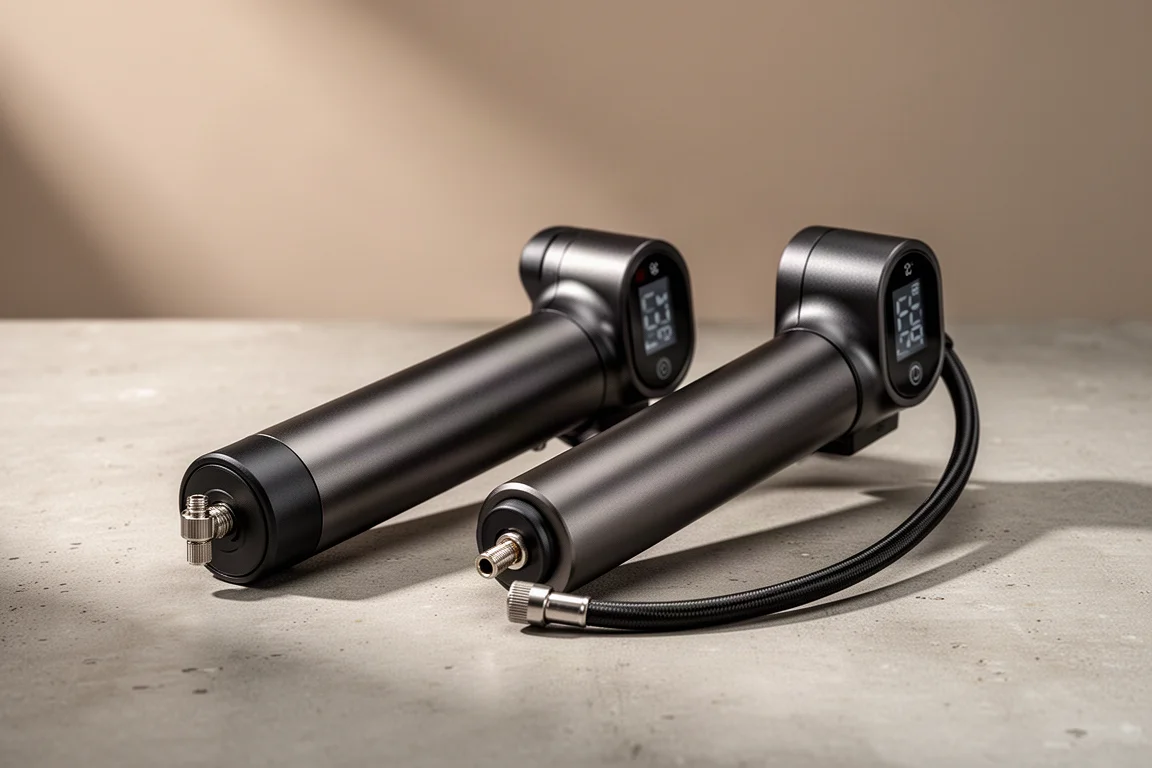
A practical look at two battery-powered bike pumps: what they do well, where they fall short, and which one suits which kind of rider.