Cycling Accessories
Best Bike Radar Lights 2026: Six Rearview Radars Ranked and Compared
A practical roundup of six rear radar lights for cyclists, ranked by real-world detection performance, lighting, run times, and value.
Introduction
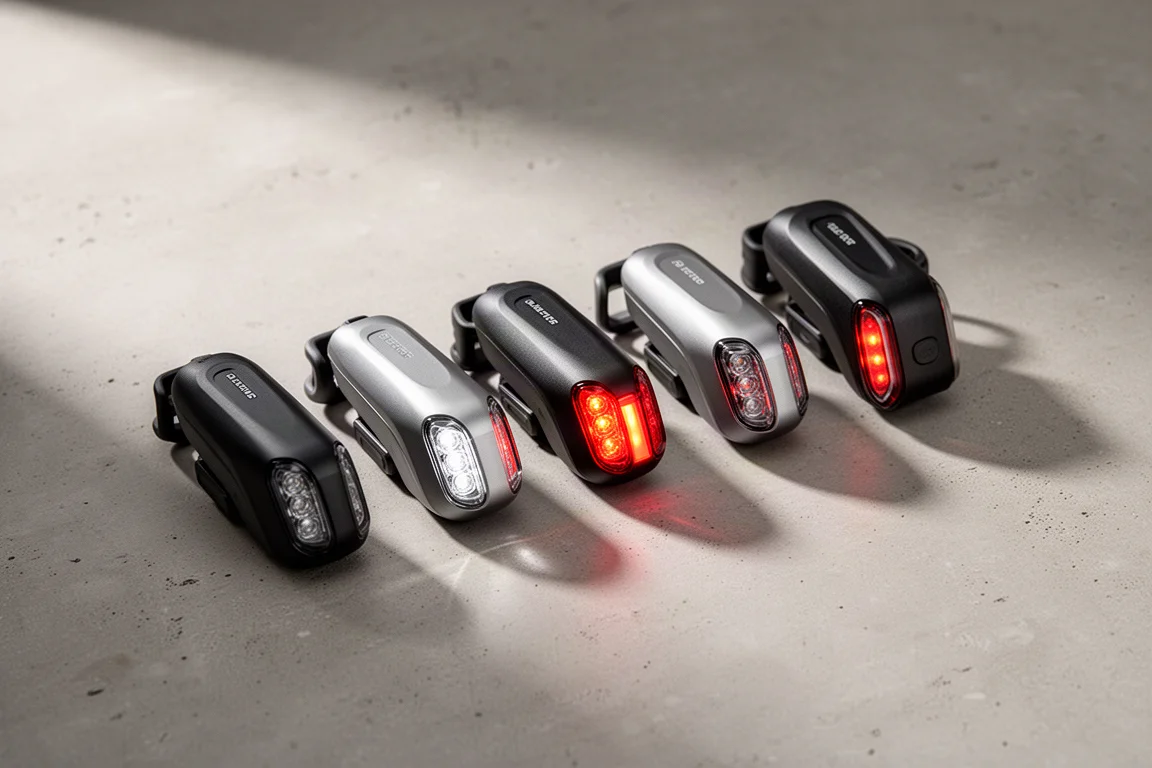
Rearview radar works as an early alert system that tells you when a vehicle is approaching from behind. The latest radar-equipped rear lights run either with a compatible bike computer and a phone or smart watch app, or, as with a couple of the units here, they can provide a standalone audio warning or work in conjunction with a compatible front light.
Running daytime running lights boosts safety by increasing your visibility to other road users, and adding radar to the mix only improves that. All radars use similar technology, sending out a low-power radar signal that reflects off vehicles and returns to the unit, which then calculates both the distance and the speed of the approaching vehicle before generating a warning on your computer, app, or as a visual or audible alert.
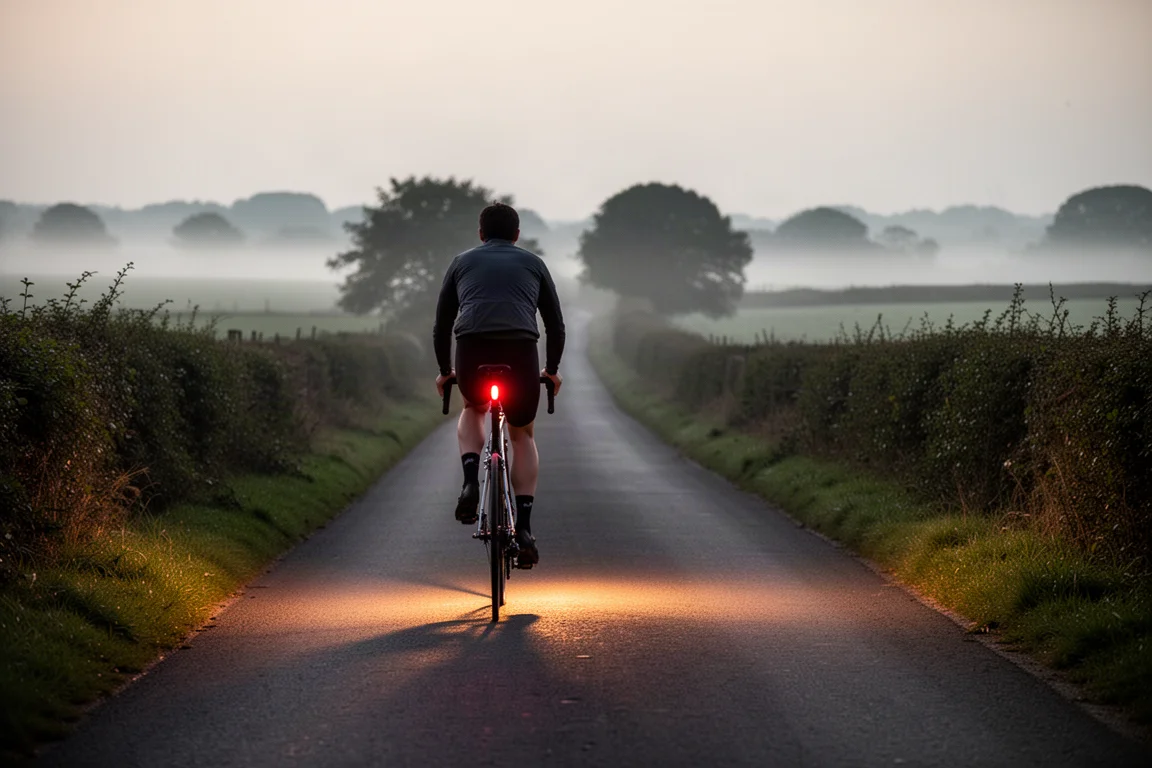
The differences in performance come down to detection angle, which is the radar field of view, and the quality of the software interpreting the data. Every unit here uses the ANT+ radar device profile, the open standard that enables wireless communication between rear-facing radars and display units, computers, phones, and watches. What follows ranks six radar lights from worst to best, based on how they performed on rural roads, suburban streets, and busy commutes.
Bryton Gardia R300L
The Bryton Gardia R300L is one of the cheapest radars available at $99.99, less than half the price of the Garmin RearVue 820 and around 70 pounds cheaper than the Wahoo and Lezyne offerings. It is compact, lightweight, and the light itself is strong, running roughly 9 hours in solid mode with the radar function active.
Setup is simple thanks to the ANT+ radar protocol, and it paired instantly with Garmin, Bryton, and Hammerhead units. Running it with a phone requires the Bryton Gardia app, which shows a graphic depiction of the road behind, remaining battery life, current light mode, mode switching, volume control, and firmware updates. A Garmin and Wahoo style quarter turn interface makes fitting easy, and the compact body suits smaller frames well.
The radar performance is middling. It did not get close to its claimed 190 m detection distance, reaching a maximum of around 60 m on a 38 mile ride on rural roads. Worse, it glitches regularly, with vehicles in the far distance dropping out of detection, reappearing, and then disappearing again as they got close. Bumps in the road occasionally caused a momentary disconnect. On busier suburban streets it is too inconsistent, and in cities, where all radars struggle with the sheer volume of moving targets, it is quite poor. As a smart light it is a great choice, but as a radar its raw performance is average and only its price makes it worth considering.
Wahoo Trackr Radar
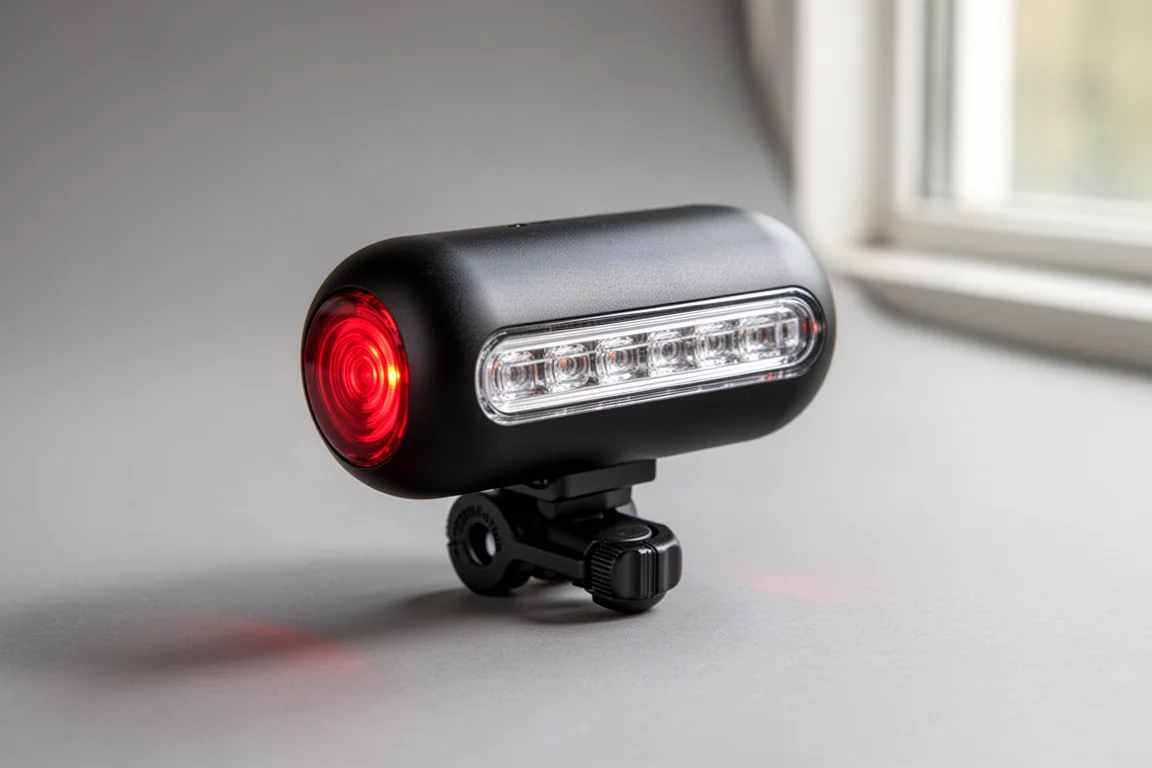
Wahoo’s first entry into the rear light radar space is feature packed, with an intelligent light, twin LEDs, a translucent casing for all-round visibility, and long run times. Setup involves pairing to the Wahoo app for initial configuration and light modes, then pairing to any GPS head unit for on-bike use. The app handles firmware updates but cannot display radar readings on the fly, so the Trackr is effectively limited to head unit use for live alerts.
The large bracket creates a flush fit with the light itself and comes with three flippable soft rubber inserts, one for round aero posts, one for D-shaped posts, and one for flat back edges. Running a rear radar perpendicular to the ground is essential. The bulky bracket can clash with seat clusters on bikes with little seat post exposed, so it is not ideal for smaller bikes.
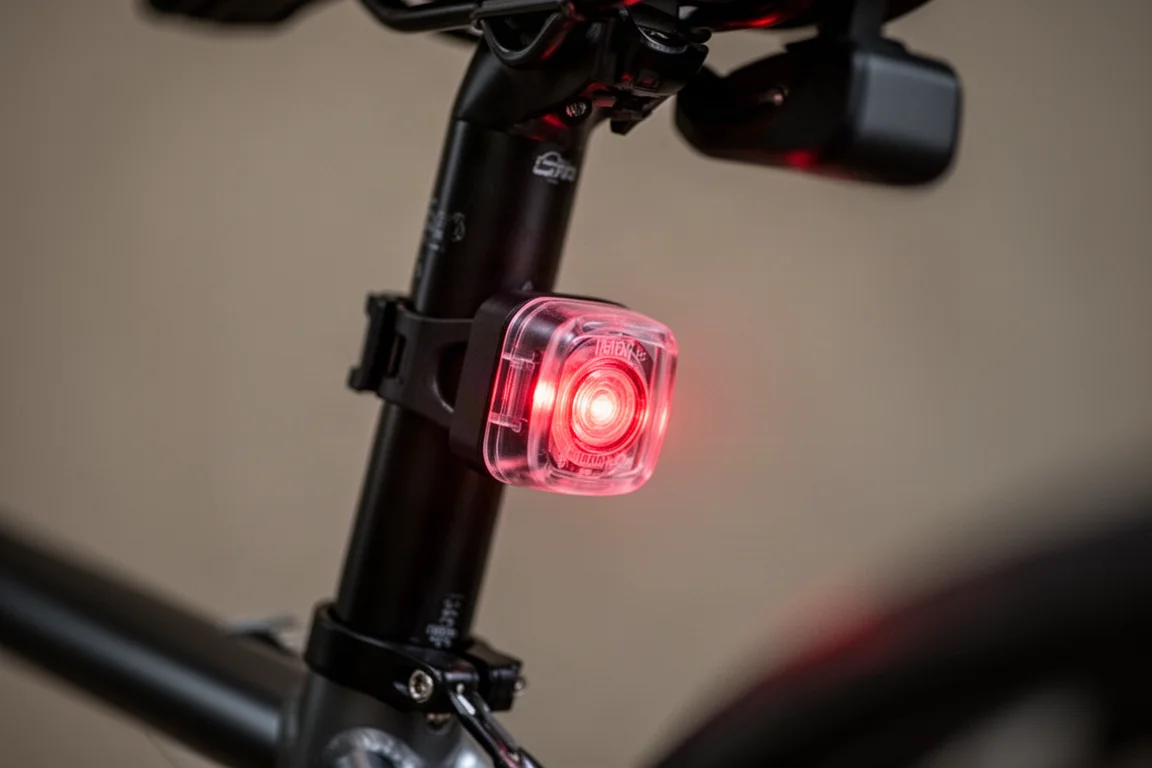
The light is excellent thanks to its multitude of modes and smart controls that preserve battery life, plus good safety options. A focused LED lens delivers the brightest element, complemented by a second LED at the base behind a translucent casing that offers strong side visibility. The light doubles as a brake light, ramping up power as you slow, and clever auto dimming means a week’s worth of riding between charges on the daylight setting.
On the radar side, the Trackr is good but a second or two slower than the Garmin RearVue 820 on single lane rural roads. It suffers from a lot of false negatives, particularly when drivers tailgate or sit out toward the middle of the road looking to overtake, and it also loses vehicles travelling directly behind at the same speed. The field of view is fairly narrow, so wider viewing units detect vehicles earlier on twisting rural roads. It is a good performer and slightly ahead of the Bryton, but it sits well behind the best alternatives.
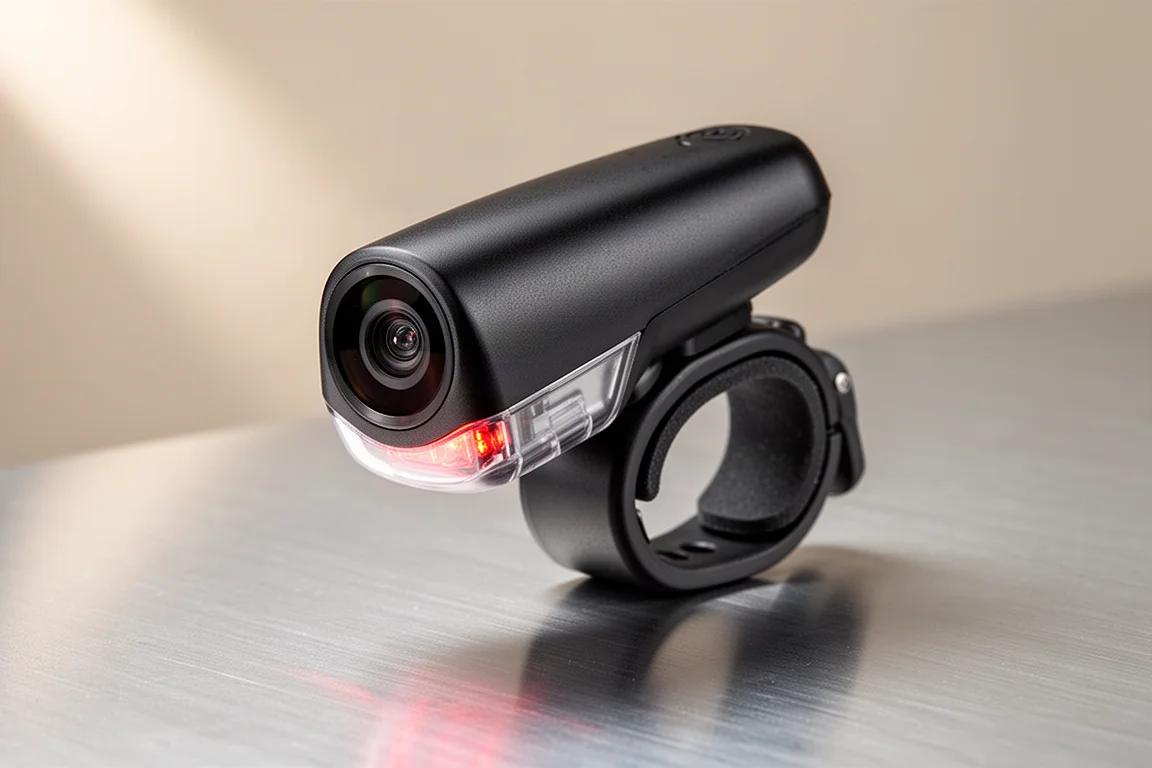
BBB Signal Radar
BBB’s take on rearview radar comes with a unique difference. Whereas most rear radars need a GPS unit, phone, or a compatible front light, the Signal radar can be used on its own thanks to a built-in 85 decibel speaker. It also works with GPS head units because it transmits on both Bluetooth and ANT+, or on a phone through the Cannondale app. Because the Signal radar does not have its own app, it works with Cannondale’s, which also functions as a bike computer so you can display the radar on your phone screen.
The light itself offers a maximum of 80 lumens and a potential 14-hour run time, plus a battery level indicator and excellent practical features. The radar element has a claimed detection distance of 190 m with a 35 degree angle and can detect a maximum of eight vehicles. It connects with all major GPS units thanks to ANT+ radar and ANT+ light support.
Radar performance is on a par with the Wahoo, and like the Wahoo it suffers from the occasional disappearing vehicle when travelling at the same speed. The claimed detection distance is 190 m, though the maximum measured distance across test rides peaked at 137 m. On busy peak time commutes the BBB coped admirably with multiple cars. On a few occasions it detected two vehicles instead of one large one, such as a coach or articulated truck, and like most rivals it can get overwhelmed by a constant stream of traffic. The bracket position makes it harder to fit on smaller frames or bikes with less exposed seat posts, but it is a solid performer at a very good price.
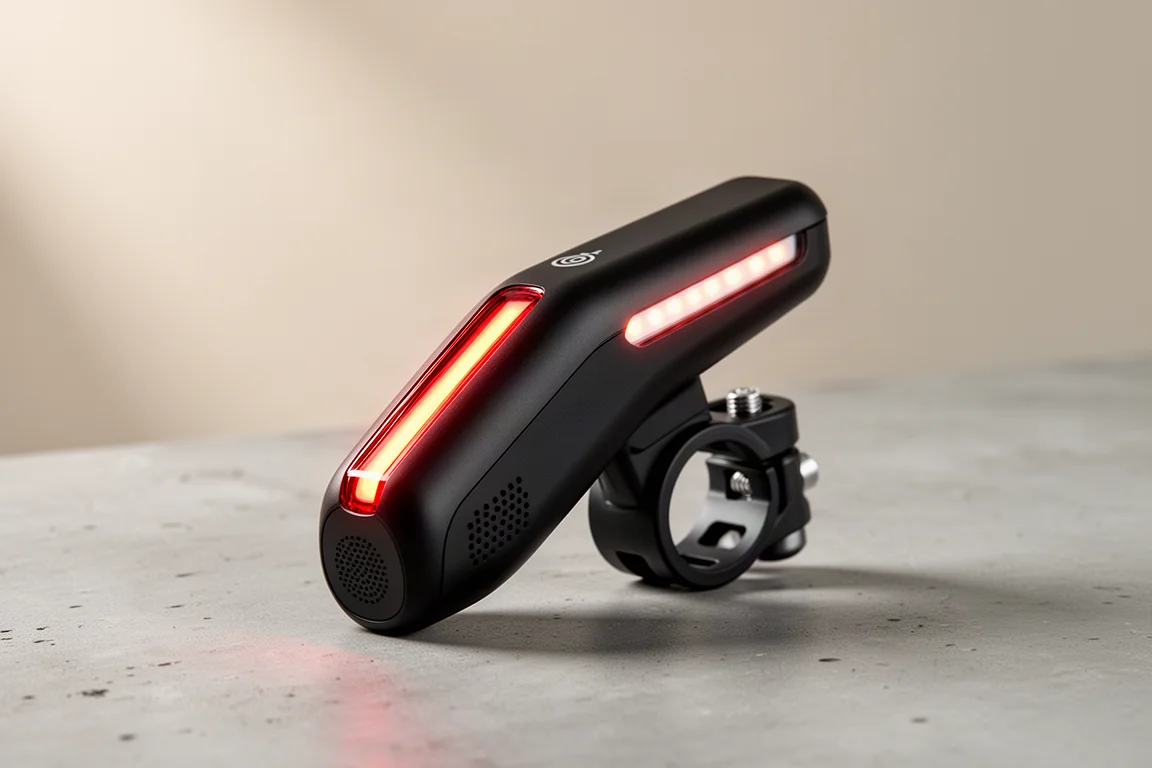
Lezyne Radar Drive
The Lezyne Radar Drive can be used without a bike computer through the free app, and uniquely it can also be paired with the Lezyne React Drive front light, which provides both a warning light and a sound warning. Of all the radars here, the Radar Drive looks the most like a standard rear light. It comes with two lengths of mounting strap and adapters for D-shaped and aero posts, while the built-in mount suits round posts. The light, while chunky, is noticeably more compact than its rivals, so the fit is secure and there were no issues fitting it to even the smallest frame sizes.
The light itself is excellent, with a wrap-around lens offering huge visibility from all angles. The claimed flash mode runtime is an impressive 20 hours, and in medium power solid mode the unit ran around 7.5 hours before automatically switching to low power mode.

A built-in sleep mode semi shuts down the unit after 2 hours if left unused, which occasionally meant the battery level was lower than expected when setting out. Radar performance is strong, with a detection distance among the longest here at over 140 m and an impressively wide angle of detection, picking up approaching traffic on a bike path more than 5 m from the main road. Like all the radars bar the Garmin RearVue 820, it occasionally lost a vehicle moving at the same speed, but it is noticeably better than the BBB, Bryton, and Wahoo in this respect, only losing detection when you and the cars around you are moving very slowly.
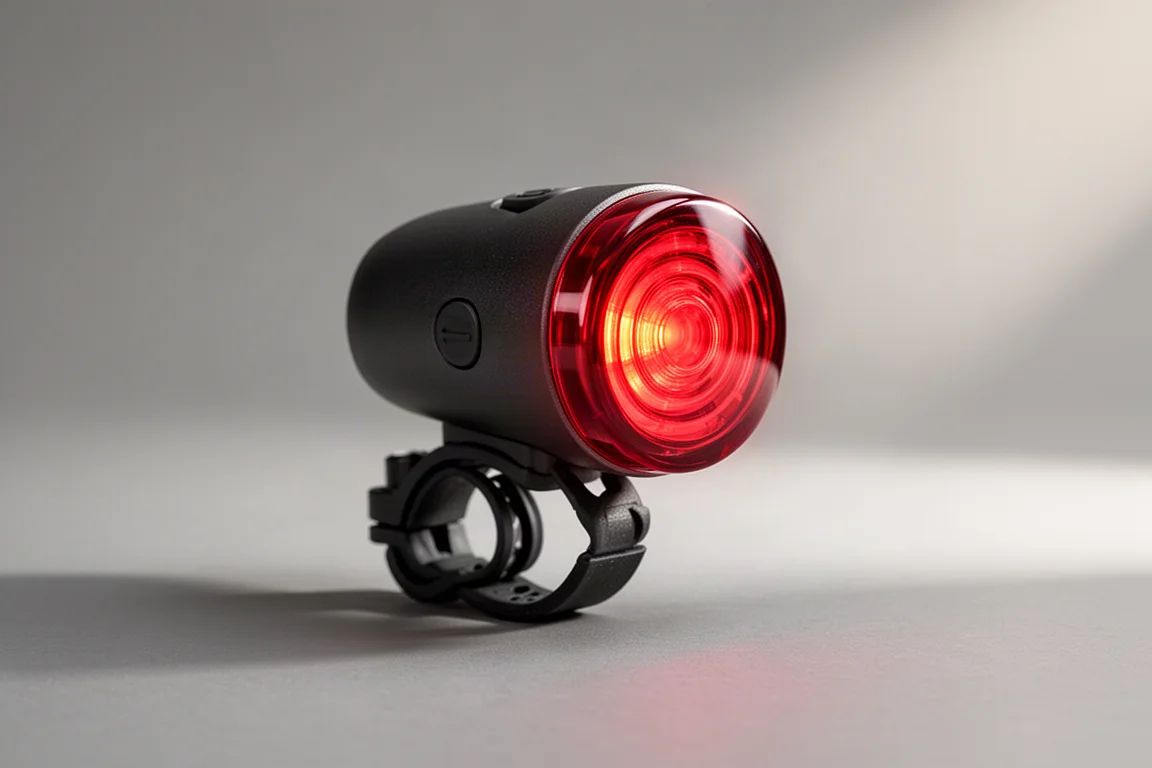
Garmin RearVue 820
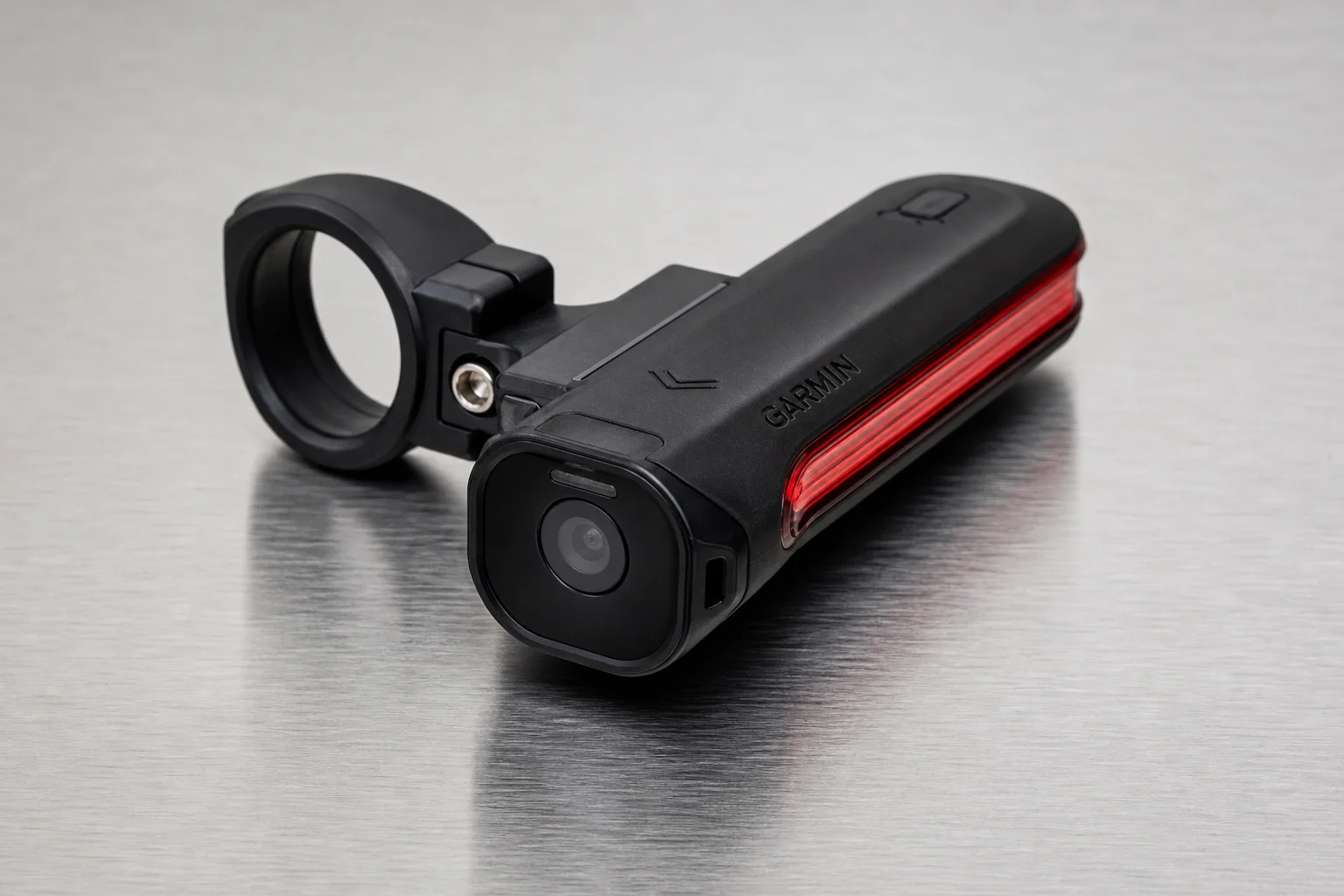
The RearVue 820 brings new tech that elevates it far beyond what is currently available. It is more accurate than any other radar here, though you do need to pair it with a recent Garmin GPS or app to get the full extent of the new features. It is by far the most expensive radar on test, and also the one with the most up-to-date hardware.
The light is very bright at 100 lm, and a large capacity battery provides a maximum claimed runtime of 24 hours. It has the widest detection angle of 60 degrees of any radar, plus it can distinguish between vehicle sizes, so the graphic depiction on a Garmin head unit shows different size vehicles, from motorcycles through to cars, vans, and trucks. Garmin also claims the programming maintains detection even when other vehicles are travelling at the same speed as you, the glitch that affects many rivals and earlier Garmin radars.
The biggest difference is the protocol Garmin uses to ship data to your head unit. Instead of the ANT+ radar protocol, the RearVue 820 uses a secure Bluetooth connection, which on newer Garmin head units unlocks functions not seen on rivals. It is claimed to detect vehicles 175 m away, and in testing none of the ANT+ compatible rivals got close, with the 820 maxing out at over 192 m. Non-Garmin users can sync the radar with the Garmin Varia app to alter device settings and light modes, and the phone can be used as a display if there is no paired head unit.
Paired with a compatible Garmin head unit, radar performance is brilliant. The side strip radar view shows how quickly vehicles are detected, adds vehicle sizes, and displays warning triangles on faster moving traffic. Having a clear indication of where approaching traffic sits on the road makes a real difference in rush hour. The light has ample power and solid run time exceeded 14 hours, even in heavier traffic where detection increases brightness to make you more visible. It also functions as a brake light, and the brake light can be customised as solid or flashing through the Varia app. The clever software eliminates the disappearing same-speed vehicle problem, and its visual positioning of traffic is genuinely useful on multi-lane city roads.
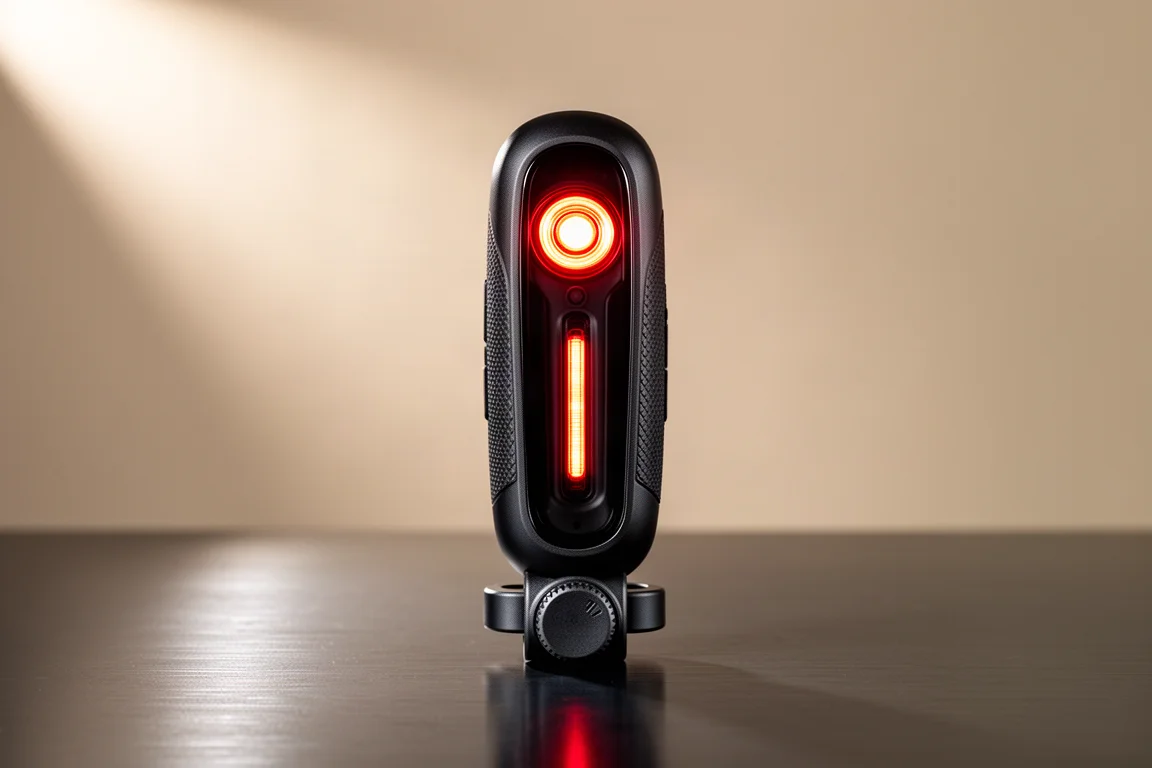
Garmin Varia RTL515
The older generation Varia RTL515 is still better than the four rivals here on radar performance, which is worth remembering if the RearVue 820 is out of reach. As this model gets phased out, it is worth shopping around, since there will be bargains to be found on a radar that holds up well against newer mid-range competition.
How to Choose a Bike Radar
Two things matter most: detection angle and how well the software handles traffic travelling at your own speed. A wider field of view catches vehicles earlier on twisting rural roads, while stable software avoids the disappearing vehicle problem that affects most units to a greater or lesser extent. Both have a bigger effect on day-to-day usefulness than the claimed maximum detection distance printed on the box.
It is also worth deciding how you want alerts delivered. Some units need a compatible bike computer, while others can run through a phone app, a standalone speaker, or a paired front light. Matching that to how you actually ride matters more than headline specifications, and a radar should always be treated as a safety aid rather than a replacement for checking over your shoulder before a turn.
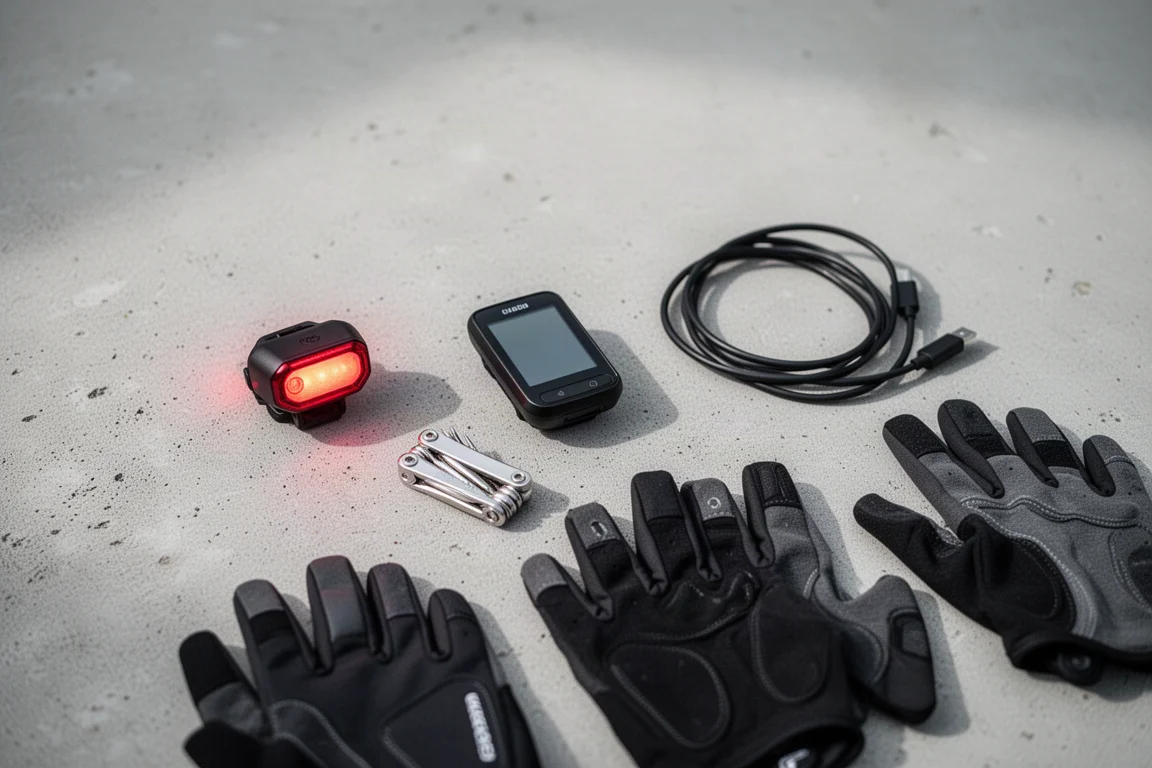
Mounting is the other practical consideration. Bulkier brackets can clash with seat clusters on bikes with little exposed seat post, so smaller frames often suit the more compact units, and running the light perpendicular to the ground is essential for consistent detection.
Conclusion
Rear radar lights make sense as an added layer of awareness on the road, but they are not equally capable. The Bryton Gardia R300L wins on price while trailing on consistency. The Wahoo Trackr Radar is a strong light with solid but unremarkable radar. The BBB Signal radar stands out for standalone audio alerts and value. The Lezyne Radar Drive balances compact fit with a wide detection angle and strong run times. At the top, the Garmin RearVue 820 is the best bike radar currently available, with software that removes the same-speed blind spot and vehicle size detection that only shines on native Garmin head units. If the price is too steep, the outgoing Varia RTL515 remains a sensible alternative while it is still available.
Further reading
Related Reviews
Cycling Accessories
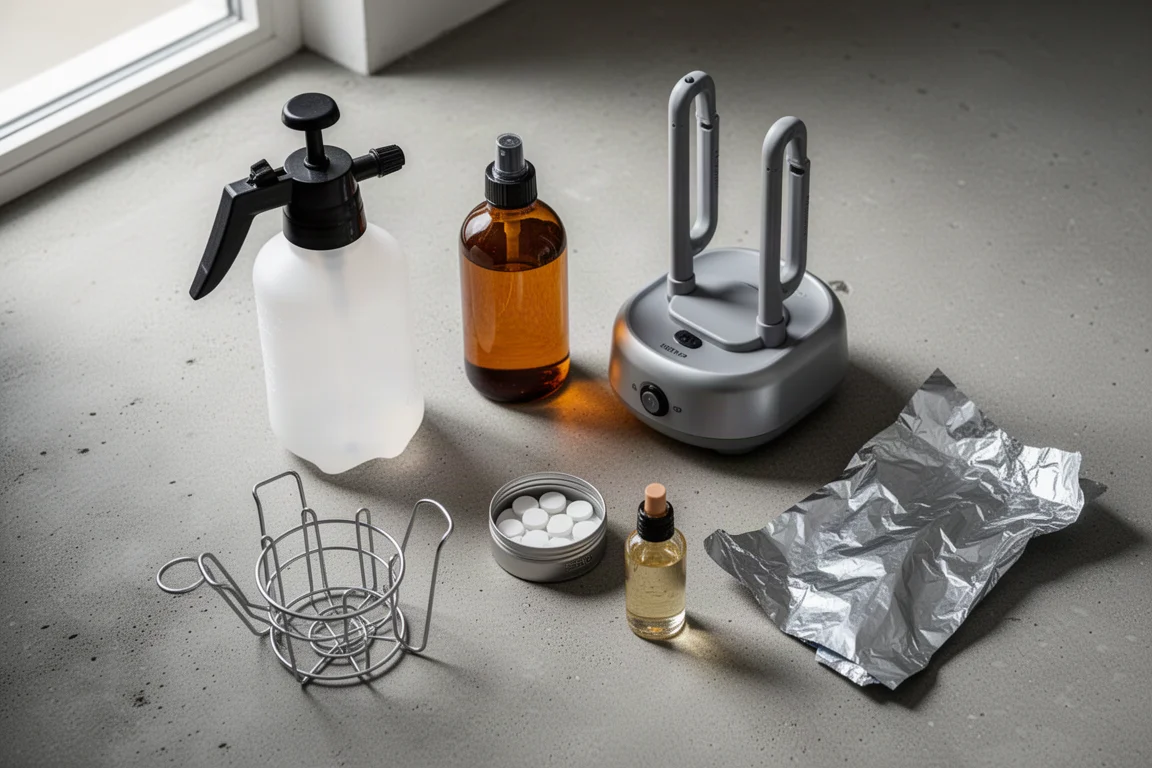
7 Inexpensive Everyday Products That Are Brilliant for Cyclists
Seven cheap household products that solve real problems for cyclists, from portable bike washing and dry shoes to clean bottles and protected paintwork.
Cycling Accessories
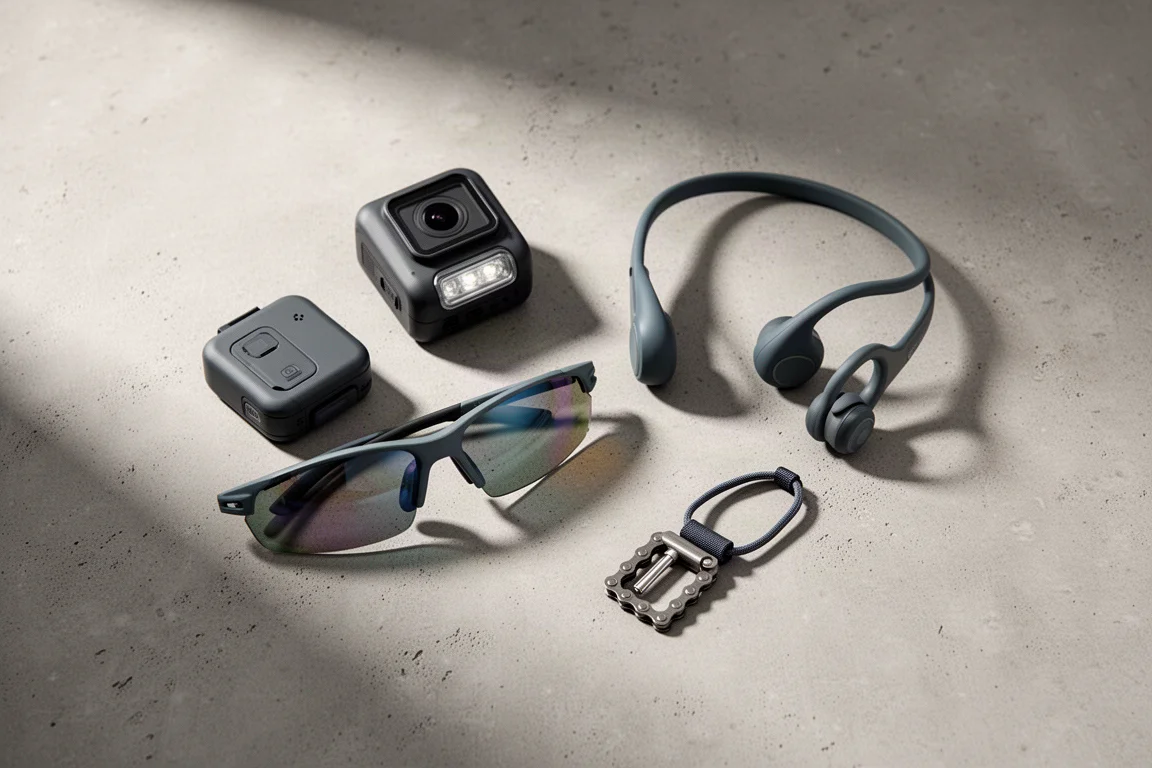
Amazon Cycling Accessories Worth Buying: Five Practical Picks
A basket of low-cost cycling accessories judged on real-world use, from a dash cam style camera and light combo to bone conduction headphones and one tool best left on the shelf.
Cycling Accessories
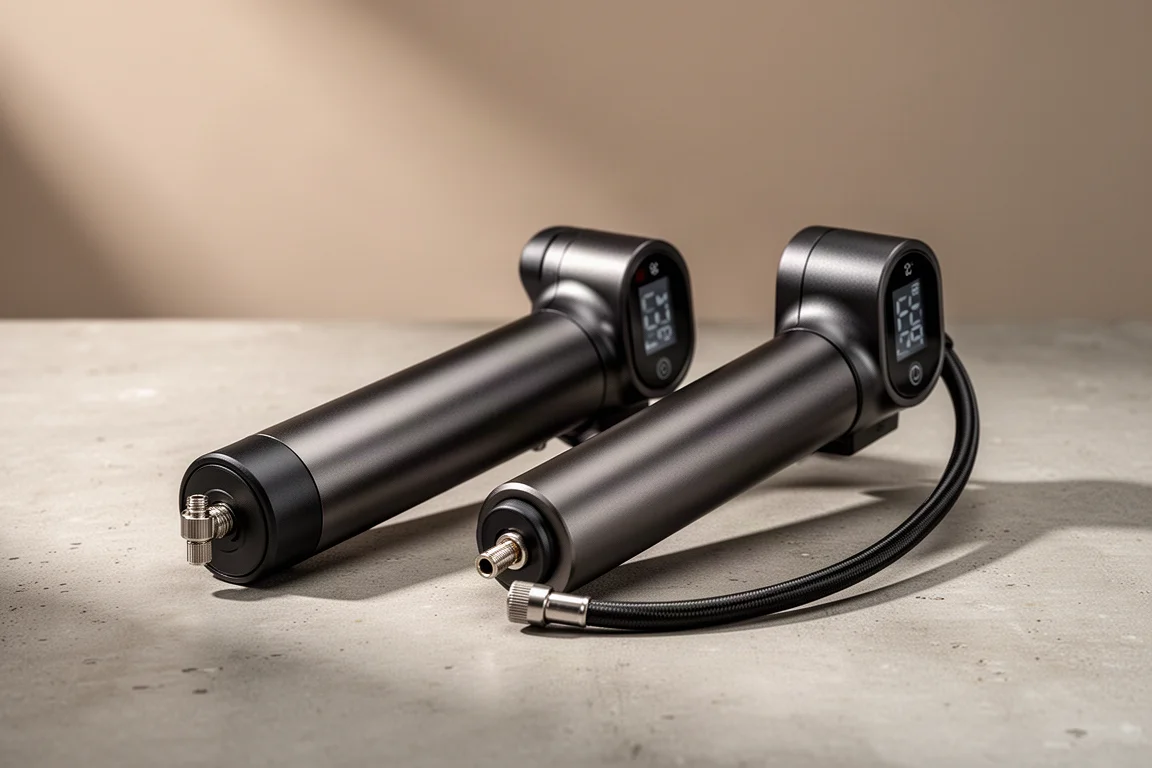
Electric Bike Pumps Compared: AS2 Pro Tiny Pump vs AS2 Pro Max
A practical look at two battery-powered bike pumps: what they do well, where they fall short, and which one suits which kind of rider.