Cycling Safety
Best Bike Helmets by Safety Rating: What Virginia Tech Testing Reveals
Five helmets tested and ranked by Virginia Tech's independent safety lab, from budget options to premium models. Real safety data beats brand names.
Introduction
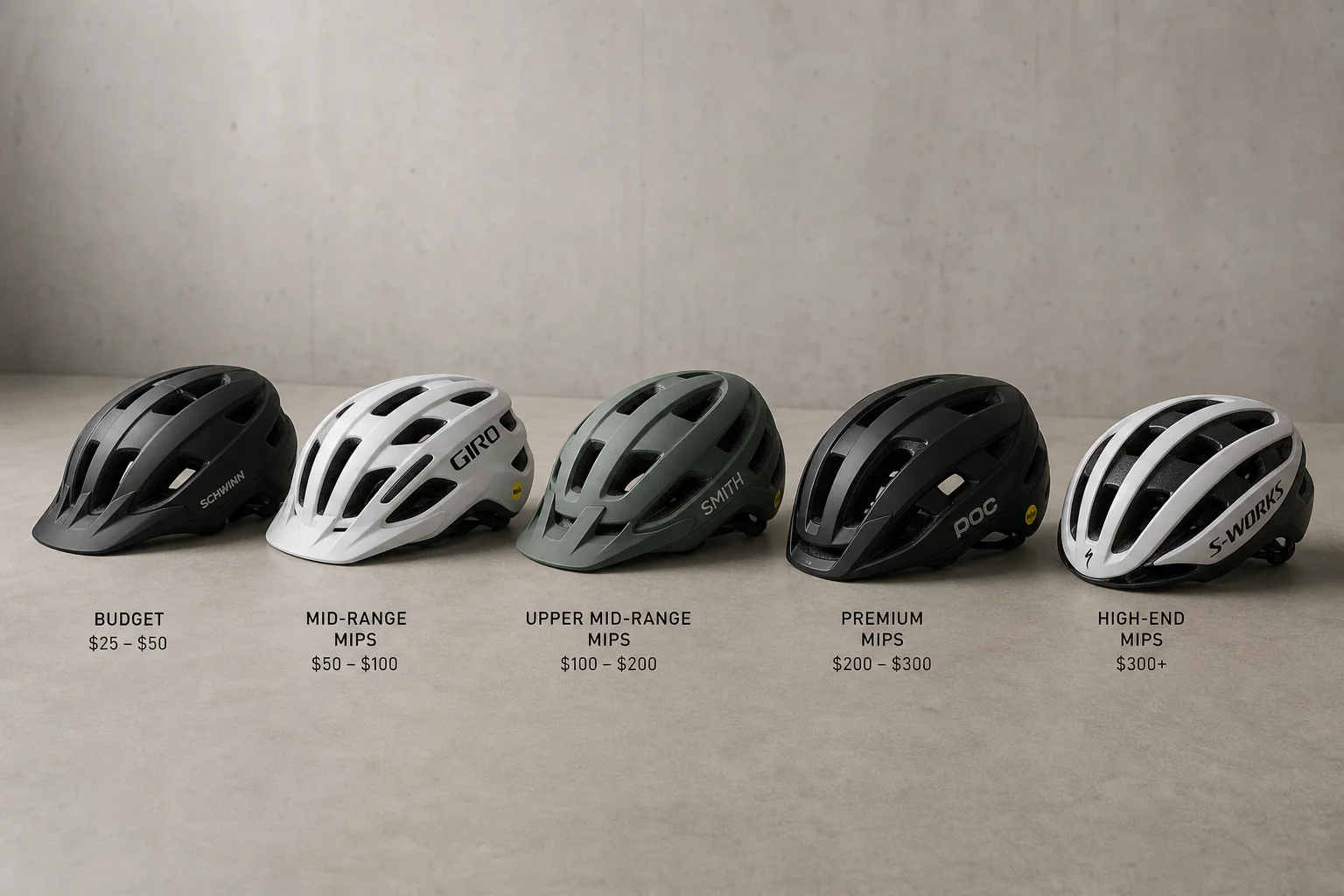
Choosing a bike helmet often comes down to brand recognition and price, but safety should be the deciding factor. Virginia Tech’s independent helmet testing lab has evaluated hundreds of cycling helmets using rigorous impact testing protocols. Their Star Score system provides objective data on how well each helmet reduces concussion risk, revealing that expensive helmets do not always outperform budget options.
Understanding Virginia Tech’s Helmet Safety Testing
Virginia Tech began testing football helmets in 2011 to improve player safety on the field. Their testing methodology proved so effective that the cycling industry adopted it as a benchmark. The lab now tests road and mountain bike helmets using standardized impact procedures that measure both linear and rotational acceleration, the rapid head movements that cause brain tissue strain and concussion risk.
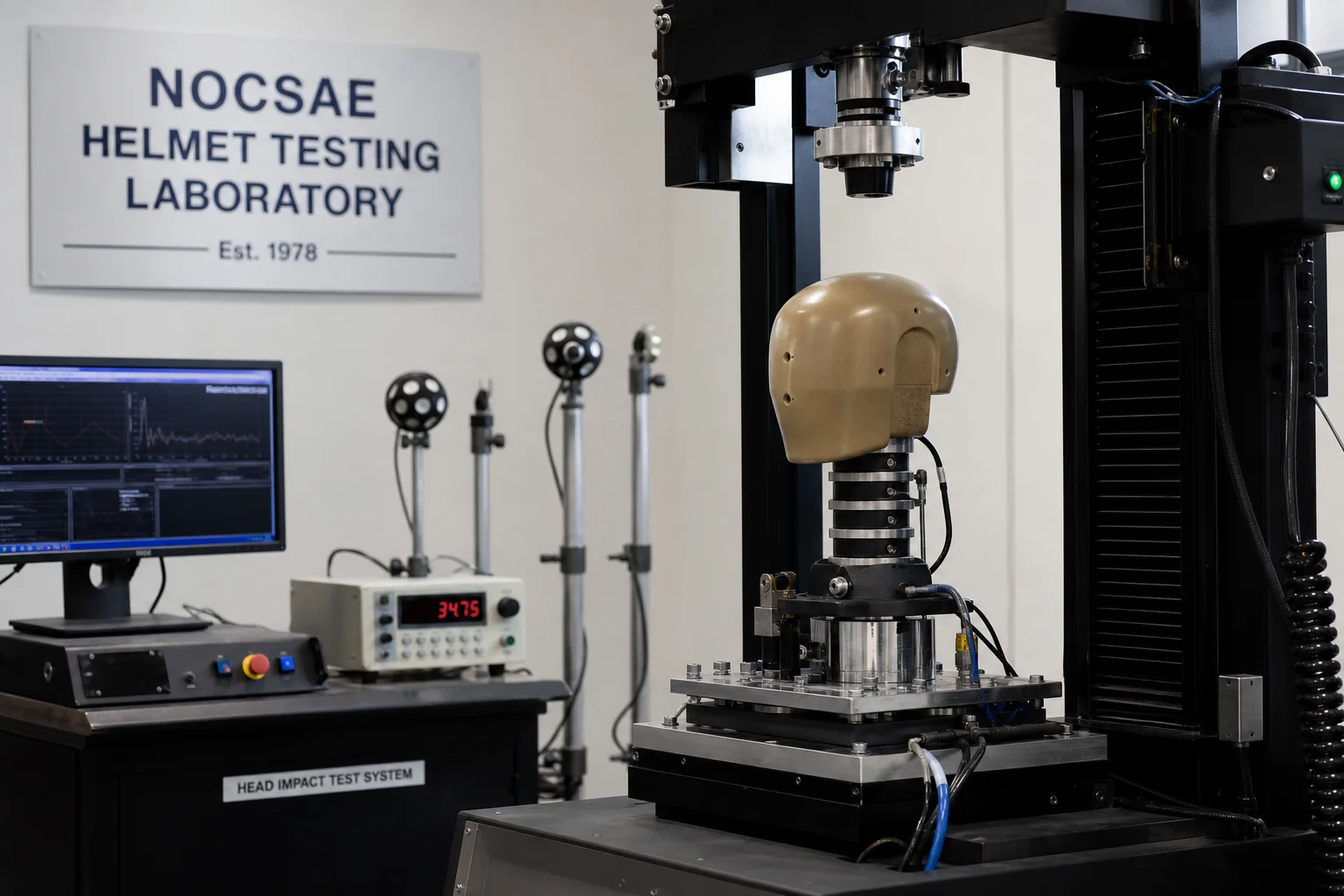
For each helmet model, Virginia Tech tests five identical samples across six impact locations at two energy levels, with two trials per condition. This means a minimum of 24 tests per helmet model, taking 5 to 6 hours per helmet. The testing uses a NOCSAE head form mounted on a halo that positions the helmet precisely in three dimensions before each impact. The lab publishes all results publicly on their website, allowing consumers to compare Star Scores across hundreds of helmets.
How Helmets Reduce Concussion Risk
The key to helmet safety is reducing peak linear acceleration and rotational velocity during impact. When your head hits the ground, the rapid movement of your brain inside the skull creates pressure and strain on brain tissue. Helmets that better dampen these rapid movements reduce concussion risk.
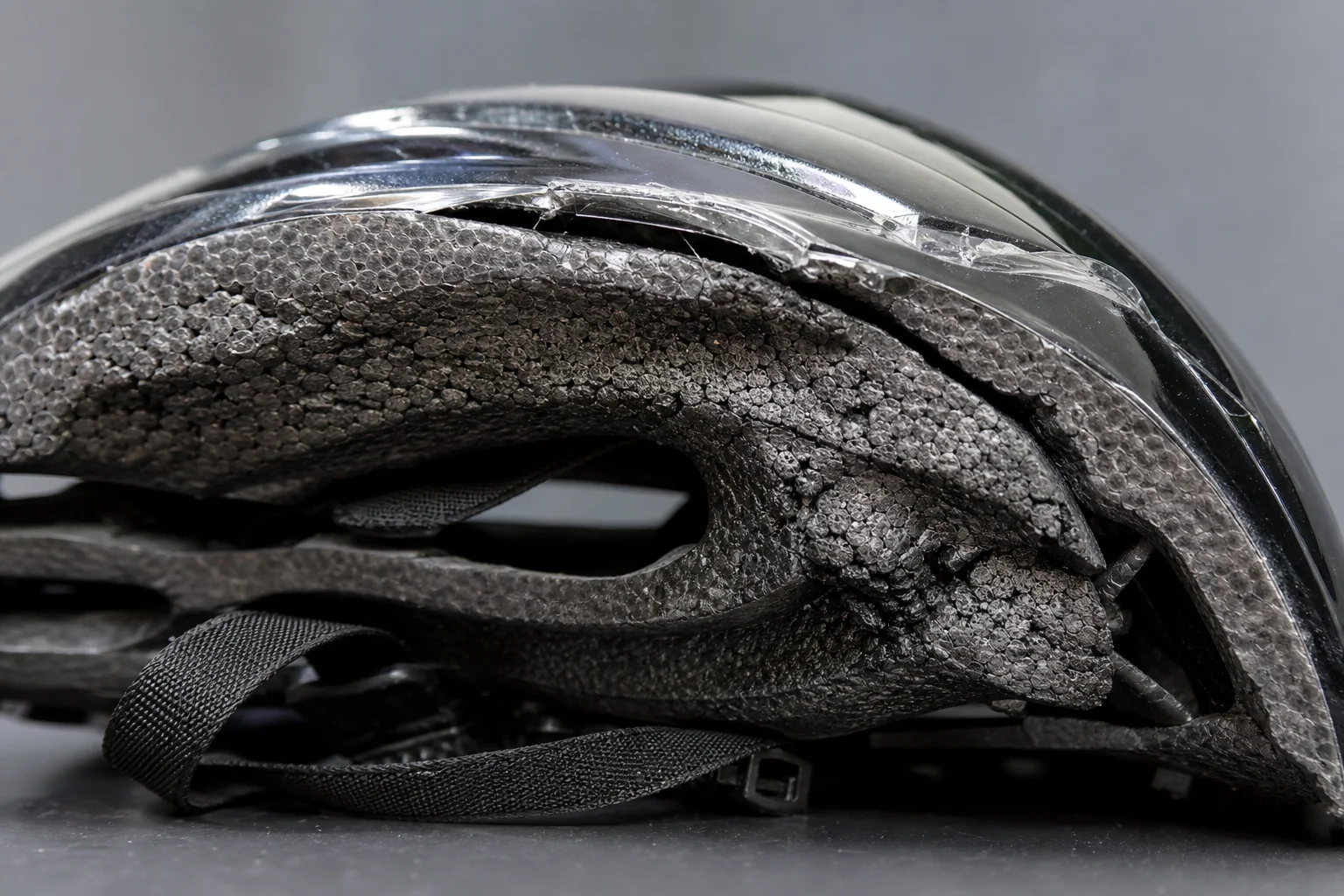
Technologies like MIPS (Multi-directional Impact Protection System) can help reduce rotational forces, but the most reliable way to improve helmet safety is adding more padding. Football helmets, which absorb multiple impacts per day, use substantially more padding than bicycle helmets, which are designed for single-impact use. Bicycle helmet manufacturers balance safety with weight and ventilation, using foam deformation and material design to manage impact forces without excessive bulk.
Top-Rated Budget and Mid-Range Options
Virginia Tech’s testing reveals that safety does not require a premium price. Among the top 25 mountain bike helmets tested, only one costs below $100, but several excellent budget options score in the very safe range (Star Score below 14).
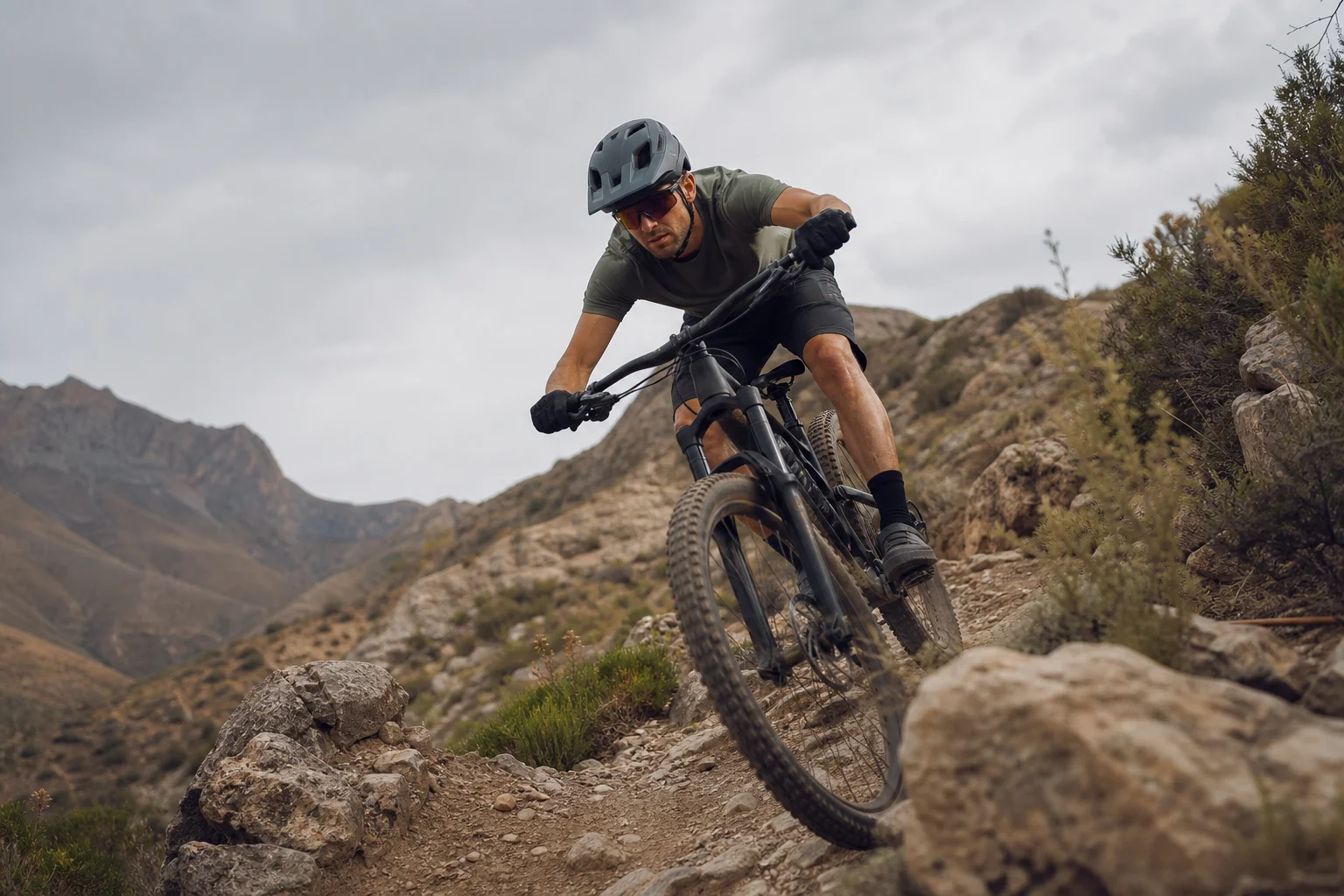
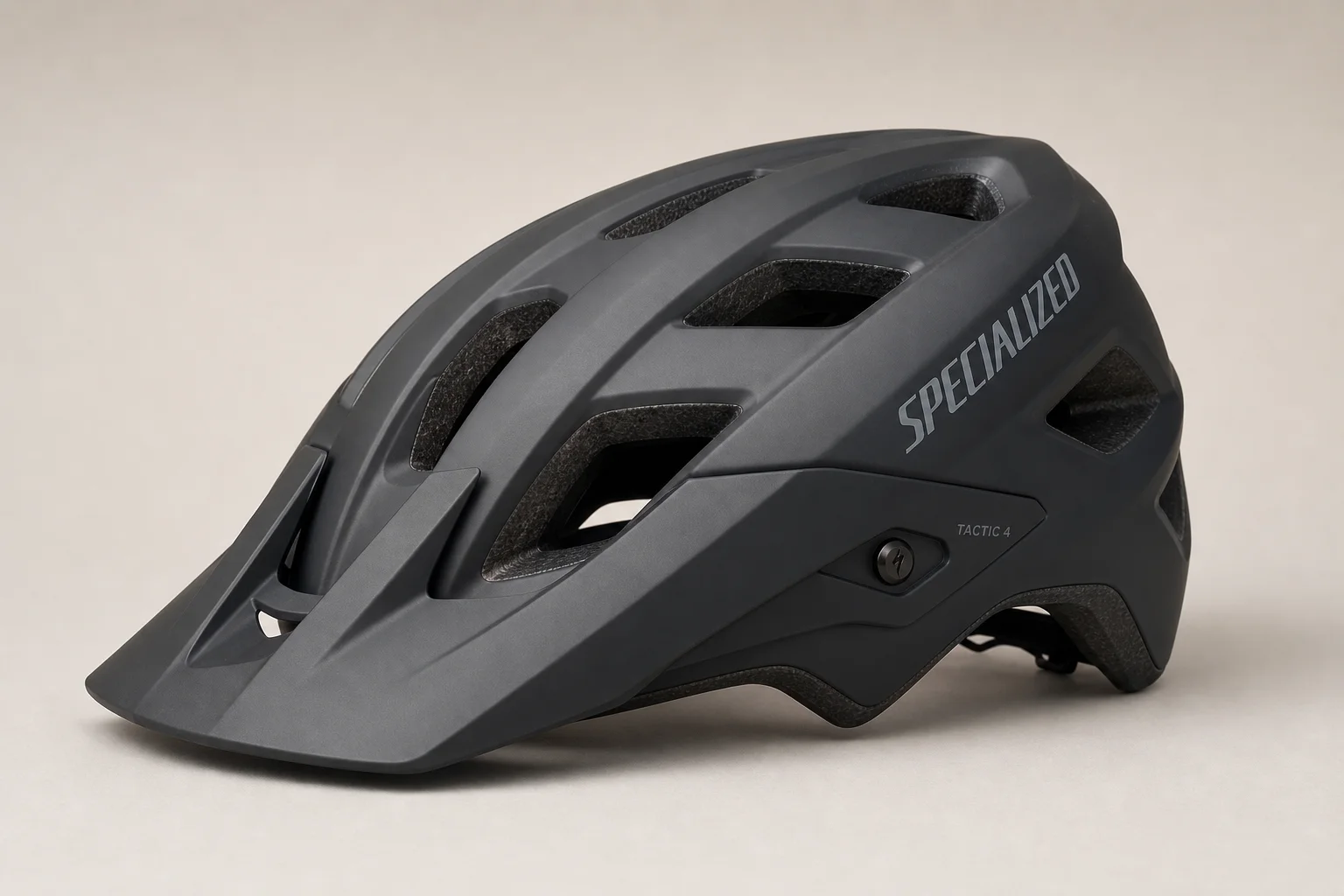
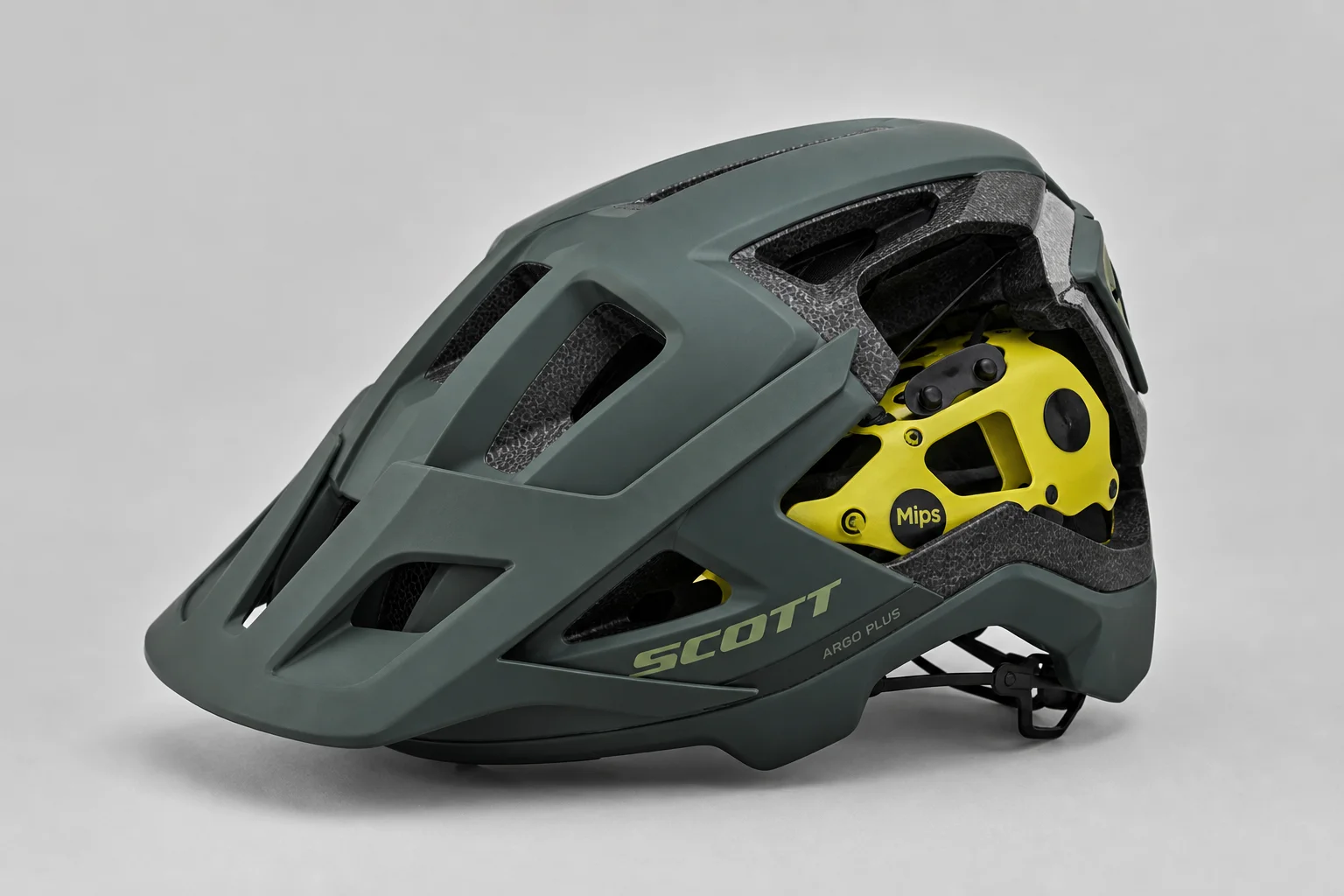
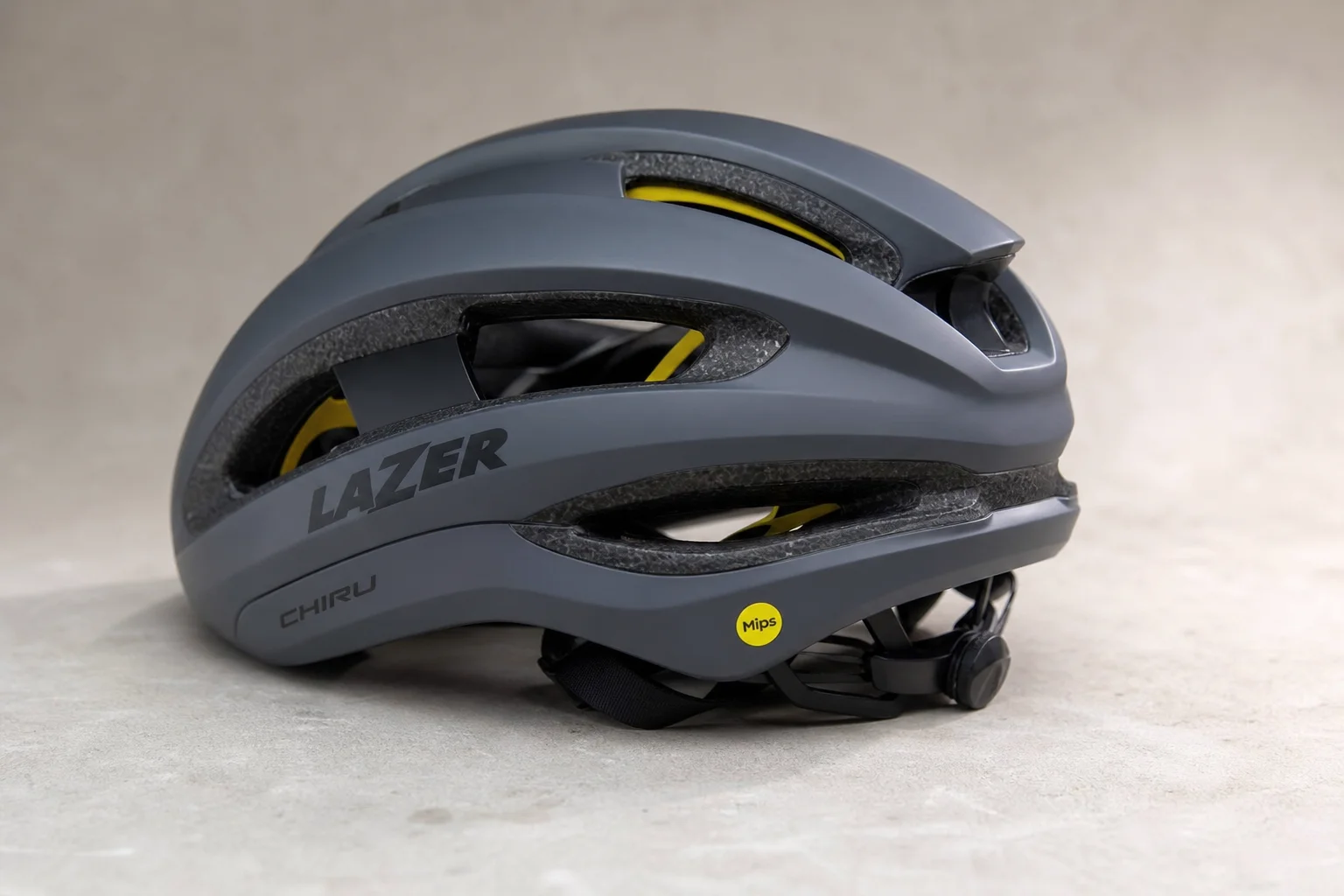
The Scott Argo Plus Mips costs $80 and scores 11.6, placing it among the top performers. The Lazer Chiru Mips costs $55 and scores 13, making it an excellent value for riders prioritizing safety. Both helmets meet or exceed the safety performance of many helmets costing two to three times as much. The Specialized Tactic 4 retails for approximately $110 and scores 8.55, ranking third overall and first for mountain biking. It offers excellent ventilation, low weight, and minimal field-of-view obstruction.
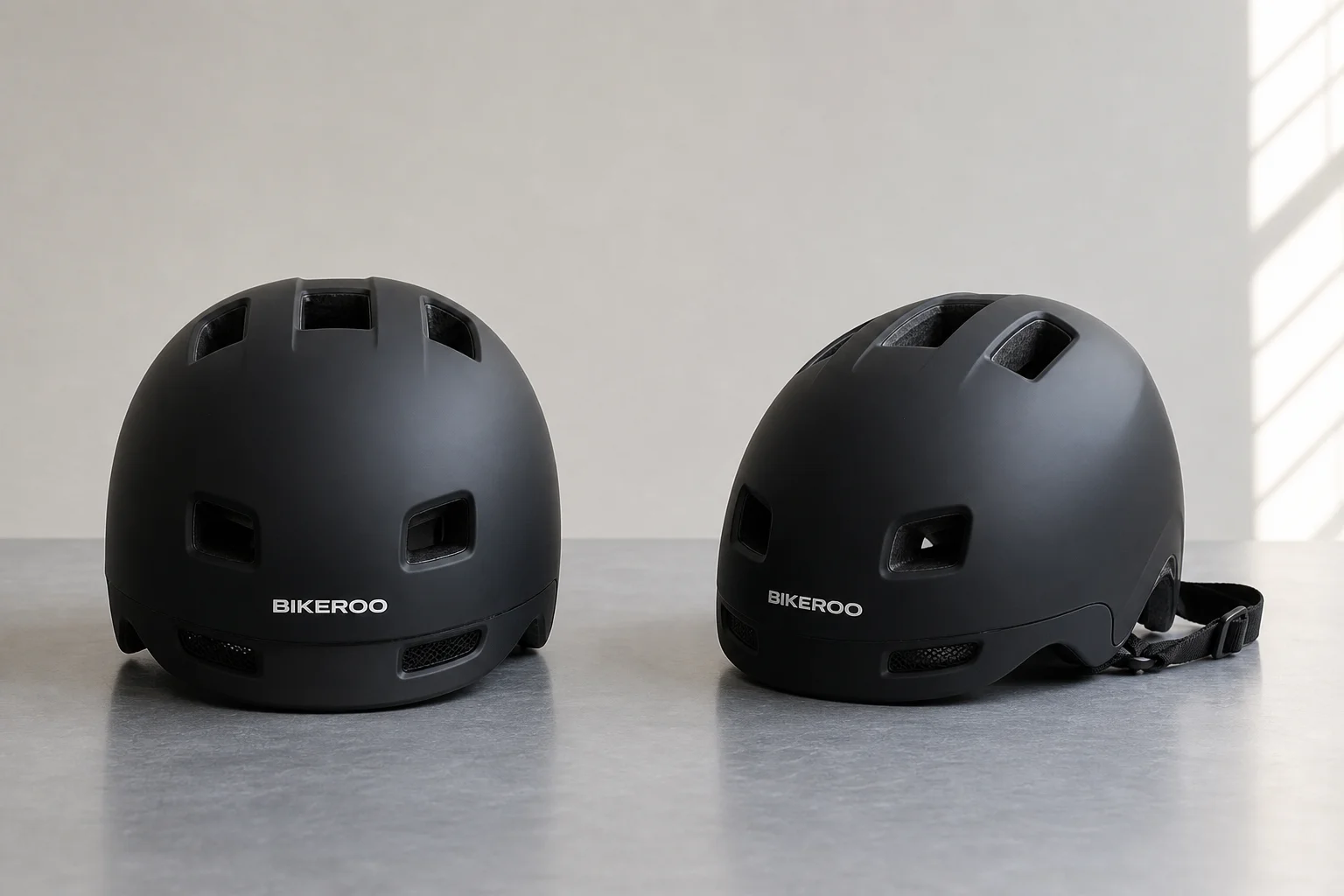
The Bikeroo helmet, available for around $25, scored 16.18 in Virginia Tech testing. While this is not in the top tier, it is still safer than many helmets costing over $100 and meets all CPSC (Consumer Product Safety Commission) guidelines. For budget-conscious riders, it represents a legitimate safety option, though spending an additional $30 to $55 for a higher-rated helmet is worthwhile if possible.
Avoiding Counterfeit Helmets
A critical concern when purchasing helmets online is counterfeit products. High-end helmets with carbon fiber construction and premium pricing are frequent counterfeiting targets. Budget helmets are rarely counterfeited because the profit margin is too low. Counterfeit helmets often fail basic impact tests, offering no real protection.
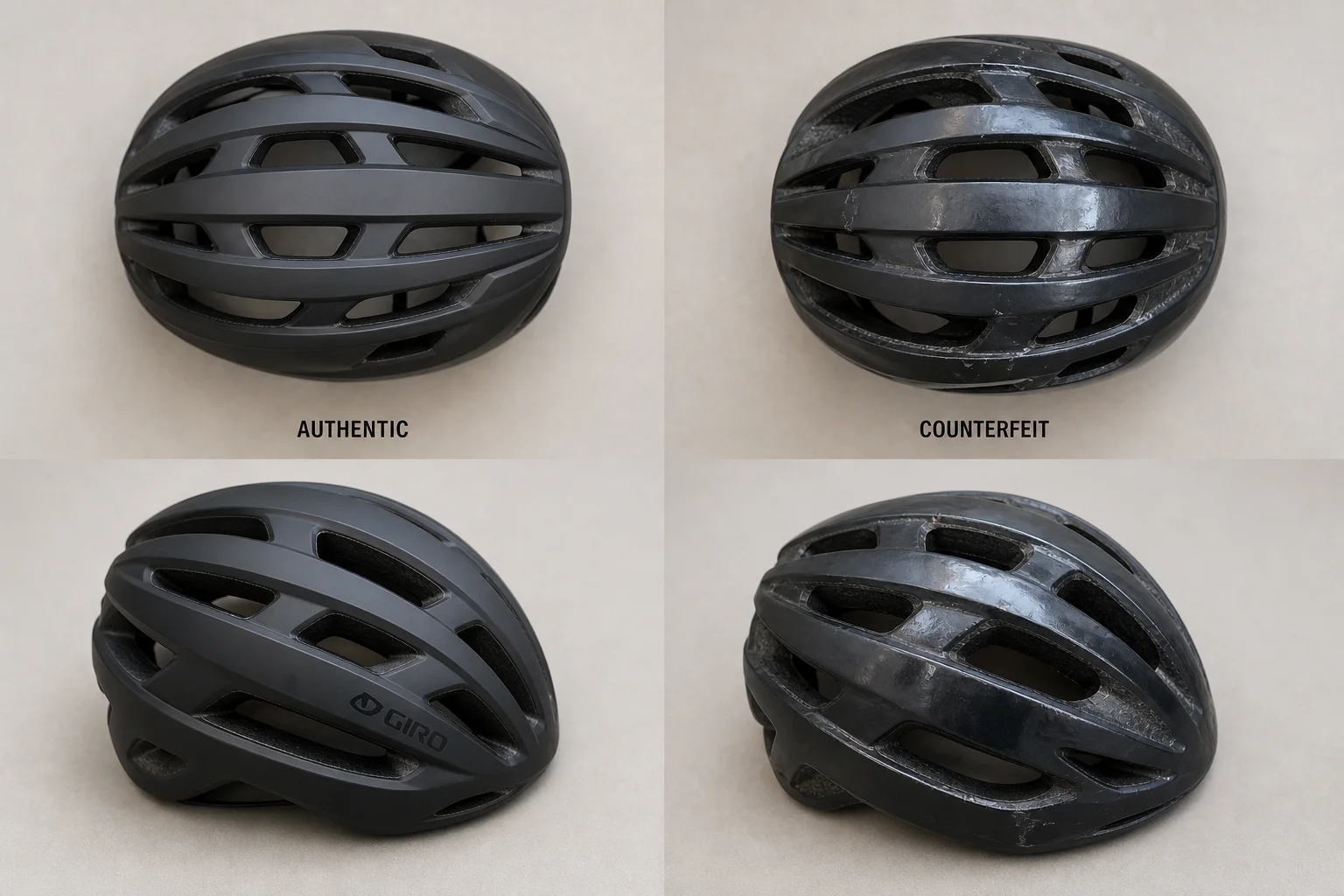
To ensure you receive a legitimate helmet, purchase from authorized dealers such as Backcountry or Jensen, or buy directly from the manufacturer’s official store. If purchasing from Amazon, verify that the seller is the actual brand company, not a third-party reseller. Authorized resellers are the safest option. Avoid purchasing helmets from AliExpress or unknown third-party sellers on general marketplaces, as counterfeit products are more common in these channels.
Conclusion
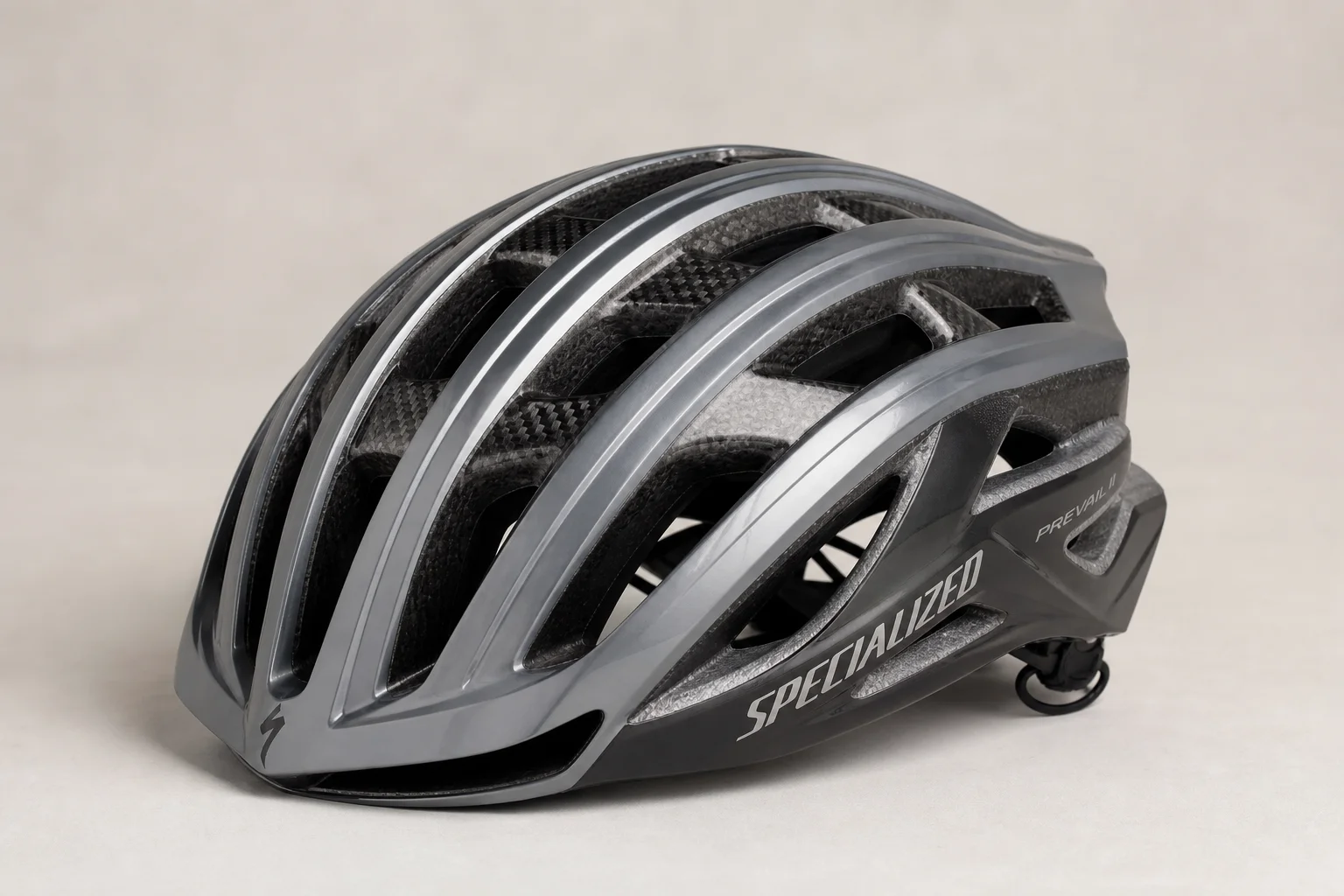
Virginia Tech’s independent testing provides objective data to guide helmet purchases. Safety ratings matter more than brand prestige or price. Budget helmets like the Lazer Chiru Mips and Scott Argo Plus Mips offer excellent protection at reasonable cost. Premium helmets like the Specialized Tactic 4 and Prevail 2 deliver top-tier safety if budget allows. Even the budget Bikeroo helmet provides legitimate protection. The key is checking Virginia Tech’s published ratings before purchase and buying from authorized retailers to ensure you receive an authentic product.
Further reading
Related Reviews
Cycling Safety
Best Bike Helmets: What Virginia Tech Safety Testing Reveals
A deep dive into helmet safety ratings from Virginia Tech's independent testing lab, revealing which helmets offer genuine protection and which price points deliver real value.
Cycling Safety
Best Road Bike Helmets 2026: Five Options for Different Priorities
Five road bike helmets tested and ranked by budget, value, comfort, weight, and overall performance. Find the right fit for your riding style.
Cycling Safety
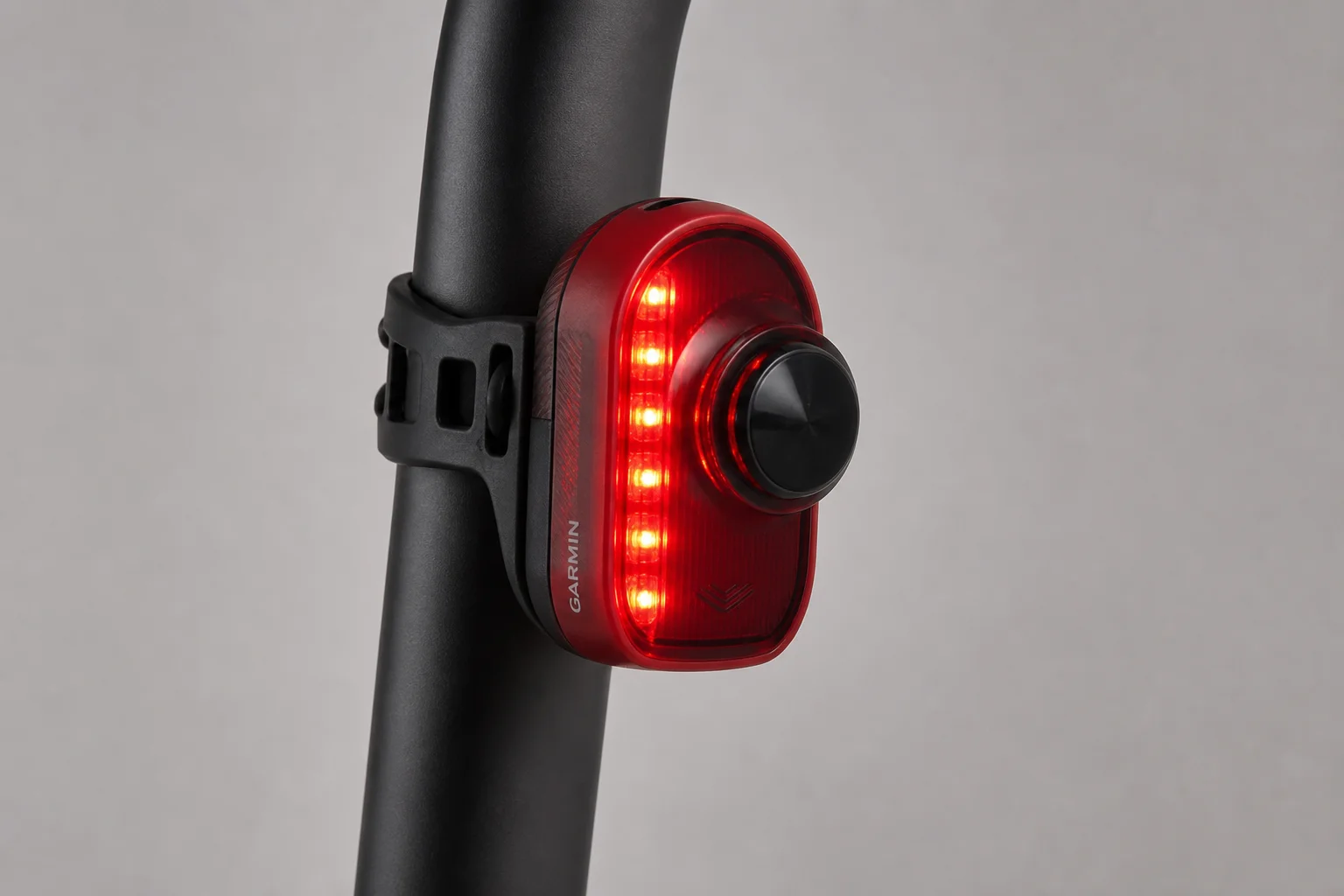
Coospo TR70 Radar Taillight Review: Budget Radar That Actually Works
The Coospo TR70 combines rear radar detection with a bright taillight at a fraction of premium radar prices. We tested it on real roads to see if budget radar is trustworthy.