Cycling Safety
Coospo TR70 Radar Taillight Review: Budget Radar That Actually Works
The Coospo TR70 combines rear radar detection with a bright taillight at a fraction of premium radar prices. We tested it on real roads to see if budget radar is trustworthy.
Introduction
Most radar tailights cost a lot. The Coospo TR70 is different. It combines rear radar detection with a bright taillight at roughly half the price of premium radar options. But the real question is whether a budget radar can actually be trusted in real traffic. After testing it on city streets, country roads, and unfamiliar routes, here’s what works, what doesn’t, and whether it’s worth adding to your bike.
What the TR70 Actually Is
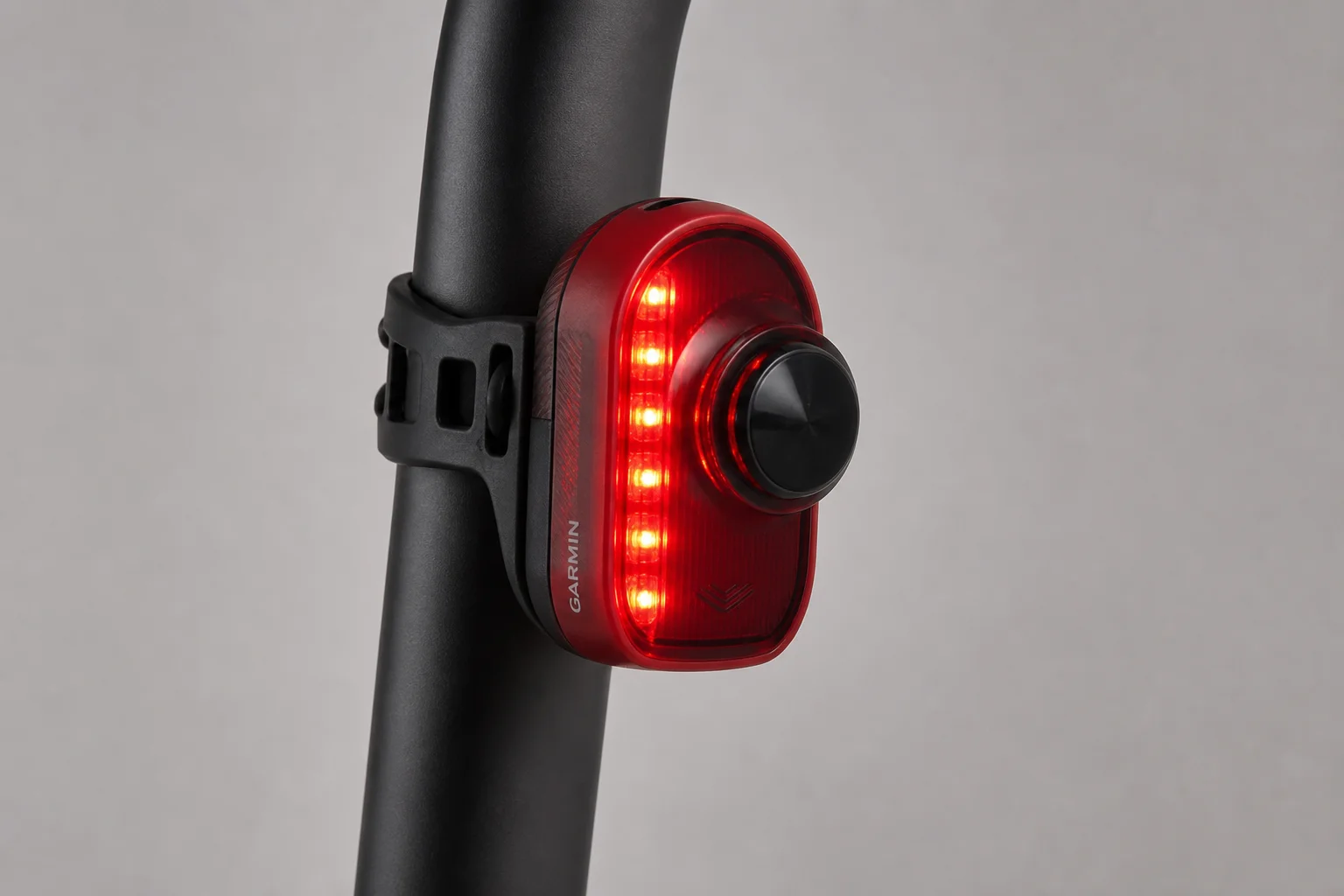
The Coospo TR70 is both a light and a sensor. Inside the compact plastic unit sits a radar that detects vehicles up to 140 meters behind you across a 40-degree horizontal range. On the light side, it delivers up to 70 lumens and Coospo claims visibility from up to 1.5 kilometers away depending on the mode.
The device weighs roughly 64 grams and connects via ANT+ and Bluetooth, so it works with compatible bike computers like the Coospo CS600 and Wahoo Roam V2, or standalone via the CoospoRide app on your phone. The body is solid plastic with a single button for power and mode changes. It’s rated IP67 for water resistance, so rain and wet roads are not a problem. The mount holds it securely on round and aero seatposts without rattling.

At the time of testing, the TR70 sits firmly in the budget radar category, with a price noticeably lower than top-end radar options. On paper, you’re getting three things in one: rear radar, a bright taillight, and long battery life, all at a lower price point.
Setup and Compatibility
Pairing is straightforward. On the Coospo CS600, the radar connected in a few seconds without any unusual steps. On the Wahoo Roam V2, pairing was equally smooth and the device behaves like any other sensor once added. If you don’t have a bike computer, the CoospoRide app on your phone works as a radar display, letting you see approaching vehicles in real time.
Day to day, it works like any radar device: switch it on, your bike computer or phone picks it up, and you’re ready to ride.
How the Radar Performs in Real Traffic
The alert pattern on the CS600 is simple: a beep and orange when something enters range, red if it’s approaching faster, and green when it’s clear. Like all rear radars, it works on relative speed, detecting vehicles moving toward you faster than you’re moving.
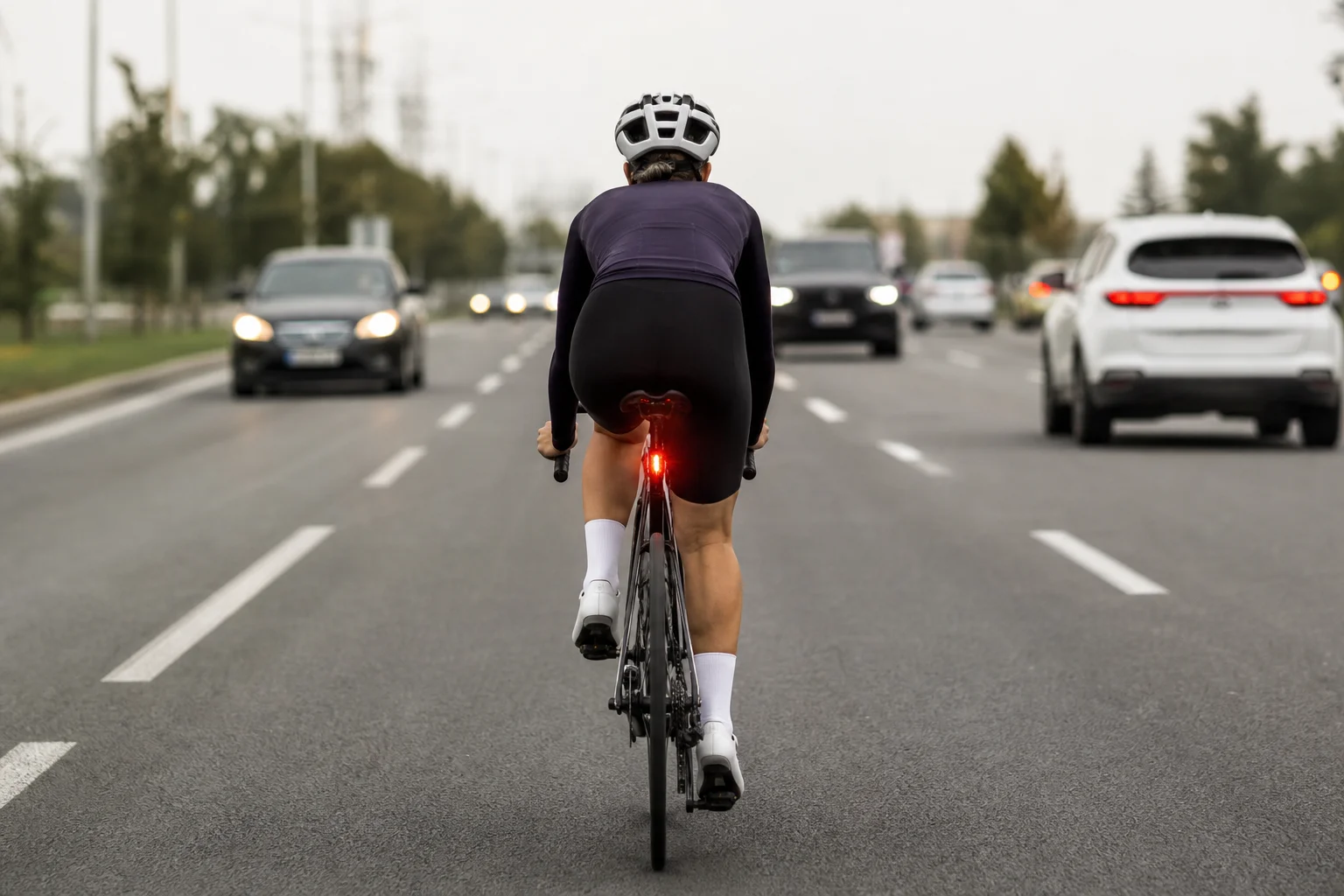
In practice, this means a car sitting directly behind you at nearly the same speed shows up later, while faster traffic is picked up more clearly. On normal streets with slow to medium traffic, especially on straight sections or gentle curves, it usually picks up cars early enough to give comfortable reaction time. On faster roads, cars move through the radar zone quickly, appearing a bit later on screen, but there’s still reaction time before they pass.
When multiple cars are in the same lane, the TR70 generally shows them as separate vehicles. On wider multi-lane roads, cars in far lanes aren’t always picked up, especially if another car is already directly behind you. Sharp side junctions or cars emerging from hard angles can also show up quickly. At traffic lights, when cars are fully stopped behind you, the radar quiets down instead of constantly warning you, which keeps alerts from becoming annoying.
False positives do happen, mostly from fast cyclists, birds, or cars on parallel roads, but they’re occasional rather than constant. Testing with the Wahoo Roam V2 showed the same radar behavior.
Overall, the TR70 behaves like a real radar. It’s reliable enough to actually use as long as you keep radar’s inherent limitations in mind.
Light Output and Visibility
The TR70 offers seven different modes with a mix of solid and flashing patterns. Indoors, the light pattern is clean and even with no weird hot spot in the center, just a solid block of red. On the road during daylight, the light doesn’t feel weak. The flash pattern is still easy to pick out from behind.
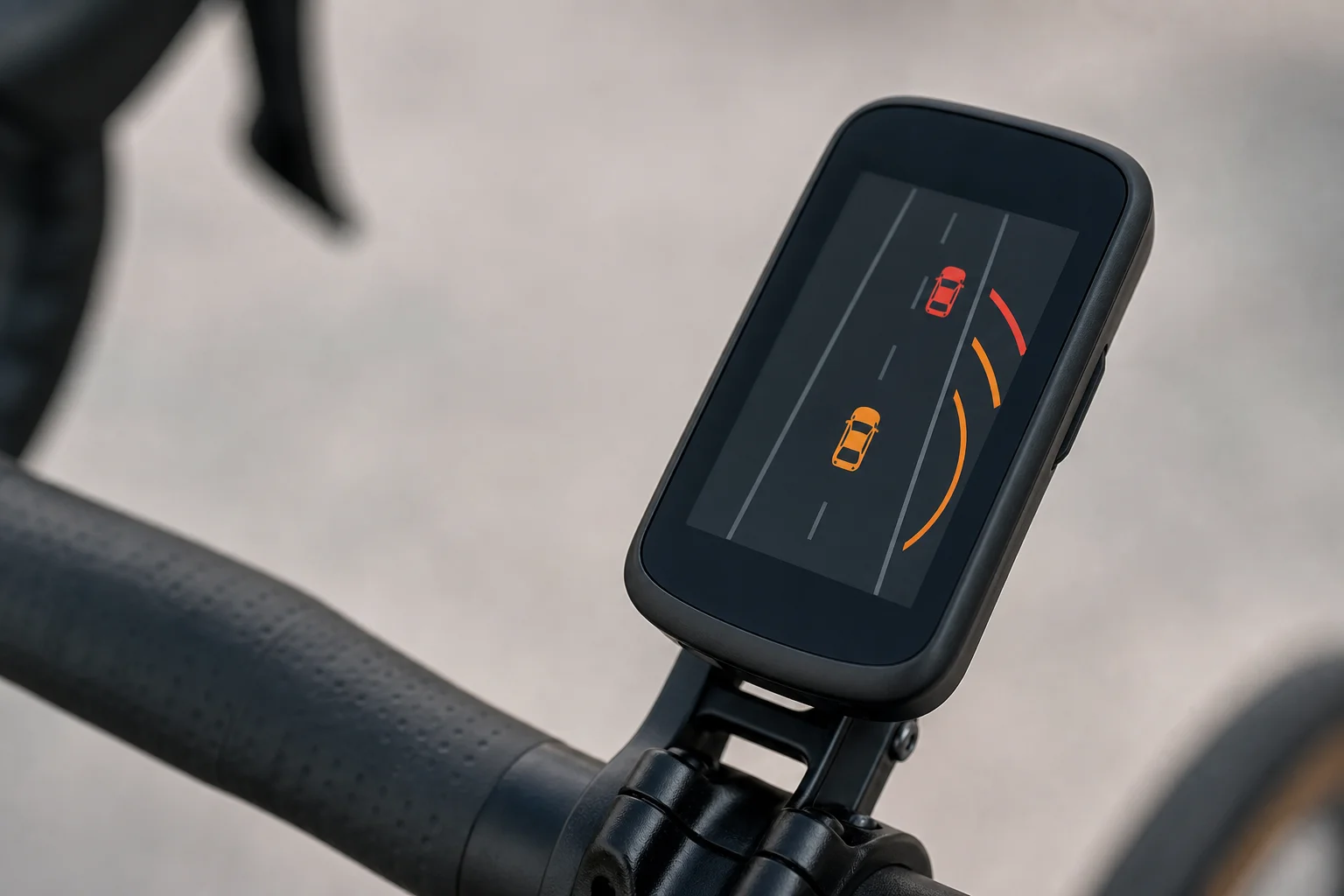
When the radar detects an approaching vehicle, the light switches to a faster flash pattern for extra visibility. From different angles, visibility is good even when you’re not directly behind the bike. There’s also an auto brake light mode that briefly gets brighter when you slow down, adding extra visibility during deceleration.
The mount locks securely into the supplied seatpost mount and sits upright, which is important for radar performance. There’s no rattling from the light or mount even on rougher tarmac or light travel. It also works with existing Magene seatpost mounts, making it easy to swap between bikes.
As a rear light, it does what it should: it’s bright, stays stable on the bike, and the modes are simple enough to use.
Battery Life and Charging
One of the nicest surprises is battery life. Coospo claims up to 40 hours in radar-only mode from the 1500mAh internal battery. In real riding with daylight flashing mode and radar on, a two-hour ride only dropped the battery from 100% to 94%, which lines up well with the claims. This means on a single charge, you can get several medium rides or a full weekend of mixed riding.
Charging is done over USB-C. Coospo estimates 2 hours for a full charge from empty, and testing showed roughly 1 hour to go from 50% to 100%, which matches that estimate. In practice, topping it up while you get ready is usually enough to get through another few hours of riding. For longer rides or bikepacking, the combination of low consumption and USB-C charging is very handy and makes the device easy to live with. From a battery perspective, this is firmly in the no-stress category.
Trade-offs to Know About
The TR70 isn’t perfect. On the radar side, the main weak spot is shared with other rear radars: a car sitting directly behind you at nearly the same speed or coming from a sharp side angle can show up a bit later. On wider multi-lane roads, a car in the far lane isn’t always picked up, especially if there’s already a car directly behind you. These are typical rear-radar weak spots, not exclusive to the TR70, but they’re important so you don’t over-trust the display and forget to look back.
On the light side, you don’t get fine control over brightness for each mode. You’re limited to predefined profiles rather than setting your own brightness level. The top button also has a slightly softer feel, so it’s not the crispiest click when changing modes with gloves on. None of these are deal-breakers, but they’re worth knowing so you can decide if the trade-offs fit how and where you ride.
Coospo is already working on smarter alerting for fast-approaching cars and more customization in the app for light patterns and radar settings, so the product is actively being improved based on rider feedback.
Can You Actually Trust It?
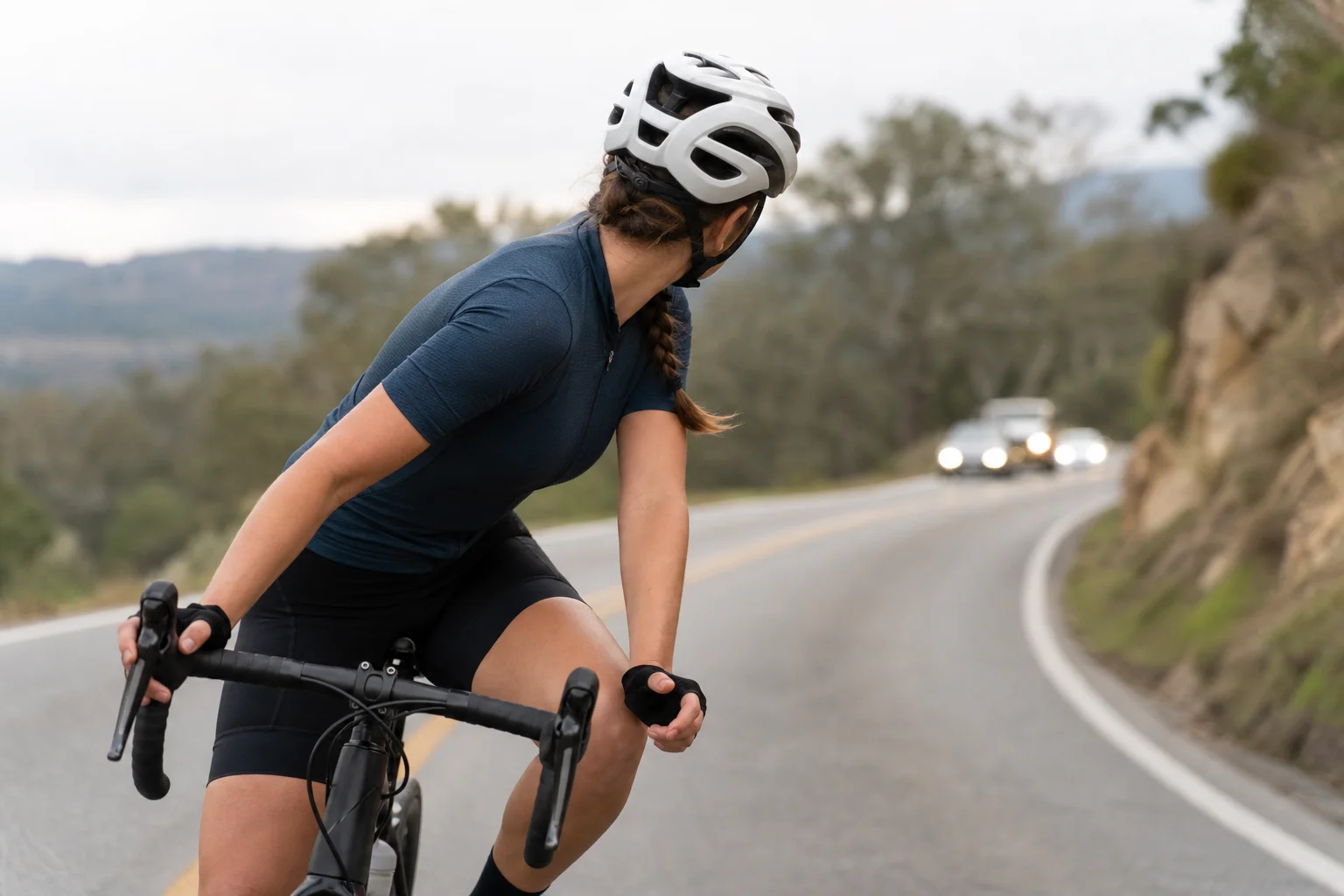
After riding with the TR70 on multiple different roads, the answer is yes. It’s trustworthy enough to add to your setup and use for certain types of rides, especially longer ones. In day-to-day use, it picks up cars early enough on normal roads, the alerts are clear on screen, and the light is bright enough to be taken seriously. You still have the usual weak spots that almost every radar has, so it definitely doesn’t replace a normal shoulder check. But if you understand those limits, it gives you a very important extra layer of information about what’s happening behind you.
The TR70 makes sense for cyclists who want radar for extra awareness but don’t want to pay top-end radar prices. If you ride mostly on open roads, country lanes, and mixed routes where cars can appear quickly from behind, this radar is very useful. It’s also a good fit if you do longer rides or bikepacking and don’t want to think about battery the whole time.
If you already own a compatible bike computer like the CS600 or Wahoo Roam V2, the TR70 is an easy way to add detection and light without rebuilding your whole setup. If you already have a high-end radar and you’re happy with it, this isn’t a pure upgrade. It’s more of a solid budget alternative or a good option for a second bike.
If you’re coming from a basic rear light with no radar at all, the TR70 is a big step up in terms of how much information you get about what’s happening behind you.
If you really care about advanced light features, super granular brightness control, or deep integration into a specific ecosystem, then this might feel a bit basic compared to high-end options.
Conclusion
The Coospo TR70 proves that budget radar doesn’t have to mean unreliable radar. It picks up traffic early enough on normal roads, the alerts are clear, and the light is bright. You still need to shoulder-check and understand radar’s limitations, but if you do, the TR70 gives you a meaningful extra layer of awareness at a price that won’t break the bank.
Product link
View more details for Coospo TR70
This product is mentioned in the review. Check the specifications, options, and compatibility before buying.
View more details for Coospo TR70Further reading
Related Reviews
Cycling Safety
Best Bike Helmets by Safety Rating: What Virginia Tech Testing Reveals
Five helmets tested and ranked by Virginia Tech's independent safety lab, from budget options to premium models. Real safety data beats brand names.
Cycling Safety
Best Bike Helmets: What Virginia Tech Safety Testing Reveals
A deep dive into helmet safety ratings from Virginia Tech's independent testing lab, revealing which helmets offer genuine protection and which price points deliver real value.
Cycling Safety
Best Road Bike Helmets 2026: Five Options for Different Priorities
Five road bike helmets tested and ranked by budget, value, comfort, weight, and overall performance. Find the right fit for your riding style.