Air Tools
Big Bore Air Hammers Compared: CP717, Thor 498K, CP4289 and the 4980 Big Nasty
Four oversized .498-shank air hammers tested for max power, trigger control range and value, so you can pick the right level of overkill.
Introduction
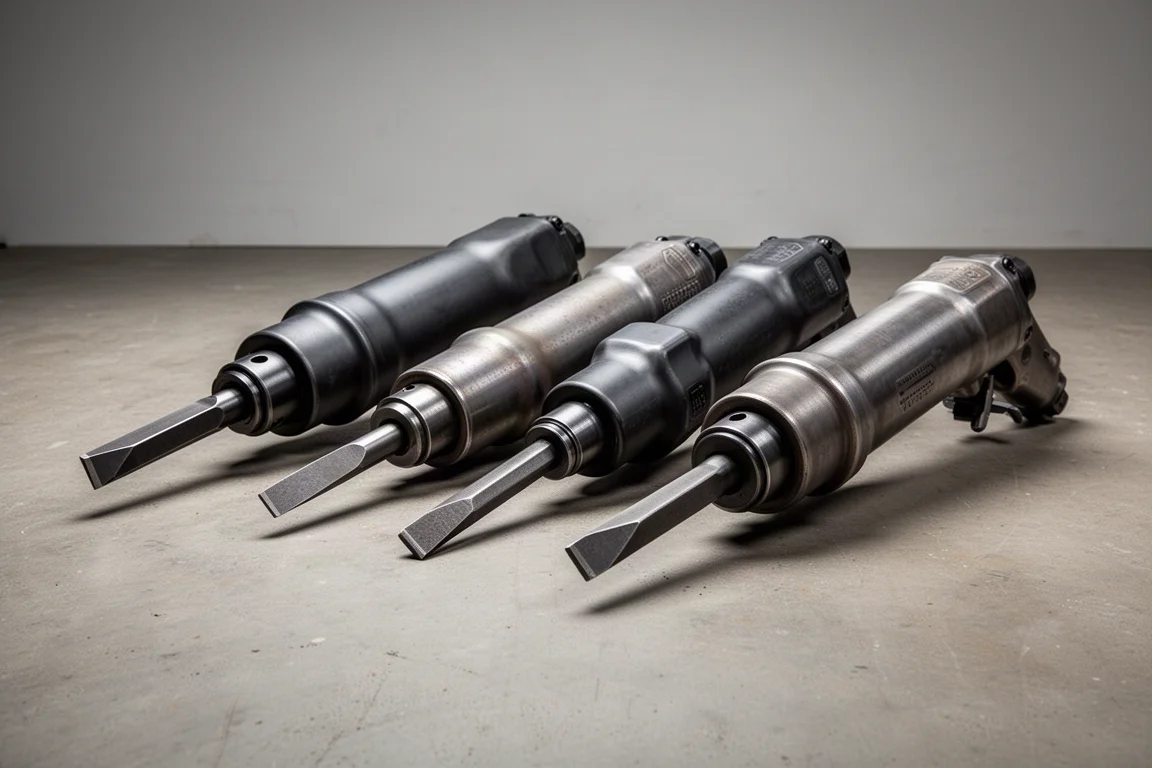
Standard 401-shank air hammers have their place, but when a fastener genuinely refuses to move, a bigger class of tool earns its keep. The .498 shank platform opens up a range of heavy bits, and the four hammers covered here represent the serious end of what a mechanic would realistically strap to an air line. We put all four through the same power and trigger tests to see where each one lands.
How We Tested
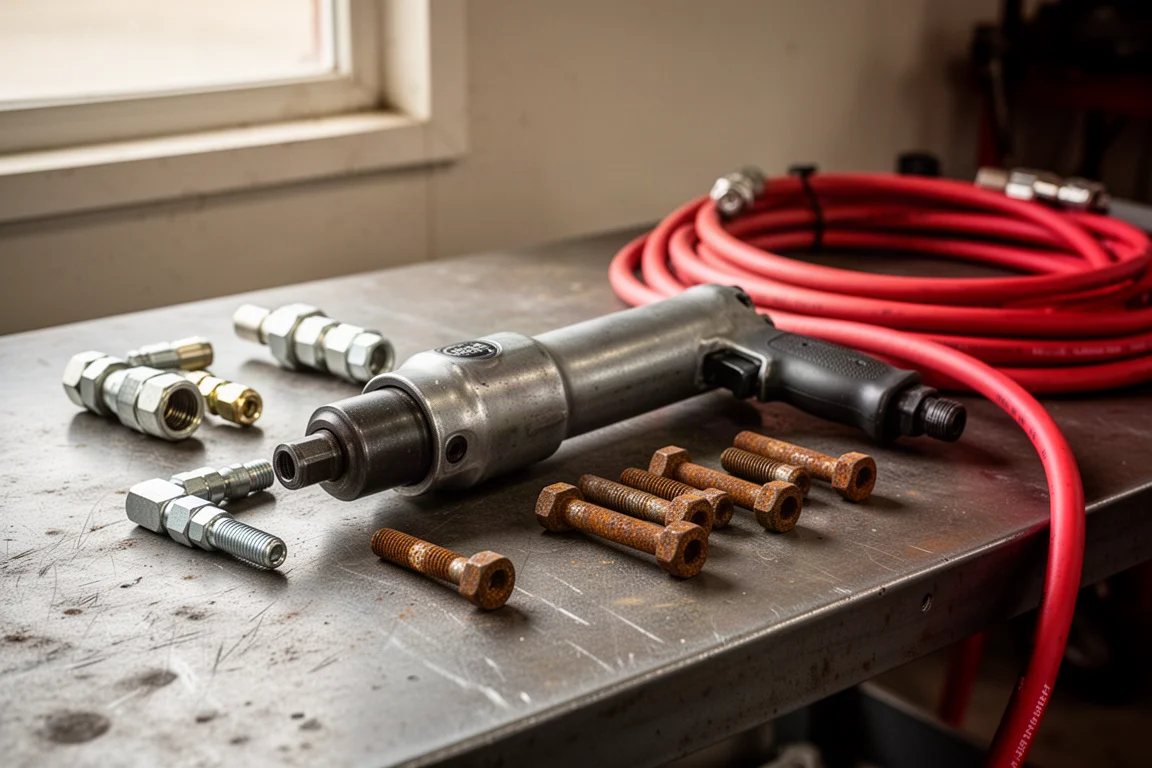
Each tool ran a max power test at its recommended dynamic running pressure using half-inch airline and high-flow fittings appropriate for this larger class of hammers, with median results shown across multiple runs. A second, shop-realistic round ran everything at 150 psi line pressure, closer to how most mechanics would actually use these tools. Trigger throttling range was measured separately, since being able to dial power down matters as much as having it.
Chicago Pneumatic CP717
The CP717 has been the classic powerhouse of the larger-than-401 class for decades, typically selling in the 500 to 600 dollar range, and it remains only slightly longer than a standard air hammer. It is particularly known for its delicate, controllable trigger. In the first max power round, the 4980 Big Nasty edged it out by a decent margin, with the CP717 landing just over 5K at its best.
The rematch told a different story. At shop-realistic pressure, the CP717 not only matched but went over the Big Nasty, finishing around 717 in its best runs. It behaves much like a premium tool in that it genuinely enjoys extra airflow and pressure, likely due to its trigger design having more restrictions than a simpler open-and-shut valve. If you have the pressure, hose and volume to feed it, the CP717 is at least as powerful as anything else in this class. Its trigger range proved exceptional too: a minimum run of just 98, one of the lowest ever recorded here and easily the most impressive for a big .498-class tool, for a throttle span of about 46.5 points.
Thor 498K
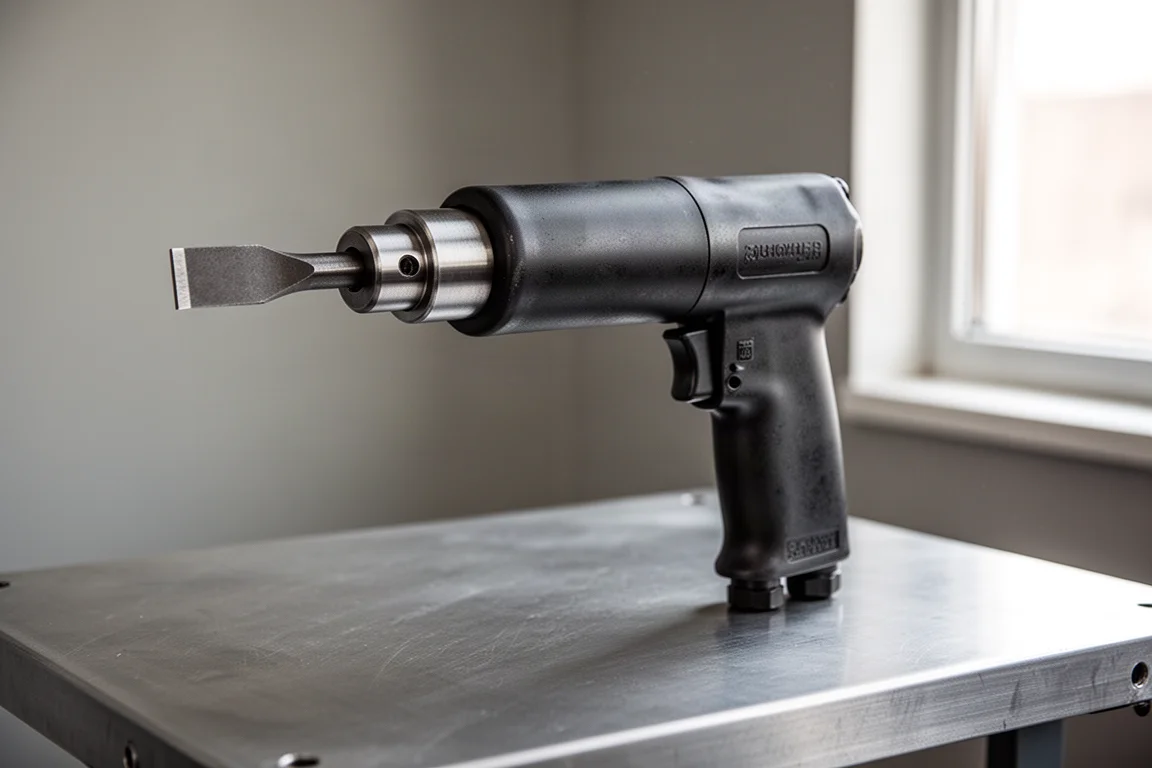
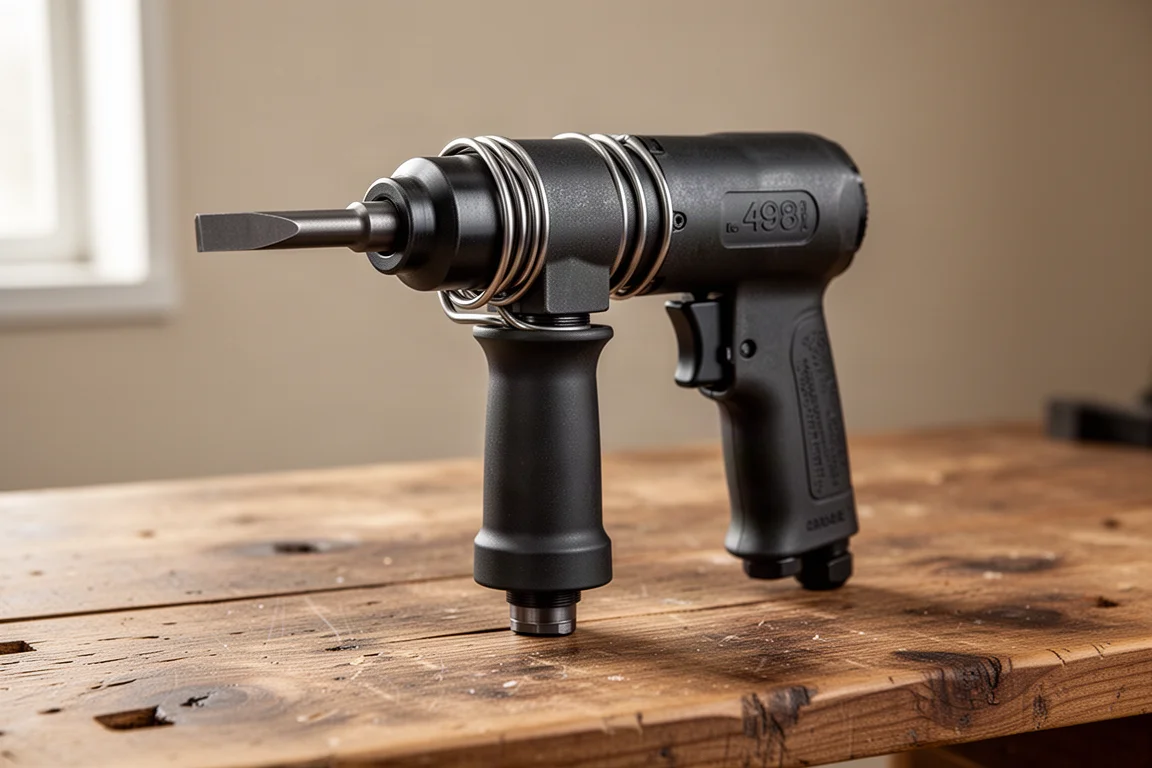
The Thor 498K, around 370 dollars at the moment, is a limited-production tool based on a 7x class hammer, meaning a longer stroke than the standard 5x-rated Big Nasty and CP717, tuned to make the most of that extra length. The extra body length over the Big Nasty is about three quarters to nearly one inch, which you will notice compared to a normal 401-shank hammer.
Its max power run came in at 6902, with slower blows per minute but bigger hits, producing an oddly satisfying, Gatling-gun-like rhythm that shakes less but can be felt deep in the chest. Trigger throttling measured 23 to 27, giving it a range of roughly 45.8 points, and the throttle range was noticeably better in person than expected for a tool this powerful. It did not benefit as much from increased pressure as the CP717, but flow restrictions through undersized fittings and hose limit this model more than you might assume, so proper air supply matters.
Trigger Control and Throttle Range
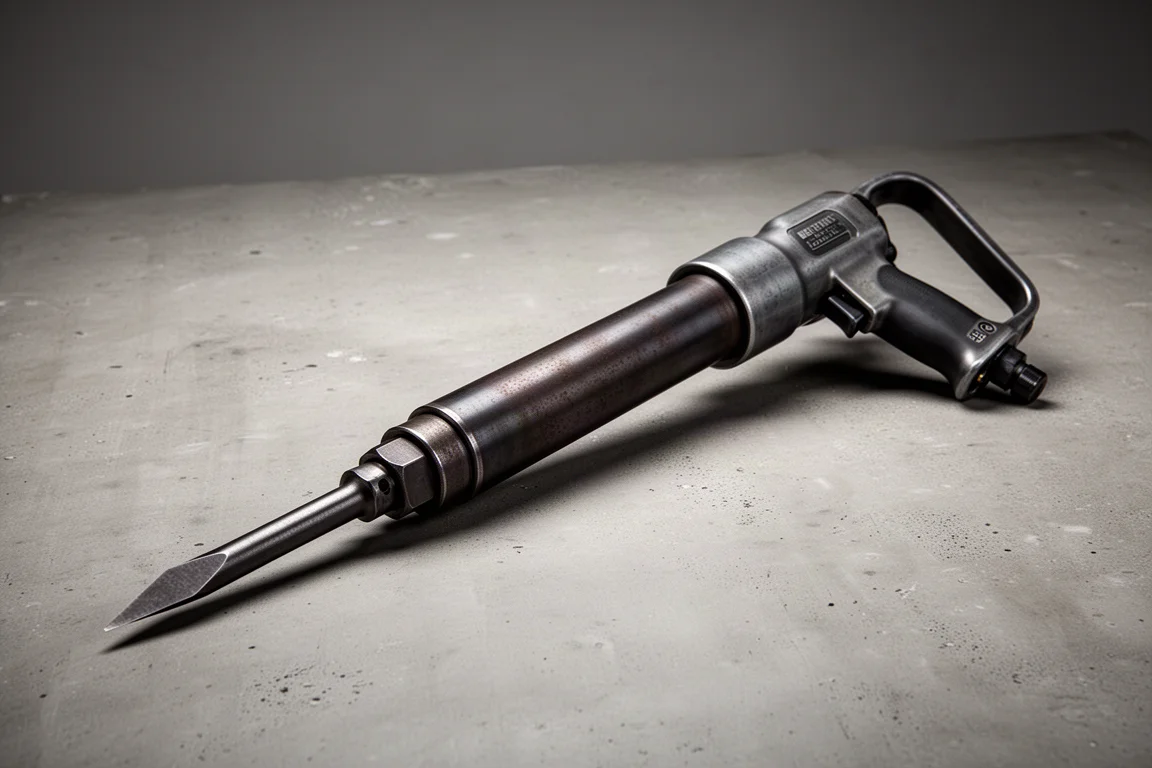
With this much power on tap, the ability to dial it back becomes a real buying factor. The CP717 managed a minimum throttled output of just 98, the Thor ranged from 23 to 27 at the low end with a 45.8 total span, and the CP4289 throttled down to 1692, which is quite good for the biggest tool of the group and suggests Chicago Pneumatic hammers in general have well-sorted triggers.
Chicago Pneumatic CP4289
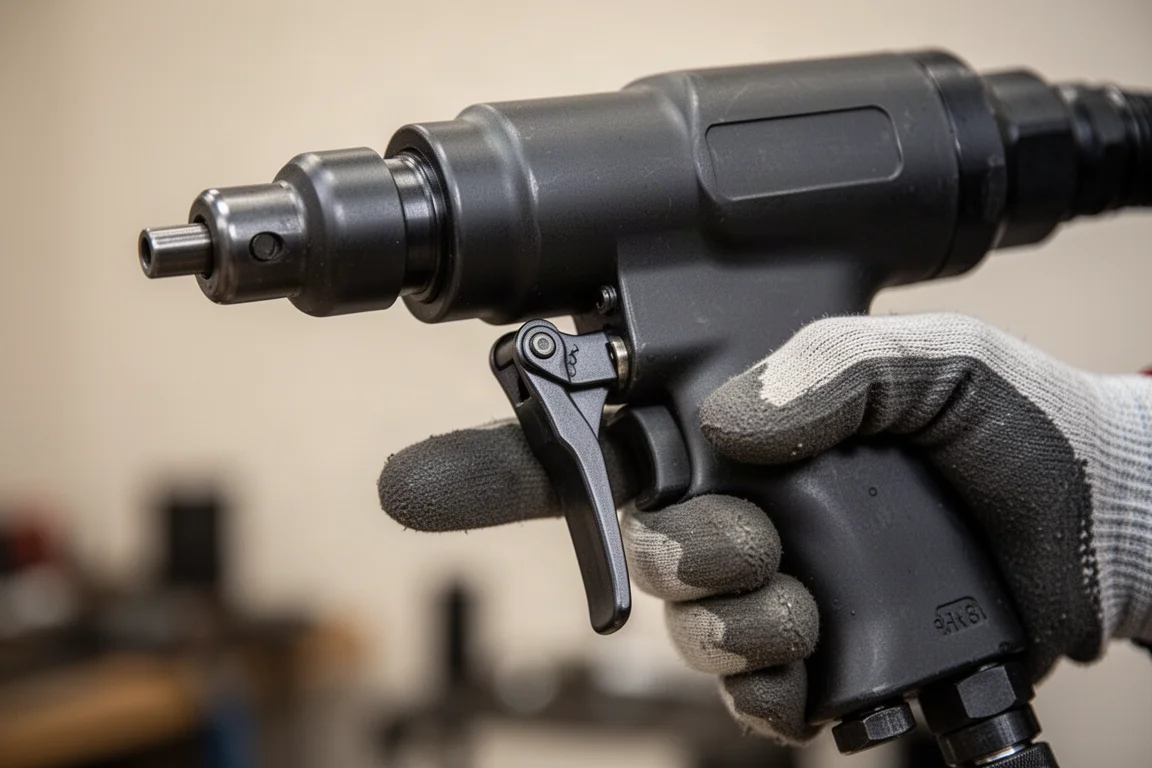
The CP4289 is a 9x class air hammer riveter, meaning in the traditional rating system it can flatten a solid rivet over half an inch in diameter. It is even longer than the rest of the field and currently runs around 870 dollars. Its first max power run hit 7156, the first time this test setup entered the seven K range, translating to roughly 31,000 pounds of force at the load cell.
At full shop pressure it climbed to 7968, nearly breaking into the 8K range, which would likely have broken the test rig itself. With a throttle span of about 54.6 points and a minimum throttled run of 1692, it combines the most range and the most outright power here, at a premium price and with the largest physical footprint.
4980 Big Nasty
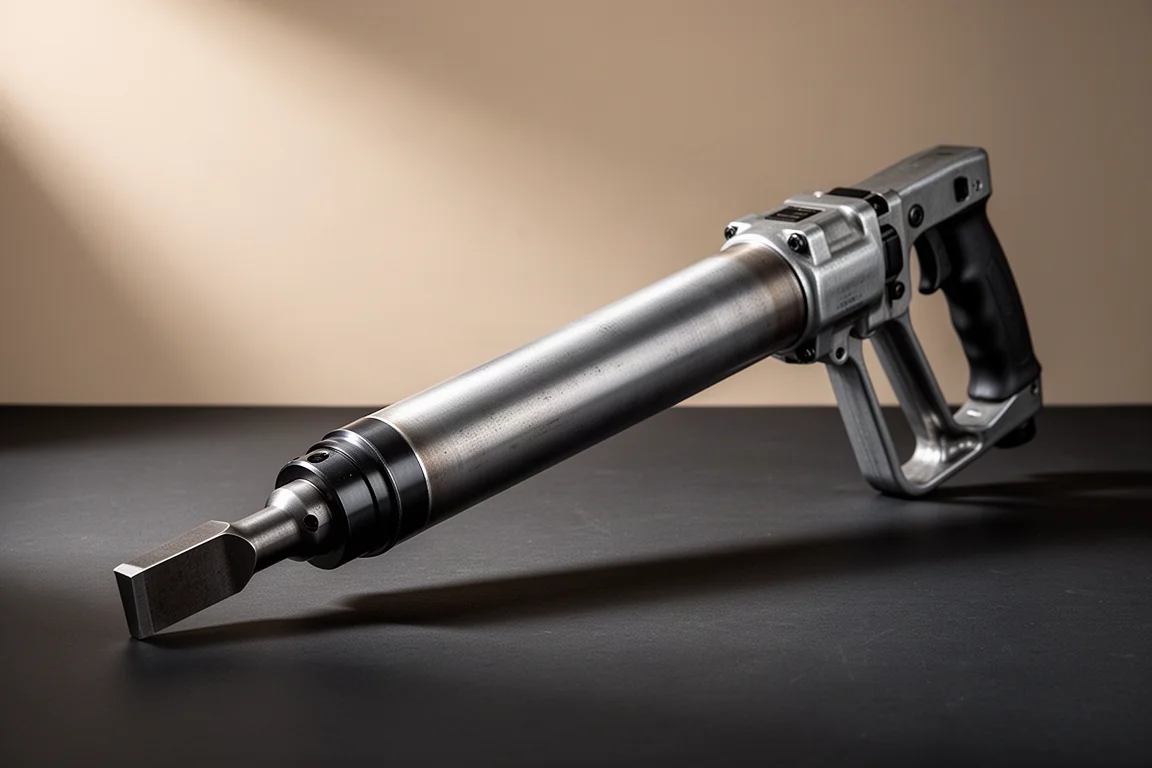
The 4980 Big Nasty was the first tool of this class through this style of testing, and it left a lasting mark on the leaderboard. It beat the CP717 in the first max power round at recommended pressure, and message board debates about the two have been running for years. Where it retains a clear advantage is forgiving air supply: if you are worried about not having sustained or adequate airflow or line pressure, the Big Nasty remains a good option in this class. Its trigger range runs more from nasty to big nasty, so precision throttling is not its strength, but it consistently delivered around 658 to 693 at full pressure with strong results across both test rounds.
Buying Advice
Weighing power, trigger range and price, the field finished close together at 828, 972.8 and 1000.8 weighted points for the top tools, with the CP4289 matching the theoretical maximum and the CP717 edging out the Big Nasty. The ranking stays heavily weighted toward raw power, since that is the one performance figure brands never advertise, and this may be the only place you see it measured side by side.
The practical advice is straightforward. If trigger control and a wide range of delivered punishment are your aim, the CP717 and Thor have the edge there, though they often carry a higher price for it. If your air supply is marginal, the Big Nasty is the forgiving choice. If you simply want the most brute force available in a mechanic-sized tool and have the air delivery to feed it, the CP4289 is the top of this food chain. As always, treat any single set of results as one piece of the puzzle and consider multiple sources before buying.
Conclusion
All four of these air hammers deliver seriously bolt-punishing levels of hammering. The CP717 rewards good air supply with best-in-class trigger feel, the Thor offers long-stroke power at a lower price, the Big Nasty stays the safe pick for modest setups, and the CP4289 is simply the biggest hammer in the box. Match the tool to your compressor and your habits, and any of them will make rusted hardware a much shorter conversation.
Further reading
Related Reviews
Air Tools
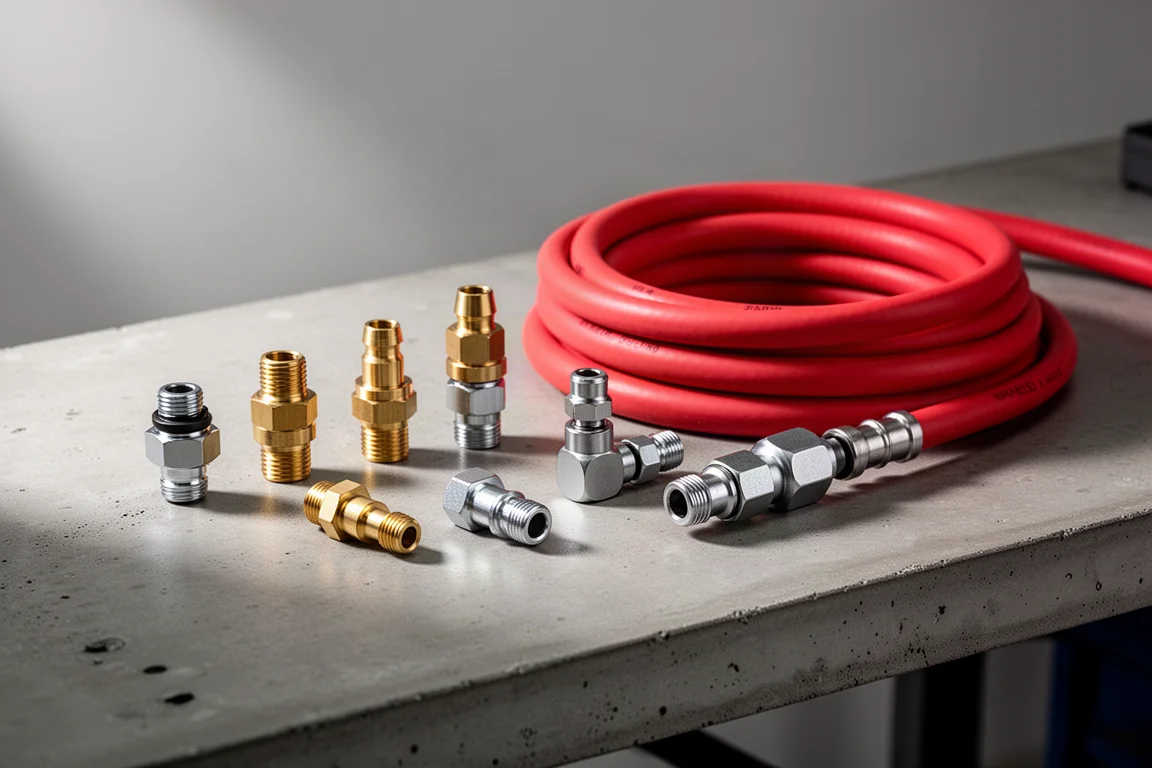
Getting More Power From Your Air Tools: Fittings, Swivels, and Setup Tips That Actually Work
A data-driven look at how much power standard and high-flow air fittings, swivels, buffer tanks, and hose sizing really add to impact wrenches and die grinders.
Air Tools
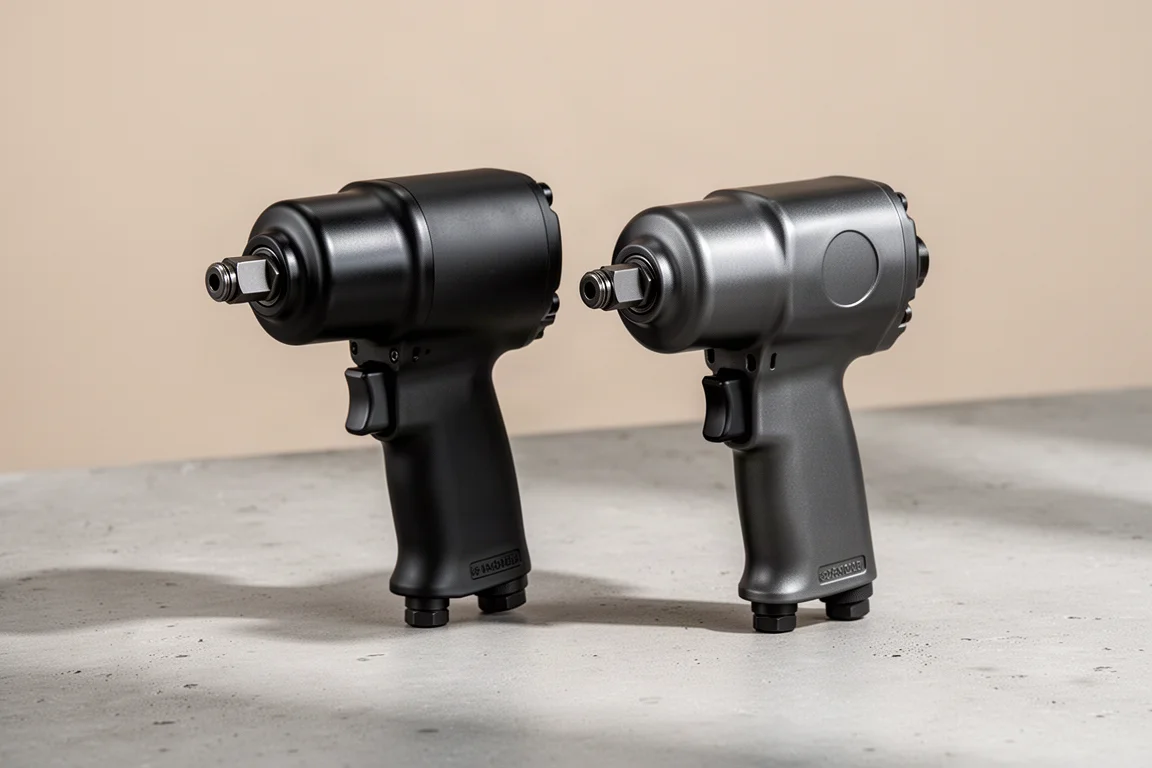
Air Impact Wrench Showdown: Matco MT3779 Rex vs Ingersoll Rand 2236 TiMax
Two next-generation half-inch air impacts go head to head, with one breaking new torque records and the other confusing us with swap-in anvils and backwards power modes.
Air Tools
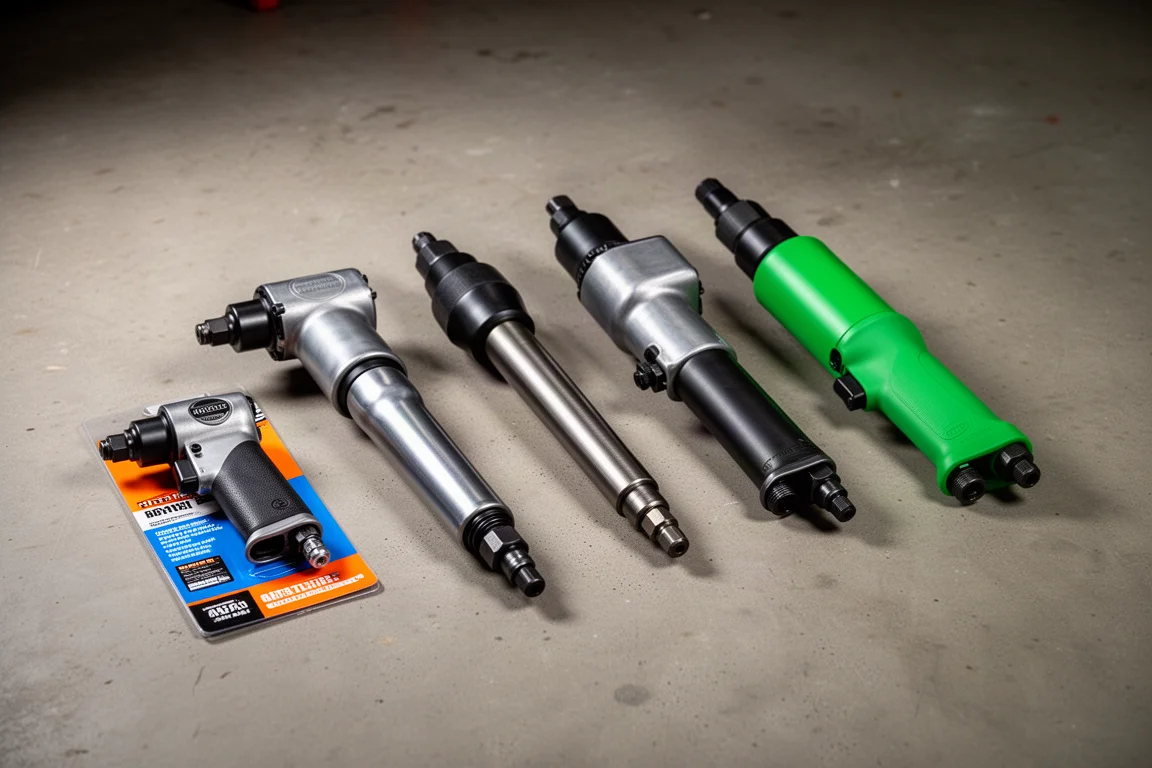
Best Air Hammers 2026: Four Tested Short and Long Barrel Picks
We compare four air hammers across power, trigger control, and price, from an $18 Walmart short barrel tool to a new long barrel record-setter.