Backpacking Packs
Best Backpacks for Lightweight Backpacking: Five Packs Worth Knowing
Five backpacking packs compared across a season of trips, from frameless ultralight designs to a traditional 50-litre hauler, with the strengths and trade-offs that matter before you buy.
Introduction
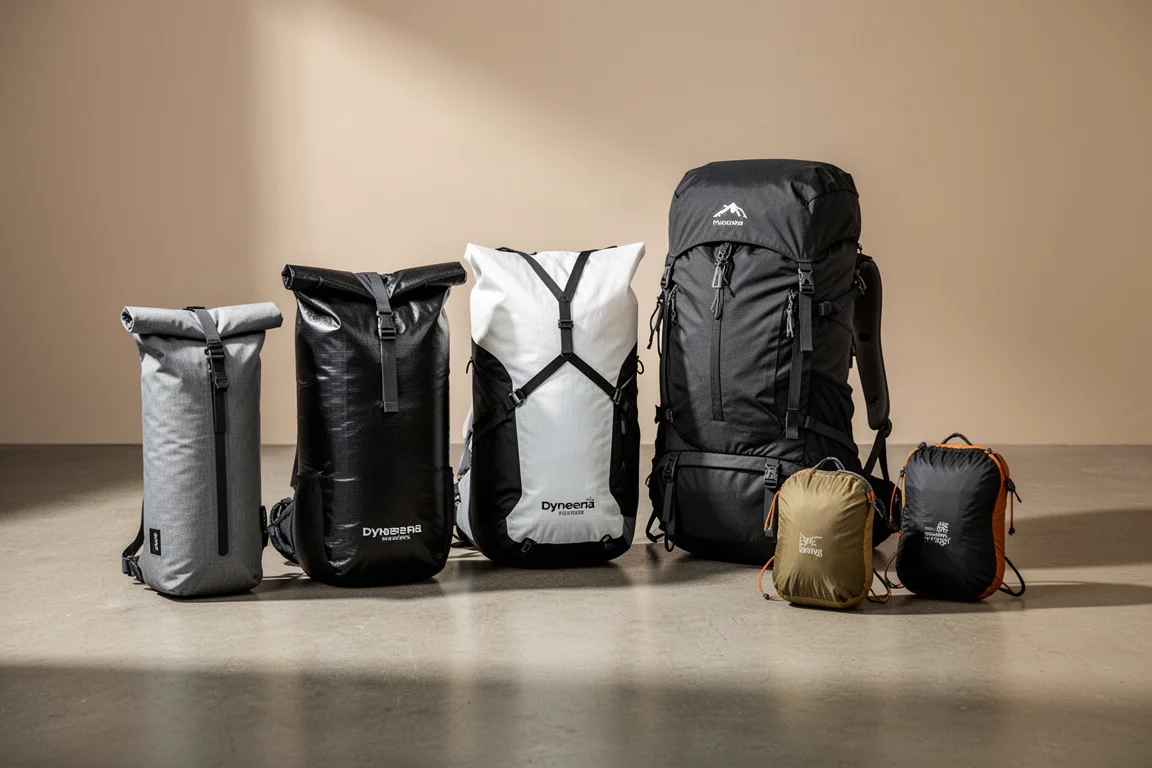
Choosing a backpacking pack comes down to what a trip actually demands. A minimal overnighter with a low base weight rewards a simple frameless design, while a long resupply stretch or a pack shared between different users calls for structure, adjustability, and volume. This roundup covers five packs used across a full season of backpacking trips: two that stood out for minimal, lightweight travel, two that impressed with their versatility, and one that fell well short of expectations.
How These Packs Were Compared
Every pack was judged on the same practical questions: how comfortably it carried a real load, how the harness and hip belt distributed that weight, how easy the pockets were to reach while wearing the pack, how much usable volume the stated capacity actually delivered, how the materials held up, and how the price lined up with what the pack offers. Adjustability mattered too, particularly for packs intended to fit more than one person.
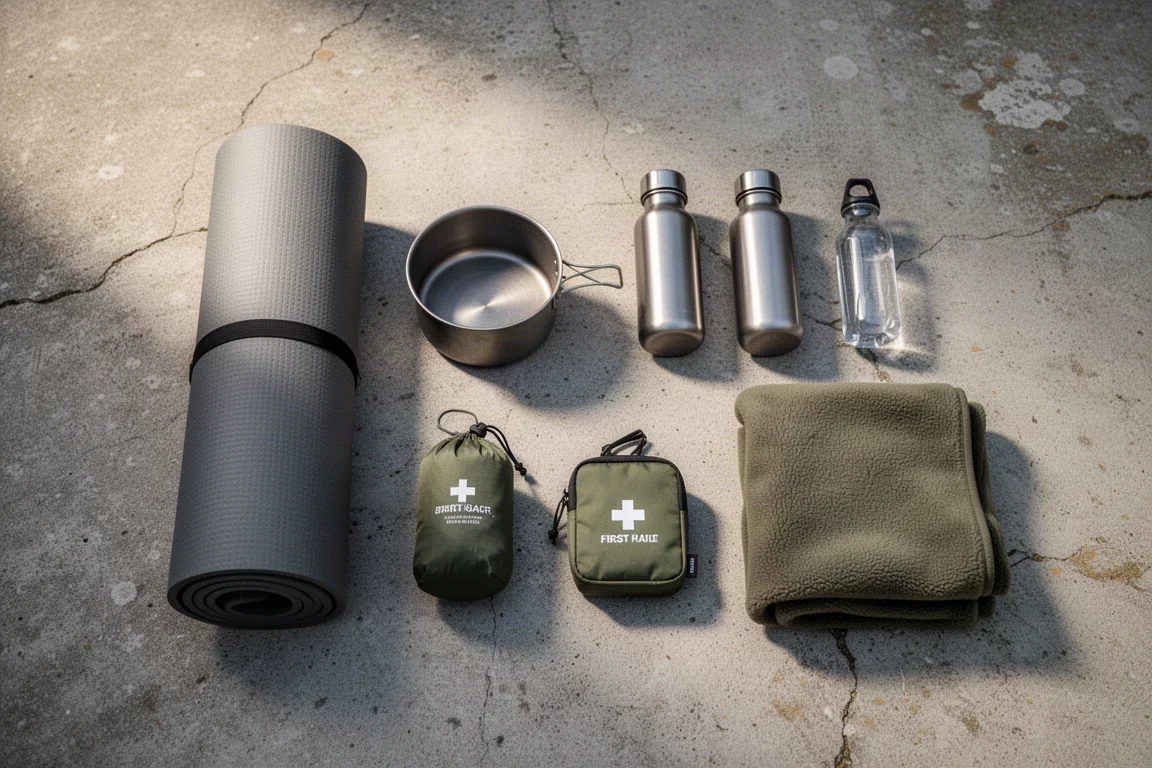
Fit and load carry deserve the most weight in that list. A pack that feels comfortable on a short shakedown hike can behave very differently once food and water push the total closer to the top of its comfort range.
Gossamer Gear Gorilla 38
The Gorilla 38 is a frameless pack, and frameless designs ask more of the person carrying them. What makes this one workable is a removable foam panel at the back that adds a little structure to the body of the pack and keeps gear from pressing into the small of the back. The harness transfers weight well, and with loads kept in the low twenties this ranks among the most comfortable packs in the group.
The hip belt is removable, which suits the frameless concept, and the padded section includes small zippered pockets that will hold snacks or a lip balm rather than a phone. Stretchy pockets on both shoulder straps pick up that slack, giving a secure place for a phone or quick snacks when the hip belt stays home.
At 38 litres, the volume suits a lean kit. The front stretch pocket is generously sized, and a zippered pocket at the top keeps small items secure. The side pockets are the weak point: they are tight enough that getting a bottle in and out of a fully packed bag takes effort, and each side realistically holds one bottle. The closure is a simple roll-top with a single strap running over the top rather than a Y-strap. For a minimal pack priced just over $200, the build quality and carry comfort are hard to argue with.
Hyperlite Mountain Gear Waypoint 35
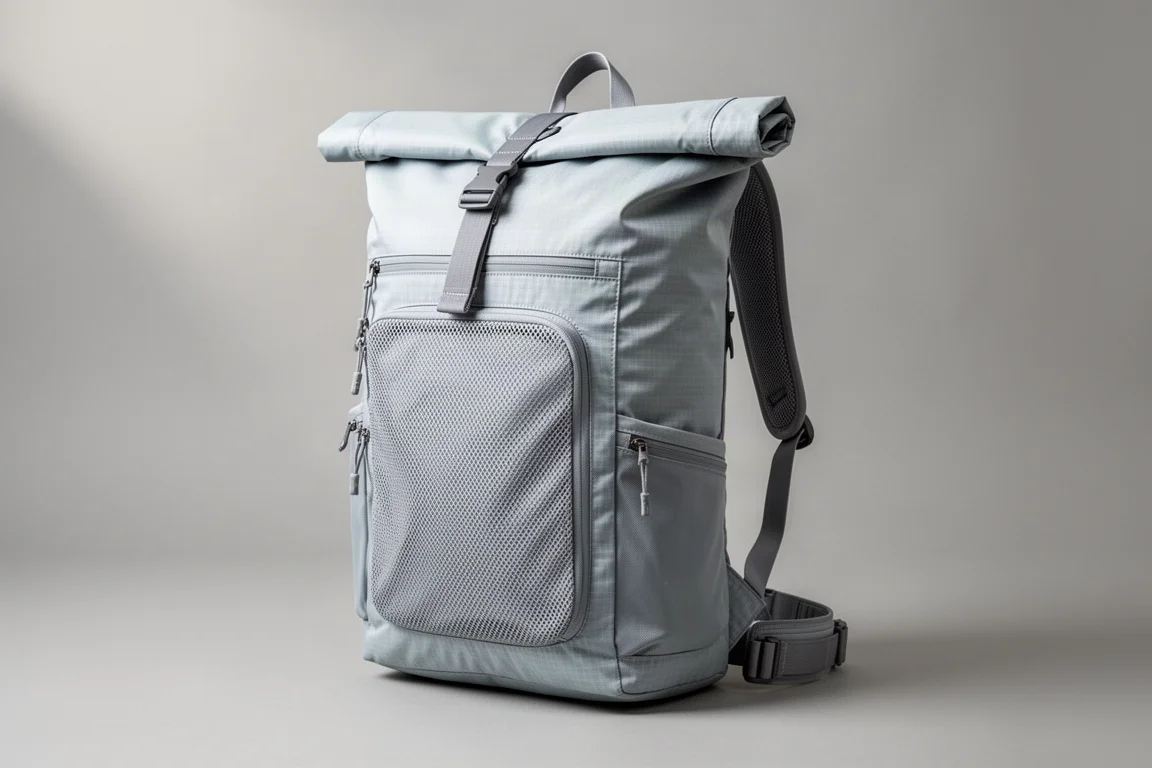
The Waypoint 35 is a framed pack, but the frame is deliberately simple: a single stay runs through the back panel alongside foam padding. The pack is rated for roughly 30 lb of total load, and it handled 26 to 28 lb without complaint. It uses a robust Dyneema stretch fabric on the front and stays very light for a framed design.
Pocket layout is where the Waypoint separates itself from the Gorilla. Side pockets are larger and less tight, so bottles go in and out more easily while the pack is on your back. The hip belt pockets are big enough for a phone, and the hip belt is integrated into the body of the pack, wrapping through the lumbar rather than clipping in at the sides. That construction is a genuine advantage, though the lumbar area has a tendency to slip, so the pack gradually rides down and needs occasional adjustment.

The roll-top closes under a Y-strap that will hold a jacket, a closed-cell foam pad, or a camp chair on top. A bear canister will not fit up there. With 35 litres of capacity and a premium price driven by the Dyneema construction, this is a pack for trips where a small, light kit is the whole point.
Gregory Paragon 50
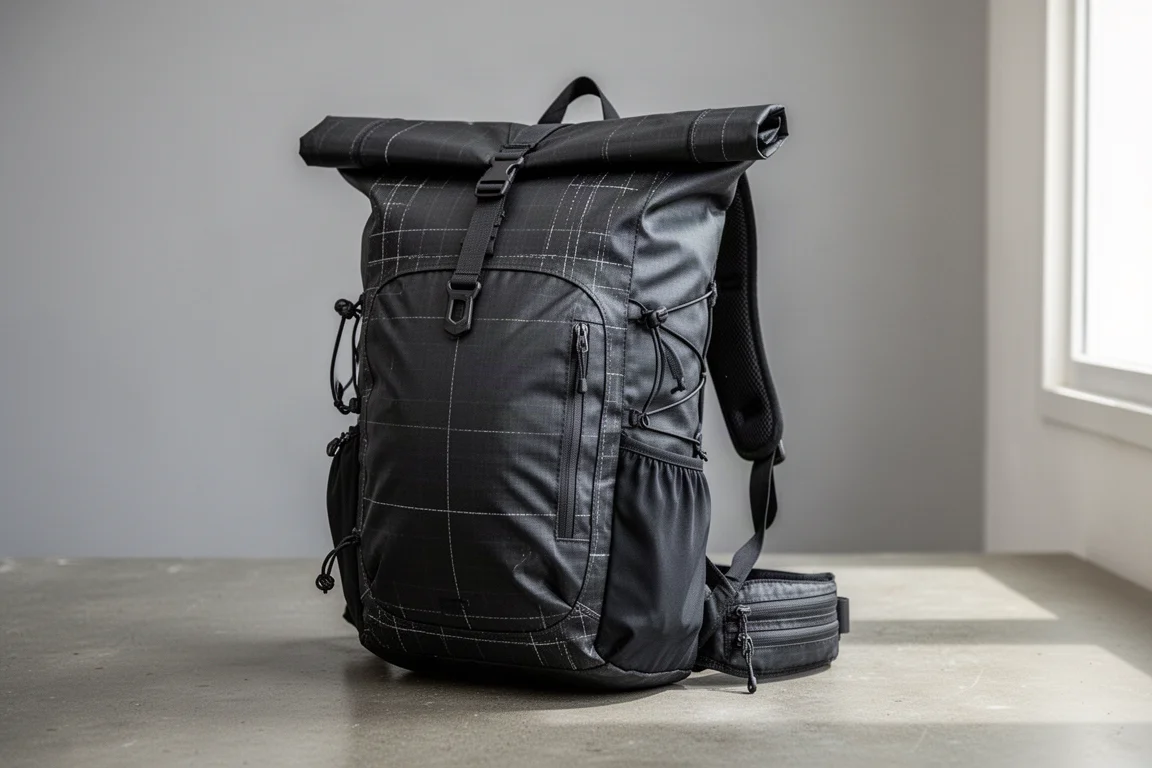
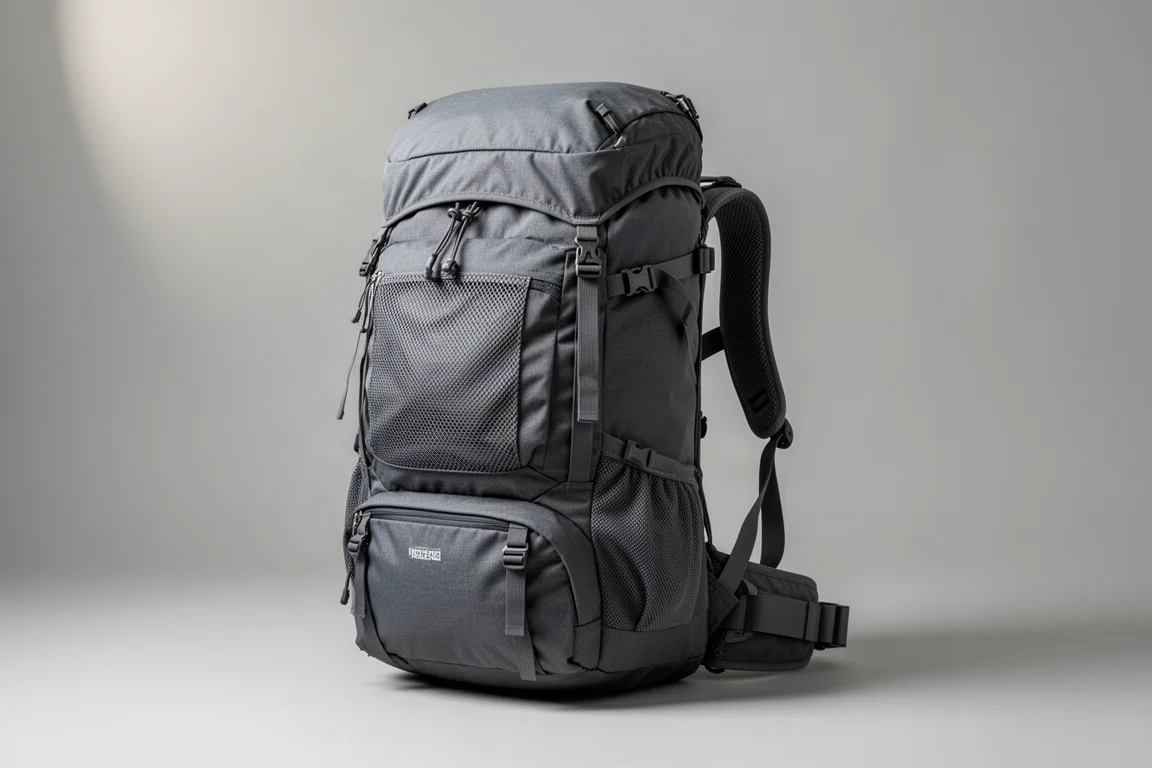
The Paragon 50 takes the opposite approach. It is a traditional, fully framed pack with a top lid over a cinch collar, a sleeping bag compartment zipper at the base, bottom straps, a front stretch mesh pocket, and a side entry zipper for quick access. The back panel offers some ventilation, the hip belt is stiff and comfortable, and the whole package carries well without being overly heavy.
Its real strength is adjustability. Torso length moves up and down, and the hip belt length can be changed as well, which makes the pack easy to fit to different bodies. It is offered in capacities beyond 50 litres and in small, medium, and large, so there is a good chance of finding a version that fits. That flexibility makes it a strong option for anyone lending a pack out or looking for one pack to cover a range of trips.
The compromises are minor. The side mesh pockets are still awkward to use with bottles, and the shoulder straps carry no pockets beyond a small mesh loop intended for a satellite communicator. Neither changes how the pack performs under load.
Hyperlite Mountain Gear Unbound 40
The Unbound 40 is the most deceptive pack in this group. The 40-litre figure refers to internal capacity, and in practice the pack holds far more than the number suggests. A full summer warm-weather kit fitted inside alongside a BV475 bear canister standing upright, with room left over.
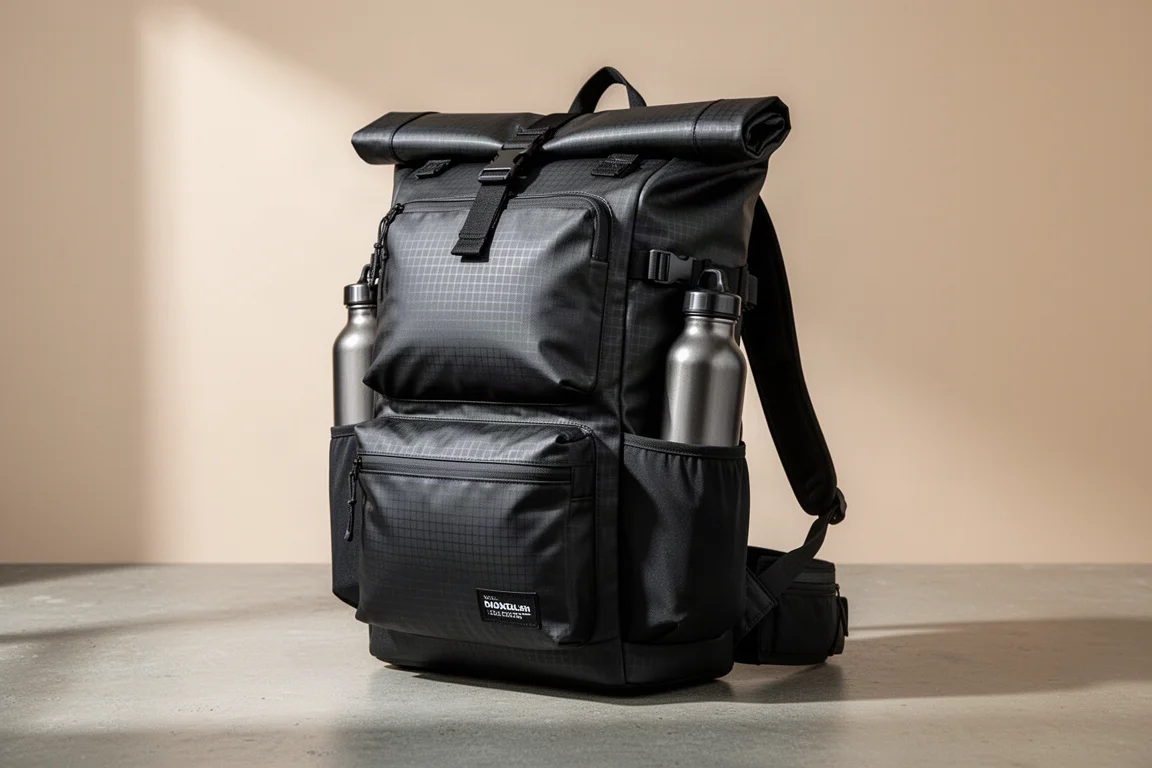
The exterior design is unusually practical. A stretch pocket on the front is split so that the lower section opens into the main pocket, which keeps items like a water filter reachable without digging through everything else. A bottom pocket adds another option. The Y-strap on top carries layers or a foam pad. Side pockets are large enough for two bottles each, and the hip belt pockets on both sides are generous enough for a phone. There are no shoulder strap pockets, which is the trade-off for those bigger hip belt pockets.
Like the Waypoint, the Unbound is fully framed with a hip belt that wraps through the lumbar, and it shares the same tendency to slip down the back over the course of a day. It is also expensive, as Dyneema construction tends to be.
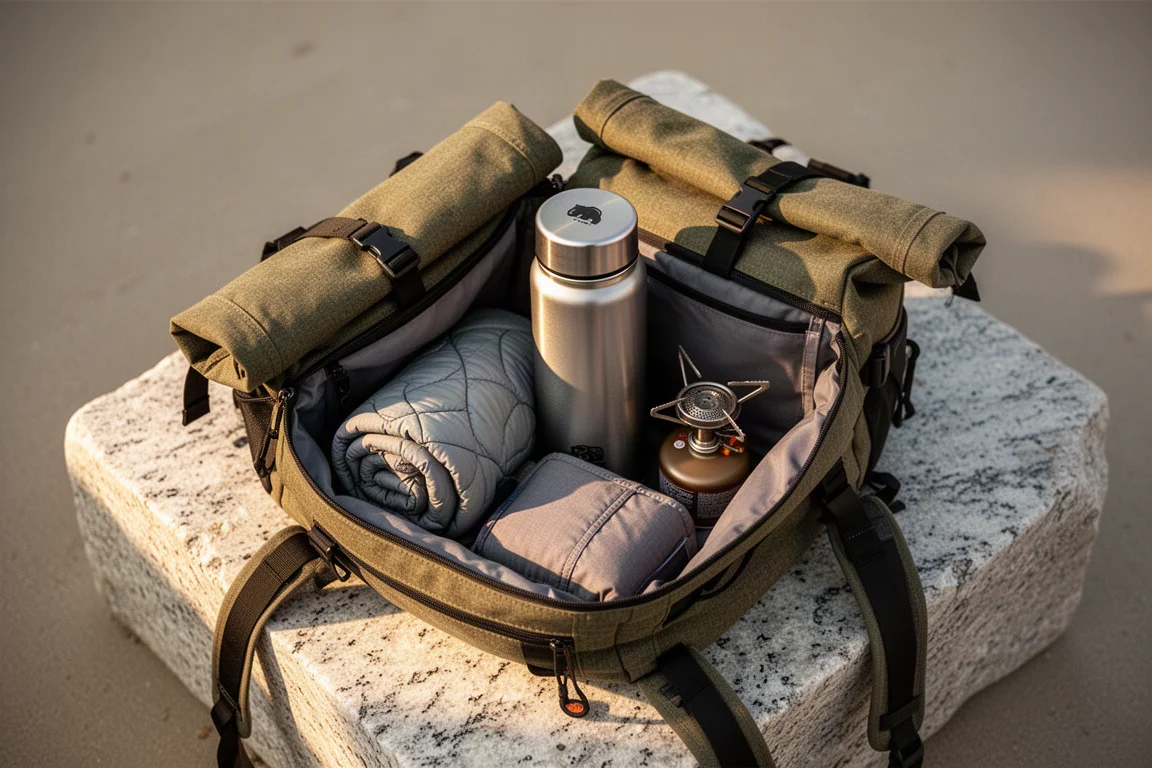
The differences between the Unbound 40 and the Waypoint 35 go beyond volume, so owning both is not a straight duplication. The Unbound is the one to consider when capacity matters more than the smallest possible carry.
Big Agnes Sweetwater 43
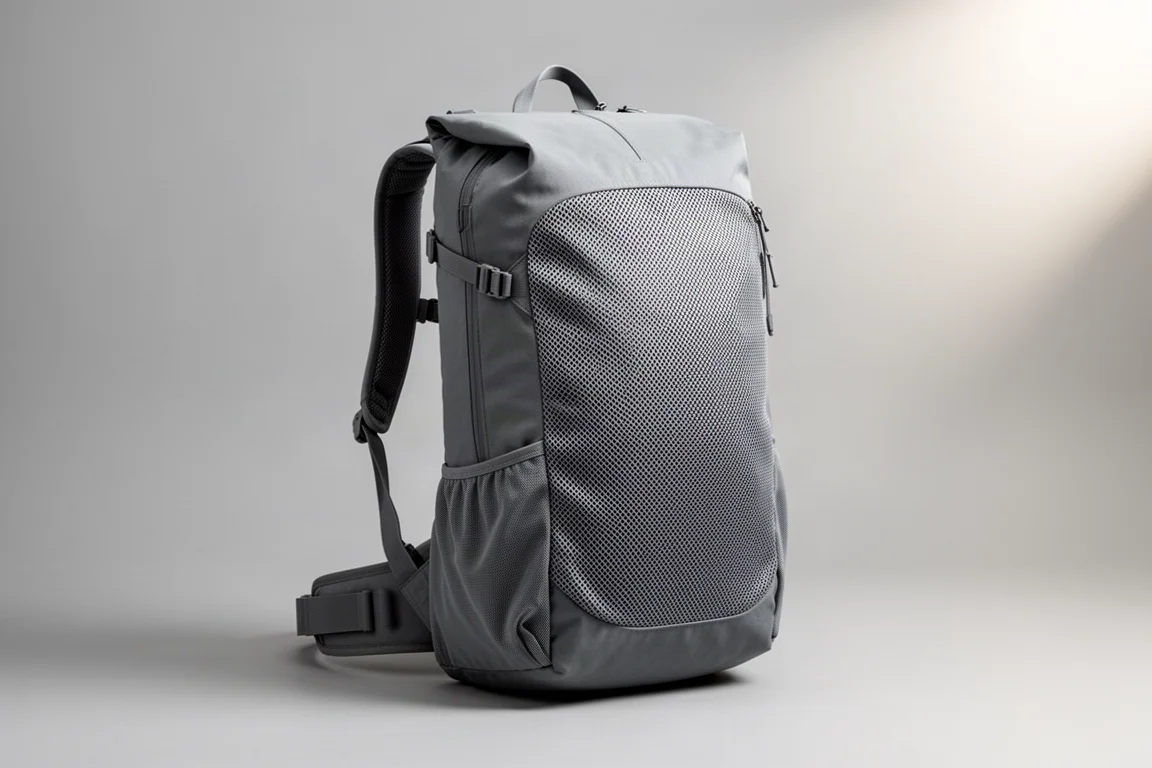
The Sweetwater 43 aims at the same streamlined, thru-hiking brief as the packs above, and it does not deliver on it. The most obvious problem is the mesh used across the exterior. It is not a robust, high-abrasion material, and there is a lot of it, including in places that see constant contact with rock and brush. Holes appeared early on, which does not bode well for a pack expected to last years of trail use.
Comfort is the second issue. The hip belt is oversized, wraps too far around the body, and leaves less adjustment range than it should. A cutout in the belt creates odd pressure points and prevents the belt from carrying load properly, while the shoulder straps push pressure upward rather than settling it. The torso height adjusts, but the hip belt does not. Storage is limited as well: there are no hip belt pockets, and the front mesh pocket is a single oversized compartment. A vest-style shoulder strap with multiple pockets could have offset that, but the pockets are not there.
Buying Advice: Matching the Pack to the Trip
Start with the load, not the label. If total weight including food and water stays in the low twenties, the Gorilla 38 and the Waypoint 35 are the most rewarding packs here: both are light, both carry well at modest loads, and both keep the feature set deliberately simple. The Waypoint adds a frame, a stronger front fabric, and more usable side and hip belt pockets for a premium price.
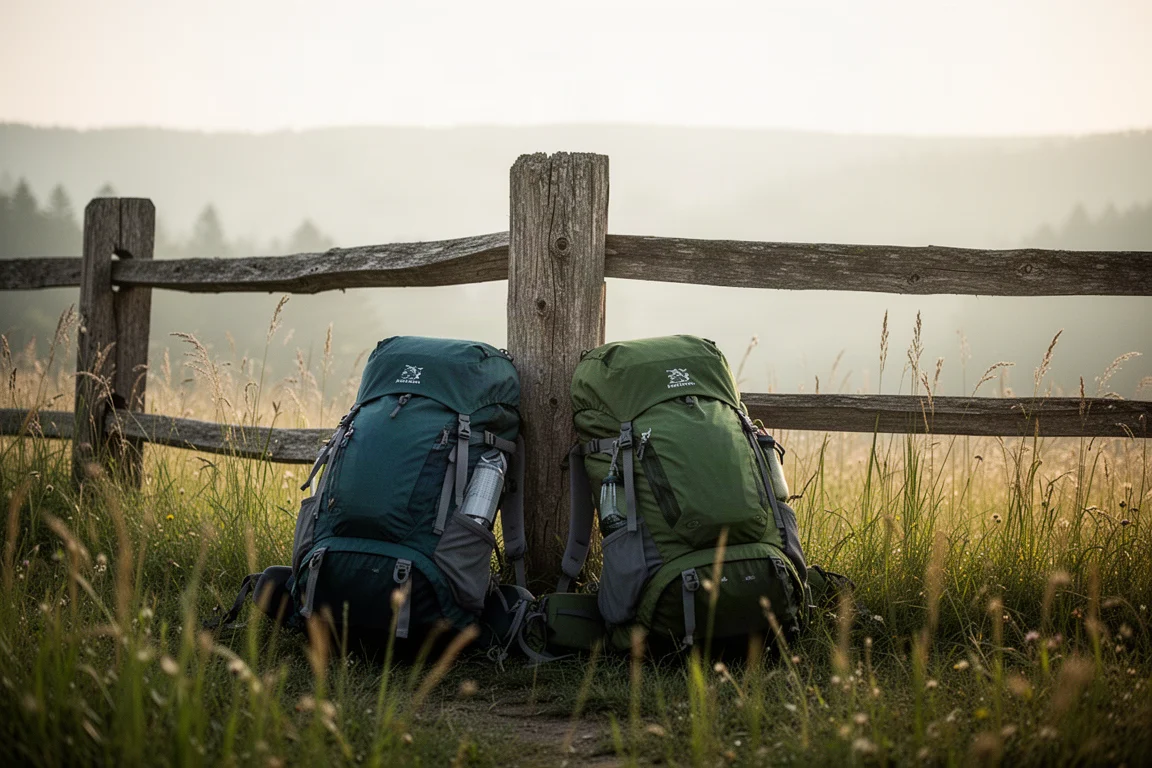
If the pack needs to fit more than one person, or cover everything from weekend trips to longer carries, the Paragon 50 is the most adaptable option, thanks to its adjustable torso and hip belt. For maximum usable volume with Dyneema durability, the Unbound 40 is the one to look at, provided the premium price and the slippery lumbar fit are acceptable. The Sweetwater 43 is difficult to recommend when the alternatives above cover the same brief more convincingly.
Conclusion
Five packs, three clear favourites. The Gorilla 38 shows that a frameless pack can still be comfortable when the kit is light, the Waypoint 35 pairs a simple frame with Dyneema fabric and a genuinely usable pocket layout, and the Unbound 40 hides far more capacity than its stated volume implies. The Paragon 50 earns its place through adjustability and versatility rather than low weight, and the Sweetwater 43 stands as a reminder that a streamlined look is not the same as a well-executed design.
Further reading
Related Reviews
Backpacking Packs
Backpacking Pack Types Compared: Traditional, Ultralight, Frameless, and Hybrid
Four pack categories, four representative packs, and a practical way to decide which kind of backpacking pack matches the weight of your gear.
Backpacking Packs
Best Backpacking Packs 2026: Six Picks for Every Style of Trip
Six backpacking packs that earned their place by weight class and purpose, with the real strengths and trade-offs to weigh before you buy.
Backpacking Packs
Big Agnes Prospector 50 Review: A Hybrid Pack That Sits Between Two Worlds
A 50-liter backpacking pack that mixes ultralight features with traditional padding and panel access. Here is who it suits and where it falls short.