Backpacking Packs
Best Backpacking Packs: Six Award-Winning Options for Every Style of Trip
A practical look at six standout backpacking packs across weight classes, from sub-400 g frameless designs to a sub-$100 all-rounder.
Introduction
Choosing a backpacking pack is less about finding one universal answer and more about matching a pack to the trips you actually take. A thru-hiker counting every gram has very different priorities from someone heading out for a weekend with friends, and a family trip where you carry most of the weight asks something different again.
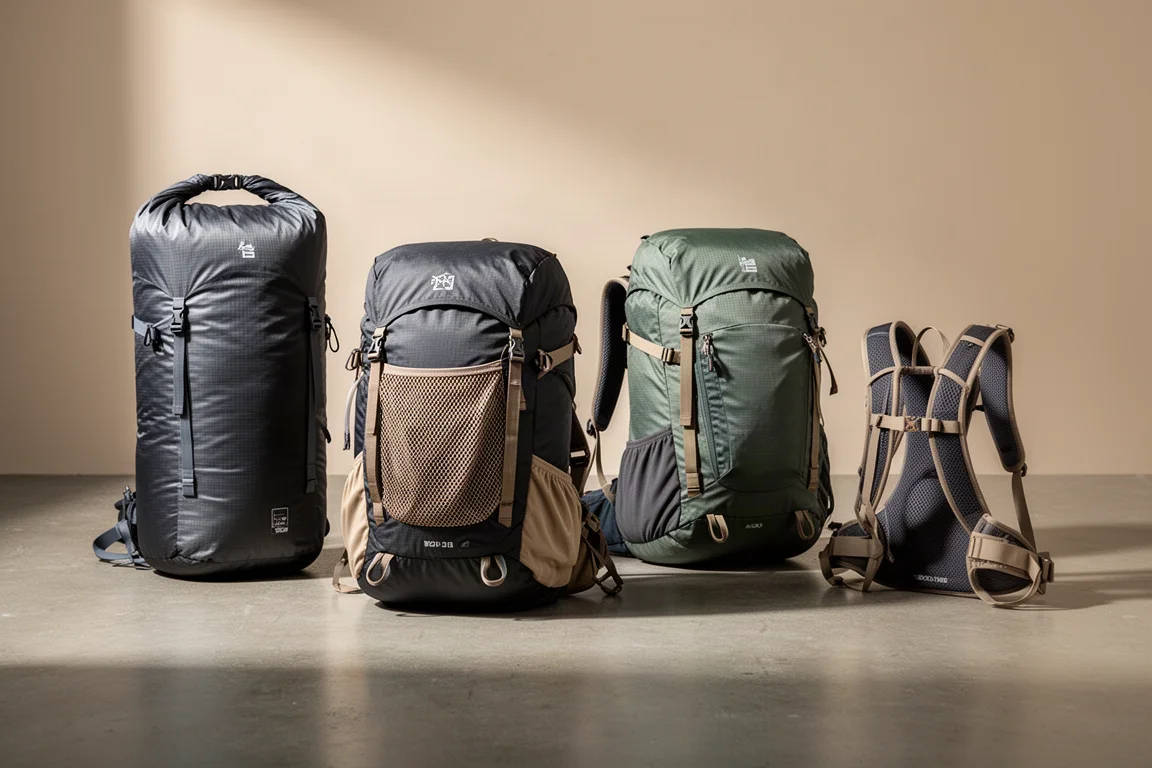
The packs below earned their place across a wide range of testing, from fast packs to mainstream designs, covering eight practical categories. Six of those categories produced a clear winner, and each one solves a specific problem well. A few near-misses are worth knowing about too, because the right pack for you may sit just outside the winner’s circle.
How These Packs Were Chosen
Each category started with a hard threshold rather than a feeling. Lightweight packs had to come in under 1 kilogram while staying fully featured, meaning a hip belt, a frame and a full set of pockets, and still carry over 40 lbs. Ultralight packs had to land under 800 g, accepting that some features or load capacity might be sacrificed, but as little as possible. Super ultralight packs had to weigh under 400 g, which usually means giving up a frame or hip belt altogether.
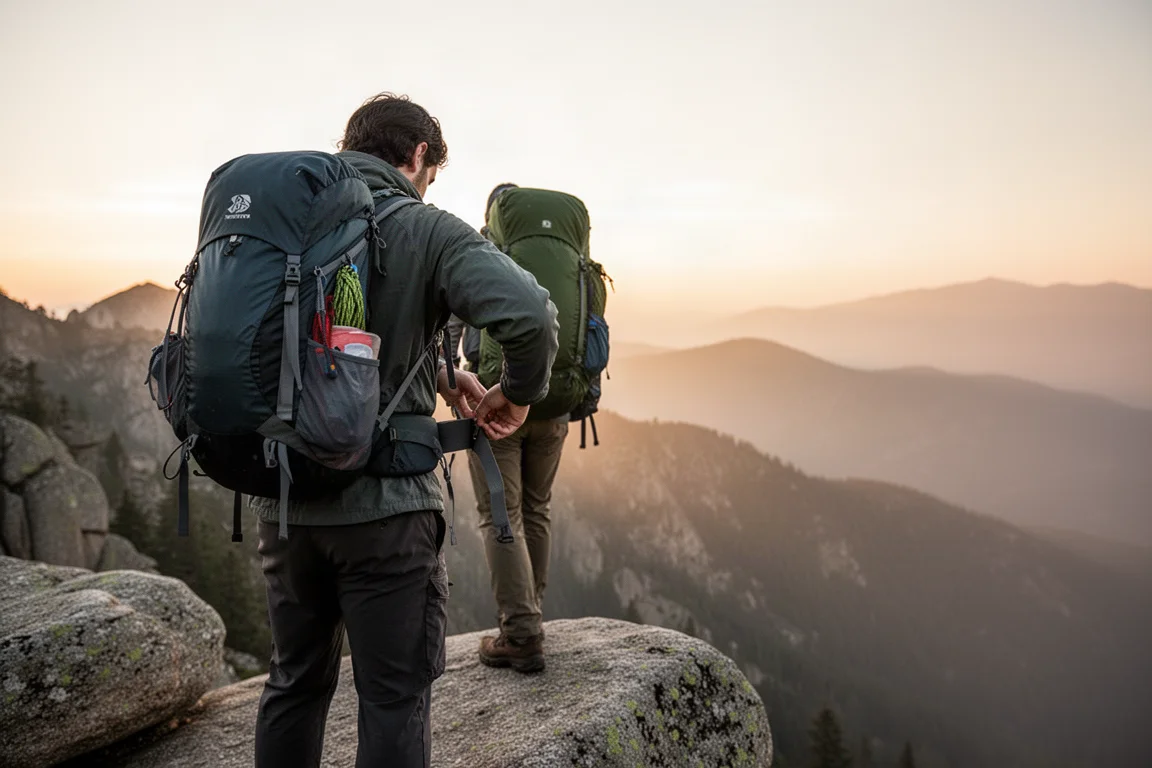
Beyond the numbers, the deciding factor was refinement. A pack that fits well and works without fiddling beats one with a longer feature list that needs constant adjustment. Fit is highly individual, so the recommendations below lean toward packs with the highest chance of suiting a wide range of bodies, alongside specialist options for riders and hikers with very specific goals.
Best Lightweight Pack: Durston Kakwa 55
The Durston Kakwa 55 is a straightforward roll-top pack with a frame and a hip belt, and it clears the lightweight bar without feeling stripped down. Shoulder pockets, hip belt pockets, front and side pockets cover the storage most hikers actually use, and it has carried over 40 lbs without complaint.
What sets it apart is how little attention it demands. Once it is on, it fits well and you can simply start walking rather than adjusting straps and pockets for the first mile. The main drawback is the zippered pocket on the left side. It sits at an awkward size, a little too small for bulky items and a little too large for keys, and it does not get used much. The right side handles water bottles properly, and the left-side pocket can hold a map or a phone, but it is not as functional as it could be. The Atom Packs Prospector is a close alternative at roughly the same weight and price, with a bit more pocket accessibility, though it does not carry weight quite as comfortably.
Best Ultralight Pack: Zpacks Arc Air
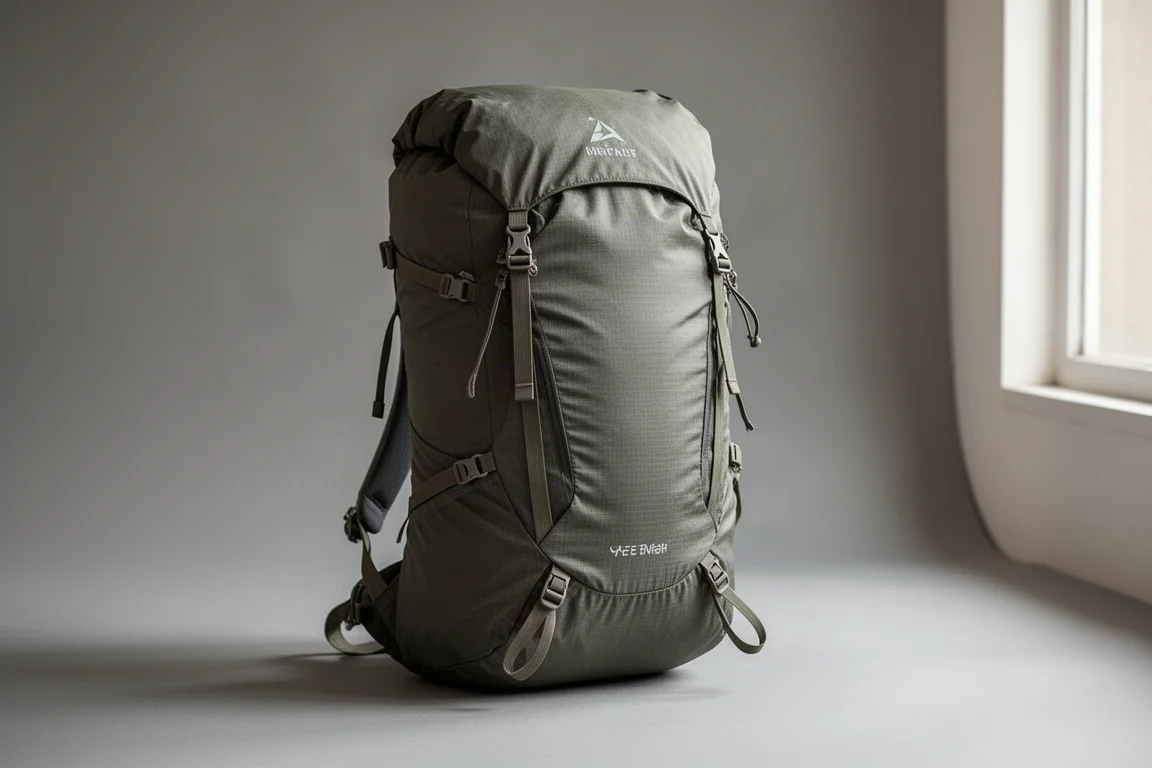
The Zpacks Arc Air weighs 592 g and keeps the essentials: a roll-top closure, a frame, a hip belt and two hip belt pockets, with shoulder pockets and other accessories available separately. Two features stand out at this weight. The torso length is adjustable, which is unusual for an ultralight pack, and a trampoline back panel keeps air moving across your back so you sweat less on long climbs.
Water bottles come out of the side pockets easily, and a large front mesh pocket swallows gear you want within reach. It carries up to 40 lbs comfortably and starts to struggle above that, which is a genuinely wide range for a pack this light. The trade-offs are cost and complexity. It sits at the expensive end of the category, and all that webbing and adjustability creates more potential failure points. In practice it has covered hundreds of miles without any durability problems or failed parts. The Durston Kakwa 40 and the Outdoor Vitals CS40 are less expensive alternatives, both under 800 g but noticeably heavier than the Arc Air.
Best Super Ultralight Pack: Durston Wapta 30
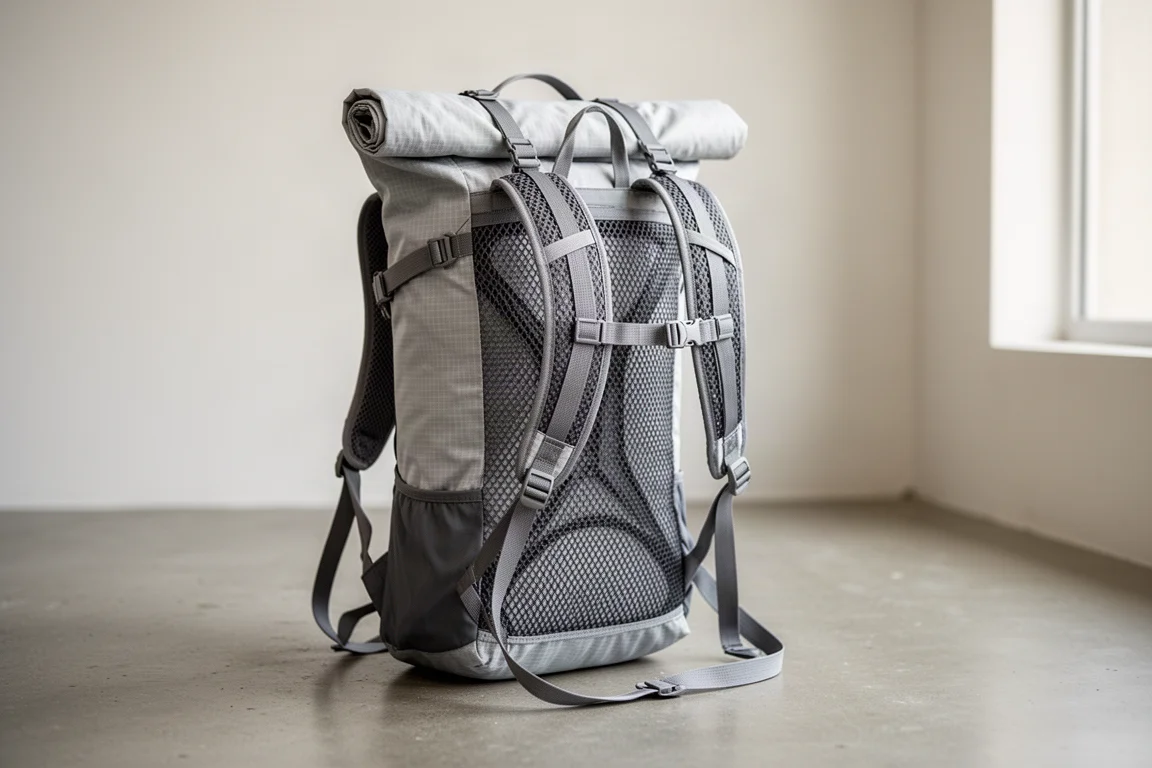
At 381 g with the hip belt removed, the Durston Wapta 30 is remarkably light for how much it offers. Two shoulder pockets, well-shaped side pockets, a large front pocket and a bottom pocket give it the pocket layout of a much heavier pack, and it carries weight well for a frameless, hip-belt-free design. It has handled 30 lbs comfortably, and while hikers new to this style of pack may find 20 to 25 lbs a more realistic ceiling, that is still an impressive figure for the weight.
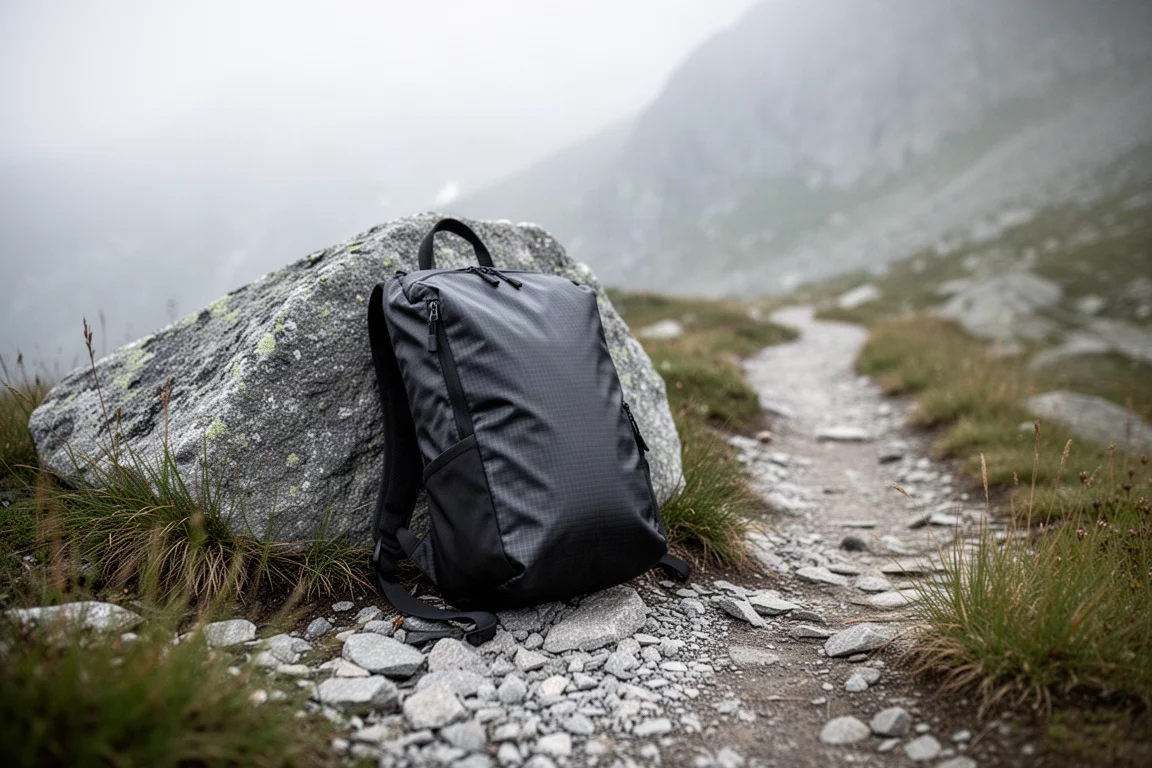
The obvious limit is capacity for extras. The volume and the load ceiling mean comfort items stay at home, which makes it a pack for dialed-in thru-hikers or anyone whose priority is covering distance rather than lounging at camp. It also earned the on-the-go category with the removable hip belt installed, at 480 g. In that configuration the pocket count is hard to argue with: hip belt pockets, a pocket on each shoulder strap, side pockets that give easy access to water, a front pocket nearly as large as the main body, and a bottom pocket that works well for snacks and rubbish through the day. The Nashville Pack Cutaway is an alternative some hikers prefer for its vest-style shoulder straps and generous pocketing, though it feels a little less refined and more finicky to use.
Best All-Around Pack: REI Flash 55
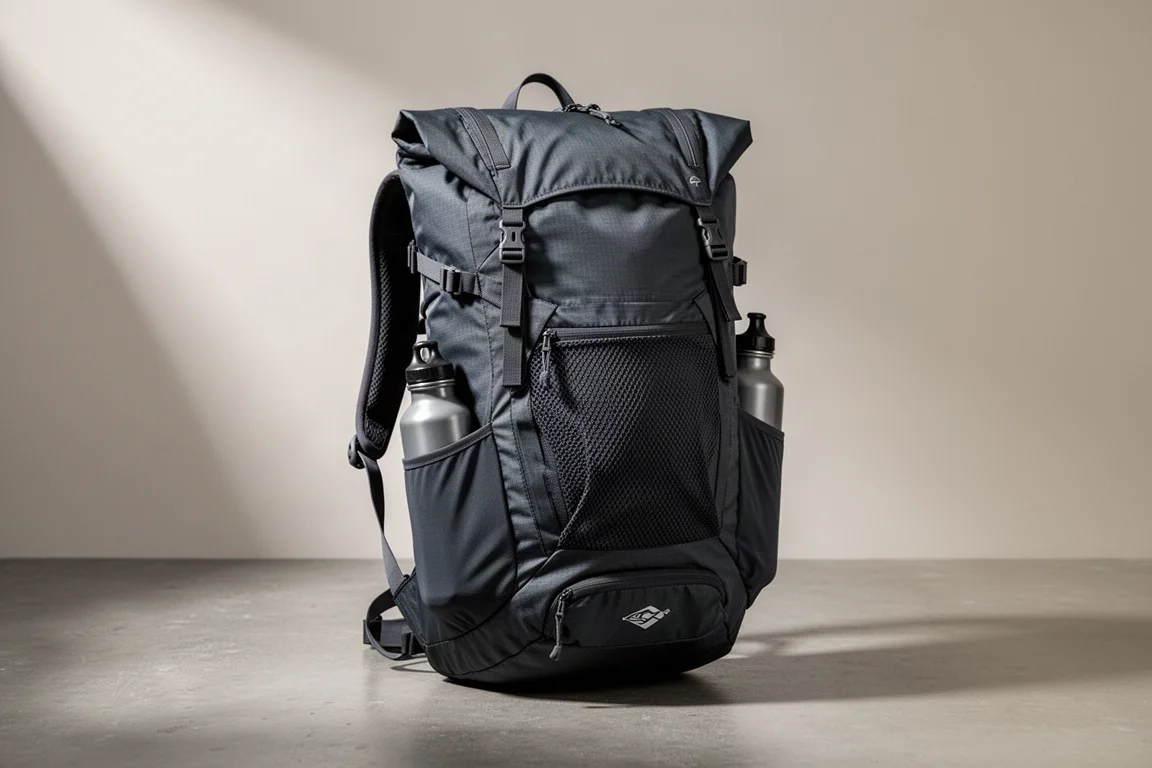
The REI Flash 55 is the pack most people should look at first. It has an adjustable torso, so the fit can be dialed in properly, and that fit is what lets it carry a serious load. It has handled 50 lbs and more without feeling strained. Pocket design is thoughtful, with hip belt pockets, extra water bottle pockets positioned in front of the side pockets for easy access, a front pocket, and a removable brain that keeps small items like a wallet and keys close at hand.
It is also a sensible weight for the number of features and the load it can manage, and 55 liters is the sweet spot for both new backpackers and experienced hikers with a dialed-in kit. The one real caveat is durability. If you are genuinely hard on gear, dragging a pack over sandstone in slot canyons for example, this is not the most rugged option available, though it holds up comparably to the other packs here. The Gregory Focal and Gregory Facet are strong alternatives that handle most trips just as well.
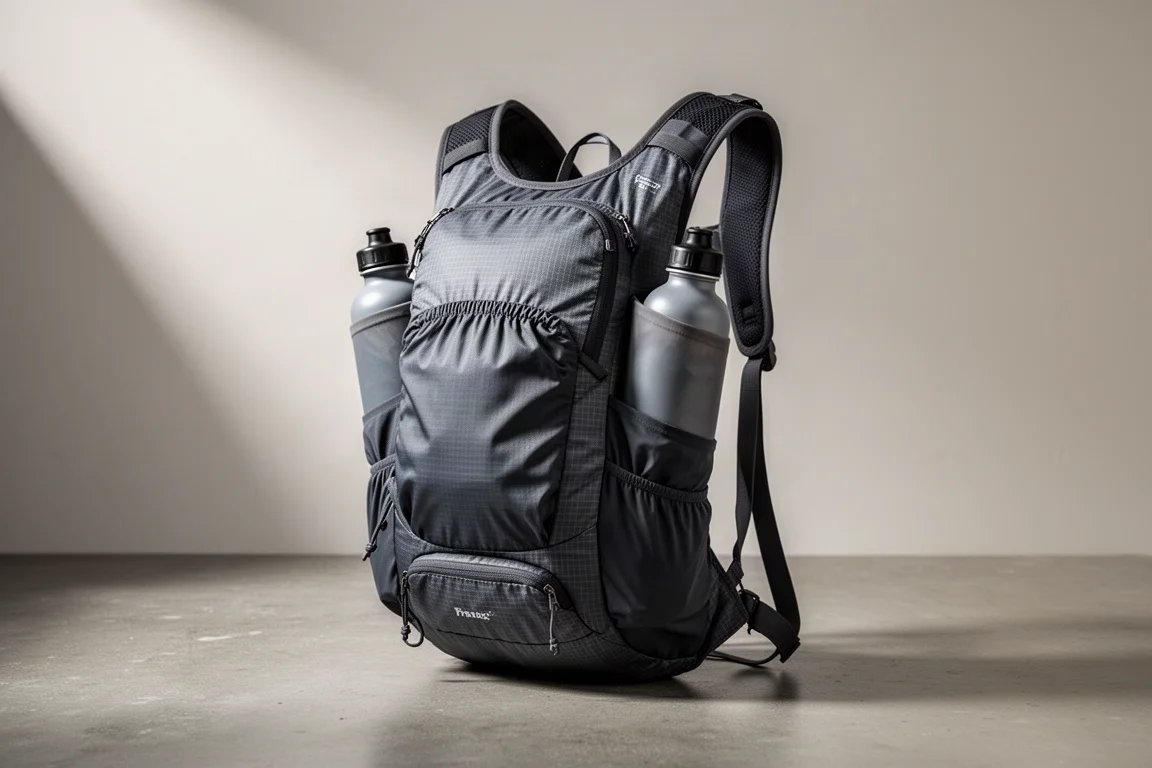
Best Fastpacking Pack: Outdoor Vitals Skyline
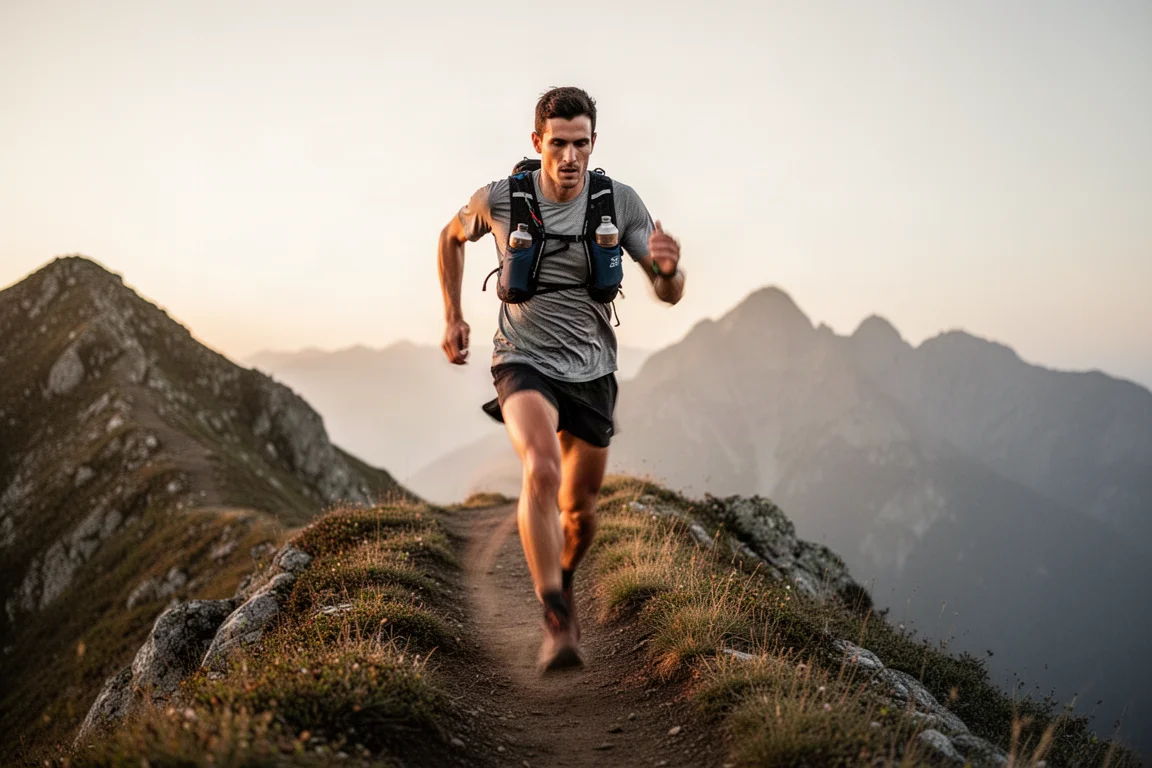
The Outdoor Vitals Skyline is built for covering ground quickly, and it hits the balance that matters most: it is comfortable to run in with almost no bounce, it keeps gear accessible, and it carries weight without fighting you. The volume is right for one, two or even three nights out.
Pocketing is generous, with a large stretchy front pocket, side pockets, a bottom pocket and useful pockets on the vest-style shoulder straps. It also ships with two running water bottles that seat neatly in the shoulder pockets. The limitation is capacity in cold conditions, where a bulkier sleeping pad or quilt can push the volume. For trips where you want to move fast and mix in some running, that trade-off is usually worth it. The Gossamer Gear Fast Kumo 36 is a good alternative, but it bounced more when heavily loaded, which made running less comfortable.
Best Affordable Pack: Decathlon MT100
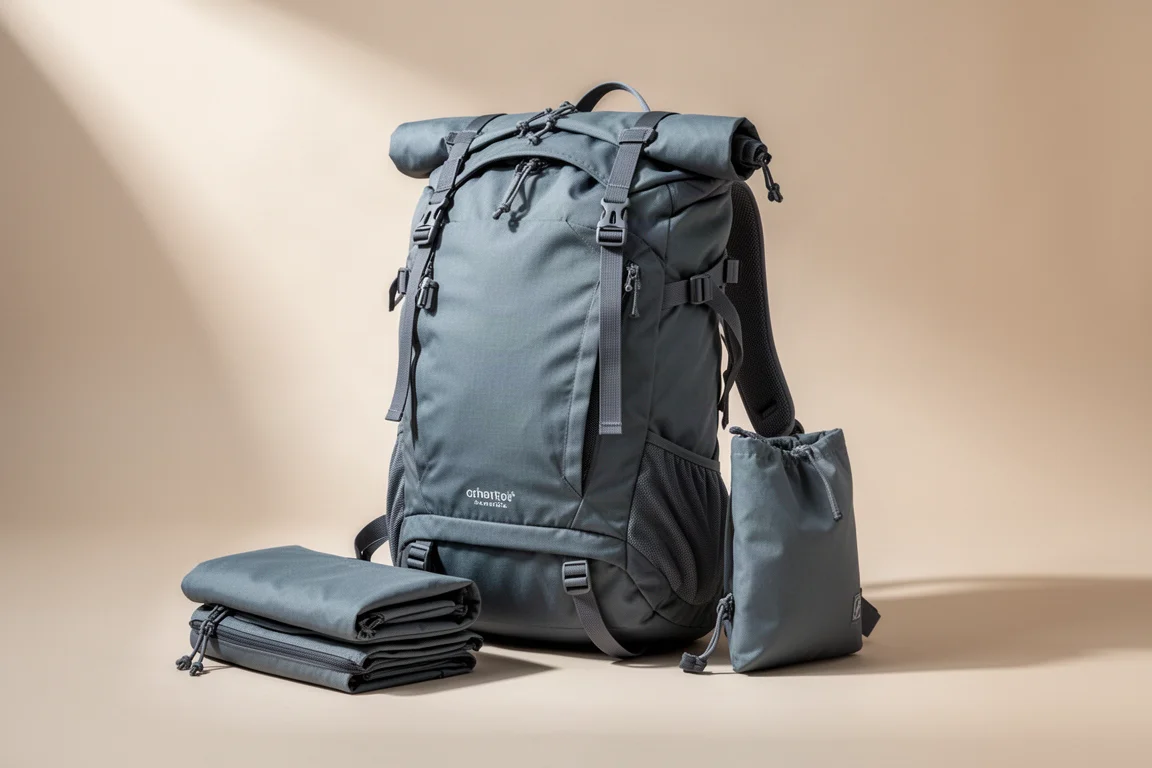
The Decathlon MT100 costs under $100 and does not feel like a compromise. The adjustable torso mechanism is genuinely well executed, so the pack fits properly, and that fit is what allows it to carry weight effectively alongside the substantial shoulder straps and hip belt. The side water bottle pockets are the standout detail: an angled slot takes a Nalgene or a one-liter bottle without a fight, with a smaller pocket sitting above it. It is a design more manufacturers should copy.
It comes in several sizes, with 50 L, 70 L and 90 L options, and the 50 L version will cover up to a week-long trip for most people without an unusually bulky kit. Two things to note. There are no pockets on the left side of the pack, only straps useful for lashing a tent or a chair, so you lose the mirrored storage that would make it even better. It is also the heaviest pack here at 1.6 kg, which is heavy in isolation but reasonable next to mainstream packs that often exceed 2 kg. The REI Flash 55 is a strong alternative when it is on sale, at roughly $120 to $140.
Buying Advice: Matching a Pack to Your Trip
Start with fit, because the best-specified pack in the world is the wrong pack if it does not sit properly on your body. Torso length, hip belt shape and shoulder strap geometry vary between brands and models, and the packs recommended above are the ones most likely to suit a broad range of hikers. After fit, match the pack to the trip: a lightweight or ultralight pack for long-distance hiking, a super ultralight frameless design for fast, minimal trips, a fastpacking pack if running is part of the plan, and an all-around or affordable pack if you want one bag that handles nearly everything.
Heavy load hauling is the one category that did not produce a winner, and the requirements there are specific: 70 to 100 liters, under 2 kg, and comfortable carrying above 60 lbs. That kind of pack suits winter camping, pack rafting and family trips where one person carries a large share of the group’s gear. Two models that meet those specifications and have drawn positive attention are the Superior Wilderness Designs Wolverine and the Seek Outside Divide. If that is your use case, they are worth researching before you buy.
Finally, remember that packs are highly individual. Plenty of capable packs did not win a category here, including well-known options from Osprey and Hyperlite Mountain Gear, and that does not make them wrong for you. Pick the pack that fits your body, matches your backpacking style, and has the features you will actually use.
Conclusion
The right backpacking pack is the one that disappears on your back and lets you think about the trail instead of your gear. If you want a light pack that still carries a real load, the Durston Kakwa 55 is a confident starting point. If you are chasing lower base weights, the Zpacks Arc Air does it with an adjustable torso and a breathable back panel, while the Durston Wapta 30 goes further still for hikers who have their kit dialed in. For a single pack that handles almost every trip, the REI Flash 55 is the safest recommendation, the Outdoor Vitals Skyline is the pick for fast, runnable miles, and the Decathlon MT100 proves that a genuinely capable pack does not have to cost much at all.
Further reading
Related Reviews
Backpacking Packs
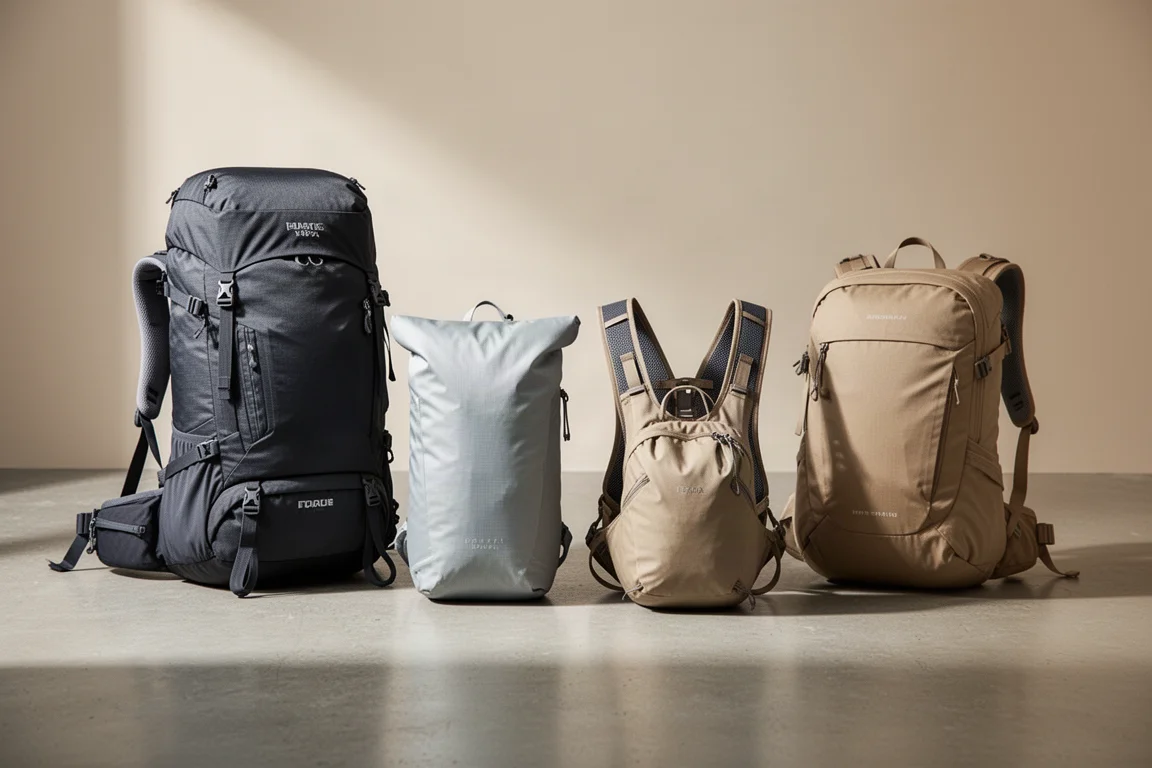
Backpacking Pack Types Compared: Traditional, Ultralight, Frameless, and Hybrid
Four pack categories, four representative packs, and a practical way to decide which kind of backpacking pack matches the weight of your gear.
Backpacking Packs
Best Backpacking Packs 2026: Six Picks for Every Style of Trip
Six backpacking packs that earned their place by weight class and purpose, with the real strengths and trade-offs to weigh before you buy.
Backpacking Packs
Big Agnes Prospector 50 Review: A Hybrid Pack That Sits Between Two Worlds
A 50-liter backpacking pack that mixes ultralight features with traditional padding and panel access. Here is who it suits and where it falls short.