Outdoor Apparel
Best Backpacking Jackets: Five Down and Synthetic Options Compared
A practical comparison of five hooded backpacking jackets, covering real warmth ranges, wet-weather behaviour, and which trips each one suits.
Introduction
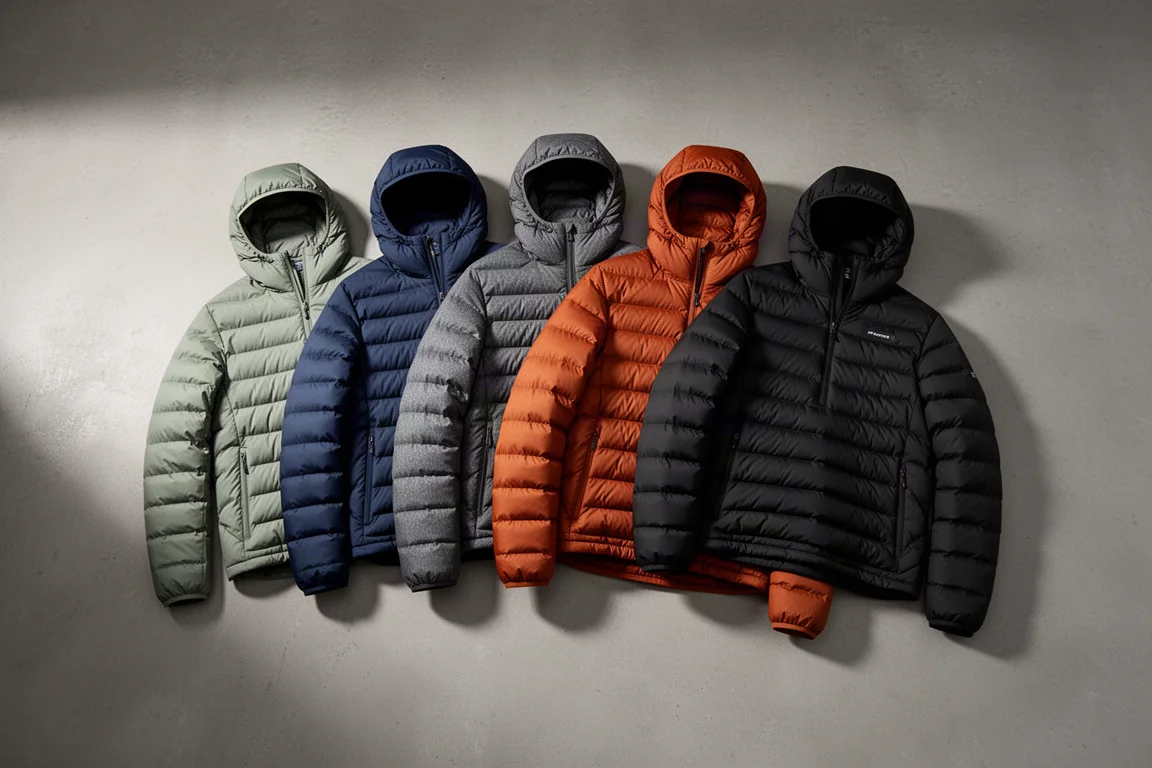
A hooded insulating layer is the piece of backpacking gear that works hardest for the least weight. It keeps you warm at a cold camp, adds a safety margin on a chilly pass, and packs down small enough to disappear into a pack until the moment you need it. The five jackets compared here cover that entire spectrum, from featherweight down layers to a jacket built for winter camping, and they include both synthetic and down fills.
This is a practical comparison rather than a specification sheet. The warmth figures below are rough, standing-still estimates rather than lab measurements, and the aim is simply to help you match a jacket to the trips you actually take.
What These Five Jackets Have in Common
All five are full-zip hooded jackets with hand pockets, adjustable hood drawstrings, and cuffs that cinch down. Those details matter more than they sound. Cuffs and hood openings are where a jacket loses most of its heat, and a hood that tightens properly is the difference between a layer you wear and one you merely tolerate. One hood in this group felt unusually snug, almost like wearing a seatbelt, while another had noticeably more room to work with.
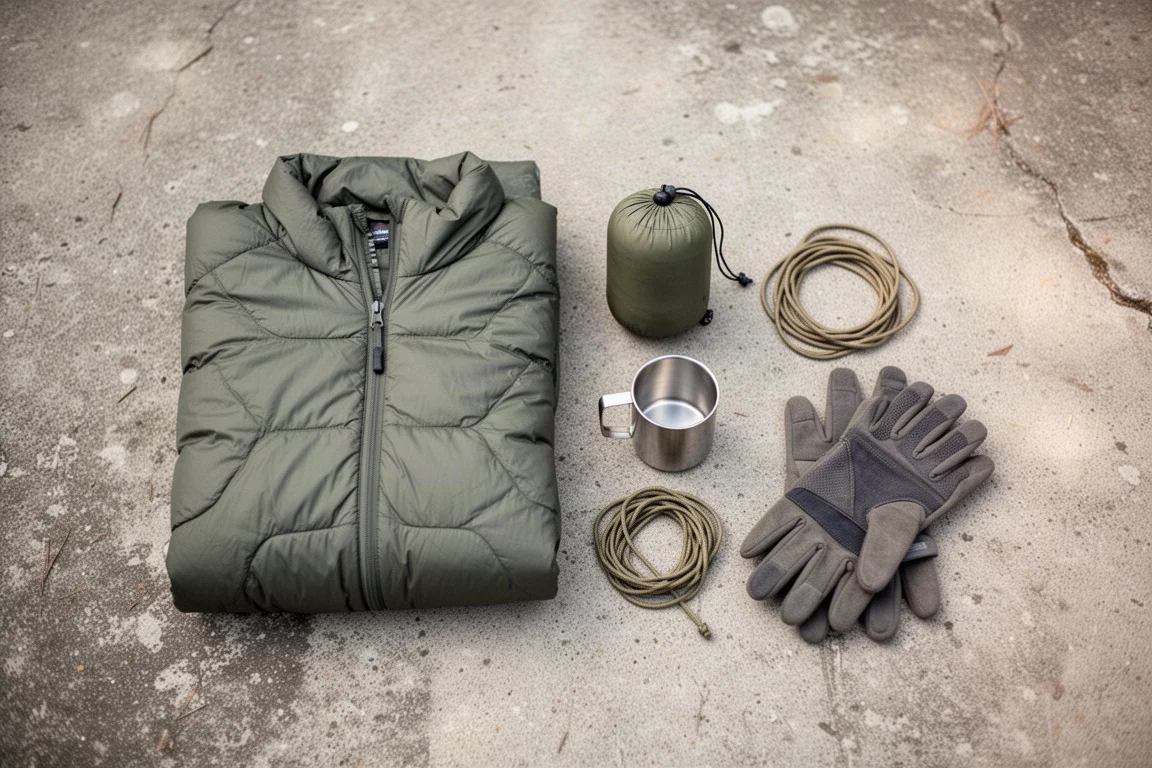
The group splits into two families. The synthetic fills, the Patagonia Micro Puff and the Arc’teryx Atom LT, hold their insulating loft when wet, though a soaked synthetic jacket ends up feeling like a warm wet rag rather than something comfortable. The down fills, the Mountain Hardwear Ghost Whisperer 2, the Arc’teryx Cerium SL, and the Rab Neutrino, deliver more warmth for their weight but depend on staying dry. Choosing between those two families is the single biggest decision in this comparison.
Patagonia Micro Puff: Warmth That Feels Thinner Than It Is
The Micro Puff is the most deceptive jacket here. It feels razor thin in the hand and it simply does not loft up the way a down jacket does, which makes it look like it will not keep you warm at all. In practice it does. Standing still and not moving around, it is a reasonable choice down to roughly 40 degrees Fahrenheit, perhaps the upper 30s, which is far more than the fabric weight suggests.
Because it is synthetic, it keeps its insulating loft when wet, which is the main argument for choosing it over a down layer in damp or unpredictable conditions. The trade-off is comfort: damp synthetic fill does not feel pleasant against the body, even when it is still doing its job. This is a solid option for three-season backpacking in climates where rain is a real possibility.
Arc’teryx Atom LT: The More Substantial Synthetic
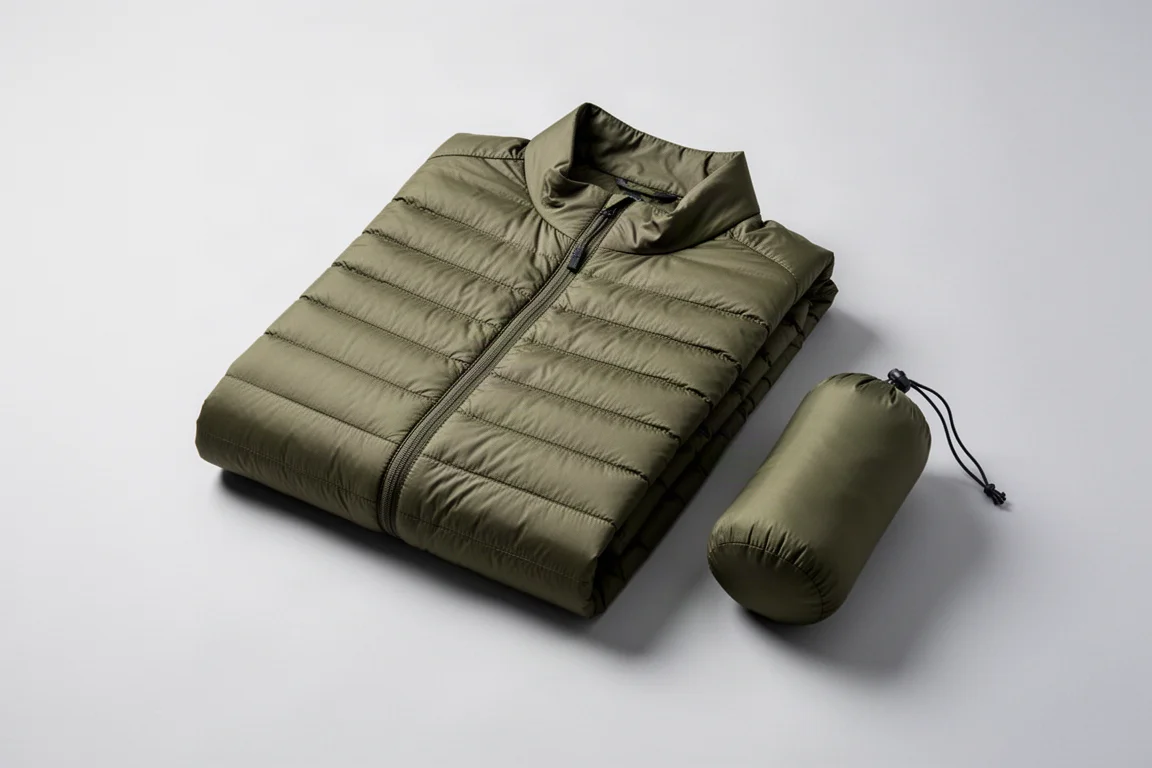
The Atom LT feels completely different from the Micro Puff the moment you put it on. It is a heavier, more substantial jacket, and that extra body translates into usable warmth: roughly down to 30 degrees Fahrenheit, and probably to freezing or slightly below before you would start to feel genuinely cold. Below that point you would want to layer underneath it.
Its hood has noticeably more room than the Micro Puff’s, and a drawstring at the back lets you tighten it down. Combined with cinching cuffs and hem, that makes it an easy jacket to seal up on a cold morning. For anyone who wants a synthetic layer with a bit more structure and warmth than the lightest options provide, this is the middle ground of the group.

That extra substance does come at a cost. It is a heavier jacket than the featherweight options here, so it takes up more space in a pack and adds more weight to your shoulders. It is best treated as a three-season jacket with a cold-weather edge rather than a true winter piece, and it rewards pairing with a proper base layer and mid layer when temperatures drop below freezing.
Mountain Hardwear Ghost Whisperer 2: The Lightest of the Group
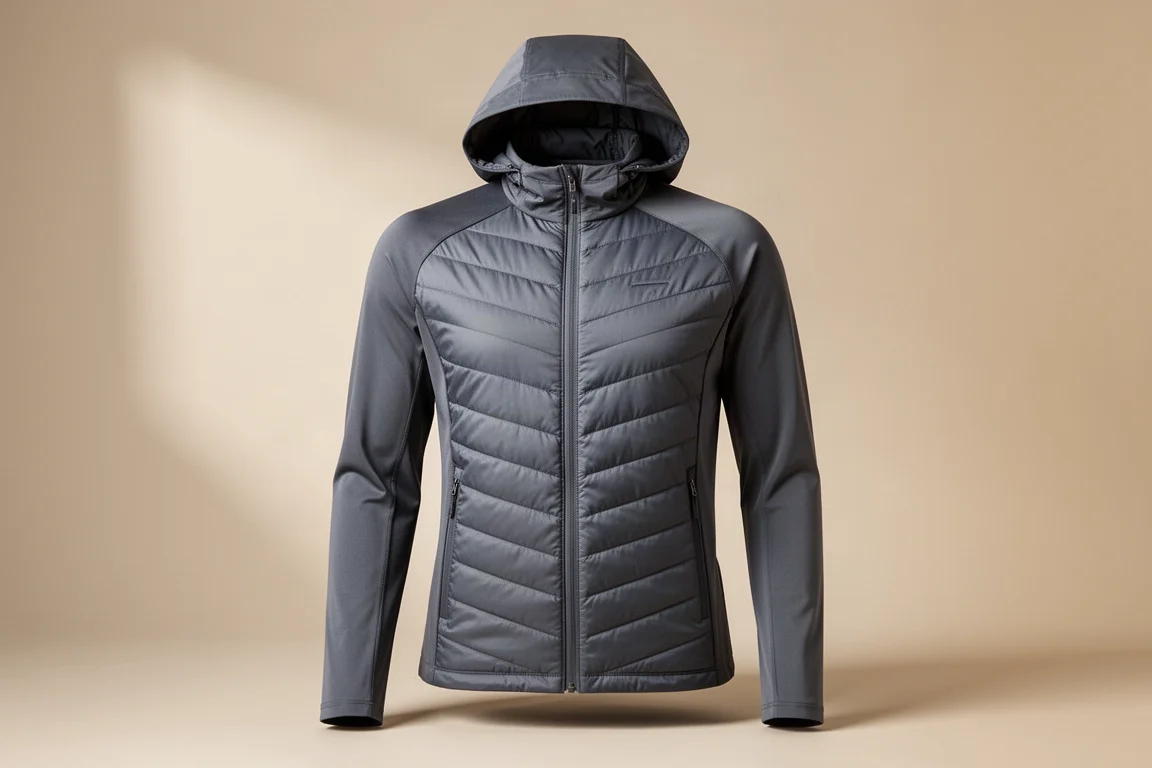
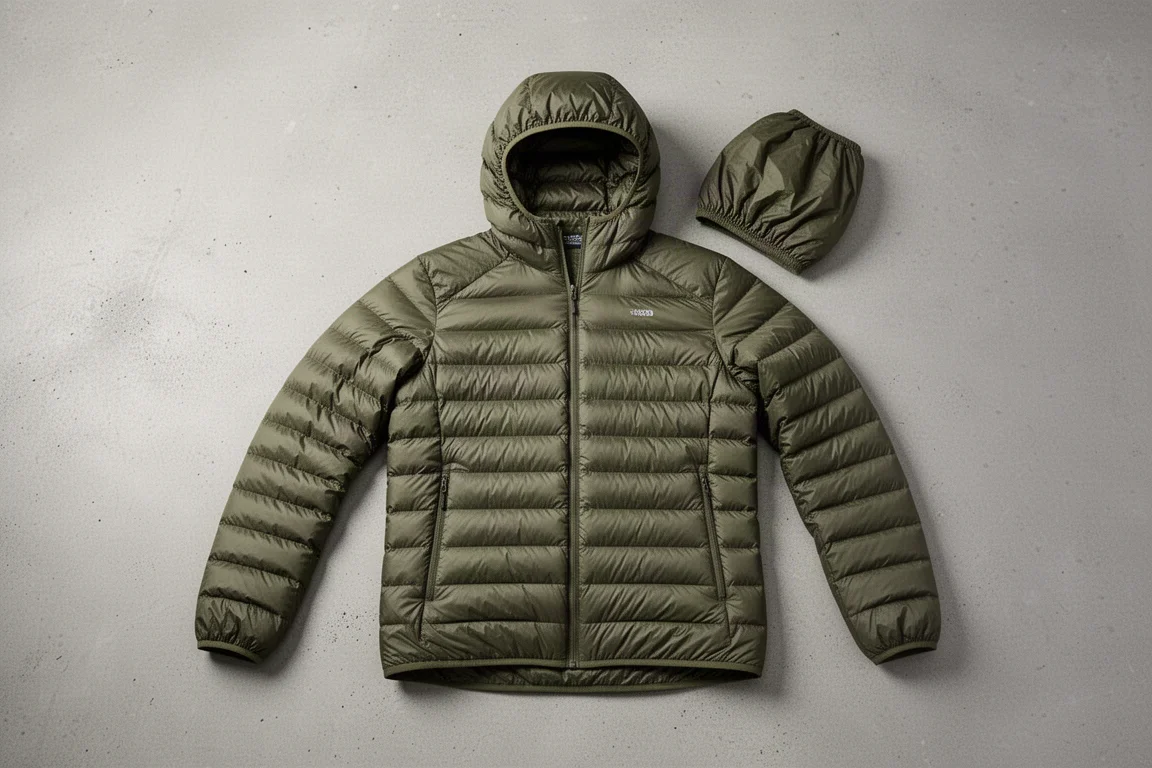
For warmth relative to weight, the Ghost Whisperer 2 is the standout. It is a down jacket that comes in under 9 ounces, it packs down extremely small, and it still delivers a level of warmth that is difficult to match at that weight. In hand it feels lighter than the synthetic options here, yet it is the warmer jacket.
The pockets are excellent, and the overall finish feels a step above the thinner shells in this comparison. For backpackers who count every ounce and every litre of pack space, this is the jacket that makes the strongest case, provided you can keep it dry. As a down jacket, it depends on moisture management, so a waterproof shell or a dry bag is worth planning for.
Arc’teryx Cerium SL: Stepping Into Colder Conditions
The Cerium SL weighs about the same as the Atom LT but is built for colder use. With the right layering underneath, it can handle temperatures down into the single digits, which pushes it well beyond three-season territory and into genuine four-season use. For winter trips and cold-weather backpacking, it offers a serious amount of warmth without the bulk of a dedicated winter parka.
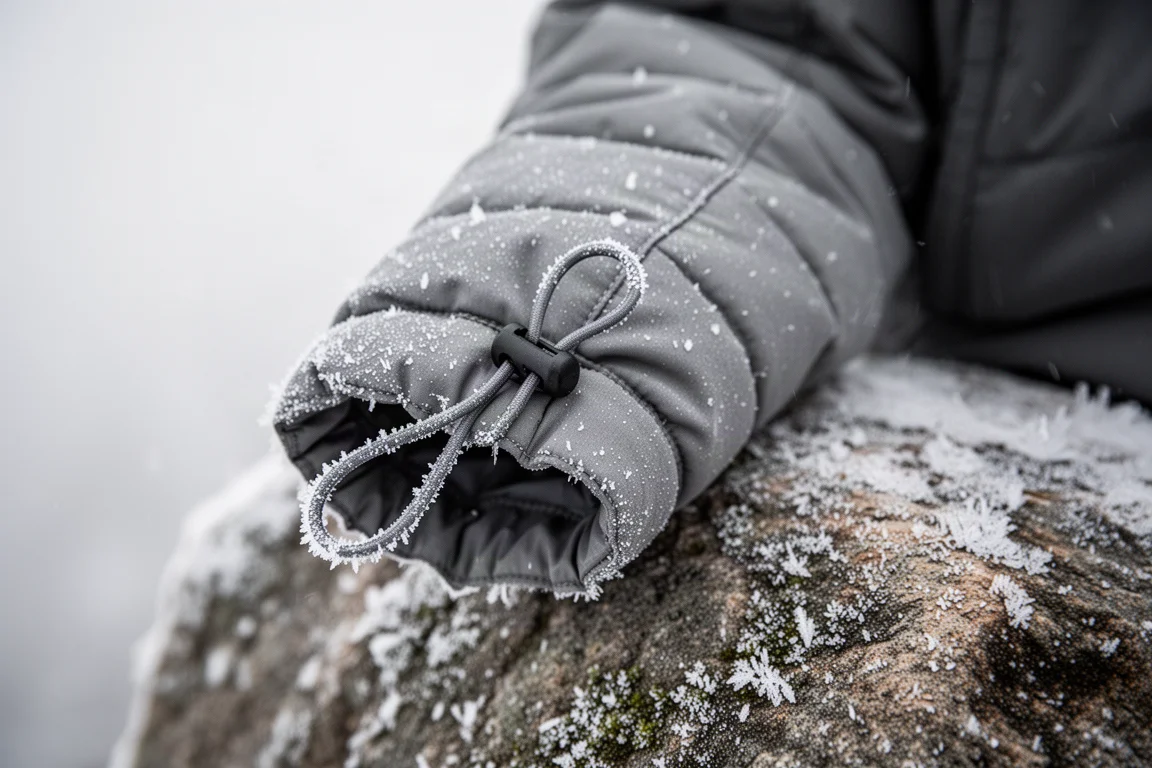
The usual down caveats apply. The Cerium SL relies on its fill staying dry, so it works best as part of a layered system where the outer shell handles precipitation and the down layer handles warmth. Used that way, it is one of the most versatile jackets in this group, comfortable on a cold trail and warm enough when you stop moving.
Rab Neutrino: The Coldest-Weather Pick
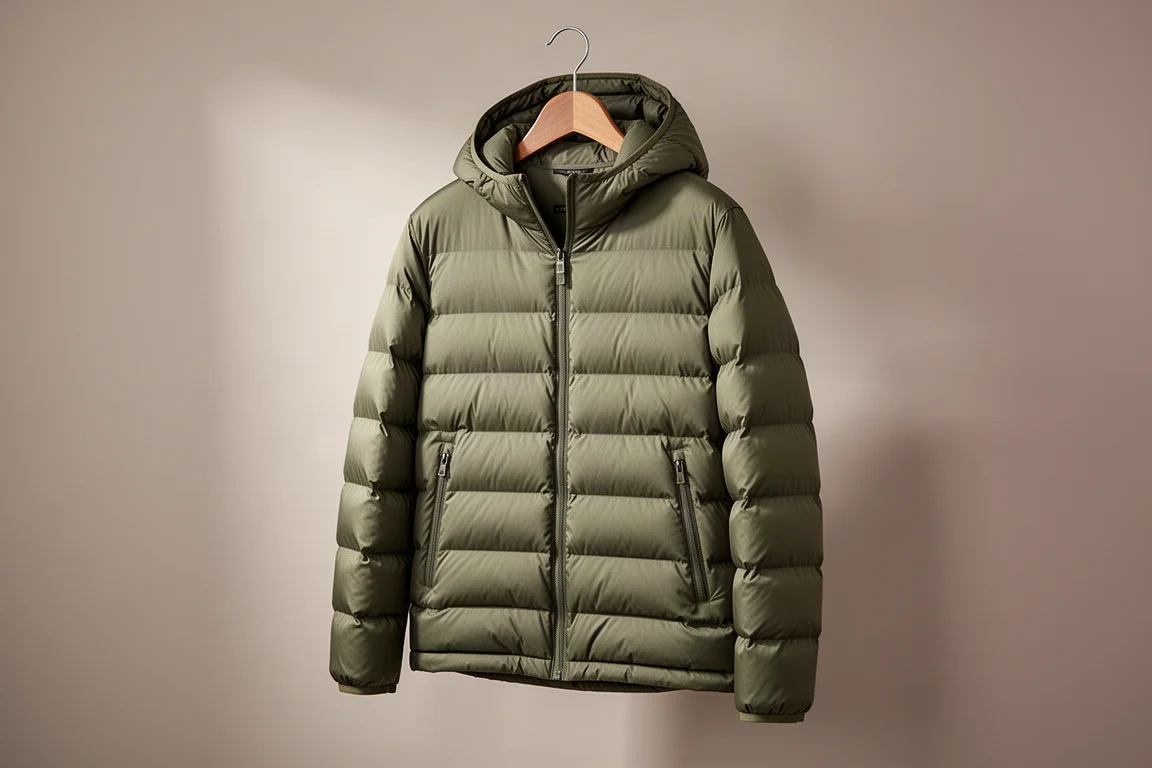
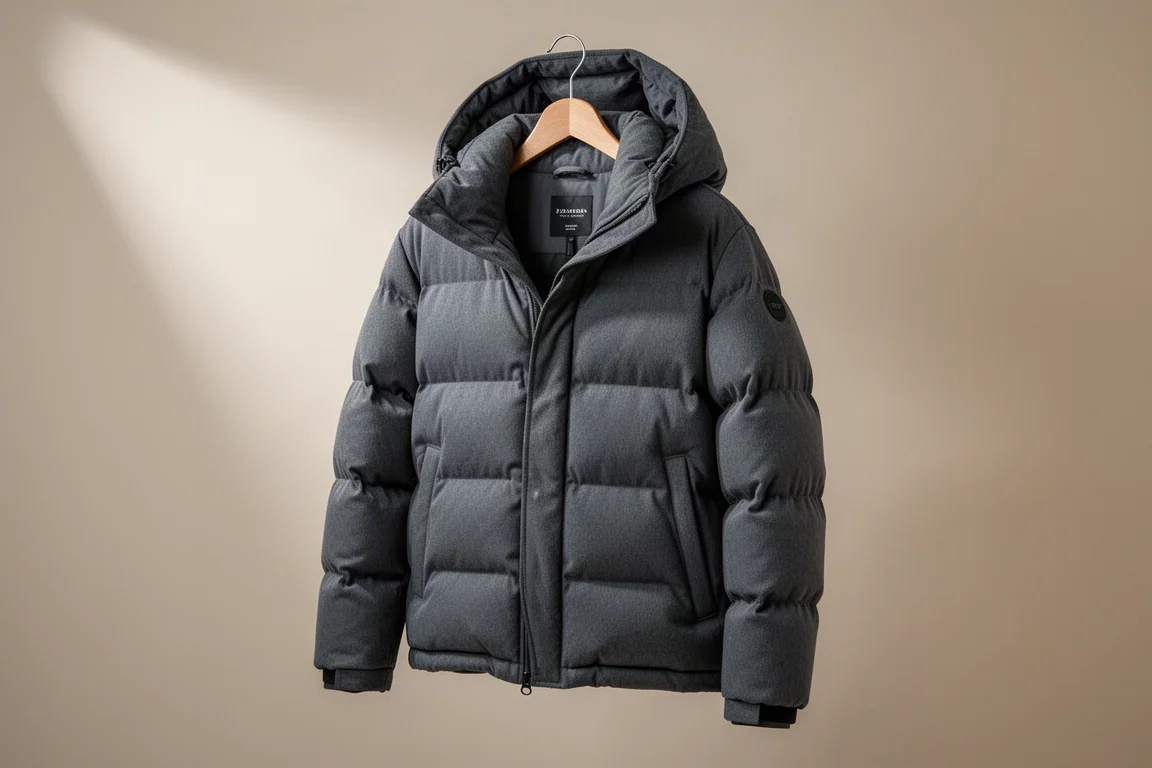
The Rab Neutrino is the most feature-packed jacket here and the one to reach for when conditions get serious. It uses 800 fill down, so it retains a lot of loft while staying relatively light for what it is, and it uses more material overall than the lighter jackets in this comparison. That extra fabric makes it easier to layer with, and it feels more substantial and more luxurious on the body than the thinner shells.
Its hood is the largest of the group and roomy enough to fit a helmet underneath, which suits climbers and anyone who needs to wear it over head protection. If the plan involves winter camping, a base camp, or genuinely cold backpacking, this is the jacket that makes the most sense of the five.
Buying Advice: Matching a Jacket to Your Trip
The right choice here depends far more on where you sleep and what the weather does than on any single specification. A jacket that is perfect for a damp coastal trail is a poor match for a winter base camp, and the reverse is equally true.
For three-season backpacking where weight is the priority, the Ghost Whisperer 2 is the strongest balance of warmth, weight, and packed size. If you want synthetic insulation for wet weather but still want to travel light, the Micro Puff is the better fit, since it keeps its loft when damp. If you prefer a synthetic jacket with more substance and a roomier hood, the Atom LT sits neatly in the middle.
For colder trips, the Cerium SL takes over, delivering warmth down into the single digits when paired with proper layering. And for winter camping or base camp use, the Rab Neutrino is the clear answer, with its 800 fill down and helmet-compatible hood. Whichever you choose, pay attention to the details that keep heat in: cinched cuffs, a tightened hood drawcord, and a base layer that manages moisture.
Conclusion
All five of these jackets earn their place, but they earn it on different trips. The Micro Puff and Atom LT cover wet-weather resilience in synthetic form, with the Atom LT offering more warmth and a roomier hood. The Ghost Whisperer 2 wins on warmth-to-weight and packability. The Cerium SL extends the range into genuine cold, and the Rab Neutrino is the one to take when the forecast is properly serious. Match the jacket to the conditions you actually expect, and any of these will serve you well for years.
Further reading
Related Reviews
Outdoor Apparel
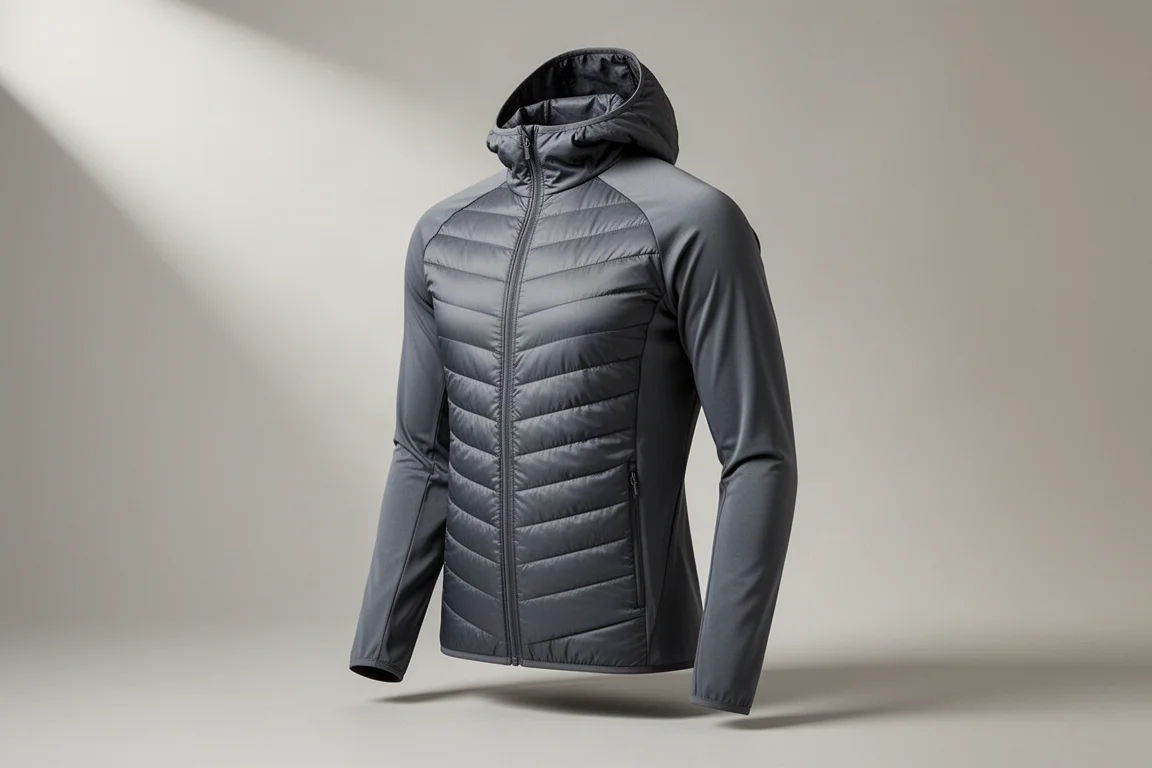
Arc'teryx Atom LT Review: A Lightweight Synthetic Mid-Layer Built for Movement
A close look at the Arc'teryx Atom LT, a breathable synthetic mid-layer with Coreloft insulation, fleece side panels, and a helmet-compatible hood.
Outdoor Apparel
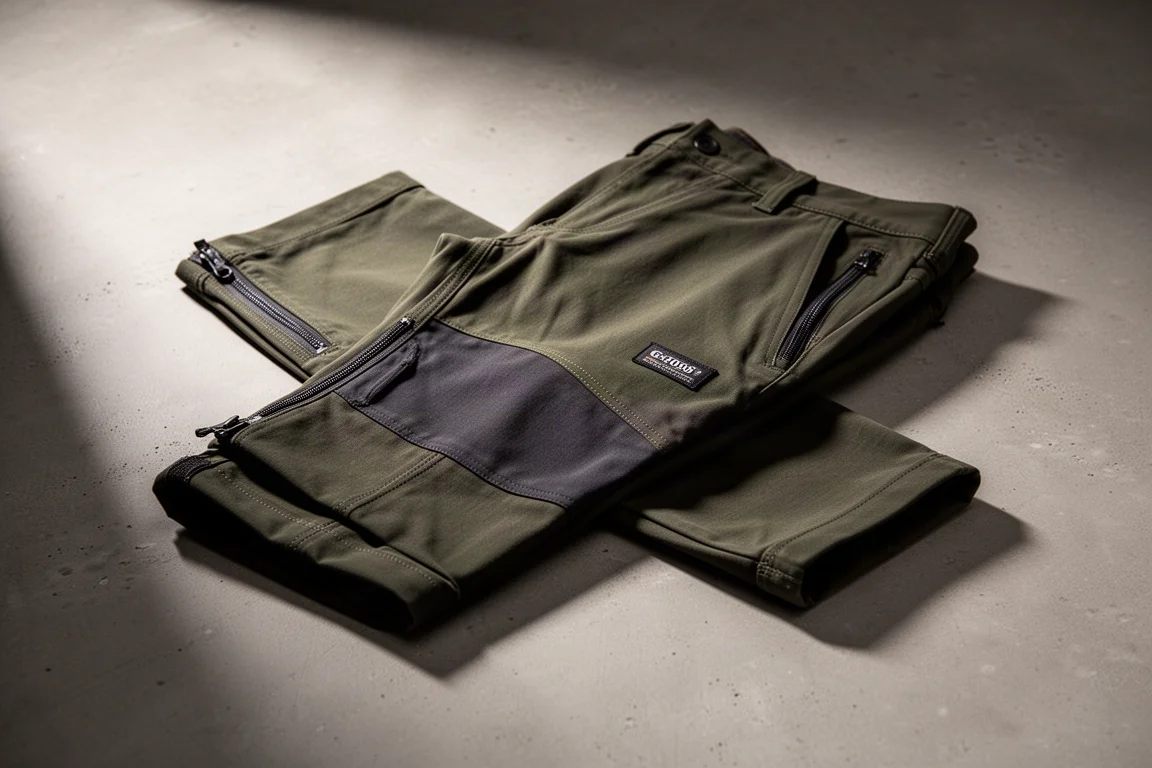
Fjällräven Vidda Pro Ventilated Trousers Review: Tough Trekking Pants With Two Long Vents
A detailed look at the Fjällräven Vidda Pro Ventilated trousers, covering the G-1000 fabric, side ventilation zips, pocket layout, sizing, and the trade-offs to weigh before buying.
Outdoor Apparel
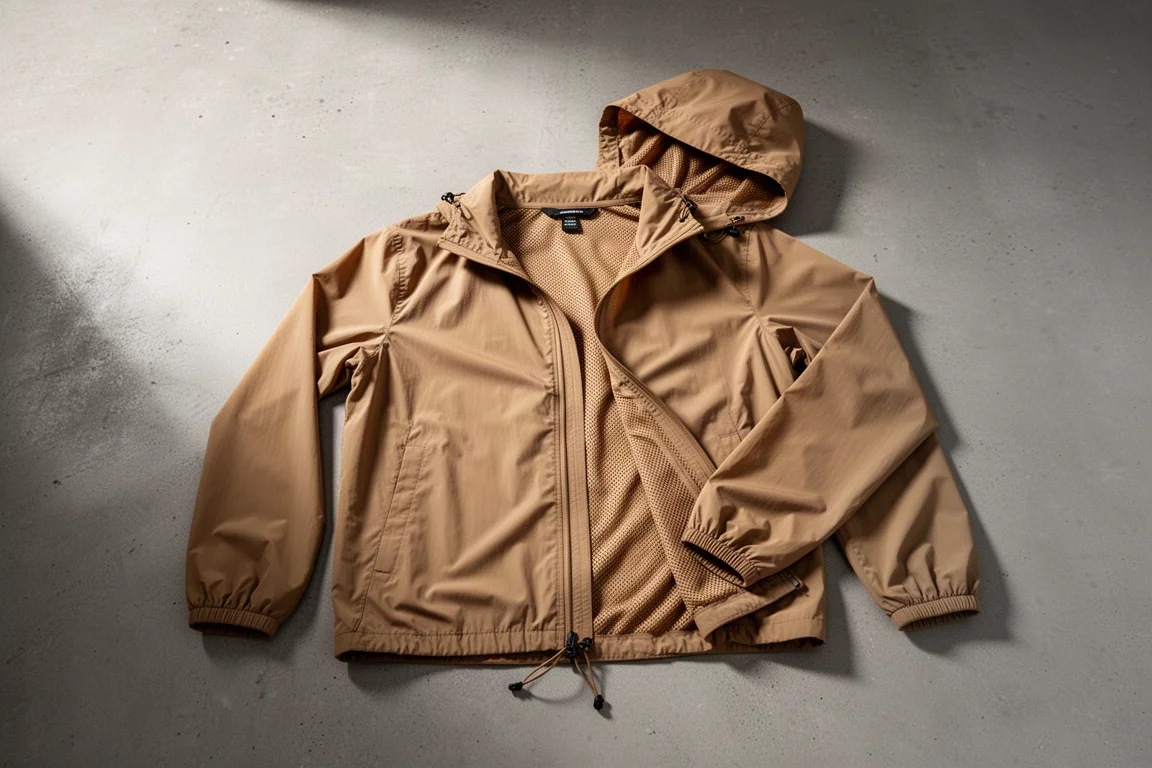
Helicon Tex Windrunner Review: An 8-Ounce Nylon Wind Shirt at $70
A close look at the Helicon Tex Windrunner, an ultra-light nylon anorak with strong ventilation, a $70 retail price, and a sizing chart that runs large.