Reef Tank Equipment
Best Auto Top Off Systems: Five Reliable ATO Options for Reef Tanks
Five auto top off options compared, from the most trusted layered controller to compact nano picks, a refill-friendly reservoir, and an entry level unit with mechanical backup built in.
Introduction
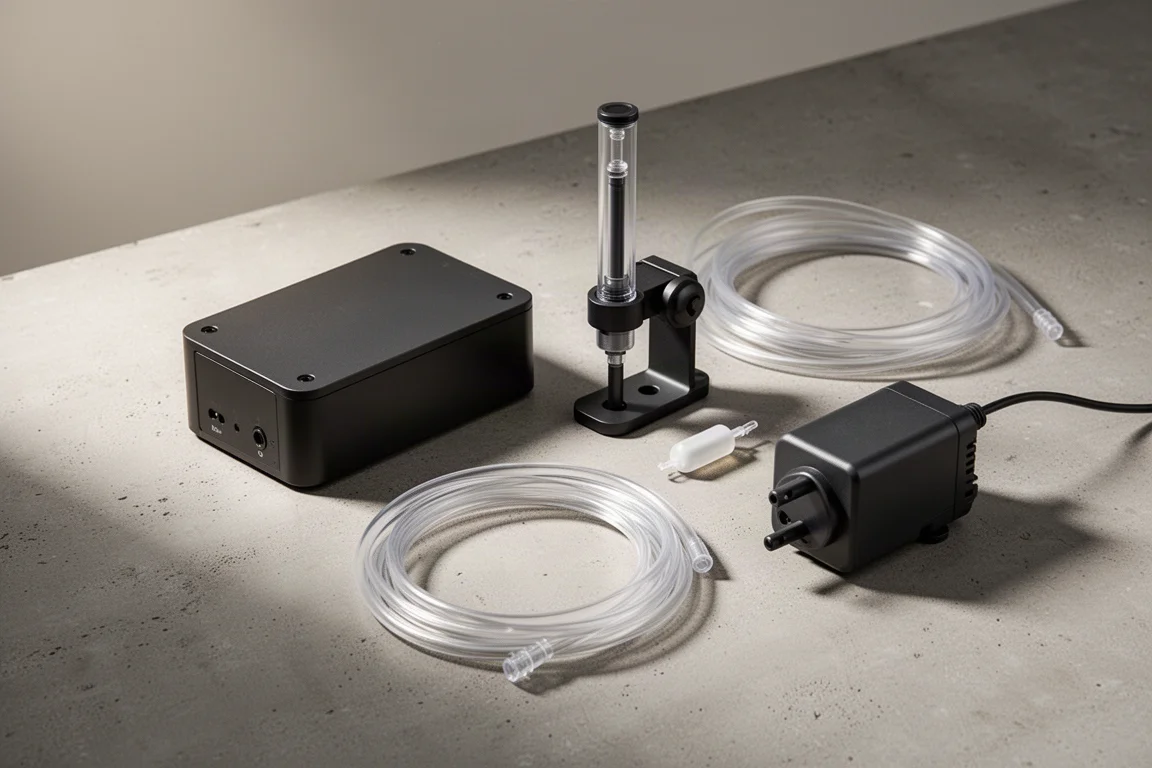
An auto top off is the piece of reef equipment you stop thinking about once it works properly, and the piece that can cause the most damage when it fails. Its job is simple: replace water lost to evaporation so salinity stays stable and the return pump never runs dry. The complication is that a top off which sticks on will keep adding fresh water to a tank that has no room for it.
The five options below approach that problem from different directions. One leans on layered redundancy, one is the close runner-up that keeps turning up in builds, one is built for very small tanks, one fixes the awkward job of refilling a reservoir in a cramped cabinet, and one puts a mechanical backup inside the package itself.
What Actually Matters in an Auto Top Off
Three things separate a top off you can trust from one you have to watch.
The first is redundancy across dissimilar technologies. A single optical sensor is excellent until it gets coated or dirty. Pairing it with a float switch, which relies on a moving part rather than a circuit board, means the two components are unlikely to fail in the same way at the same time. Adding a fill timer on top of that caps how long the unit can run even if both sensors report a false low level.
The second is how the sensor attaches to the sump. Weak magnets are one of the most common failure points on inexpensive units: a nudge on the cable can knock the bracket loose and leave the pump running. A strong magnet keeps everything exactly where you set it.
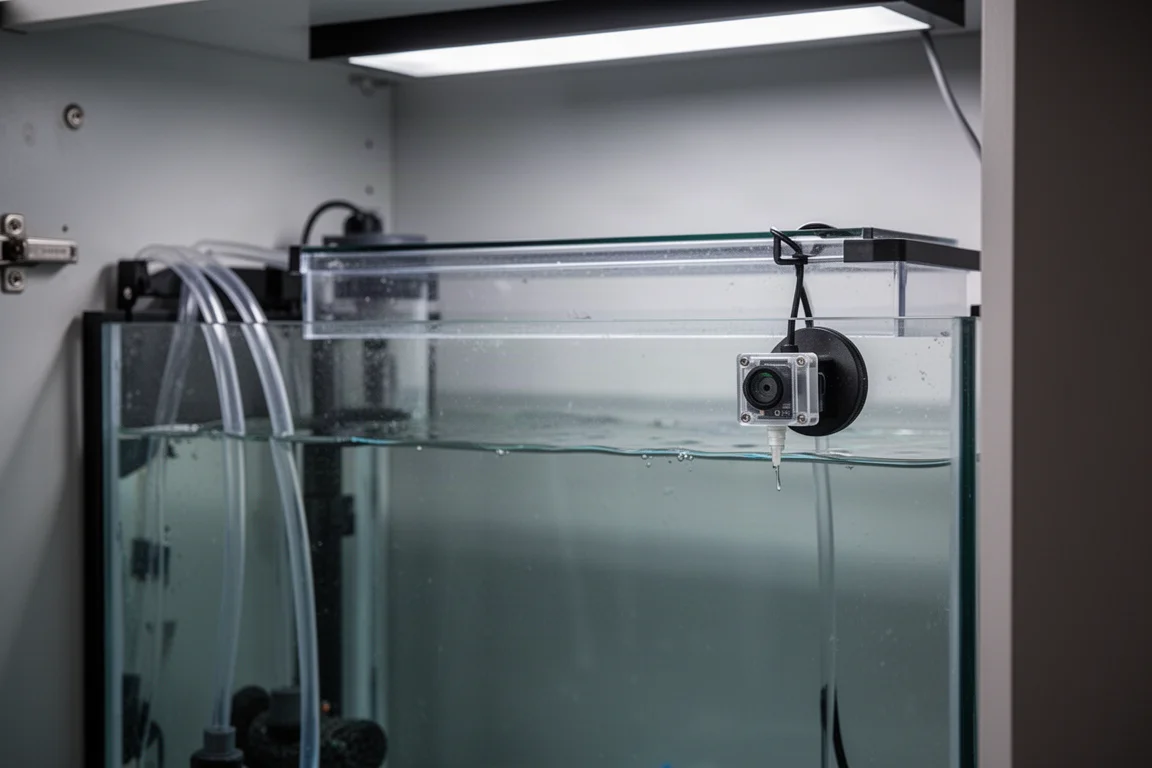
The third is flexibility. Flow rate control matters, because a top off sized for a nano tank should not deliver the same volume as one feeding a system of several hundred gallons. And if you want to stop carrying buckets altogether, a controller that supports a solenoid valve lets you feed the unit from an RO line instead of a reservoir.
Best Overall: Tunze 3155 Osmolator
The Tunze 3155 Osmolator came out on top, with only a close runner-up anywhere near it, and it is not hard to see why. It layers four separate protections: an optical sensor doing the everyday work, a high level alarm in the form of a float switch, a timer that shuts the pump off if it runs longer than expected, and an adjustable flow rate that you can set by removing the pump cover and tuning it to suit the system.
Because those four checks use different mechanisms, they do not share the same blind spot. The optical sensor can be fooled by a dirty surface, the float switch can be held up by debris, and the timer can simply run out, but all three failing at once is a far smaller risk than any one of them failing alone.
The magnet that holds the sensors on the sump wall is a large part of the appeal, since magnet strength is exactly where inexpensive units cut corners. A bumped cable will not drop this bracket into the water. For many reef keepers that single detail is the difference between trusting the unit and watching it.
The controller is also unusually flexible for a top off. It ships with a pump, and a switch socket attachment lets you plug in a different pump if you need to push water a long distance or feed a very large tank. For a fully hands off setup, a solenoid valve can replace the pump and let the controller start and stop flow directly from an RO line, with the high level alarm sounding a loud, high pitched warning if the water level rises too far. That same solenoid can be paired with leak sensors on a separate controller if you want one more layer of shut off.
Close Runner-Up: Reef Breeders Prism
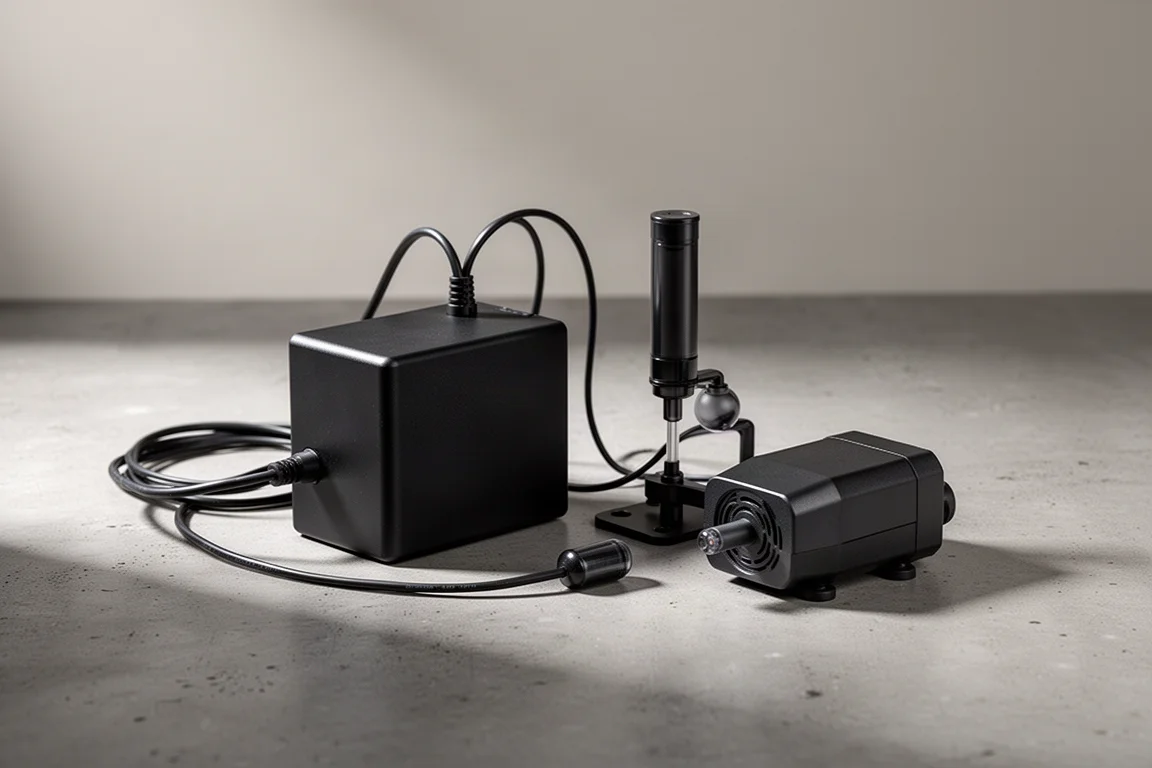
Finishing close behind is the Reef Breeders Prism, the only other unit that drew comparable support. It is worth noting that the top pick in this group also happens to be the most expensive option, which says something about how reef keepers weigh this purchase: price alone rarely explains why a piece of equipment earns that kind of loyalty.
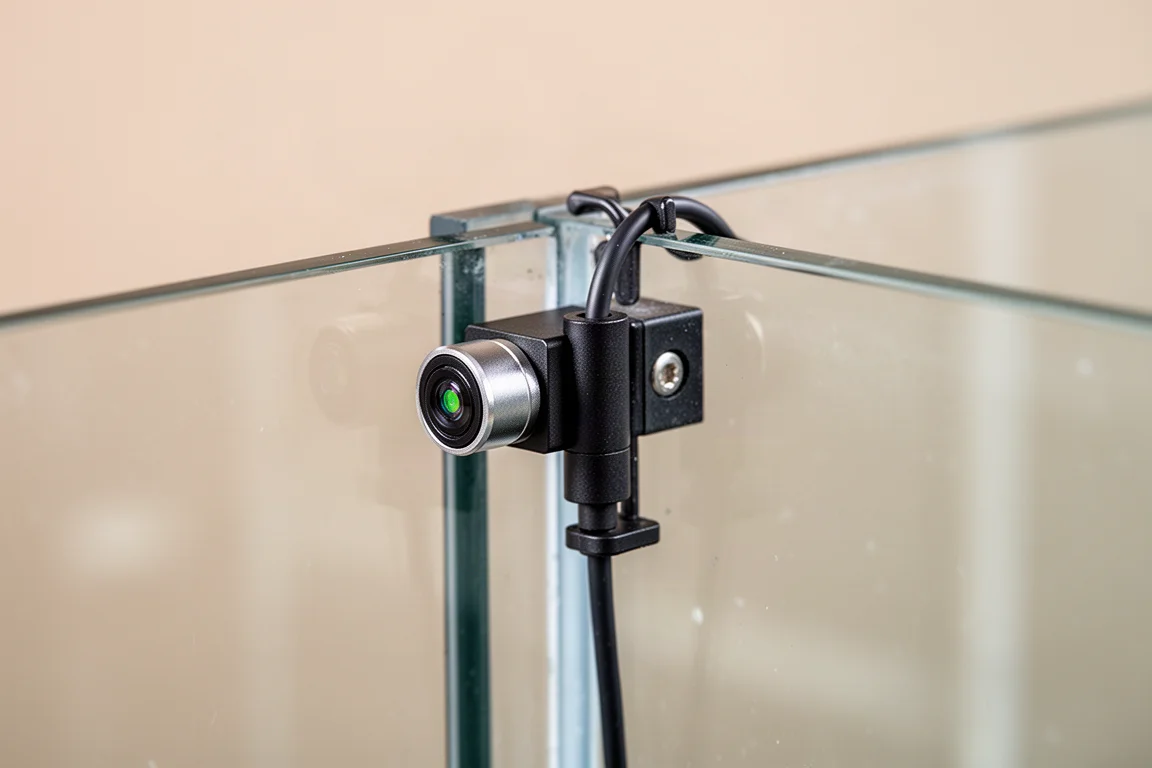
What the Prism earns instead is consistency. It is the option to look at when the budget stretches far enough and the priority is a top off that behaves the same way month after month, with no surprises to chase down. On a system where a stuck top off can shift salinity quickly, that predictability is the entire point of buying up.
Best for Nano Tanks: XP Aqua Duetto
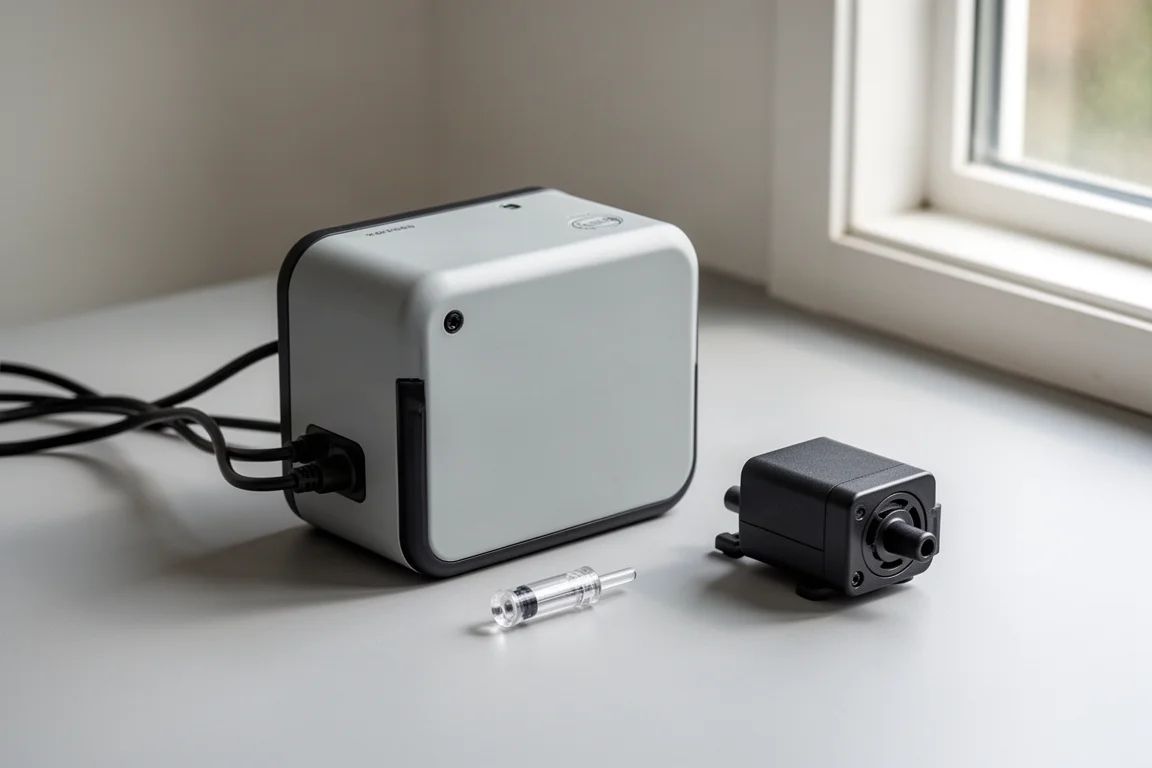
When space is the constraint, the XP Aqua Duetto is the pick, and the two sensor version is the one to get. Its sensors are genuinely tiny, so they fit into the rear chamber of an all in one tank or into a small sump where a full size bracket simply will not go, and the unit runs comfortably on a very small water volume.
Small systems usually come with fewer built in safeguards, so it is worth adding a float switch in the same compartment if there is room for one. That single mechanical part removes most of the risk on a tank where the top off volume is small enough that a runaway fill can still swing salinity quickly.

Best Reservoir: Innovative Marine Reservoir
Storage is the other half of the top off problem, and it is the part that usually goes wrong in practice. A reservoir tucked under a stand often sits in a cabinet with almost no headroom, which makes lifting a lid and pouring from a bucket awkward at best and a genuine chore at worst.
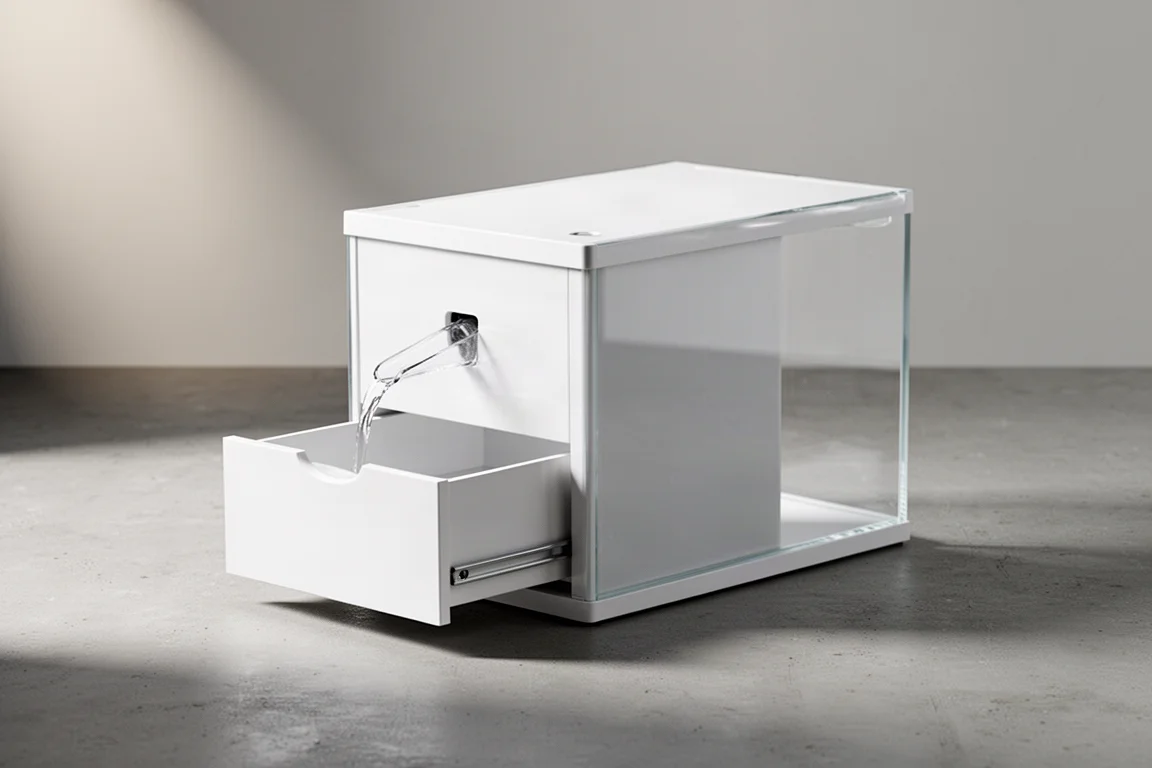
The Innovative Marine Reservoir solves that with a drawer that slides out from the front and acts as a moving spout. If the unit sits at the front of the cabinet, you open the door, pull the drawer forward, and pour straight in without wrestling a bucket into a tight opening.
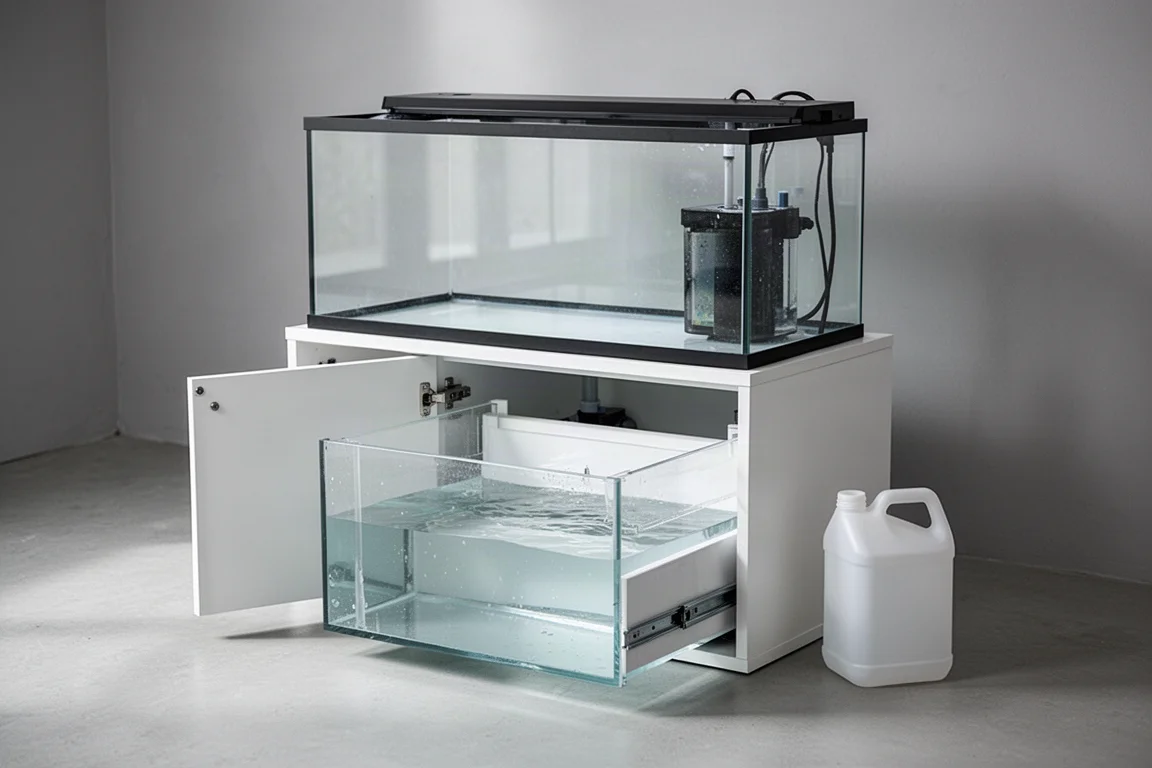
That sounds like a small detail until you have spent a year moving water through a funnel and a length of tubing. Easier refilling also makes it far more likely that the reservoir actually gets topped up on schedule, and a reservoir that stays full is what keeps the rest of the system stable.
Best Budget Entry Point: Neptune ATK
The cheapest reliable approach to auto top off is not a specific unit. It is any affordable controller paired with a float valve, a purely mechanical part that closes off flow above the normal water line. Drill a hole in the sump, mount the valve just above the operating level, and even a very inexpensive top off becomes difficult to overfill catastrophically, because the odds of both the controller and a mechanical valve failing at the same moment are small. Chasing a particular sale price matters far less than adding that one part.
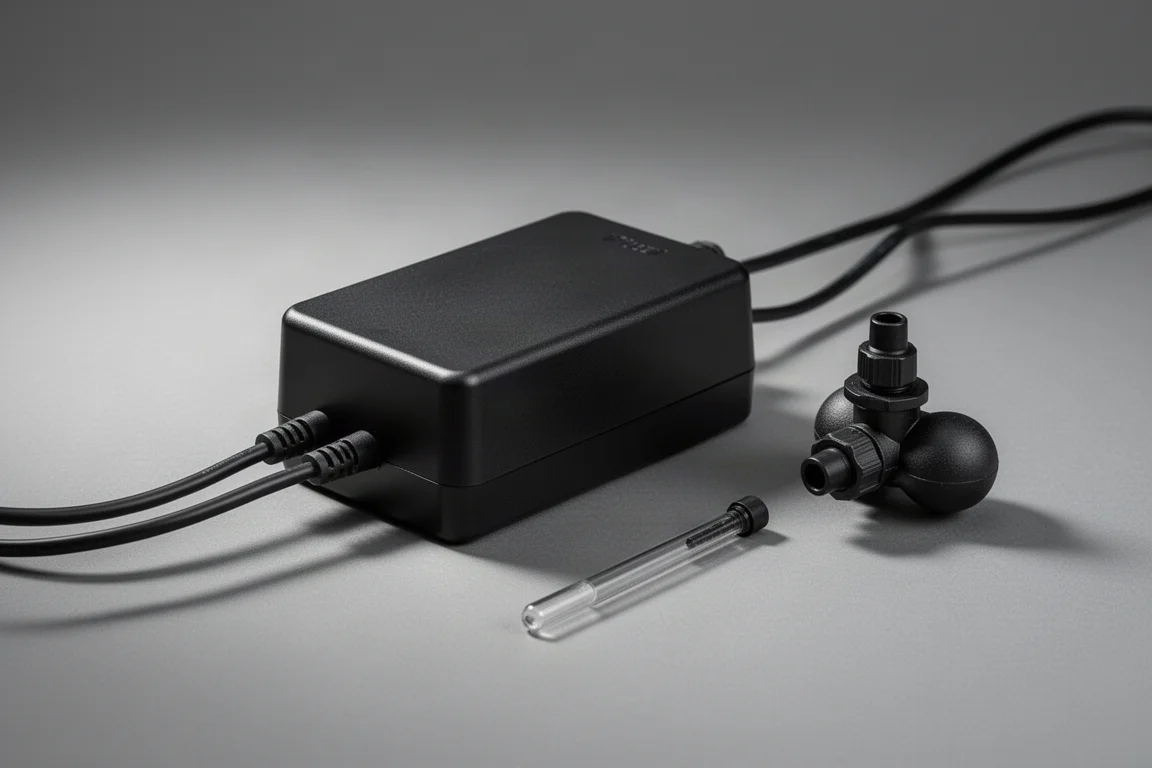
The Neptune ATK is the option that already builds that idea in. It brings a mechanical float valve into the package, so you get the same two layer protection without sourcing and fitting the extra part yourself. For a keeper who wants an entry level price without giving up the backup that matters most, that combination is the sensible starting point.
Buying Advice
Match the unit to the tank before you match it to the price. On a nano or all in one system, sensor size decides what will actually fit, and a compact controller with a float switch added in the same chamber is a genuinely strong setup. On a mid sized or large system, the priority shifts to layered redundancy and to whether you want the option of feeding the unit from an RO line.
Whichever route you take, add a float valve or float switch if the system can accommodate one. It is the single cheapest improvement available, and it protects the tank regardless of how much you spent on the controller.
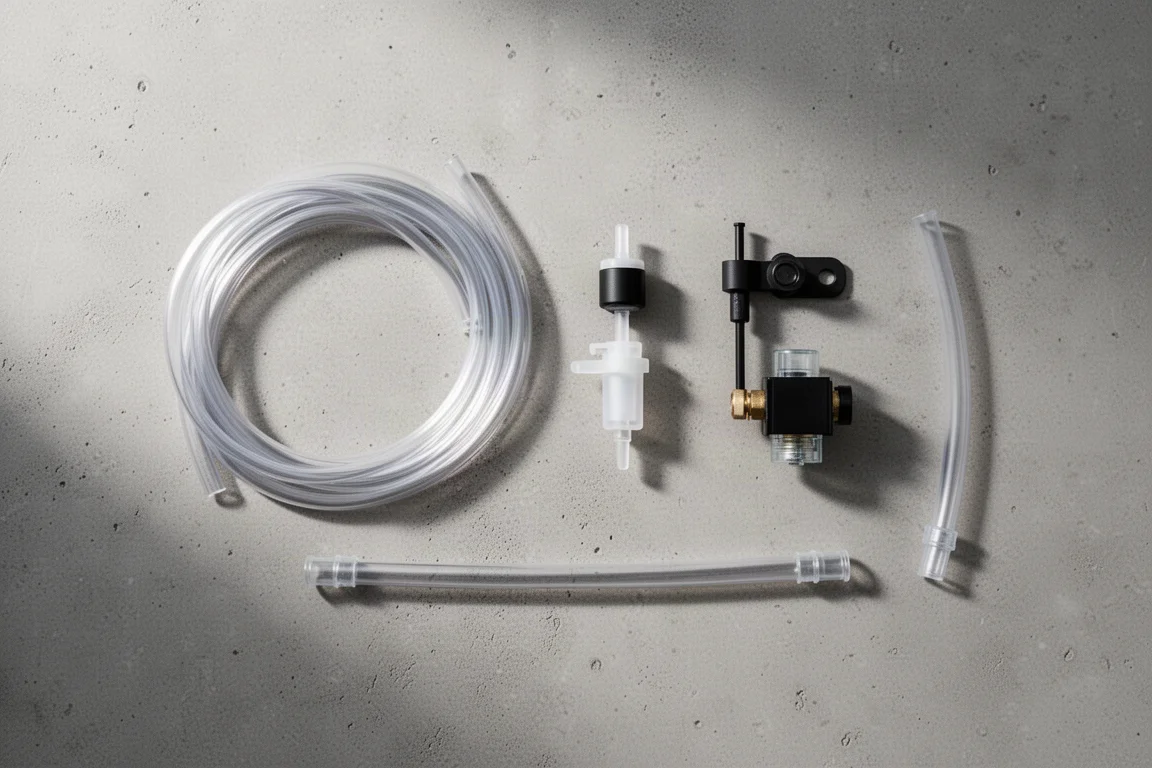
If you never want to carry fresh water again, plumb an RO line to a small reservoir beside the tank and let the top off draw from there, with a solenoid valve on the line if you want the ability to shut the flow off automatically. That keeps the daily task gone for good while retaining a reservoir as a buffer, and it is the setup that removes the most common cause of a dry return pump.
Conclusion
Five options, two clear leaders and three specialist answers. The Tunze 3155 Osmolator takes the top spot because it stacks dissimilar protections, holds its sensors with a magnet that will not let go, and offers the flexibility to run from a reservoir or straight off an RO line. The Reef Breeders Prism is the closest alternative for anyone who wants a proven, consistent controller. The XP Aqua Duetto is the answer when space is tight, the Innovative Marine Reservoir fixes the refill problem in cramped cabinets, and the Neptune ATK brings mechanical backup to an entry level budget.
Whichever one you choose, treat the float valve as the cheapest insurance in the hobby, and the failure mode you are protecting against becomes very unlikely indeed.
Further reading
Related Reviews
Reef Tank Equipment
Return Pump Buyer's Guide: Nine Options for Every Tank Setup
A comprehensive guide to nine return pumps covering budget, quiet operation, reliability, high-flow capability, and premium options for reef tanks.

Backpacking Gear
Building a 10 lb Base Weight: An Ultralight Backpacking Gear List
A practical walkthrough of the ultralight pieces behind a 10 lb base weight, from a 765 g pack and a roomy one-person tent to a full camp chair and a dependable water filter.

Road Bikes
10 New Road Bikes Worth Watching: Aero, Titanium, Steel and Endurance Standouts
A practical roundup of 10 new road bikes, from aero flagships chasing single-watt gains to titanium, steel and endurance platforms built for real roads.