Aquarium Equipment
Best Auto Top Off Systems for Reef Tanks: Four Dependable Options
A practical comparison of four auto top off systems for saltwater tanks, plus the redundancy and maintenance habits that stop them from flooding your floor.
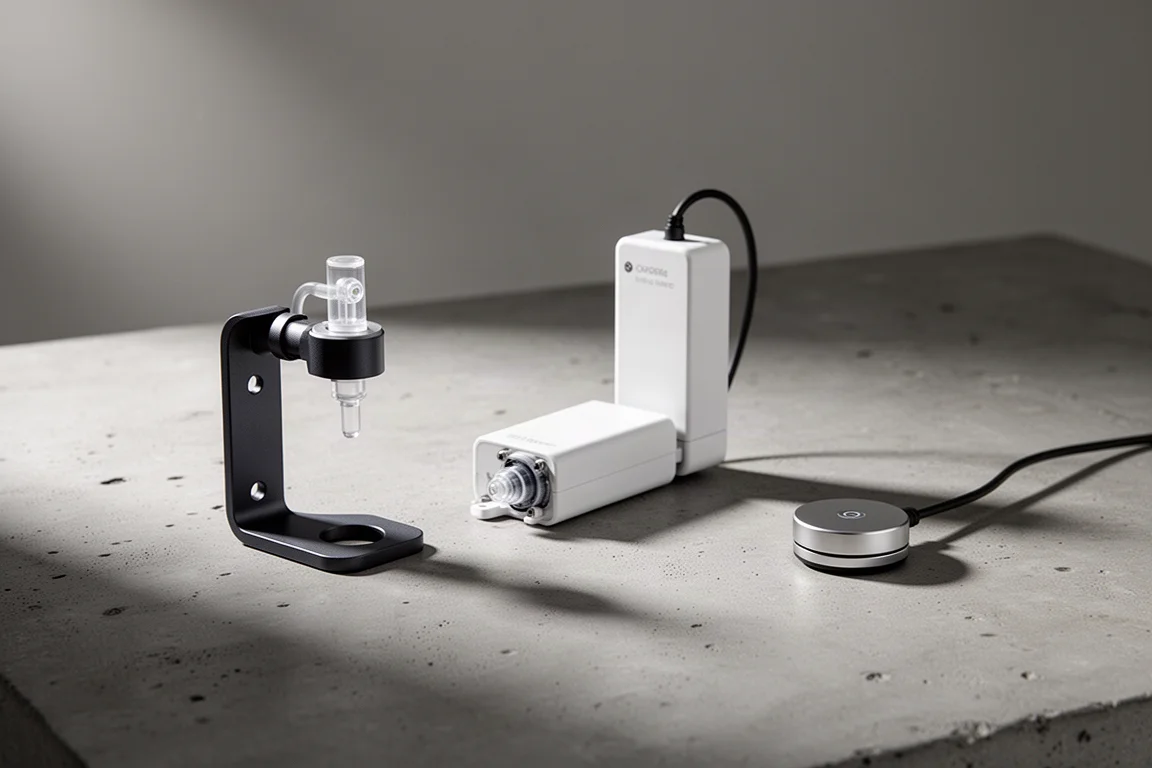
Introduction
An auto top off is one of the few pieces of reef equipment that earns its keep every single day. In a saltwater system, evaporation removes water and nothing else. Salt, calcium, alkalinity, and everything else dissolved in the tank stay behind and become more concentrated while the water level in the return chamber drops. On a busy tank that can mean a gallon of fresh water a day, and carrying that by hand every evening gets old fast.
A good top off unit removes that chore and, more importantly, does it without risking the floor. That last part is the hard bit. Water level valves and sensors have a high failure rate in salt water, so the systems worth buying are the ones designed around that fact rather than around the hope that it will never happen.
Below are four auto top off systems that cover the range from the long-established standard to compact options for smaller tanks, followed by the redundancy and maintenance habits that keep any of them working.
What Matters Most in an Auto Top Off
Failure is not an edge case here, it is the normal course of events. Optical sensors, float switches, and mechanical valves all degrade in salt water, particularly in water that is rich in organics. The useful question is not whether a component will eventually misbehave, but what the tank does when it does. A unit with a long service history gives you a realistic picture of both.
That history is also why the most popular choice in this category is one of the more expensive ones. Reef keepers keep using what has not flooded their floor, and a design that has been running on a great many tanks for many years has already shown how it fails and how much damage that failure causes. Newer designs with more sensors and lower prices can be genuinely tempting, but when the price sits close to the established option, the proven one is usually the safer bet. If a cheaper unit saves you real money and suits your tank, that can still be a reasonable trade, as long as you make it with your eyes open.
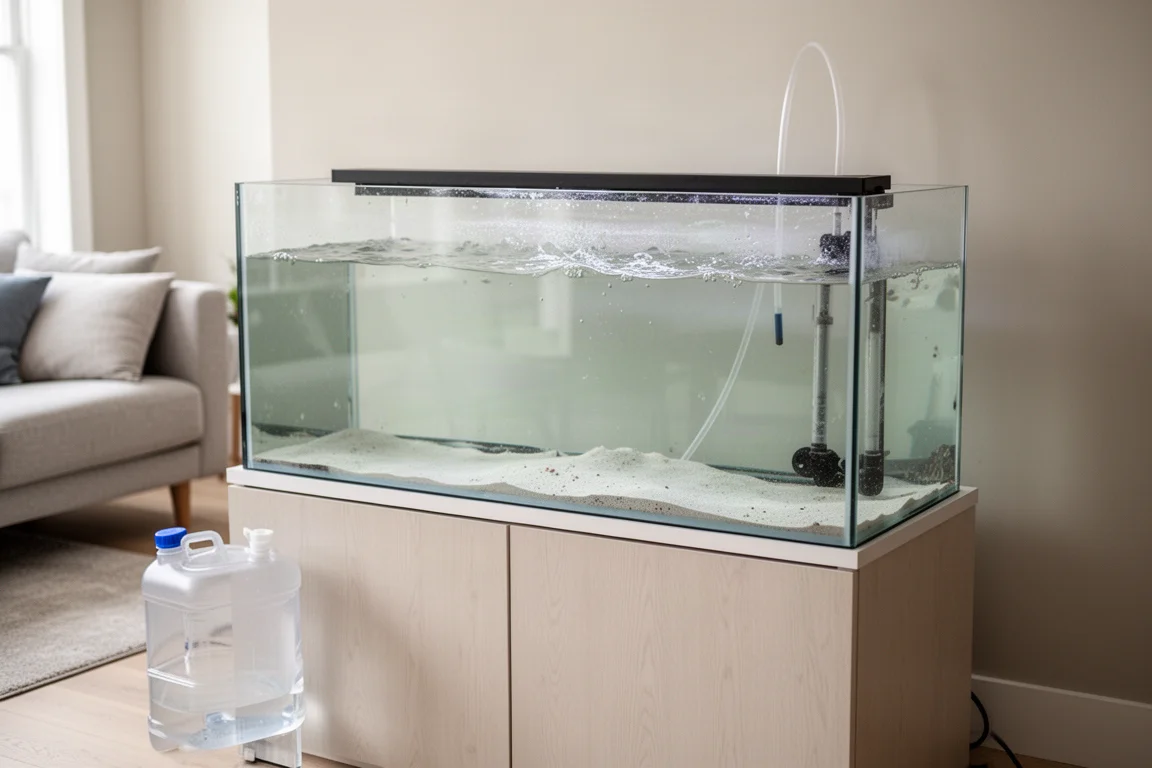
Reservoir sizing is the second decision that matters. Aim for roughly a week of top off water, and no more than your sump can safely absorb. Measuring is simple: fill a marked jug or bucket from the container and see how long it takes to empty. If the tank uses a gallon a day, a seven gallon reservoir covers a week between refills, and a weekly refill is a far easier habit than a daily one. The upper limit matters just as much. If everything sticks on, an extra five or ten gallons of fresh water in a hundred gallon system is a salinity dip you can correct, while a fifty gallon drum emptied into the same tank is a different story altogether.
Tunze Osmolator
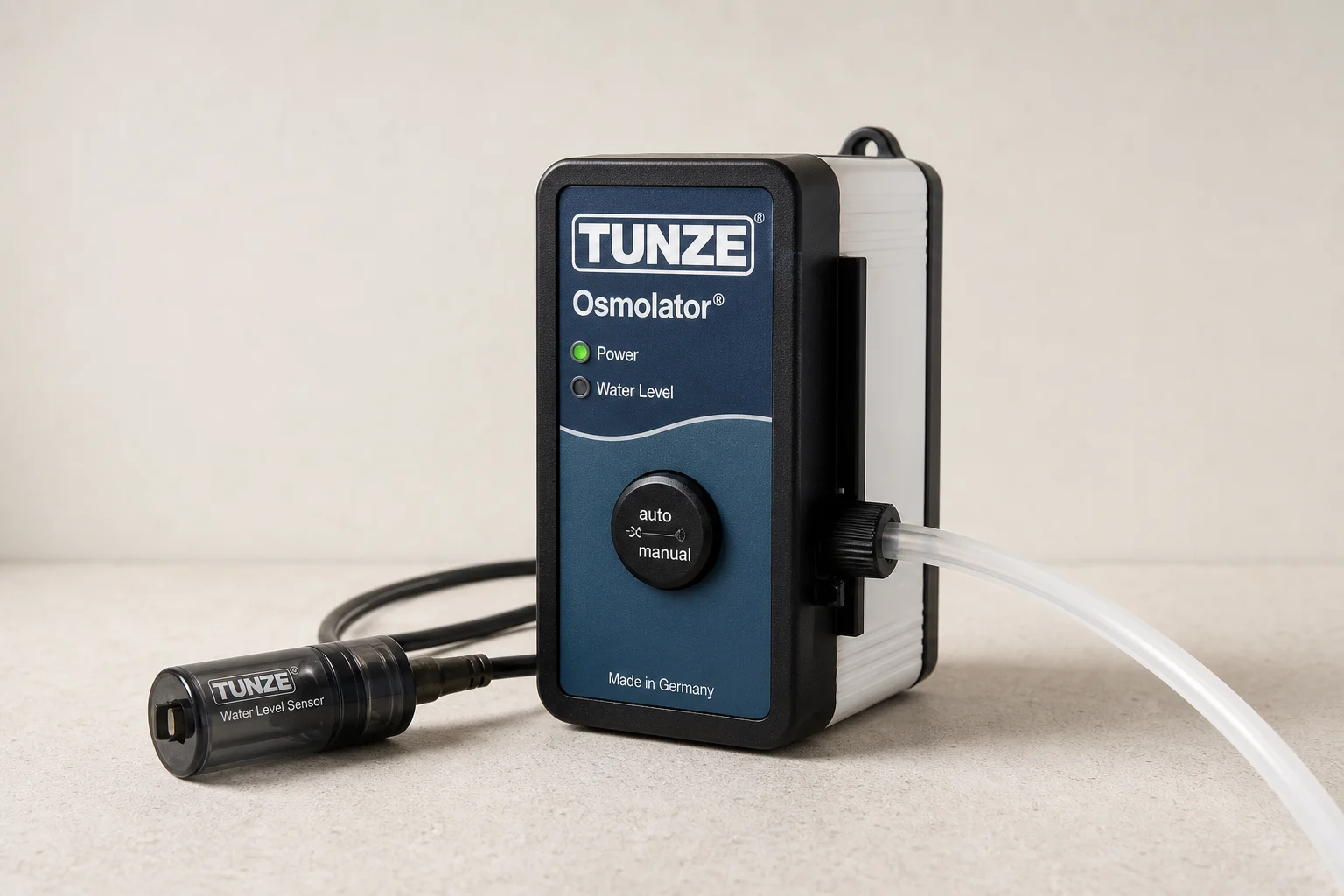
The Osmolator is the unit most reef keepers end up with, and its reputation rests on time in service rather than on feature lists. It is the system people reach for first, and in plenty of reef rooms it is the only top off running. Control comes from an optical sensor as the primary level device, with a mechanical float as the backup. Optical sensors tend to fail in the safer direction, meaning a fouled or misreading sensor stops the pump instead of running it, but they do need cleaning, because a dirty sensor behaves as though the water level is low.
Two details help explain why it holds up. The float is supplied with a second set of magnets so it can be mounted well above the normal water line, where it stays clean and dry and only acts if the primary sensor fails. The magnets themselves grip hard enough that removing them takes real effort, and that matters more than it sounds: a sensor that can be knocked loose by a bumped hose is not much of a backup.
The controller is also flexible. The pump can be unplugged and replaced with a solenoid, which lets the unit control a direct RO/DI feed rather than a pump and reservoir. The one thing to know going in is that it will sound a loud alarm when the water level sits higher than expected, which happens routinely right after a water change.
Tunze Osmolator Nano
The Nano version is built for smaller tanks, and it works differently from the full size unit. There is no optical sensor in the mix. Control comes from a mechanical float switch and an internal timer that shuts the pump off after a set period, on the assumption that a small tank cannot need much water at once.
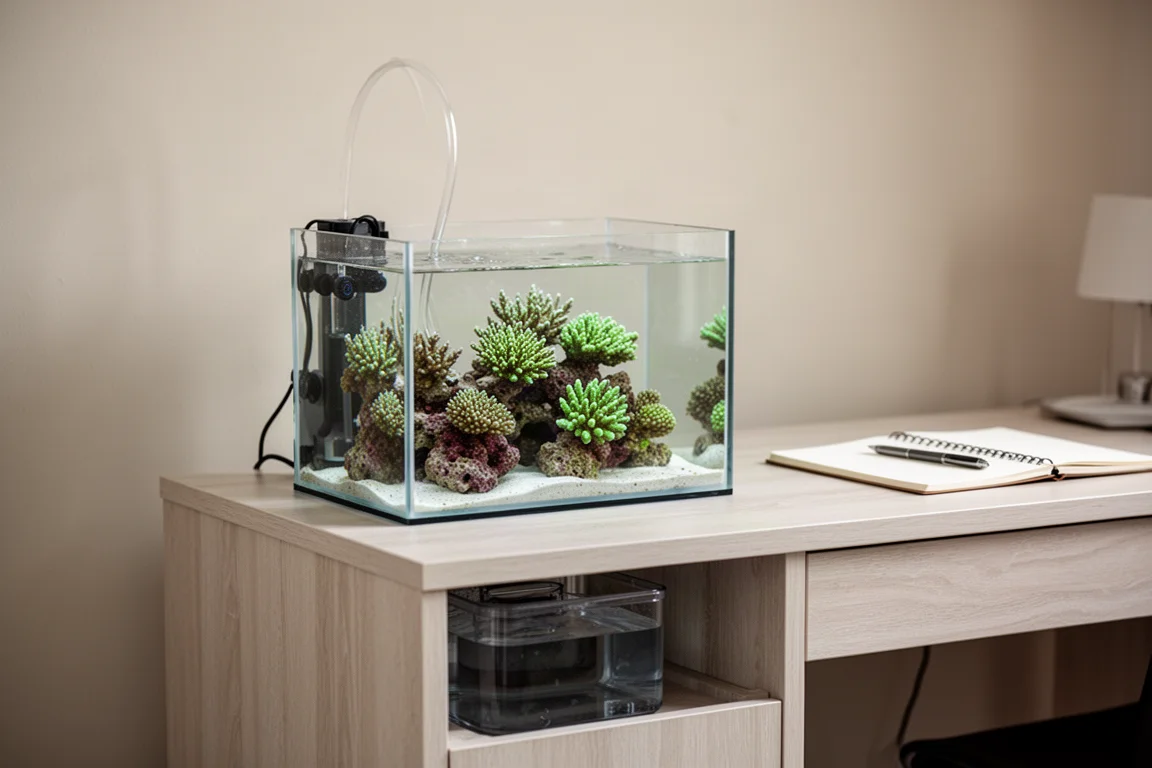
That design choice is the reason it is not a general purpose answer. Many compact top off systems are inexpensive because they are made for small volumes, and their pumps cannot keep up with a large tank that burns through a gallon and a half or two gallons a day. A useful working definition of a nano tank is around 40 gallons and under, and this class of unit is aimed at roughly that size range.
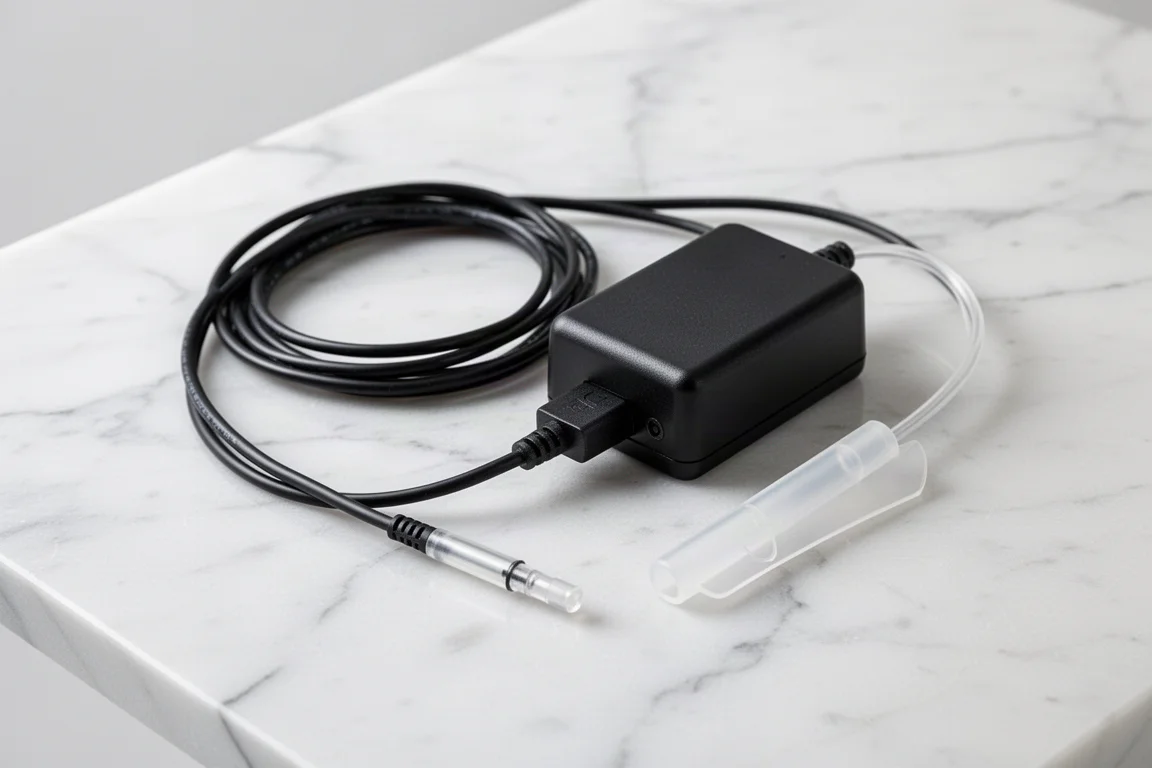
Neptune ATK
The ATK is the other name that comes up most often as a first choice alongside the Osmolator. Its standout feature is an incorporated float valve, which is not as vulnerable to the conditions that trouble float switches and optical sensors. Around that it layers optical sensing, a timer, audible alarms, and support for plug in leak sensors, so a failure produces noise rather than silence.
Layering is the whole idea. Where a simple optical unit gives you one line of defence, this one gives you several, and it can raise an alert when the level or the surrounding area is not what it should be. The main reason it sits behind the Osmolator for many keepers is simply that it has not been in service as long.
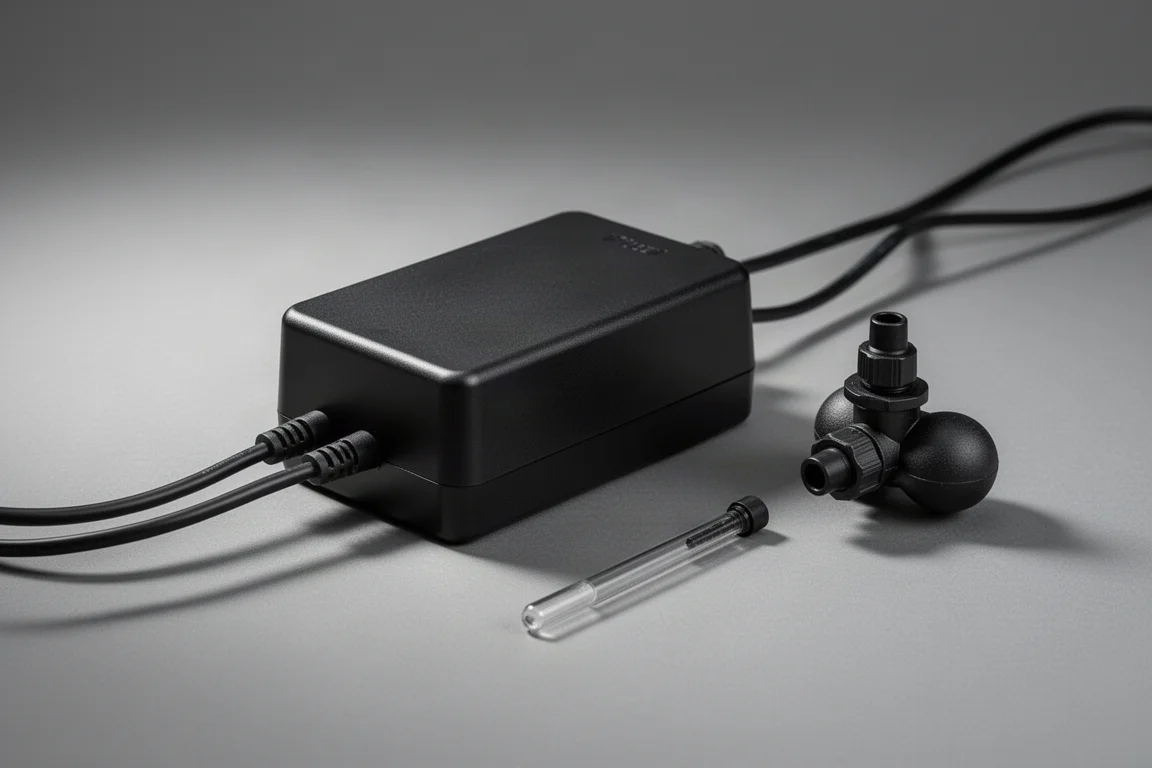
Duetto
The Duetto is the compact option here, built around a very small magnetic sensor that reads the water level through the glass. There is nothing wrong with the way it works when it is properly in place.
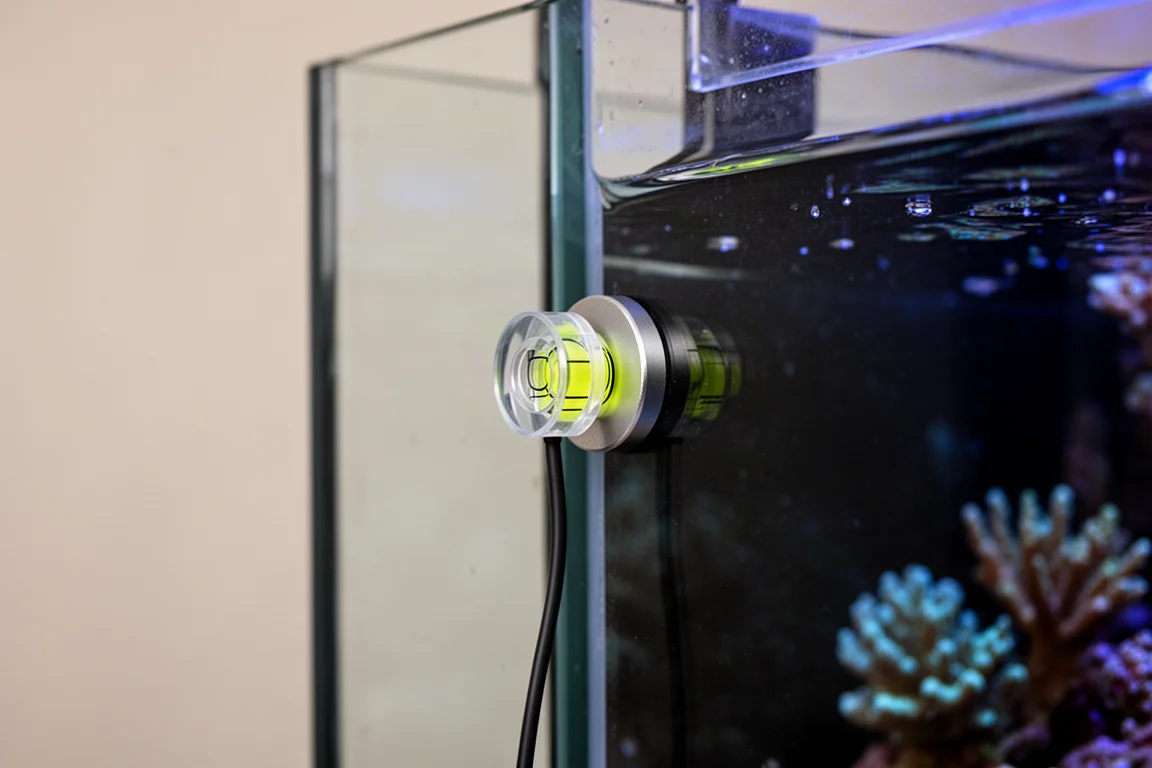
The weakness is the attachment. The sensor is only lightly coupled magnetically to the glass, so the smallest bump can knock it off, and at that point it stops functioning. Sensors that read through glass share that same vulnerability, which is why mounting deserves as much attention as the electronics when you install one of these units.
Getting Redundancy Right
A float valve, the mechanical type used in a toilet cistern, is the best backup you can add, provided it is not doing the primary job. Salt creep builds up in the small rubber seal and stops it seating properly, so a float valve sitting at the water line as your main control will eventually let you down. Mount it a few inches above the normal water line instead, where it stays dry and out of the way, and it will only act if the primary sensor fails and the level climbs. Drilling a hole for one is inexpensive, and it works on glass or acrylic sumps.
Solenoids fail, and in practice most of them fail within about twelve months, because many are powered open for most of their working life and overheat. Treat a solenoid the way you treat a heater element: assume it will need replacing. If a solenoid is the only thing standing between your tank and an unlimited water supply, the failure has not happened yet, it is simply pending.
That is why the recommended pattern is to run an RO/DI line into a reservoir rather than straight into the tank. If the solenoid sticks open, the worst case is a full top off container, and the float valve inside it closes the line. With a reservoir in the middle you can also add a mechanical flow shutoff device, a floor leak sensor, or a simple audible water alarm, and the system still fails safely. Feeding RO/DI directly to the tank is possible with enough redundancy, and it removes water carrying from your routine entirely, but it should be the last step you take, not the first.
One extra detail belongs here. When a reservoir only tops up a little at a time, every refill begins with a short burst of higher TDS water from the RO/DI unit, and that slowly consumes resin. A controller that fills the whole container in one go, triggered by a low level sensor, avoids most of that creep, at the cost of a more expensive controller. Where the creep is not a practical problem, the simpler setup is perfectly serviceable.
Maintenance Habits That Prevent Floods
Cleaning is the cheapest insurance available. Optical sensors should be bathed in citric acid monthly, or at least quarterly, and wiping algae and film off with a cloth is always better than waiting for a failure. Float switches gather salt creep faster than anything else and are the quickest to stick, which is exactly why moving parts and salt creep make such a poor combination. Optical sensors usually fail off; floats can fail either way, including on, and on is the direction that puts fresh water on your floor.
Keep an eye on where the water actually disappears first. In many sumps the return pump chamber holds only a gallon or so, and if the tank evaporates that much in a day, the pump starts running dry before anything else looks wrong. A top off that fails off is a mild inconvenience on a generous sump and a real risk on a tight one.
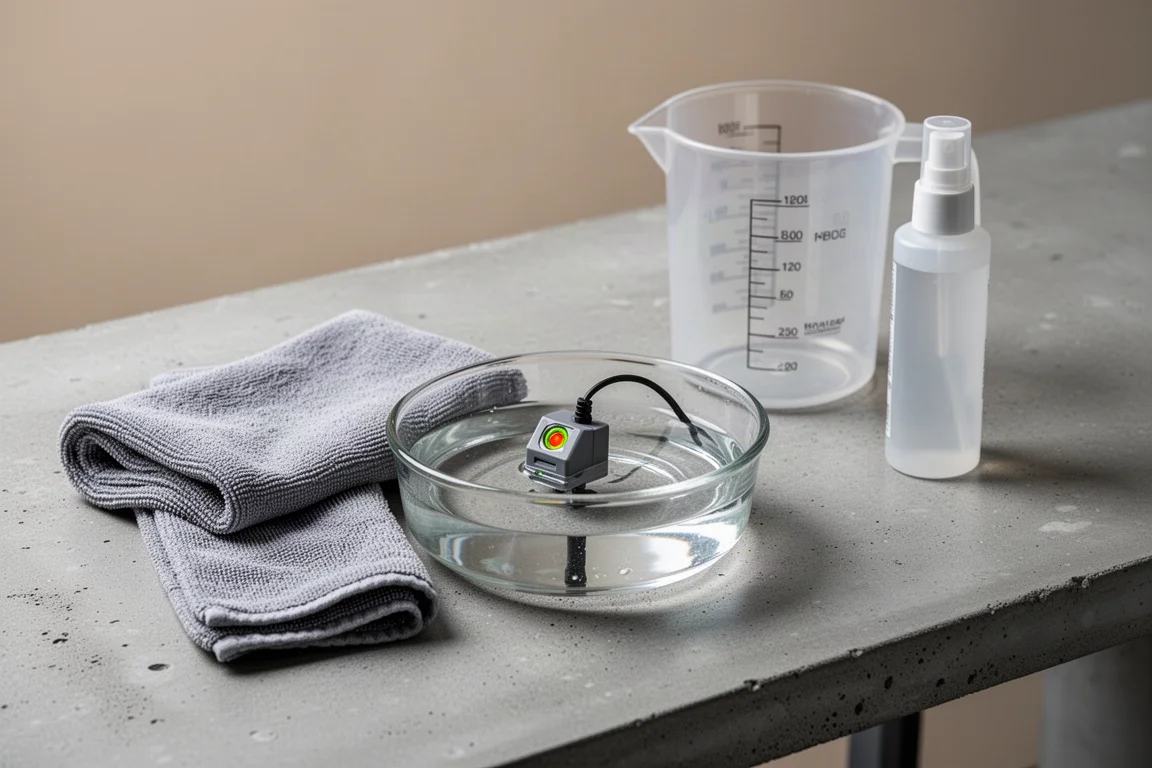
The most common failure of all is human. Unplugging the top off to silence an alarm during a water change, then forgetting to plug it back in, has caused more damage than most hardware faults. Use a feed mode, or a controller that switches equipment off and back on automatically with a short delay, so nothing depends on memory. If your unit does need unplugging, move the alarm float higher using the spare magnets so a routine water change does not set it off in the first place.
Two more habits are worth adopting. First, water source: RO/DI is the only top off water that adds nothing but water, and that matters because anything present in tap water accumulates with every top off, 365 days a year. Second, keep kalkwasser out of the top off reservoir. It is tempting, because it manages calcium, alkalinity, pH, and salinity together in one go, but it is corrosive to pumps and it turns a single point of failure into a tank-wide event. If you want kalkwasser, dose it from a separate reservoir with a dosing pump.
Finally, ignore the assumption that a cheap top off costs less. The saving is measured before the flood, not after. Between damaged floors, lost livestock, and the replacement unit you buy afterwards, the inexpensive option rarely works out cheaper in the end.
Conclusion
The Osmolator remains the default recommendation for most tanks. It has the longest record, a float backup, and the flexibility to drive a solenoid instead of a pump. The ATK is the strongest alternative for anyone who wants layered sensing, audible alarms, and leak detection. The Nano is the right call for a small system where a full size unit is more capacity than you need, and the Duetto is a compact choice for keepers who are careful about mounting and check it regularly.
Whichever you choose, two additions do more for safety than any feature list: a mechanical float valve mounted above the water line, and a reservoir sized to about a week of evaporation without being able to overflow the tank. Those two habits, plus a monthly sensor cleaning and a way to restart equipment automatically, are what keep a top off system running quietly for years.
Further reading
Related Reviews
Aquarium Equipment
Abyzz Professional DC Pumps: A100, A200, and A400 Reviewed
A closer look at three German-made DC return pumps built for large reef systems, with titanium internals, fine flow control, and a 10-year warranty.
Aquarium Equipment
AdaptiveReef Controller Accessories: Three Tactile Upgrades for Your Reef Controller
A practical look at three AdaptiveReef add-ons that put physical switches, at-a-glance status lights, and a loud alarm within arm's reach of your reef tank.
Aquarium Equipment
Adaptive Reef Controller Boards: Basic vs Deluxe for Cleaner Aquarium Gear
A practical look at the Adaptive Reef Basic and Deluxe controller boards, what each one includes, and how to choose the right size for your tank gear.