Art Books
Best Art Books Gift Guide: Nine Titles Every Artist Will Love
Nine art books covering colored pencil, graphite, pastel, watercolor, and portraiture, all read and revisited over years of drawing practice.
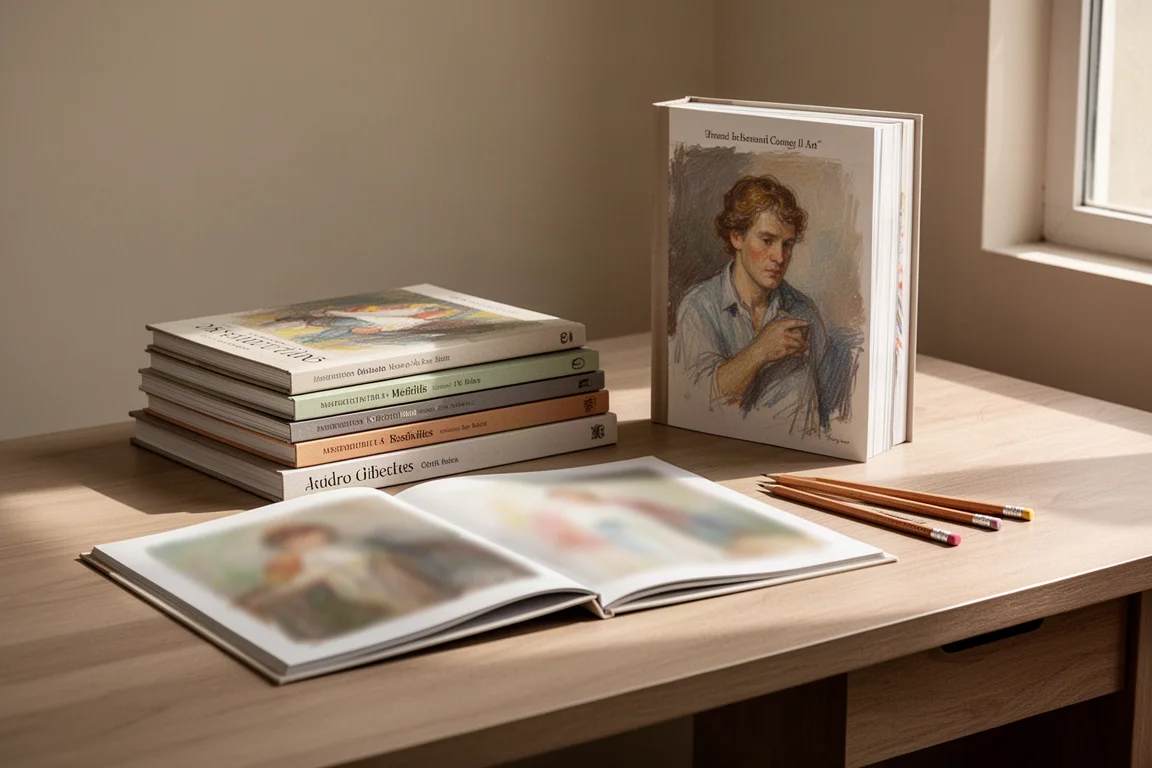
Why Art Books Still Make Great Gifts
When the holiday season rolls around, art books are one of the most reliable gifts you can give, or add to your own wish list. Every book in this guide has been read, used, and revisited over years of drawing practice. They are not decorative coffee-table purchases; they are references that still get pulled off the shelf when something new needs to be learned or a project stalls for inspiration.
Each of the nine titles below teaches skills that transfer well beyond its featured subject, and each one would be genuinely appreciated on Christmas morning.
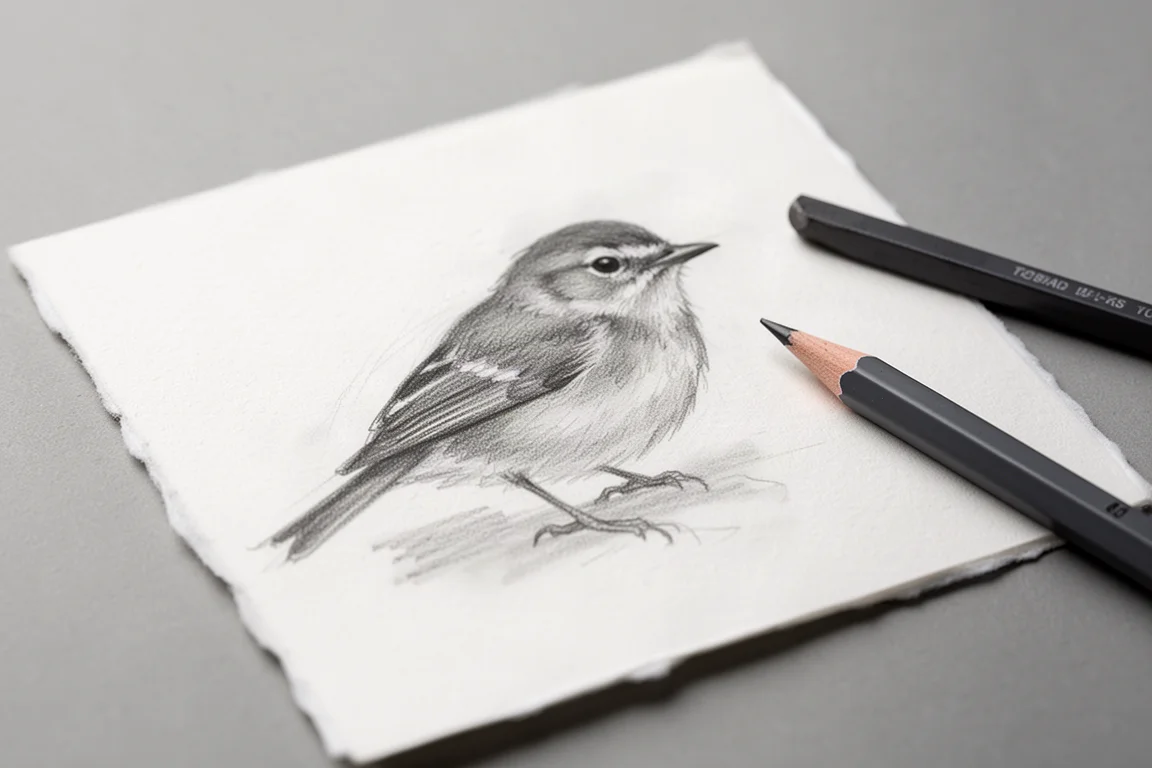
Drawing Birds Using Graphite and Colored Pencil
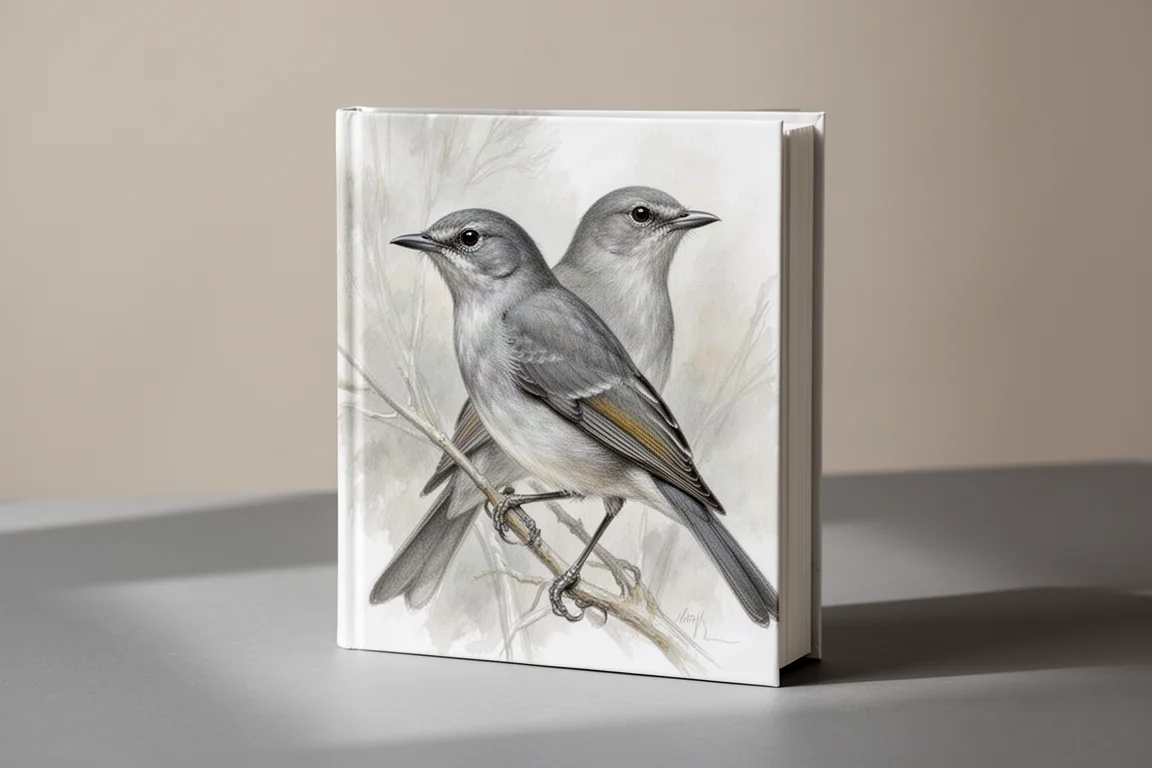
Alan Woollett is an outstanding graphite and colored pencil artist, and this book focuses on his main subject: birds. His detailed bird drawings are the centerpiece, though his pet portraits and dog artwork are every bit as refined.
The key point for buyers is that the book is not a bird-only manual. The techniques, tips, and exercises inside transfer directly into your own genre of art, helping refine skills you already have.
Colored Pencil Painting Bible by Alyona Nickelsen
Alyona Nickelsen, the artist behind the Brush and Pencil powder blending kit, wrote one of the most enduring beginner references in colored pencil. This book really is a teacher: it covers the different types of pencils on the market, how to choose erasers, and how erasers can be used for creating highlights rather than just lifting mistakes.
It goes deep into layering, tips, and techniques, and sets you on a clear path toward producing finished, polished artwork. For anyone starting with colored pencils, this is the classic first purchase.
Pastels for Absolute Beginners
Rebecca de Mendonca’s book is a fantastic starting point for anyone thinking about getting into pastels. It walks through the different types of pastels available and clearly explains the differences between pan pastels, block pastels, and pastel pencils, including what each format suits best.
The blending guidance is especially valuable, showing techniques that avoid the muddy, dirty look that appears when too many colors are packed in at once. Pastel can be a tricky medium to learn, and this book makes the transition considerably easier.
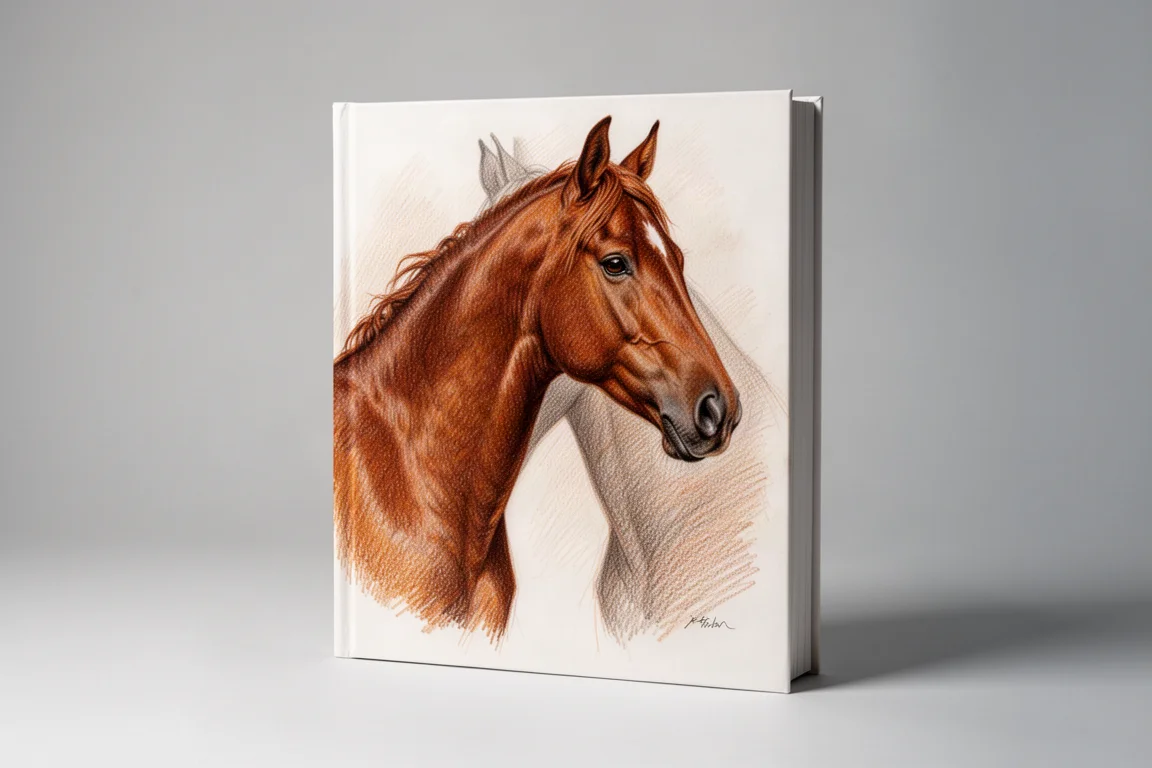
The Complete Guide to Drawing Horses in Colored Pencil
Cynthia Knox is widely regarded as one of the finest colored pencil artists working today, and she does all of it with Prismacolor, which settles any doubts about whether that pencil brand is capable of fine art results.
Although the book centers on horses, from getting the head shape right to handling reins and coats, many of its lessons transfer to other genres. It is a book that pays off whether or not horses are your subject.
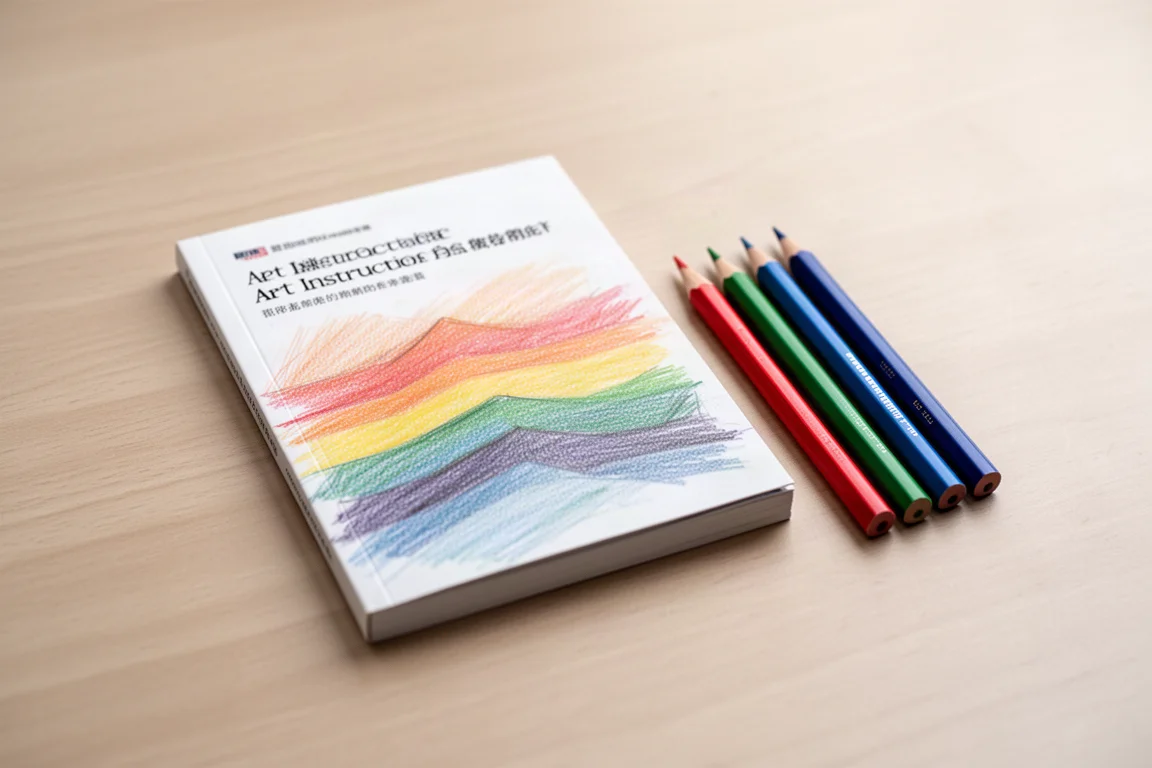
12 Colored Pencil Techniques by Cindy Wider
Cindy Wider, an Australian artist and former Derwent ambassador known for her Cuddle Cats artwork, keeps this book deliberately compact and straightforward. There is no padding; it jumps straight into the tips and techniques she has learned over her career, explained in simple, easy terms.
It works for beginners, but it is equally useful for experienced artists who still want practical reference material. It is the kind of book you return to years after buying it.
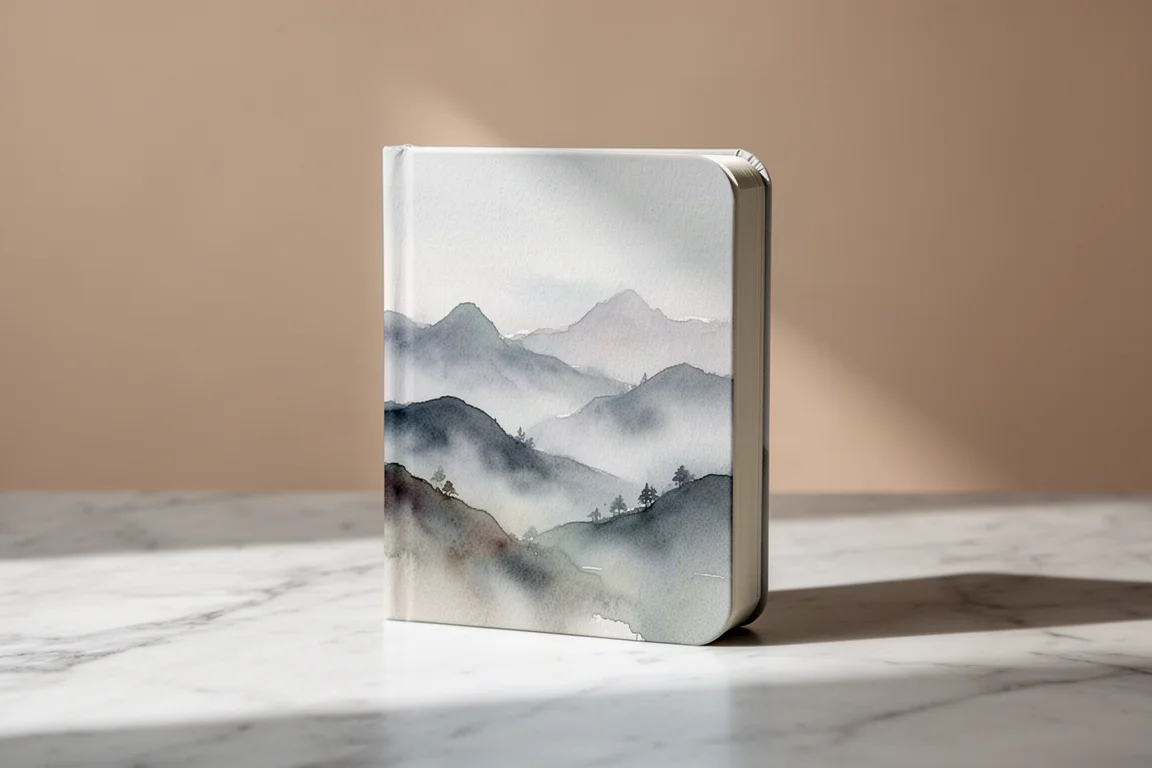
Jeff Kersey’s Pocketbook
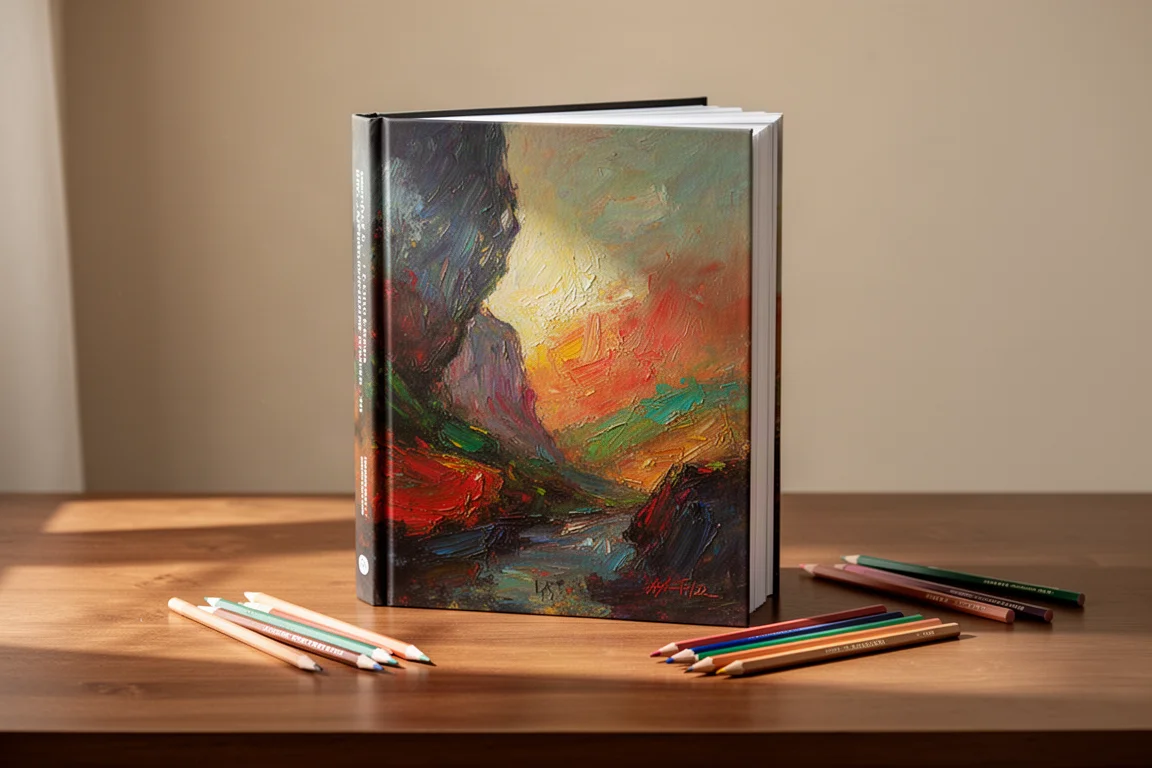
Jeff Kersey is a phenomenal watercolor artist, and this compact book distills his approach into practical guidance. It covers techniques for soft, blurry mountain backgrounds in the distance and how to prevent your watercolor from “cauliflowering”, the blooming that ruins smooth washes.
Even the cover artwork alone makes the point about what watercolor can achieve. For anyone wanting to understand and use watercolor properly, this is an excellent entry point.
Draw Portraits in Colored Pencils
Published under the Ann Kullberg name, this is a collection from 29 different artists, and that variety is its greatest strength. There is no single right or wrong way to draw a portrait: every artist has unique methods shaped by their pencil grip, pressure, paper choice, and personal style.
Reading through the different portraits and techniques lets you cherry-pick the approaches that suit your own style. It is a genuinely useful book precisely because it shows the range of what works.
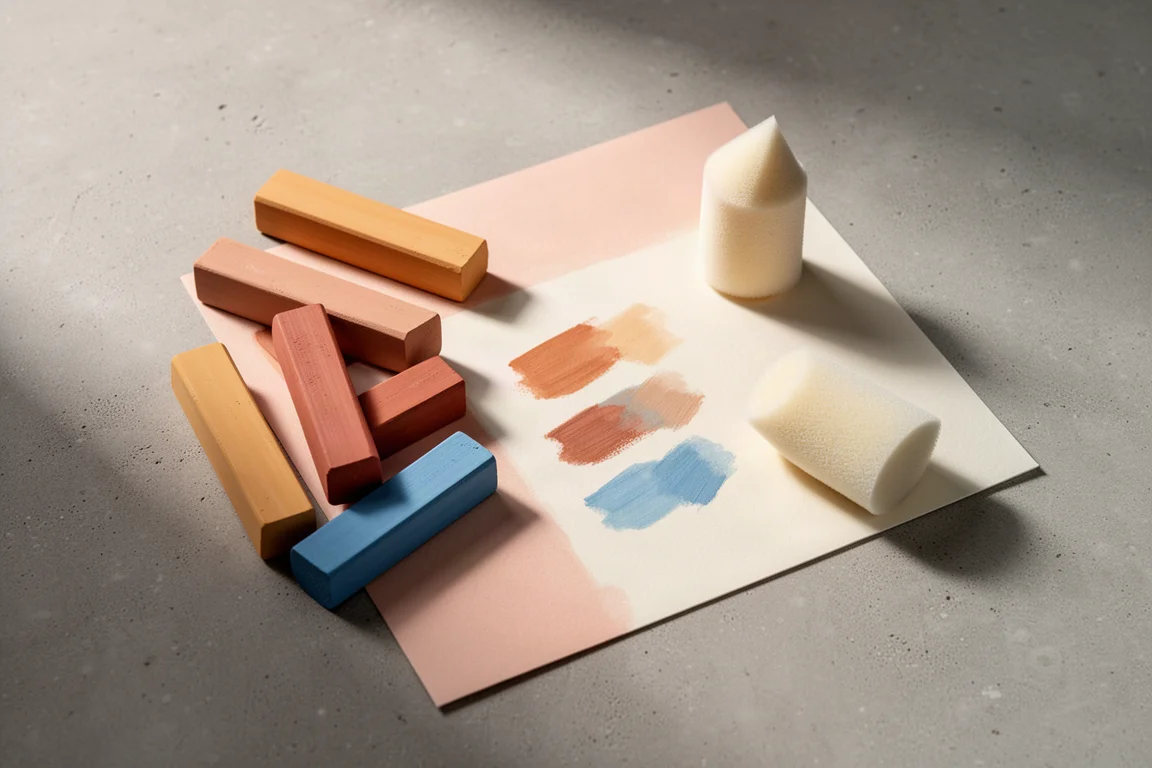
The Encyclopedia of Pastel Techniques by Judy Martin
This is the pastel equivalent of a comprehensive foundation course. It starts at absolute beginner level, introducing the types of pastels and what each can achieve, then progresses into deeper tips and techniques, including working with pastel pencils alone to complete entire pieces without ever touching a block pastel.
It covers a full gamut of the pastel medium and rewards rereading as your skills develop.
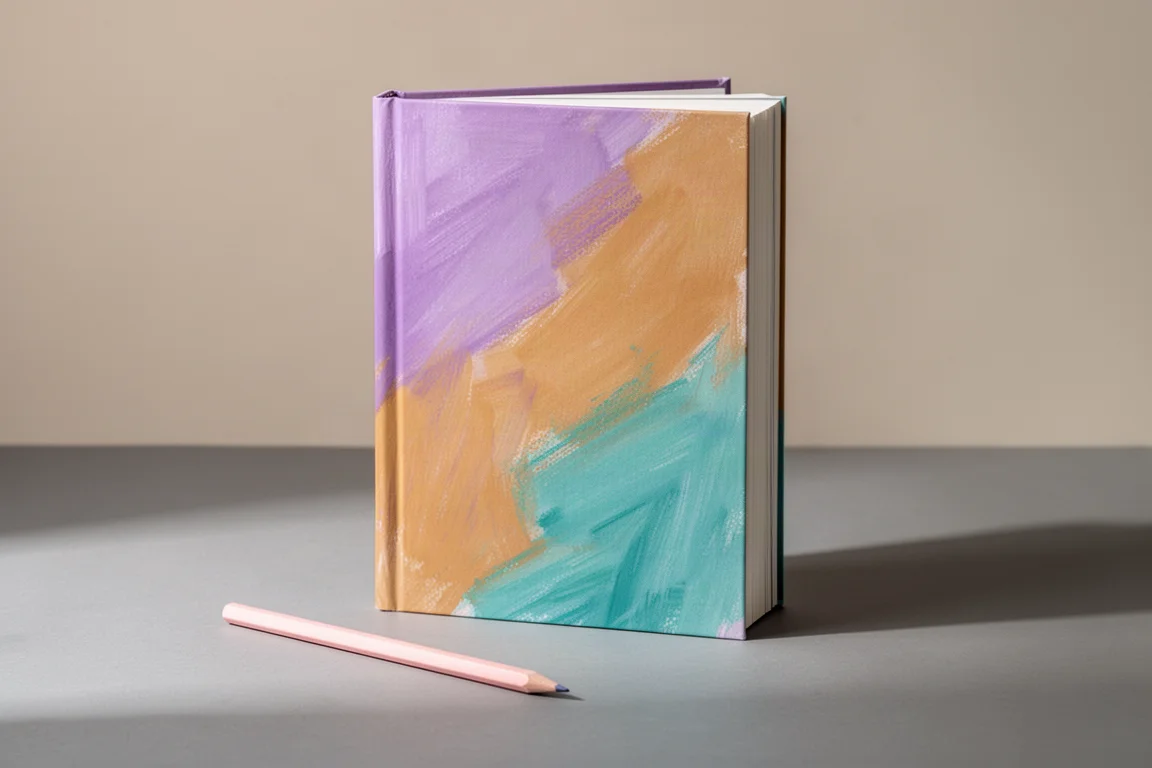
Advanced Colored Pencil Guides from Cynthia Knox and Alyona Nickelsen
Two more titles round out the list for artists who are past the beginner stage. Another Cynthia Knox book demonstrates her remarkable ability to teach: the exercises are laid out so clearly that following them produces results you genuinely do not expect from your own hands. It also explores surfaces such as wood textures, well beyond the animal subjects of her other title.
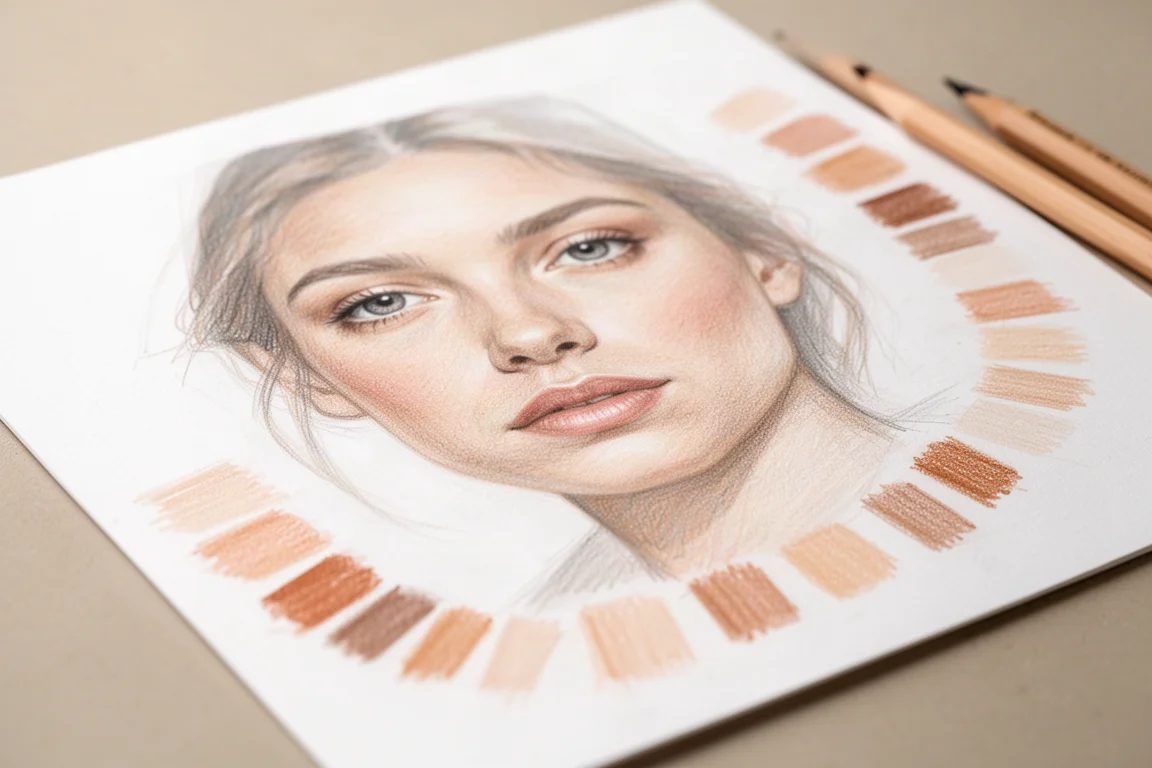
Alyona Nickelsen’s portrait book is the more demanding of the two. It is not that a beginner could not follow it, but it suits someone already comfortable with their paper choice and the nuances of the colored pencil medium. For those artists, it is exceptional on portrait work, and especially on skin tones, the area where color theory earns its keep.
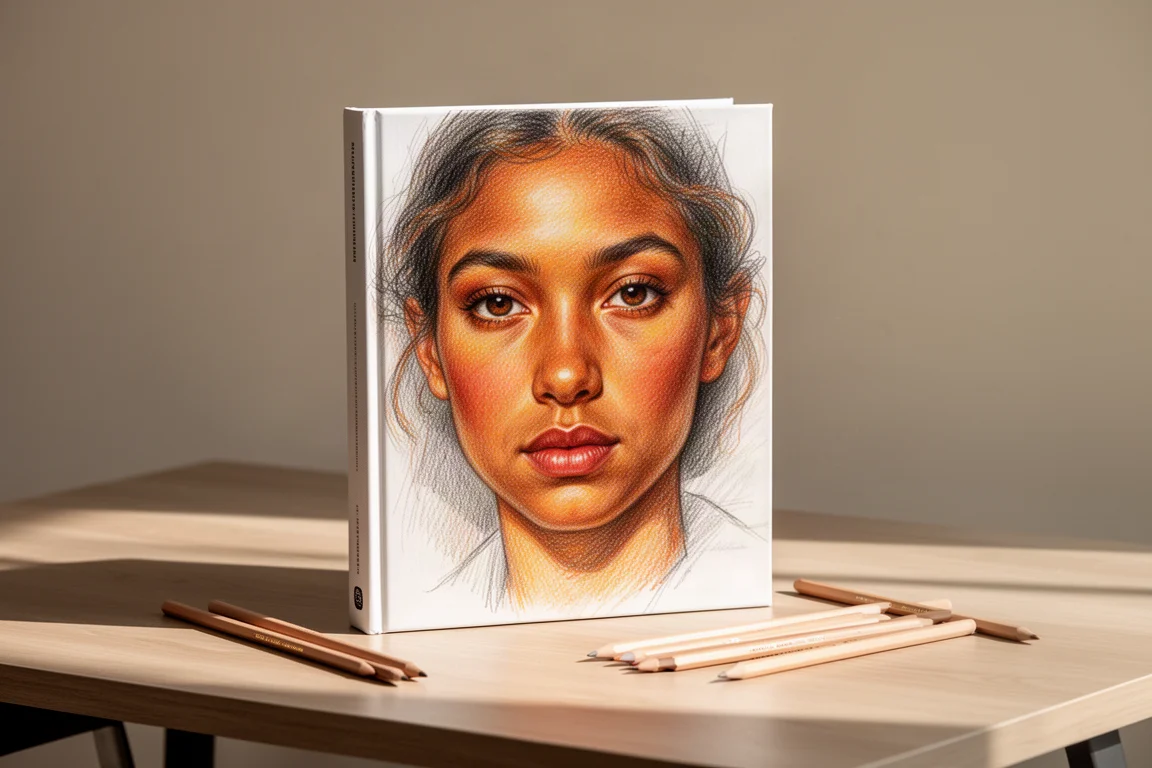
How to Choose the Right Book
A few practical pointers will help narrow the field. Complete beginners in colored pencil should start with the Colored Pencil Painting Bible or Cindy Wider’s 12 Colored Pencil Techniques. Anyone drawn to soft, expressive media should look at either pastel title depending on their level. Bird, horse, and pet artists have dedicated titles from Alan Woollett and Cynthia Knox, while portrait artists ready for a technical challenge will get the most from Alyona Nickelsen’s portrait book. Watercolorists have their own clear answer in Jeff Kersey’s Pocketbook.
Any of these nine titles would be genuinely welcomed by an artist on Christmas morning, and buying one for yourself is an equally defensible indulgence. These are books that continue teaching long after the wrapping paper is cleared away.
Conclusion
This guide collects nine art books that have proven their worth through years of repeated use, spanning graphite, colored pencil, pastel, watercolor, and portraiture. Whether you are hinting at a wishlist or shopping for the artist in your life, every title here is a gift that keeps giving: practical instruction from artists who genuinely know their medium.
Further reading
Related Reviews
Art Books
Best Sketching Books: A Field-Tested Guide to the Books Worth Your Shelf Space
From a 1980 classic that shaped modern sketching to pocket-sized urban sketching references, here are the sketching books that earn a permanent place on the desk.
Art Books
The Artist's Guide to Sketching (2025 Reissue): A Field Sketching Classic Returns
James Gurney and Thomas Kinkade's long out-of-print sketching guide returns in 2025 with new high-res scans, color artwork, and fresh insights for a new generation of artists.
Art Books
7 Art Instruction Books That Actually Teach You to Draw and Paint
Seven highly regarded art books covering everything from art terminology to figure drawing, classical technique, watercolor light and composition.