Aquarium Products
Best Aquarium Salt Mixes 2019: Six Top Options Tested and Ranked
A comprehensive review of six leading aquarium salt mixes, tested for popularity, cost, mixing speed, purity, consistency, and overall performance.
Introduction
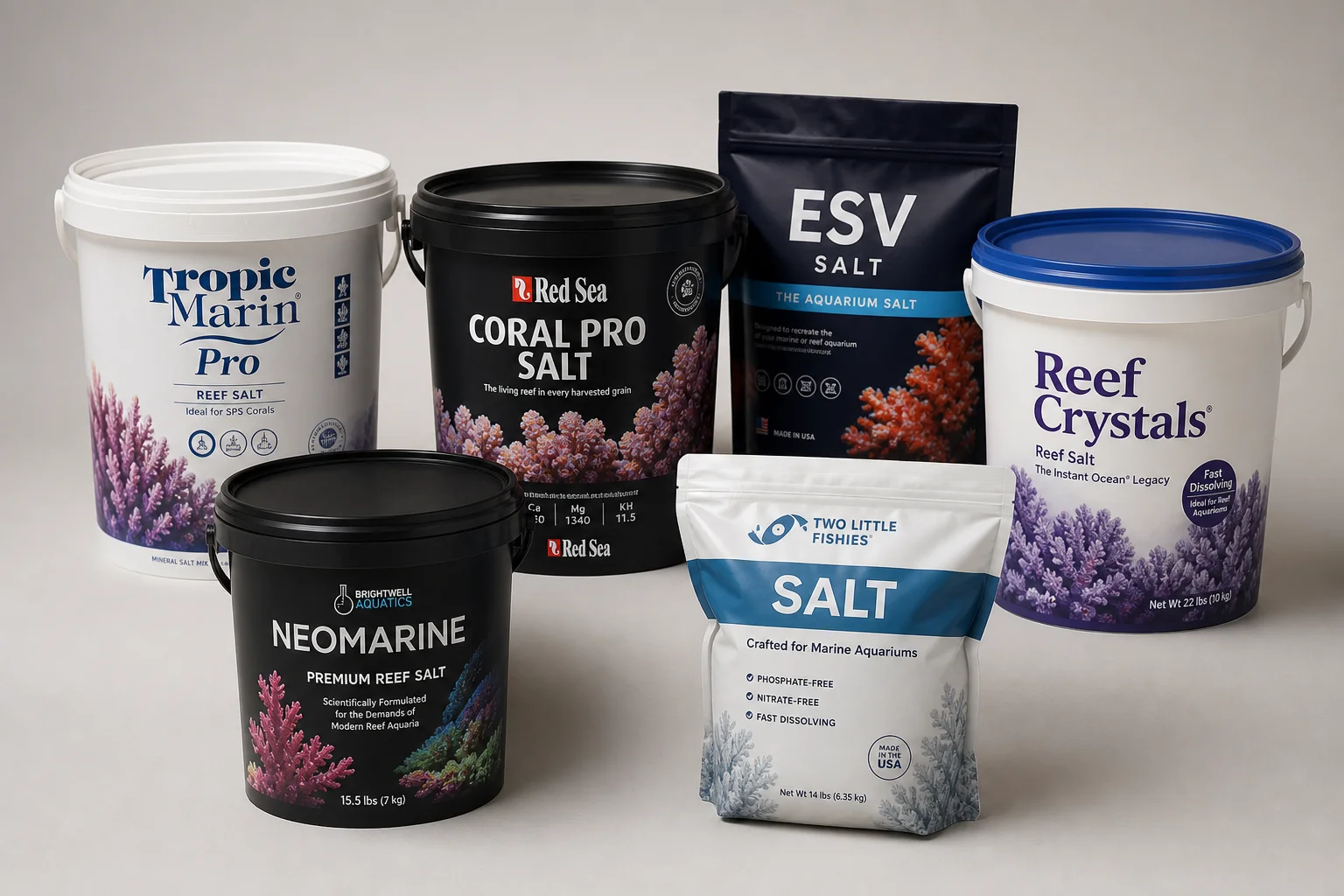
Choosing the right aquarium salt mix is one of the most important decisions a reef keeper makes. The salt you select affects water quality, maintenance burden, coral health, and long-term costs. This review examines six leading salt mixes across six meaningful criteria: popularity, cost, mixing speed, purity, batch consistency, and overall performance.
Most Popular: Tropic Marin Pro and Red Sea Coral Pro
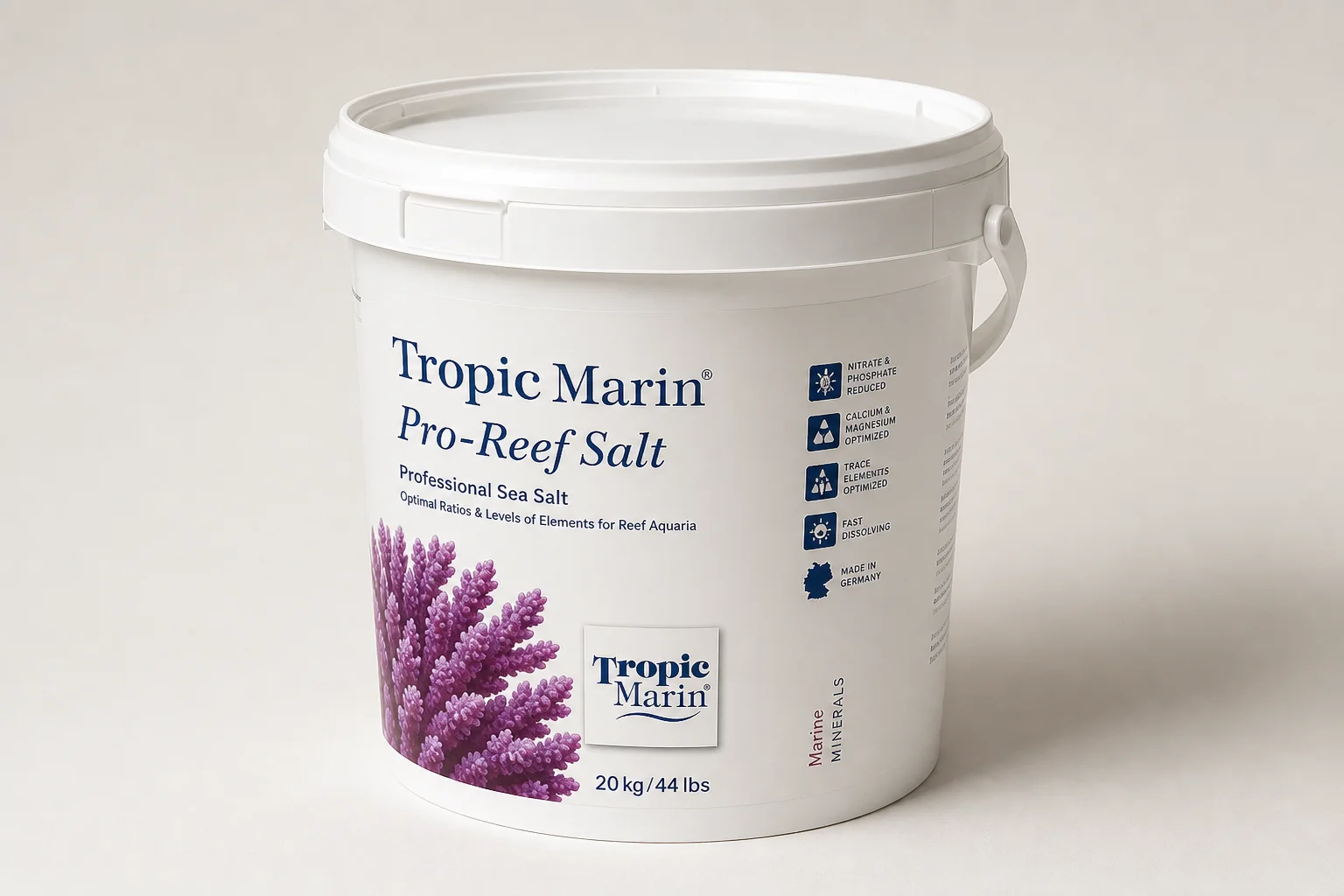
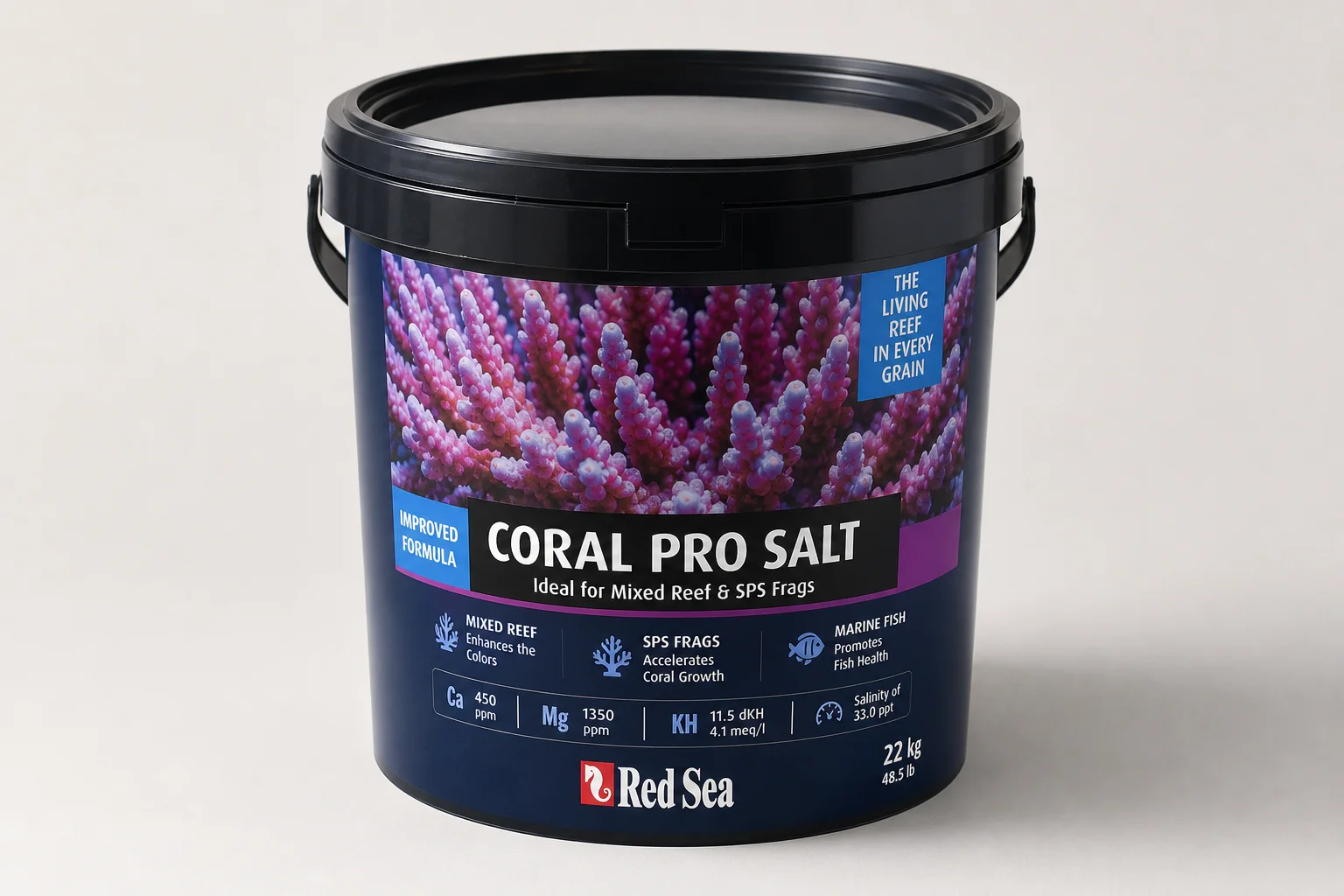
Tropic Marin Pro and Red Sea Coral Pro emerged as the two most popular salt mixes by units sold, separated by only a narrow margin. Both command strong shelf presence across retailers nationwide.
Tropic Marin Pro emphasizes pharmaceutical-grade materials and fast mixing. Red Sea Coral Pro leverages natural sea salts sourced from the Red Sea itself. Despite their different formulation philosophies, both have earned widespread adoption among reef keepers.
The popularity of these two reflects their availability, proven track records, and the confidence aquarists place in established brands. Neither dominates decisively, making both legitimate top-tier choices for most tank setups.
Most Economical: Reef Crystals
Reef Crystals stands as the most budget-friendly option that delivers reliable results. For a 100-gallon tank performing 10% weekly water changes, Reef Crystals works out to approximately 39 cents per gallon. Scaling to a 200-gallon box yields roughly 170 gallons of 1.026 specific gravity water, translating to about 8 cents monthly savings compared to premium alternatives.
Over a year, the savings compound meaningfully. A 100-gallon tank could save between five and ten dollars monthly by choosing Reef Crystals over higher-priced competitors. For hobbyists on tight budgets or those maintaining large systems, this salt delivers acceptable performance without financial strain.
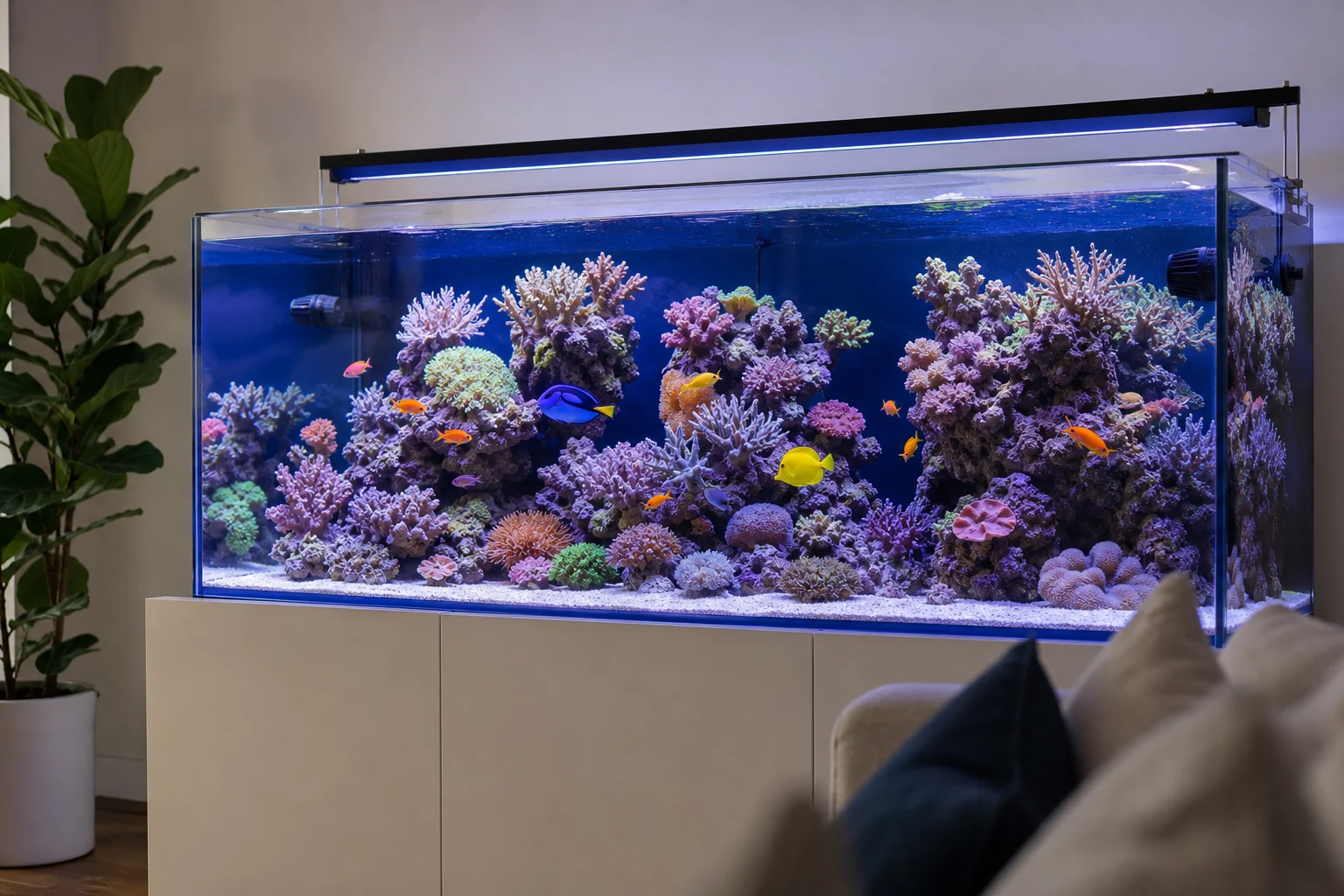
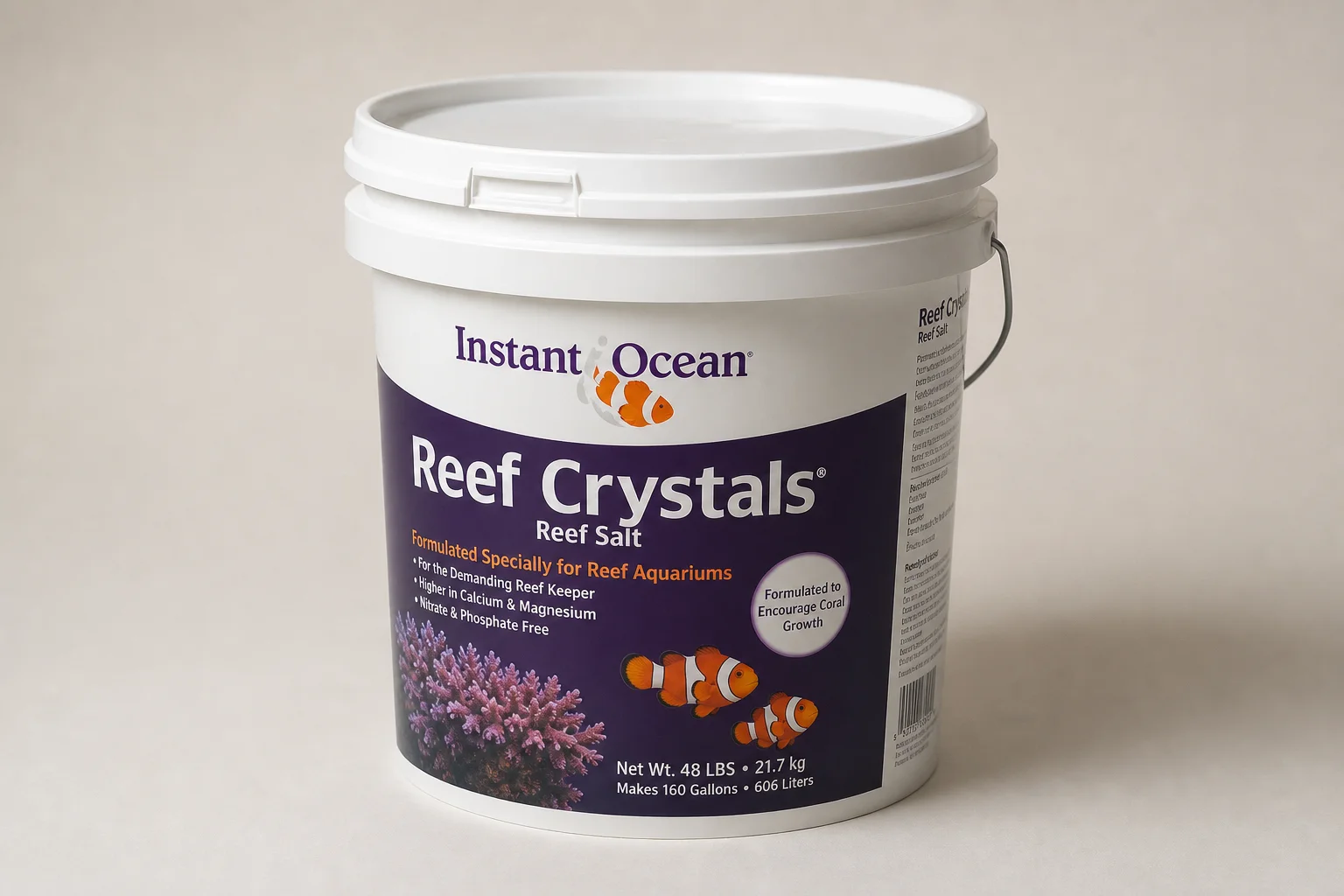
Reef Crystals has long served as the entry-level standard, offering good value for aquarists unwilling to compromise on basic functionality for the sake of premium pricing.
Fastest Mixing: ESV Salt
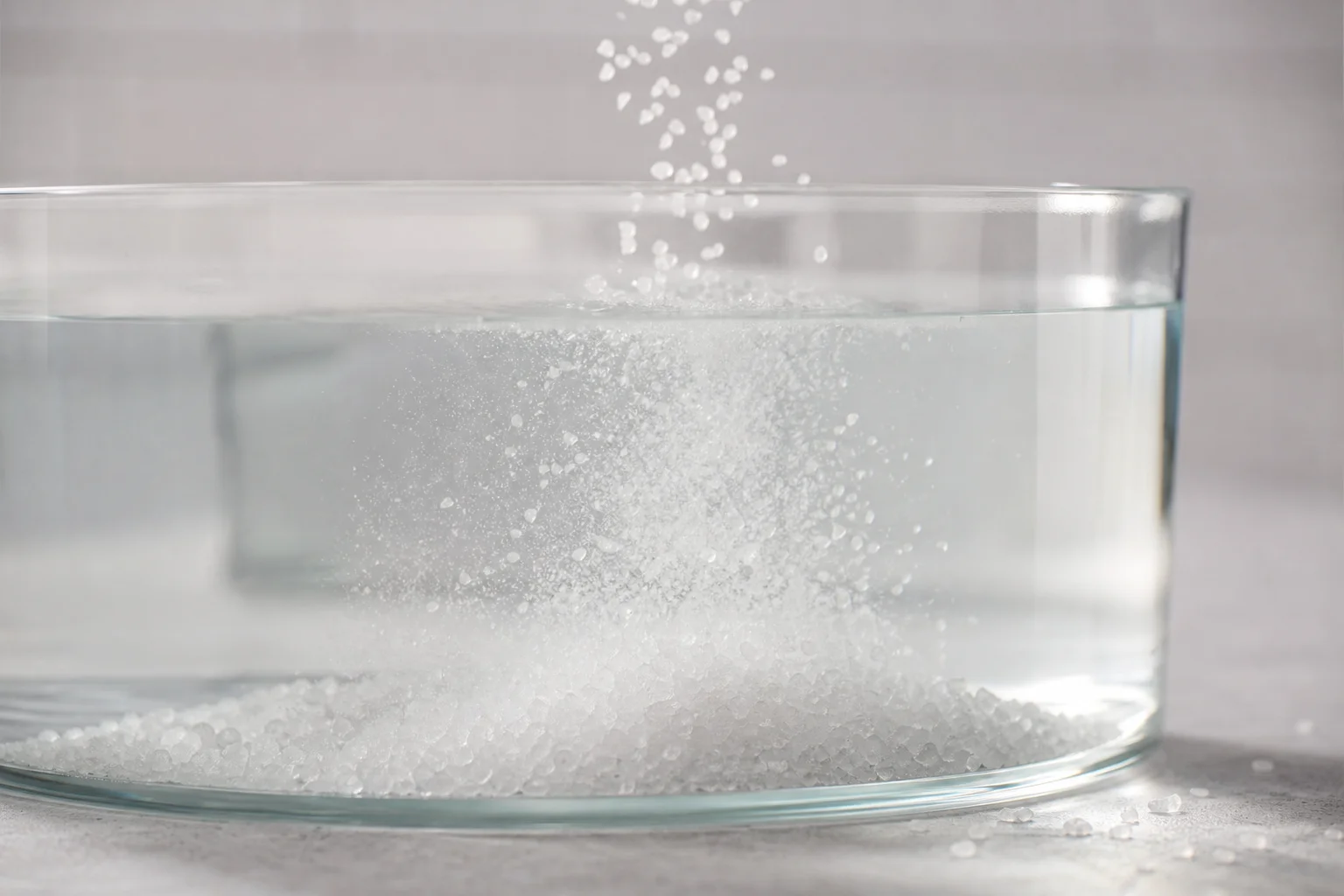
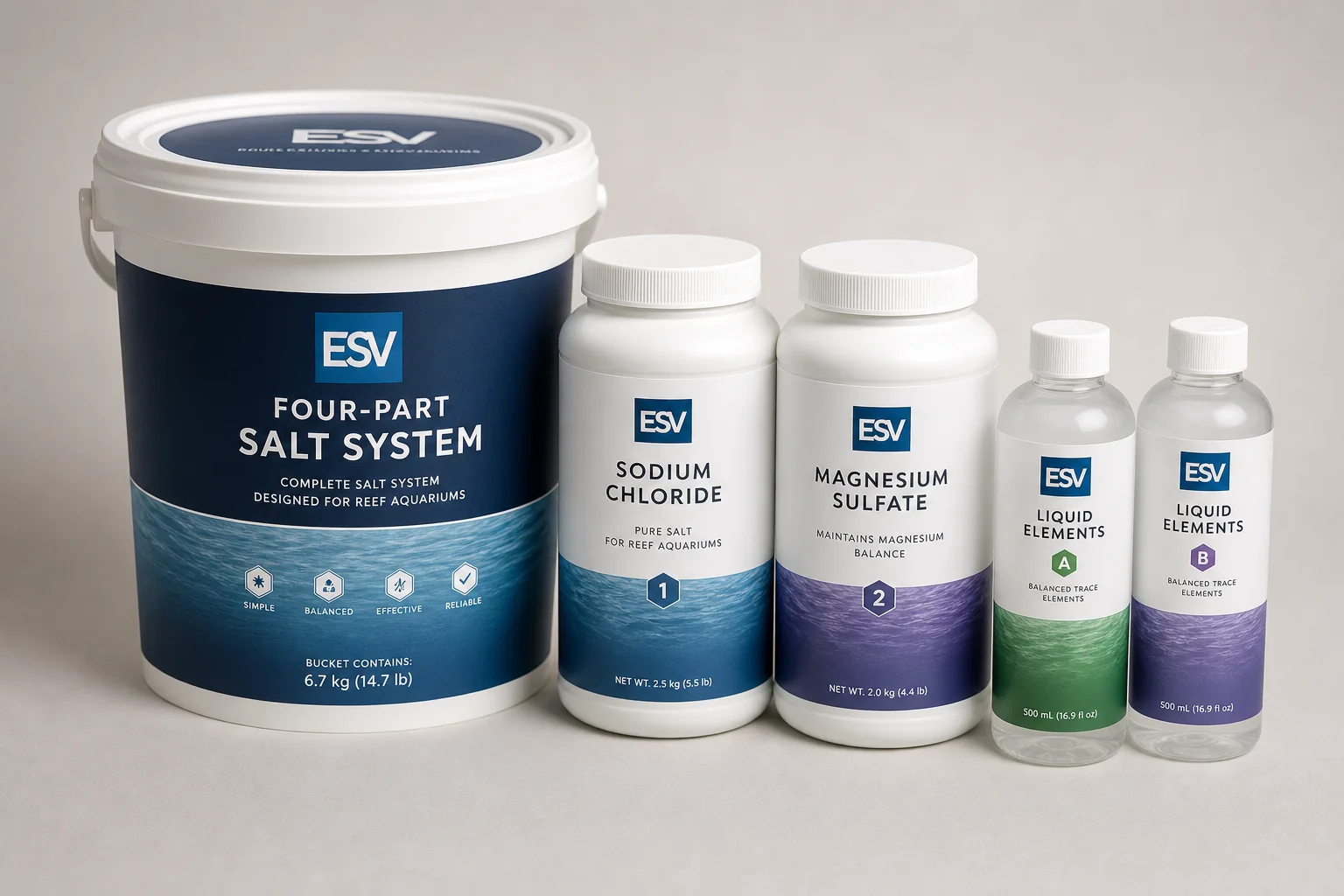
ESV Salt mixes faster than any competitor tested. The reason lies in its four-part formulation: sodium chloride dissolves first, followed by magnesium sulfate, then liquid calcium, alkalinity, and trace elements.
This methodology prevents precipitation. Once magnesium is already present in the water, calcium and alkalinity additions cannot precipitate out. In controlled testing, ESV fully dissolved in four to seven hours under well-lit conditions. Many competing salts required 24 to 48 hours for complete homogenization.
The trade-off is procedural complexity. Users must add sodium chloride, wait for dissolution, add magnesium sulfate, wait again, then add the liquid components. This multi-step approach demands more attention than single-bucket alternatives. However, in dark basements where visual confirmation of dissolution is difficult, ESV can be ready in under five minutes once you understand the process.
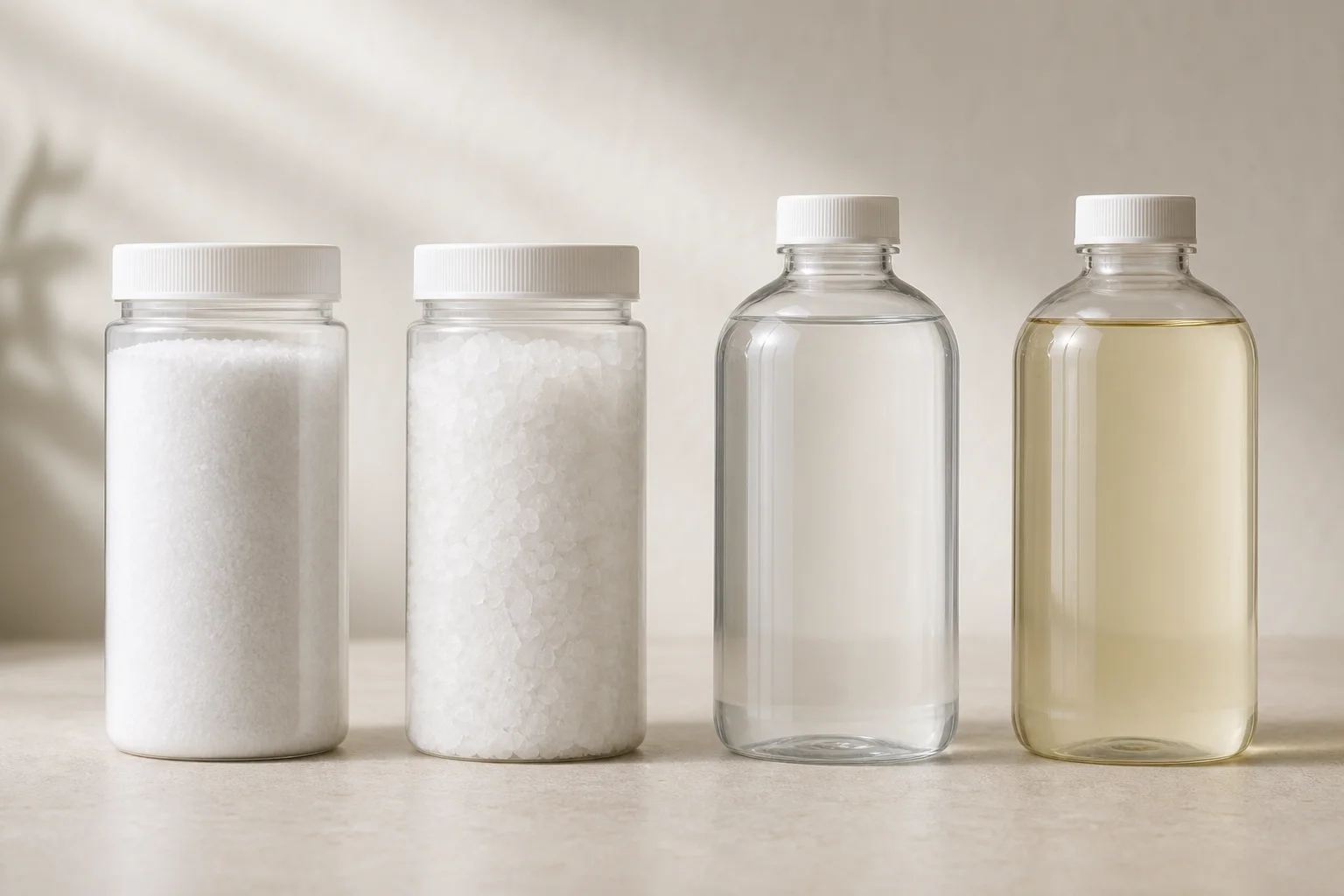
For aquarists who need fresh saltwater quickly or prefer the certainty of a proven four-part system, ESV represents the fastest practical option available.
Cleanest and Lowest Maintenance: ESV Salt and Tropic Marin Pro
ESV Salt and Tropic Marin Pro tied for cleanest performance across all testing scenarios. Both produced crystal-clear mixing bins with zero brown sediment or crud buildup, regardless of temperature, aeration, or flow conditions.
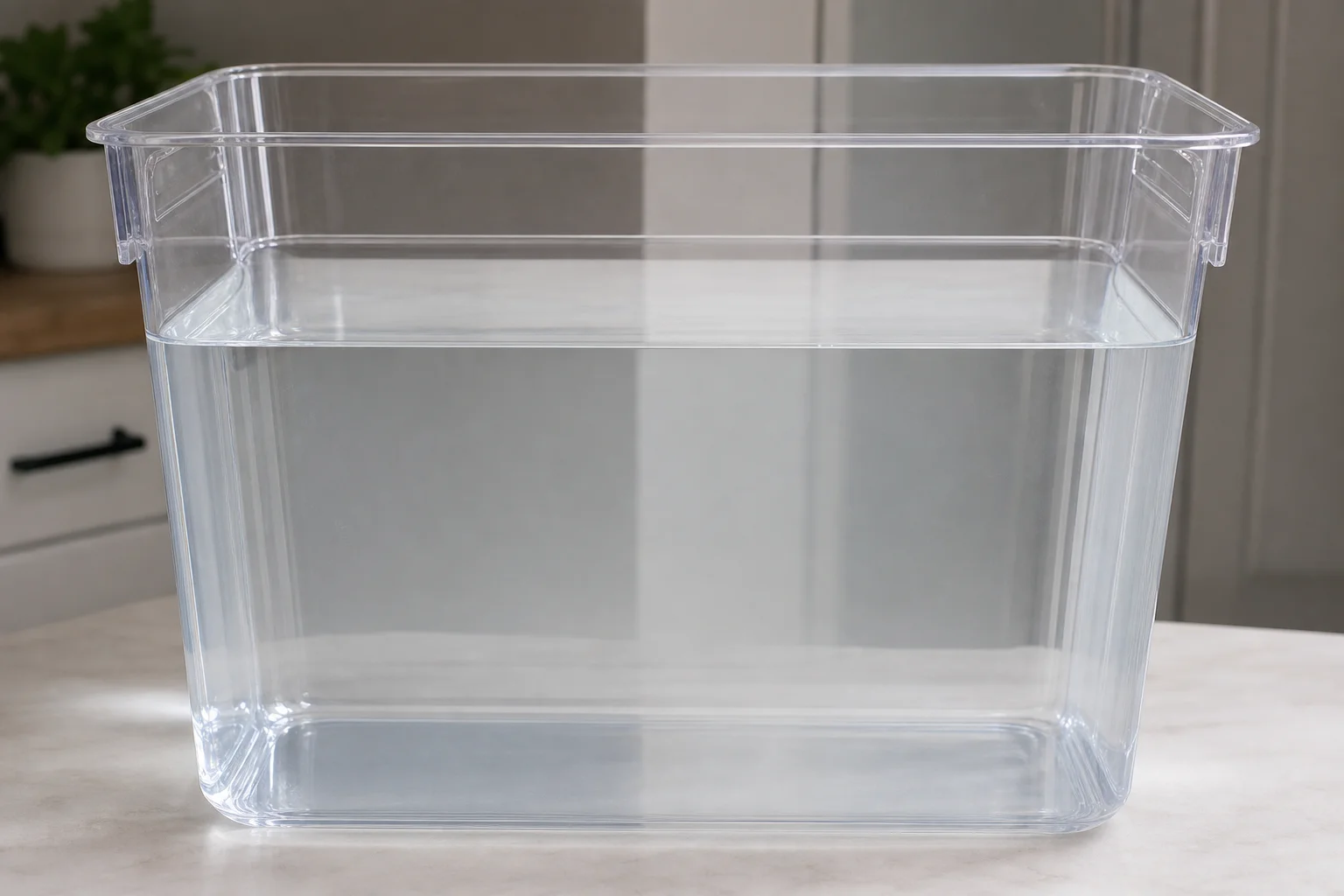
When filtered through sediment filters, both remained colorless. Competing salts often stained filters yellow from dissolved pigments and left brown crusty deposits in mixing bins. These deposits likely consist of calcium carbonate or other insoluble materials that accumulate over time.
The pharmaceutical-grade sodium chloride and USP-grade magnesium sulfate in both ESV and Tropic Marin Pro eliminate the heavy metals and mining byproducts present in lower-grade raw materials. This purity translates directly to cleaner bins, less maintenance, and reduced risk of unwanted substances entering your tank.
View more details for ESV Salt
View more details for Tropic Marin Pro
Most Consistent: ESV Salt
ESV Salt demonstrated the highest batch-to-batch consistency in ICP testing. Across 37 measured elements, only three showed more than 5% variation from the top to the bottom of the bucket. Major elements (calcium, alkalinity, magnesium) showed less than 1% stratification.
Tropic Marin Pro came close, with nearly 0% difference in calcium and alkalinity and only 0.28% variation in magnesium. However, ESV’s four-part methodology ensures superior homogeneity because the liquid components are pre-mixed at the factory and require only precise volumetric measurement at home.
This consistency matters because it means your tank receives identical water chemistry whether you scoop from the top or bottom of the bucket. Competing salts sometimes showed 20% or greater variation, creating unpredictable results.
View more details for ESV Salt
Best in Show: Tropic Marin Pro
Tropic Marin Pro earns the overall best-in-show award. It performed well across all testing categories: pharmaceutical-grade purity, fast mixing (only slightly slower than ESV), zero brown sediment, and excellent batch consistency from top to bottom.
The decisive advantage is simplicity. Unlike ESV’s four-part system, Tropic Marin Pro is a single dry mix. Add it to your bin and it dissolves quickly without procedural steps. The salt travels from Germany to New York to distribution centers across North America, yet maintains consistent chemistry from bucket top to bottom.
At facilities running 60+ tanks, Tropic Marin Pro is the standard choice because it eliminates the need for constant bin cleaning and removes the risk of accidentally dosing unknown brown sediments into display tanks. The premium cost is offset by reduced maintenance and peace of mind.
For most aquarists, the extra few dollars monthly is justified by the combination of speed, purity, consistency, and simplicity that Tropic Marin Pro delivers.
View more details for Tropic Marin Pro
Desired Improvements for 2020
Truth in Advertising
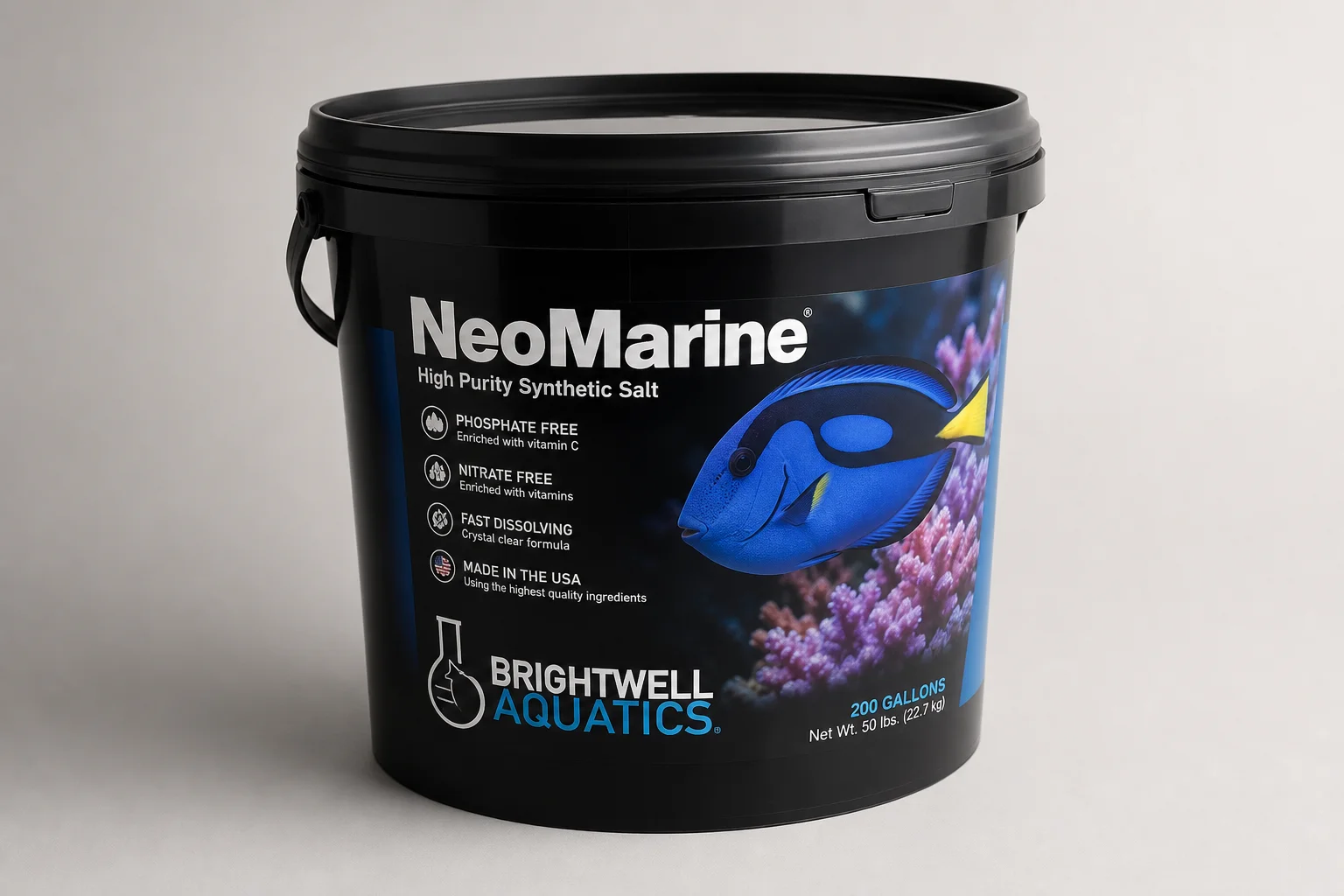
Most salt buckets claim to yield 160 to 200 gallons, yet actual yield varies dramatically. Testing revealed that only Brightwell NeoMarine delivered the gallon count printed on the bucket. All others overstated yield, sometimes significantly. This is equivalent to a car manufacturer claiming 30 miles per gallon under unrealistic driving conditions.
Brightwell NeoMarine deserves recognition for honest labeling. Other manufacturers should adopt the same transparency.
ICP Testing and Batch Transparency
Red Sea and Aqua Force have begun publishing ICP test results for individual batches, allowing customers to verify chemistry against factory data. This transparency builds trust and allows aquarists to confirm their salt matches published specifications.
Guaranteed Analysis Labels
Buckets should display guaranteed minimum and maximum levels for all major and minor elements: calcium, alkalinity, magnesium, potassium, iodine, and trace elements. This allows customers to hold manufacturers accountable and make informed comparisons.
Single-Use Pouches
Two Little Fishies pioneered single-use pouches, with smaller boxes yielding five gallons per pouch and larger boxes yielding 50 gallons per pouch. This eliminates exposure of unused salt to air and humidity, preserving chemistry throughout the bucket’s life.
Common sizes matching typical water change volumes (15 gallons for 10% changes on 150-gallon tanks, 30 gallons for larger systems) would appeal to many aquarists who prefer convenience over bulk storage.
Eliminate Brown Sediment
No aquarist wants brown crud in their mixing bins. Upgrading to higher-grade sodium chloride would eliminate this issue across all brands. The cost increase would likely be minimal, perhaps five dollars monthly for economical salts.
Conclusion
The best aquarium salt for your tank depends on your priorities. Choose Tropic Marin Pro for the best overall balance of speed, purity, and consistency. Select ESV Salt if you prefer the fastest mixing and highest trace element homogeneity, and are willing to follow a four-part protocol. Pick Reef Crystals if budget is your primary concern and you accept basic performance. All six salts reviewed here will support healthy reef systems; the differences lie in convenience, purity, and long-term maintenance burden.
Further reading
Related Reviews
Aquarium Products
Best Salt Mixes 2019: Five Top Choices for Reef Tanks
A comprehensive review of the best aquarium salt mixes for 2019, covering popularity, economy, mixing speed, cleanliness, consistency, and overall performance.

Backpacking Gear
Building a 10 lb Base Weight: An Ultralight Backpacking Gear List
A practical walkthrough of the ultralight pieces behind a 10 lb base weight, from a 765 g pack and a roomy one-person tent to a full camp chair and a dependable water filter.

Road Bikes
10 New Road Bikes Worth Watching: Aero, Titanium, Steel and Endurance Standouts
A practical roundup of 10 new road bikes, from aero flagships chasing single-watt gains to titanium, steel and endurance platforms built for real roads.