Aquarium Equipment
Best Aquarium Heaters and Heat Controllers for a Reef Tank
A practical guide to aquarium heaters, standalone controllers, and the redundancy habits that keep a reef tank stable when a heater eventually fails.
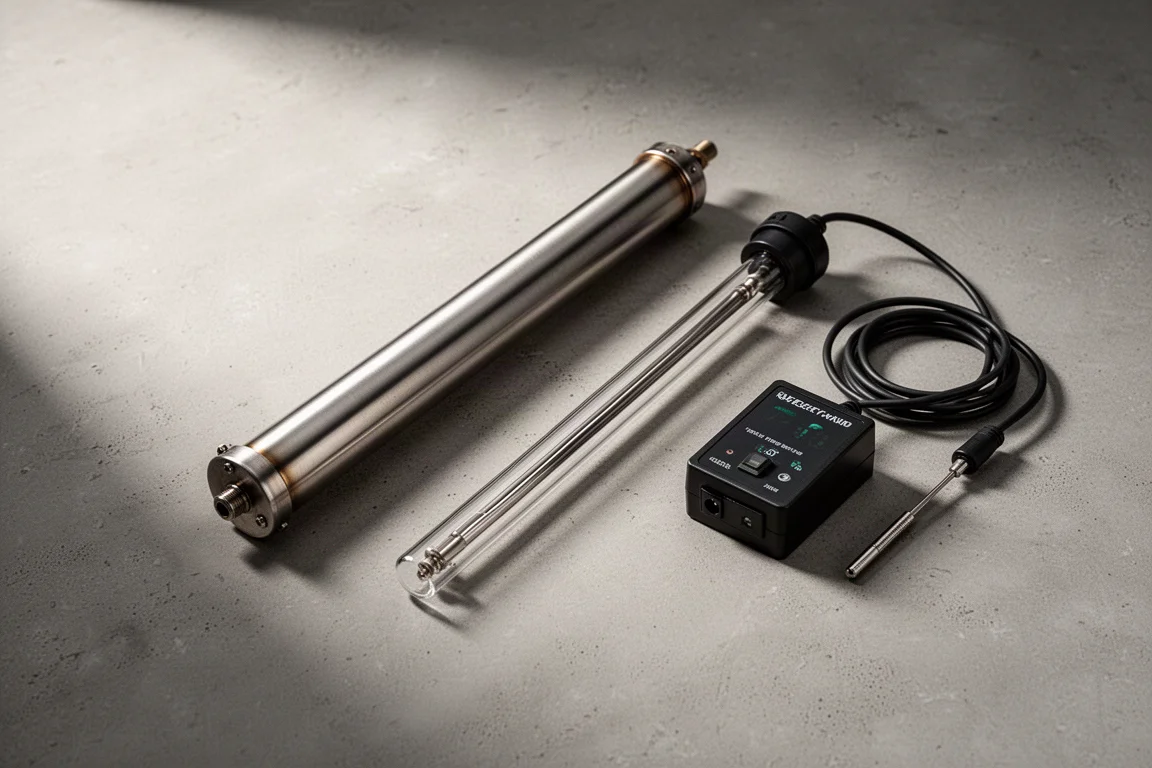
Introduction
Aquarium heaters fail. Spend enough years keeping a reef tank and that stops being a possibility you worry about and becomes an assumption you build around. The useful question is not whether a heating element will eventually stick on or quit working. It is whether your tank can handle the day it does.
That idea drives every recommendation below. The devices here are not ranked by how many features they carry. They are judged by how well they support a setup where a single failure does not end in a crashed tank. Two heating elements, two thermostats, and an alarm loud enough to wake you matter far more than a display that holds a tenth of a degree.
The hardware only tells half the story. A heater that is accurate, correctly placed, and backed by a working alert is doing its job. One that is quietly running six degrees off is not, no matter what the packaging promised.
What Matters Most in a Heater Setup
Redundancy comes first, and the practical version of it is a dual thermostat and dual relay arrangement. Nearly every heater already contains a thermostat and a thermometer, and for a long time that internal switch works well. Eventually it sticks. Adding a second controller that can cut power to the outlet means one device is always backing up the other, and both failing at the same moment becomes extremely unlikely.
For that to work, the heating element should not be hardwired into a single controller. Keep the element on a plug so a second thermostat layer can shut it down if the first one fails.
Sizing works the same way. Two heaters, each sized to carry roughly 75 percent of what the tank needs, is a sound rule of thumb. Together they hold your target temperature. If one dies, the other still covers most of the load. Building the system around one oversized element is the wrong approach, because a stuck unit that can already heat the tank on its own will raise temperature far faster than a smaller element that cannot.
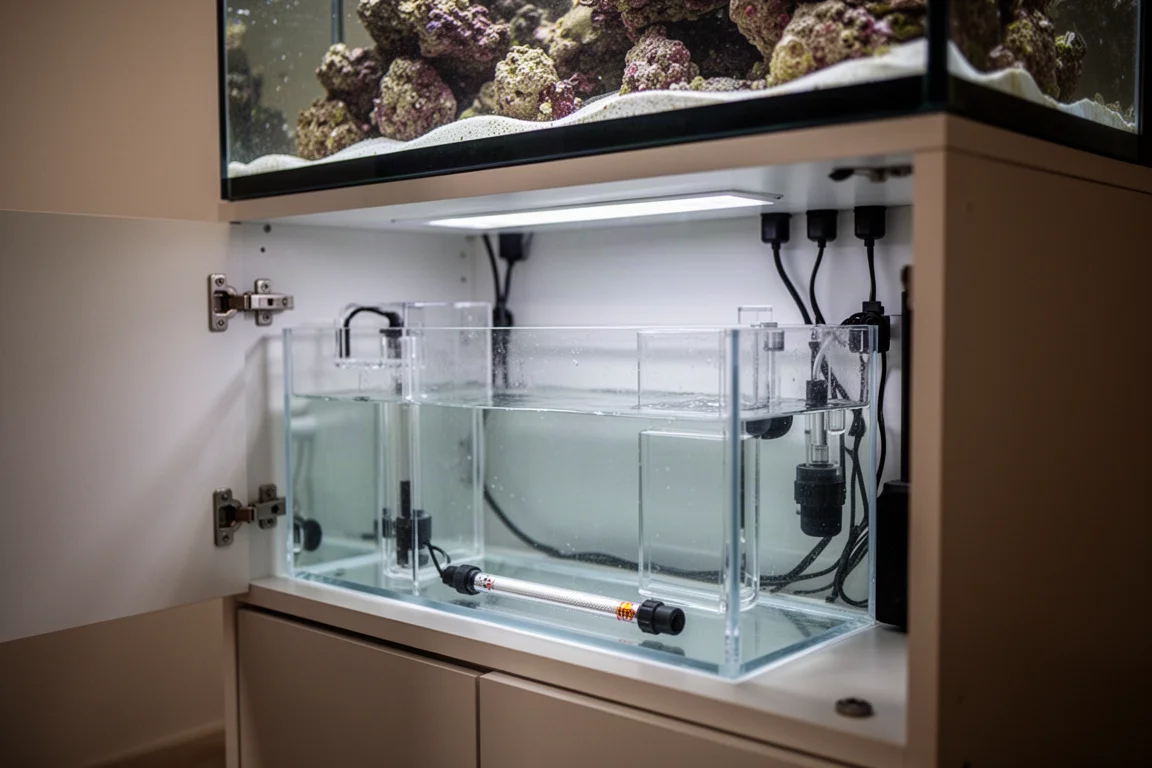
Alerts deserve the same weight as hardware. A failed heater connected to nothing that beeps, blinks, or sends a notification is a silent problem. Audible alarms matter when you are asleep, visual ones matter when your phone is on silent, and mobile alerts matter when you are away for the weekend. Two questions are worth answering honestly. If the heater failed off, how would you know? If it stuck on, how long would you have to react? A cold tank can drift for days or even weeks. Overheating can turn critical within hours.
Reliability should beat feature count every time. A heater that holds a steady temperature for years is worth more than one that offers fine-grained control and a long list of extras. Warranty length is a reasonable signal here, since coverage on heaters varies widely, and some models are covered for only a few months.
Neptune Apex Controller: Alerts and Redundancy
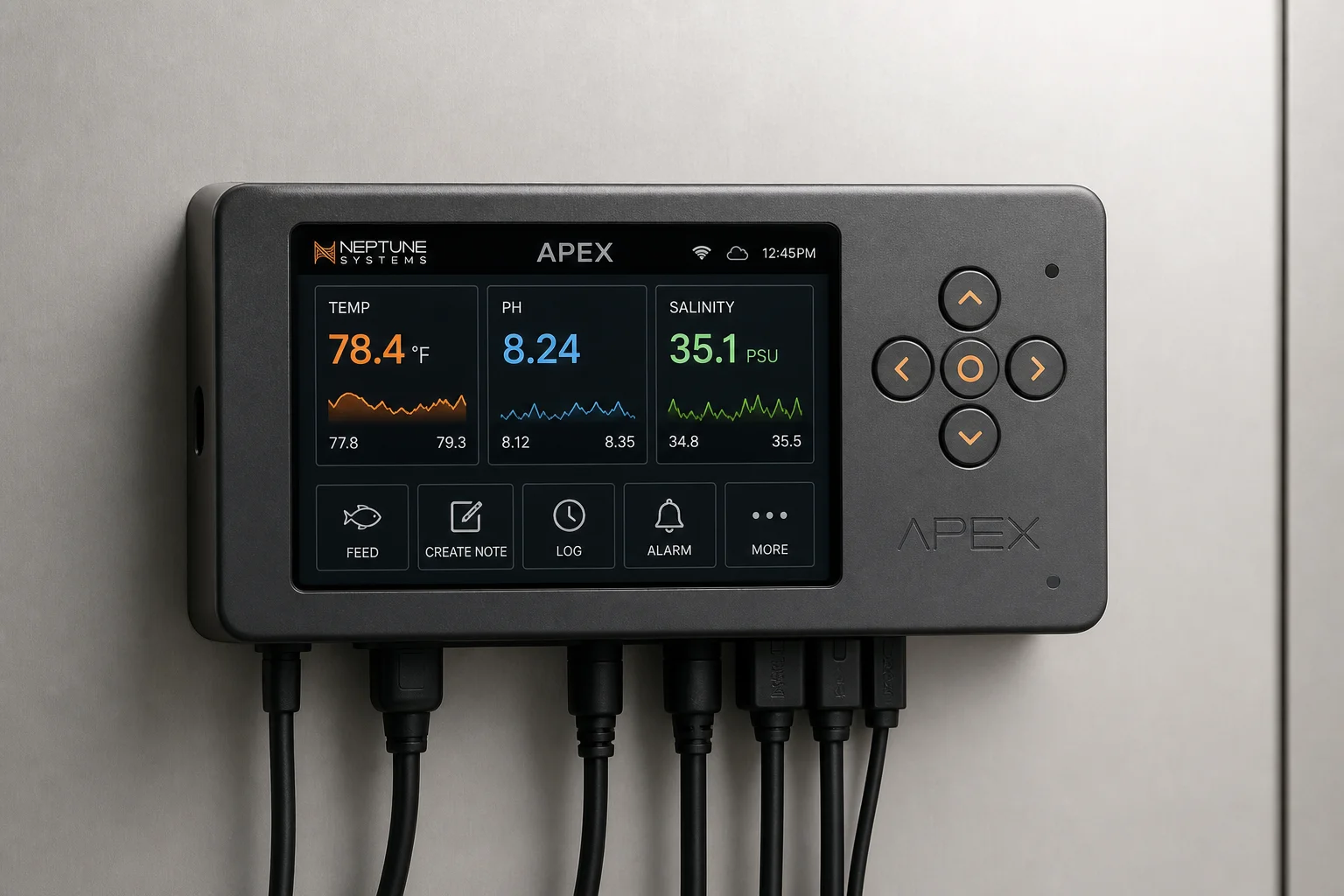
A controller such as the Neptune Apex is where layered protection becomes practical. Its energy bar provides switched outlets and a temperature probe, so you can set a target temperature and a separate alarm threshold above it. If a heater sticks on and the tank climbs past that threshold, the controller can shut the outlet down and send an alert to your phone. One failed heater gets caught before it becomes a tank-wide problem.
The controller also includes a calibration function, which matters because setpoints are rarely accurate as shipped. It supports additional temperature probes through expansion modules, so you can monitor the sump and the display tank separately. A spare probe placed in the air is another useful trick, since it reports the room temperature that ultimately drives your tank.
One caution belongs here. Plugging a heating element directly into a switched controller outlet turns that outlet into the wearing part. If it cycles on and off every couple of minutes, the count adds up quickly across a couple of years. Since an energy bar in this class sits in the two to three hundred dollar range, that is an expensive component to burn through. A cheap standalone heater controller, in the region of fifty dollars, is meant to absorb that wear instead.
BRS Titanium Heater: A Separate Element and Controller
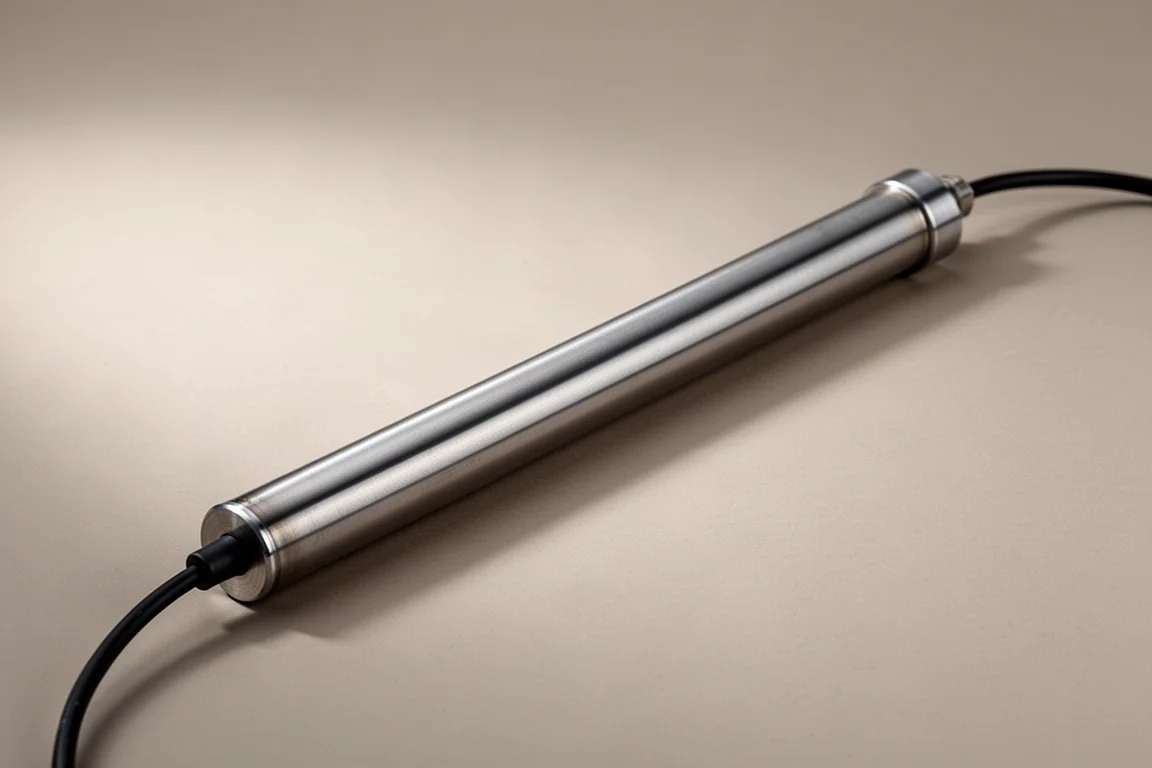
The BRS titanium heater is a heavy, welded titanium element with a three-year warranty on the element itself. The design separates the heating element from the controller, which matches the way these parts actually wear. The controller is the component that switches on and off thousands of times, while the element simply heats. That means the element can serve for years, and the controller is the part worth replacing on a schedule.
Because the element carries no electronics, it pairs naturally with a proven standalone controller, and that controller can then sit behind a main aquarium controller. The result is two reliable devices backing each other up, two temperature probes, and instant notification if either one fails. It also keeps routine maintenance in proportion, since the inexpensive controller is the part that gets refreshed while the durable element stays in service.
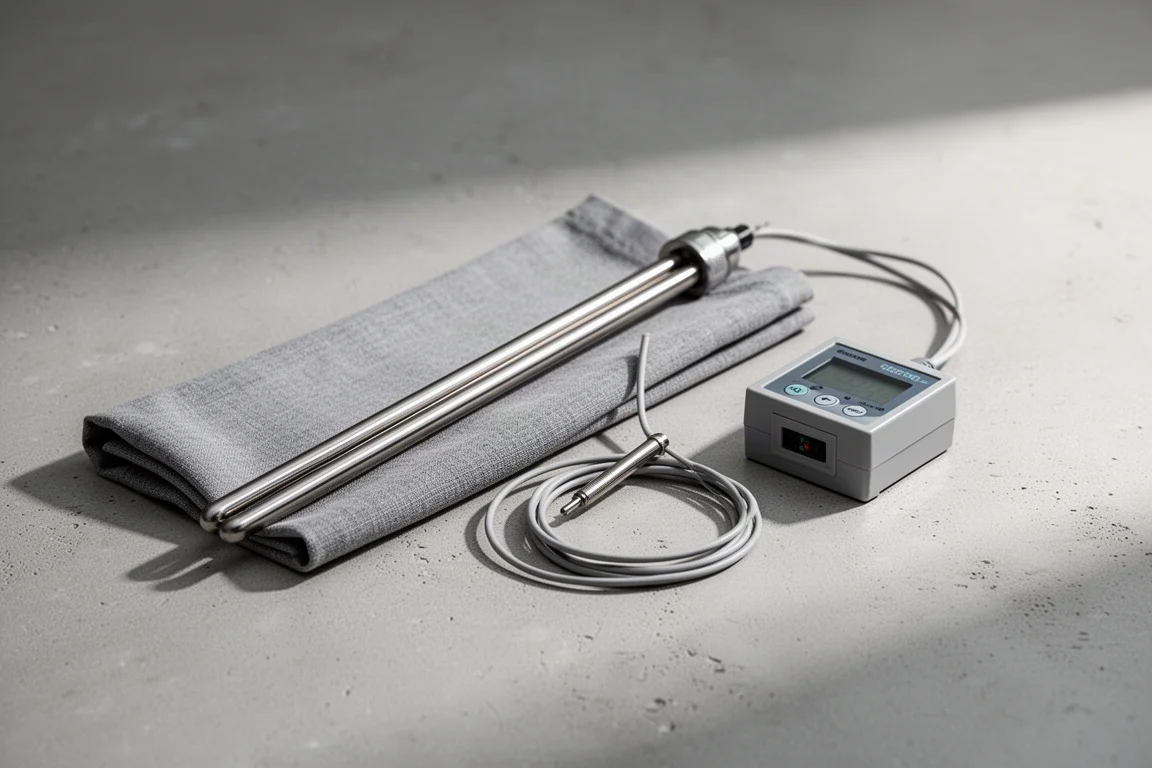
Pairing a titanium element with a separate thermostat also makes placement easier to reason about, because the element and the probe can each sit where they function best rather than where a single housing forces them.
Eheim Jager: The Classic Bi-Metal Heater
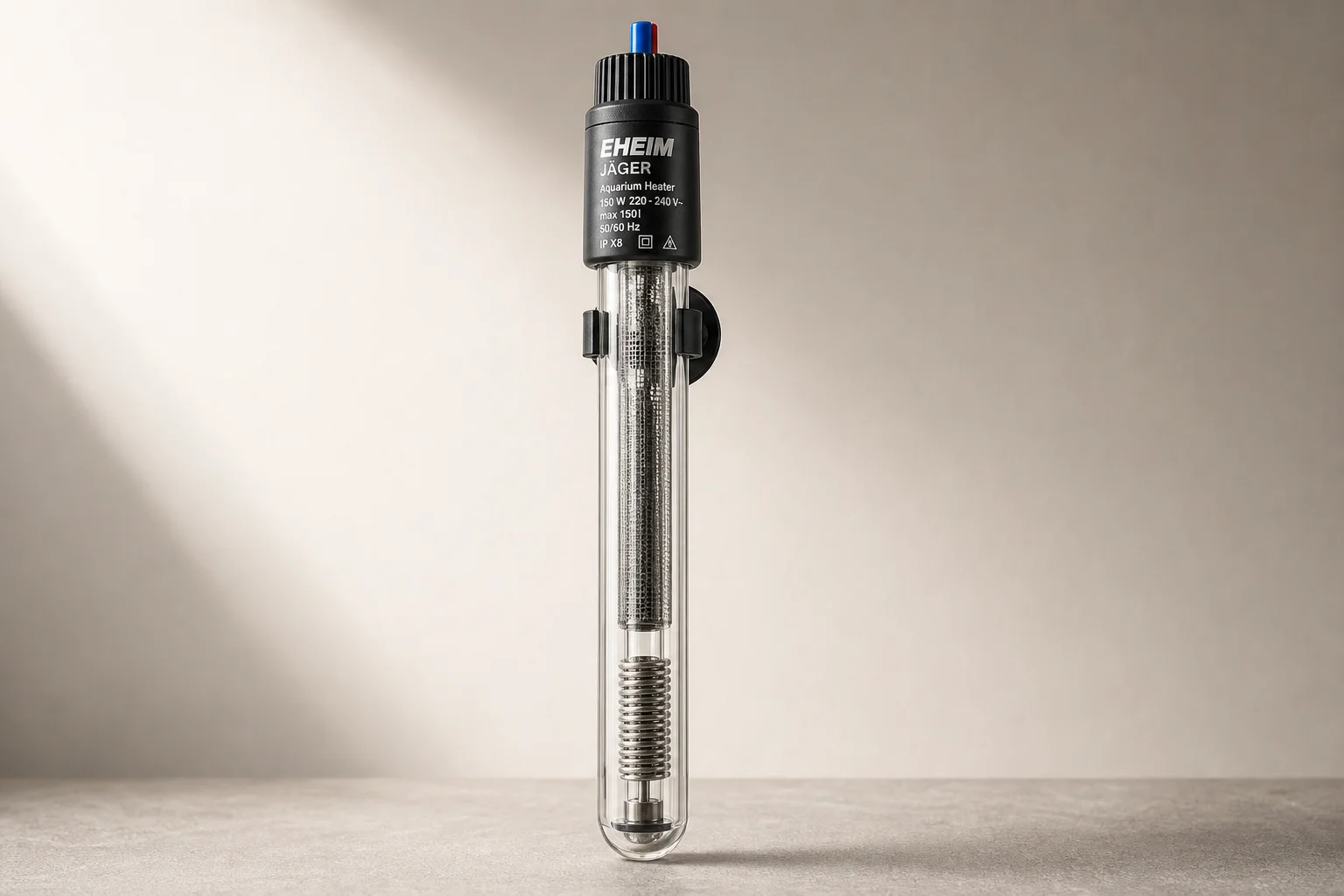
Eheim Jager heaters earned a long reputation for reliability, and the reason is visible once you open one. There is no electronics board inside. A bi-metal thermostat does the work: two different metals bend as temperature changes, and a pair of contacts opens or closes. Nothing in the mechanism is a circuit.
The trade-offs have become clearer with time. Bi-metal thermostats tend to lose accuracy, which is why the dial on top can be recalibrated. The contacts also arc when they meet, and arcing is what causes them to fuse over the years. Size is the other consideration. A 300 watt unit is long, which makes it awkward in many sumps, and mounting it at an angle can leave part of the housing exposed when the water level drops.
None of that makes it a poor heater. It makes it a mechanical device with a predictable wear pattern, best used with an external controller watching it.
Neo-Therm: A Compact Heater With Placement Caveats
Compact heaters solve a real problem in tight sump chambers, and the Neo-Therm fits where a long glass or titanium unit simply will not. Placement guidance around these slim designs has been inconsistent, though. Documentation has warned against full submersion at the same time as manufacturer guidance indicates the thermostat section needs to sit in the water. That contradiction is worth resolving before installation.
The underlying issue applies to any heater with the thermostat built into the top of the body. The heating element warms the thermostat, the thermostat shuts off earlier than it should, and the unit cycles more often. In practice, reaching a target temperature can take far longer with this arrangement than with a heater that uses an external thermostat. Many keepers submerge these units fully and mount them low in the sump, which keeps the thermostat in water and clear of the water line.
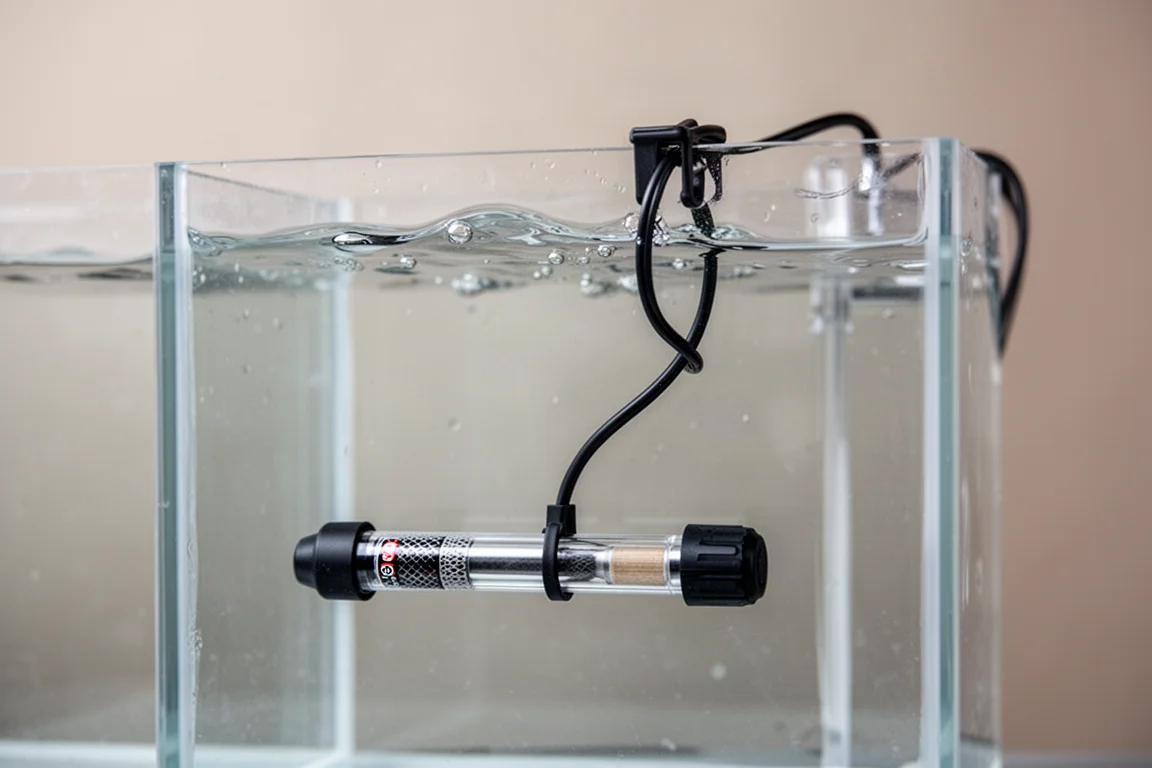
Wherever the thermostat sits, the same rule applies: nothing about the installation should depend on a suction cup or a magnet holding a component in place across months of vibration and maintenance work.
Aqua Logic Temperature Controller: Industrial-Grade Backup
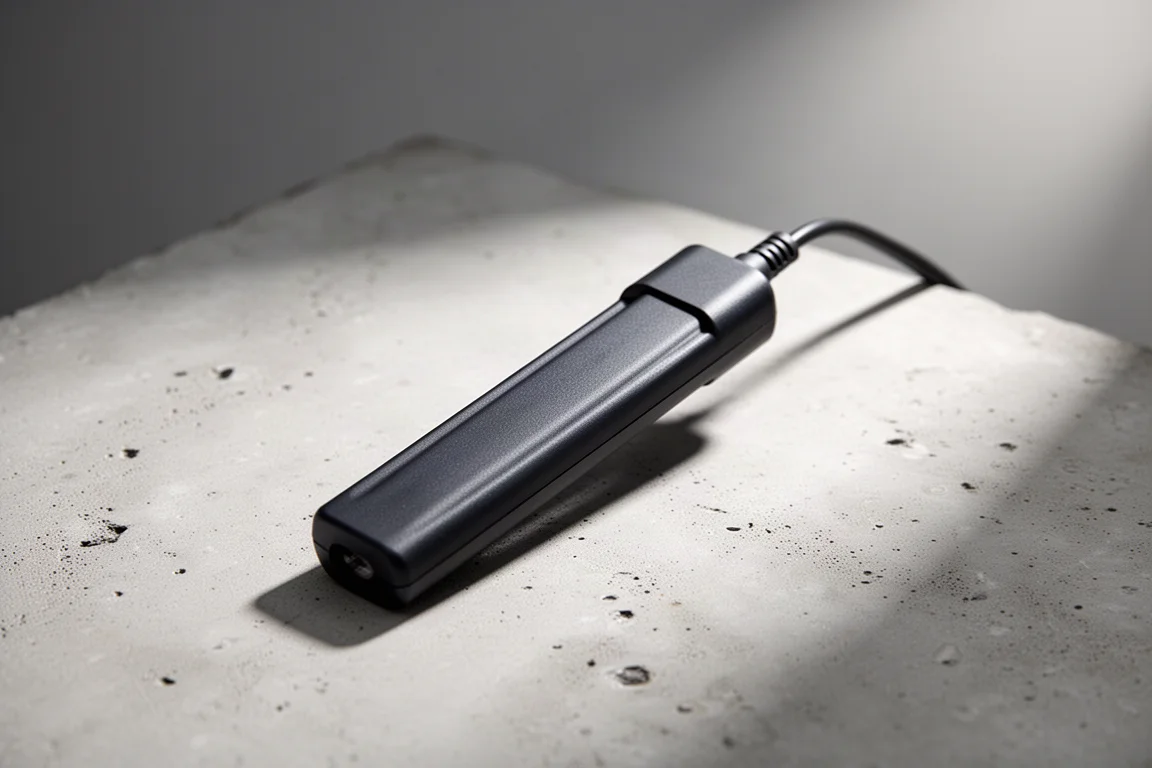
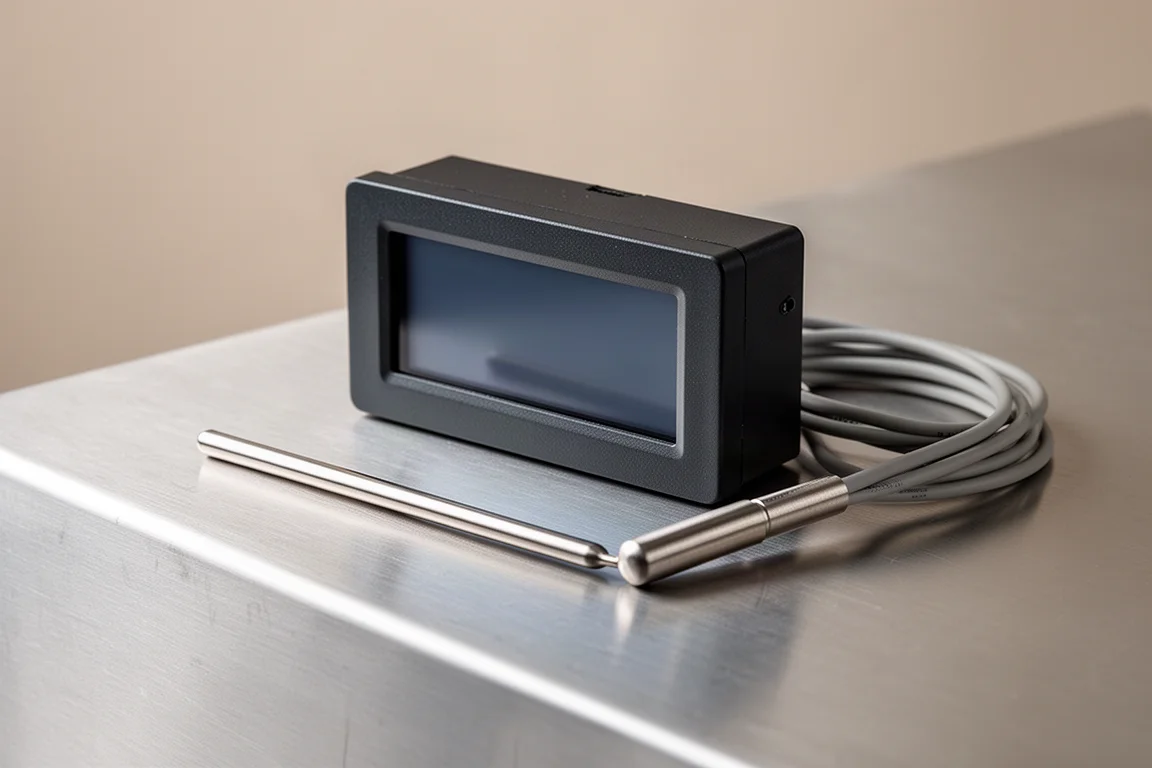
The Aqua Logic temperature controller is built around Ranco reliability, a platform proven across a wide range of industries, and it uses a titanium probe designed for seawater. That combination makes it a strong first line of defense in a heater setup.
The recommended arrangement puts the heating element on the Aqua Logic, then plugs the Aqua Logic into a main controller. You end up with two reliable devices, two temperature probes, and alerts layered on top of both. If either layer fails, the other one still controls the outlet, and if the main controller is set up for notifications, you hear about it.
There is a maintenance benefit as well. Because the dedicated controller is the component absorbing the switching cycles, your more expensive control equipment is not the part being used up.
Overall Buying Advice
Calibrate everything you buy. Heaters and controllers have been measured as much as six degrees off straight out of the box, so a setpoint of 78 does not guarantee water at 78. Many aquarium controllers include a calibration function for exactly this reason. For heaters without one, adjust the dial after measuring against a trustworthy reference, such as a NIST-traceable handheld thermometer. Averaging the readings from three separate thermometers is a practical fallback that gets you close enough.
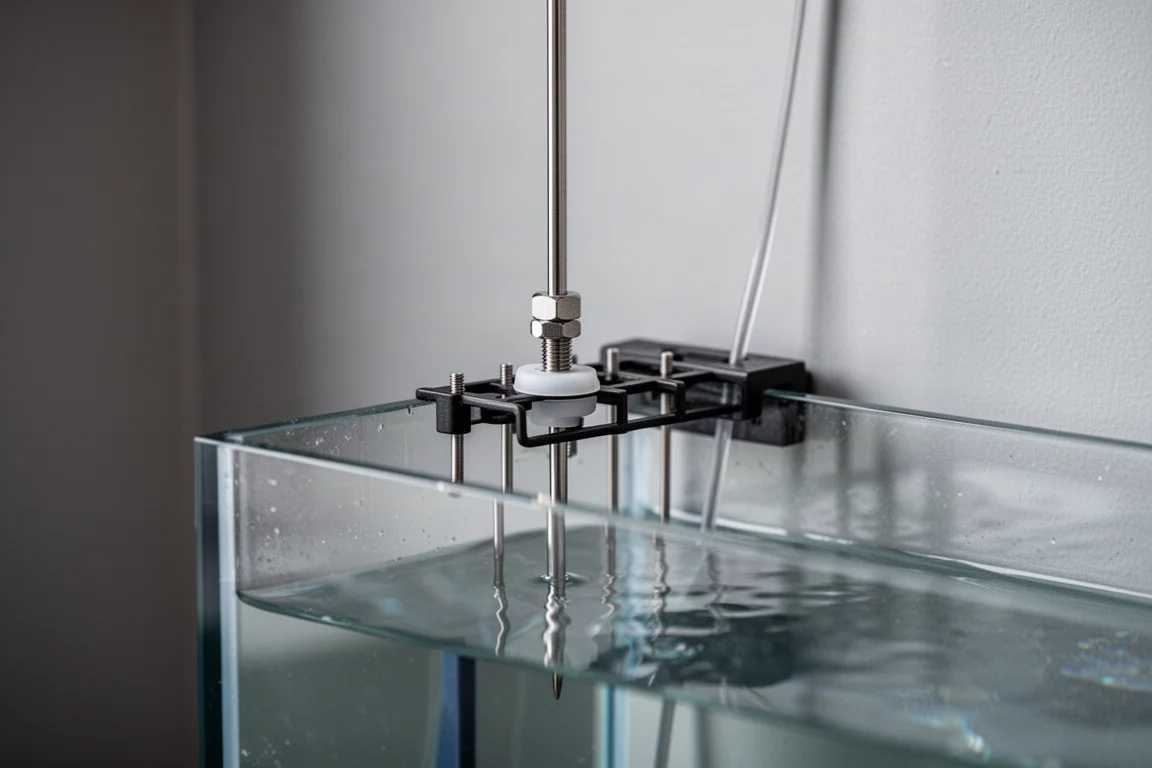
Probe placement deserves the same attention. A temperature probe should never sit anywhere it could be exposed to air, including during a top-off failure or a return pump stoppage. Never rely on a suction cup to hold it. A probe rack that locks the sensor in place, or a mount fixed with silicone and a nut, is the dependable answer. Placing the probe upstream of the heater in the sump means it reads water arriving from the display tank, which holds most of the system volume. A second probe in the display or the overflow box adds another layer of information.
Avoid setting the on and off points a tenth of a degree apart. That kind of tight switching is what pushes a heater and its outlet toward a million cycles, and outlets have been burned out by exactly that practice. A one degree swing, or even two, is not the stress on livestock that it is often assumed to be. It is also worth remembering that the air in the room is the primary heater and cooler for the tank, so an ambient temperature probe tells you when air conditioning fails, a window is opened, or someone adjusts the house thermostat. Smart thermostats that reduce heating or cooling while you are away are a poor match for a tank that depends on that air.
Finally, plan the replacement before you need it. The controller and thermostat are the parts that wear, and a heater left running in a drained chamber can melt a sump wall or nearby tubing, a failure that has put copper into a system and crashed a tank. Replace the wearing parts on a schedule, and treat the equipment as something with a usable life rather than something that runs until it breaks.
Conclusion
Buy a heater expecting it to fail, add a second thermostat layer, size two elements at roughly 75 percent each, and set up alarms you will actually notice. That combination does more for tank stability than any single specification on a box.
Further reading
Related Reviews
Aquarium Equipment
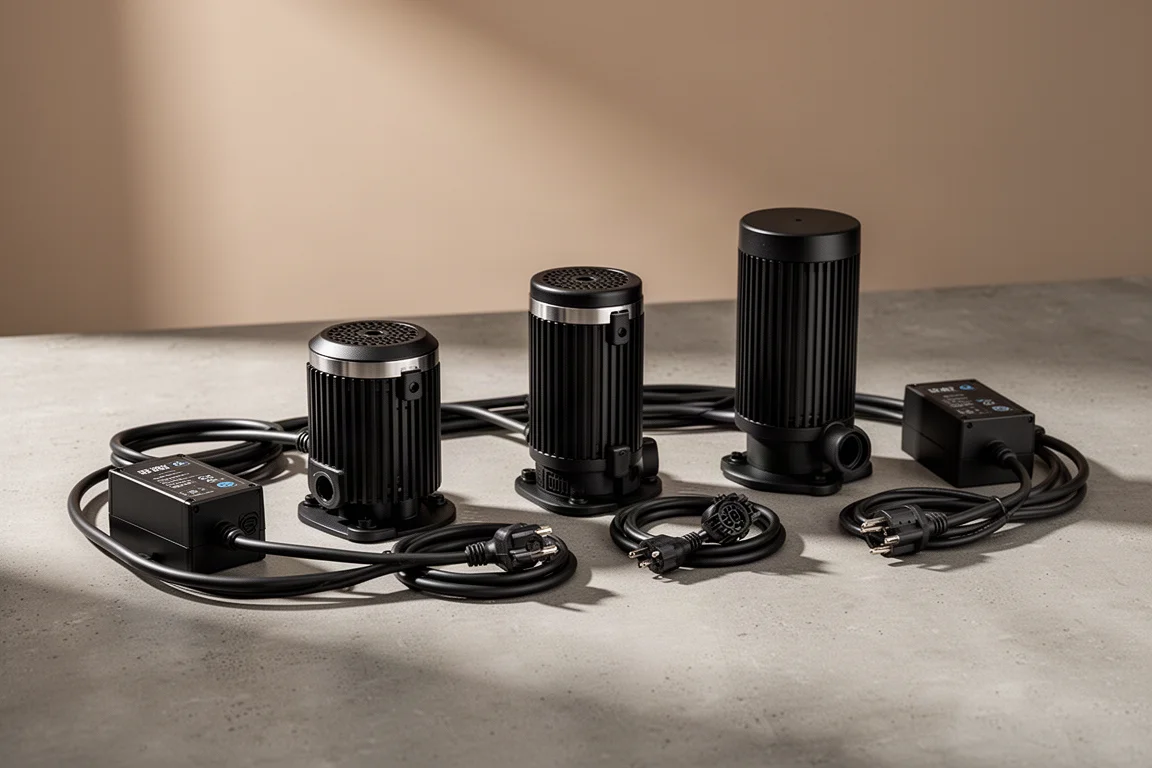
Abyzz Professional DC Pumps: A100, A200, and A400 Reviewed
A closer look at three German-made DC return pumps built for large reef systems, with titanium internals, fine flow control, and a 10-year warranty.
Aquarium Equipment
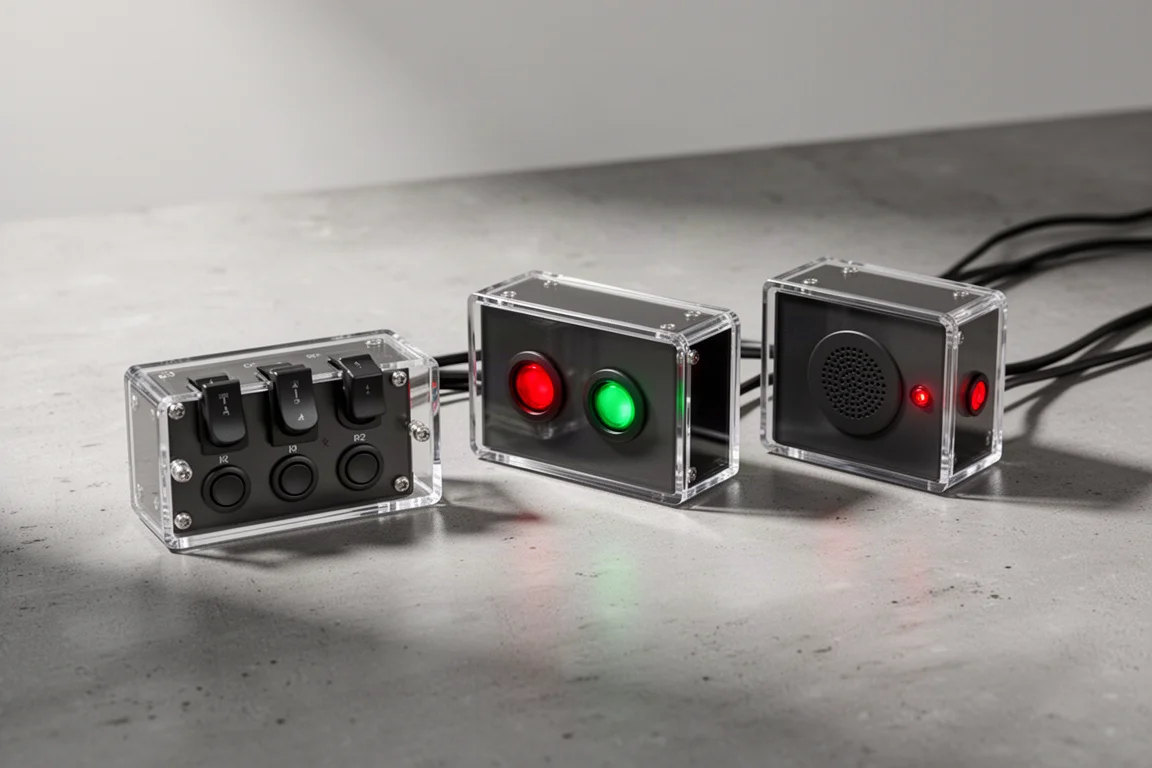
AdaptiveReef Controller Accessories: Three Tactile Upgrades for Your Reef Controller
A practical look at three AdaptiveReef add-ons that put physical switches, at-a-glance status lights, and a loud alarm within arm's reach of your reef tank.
Aquarium Equipment
Adaptive Reef Controller Boards: Basic vs Deluxe for Cleaner Aquarium Gear
A practical look at the Adaptive Reef Basic and Deluxe controller boards, what each one includes, and how to choose the right size for your tank gear.