Aquarium Equipment
Best Aquarium Heaters 2026: Good, Better, Best Picks for Stable Tank Temperature
A practical guide to three aquarium heater options, from durable preset models for small tanks to a full titanium system with Wi-Fi monitoring for larger setups.
Introduction
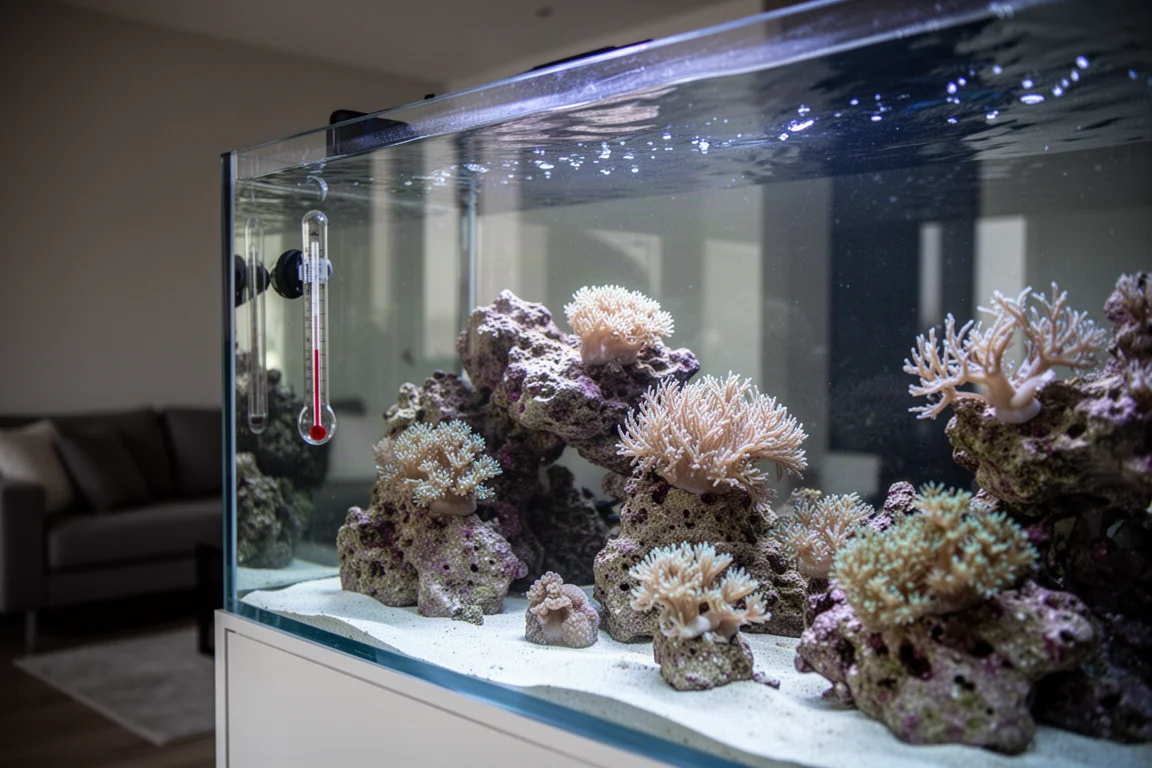
Stable water temperature is one of the foundations of a thriving saltwater aquarium. Most reef keepers aim to hold the tank between 75°F and 78°F, and a reliable heater is what keeps that number from drifting overnight or during a cold snap. Sizing matters as much as the model: a practical rule is 3 to 5 watts per gallon, which puts a 10-gallon tank in the 30 to 50 watt range. Choose too small a heater and it will run constantly without holding temperature; choose a wildly oversized one and a single stuck switch can cook a tank quickly.
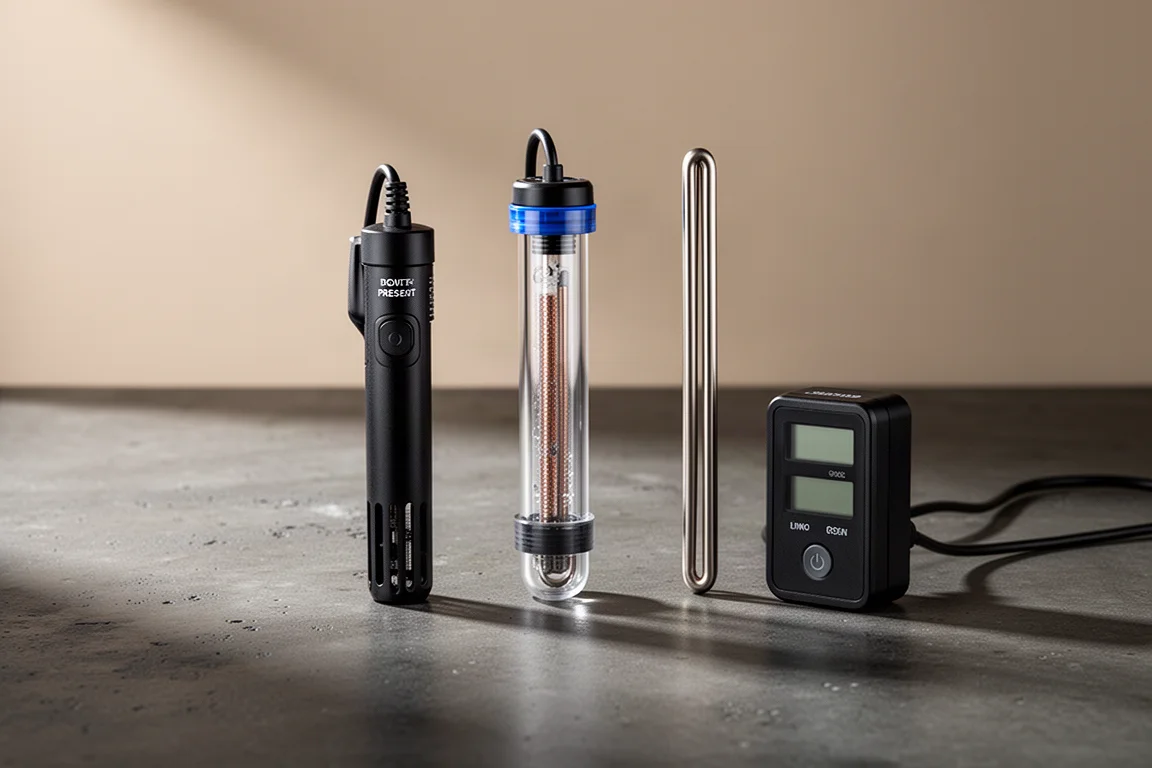
That leaves the question of which heater to buy. The three options below sit at clearly different points on the price and capability ladder, from a nearly indestructible preset unit for nano tanks to a full titanium system with a separate Wi-Fi controller for medium and large setups.
Good: CJ Jolly Aquarium Heater
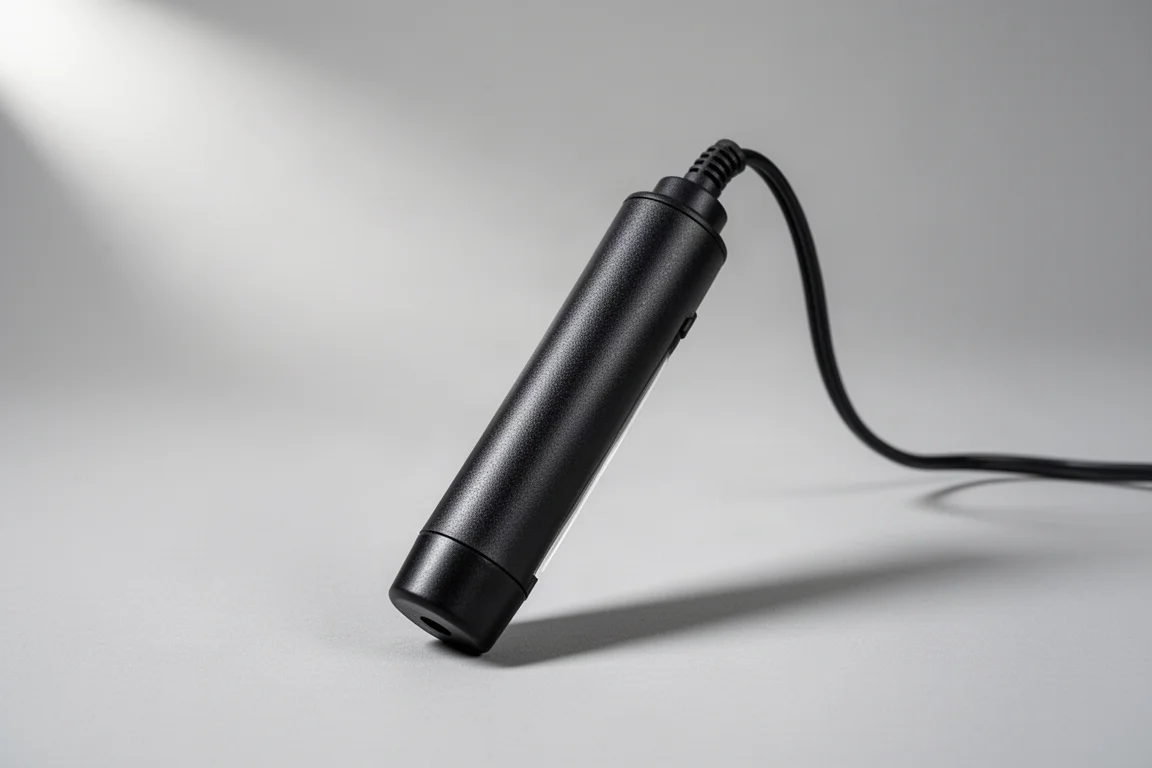
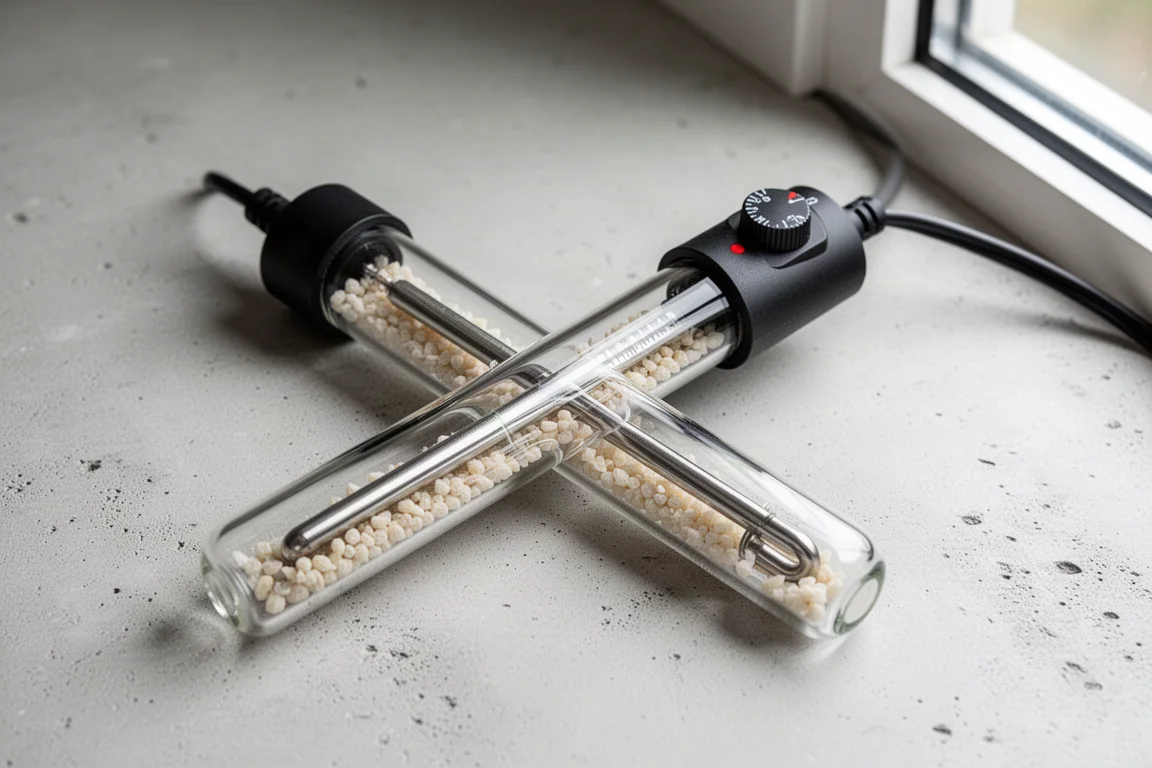
The CJ Jolly is built around durability rather than adjustability. Its housing is made of virtually unbreakable plastic, which means it can be buried beneath aquarium gravel or sand and left there for continual heating without worrying about glass cracking under substrate pressure. That placement flexibility is unusual and genuinely useful in a small tank where visible equipment is hard to hide.
These are preset models, precisely calibrated to 77°F, so there is no dial to fiddle with and no risk of an accidental temperature change during maintenance. Thermal protection shuts the element down once it reaches its preset temperature, which guards against overheating. The trade-off is obvious: you cannot tune the setpoint to a different target, so the heater only makes sense if 77°F fits your stocking plan.
The CJ Jolly is easy to use and is at its best in small aquariums, where a simple, sealed, low-maintenance heating solution is more valuable than fine control.
Better: Eheim Jager Aquarium Heater
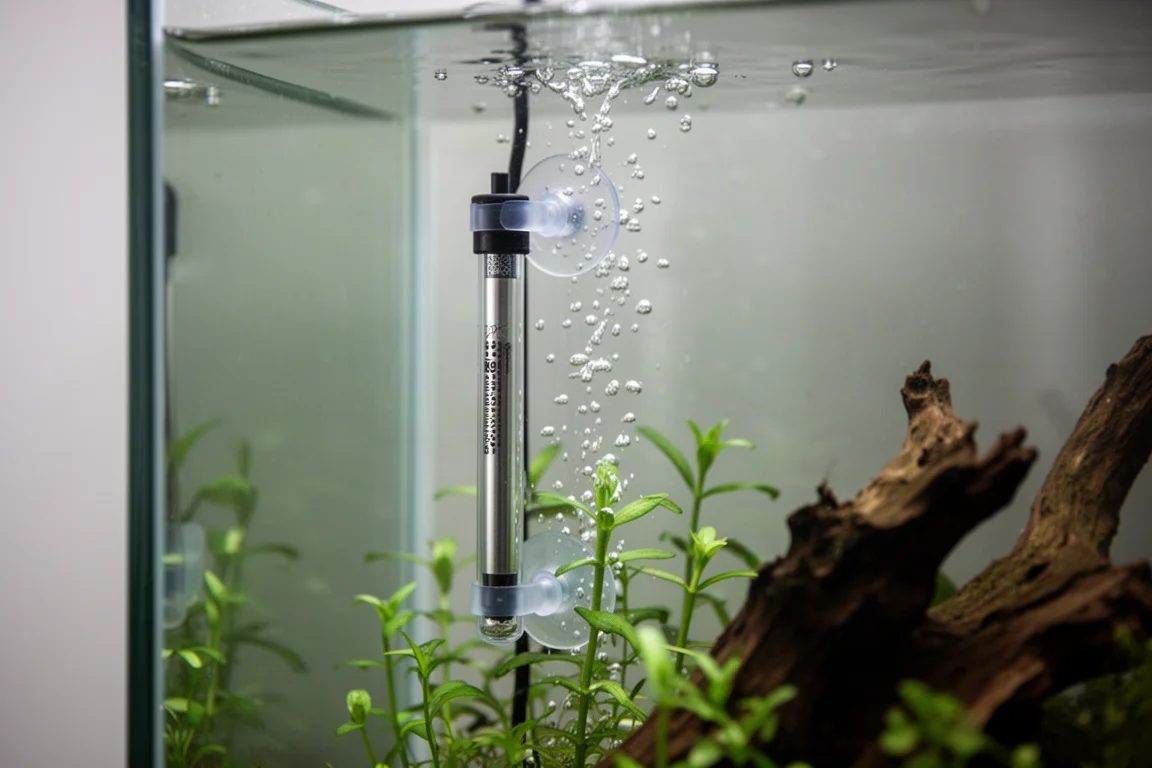
The Eheim Jager moves up a level by adding real control. It is a fully submersible heater made from shatterproof laboratory glass, a material chosen for both thermal stability and resistance to breakage. That makes it a reasonable fit for tanks where the heater will be handled regularly during water changes.
Its True Temp technology allows the heater to be calibrated to a precise temperature, so you can set a target and trust that the reading corresponds to actual water temperature rather than a factory approximation. Run dry protection adds a safety layer for the moments when the heater is exposed during a water change, and the unit is UL-certified. For owners of small to medium-sized tanks who want an adjustable setpoint without stepping up to a full controller system, this is the natural middle option.
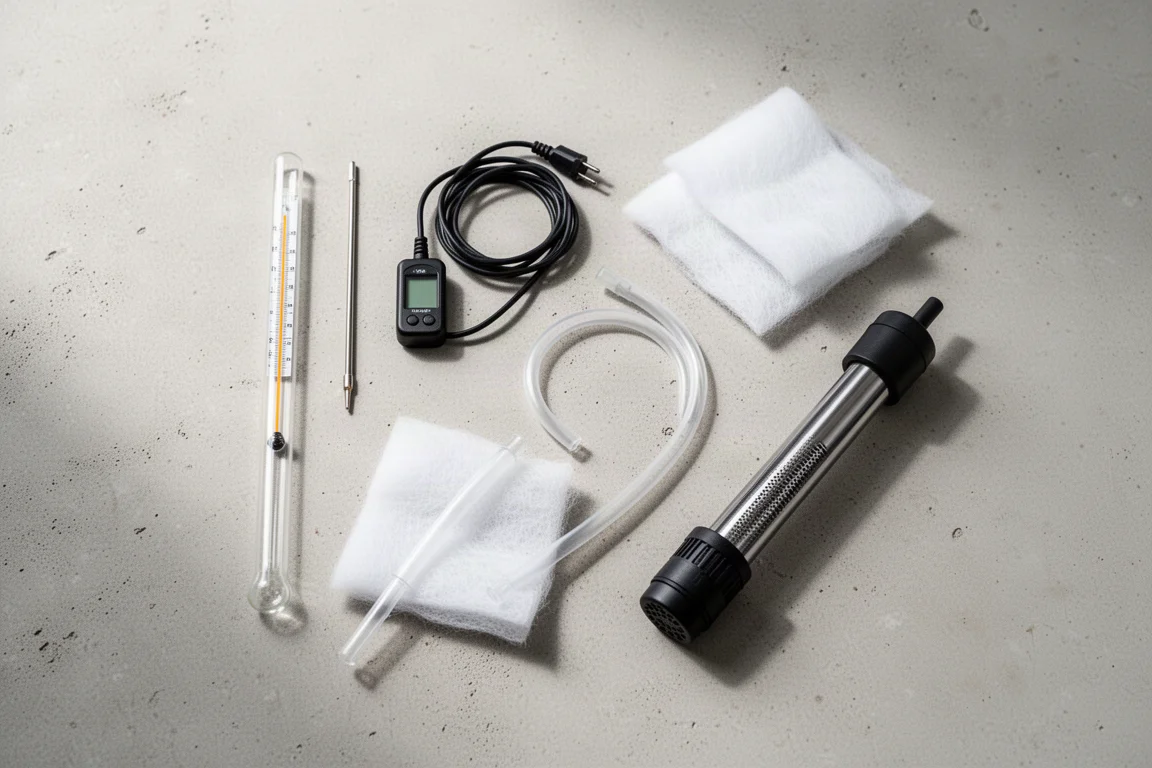
One practical point: because the setpoint is adjustable, it is worth verifying the calibration against an independent thermometer after installation, particularly if the tank holds sensitive livestock.
Best: Bulk Reef Supply Titanium Aquarium Heater System
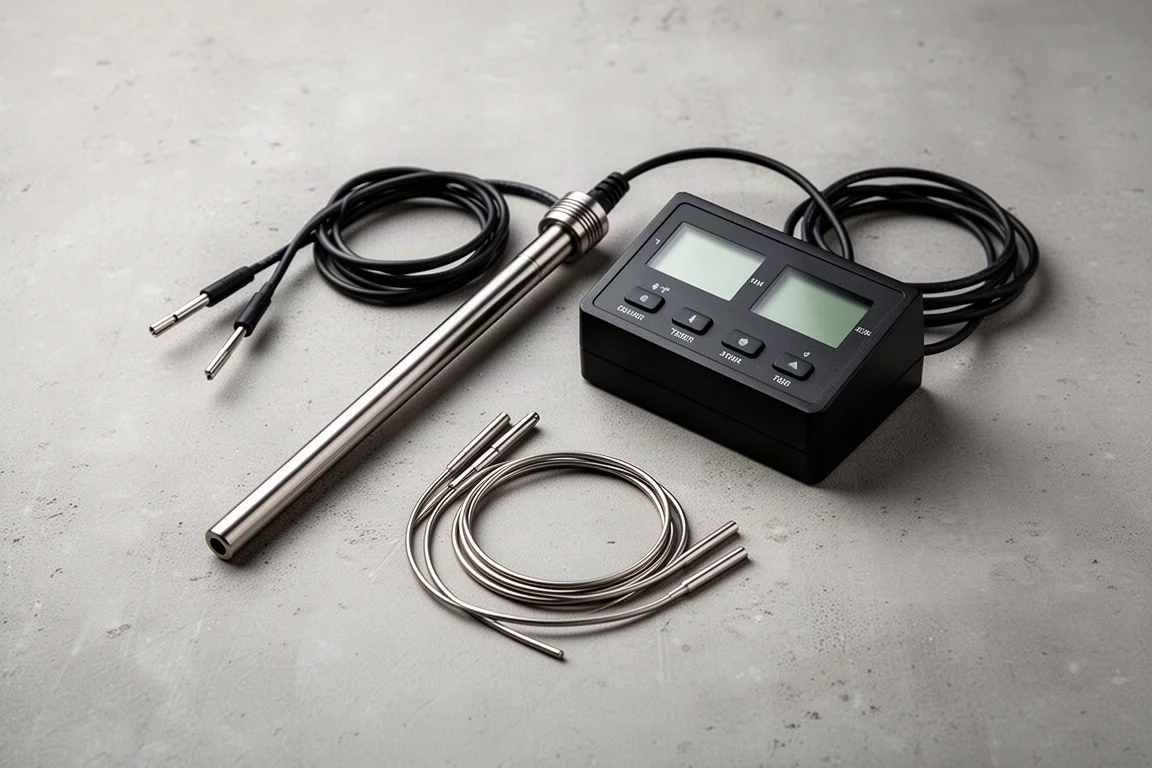
The Bulk Reef Supply Titanium Aquarium Heater System is not a single heater so much as a complete temperature control package. It pairs a virtually unbreakable titanium heating element with an Inkbird Wi-Fi aquarium temperature controller, separating the element that produces heat from the device that decides when heat is needed.
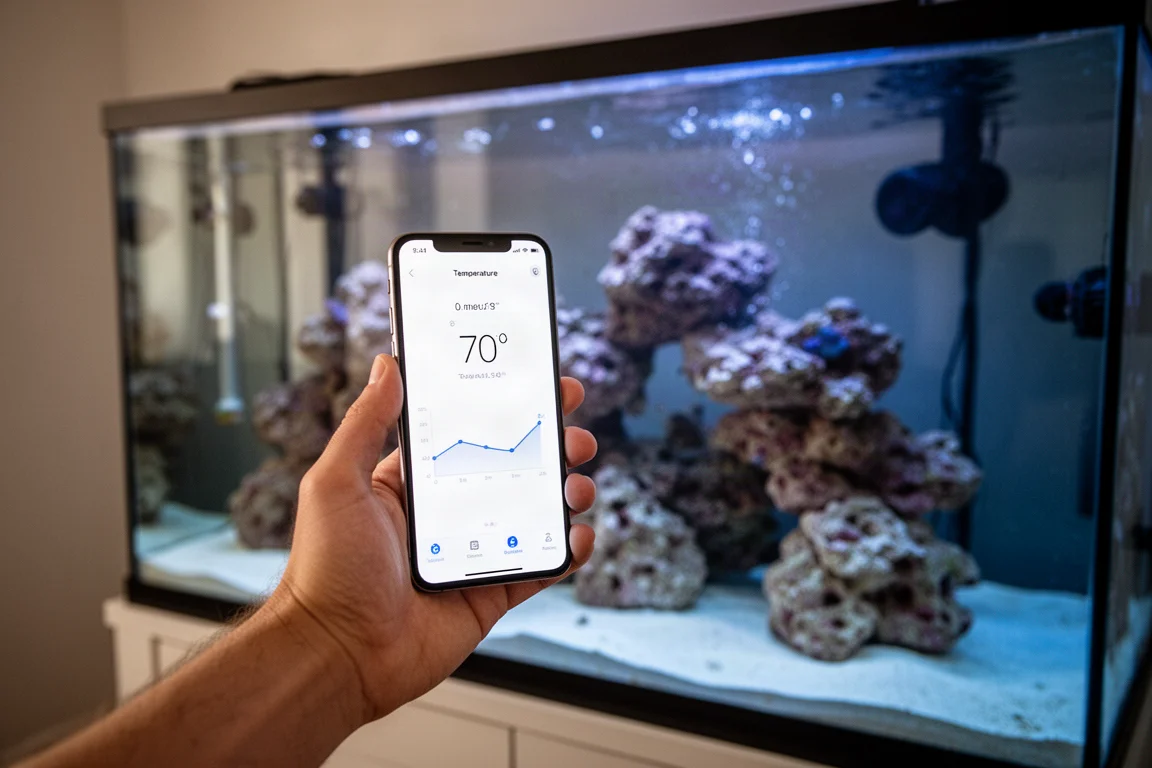
The controller includes two large LCD displays for an instant readout of your tank’s temperature, and it supports an app that can push Wi-Fi notifications if anything goes wrong or is missed. Redundancy is the headline feature: dual power relays and dual temperature probes are designed to prevent failures, and two outlets allow control of two heating elements, which adds another layer of protection to the system. For medium to large setups, that combination of monitoring, alerts and backup capacity is what separates a controller-based system from a standalone heater.
The trade-off is complexity and cost. A system like this needs to be configured and tested before it goes to work, and there are more components that can be miswired or misread. In exchange, you get visibility into tank temperature and a much better chance of catching a problem before it becomes a loss.
Sizing, Placement and Long-Term Reliability
Whatever heater you choose, the same maintenance habits apply. Heaters are consumable equipment, and replacing one roughly every year is a sensible precaution rather than an admission of failure. Keeping a spare heater at home is equally worthwhile: a failed heater in the middle of a cold night is a much smaller problem when a replacement is already on the shelf.
Placement deserves a moment of thought too. A heater works best with steady water movement around it, so positioning it near a return line or powerhead helps distribute warmth instead of creating a hot pocket. In-tank placement also affects the durability question: models designed to be buried in substrate can be hidden completely, while glass and titanium elements generally sit in open water where they are easy to inspect.
Finally, verify the actual number. A separate thermometer or probe reading, rather than the heater’s own dial, is the only way to know what the tank is really doing.
Buying Advice
The right pick depends on tank size, budget and how much oversight you want. If you keep a small aquarium and prefer a set-and-forget approach, the CJ Jolly’s preset 77°F calibration and substrate-friendly plastic body keep things simple. If you want an adjustable setpoint with calibration, run dry protection and UL certification for a small to medium tank, the Eheim Jager is the straightforward step up.
If you run a medium to large system and want temperature monitoring, notifications and built-in redundancy, the Bulk Reef Supply Titanium system with its Inkbird Wi-Fi controller is the most capable option of the three. Whichever route you take, size the heater at roughly 3 to 5 watts per gallon, plan for an annual replacement, and keep a backup on hand.
Conclusion
Temperature stability is not something most aquarists notice until it fails. A preset, nearly indestructible heater covers the basics in a nano tank, an adjustable glass heater adds precision in the middle, and a titanium element paired with a Wi-Fi controller brings monitoring and redundancy to larger systems. Match the heater to the tank, replace it on schedule, and the rest of the reef does the hard work.
Further reading
Related Reviews
Aquarium Equipment
Abyzz Professional DC Pumps: A100, A200, and A400 Reviewed
A closer look at three German-made DC return pumps built for large reef systems, with titanium internals, fine flow control, and a 10-year warranty.
Aquarium Equipment
AdaptiveReef Controller Accessories: Three Tactile Upgrades for Your Reef Controller
A practical look at three AdaptiveReef add-ons that put physical switches, at-a-glance status lights, and a loud alarm within arm's reach of your reef tank.

Aquarium Equipment
Adaptive Reef Controller Boards: Basic vs Deluxe for Cleaner Aquarium Gear
A practical look at the Adaptive Reef Basic and Deluxe controller boards, what each one includes, and how to choose the right size for your tank gear.