Road Bikes
Best Alloy Road Bikes 2026: Nine Aluminium Road Bikes Worth Considering
Nine alloy road bikes compared on weight, gearing, tire clearance and practicality, with clear guidance on which aluminium build suits your riding.
Introduction
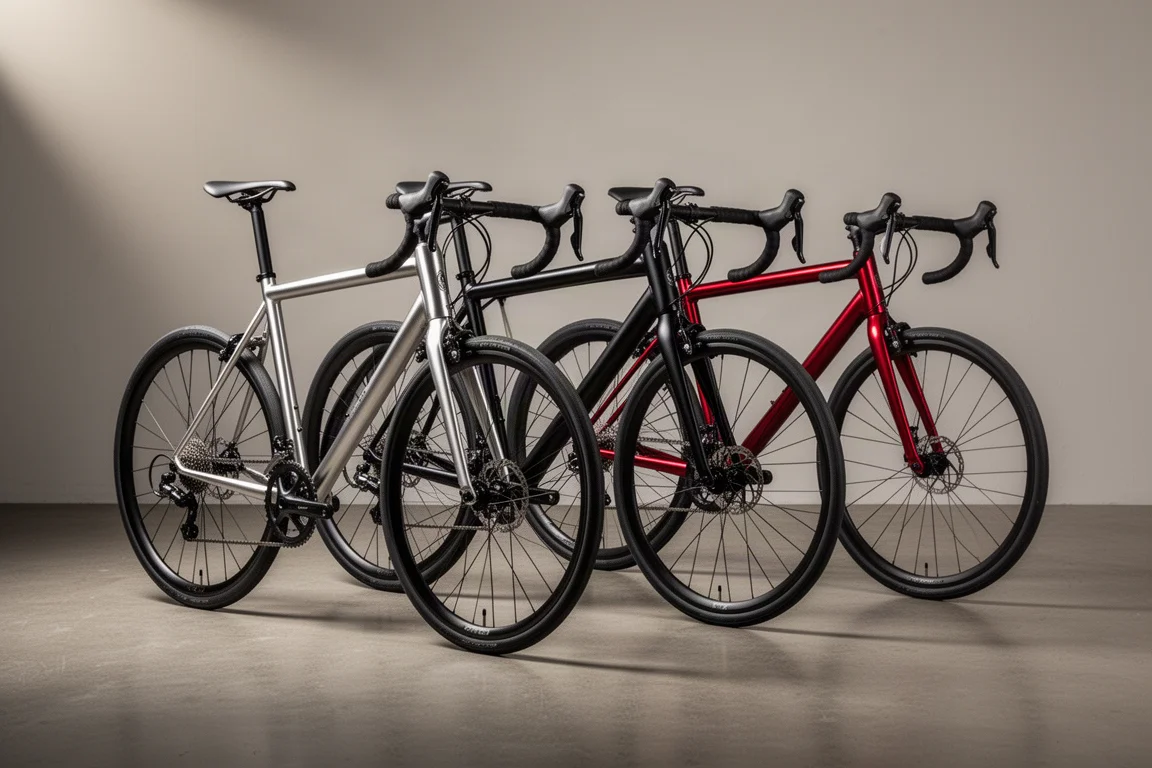
Aluminium has never really left the road bike conversation. Even as carbon fibre has taken over the premium end of the market, alloy frames have kept their place by offering strong value, competitive weight, better durability and lower running costs. For a lot of riders, that combination simply makes more sense than a carbon frame.
This roundup covers nine alloy road bikes that span a wide spread of priorities. Some are built for race-day speed, others are set up for commuting, winter miles and light gravel. Every one of them is aluminium, and each makes a clear case for itself.
How We Evaluated These Alloy Road Bikes
The first thing we looked at is what the frame actually delivers: claimed weight, tube shaping and the construction details that affect stiffness and ride feel. Weight matters, but only alongside the components bolted to it, so groupsets, wheels and gearing all count.
Practicality carried a lot of weight in this roundup. Tire clearance, mudguard mounts, rack mounts and cable routing decide whether a bike is a summer toy or something you can ride all year. Ride character matters too, because a bike that feels lively and comfortable is easier to live with than one that only looks good on paper.

Price is the final piece, and it is where alloy frames make their strongest argument. A well-chosen aluminium build can deliver a ride that keeps pace with far more expensive carbon rivals, and the difference in cost leaves room for better wheels, tires or a second set of mudguards.
Trek ALR 5: Race Performance Without the Carbon Price
The Trek ALR 5 is the benchmark for alloy bikes that want to be treated as race bikes. Trek’s climbing-oriented line has always been the part of the range focused on low weight, and the ALR 5 keeps that spirit at 8.98 kg.
Invisible Weld Technology gives the frame a smooth, seamless finish that looks much closer to carbon than most alloy rivals at a glance. The H2 geometry balances comfort and agility, which makes the bike fun and approachable rather than demanding.
Shimano 105 handles shifting, and Bontrager Paradigm SL wheels add a dependable base. Tire clearance is 28 mm, which is narrow by current standards, and there are no mudguard mounts. At $2,299 it is not the cheapest bike here, but the build quality is high and the ride is sharp and lively, with race-ready performance for a fraction of what a comparable carbon bike costs.
Canyon Endurace AL 7: Comfort and Value in Balance
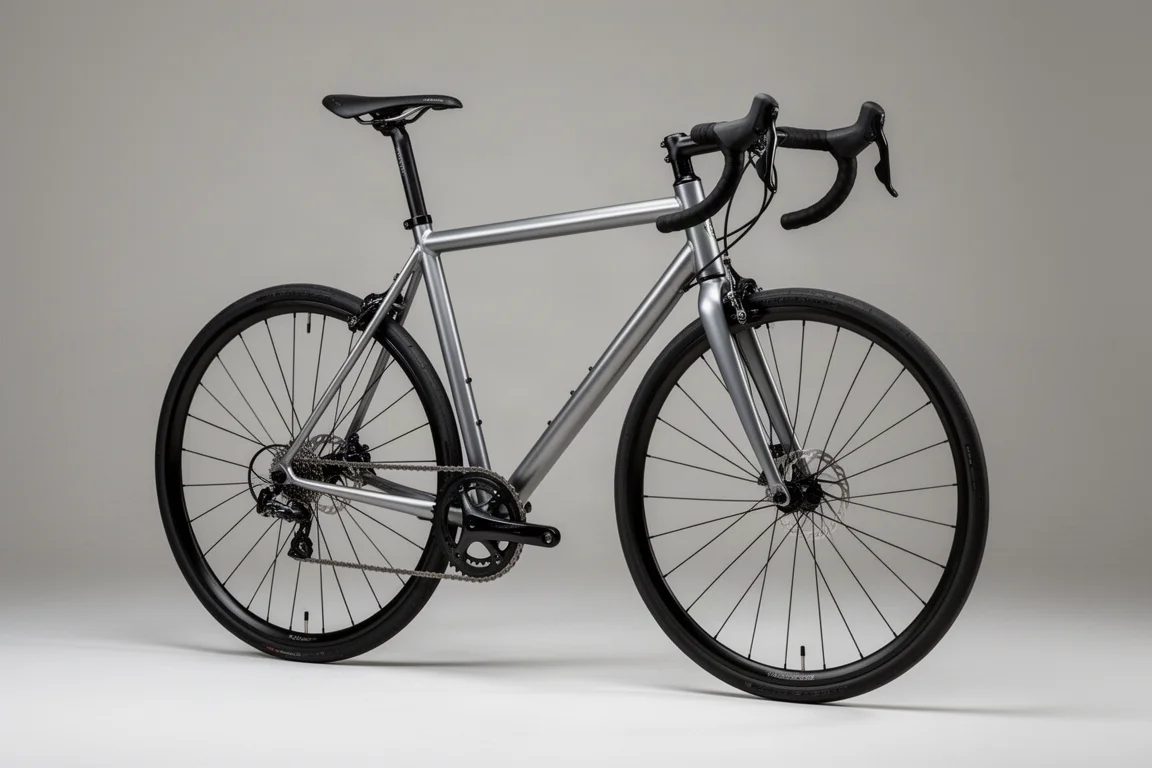
The Canyon Endurace AL 7 is one of the strongest all-round packages in this roundup. It weighs 9.25 kg and runs Shimano 105 2x12 gearing, with an 11-36 cassette at the rear that provides a wide range for steep slopes.
Ride quality is where it stands out. The bike comes with 32 mm tires, which soak up rough surfaces well, and 35 mm clearance opens the door to light gravel if you want to push it further. Despite the comfort-focused design, it still feels lively when climbing or accelerating.
Two things are worth noting. There are no mudguard mounts, which is a real drawback for winter riding, and the cables are exposed around the cockpit, which will not appeal to everyone. The frame itself has a polished look with clean welds. At £1,699 the specification is exceptional for the money, and it is hard to beat as an endurance bike that still rides with a bit of spark.
Van Rysel EDR AF: Rim Brakes and Straightforward Value
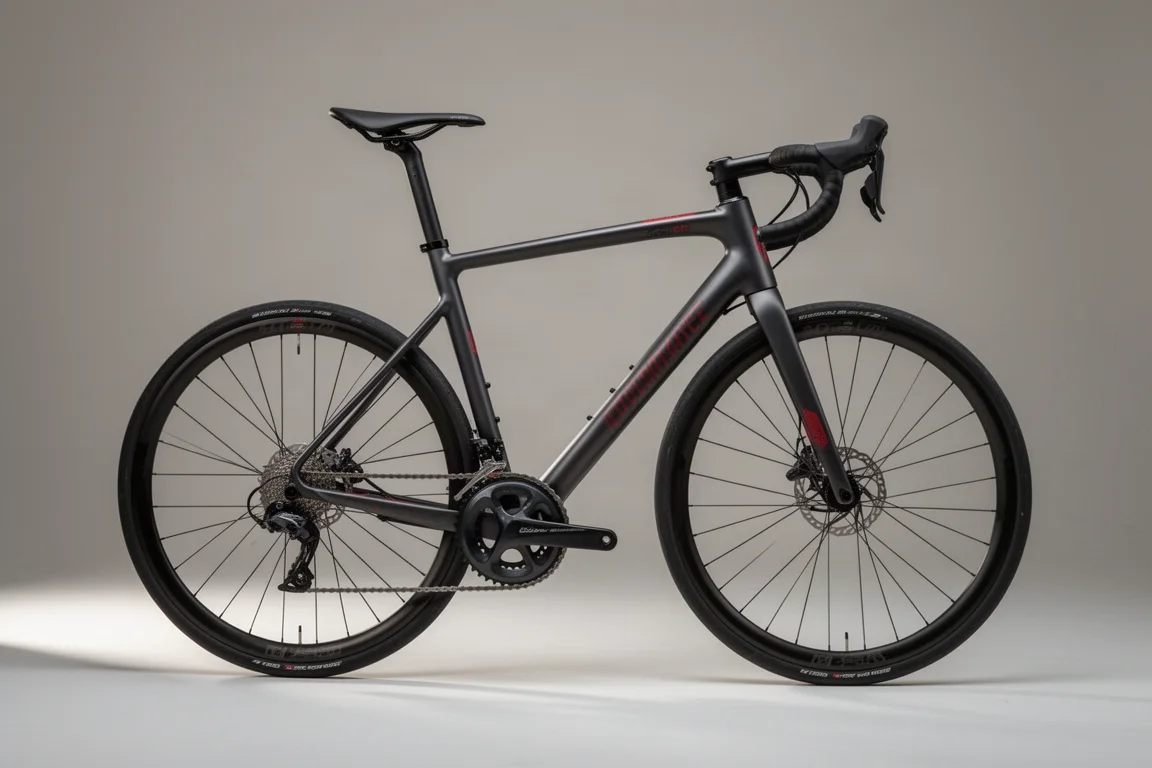
The Van Rysel EDR AF keeps things simple and adds a detail that has become rare: rim brakes. Shimano 105 rim calipers handle stopping, and when they are well executed they still deliver sharp braking and easy maintenance.
Sticking with rim brakes also helps keep the weight down to 8.8 kg, which is impressive for the money. The stiff frame and Fulcrum Racing 6 wheels produce snappy acceleration and an engaging feel at higher speeds, while a compact 50/34 chainset paired with an 11-32 cassette covers a versatile spread of gears.
The EDR AF is not the plushest bike over rough surfaces, but it balances speed and comfort well. Drop seat stays and a well-padded Van Rysel Sport 900 saddle keep the ride from feeling harsh. For riders who value simplicity, low running costs and a fun ride, it is a compelling package at a competitive price.
Specialized Allez: The Approachable All-Rounder
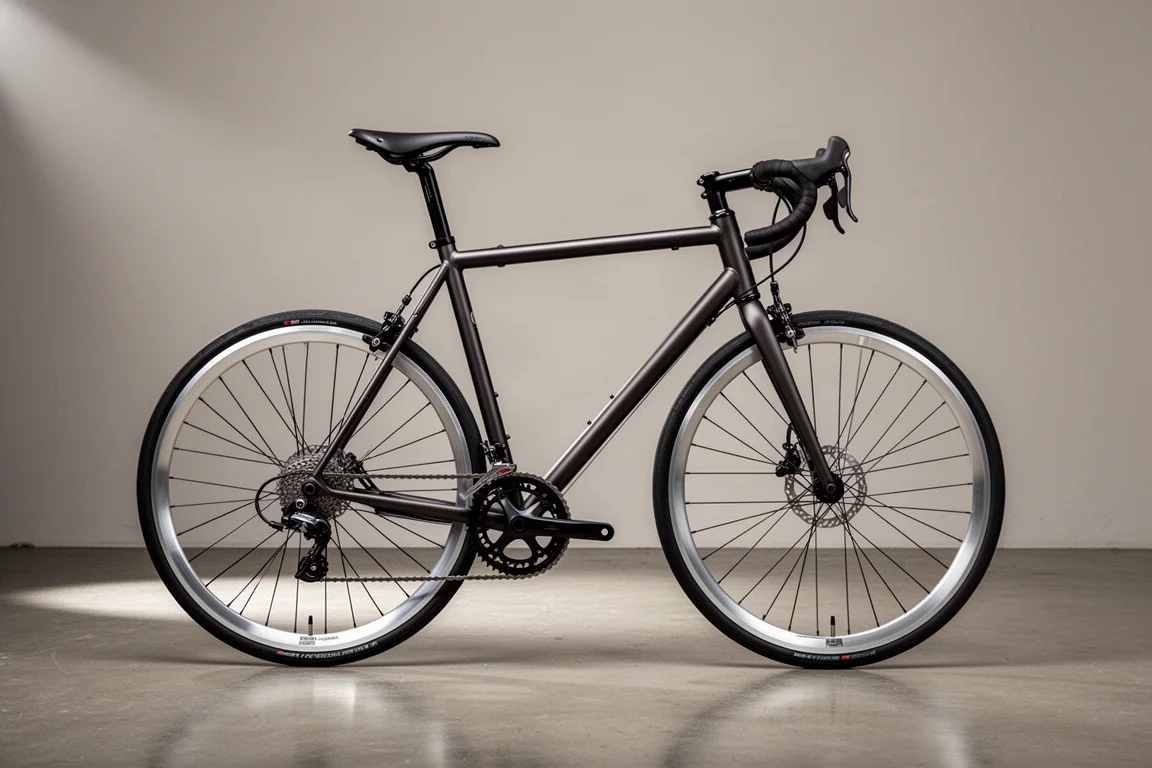
No list of alloy road bikes is complete without the Specialized Allez, and the current version has moved away from the aggressive race geometry of earlier models. The result is a more rider-friendly bike that is easier to live with day to day.
The frame uses Specialized’s E5 premium aluminium paired with a full carbon fork, which keeps weight down while holding the price at an accessible level. The Allez is now disc brake only, and that change allows for wider 35 mm tires, giving more grip and comfort on rougher roads. Rack and fender mounts also make it a solid option for commuting or light touring.
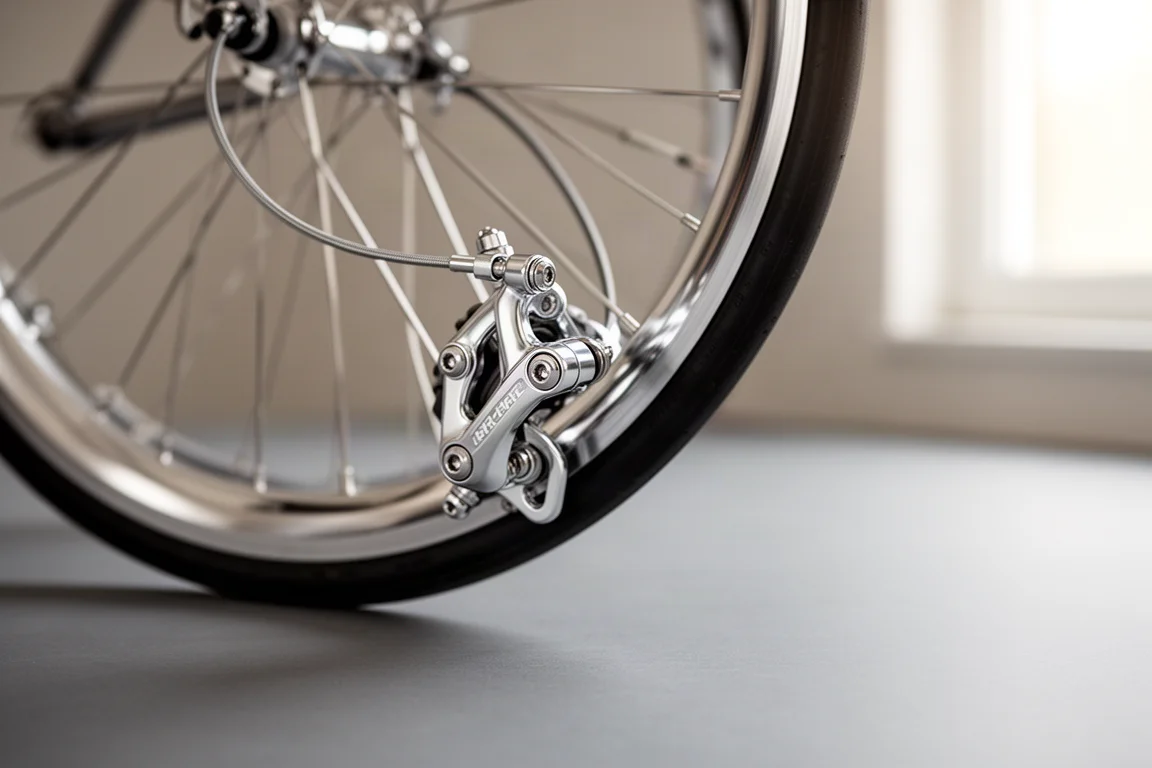
Our pick in this part of the range is the base model, which impressed across everything from fast flats to steep climbs. The eight-speed Shimano Claris groupset shifts reliably, although steeper gradients will have you wishing for a couple more gears. Tektro MD-550 mechanical disc brakes are not as strong as hydraulic units, but they stop well enough and are easier to maintain. Overall it is a versatile, comfortable and fun bike with a good balance of performance and practicality.
Specialized Allez Sport: A Step Up in Shifting and Braking
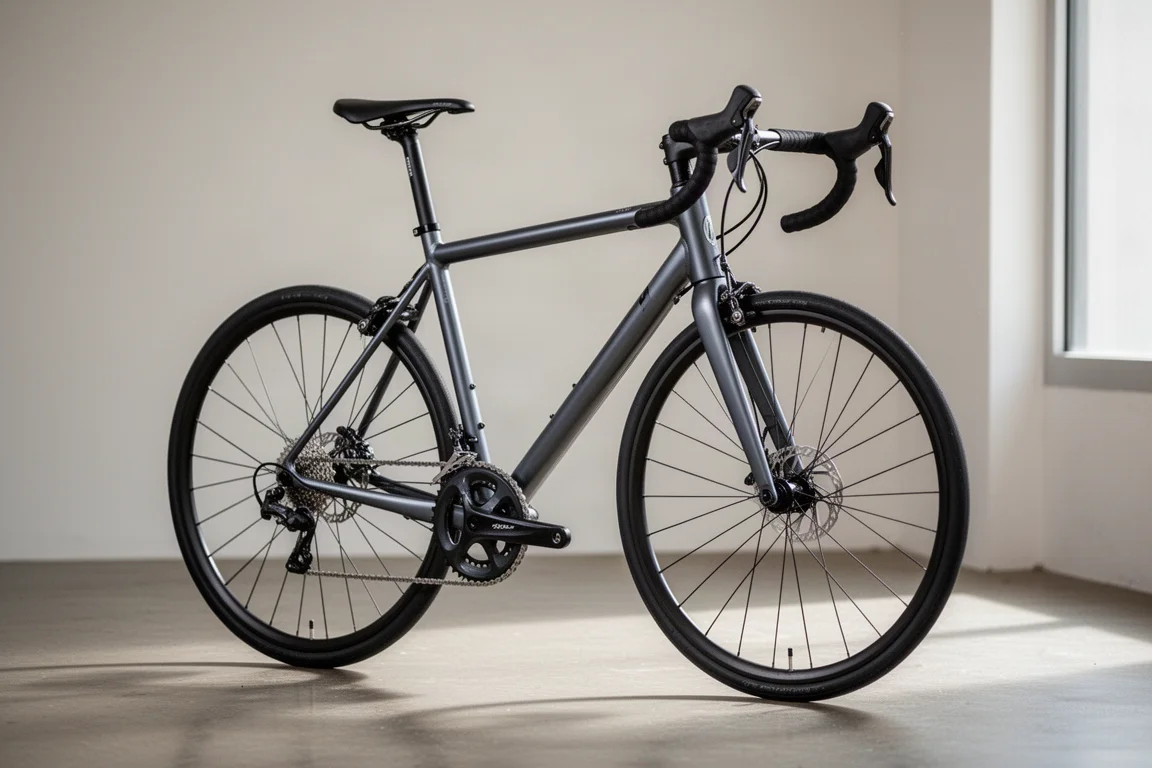
If you plan to keep the bike for the long term, the Allez Sport is worth a look. It follows the same approach as the base model but moves to a 10-speed Tiagra groupset and hydraulic disc brakes.
That combination brings smoother shifting and stronger, more consistent braking, which matters most in wet weather and on long descents. It costs more than the base Allez, and Tiagra sits a step below the 105-level groupsets used elsewhere in this roundup, but for riders who want a dependable alloy road bike that will not need upgrading straight away, it is a sensible middle ground.
Giant Contend 2: Entry-Level Value Done Well
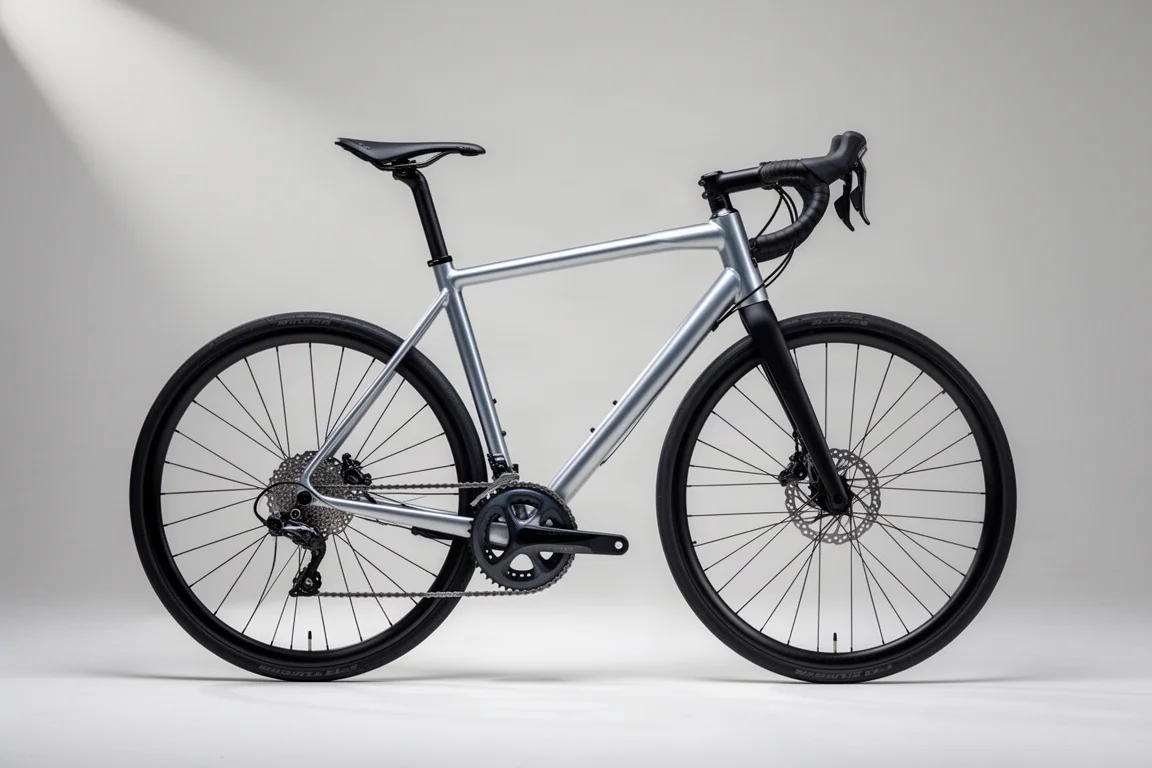
The Giant Contend 2 is the entry point to Giant’s road range and one of the least discussed bikes here, which is a shame given what it offers. At $849 it packs in technology borrowed from far more expensive machines.
Drop seat stays and a D-Fuse seat post add compliance to the alloy frame, while the fork is full carbon fibre to keep weight down. Internal cable routing, unusual at this price, improves both aerodynamics and the look of the bike. Shifting comes from a partial 105 groupset, with Tektro calipers handling braking.
The compromises are clear: 28 mm tire clearance and no mudguard mounts make it less suitable for winter riding or light gravel. Even so, it is a simple, traditional road bike that delivers excellent value and performance to match.
Kinesis R2: A Bike for All Seasons
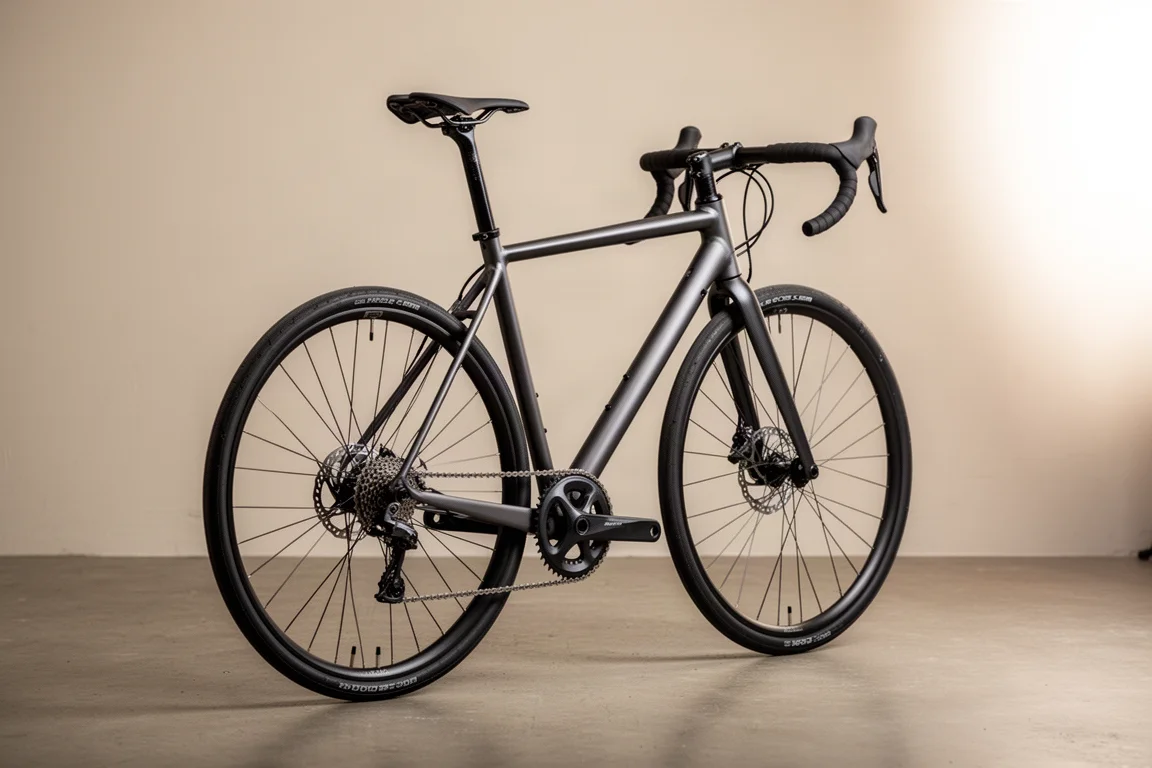
The Kinesis R2 is a no-nonsense alloy road bike built for everyday riding in mixed conditions. A 6061 aluminium frame is paired with a full unidirectional carbon fork. It is not the lightest bike here at just over 10 kg, but the build feels solid, reliable and durable over long rides.
Versatility is the R2’s strongest card. Eyelets for full mudguards and a rear rack make it ideal for commuting, light touring or simply riding through the wet months. Tire clearance up to 34 mm adds comfort and stability on rougher roads, and 32 mm tires are fitted as standard.
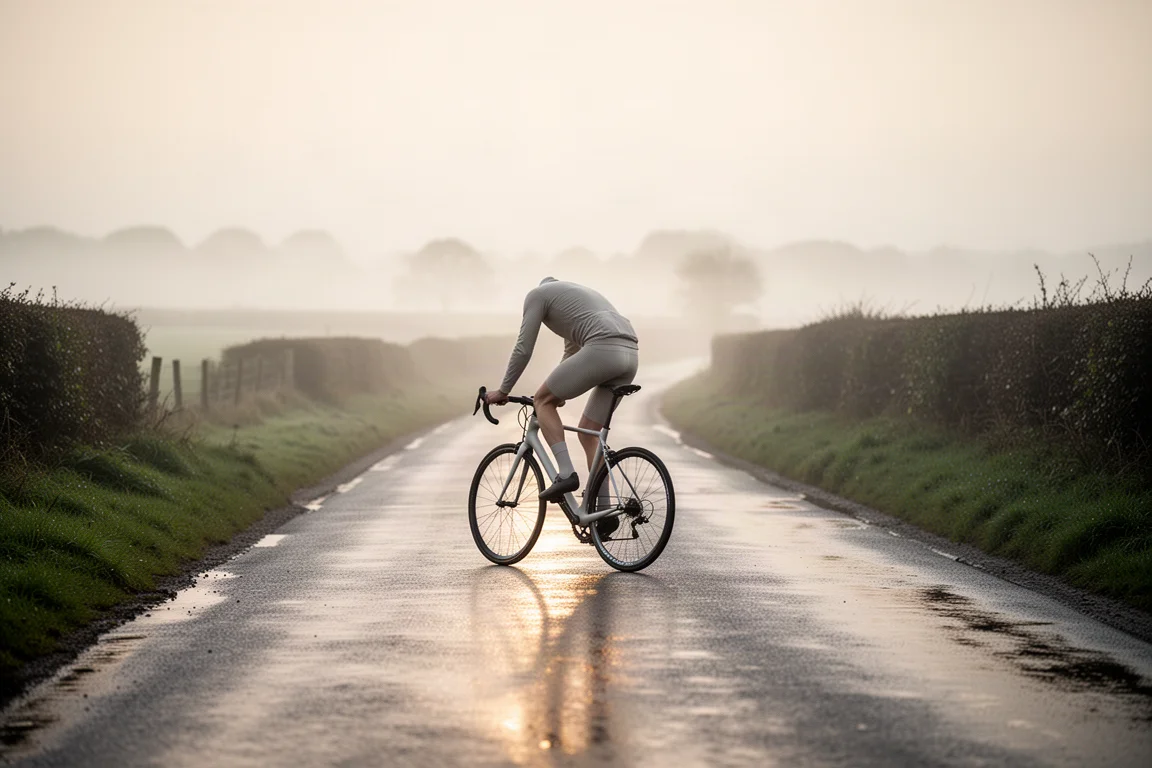
If you want a well-built road bike that handles a wide range of conditions without fuss, the R2 is a strong choice. It is practical, reasonably quick and comfortable, and it makes a dependable companion for year-round riding.
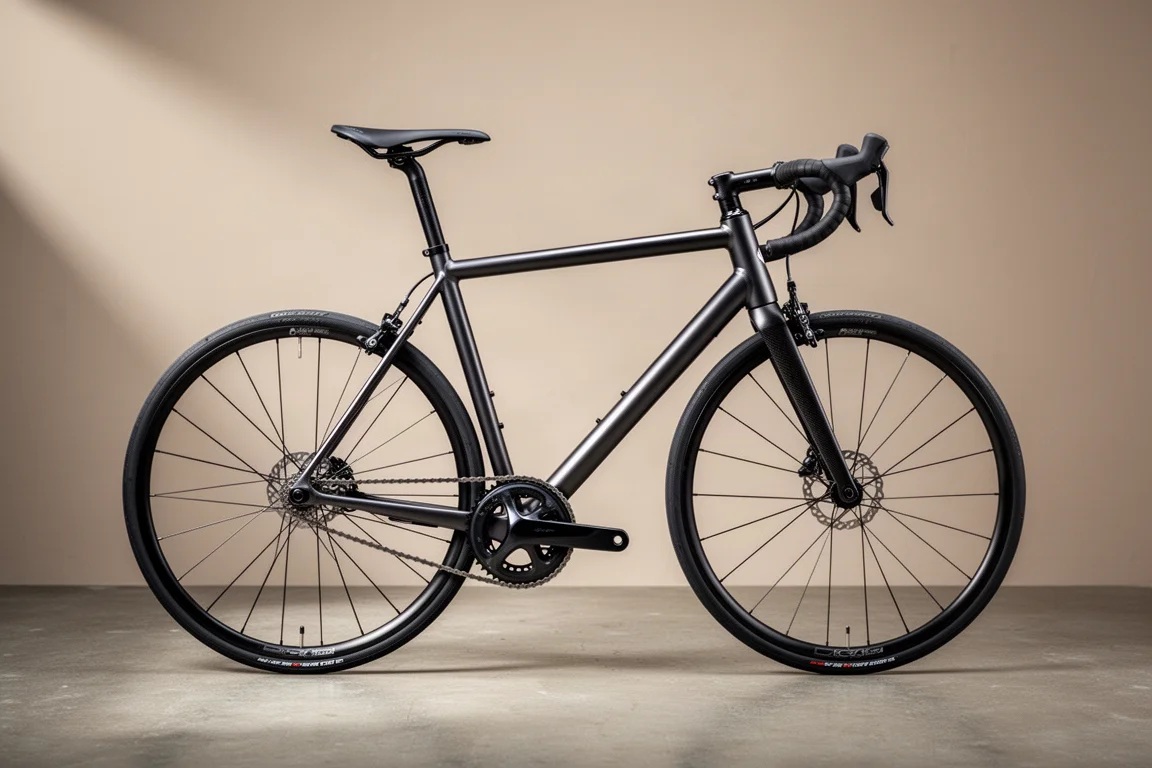
Cannondale CAAD13: Refined Alloy Race Feel
Cannondale has long built a reputation for best-in-class ride quality in alloy road bikes, and the CAAD13 continues that tradition. The platform has been reworked with aerodynamics, comfort and practicality in mind, turning it into a genuine all-rounder.
Visually it takes cues from Cannondale’s top-tier SuperSix Evo carbon race bike, with sleek lines and drop seat stays. Those stays stiffen the rear triangle while allowing more flex in the seat post, which makes the ride smoother than the older CAAD12. There is room for up to 30 mm tires, mudguard mounts, and semi-internal cable routing that keeps things tidy without overcomplicating maintenance.
The Shimano 105 groupset shifts smoothly, and the bike never feels sluggish despite not being the lightest. At $2,250 the price is steep for the specification compared with some rivals, but the CAAD13 makes its case through performance: fast, fun and ready for almost anything.
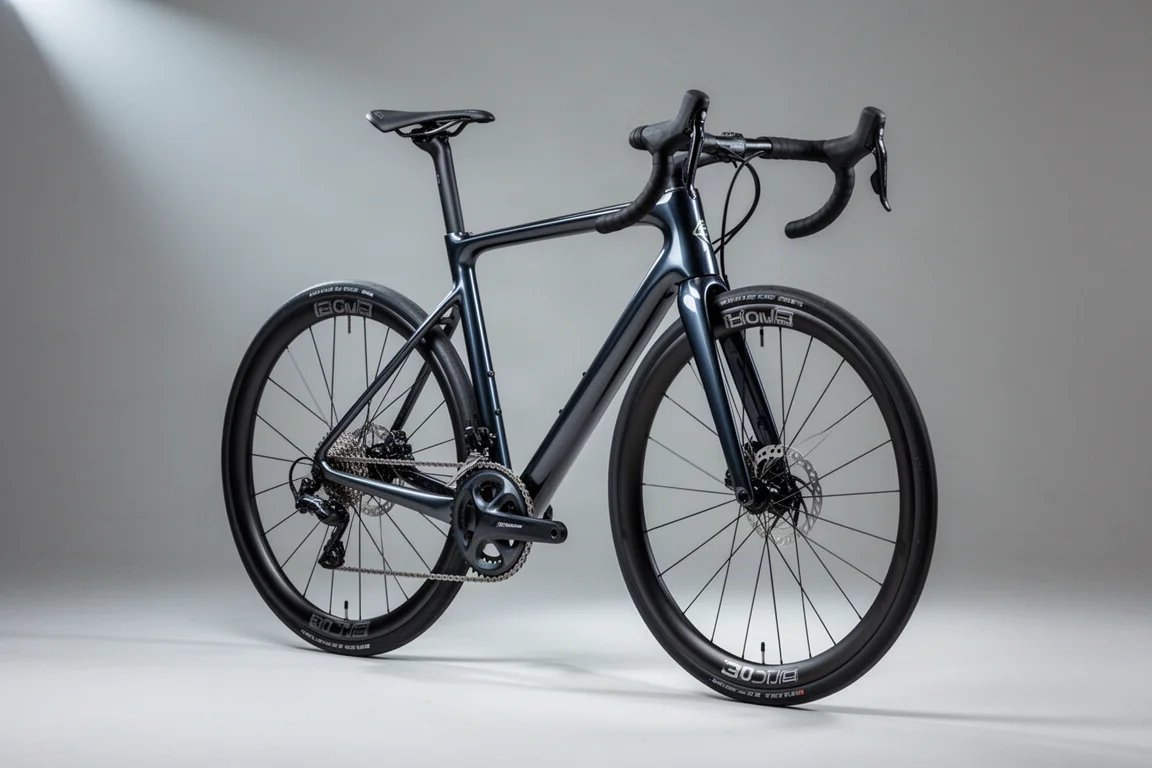
Specialized Allez Sprint Comp: Aerodynamic Alloy Race Bike
The Allez Sprint Comp exists to prove that an aluminium race bike can keep up with carbon. It borrows aerodynamic tube shapes and geometry from Specialized’s top-tier Tarmac race bike, and the result looks and feels race ready.
The frame uses a welding technique that places weld points away from areas that affect structural integrity, which keeps the frame light and stiff. Specialized claims the bike is 41 seconds faster over 40 km than its predecessor thanks to the improved aerodynamics. It carries a little more weight than a carbon equivalent, but that is unlikely to be noticeable in most riding.
Build options are limited, and Specialized also sells the bike as a frameset only. The standard wheels and tires are not the most exciting components, and at 8.8 kg it is not the lightest bike you can buy for the money. If you want a bombproof race bike that stands out from the crowd, though, the Allez Sprint is blisteringly fast and genuinely distinctive.
Buying Advice: Matching an Alloy Road Bike to Your Riding
Start with the riding you actually do. If you are buying your first road bike and want the lowest cost of entry, the Giant Contend 2 at $849 is hard to argue with, and it borrows real technology from much more expensive machines.
Riders who need a bike to work all year should prioritise mounting points and tire clearance. The Kinesis R2 is the clear pick here with mudguard eyelets, rack mounts and 34 mm clearance, while the Specialized Allez adds rack and fender mounts with 35 mm clearance for those who prefer disc brakes.
For comfort over long distances, the Canyon Endurace AL 7 stands out with its 32 mm tires and 35 mm clearance, backed by Shimano 105 2x12 gearing. Riders who like simple maintenance and low running costs should look at the Van Rysel EDR AF, where rim brakes help bring the weight down to 8.8 kg, and the Allez Sport is the sensible long-term option if you want hydraulic braking on the Allez platform.
At the performance end, the Trek ALR 5, Cannondale CAAD13 and Specialized Allez Sprint Comp are the race-focused options. The Trek is the lightest of the three at 8.98 kg, the CAAD13 is the most refined all-rounder, and the Allez Sprint Comp is the most aerodynamically focused. Budget matters too: the Trek and the CAAD13 sit at $2,299 and $2,250 respectively, while the Canyon Endurace AL 7 undercuts both at £1,699.
Conclusion
Alloy road bikes have earned their place. The nine bikes here show how much performance, practicality and value aluminium can deliver, from an $849 entry-level machine to race-focused frames that give little away to carbon.
The right choice comes down to priorities. Pick on clearance and mounts if you ride through winter, on weight and gearing if you chase climbs, and on geometry if you want something that stays comfortable over long days. Get that part right and an aluminium frame will keep delivering for years.
Further reading
Related Reviews

Road Bikes
10 New Road Bikes Worth Watching: Aero, Titanium, Steel and Endurance Standouts
A practical roundup of 10 new road bikes, from aero flagships chasing single-watt gains to titanium, steel and endurance platforms built for real roads.
Road Bikes
2026 Tour de France Road Bikes: Six Race Machines Worth a Closer Look
Six race bikes from the 2026 Tour de France grid, reviewed for paint, silhouette, wheels and the specification details that matter to buyers.
Road Bikes
3T Strada Italia Review: A Radical Aero Road Bike That Rides Smooth
A made in Italy carbon aero road bike with a deep head tube, wide tire clearance and a genuinely comfortable ride. Here is what to know before buying.