Cycling Gear
Best Affordable Cycling Gear: Five Practical Products Worth Buying
Five low-cost cycling products that solve real problems on the road, from tubeless plug tools to value road tires and a wax-based chain coating.
Introduction
Some of the most useful cycling purchases are the small ones. A plug tool that gets you moving again in under a minute, a spare tube that takes up almost no pocket space, or a chain coating that keeps a drivetrain quiet and clean can change how a bike feels day to day far more than a headline component upgrade.
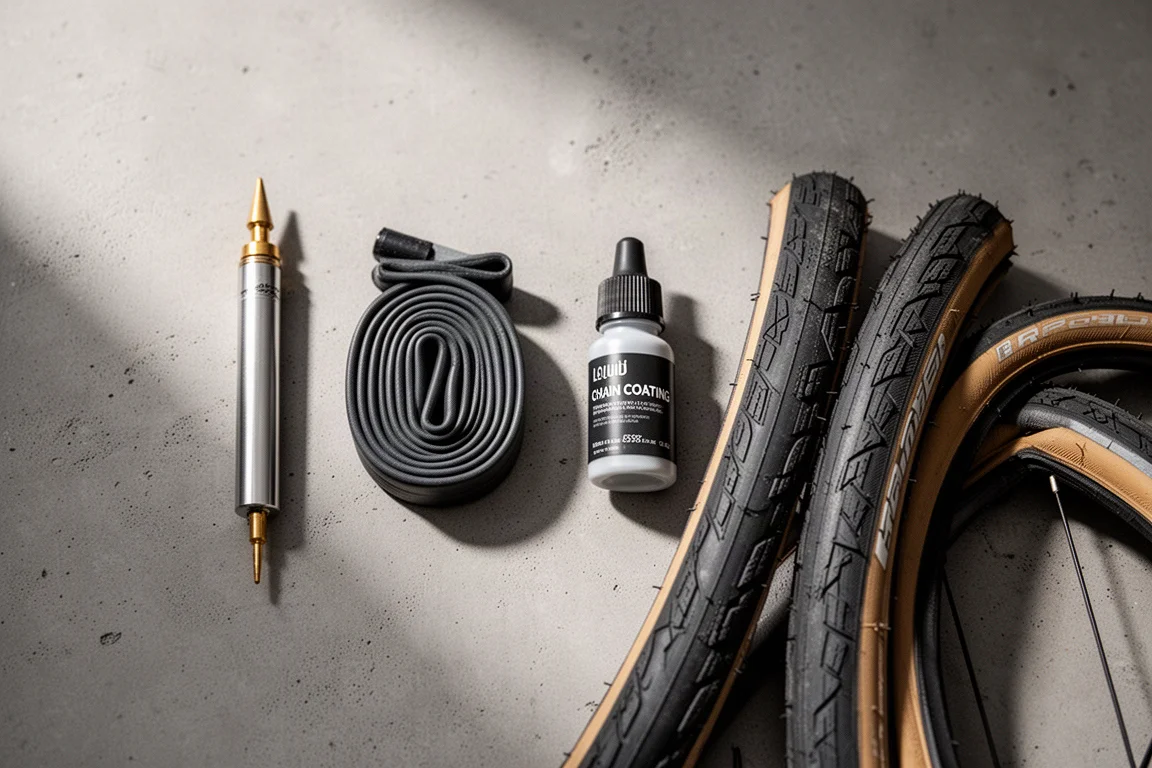
This roundup covers five products that fit that description: a tubeless repair kit, a pair of thermoplastic spare tubes, a wax-based chain coating, and two road tires from a value-focused brand. Each one addresses a specific problem, and none of them demands a complete rethink of how you ride.
The common thread is practical value. These are the kinds of items riders buy once, use often, and notice every time they head out of the door. They also make sensible gifts for someone who already has a bike and enough kit to ride it.
What Makes These Products Worth Buying
Before looking at each item, it helps to be clear about what separates a genuinely useful accessory from one that sits in a drawer.
- Frequency of use. The best cheap gear is used constantly, whether that means every ride, every puncture, or every wet winter week.
- Time saved when things go wrong. Roadside repairs are stressful enough without fighting with a tool that makes the job harder than it needs to be.
- Maintenance burden. Some products reduce the amount of cleaning, degreasing and fiddling a bike requires over a season, and that is worth paying a little more for.
- Fit and compatibility. A product that works on a road bike, a gravel bike and a mountain bike is far easier to justify than a single-purpose one.
- Durability relative to price. A modest price only represents good value if the item lasts more than one season.
Price alone is rarely the deciding factor. A cheap tool that fails at the roadside costs more than a slightly dearer one that works first time, every time.
Dynaplug Race Edition: Fast Tubeless Repairs
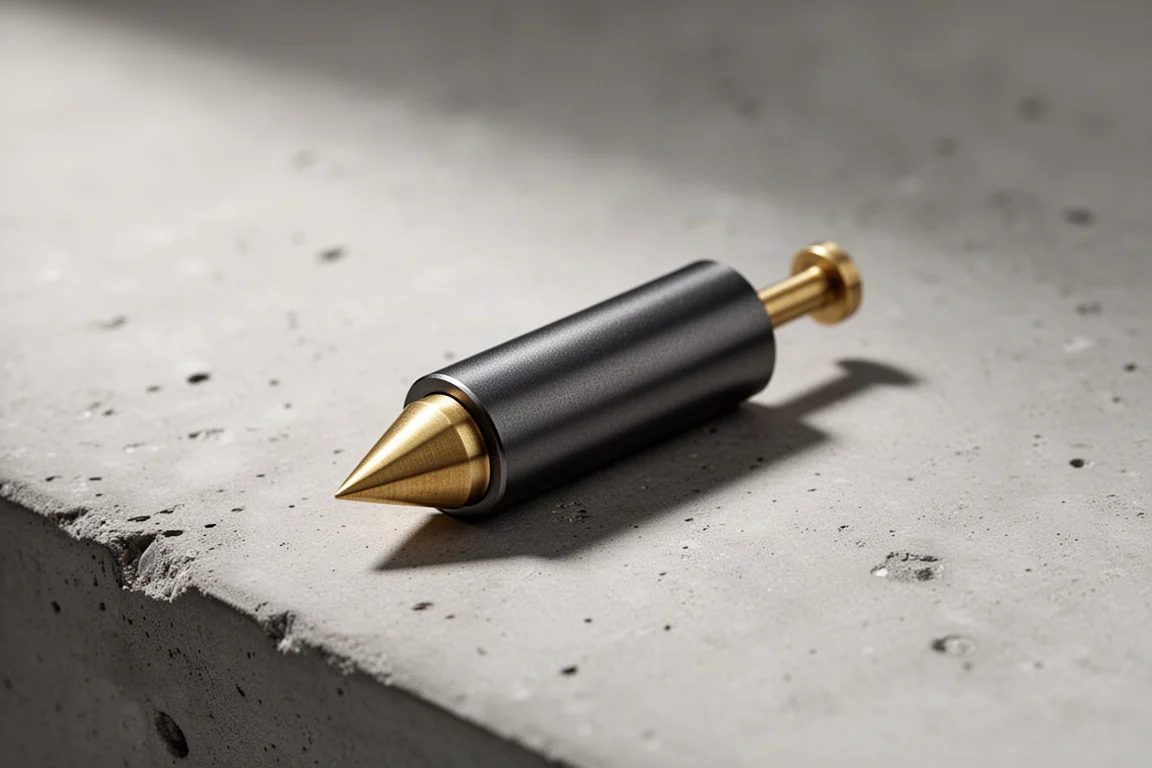
Tubeless tires have become the default on road, gravel and mountain bikes, and knowing how to repair a puncture is part of running them. Most plug tools follow a similar idea: a sticky worm is pushed into the hole to seal it. The difference with this design is a pointed brass arrow head on the tip, which helps direct the plug into the puncture and makes the whole process quicker and more controlled.
The Race Edition is the smallest option in the range, small enough to disappear into a jersey pocket or a saddle bag. It carries a fat plug on one end and a slimmer plug on the other, and it is available in several colors. The brand manufactures its products in-house in the United States, which is the main reason it costs more than cheaper kits on the market.
The brass tip stays attached to the sticky worm rather than falling off or rattling around inside the tire. Plugs can be removed after a ride and reused, although many riders simply leave them in place because they seal the puncture so effectively.
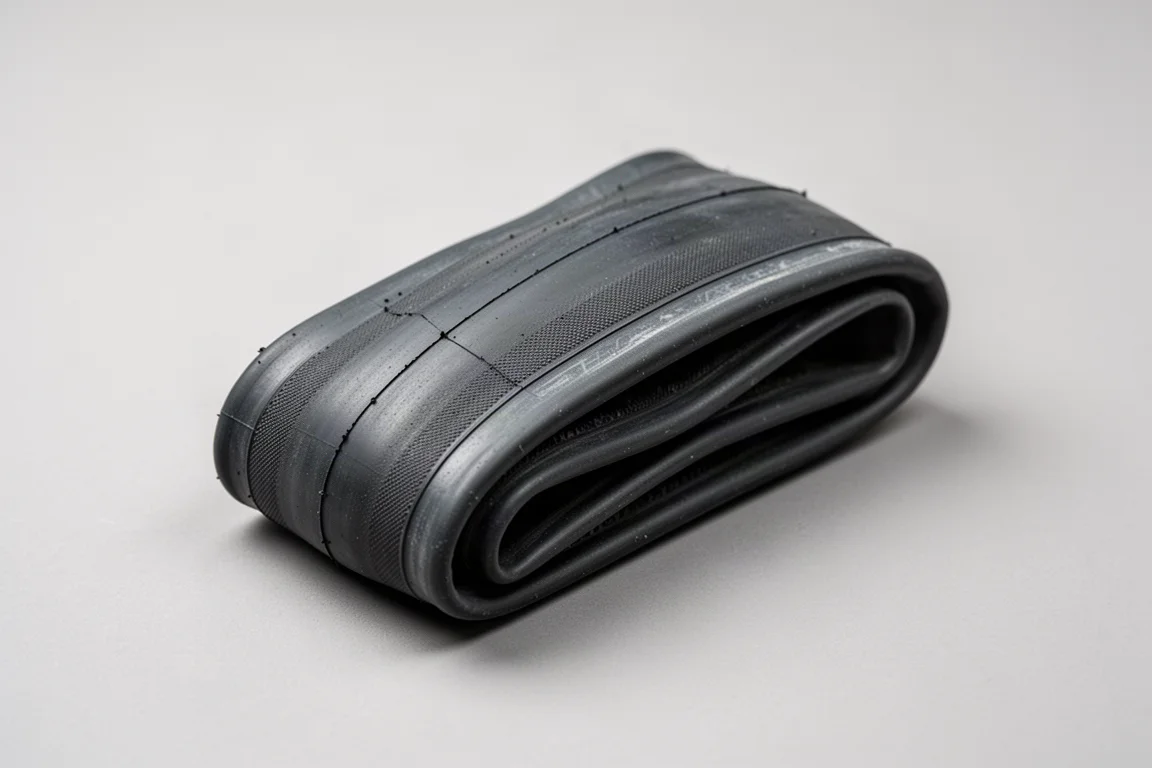
Tubolito Thermoplastic Inner Tubes: Lightweight Spare Insurance
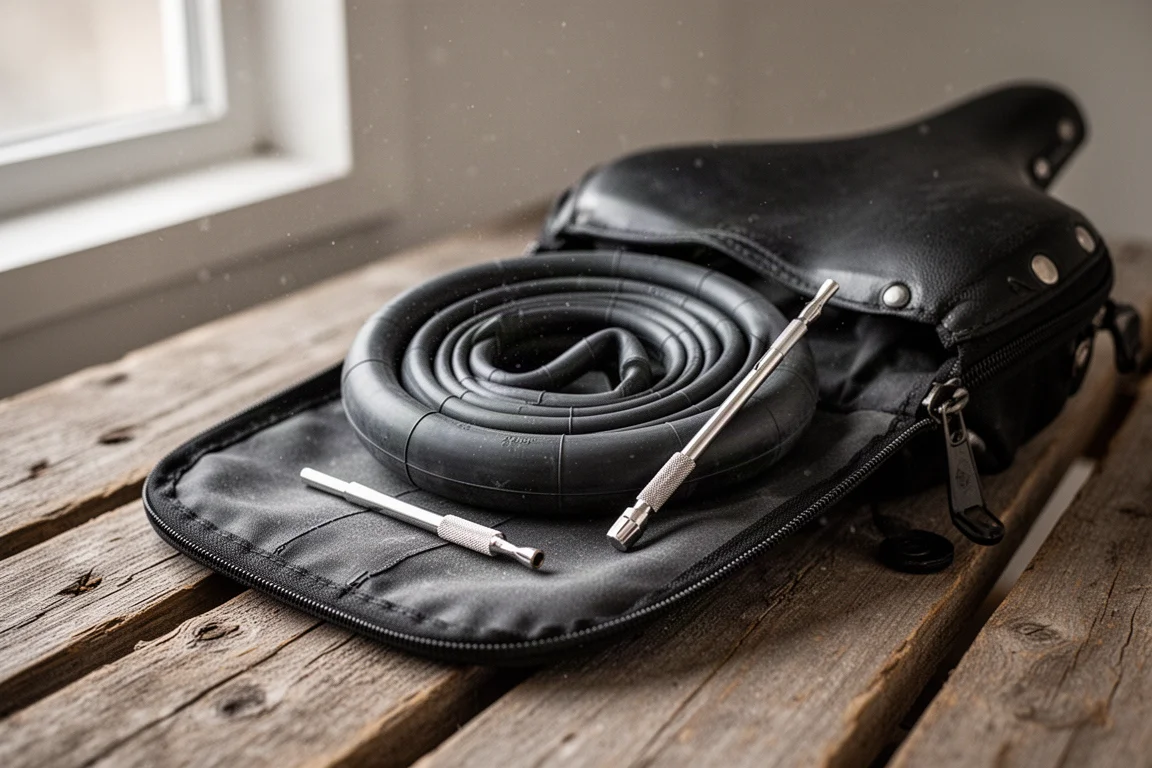
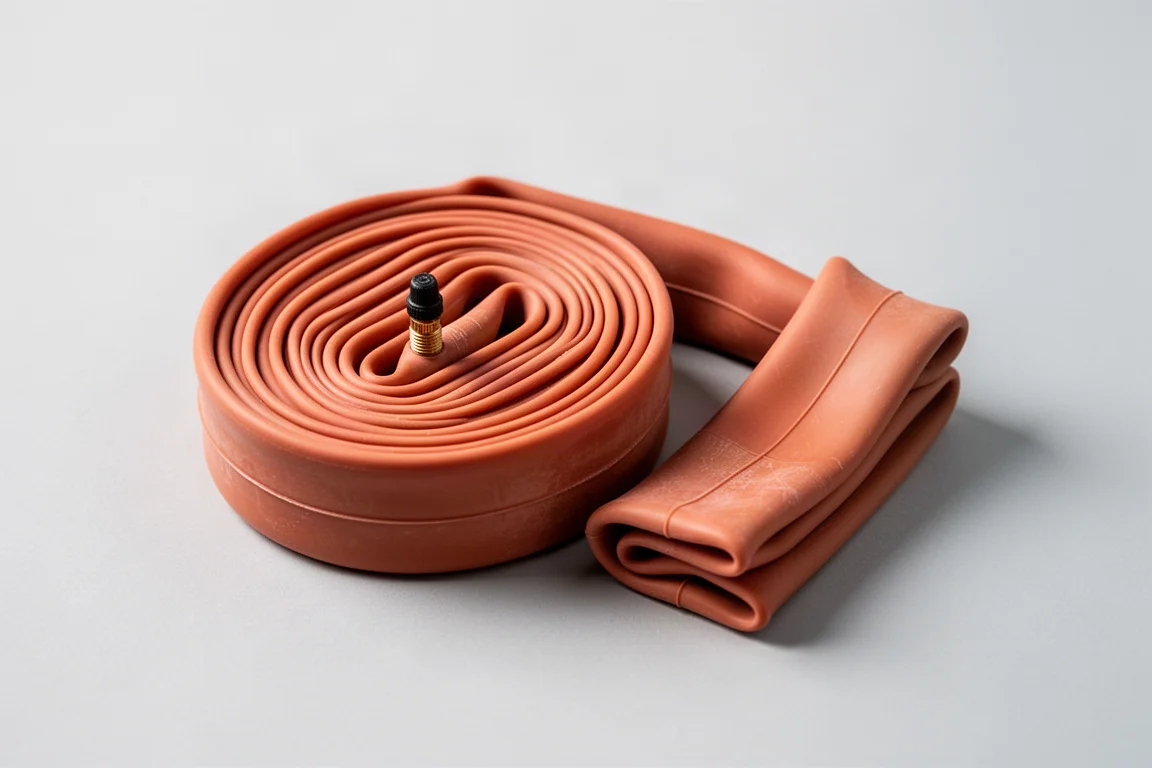
Riders who have moved to tubeless still tend to carry a spare tube as a last resort, and thermoplastic tubes are an appealing option for that role. The material makes them noticeably lighter than a standard butyl tube, and two of them pack into less space than a single conventional tube, which is a real advantage when pocket and saddle bag capacity is limited.
The trade-off is price. These are expensive compared with ordinary tubes, and several other brands now offer similar thermoplastic designs. Even so, the weight and space savings make them a genuinely practical backup for anyone who wants insurance without carrying bulk.
They have spent most of their life folded in a jersey pocket or saddle bag rather than inside a tire, which is exactly the point. They are a get-you-home option that barely registers in weight or volume until the day it is needed.
For riders who travel with a bike, or who ride long distances far from help, that combination of low weight and small packed size is easier to justify than for someone doing short local loops with a support car never more than a phone call away.
Silca Super Secret Chain Lube: A Quieter, Cleaner Drivetrain
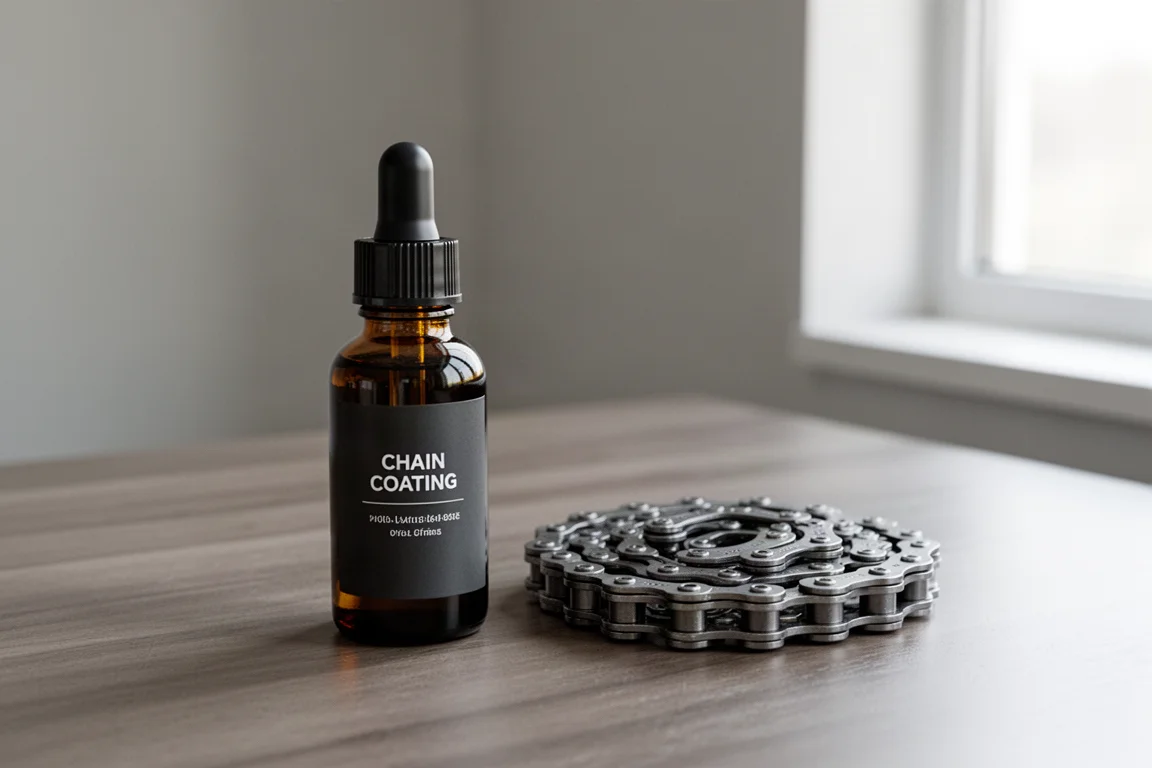
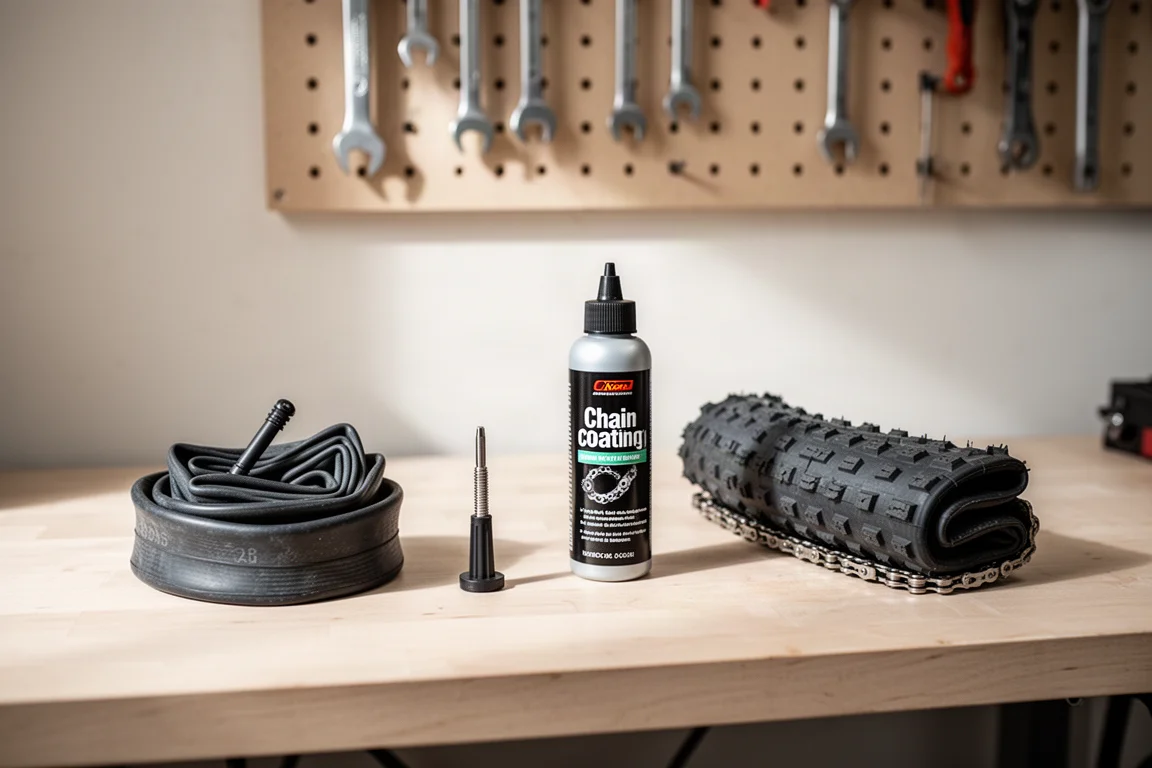
Chain coatings have quietly become one of the most consequential maintenance choices a rider makes. This wax-based coating delivers most of the benefits of a hot wax process in a bottle, without removing the chain from the bike or setting up a slow cooker.
Application takes more care than a conventional oil. The chain needs to be completely clean and dry to begin with, the coating has to be applied to every individual roller, and it needs time to dry before the first ride. That extra effort pays off in three ways.
The first is noise. A treated drivetrain runs exceptionally quietly. The second is cleanliness: the chain stays free of road grime and trail dirt, so the regular degreasing routine that oily lubricants demand is largely eliminated, and occasional reapplication is enough to keep things running well. The third is longevity. A single application lasts several hundred kilometers in dry conditions, less in heavy rain or on wet roads, and less again on gravel or mountain bike rides.
The pricing reflects its position as a premium option, with a larger bottle costing a little over thirty pounds and a smaller bottle available for less. For riders who value a quiet, clean drivetrain and would rather avoid the hassle of full hot waxing, the convenience is the selling point.
American Classic Torch Bearer: A Value Tire for Winter Miles
Top-end road tires can cost a small fortune, and prices of sixty, seventy or even ninety pounds are not unusual. This tire takes the opposite approach. At roughly forty dollars, or around thirty pounds depending on import taxes, it offers high-performance construction for considerably less than most brands charge for a comparable specification.
It is a strong choice for winter riding in particular. The emphasis is on durability and puncture resistance rather than outright speed, which is exactly what most riders want from a training tire through the colder months, when roads are gritty and a puncture costs more than a few seconds.
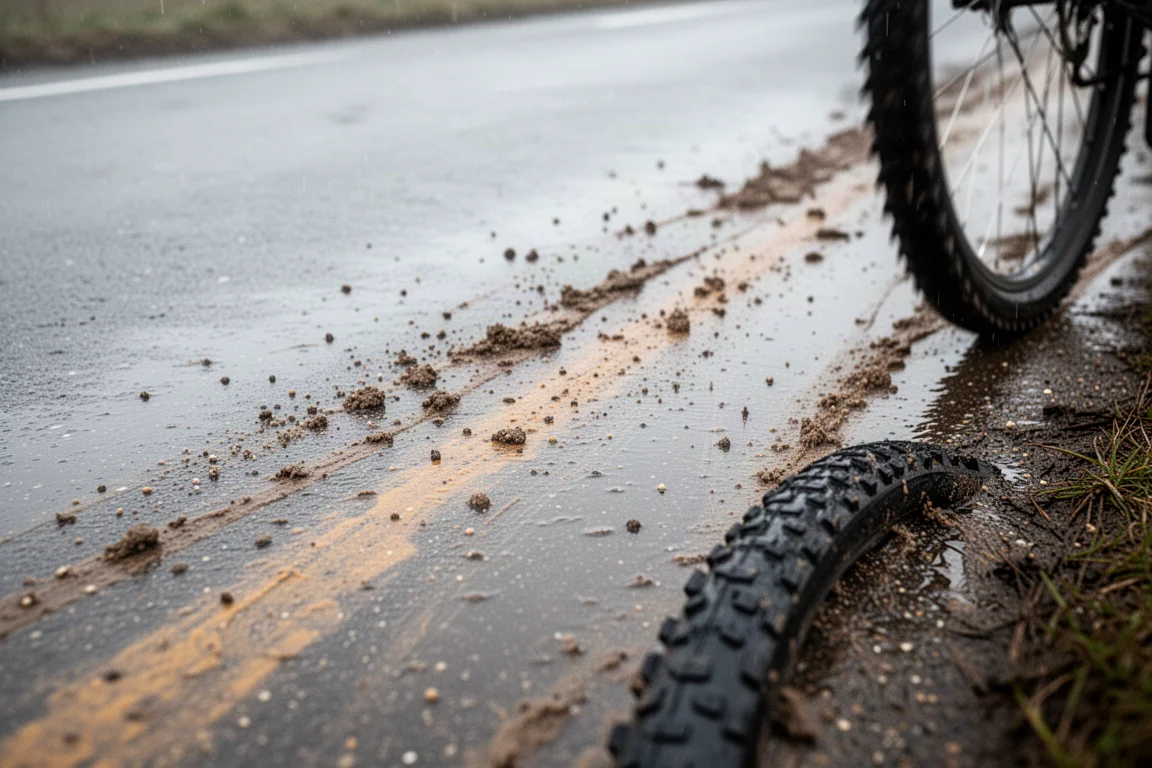
Riders who race or chase personal bests may look further up the range, but for steady base miles, commutes and foul-weather training, a tough and long-lasting tire at this price is a straightforward proposition.
American Classic Timekeeper: A Race-Focused Road Tire
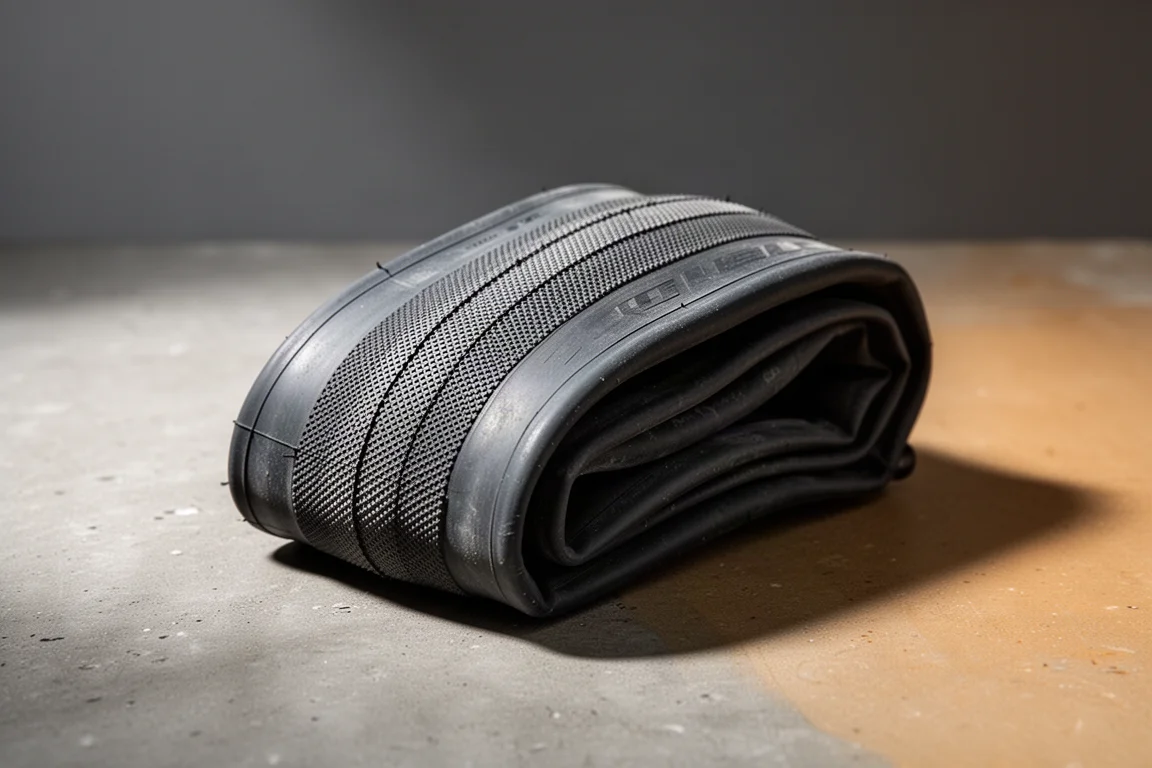
For riders who want more speed from the same brand, the Timekeeper sits at the top of the road range as the more premium race option. It shares the value-led philosophy of the Torch Bearer but shifts the emphasis toward performance rather than winter durability.
Choosing between the two comes down to intended use. The Torch Bearer suits training, commuting and wet-weather riding, while the Timekeeper is aimed at riders who want a faster-rolling tire for harder efforts and event days.
Buying Advice
If a single purchase has to be prioritized, start with the item that addresses the problem you actually have. Riders running tubeless setups benefit most from a quality repair kit, because a puncture that cannot be plugged ends the ride.
Spare tubes come next for anyone who rides far from home or travels with a bike. Thermoplastic tubes cost more than standard ones, but the packed size and weight savings are the reason riders keep coming back to them.
Chain maintenance is the quietest upgrade on this list. A wax-based coating costs more up front and takes longer to apply, yet it changes how a drivetrain sounds and how much cleaning it needs, which many riders find makes the extra cost worthwhile.
Tires are the largest expense here and the one worth matching most carefully to conditions. A durable winter tire and a faster race tire serve different purposes, and owning both is often more sensible than trying to find one compromise that does neither job well.
Conclusion
None of these five products is glamorous, and that is precisely why they work. A plug tool, a compact spare tube, a wax-based chain coating and two sensibly priced road tires all deliver benefits that show up ride after ride rather than only on the day of purchase.
For riders building out a toolkit or refreshing a winter setup, the most reliable approach is to buy in order of the problems you meet most often. Start with puncture repair, add the maintenance items that reduce ongoing effort, and choose tires that match the conditions you actually ride in. Bought that way, even modest spending goes a long way.
Further reading
Related Reviews
Cycling Gear
8 Cycling Products Riders Keep Coming Back To
Eight cycling components and accessories with clear strengths, honest trade-offs and long-standing reputations among riders and mechanics.
Cycling Gear
Aero Helmets and Bottle Setups Tested: Six Options Ranked by Measured Watt Savings
Wind tunnel data on six aero helmets and bottle setups, with real watt savings, practical trade-offs, and guidance on what is worth buying first.
Cycling Gear
Aero Road Bikes and Fast Tires Worth Watching in 2026
Four aero road bikes and one fast road tire, with the real strengths, the open questions, and what to check before you buy.