Road Bikes
Best Aero Road Bikes: Five Fast Race Machines Worth Considering
Five aero road bikes built for speed, with the frame technology, ride quality and value differences that matter before you buy.
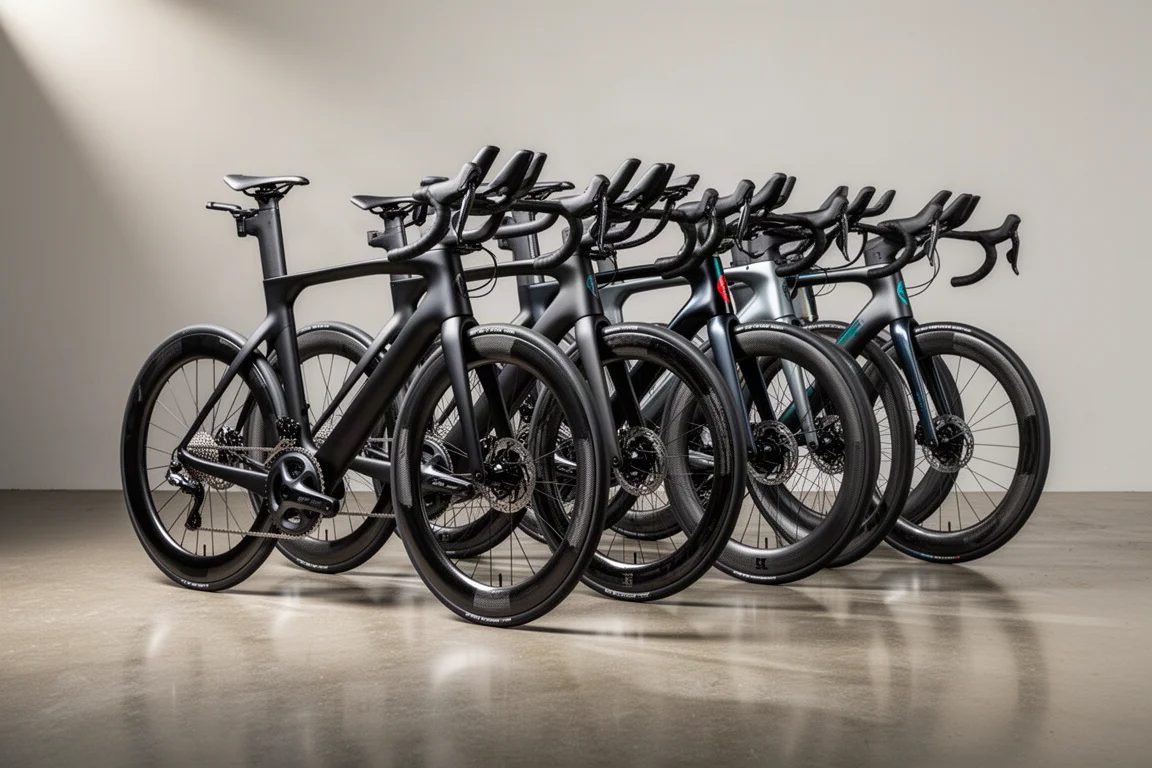
Introduction
Aero road bikes are built for one thing above all: speed. That focus has only sharpened since the UCI removed the 3:1 rule that once limited frame tubes to three times their width, and engineers have gone deeper in the pursuit of lower drag. The five bikes below sit at the cutting edge of that trend, and while new aero models have not arrived in huge numbers recently, the current generation remains the go-to choice for anyone seeking pure pace. One warning is worth repeating up front: speed does not come cheap.
What Sets Today’s Aero Road Bikes Apart
Depth is the obvious starting point. With the old 3:1 restriction gone, brands have pushed tube profiles well beyond what was previously legal, and the biggest gains show up at the head tube, down tube and bottom bracket area, where airflow separates most easily. Integration matters almost as much, because one-piece cockpits, hidden hardware and frame-specific wheelsets all feed into the numbers brands quote.
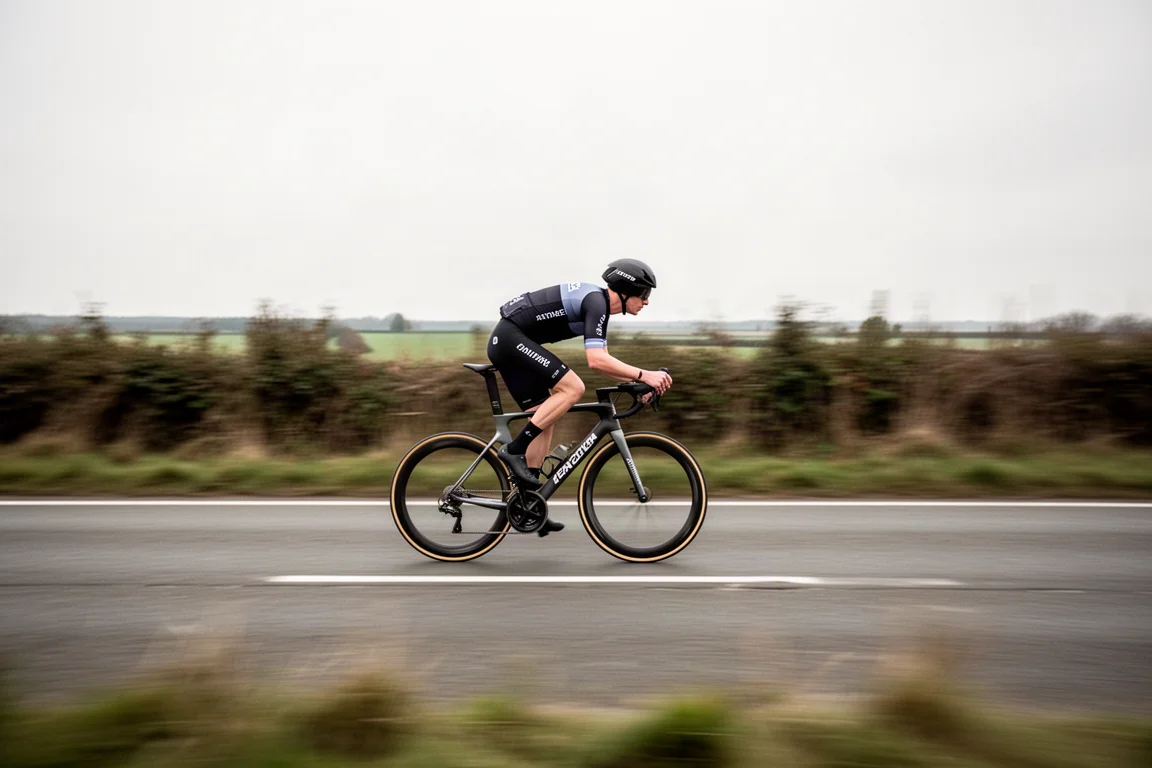
Beyond raw drag, the practical differences come down to weight, ride quality and fit. A frame can be fast in a wind tunnel and still feel harsh over rough tarmac, and a bike that suits only a narrow band of rider sizes will never deliver its full potential. Value is the other variable. These bikes all sit at the top of their ranges, but they do not all ask the same price for similar performance.
Trek Madone: IsoFlow and a Lighter Frameset
The latest Madone is UCI legal and generated plenty of debate when it launched, mostly because of its IsoFlow cutout. Trek’s reasoning is straightforward: removing the adjustable IsoSpeed system of the previous Madone made the bike simpler and lighter, and with 800 Series OCLV carbon the new frame weighs 300 g less than the model it replaced.
The cutout is also an aerodynamic device. Trek describes it as a way to direct high-energy flow into a low-energy region, because the seat tube area creates a disproportionate amount of drag and the hole helps dissipate it by adding a jet of fast-moving air. The claimed result is a frame almost 20 watts faster than the last generation, which Trek equates to 60 seconds saved per hour at 45 km/h. The bike also earned a best aero bike accolade, helped by its frame technology and by the effort Trek put into making the handlebars work for every rider size.
Cervélo S5: Deep Profiles and Race-Proven Speed
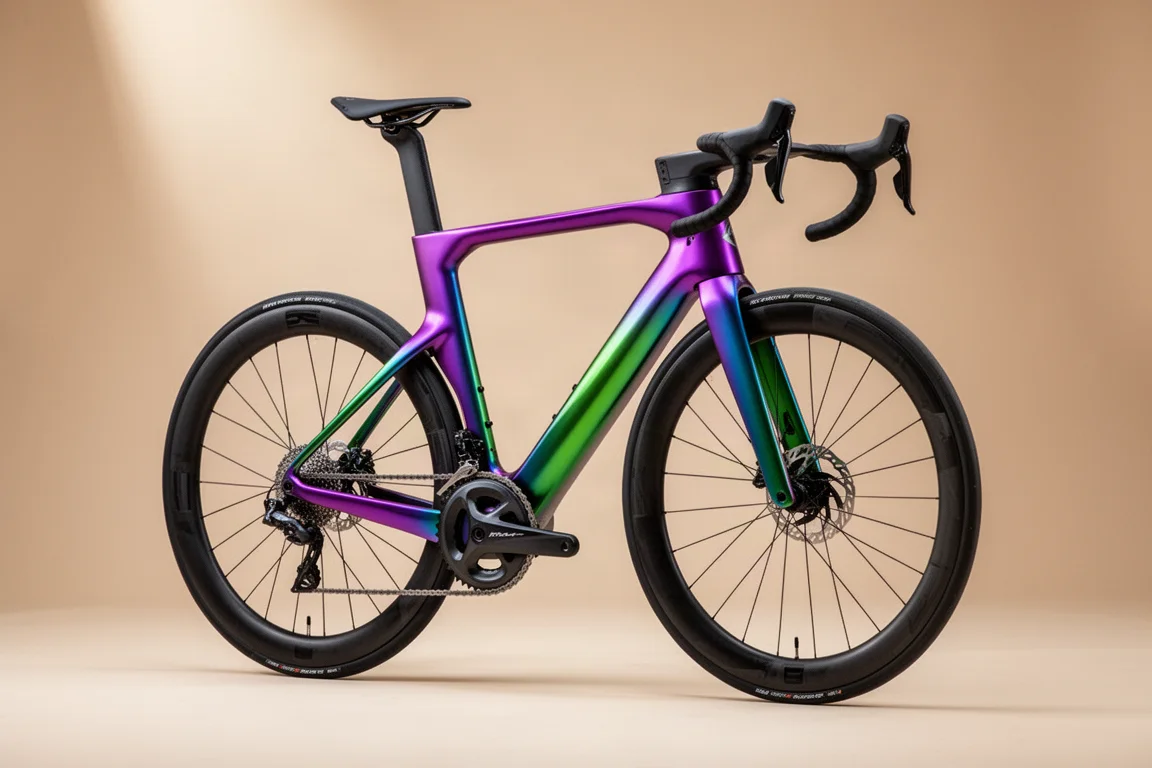
The S5 has typically deep aero profiles, a direct product of the relaxed UCI regulations. That is most visible at the head tube and bottom bracket area, while the trailing edges of the tubes are aggressively shaped and the rear dropouts have been simplified. The frame is compatible with electronic groupsets only, and it comes with new Reserve wheels that use differential rim profiles and save over 5 watts compared with the wheels on the previous S5.

Up front there is a distinctive Y-shaped handlebar that does without a conventional stem, and it also trims system weight by a little over 50 g. The S5 corners well, rides smoothly and carries speed with real conviction, which is why it took the overall race bike of the year accolade in its class. It is a bike that can do everything, everywhere, and do it fast.
Scott Foil: Deeper Tubes and Improved Comfort
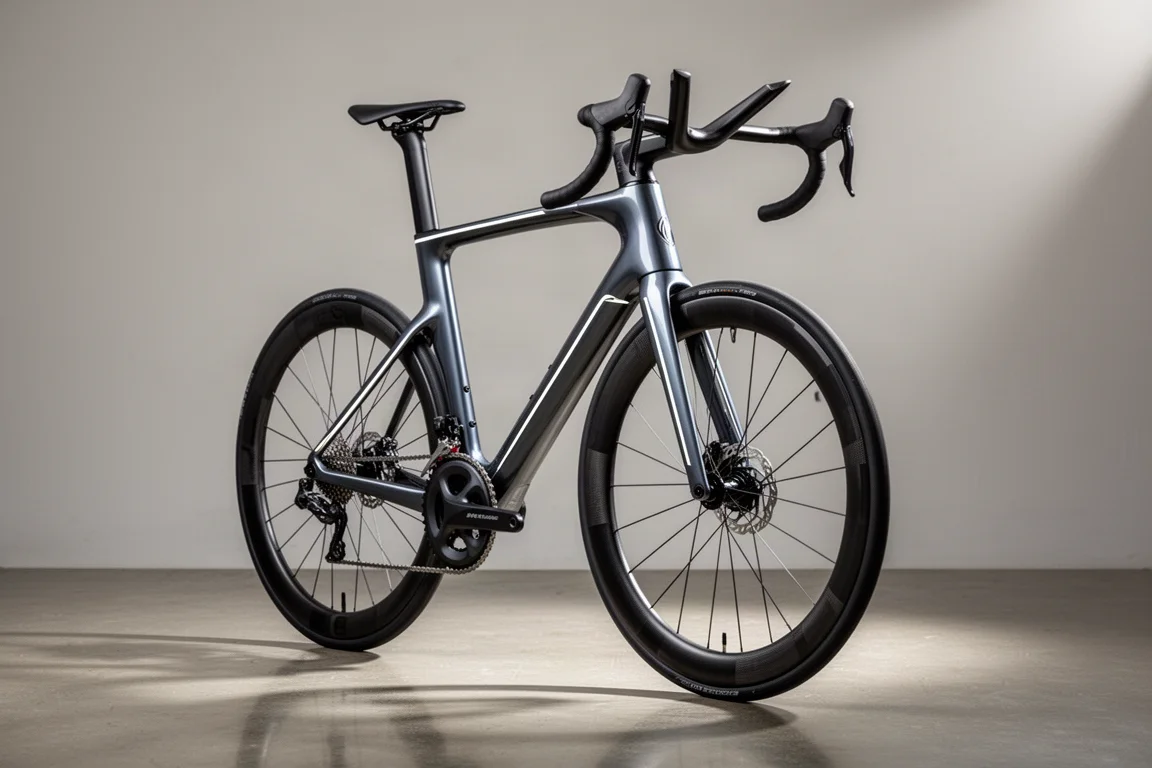
The Foil has been around for roughly two years and still posts impressive numbers. Scott claims it is 20 percent faster, 10 percent more comfortable and 9 percent lighter than the outgoing version, and the redesign pushes right up to what the regulations allow. Tube cross sections are deeper, the fork crown sits a little higher from the front wheel, and the oversized head tube acts as a fairing. The bottom bracket has been beefed up, the seat tube now follows the arc of the tire more closely before the seat post transitions to run straight upwards, and the seat stays shelter the brake calipers while being angled at 10 degrees to push steady airflow into the spinning spokes.
Ride quality backs up those claims. The Foil is very fast and holds its speed beautifully, it handles well, and the seat post with its D-shaped cutout covered by a fairing noticeably reduces road chatter. It sits slightly on the heavier side, but it was built to shine on flat roads, so the extra grams are unlikely to weigh on most riders.
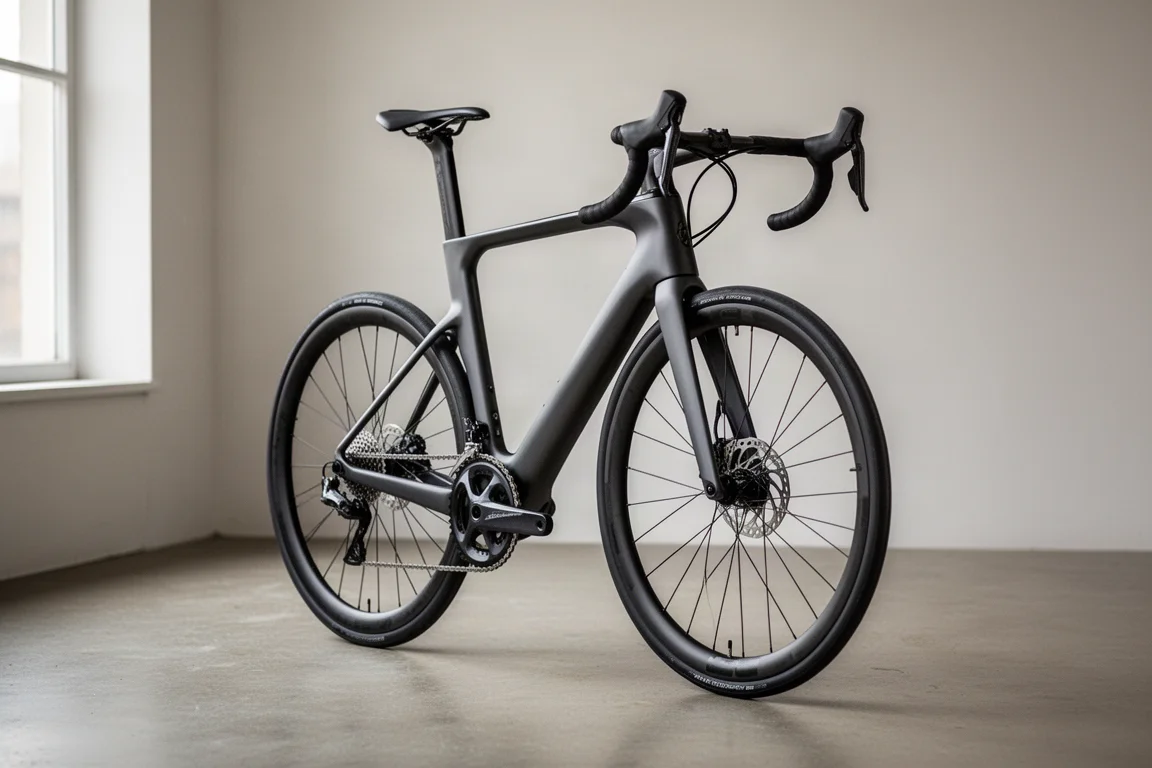
Giant Propel Advanced SL: Race Performance With Sharper Value
Like the Madone and several other bikes here, the Propel Advanced SL is claimed to be lighter and faster than ever before. The bigger story is cost. The Propel can be obtained for thousands less than the other bikes in this group while still offering many of the same performance features across the range, which is why it took a best value award in its class.
Set price aside and the numbers still stand up. Giant says the Propel is 225 g lighter than its predecessor, with the new Advanced SL frame weighing 845 g and the complete frameset claimed to be almost 14 percent lighter than the previous model. To find speed, Giant combined airflow simulation software, wind tunnel testing and real-world application, producing what it calls AeroSystem shaping: truncated ellipse airfoil shapes across the down tube, seat tube and seat stays, plus a redesigned frontal area where drag reduction matters most. The claimed outcome is 27 seconds faster over 40 km at 40 km/h, from a drag reduction of more than 6 watts.

For riders who want flagship aero performance without flagship pricing, that combination is hard to argue with. The one caveat is that the headline frame weight applies to the range-topping Advanced SL model.
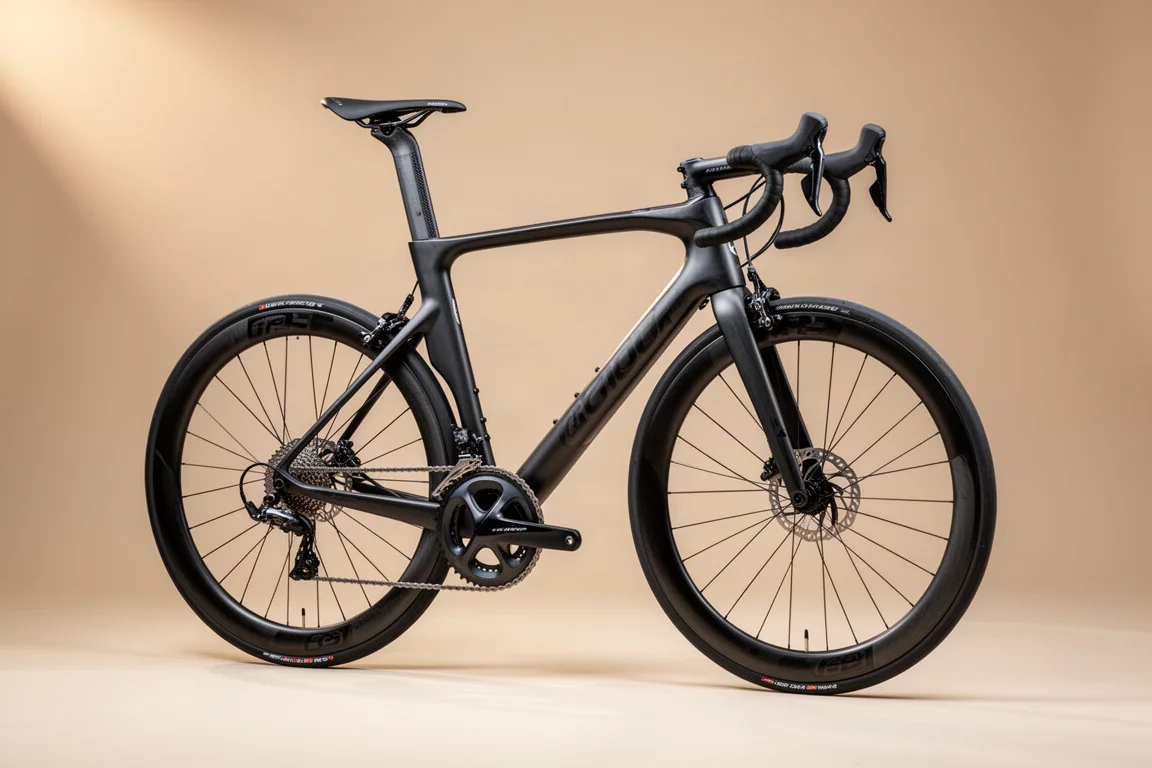
Specialized Tarmac SL8: The All-Rounder That Rivals Aero Bikes
The Tarmac SL8 is not an aero bike, and Specialized is upfront about that. The brand decided separate aero and climbing bikes are no longer necessary, so the SL8 is positioned as an all-rounder. Even so, when it was released it was claimed to be faster than the brand’s previous aero bike, the Venge, which makes it fair to treat the SL8 as a better version of an aero bike if it really is as fast or faster while combining lightweight construction with race performance.
In theory that gives buyers everything they want from an aero machine, apart from perhaps a really wacky and eye-catching frame. For riders who would rather own one fast bike than two specialised ones, it is a compelling proposition.
Buying Advice: Matching the Bike to Your Riding
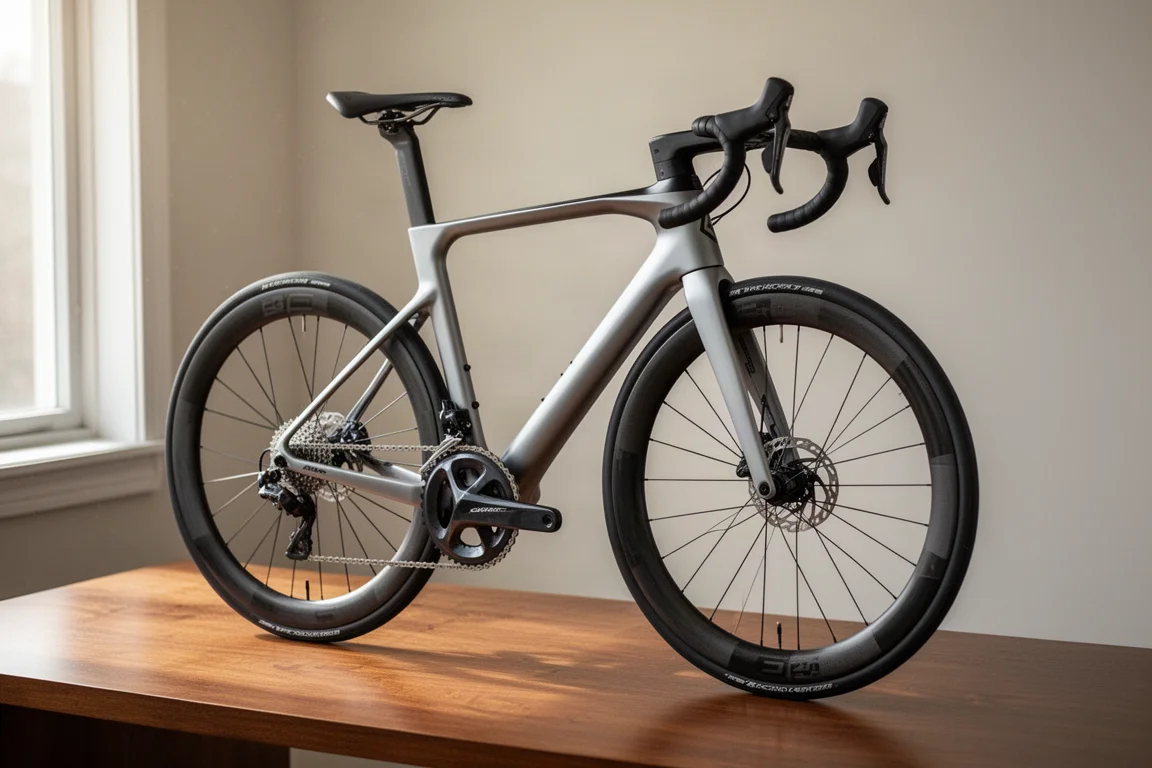
All five bikes here are quick, so the decision usually comes down to priorities rather than outright pace. If frame technology and rider fit matter most, the Madone makes a strong case with its IsoFlow design and handlebar sizing. If you want deep profiles, an integrated Y-shaped cockpit and a race-proven package, the S5 is the more aggressive pick, though it requires electronic shifting.

Comfort seekers should look closely at the Foil, which pairs flat-road speed with a fairing-covered seat post that takes the edge off rough surfaces. Value hunters will find the Propel Advanced SL the easiest to justify, since it delivers comparable race performance for thousands less. Riders who want a single bike for climbing and speed, and who are happy to skip a dedicated aero frame, should put the Tarmac SL8 on the shortlist.
Conclusion
Speed remains the point of this category, and each of these five bikes chases it differently. The Madone leans on frame technology and fit, the S5 on deep profiles and a distinctive cockpit, the Foil on aero depth with added comfort, the Propel Advanced SL on race pace at a lower cost, and the Tarmac SL8 on all-round ability that rivals dedicated aero designs. Match the bike to the riding you actually do and any of them will feel like money well spent.
Further reading
Related Reviews
Road Bikes
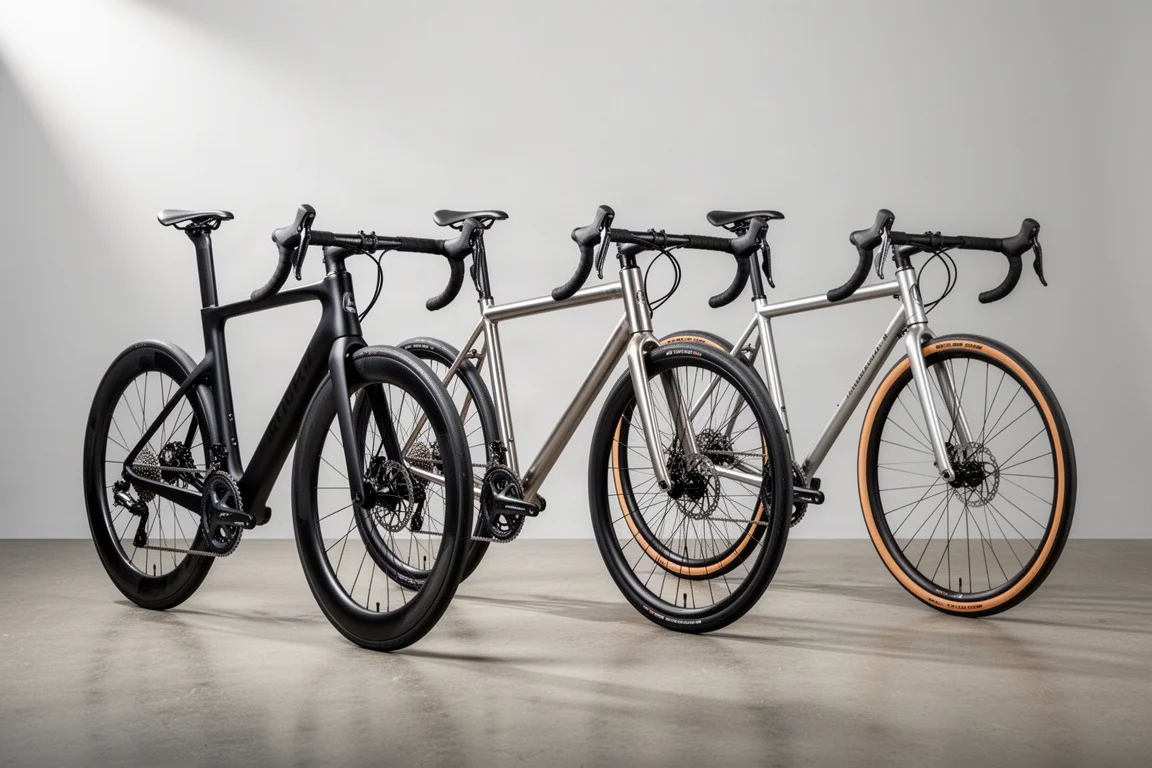
10 New Road Bikes Worth Watching: Aero, Titanium, Steel and Endurance Standouts
A practical roundup of 10 new road bikes, from aero flagships chasing single-watt gains to titanium, steel and endurance platforms built for real roads.
Road Bikes
2026 Tour de France Road Bikes: Six Race Machines Worth a Closer Look
Six race bikes from the 2026 Tour de France grid, reviewed for paint, silhouette, wheels and the specification details that matter to buyers.
Road Bikes
3T Strada Italia Review: A Radical Aero Road Bike That Rides Smooth
A made in Italy carbon aero road bike with a deep head tube, wide tire clearance and a genuinely comfortable ride. Here is what to know before buying.