Road Bikes
Best Aero Road Bikes: Trek Madone SLR 7 vs Giant Propel Advanced Pro vs Ribble Ultra SLR
Three of the fastest aero road bikes compared on flat speed, climbing manners, build value and everyday usability, with a clear overall favourite.
Introduction
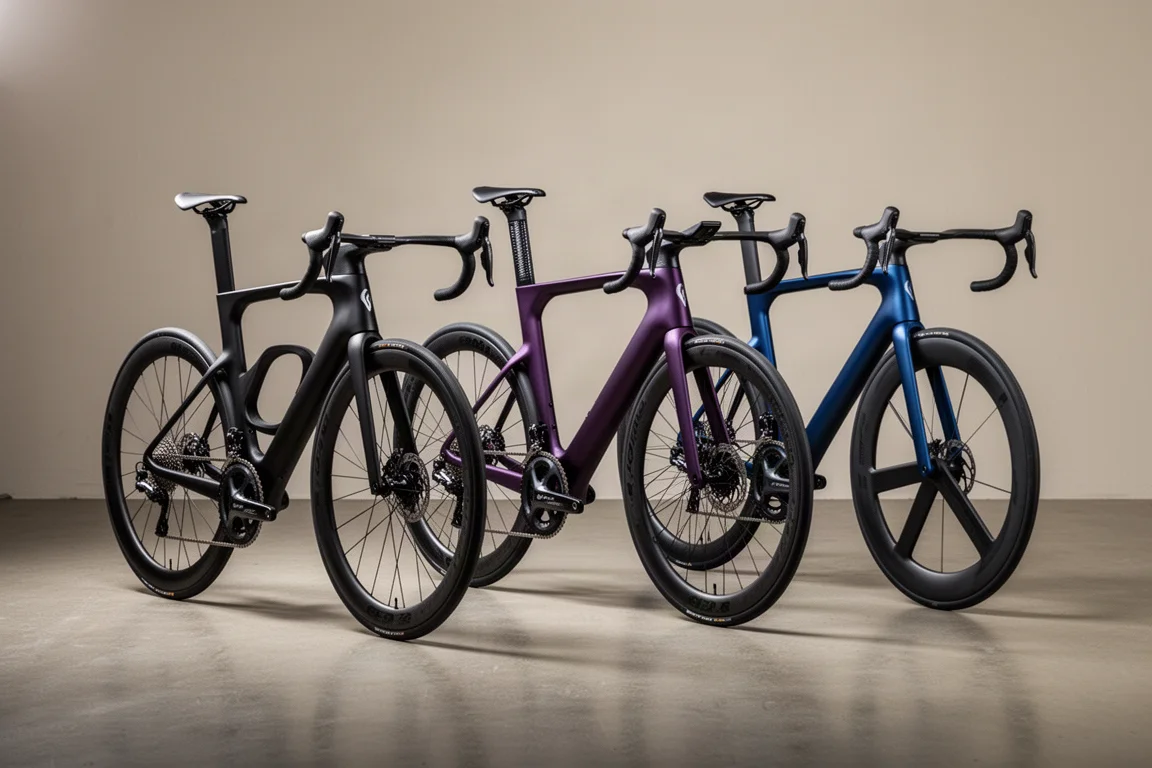
Aero road bikes used to demand a real trade-off. You bought flat-road speed and accepted a harsh ride, awkward cable routing and limited tire clearance. That trade-off has largely disappeared. Today’s aero race bikes are quick on the flat and still lively uphill, most accept wider tires, and the better ones are straightforward to live with and adjust.
This comparison looks at three of the fastest aero road bikes available, each with a different philosophy. The Trek Madone SLR 7 pushes an unusual frame design and a premium price. The Giant Propel Advanced Pro brings WorldTour-derived shapes down to a more realistic build. The Ribble Ultra SLR goes all-in on drag reduction with a wild cockpit and deep rims. All three sit at the upper end of the pricing scale, though every one of them is sold in cheaper specifications if your budget does not stretch this far.
What I Look For in an Aero Road Bike
Aero road bikes should be assessed as complete bikes, not wind tunnel shapes. The questions that matter are practical: is it fast on flat roads, does it still climb well, how does it behave on rough surfaces, and can the fit be adjusted to suit a real rider rather than a chart.
Ease of living with the bike counts for a lot. Fully integrated cockpits look clean but can lock you into one position, so I look at whether the stock setup can be changed, and whether a standard stem and bar can be fitted if you need a different size combination. Tire clearance and the stock tire specification matter too, because they shape ride quality more than most frame details.
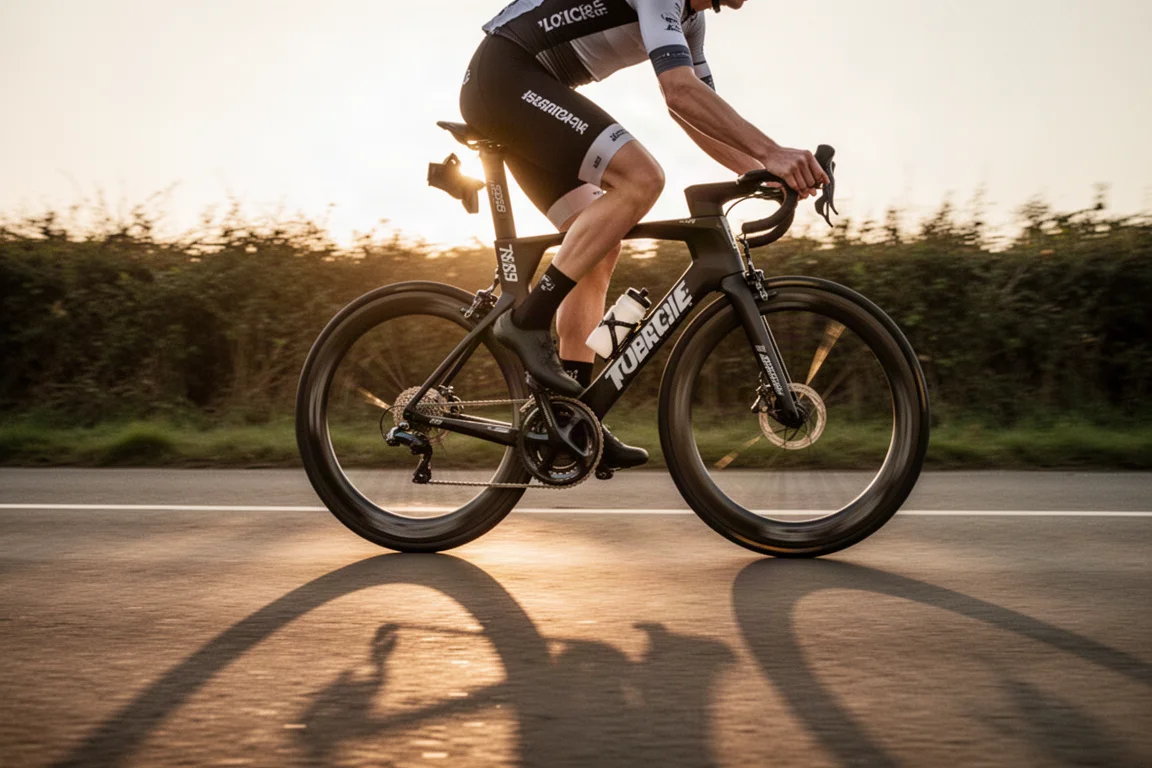
Comfort and composure over long distances separate a good aero bike from a merely fast one. A quick bike that is punishing on broken tarmac or twitchy in crosswinds is harder to recommend, no matter what the numbers say.
Trek Madone SLR 7
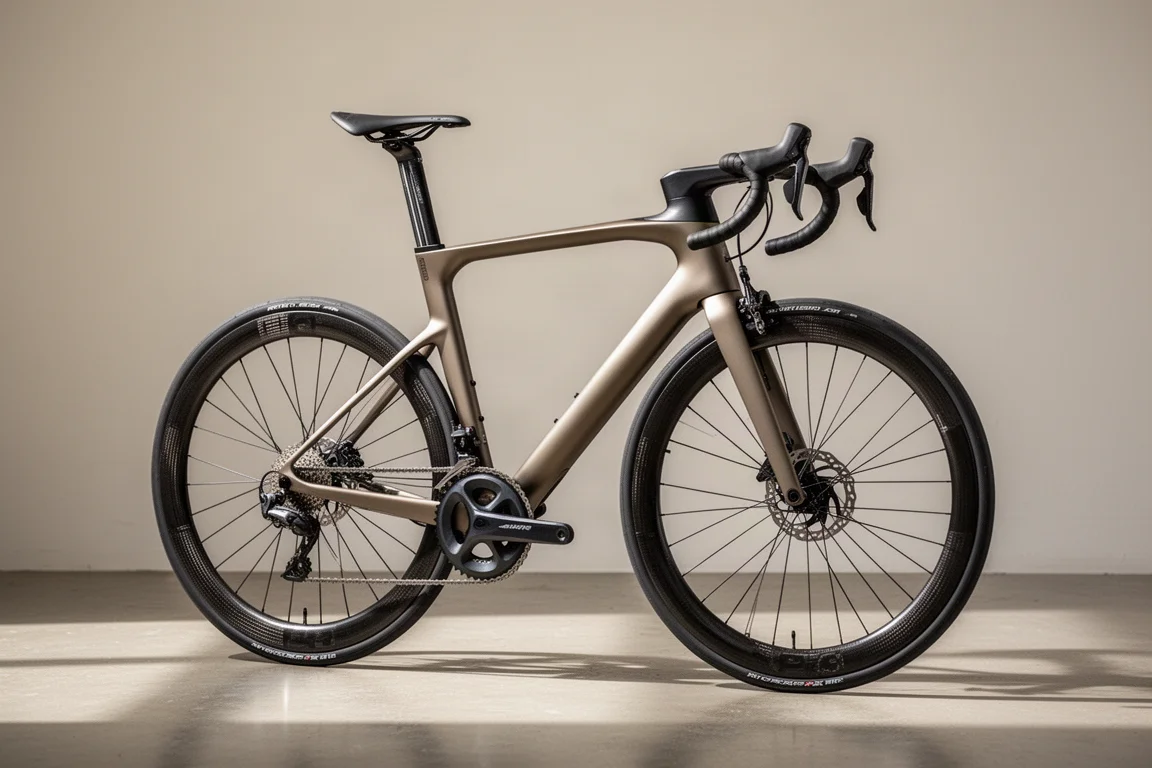
The Madone SLR is defined by the cut-out running through its seat tube. Trek calls it IsoFlow and says it accelerates airflow through the frame, reducing the trailing low-pressure wake behind the rider and lowering drag while improving comfort. The rear end does feel noticeably comfortable on rough roads, even on the slightly narrow 25c tires fitted as stock, helped by the lowered top of the seat tube and seatpost.
The flared handlebar is narrower at the hoods than at the drops by about three centimeters, and with the levers tilted in slightly it makes a narrow, fast position easy to hold. The fully integrated setup cannot be adjusted much, but it can be swapped for a standard stem and handlebar if you want a specific size combination or a different bar shape.
At 7.69 kg for a 56 cm test bike, the Madone SLR 7 was the lightest of the three by just under 300 grams, which comes down to the top-tier frame and handlebar using the most advanced carbon layup on offer. The build is mostly Bontrager, with an Aeolus Elite saddle, Aeolus Pro 51 carbon wheels and R3 Hard-Case Lite tires. Shimano’s 12-speed Ultegra Di2 performs at a level close to Dura-Ace for considerably less money.
The sticking point is value. These are mid-range finishing parts on a bike that costs around 10,200 pounds in the UK and about 9,050 dollars in the US. There is no carbon-railed saddle, no top-tier carbon wheelset and not the brand’s fastest tires, which are supplied with butyl inner tubes as stock. Tires are easy to change, so it is not a dealbreaker, but at this price you should not need to. Price and tires aside, the Madone SLR 7 is fast, fairly light, handles beautifully and has genuine top-level racing pedigree.
Giant Propel Advanced Pro
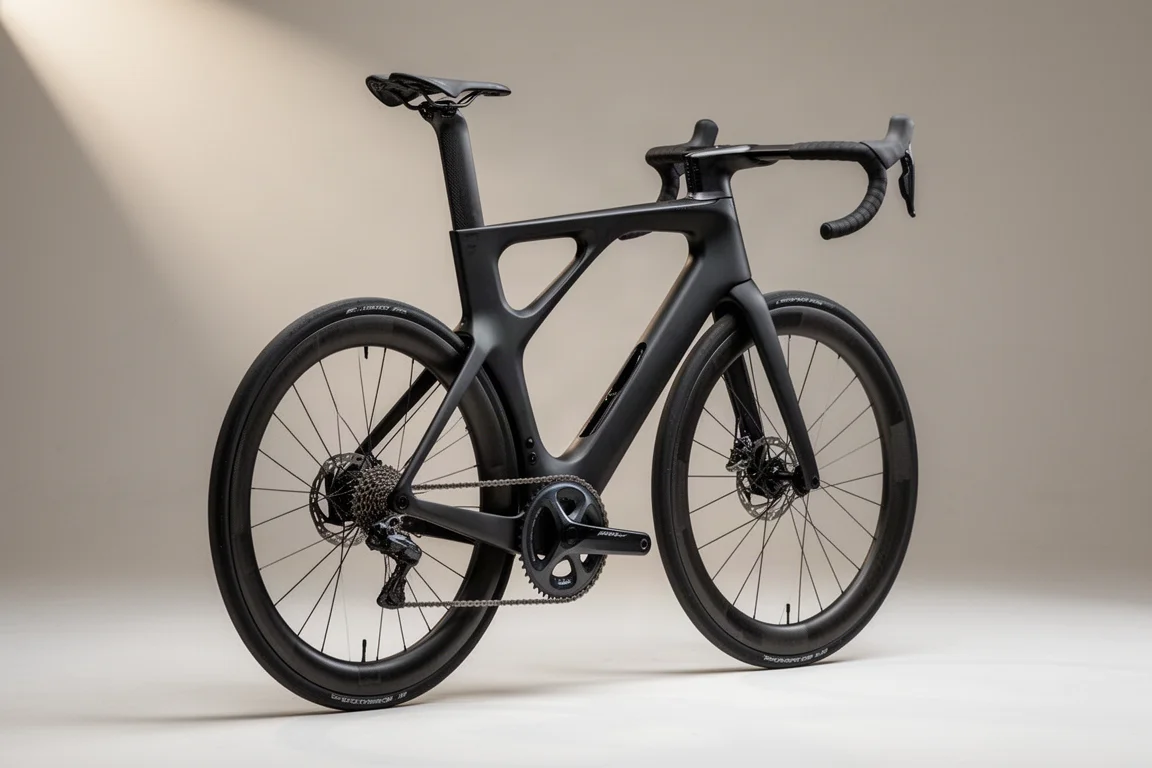
The Propel Advanced Pro uses Giant’s second-tier carbon layup and a telescoping aero seatpost rather than the integrated post of the higher-tier Advanced SL, which adds just over a kilogram compared with the top WorldTour specification. The frame shapes themselves are the same, and the ride retains most of the performance of that far more expensive bike.
The build is excellent for the money. A SRAM Force wireless groupset shifts fast and reliably and brakes well, and a power meter is included, something neither of the other two bikes offers. The 10-28 tooth cassette is a little tight for a bike that behaves like a lightweight all-rounder, and a wider-range cassette would suit it better, but that is a minor point.
The SLR 1 50 carbon wheels are based on the wheels used at pro level, with steel bearings and spokes instead of ceramic and carbon ones bringing the price down while keeping a wide modern rim profile and a competitive weight of around 1,500 grams for the set. The CADEX Race tubeless tires offer good ride feel and grip, though independent rolling resistance testing places them slightly behind the fastest in their class, so there are a few watts available for riders chasing every last one.
Geometry mirrors the TCR, which makes the Propel immediately familiar: a stiff pedaling platform for climbing, efficient flat-road speed and confident but nimble handling. The updated cockpit and cable routing look cleaner than before without sacrificing much adjustability or compatibility. It is undeniably heavier than the top-spec model, but that is not obvious while riding.
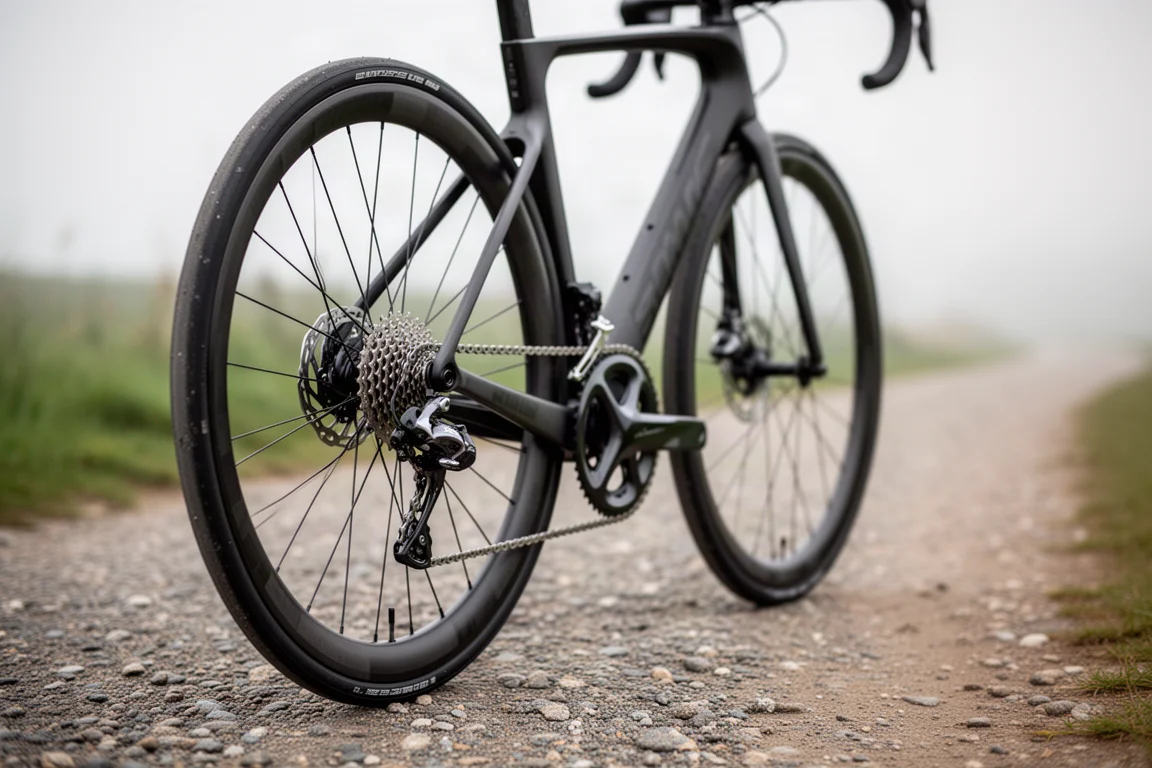
On the road, the Propel impressed at practically everything, whether on the flat, up climbs or on descents. It is the most complete package here for the money.
Ribble Ultra SLR
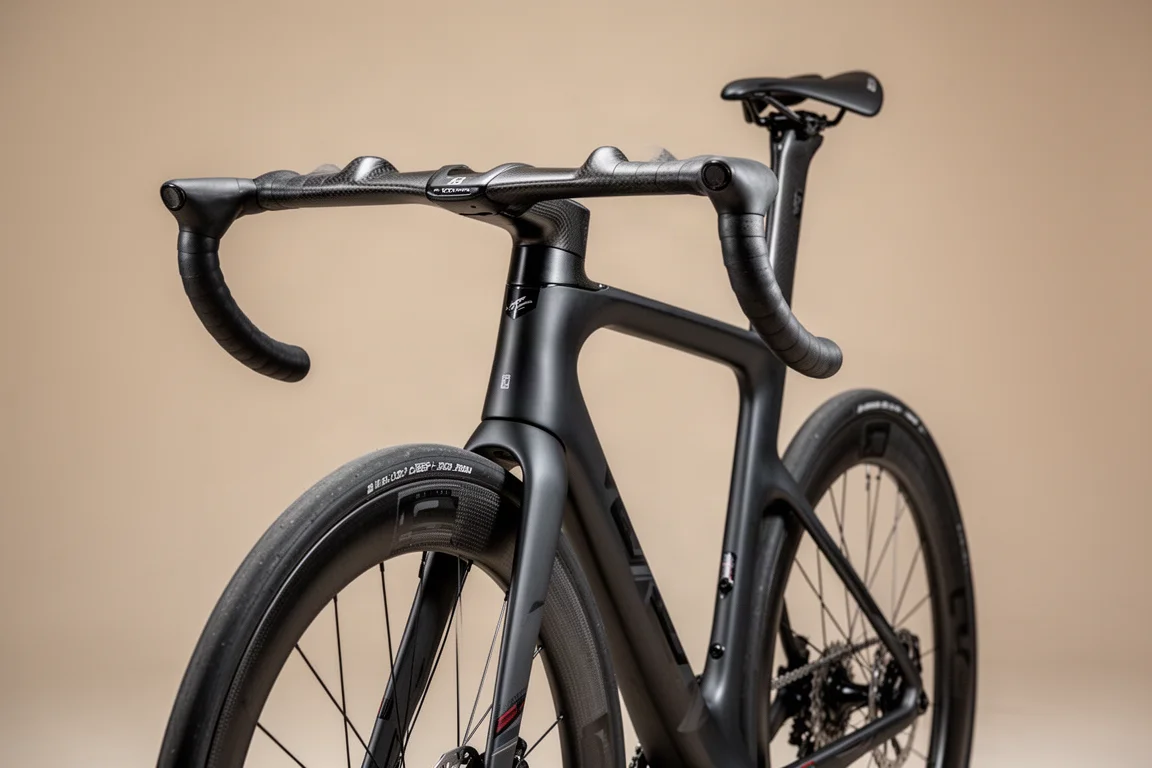
The Ultra SLR is one of the fastest bikes you can ride, and a large part of that comes from how it positions the rider. The frame is heavily aero-profiled throughout, and the Ultra handlebar uses vortex-generating bulges on the tops to reduce the drag of the rider and bike as a system. The test build came with the longest and narrowest cockpit available: a 140 mm effective stem and a bar measuring just 33 cm at the hoods. The result is a very stretched, very narrow position that feels extraordinarily quick.
That setup will not suit everyone, and it can be changed through Ribble’s online bike builder. For a slim rider who likes narrow handlebars, though, it felt superb. The build paired Shimano Ultegra Di2 with Zipp 404 Firecrest wheels and Continental GP 5000 S TR tires. The rims are 58 mm deep with a 23 mm internal width, so 28c tires measured over 30 mm wide at 60 psi, which took the edge off an otherwise very stiff and unforgiving frameset on rough roads.
At 8.31 kg for a size medium, the Ultra SLR is the heaviest of the three, roughly 600 grams more than the Madone. On paper that sounds significant, but for a road race or time trial it would still be the pick of the two on these specifications, and a lighter, more expensive build is available.
The Ultra SLR is addictive on flat and rolling terrain. The catch is focus. It behaves like a hill climb or time trial bike: superb at the specific job it was designed for and less versatile elsewhere. Big frame tubes and deeply sectioned rims make it sensitive in windy conditions, so it can be tricky to handle when the weather turns. Long steep climbs are perfectly manageable, but the unusual bar is only offered in a select few sizes, which limits how many riders can get the intended position.
Weight, Spec and Value Compared
The three bikes sit closer on weight than their prices suggest. The Madone SLR 7 is lightest at 7.69 kg, the Propel Advanced Pro follows at 7.79 kg, and the Ultra SLR is heaviest at 8.31 kg. Differences of a few hundred grams rarely show up on a normal ride, but they are worth knowing when a bike is being bought for racing.
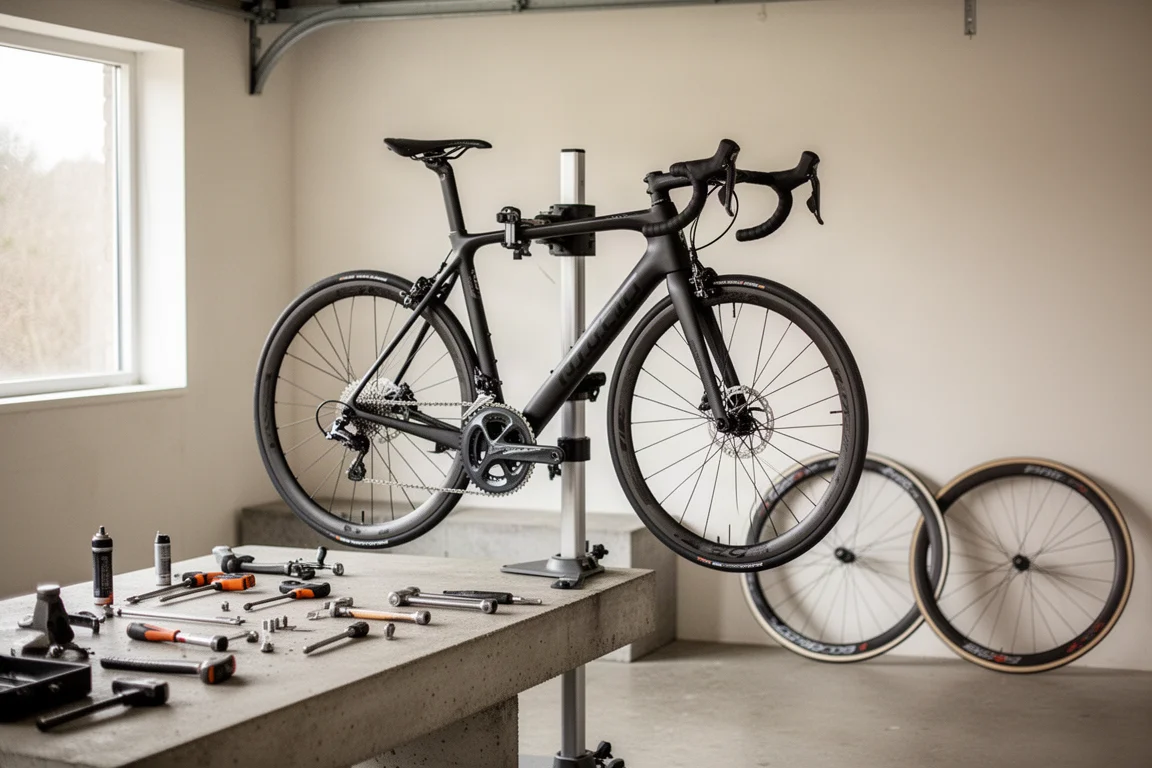
On build value, the gap is wider than the weights. The Propel includes a power meter and a well-chosen finishing kit for a little under 6,400 pounds or about 8,000 dollars. The Ultra SLR, at just under 6,600 pounds, or roughly 8,160 dollars, comes with Zipp 404 Firecrest wheels and excellent Continental tires. The Madone SLR 7 asks around 10,200 pounds, or 9,050 dollars, while using mid-range saddles, wheels and tires. Spending roughly three and a half thousand pounds more for an essentially equivalent level of performance is hard to justify.
Wind, Comfort and Real World Handling
Crosswind behaviour separates these bikes more than outright speed does. The Propel stays predictable and nimble, with the balance of flat-road efficiency and climbing stiffness that makes it easy to ride hard in mixed conditions. The Madone handles beautifully and its comfortable rear end helps on rough tarmac, though its stock tires hold back the frame’s potential.
The Ultra SLR is the most demanding. Its deep rims and large frame tubes make it sensitive to gusts, and the extreme riding position rewards commitment rather than casual use. Riders who want one fast bike for flat days and long mountain outings will find the other two easier to live with.
Overall Buying Advice
If outright speed on the flat is the only goal, the Ultra SLR delivers it in a way the others do not match. It is a focused race machine, and buyers should be honest about how often they ride in wind-exposed terrain or want a more relaxed position. The unusual cockpit sizing is worth checking before ordering, and the online bike builder gives you room to specify something more moderate.
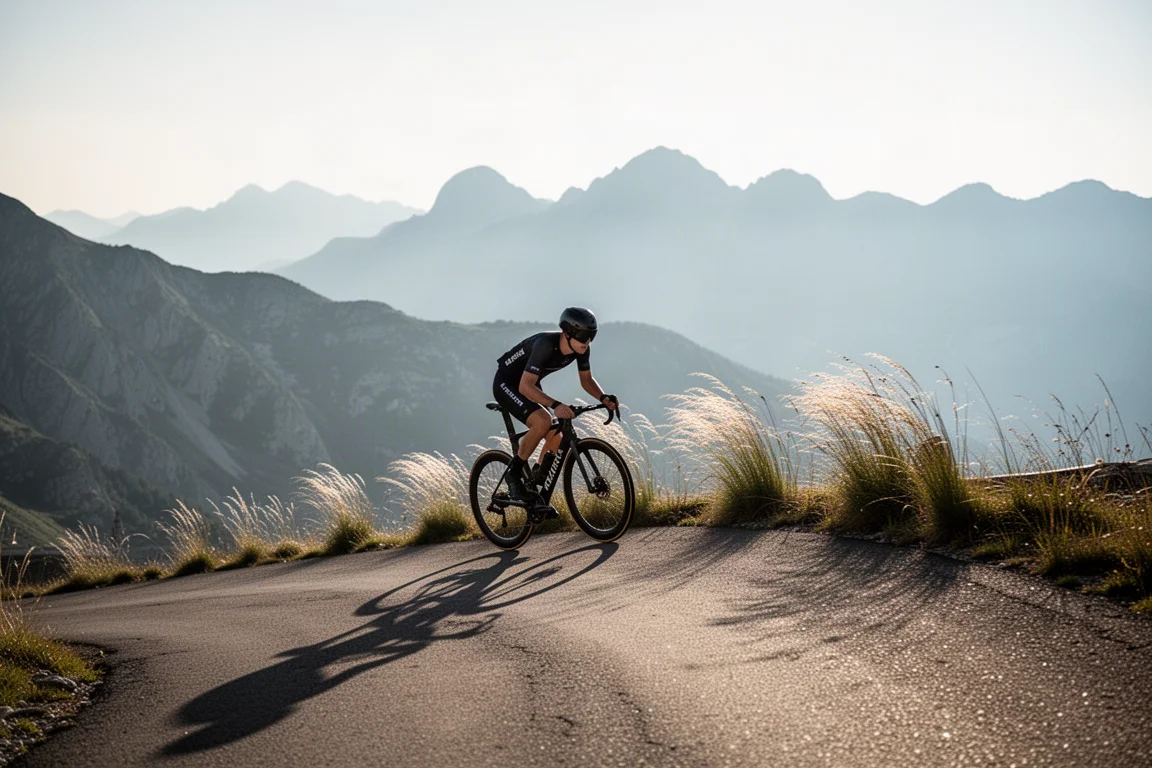
For most riders, the Propel Advanced Pro is the strongest all-round proposition. It gives up a little flat-road pace to the Ribble, but it is fast, comfortable enough for long days, stiff under power, adjustable and unusually well equipped for its price, power meter included. The Madone SLR 7 remains a brilliant bike with excellent handling and a light, comfortable frame, but at this price the specification is difficult to defend when a similar level of performance is available for considerably less.
Conclusion
All three of these aero road bikes are excellent, and any owner would be unlikely to be disappointed. The Ultra SLR is the fastest and the most single-minded, the Madone SLR 7 is the lightest and the most expensive, and the Propel Advanced Pro is the one that makes the most sense for the widest range of riders. For balancing speed, composure, adjustability and build value, the Giant Propel Advanced Pro is the pick of the three.
Further reading
Related Reviews
Road Bikes
10 New Road Bikes Worth Watching: Aero, Titanium, Steel and Endurance Standouts
A practical roundup of 10 new road bikes, from aero flagships chasing single-watt gains to titanium, steel and endurance platforms built for real roads.
Road Bikes
2026 Tour de France Road Bikes: Six Race Machines Worth a Closer Look
Six race bikes from the 2026 Tour de France grid, reviewed for paint, silhouette, wheels and the specification details that matter to buyers.
Road Bikes
3T Strada Italia Review: A Radical Aero Road Bike That Rides Smooth
A made in Italy carbon aero road bike with a deep head tube, wide tire clearance and a genuinely comfortable ride. Here is what to know before buying.