3D Printing
Best 3D Printing Filament Brands: Community Favorites and What to Look For
A guide to choosing quality 3D printing filament, featuring top community-voted brands and how to evaluate filaments using technical datasheets rather than marketing claims.
Introduction
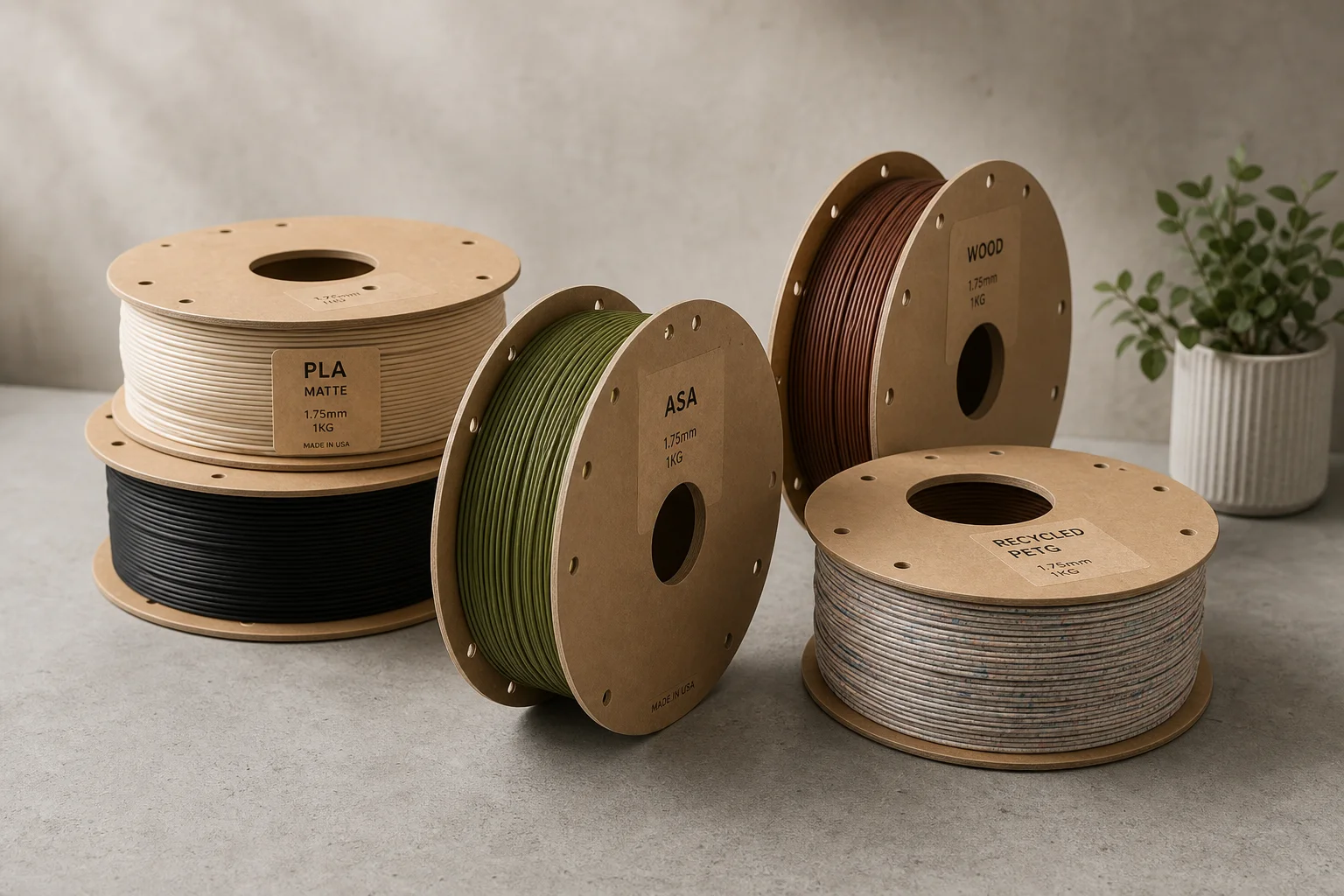
Choosing the right 3D printing filament can feel overwhelming. With countless brands and material types available, how do you know which one is truly best? The answer depends on your region, budget, and specific needs. However, there are reliable methods to evaluate filament quality and separate genuine performance from marketing hype.
This guide draws on community feedback, content creator insights, and practical evaluation techniques to help you make informed filament choices.
Understanding Filament Basics
Most hobbyist 3D printing uses thermoplastics, which consist of long polymer chains held together by weak forces. These materials can be melted and reshaped multiple times when heated to their glass transition or melting temperature, which is exactly what FDM 3D printing exploits by extruding material through a thin nozzle.
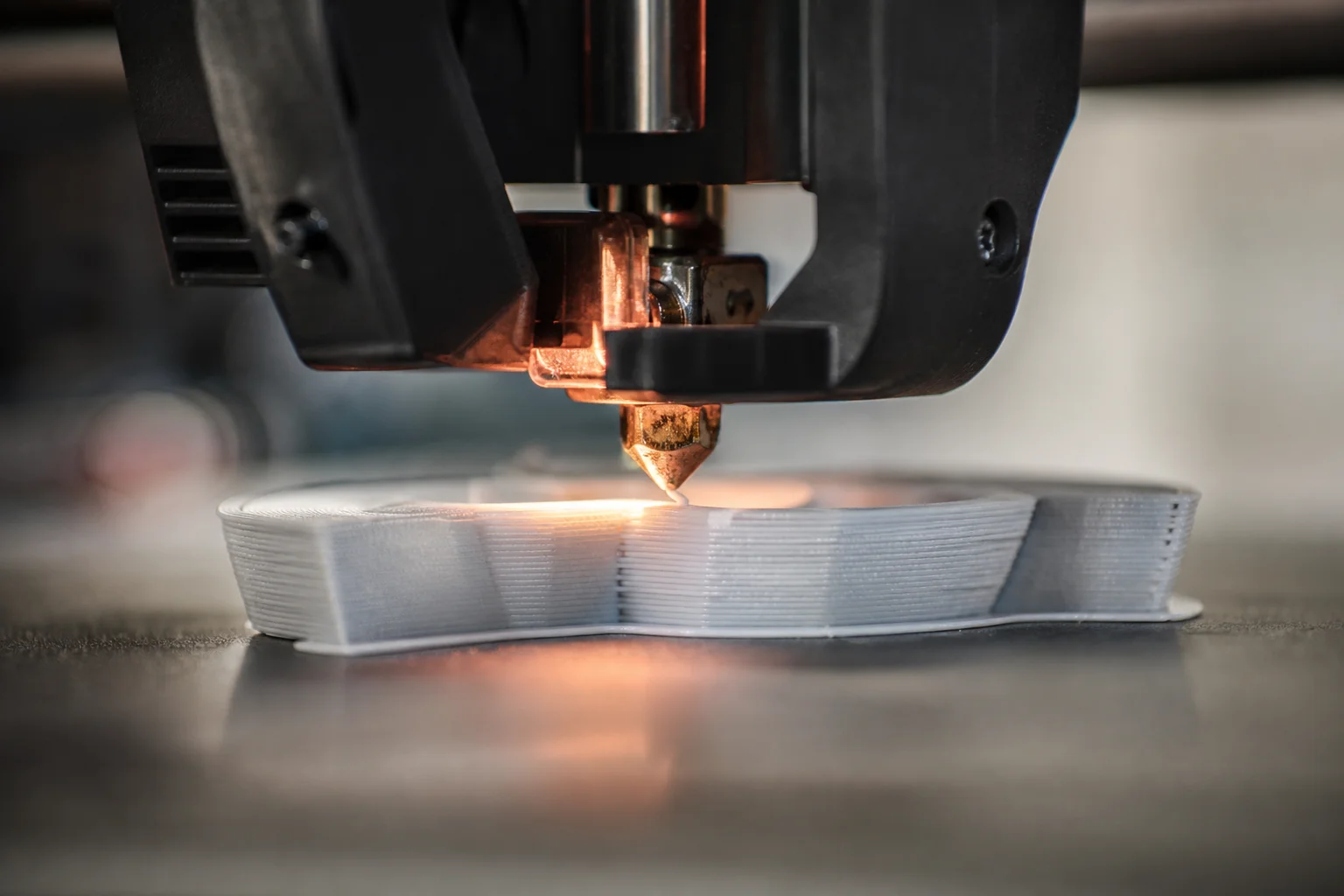
Historically, many filament materials were optimized for injection molding, where the engineering challenges differ from extrusion-based 3D printing. ABS became one of the first widely available filaments for DIY 3D printers partly for this reason. Over time, as 3D printing grew in popularity, manufacturers began adapting and developing materials specifically for extrusion as filament. Today, the variety is enormous, with different brands sourcing raw resins from different suppliers and blending them with different additives.
Community Favorites: Survey Results
To get a better sense of which filaments the community actually prefers, a survey was conducted across multiple platforms. Over 70 respondents shared their favorite brands and materials.
PLA emerged as the clear winner for go-to material type, with over 50% of respondents choosing it as their preferred filament. The main reasons cited were wide availability, low price, and ease of printing. When it comes to favorite brands, the results were more distributed, reflecting the fact that the best options depend heavily on your region and local availability.
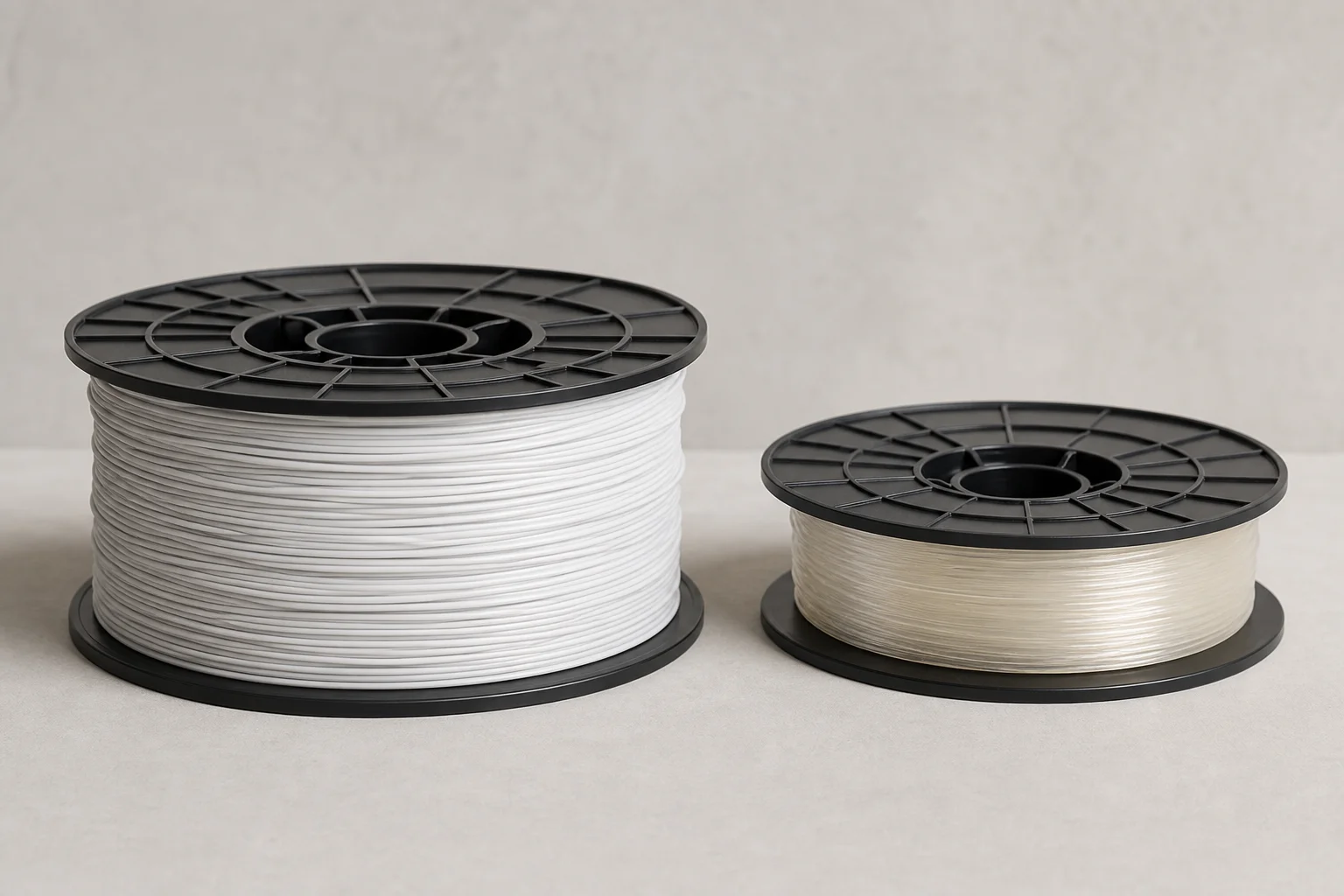
For instance, in India it makes more sense to look for locally produced filaments rather than importing materials from Europe. The top brands identified by the community include Polymaker, Nobufil, and Prusament, among others. Content creators who regularly test different filaments also shared their preferences, with many highlighting the importance of consistency and reliable technical support.
How to Compare Filament Prices Correctly
One of the biggest misconceptions when shopping for filament is comparing prices based solely on cost per kilogram. This approach ignores a critical factor: different polymers have different densities.
The same weight of two different materials can produce significantly different volumes of filament. For example, ASA has a much lower density than PLA. If you compare two offers where PLA costs less per kilogram, you might assume it’s the cheaper option. However, when you calculate the price per meter of filament using the density values, the actual cost difference becomes much smaller, sometimes only 1-2% instead of the apparent 18% difference.
Larger retailers should consider displaying price per meter alongside price per kilogram to provide better transparency and help customers make truly informed decisions.
Evaluating Marketing Claims: Carbon Fiber Filaments
Carbon fiber reinforced filaments are heavily marketed as “stronger” alternatives, but the reality is more nuanced. In most cases, the carbon fibers added to filament are short fibers or even powder, often just a few microns long. When added in small quantities, they do not significantly improve strength or mechanical properties.
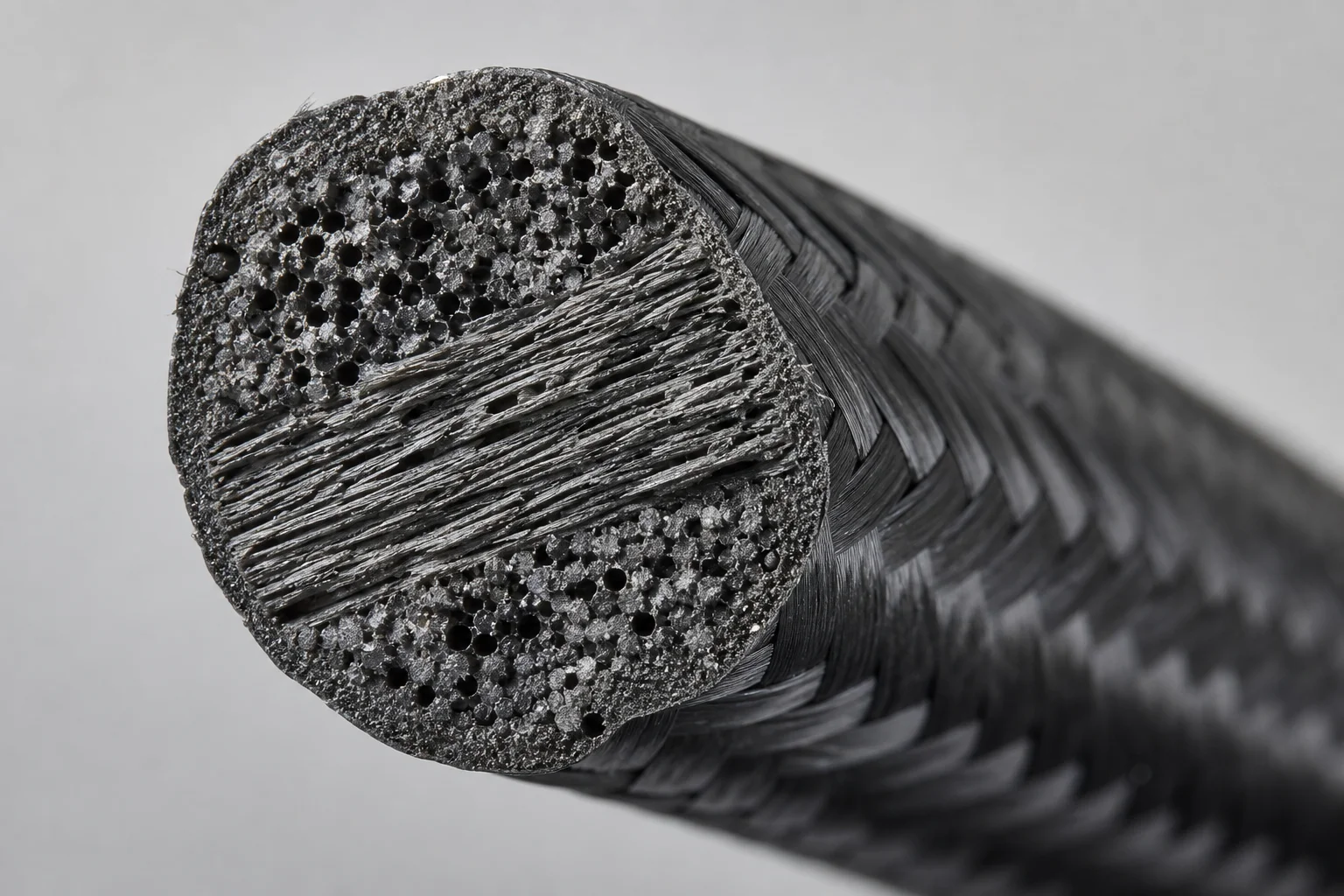
In fact, carbon fiber reinforcement can sometimes reduce layer adhesion because the fibers align with the filament’s extrusion direction, meaning they provide no reinforcement in the Z-direction, where parts are already weakest. That said, technical filaments like PA-CF or PC-CF do benefit from carbon fiber addition, gaining increased stiffness and reduced warping, making them excellent for functional parts. The key is not to fall for the marketing hype that adding carbon fibers automatically makes any filament “better.”
Similarly, marketing terms like “Pro,” ”+,” “x,” or “Super Duper Deluxe” often obscure what’s actually in the filament. PLA+, for instance, indicates additives like ABS or TPU have been blended in. This can be problematic because people often assume they’re still printing standard PLA, a material considered safe, easy to print on open printers, and eco-friendly. But if the ”+” includes additives, these assumptions may no longer hold true. Recycling such blends is also much harder, and the additives can sometimes lead to unexpected behavior.
Reading and Interpreting Technical Datasheets
Technical datasheets are your best tool for comparing filaments objectively, but they require careful interpretation. Here are key points to keep in mind:
Testing Methods Vary: Different companies use different testing methods and norms. Impact resistance, for example, can be measured using a regular sample or a notched sample, with the notch producing significantly lower results. Always check which method was used when comparing filaments from different brands.
Color and Additives Matter: Masterbatch is added to give filament its desired color, typically 1-5% by weight. This can significantly affect mechanical properties. White PLA, for instance, has shown 15% better tensile strength than matte black PLA. Avoid relying on datasheets for filaments with unusual colors or special effects like glitter or silk finishes.
Print Settings Are Critical: The actual properties depend heavily on print settings and conditions, including printing temperature, nozzle material, whether the printer is enclosed, and many other variables. Good datasheets specify how test samples were printed, giving you an idea of what’s achievable.
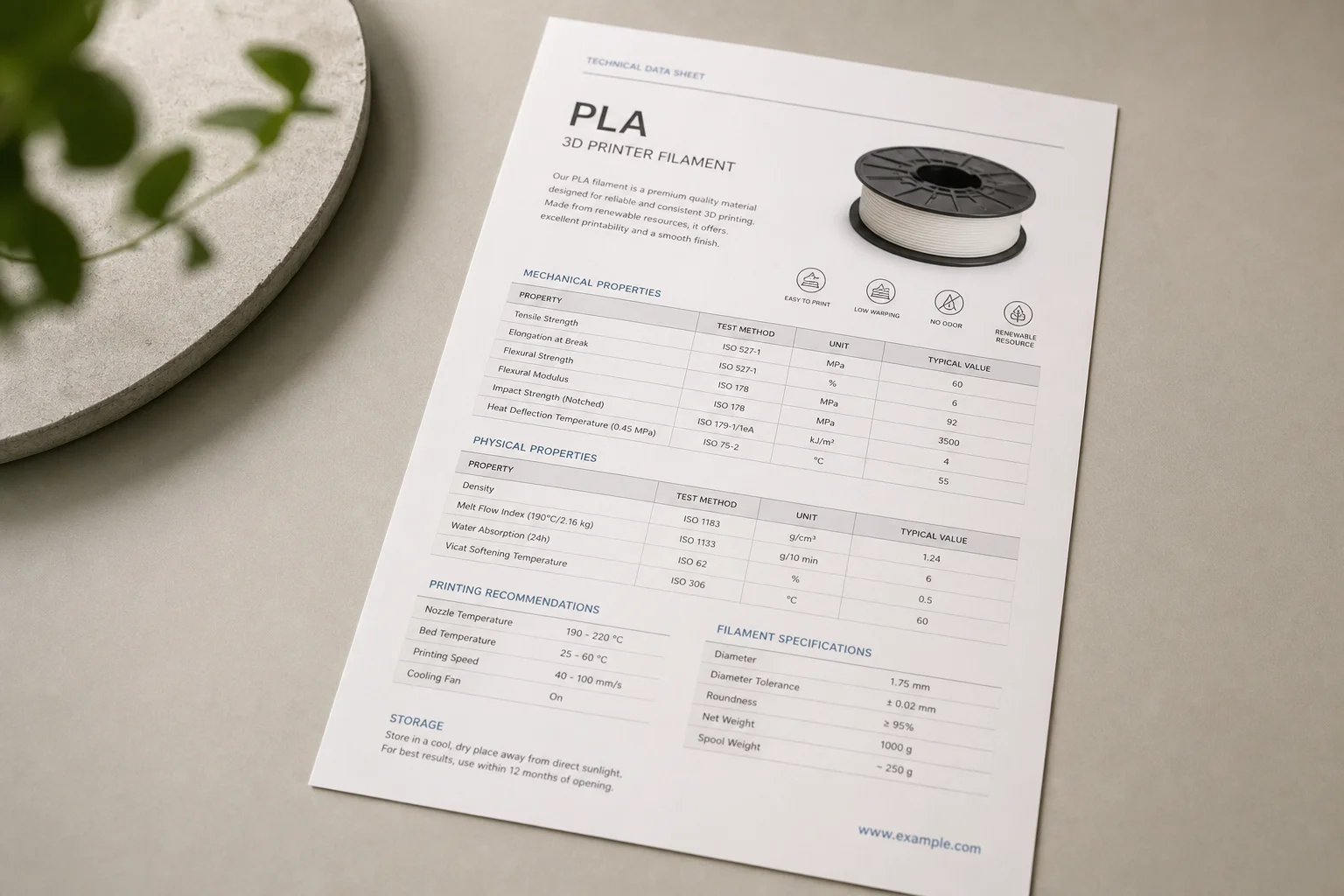
Use Datasheets for Estimation Only: Datasheets should be used as a rough estimation tool, not as absolute guarantees. They provide a useful starting point for comparison but cannot account for all the variables in your specific setup.
Top Filament Brands According to Community Feedback
Based on community responses, Polymaker emerged as the top-voted brand, followed by other strong contenders including Nobufil and Prusament. However, these results should be taken with a grain of salt, as they represent 72 opinions rather than comprehensive testing data.
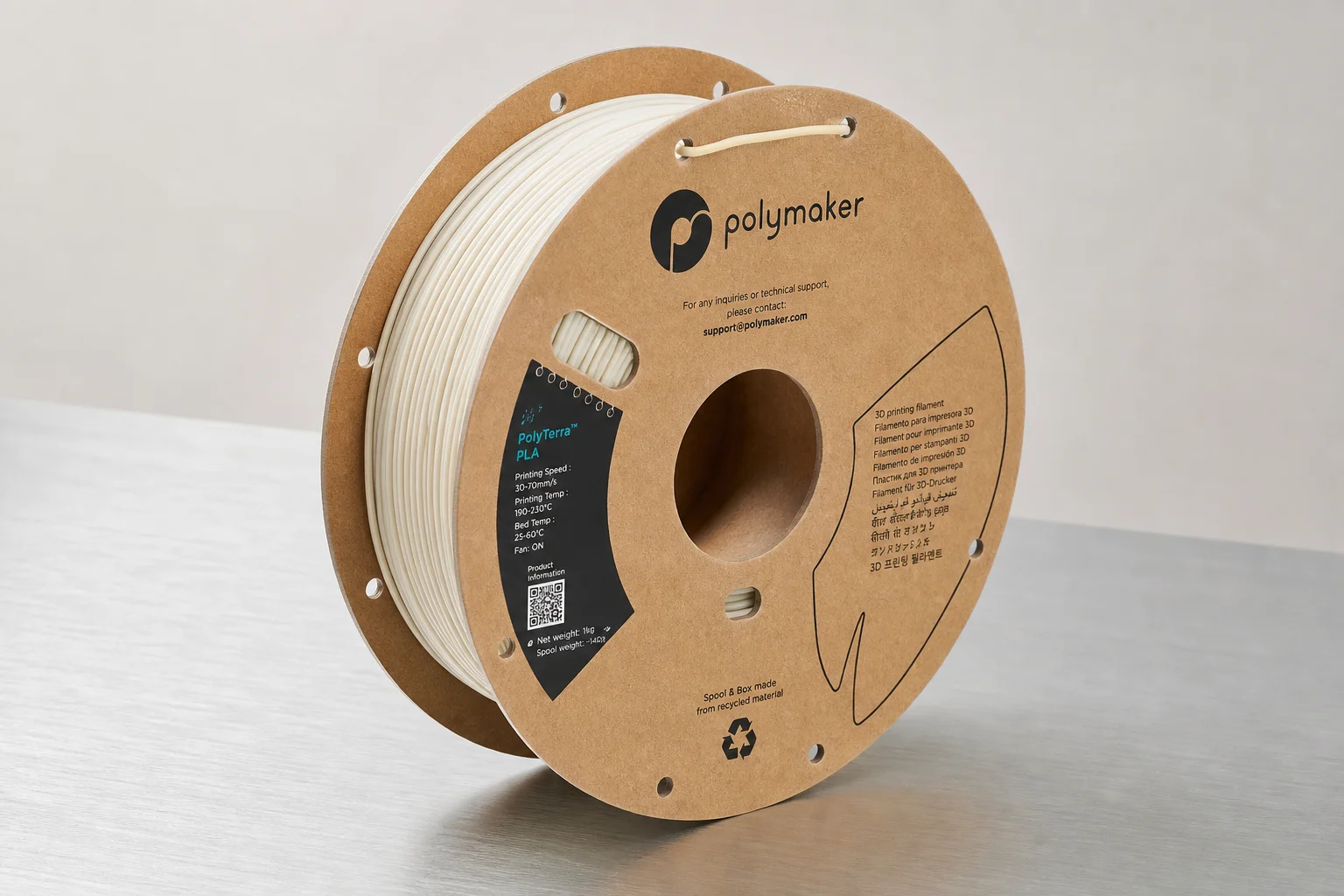
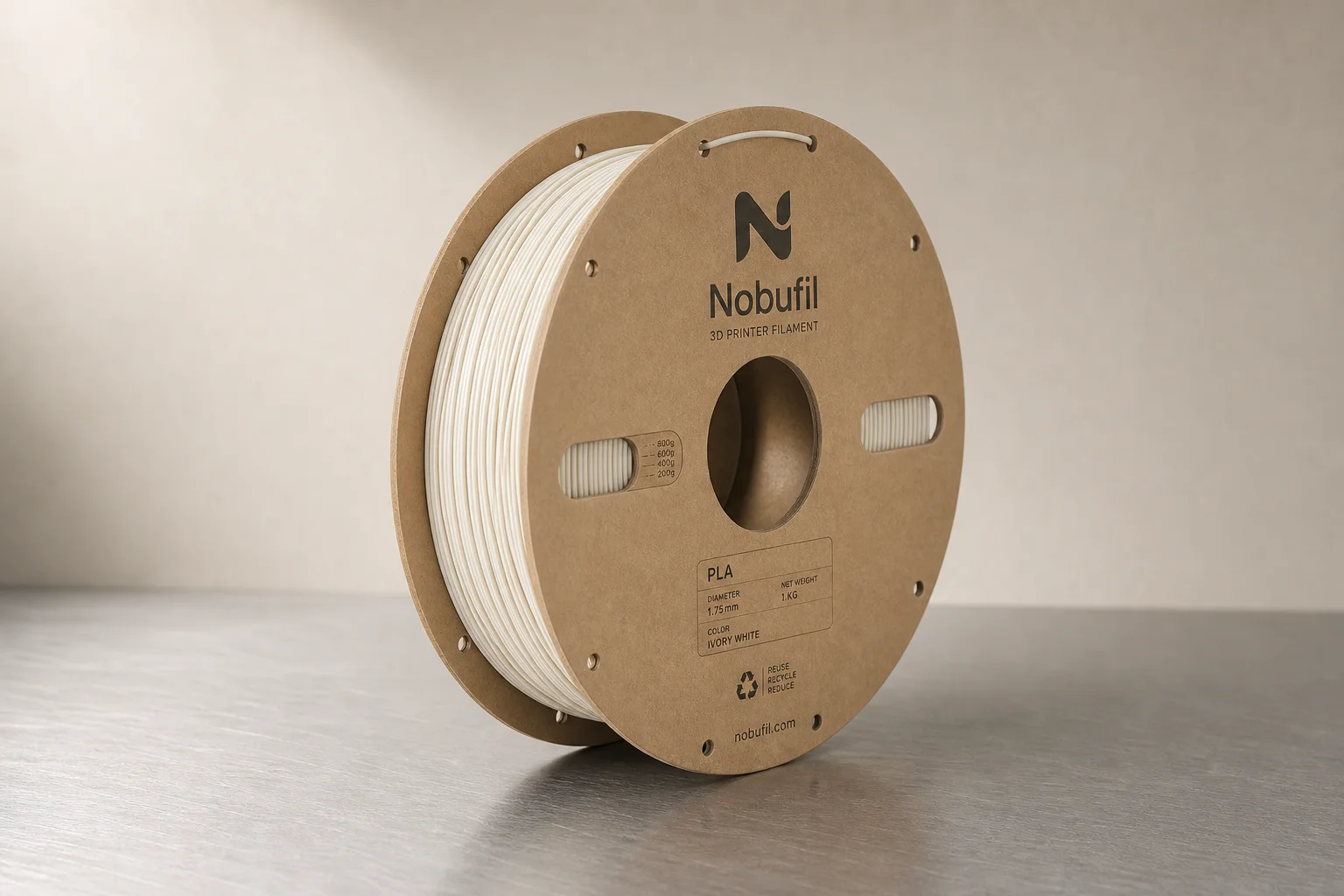
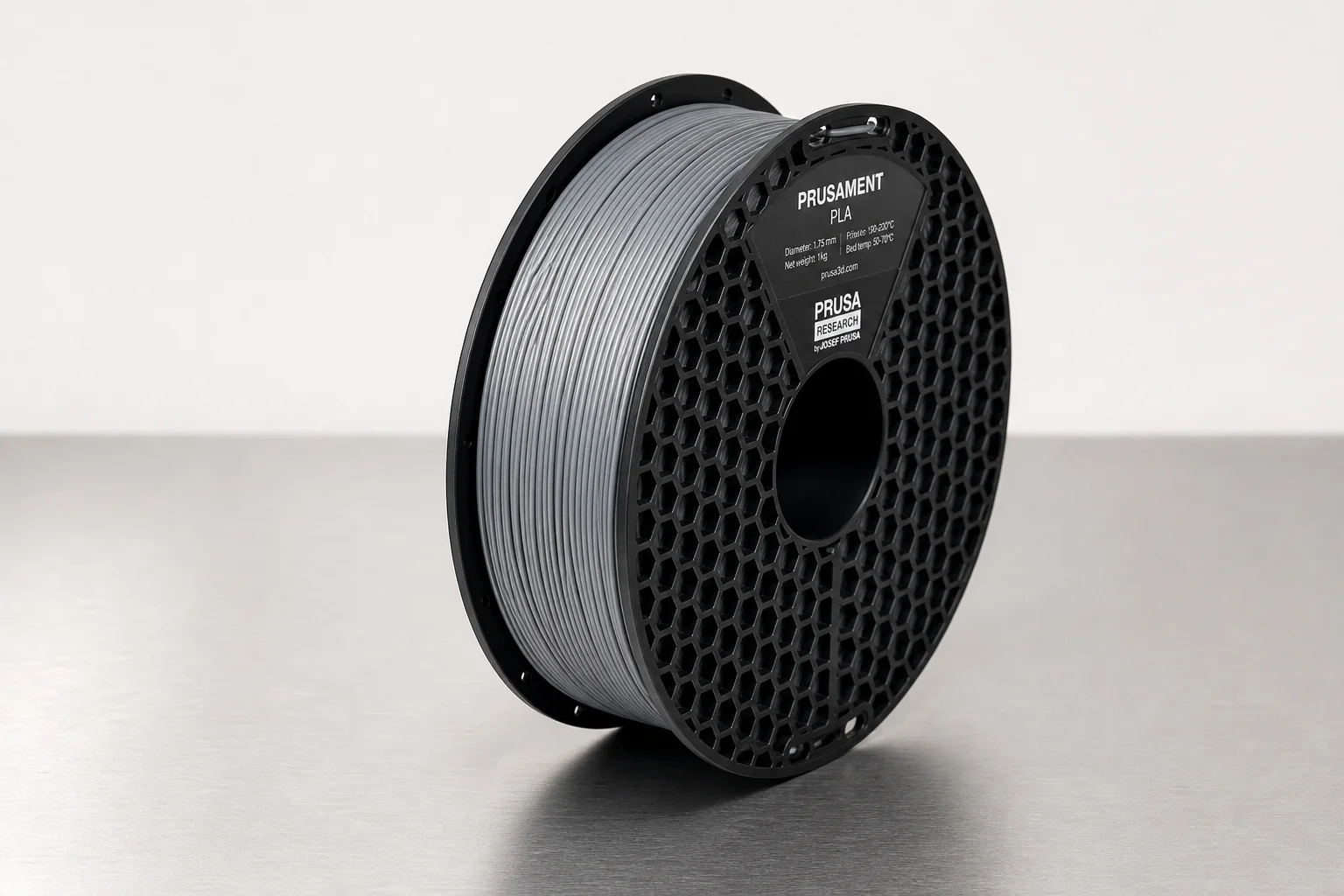
The best filament brand for your needs depends on your region, specific requirements, and budget. What works well in one part of the world may not be readily available or cost-effective in another.
Conclusion
Choosing quality filament comes down to understanding what to look for in technical specifications, recognizing marketing hype, and considering your specific use case. By comparing prices correctly, evaluating claims critically, and using technical datasheets as a reference tool, you can make informed decisions that lead to better prints and better value for your money.
Further reading
Related Reviews
3D Printing
3D Printer Wishlist 2026: Industry Hopes and Manufacturer-Specific Improvements
A comprehensive review of what the 3D printing industry needs in 2026, from universal standards to manufacturer-specific feature requests across leading brands.
3D Printing
3D Printing Trends 2026: Multi-Material Systems, Stronger Filaments, and Desktop Metal Casting
FormNext 2025 revealed the direction of 3D printing in 2026: accessible multi-material printers, high-strength filaments, and innovative software solutions that bring industrial capabilities to the desktop.
3D Printing
Bambu Lab 3D Printer Lineup 2025: Which Model Fits Your Needs
A comprehensive breakdown of Bambu Lab's current printer lineup, from mid-range workhorse models to flagship multifunction machines, with honest trade-offs for each.