Ski Boots
Best 2027 Ski Boots: 8 Standout Boots and Who Each One Is Really For
Eight 2027 ski boots tested on snow: a race-inspired plug boot, BOA newcomers, a freeride touring hybrid, and more, with honest notes on fit, flex, and feel.
Introduction
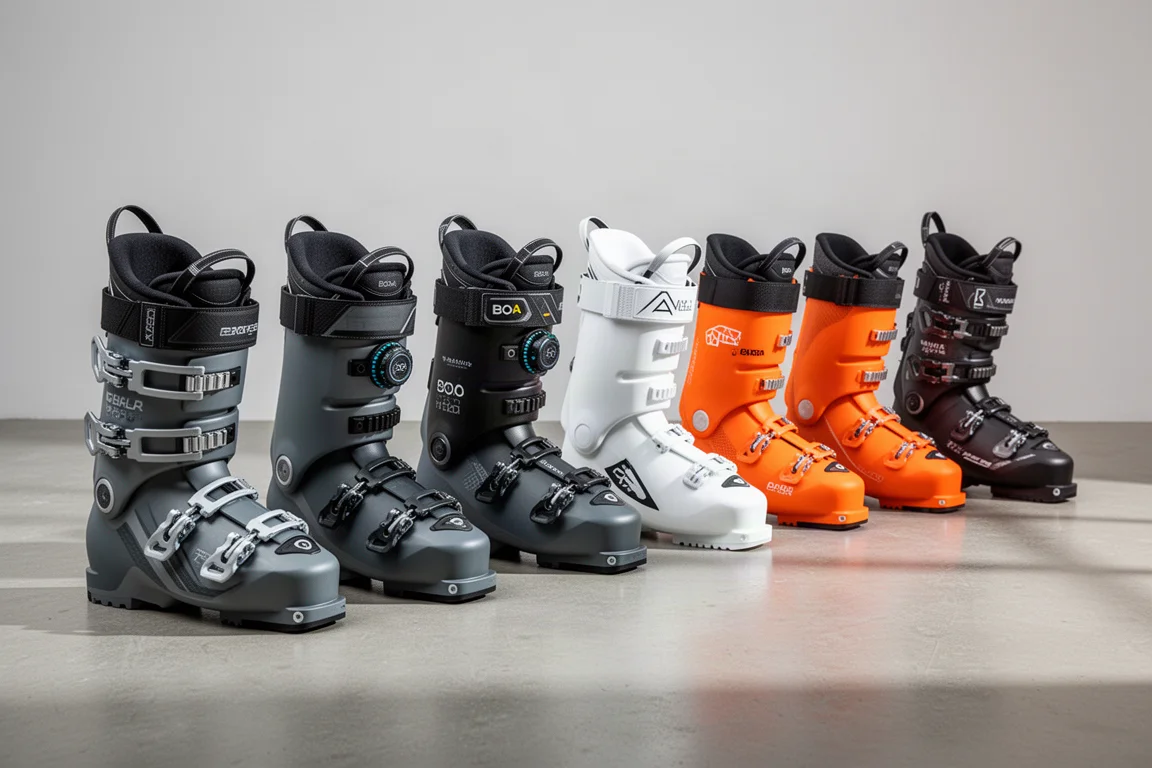
Ski boots are the most personal piece of gear on the hill, and there is no single boot that works for everyone. What helps is understanding how each design behaves on snow: how it flexes, how it fits, and what kind of day it is built for. This roundup covers eight 2027 boots that each take a different approach, from thick-plastic plug boots to BOA-equipped hybrids and a freeride touring machine. The common thread is on-snow experience rather than spec sheets, so treat this as a guide to matching a boot to your own missions.
Kesley K130P
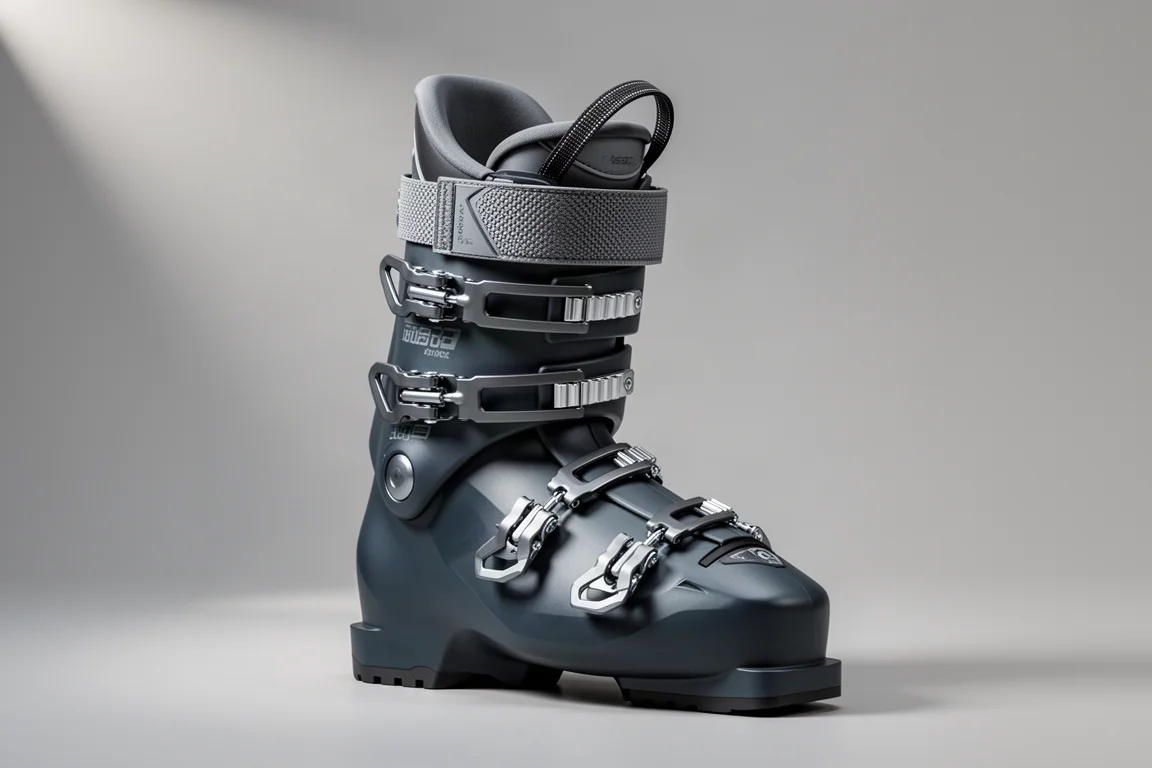
The Kesley K130P is a traditional four-buckle overlap boot, but it left a lasting impression. The combination of thick plastic and a very thin stock liner delivers serious power transfer and remarkably smooth, well-damped tracking. For a boot in this category, it also fit surprisingly comfortably out of the box, which is not usually the case with stiff, heavy constructions.
The thin liner is a big part of the story: sitting closer to the shell raised precision, power, and overall feel, and the liner barely packed out over a hard season. Durability held up well even under unusually aggressive use, with the plastic remaining solid long after the hardware needed replacing. Note that a thinner aftermarket liner can be hard to fit in this shell, so the stock liner is a sensible choice for most skiers.
Salomon S/Pro Supra 130
The S/Pro Supra 130 is a 130-flex mid-volume boot with dual BOA dials, and it is the kind of boot most skiers would happily walk out of a shop with. It is exceptionally comfortable, almost slipper-like, and it is surprisingly stiff for a boot in this style, landing firmer than some comparable mid-volume options.
The trade-off is forefoot control. The upper area is generous, and even fully tightened the BOA mainly compresses the instep, leaving some forefoot float for skiers who want their toes fully secured. It also feels fairly upright, which suits upright skiers who want to access stiffness early in the turn. A full-foot lift or shell modification is a reasonable path for lower-volume feet, and the shell is custom-friendly.
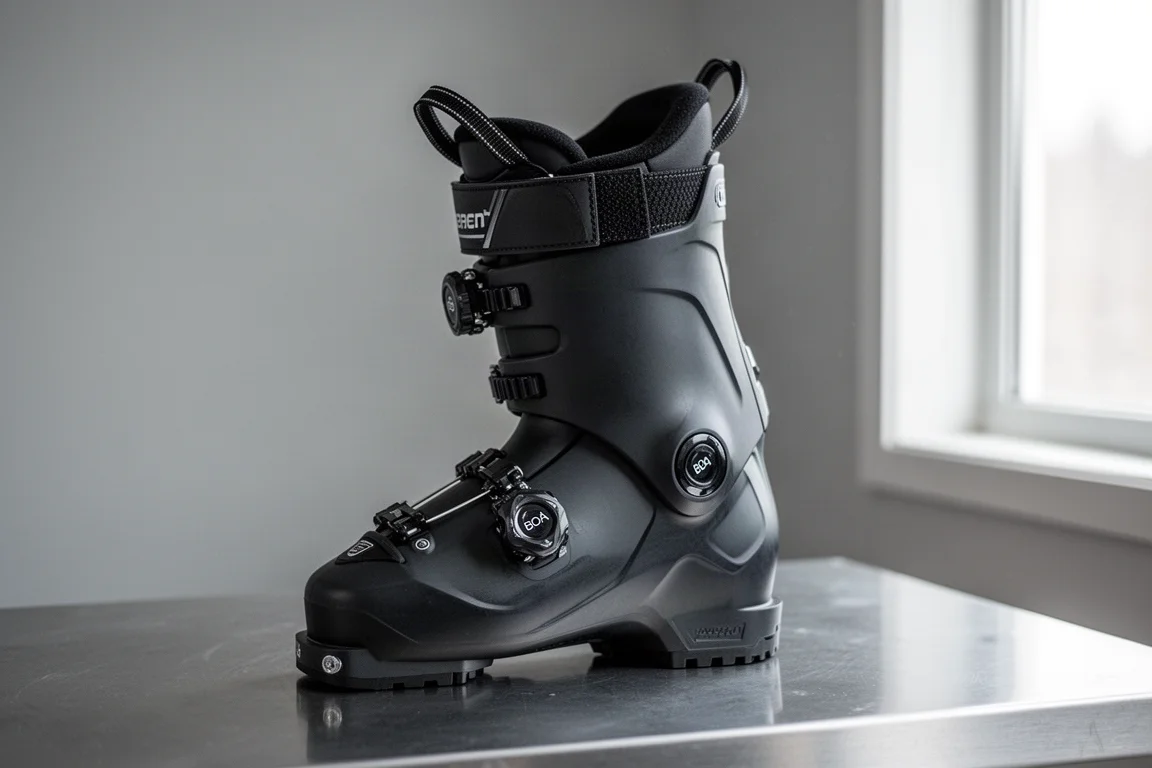
Nordica Speedmachine 130 S
The Speedmachine 130 S takes a hybrid closure approach: buckles on the lower shell and a BOA on the upper cuff. The idea is to keep ratchet-style tightness where precision matters most while enjoying easier upper-cuff adjustment, and for many skiers that balance works well.
It is a very comfortable mid-volume 130, though it flexes progressively rather than hitting a hard wall, so aggressive skiers may notice the difference. Vertical room in the upper cuff remained even with an aftermarket liner, and forefoot hold depends heavily on foot shape. On closure philosophy: buckles still make individual tightness easier to dial in, especially at the ankle, and a BOA on the lower shell is generally the least appealing placement for precise skiers. As an all-round boot that covers the bases, this is a strong generalist.
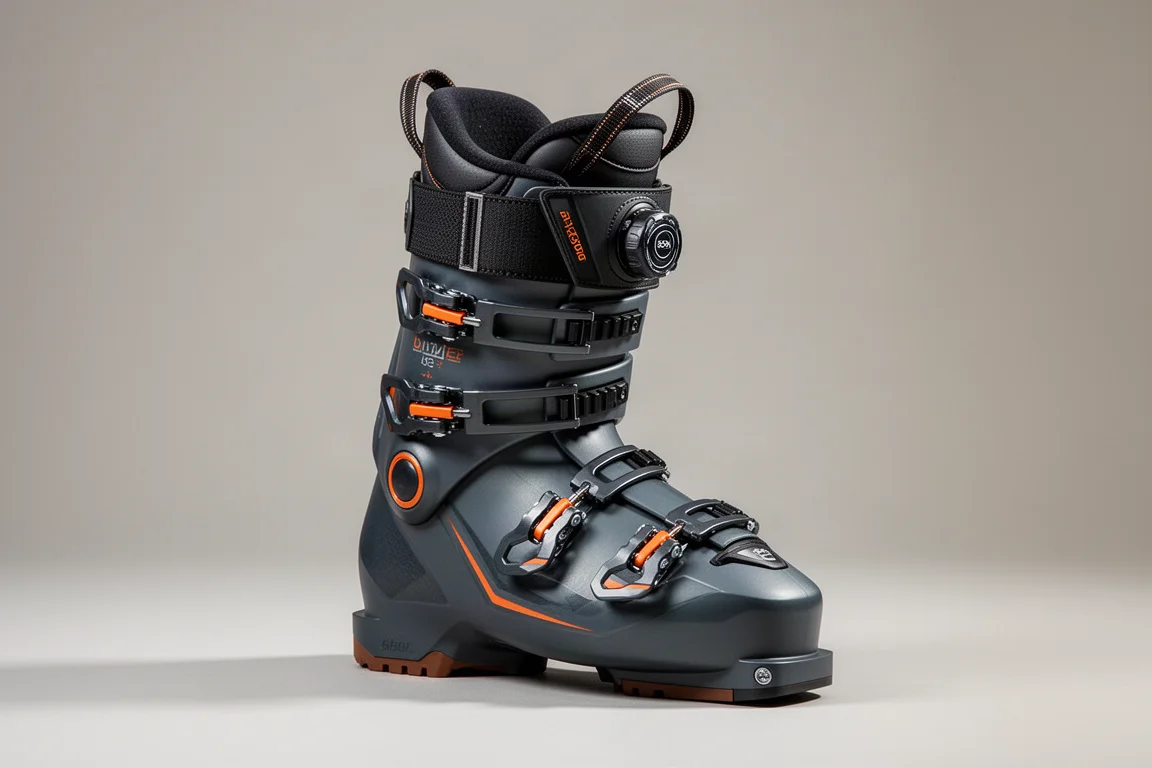
Head Raptor 140
The Raptor 140 is the outlier here: a race-rooted boot with thick plastic, a 98 mm last in this size, a solid sole, and a liner intended to be customized with Head’s proprietary foam. It is not something you stumble into at a shop; you seek it out for carving or high-performance freeride, and it rewards that intent by locking you in and simply going.
Surprisingly, it is not punishing to wear, and it proved far more comfortable on long days than its race-boot appearance suggests. It was never forward-lean shy either, allowing a genuinely aggressive stance. The practical limits are real, though: the solid sole rules out casual walk-mode comfort, heel pressure can build after several hours, and the plastic is very temperature sensitive. Cold boots from a cold car can be extremely difficult to put on, so plan warm storage and heat.
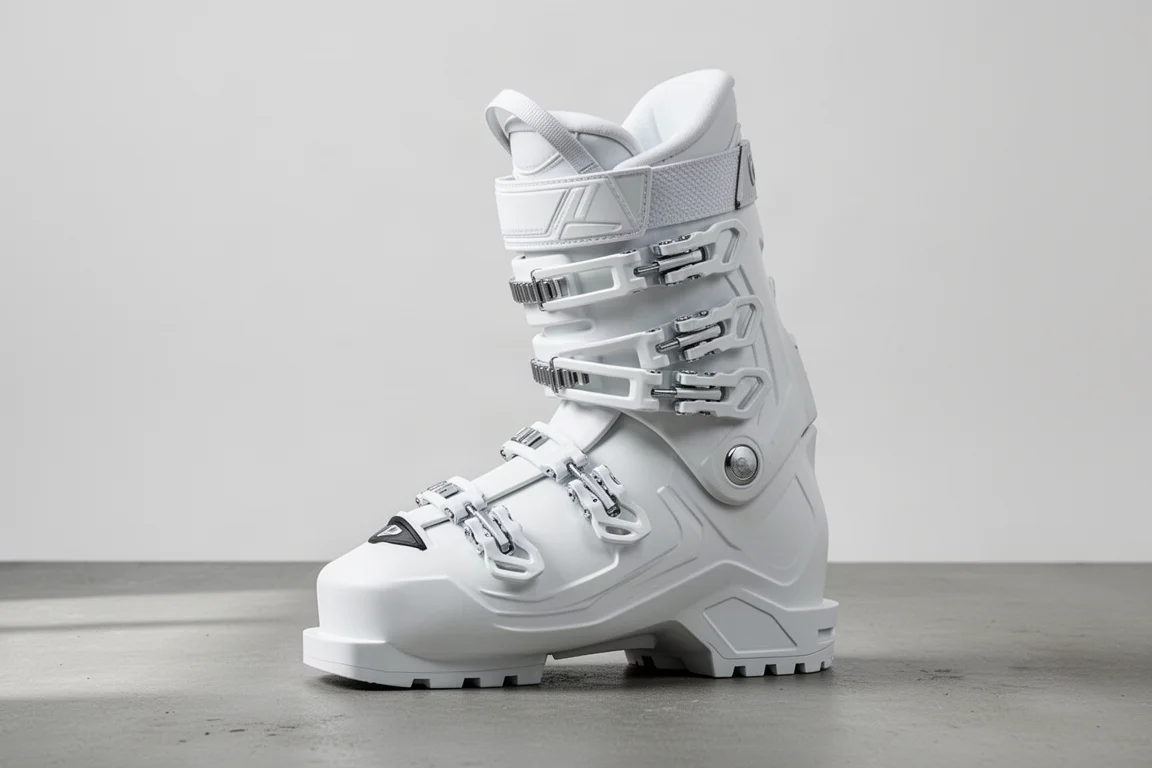
Atomic Remedy 130
The Atomic Remedy 130 brings plug-boot construction into a more recreational package, with GripWalk soles, a lower cuff height, and a thin but lace-up liner. For one skier profile, this was the best-fitting boot of the entire test: the low cuff and the plastic front let you get far forward into an attack position, and the buckle pressure over the toes lands exactly where aggressive skiers want it.
It leans forward noticeably, with a 4-degree ramp angle and 16-degree forward lean plus a thick rear spoiler, so expect a very planted, forward stance. The flex is static rather than progressive: you hit a wall and it holds, which fans of firm flex will love and others may find abrupt. A rubbery bootboard adds useful shock absorption, and small touches like reflective tape round out the details. This is also the boot that best balanced carving on trail with exploratory off-piste days.
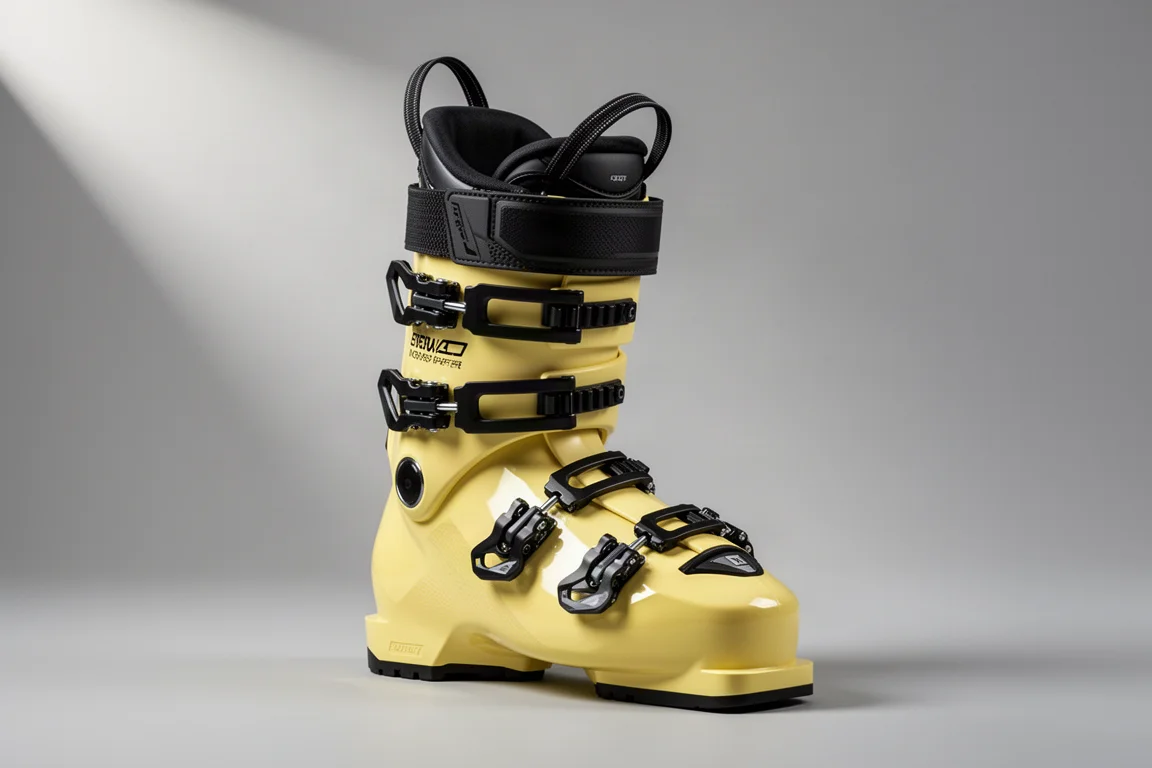
Caliber
The Caliber looks unusual, takes some getting used to, and then skis remarkably well once you are on snow. It is a low-volume boot, and once on, it can be worn all day and around town comfortably, which few boots in this performance tier can claim. Its feel sits on its own plane, distinct from both the thick-plastic boots and the mid-volume boots in this group.
The closure is a learning curve, and the lower BOA placement did not deliver an obvious performance advantage in testing, so treat the system as a process rather than a shortcut. Two things stand out: a plush, squishy liner that can delay inputs and blur some of the shell’s precision, and a very upright stance that some skiers loved and others fought against. The upper BOA does help you find your preferred lean angle. If you value all-day comfort in a low-volume shell and are willing to learn a new system, this is genuinely interesting.
Salomon S/Pro Alpha BOA 130
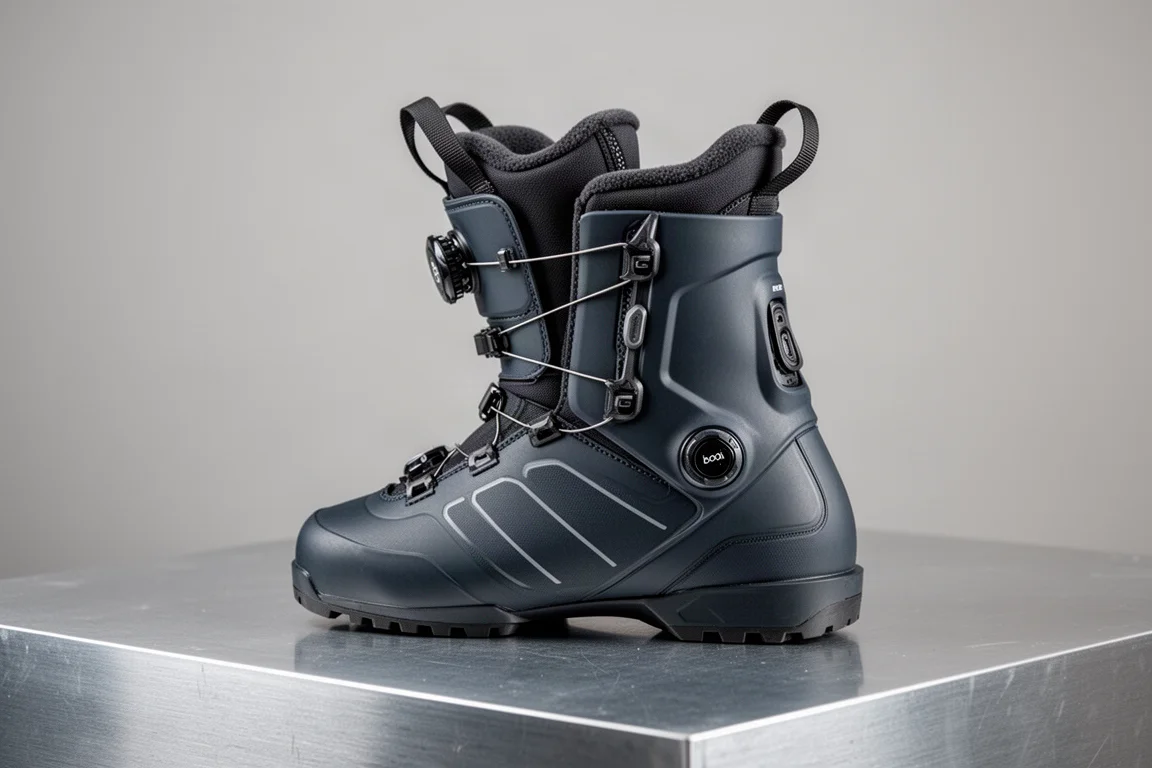
The S/Pro Alpha BOA 130 feels entirely different from everything else here, and you notice it on the first turn. The Exo Drive and Power Link construction connects the shell directly to the cuff, transferring power earlier and faster, with the brand citing roughly 20% more power transfer than the previous S/Pro and earlier engagement than many rivals. As a bonus, the softer-density plastic this system allows makes it one of the easiest boots here to get on.
It is light, stiff, with exceptional heel hold, and the lateral stiffness is accessible even to skiers without perfect technique. The stock liner worked better than an aftermarket liner for the instep-sensitive, and keeping the power strap snug rather than cranked helps. Adjust the upper BOA to set your forward lean, then leave it. This boot is a genuine engineering risk that paid off, and it suits skiers who want immediate, direct response in a lightweight package.
Tecnica Decoy Pro
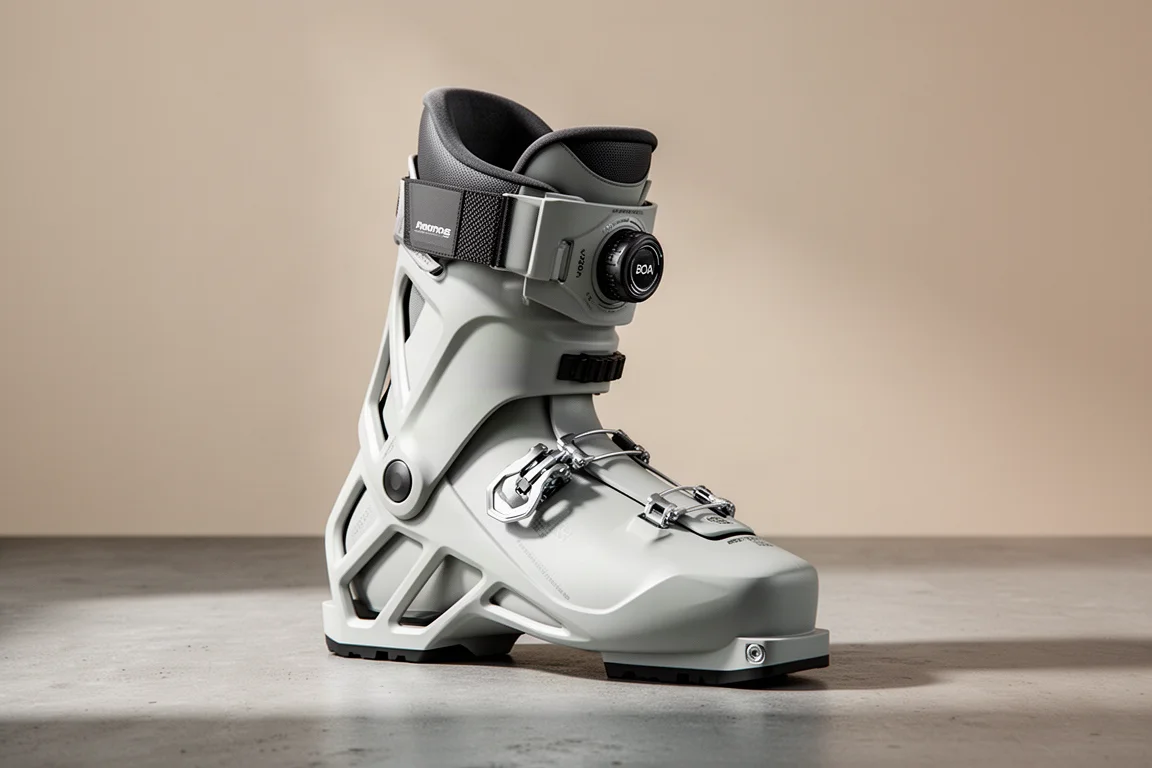
The Tecnica Decoy Pro occupies the space between a pure touring boot and an alpine boot, closest in feel to a Dynafit Radical Pro style of machine: stiffer and more powerful than a lightweight tourer like a Zero G, with excellent walk-mode mobility, far beyond traditional cabrio touring boots. A ridge walk with rock scrambling was described as phenomenal, and comfort in the forefoot was genuinely good.
The key caveat is ski pairing. Matched with a lighter, more playful freeride ski in the powder-oriented range, this boot shines for missions that involve long walks, deep snow, and jumping off things. Paired with heavier, stiffer skis, it felt underpowered, so balance the whole setup rather than expecting the boot to carry it alone. There is some vertical room in the forefoot and instep that fits-sensitive skiers may want shimmed, but overall this is a capable freeride touring boot best kept off the groomers and pointed at distant peaks.

Overall Buying Advice
Three patterns emerged across this group. First, boot selection works best mission-first: decide what your day looks like, then choose the construction that matches, whether that is a static wall of thick plastic for carving and charging, or a walk-mode hybrid for touring days. Second, fit trumps everything. The same boot can be transformative for one foot and painful for the next, so always get your foot in the shell before deciding. Third, liner choice matters as much as the shell. Thin liners boost precision and power but can create instep pressure, while stock liners often proved more comfortable than aftermarket alternatives, especially for volume-sensitive insteps.
If you crank your buckles and want a locked-in feel, the Kesley K130P, Head Raptor 140, and Atomic Remedy 130 are the natural fits. If you value comfort with real stiffness, the Salomon S/Pro Supra 130 and Nordica Speedmachine 130 S are safer generalists. If you want new-construction performance with low weight, the S/Pro Alpha BOA 130 is the standout. And if your missions start with a skin track, the Tecnica Decoy Pro is the clear pick.
Conclusion
The 2027 boot market is more varied than a wall of four-buckle black shells suggests. Some of these boots refine proven formulas, and some take real engineering risks that clearly paid off. None of them is universally right, but each rewards a specific kind of skier with a specific kind of day. Try them on, match them to your missions, and the differences that used to be abstract become obvious very quickly.
Further reading
Related Reviews
Ski Boots
2027 Ski Boot Roundup: Six 130-Flex Boots Worth Knowing
Six 130-flex ski boots for 2027, plus a low-volume liner upgrade, compared on weight, fit, flex feel, and ease of use.
Ski Boots
Armada AR One Ski Boot Review: A Three-Piece Cabrio That Finally Gets It Right
Armada's first ski boot blends three-piece Cabrio design with Atomic engineering, a heat-moldable shell, and a 100mm last that fits better than any Cabrio before it.
Ski Boots
Armada AR1 Ski Boot Review: A Cabrio and Overlap Hybrid for Park and Freeride Skiers
Armada's first ski boot pairs a three-piece cabrio shell with overlap-style buckles and a cable-driven slingshot buckle. Here is where it shines, and what to weigh before buying.