Tech Accessories
Best 10,000mAh Power Banks Compared: Anker, Goal Zero and Nitecore
Three 10,000mAh-class power banks for travel, work and the outdoors: an affordable all-rounder, a rugged waterproof option, and the lightest of the bunch.
Introduction
A power bank is one of the most useful things you can carry. For work, it might mean staying productive from a coffee shop, an airport lounge or a train. For outdoor lovers, it can be genuinely important: skiing, mountain biking, camping, festivals, backpacking or thru-hiking all take you away from mains power, and the same goes for a power cut or other emergency at home.
Most people think of a power bank purely as phone-charging kit, but on a night camp or a long hike, being able to recharge a flashlight can matter just as much. Power banks are always a trade-off between power output, size, weight and, to some extent, affordability. If you carry one regularly or over long journeys, around 10,000mAh is the ideal capacity: enough to charge a phone two or three times, without excessive bulk or weight.
Why 10,000mAh Is the Sweet Spot
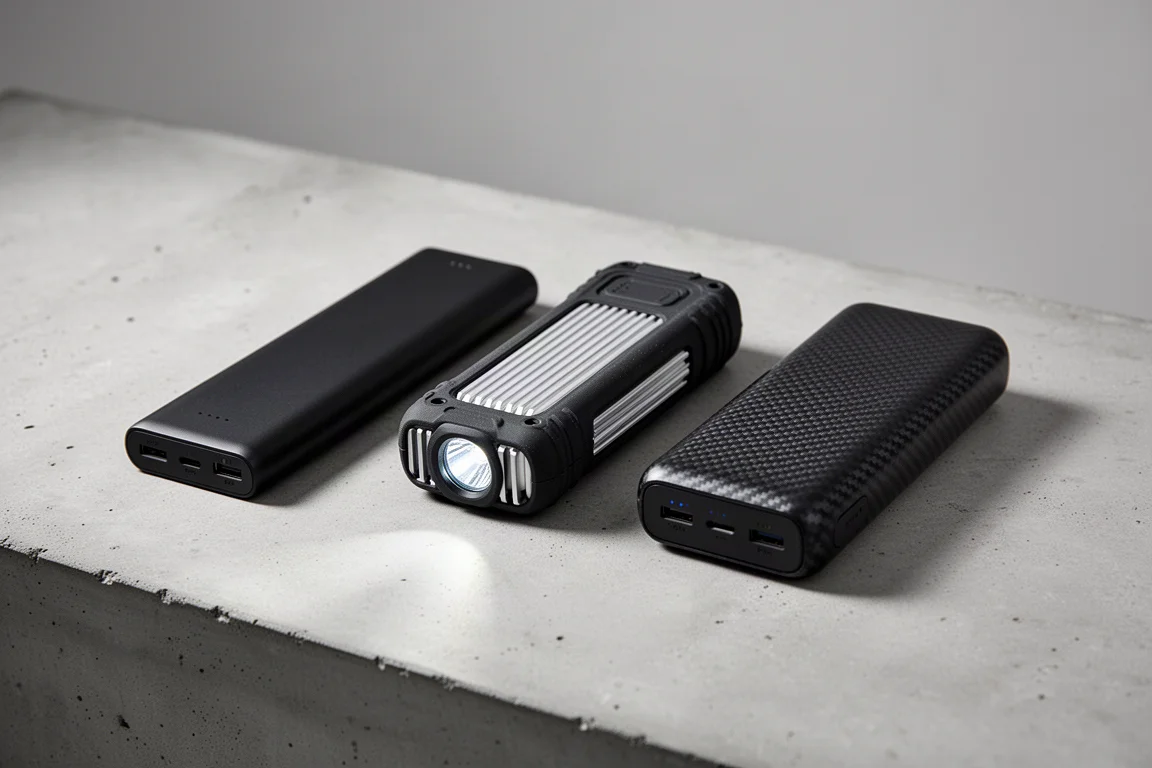
This comparison brings together three power banks, all around the 10,000mAh mark: an affordable option, a rugged one that could survive being dropped in a stream, and what its maker claims is the smallest and lightest of its capacity class.
The trio covers very different priorities, so the right pick depends largely on how and where you carry it. Weight barely matters on a desk-to-office commute, but it becomes decisive on an ultralight backpacking trip.
Anker PowerCore Slim 10000 PD: The Affordable All-Rounder
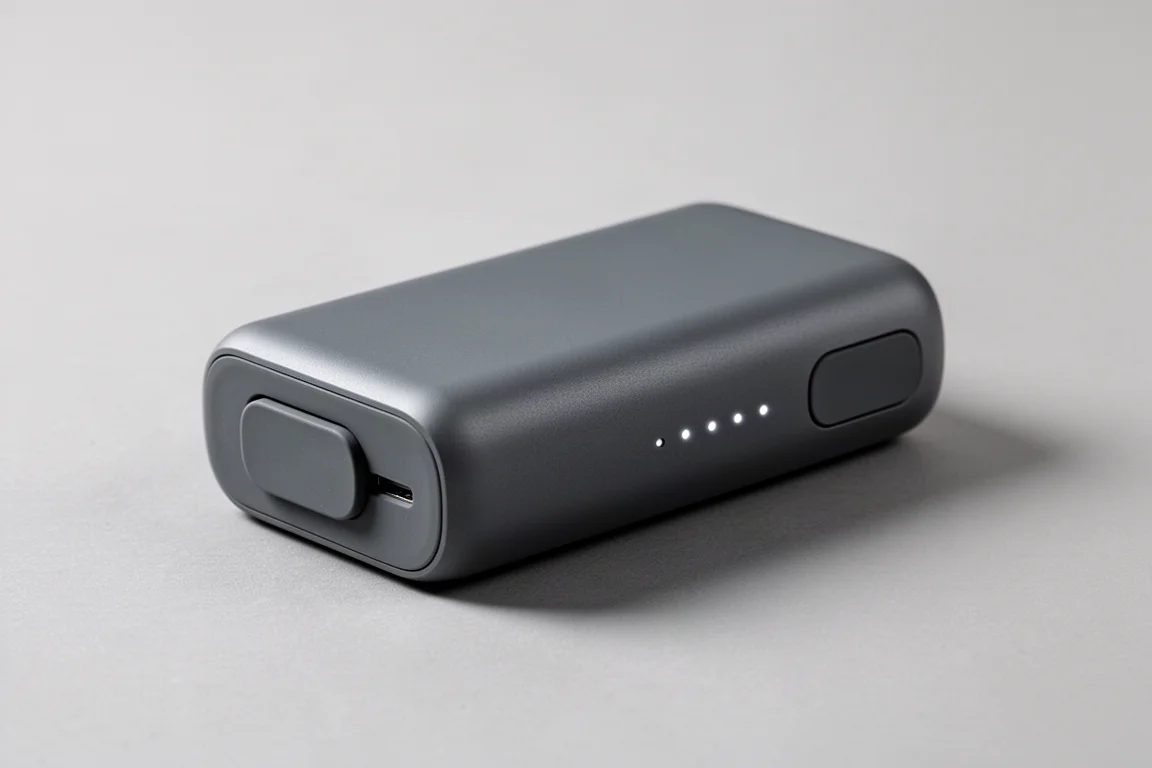
Anker is well known in the power bank and cable space for affordability and quality, and this model is the budget-friendly pick here. It is noticeably slim and fairly long, described by the brand as its slimmest 10,000mAh power bank, though with new models launching constantly, that may not remain true.
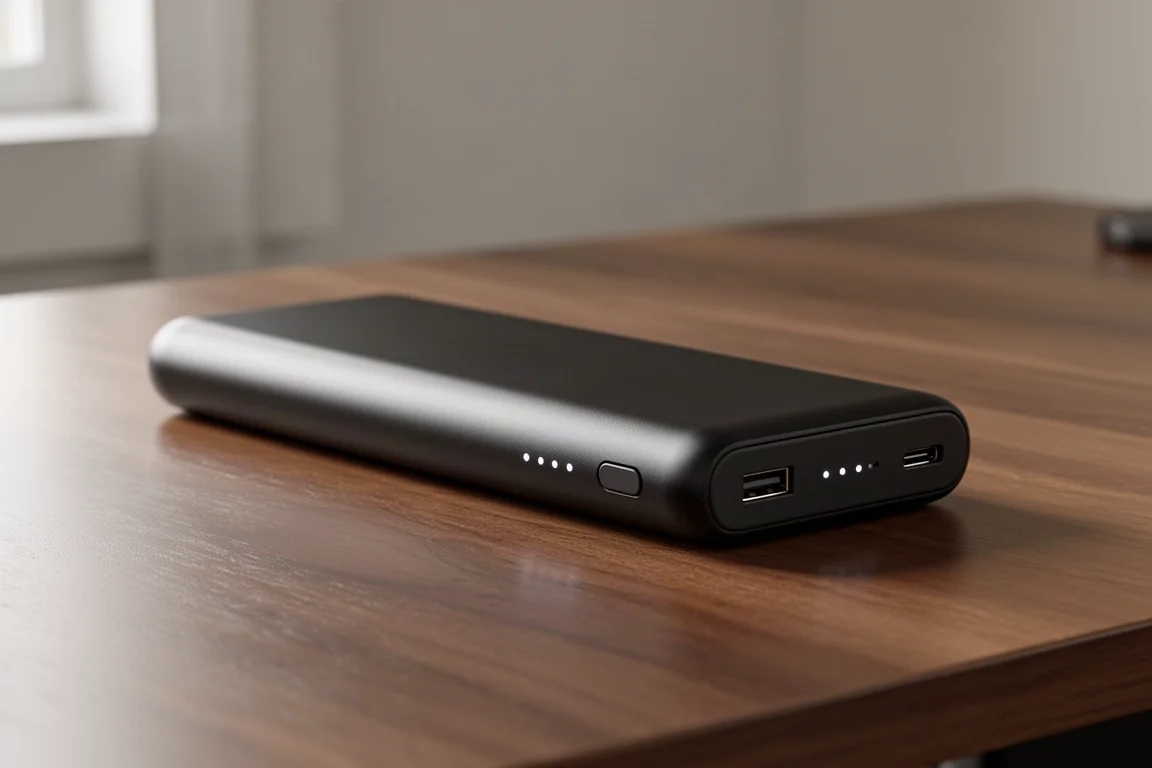
It has two ports: a USB-A port delivering 12W and a USB-C port marked PD, or Power Delivery, delivering up to 20W. That 20W output is reportedly enough to charge an iPhone 12 to 50% in 30 minutes, which is a genuinely quick rate. With an 18W mains charger, the bank itself recharges in around four and a half hours. A single press of the switch shows charge status on four LEDs; the unit here reads three of four, suggesting 75% charged, and the LEDs also light while the bank itself is charging.
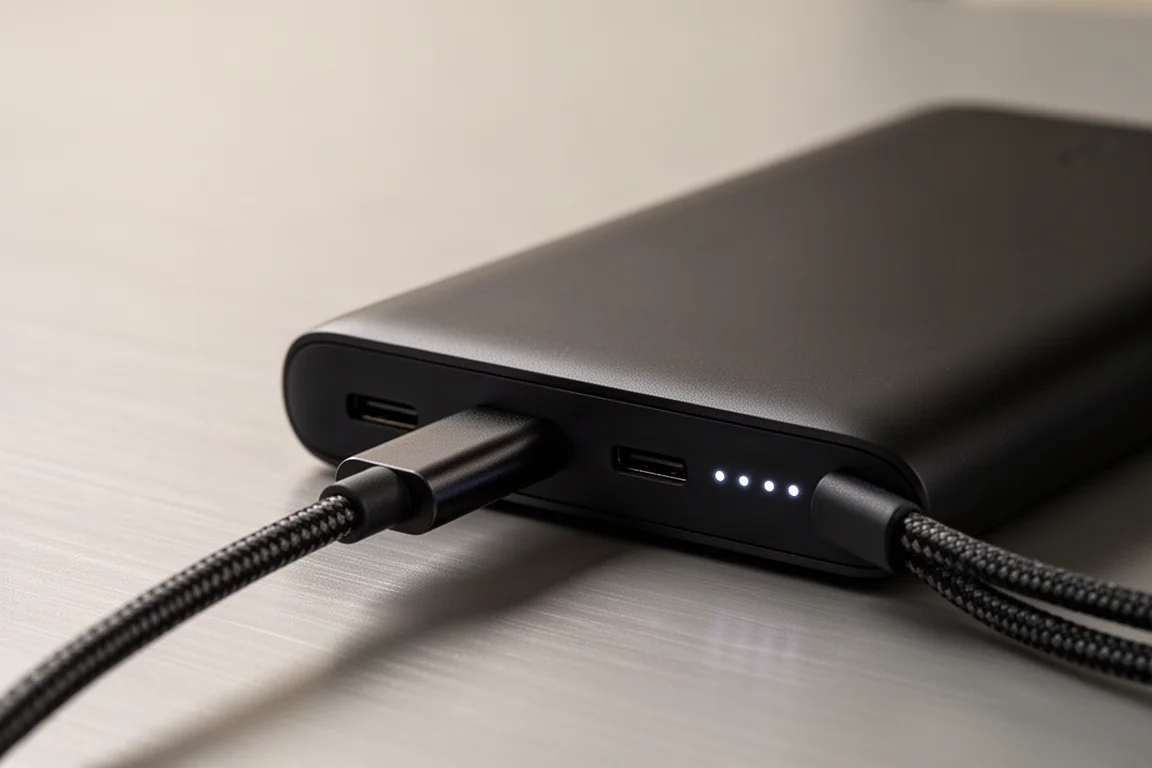
There is one extra trick: pressing the switch twice activates a low-current output mode, indicated by a green light. Some small-battery devices draw so little power that a power bank shuts off mid-charge. Low-current mode trickle-charges below half an amp, keeping that from happening. Press twice again to switch it off. The body is plastic with fire-resistant construction, and the guidance simply says to avoid temperature extremes. Overall, it is an affordable, well-made and capable power bank.
Goal Zero Venture 35: Built for Abuse
The Goal Zero Venture 35 takes a very different approach. This one is all about rugged use, with rubberized corners so it should bounce wherever it lands, and aluminium with cooling fins on one side. There is a waterproof cover over the ports, and with it closed the bank meets the IPX7 standard: it can be dropped into water up to a metre deep and left for 30 minutes without water ingress. If your power bank needs to cope with serious abuse, this is the standout.
It also has a built-in flashlight, rated at 50 lumens. With the 9,600mAh capacity, running it purely as a light should last days. It is not a brilliant flashlight, as there is no reflector, so it is more of an ambient light, but it is a nice emergency feature. The switch shows charge status on four blue LEDs, both while charging and when charged, and pressing and holding the same switch toggles the flashlight on and off.
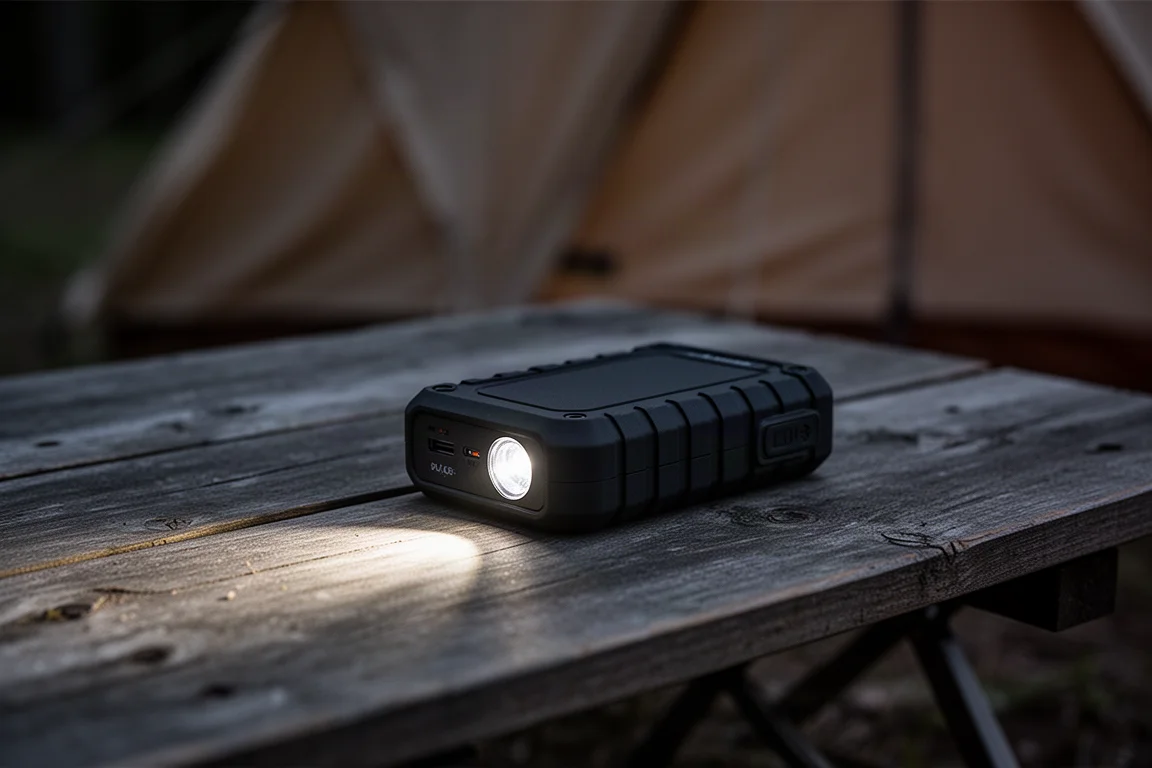
Under the waterproof cover you get three ports: two USB-A ports delivering up to 15W each and one USB-C port that, while unmarked on the device, conforms to the Power Delivery standard according to the instructions and delivers up to 18W. The capacity is 9,600mAh, a little behind the Anker, and the internals consist of three 18,650 lithium-ion cells. The specified operating temperature is 0 to 45 degrees. It feels really good quality, is noticeably heavier than the Anker, and looks nicely designed too.
Nitecore NB10000: The Lightweight Champion
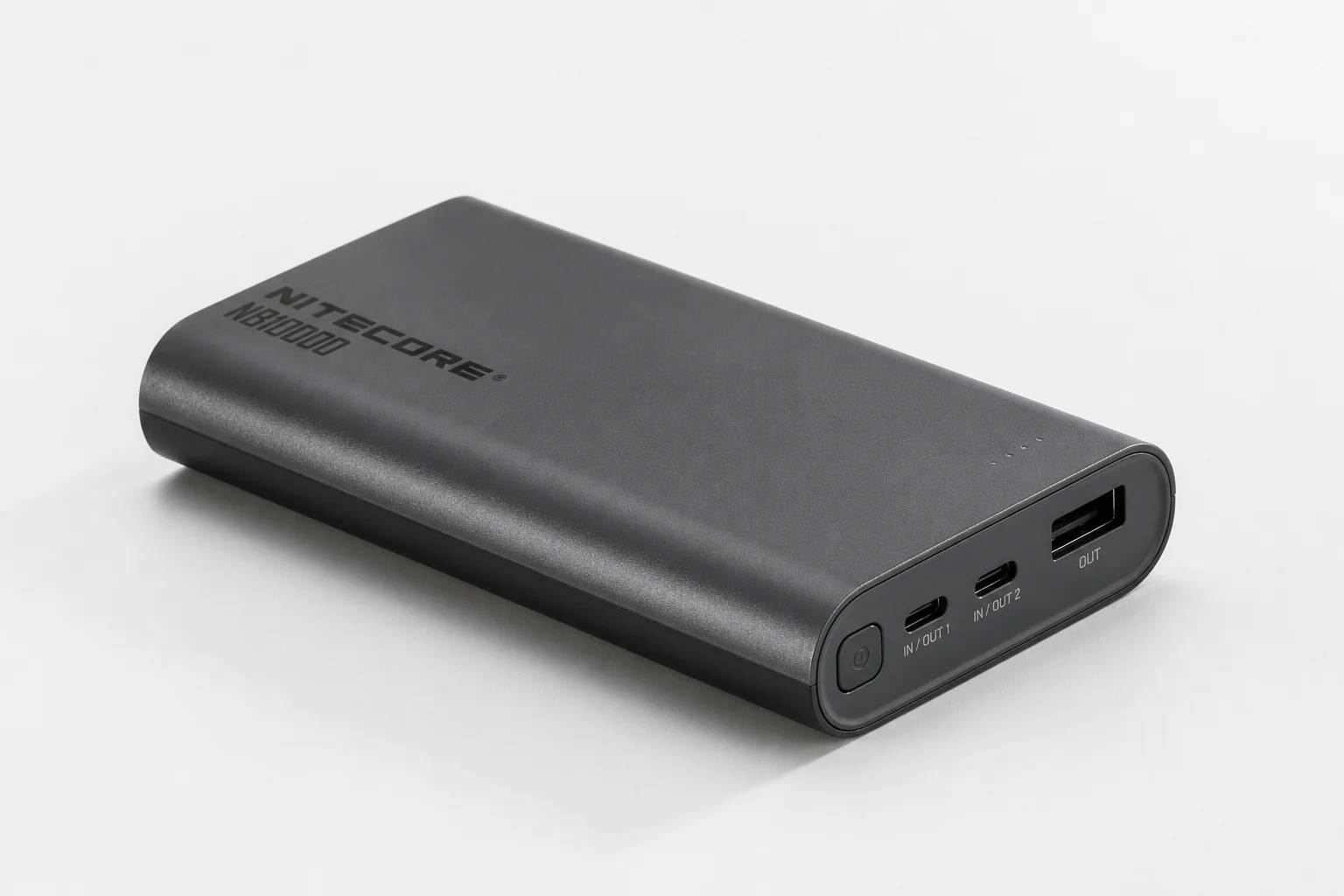
Nitecore is well known for making some of the best flashlights available, so battery expertise is no surprise. What sets the NB10000 apart is that it uses lithium polymer cells rather than lithium ion. Lithium polymer has a higher power density, making it the lighter option, the same reason drone manufacturers favour it. On top of that, the body uses carbon fibre, which is both super lightweight and very strong.
The design is simple, nicely engineered and, in my view, very good looking. Form follows function here, and the bank feels solid and densely put together, with no wasted space. It is lightweight for what it is and very compact.
Ports are a USB-A and a USB-C, and unusually, both deliver up to 18W. As with the others, the USB-C port is bi-directional: you charge the bank through it and charge devices from it. The switch shows three blue LEDs for charge status, and pressing and holding it activates a white LED that switches the bank into low-power trickle-charge mode, the same idea as on the Anker, ideal for small devices with small batteries. Press and hold again to return to full power mode.
Two further strengths: the operating range is broader than the other two, running from minus 10 to plus 40 degrees, and it includes extensive built-in safety features: over-current, short-circuit, over-discharge, overcharge, over-voltage and thermal protection. According to Nitecore, for a 10,000mAh battery this is the smallest and lightest in the world today.
Power Delivery, Explained
Power Delivery is a standard you will see across mains chargers, power banks and other devices. PD ports, which are USB-C, are bi-directional: they charge the power bank itself and charge other devices from it, while managing the process to avoid overcharging or overheating. They are generally a quick-charge standard, typically around 18W in a bank like this, though larger banks can reach 60W, enough to charge a laptop quickly. PD ports can also output more than the standard 5V from USB, with USB-C able to deliver anywhere from 5 to 20 volts. In short, where you see PD, expect carefully managed and quicker charging.
Side by Side: Size, Weight and Price
On weight, the Anker comes in at 210 grams, the Goal Zero at 287 grams, and the Nitecore at 152 grams on the scales (the specification claims 150). The Nitecore is considerably lighter than the other two, and you really feel it in the hand. In terms of length and thickness, the Nitecore is also in a different league for size and weight.
On price, the most affordable is the Anker at around £36. The other two cost more because you get extra features: the Goal Zero at about £60 and the Nitecore at about £58.
Buying Advice: Which One Fits Your Life
In short, you cannot go wrong with any of these; they all have their place. If affordability is your key driver and you just want a functional, quality, reliable power bank, the Anker is hard to fault. The Goal Zero suits anyone embarking on more adventurous pursuits where dropping it or getting it wet is likely: canoeing, water sports, coastal trips, beach days or rock climbing. Its three ports also let you charge more devices simultaneously, albeit at a slower rate, and it is the only one with a built-in flashlight, which could be reason enough on its own.
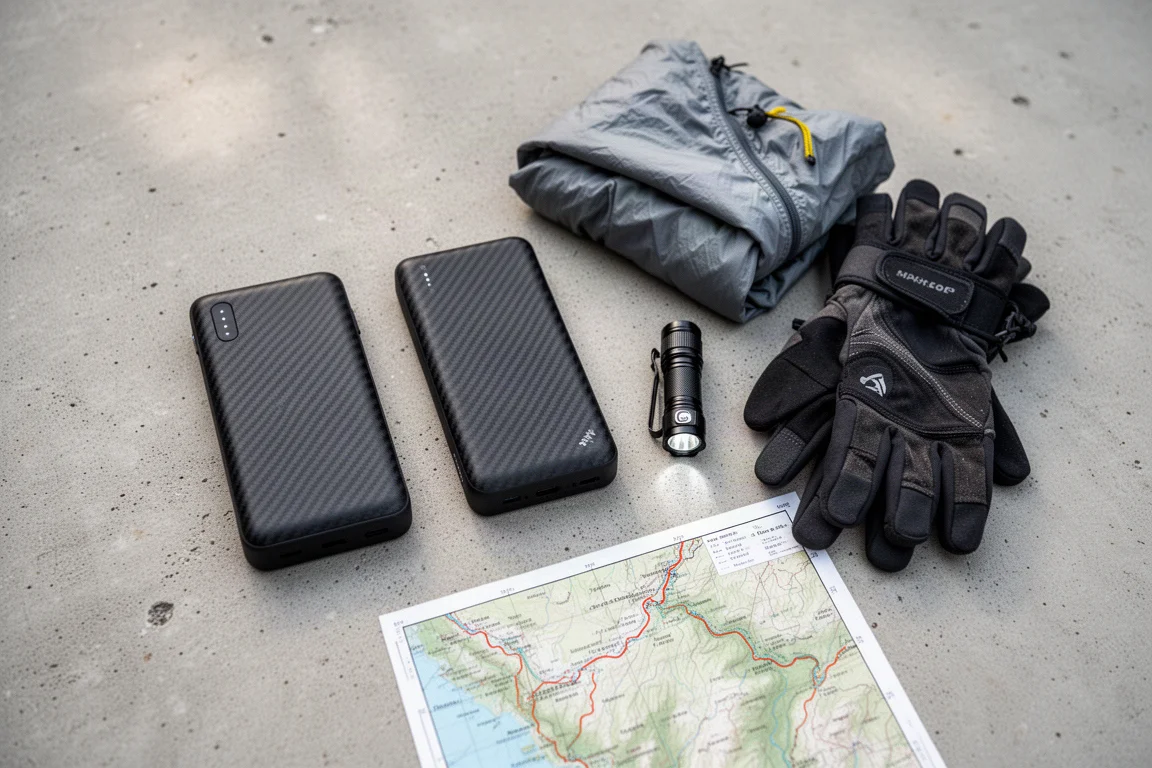
The Nitecore appeals most if you want compact and lightweight, particularly when carrying it often or over long distances. It works down to minus 10 degrees, so for skiing it may be the only one of the three that keeps working as temperatures drop, and for mountain biking or hiking, minimal weight is the deciding factor. The carbon fibre construction, 18W from both ports and low-power charge mode are useful bonuses. On balance, it is the favourite of the three, but all of them are good and all of them have a purpose.
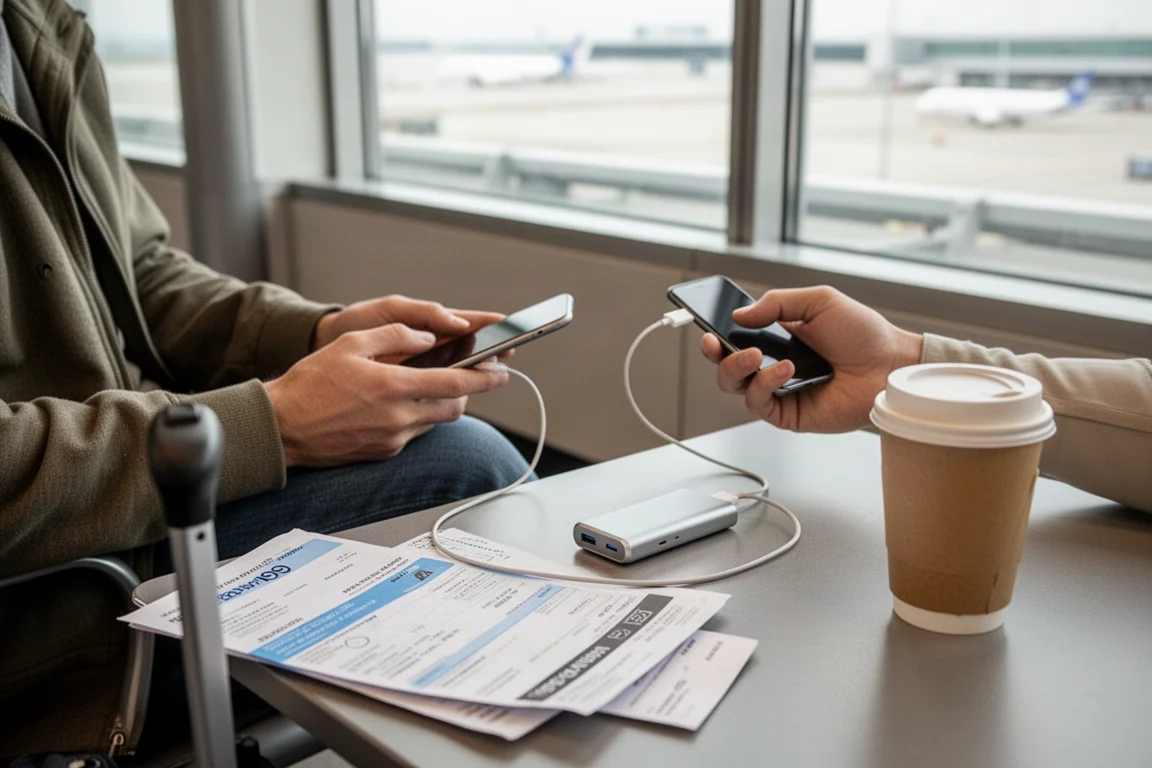
Whatever you choose, seriously consider carrying a power bank when out and about. For general travel, it brings real peace of mind: everyone has been caught at an airport or stuck on a train with a dying phone at exactly the moment you need to contact people. For riskier outdoor sports, particularly when alone, it could be a life saver in an unplanned overnight, keeping your phone and a flashlight alive. And for a power cut at home, it is just as useful.
Travel and Safety Notes
If you plan to carry a power bank on a flight, the rules matter. You cannot take more than two power banks on a flight, they must be in hand luggage, and the maximum capacity has to be under 27,000mAh. Airlines do not allow power banks in checked-in luggage because of the fire risk.
It is also worth avoiding very low-cost power banks. Cheaper generally means lower quality circuitry and batteries, and the risk involved is fire. Even major brands have got it wrong before, so cutting corners on cost is not wise here. If you have spent a significant sum on your phone, do not risk it with a poorly controlled charge. Stick with recognised brands and check the reviews before buying.
Conclusion
Three strong options, three clear personalities: the Anker PowerCore Slim 10000 PD for affordable everyday reliability, the Goal Zero Venture 35 for rugged waterproof adventures, and the Nitecore NB10000 for anyone who counts every gram. Match the bank to how you actually travel, and any of the three will serve you well.
Further reading
Related Reviews

Tech Accessories
Best Premium Tech Dupes 2026: Five Budget Alternatives That Actually Deliver
We compare five premium desk and streaming staples against their budget counterparts to see which dupes are genuinely worth the savings.
Tech Accessories
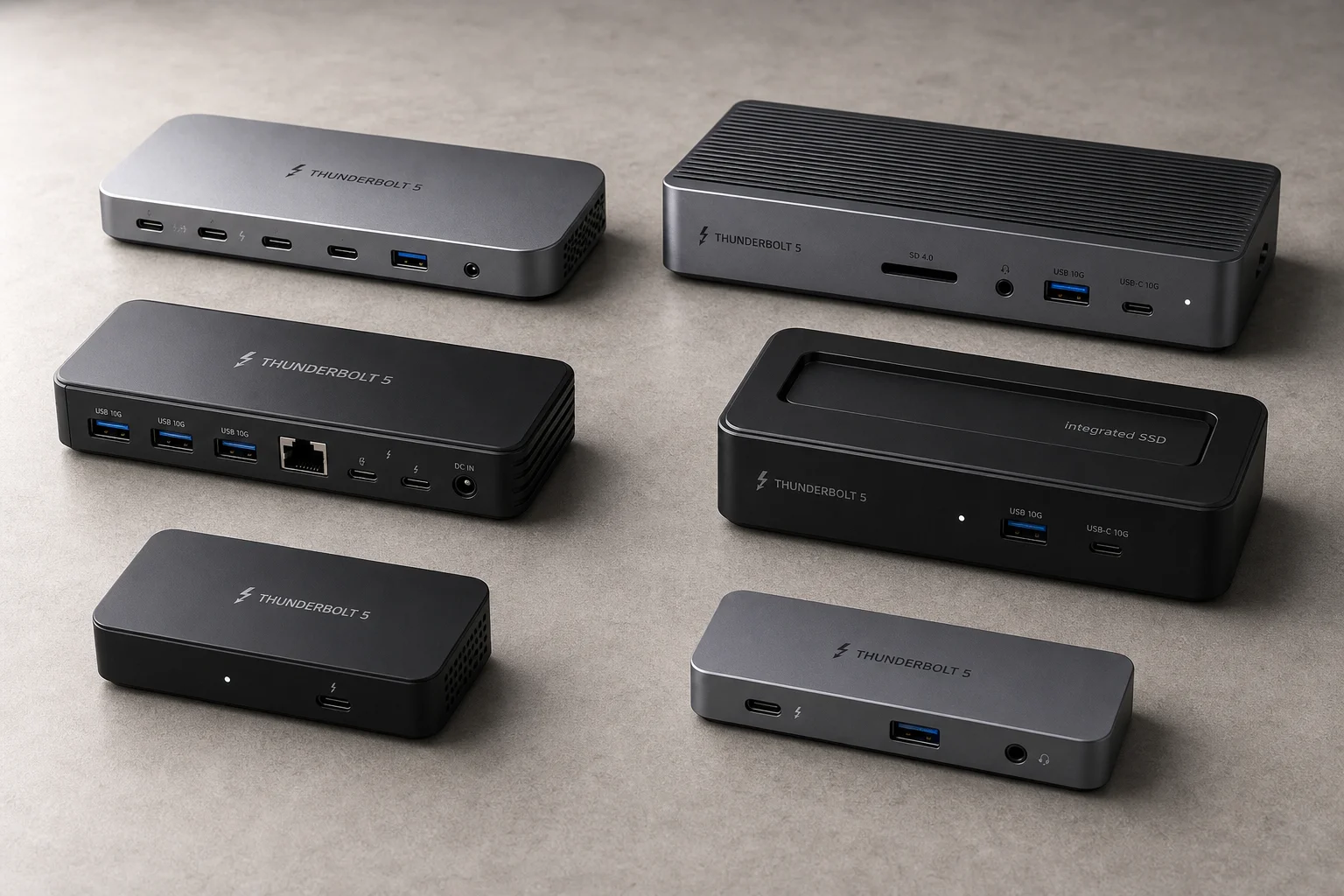
Best Thunderbolt 5 Docks 2026: Six Options Tested for Desktop Connectivity
A practical guide to six Thunderbolt 5 docking stations, covering their strengths, trade-offs, and which setup they suit best.
Tech Accessories
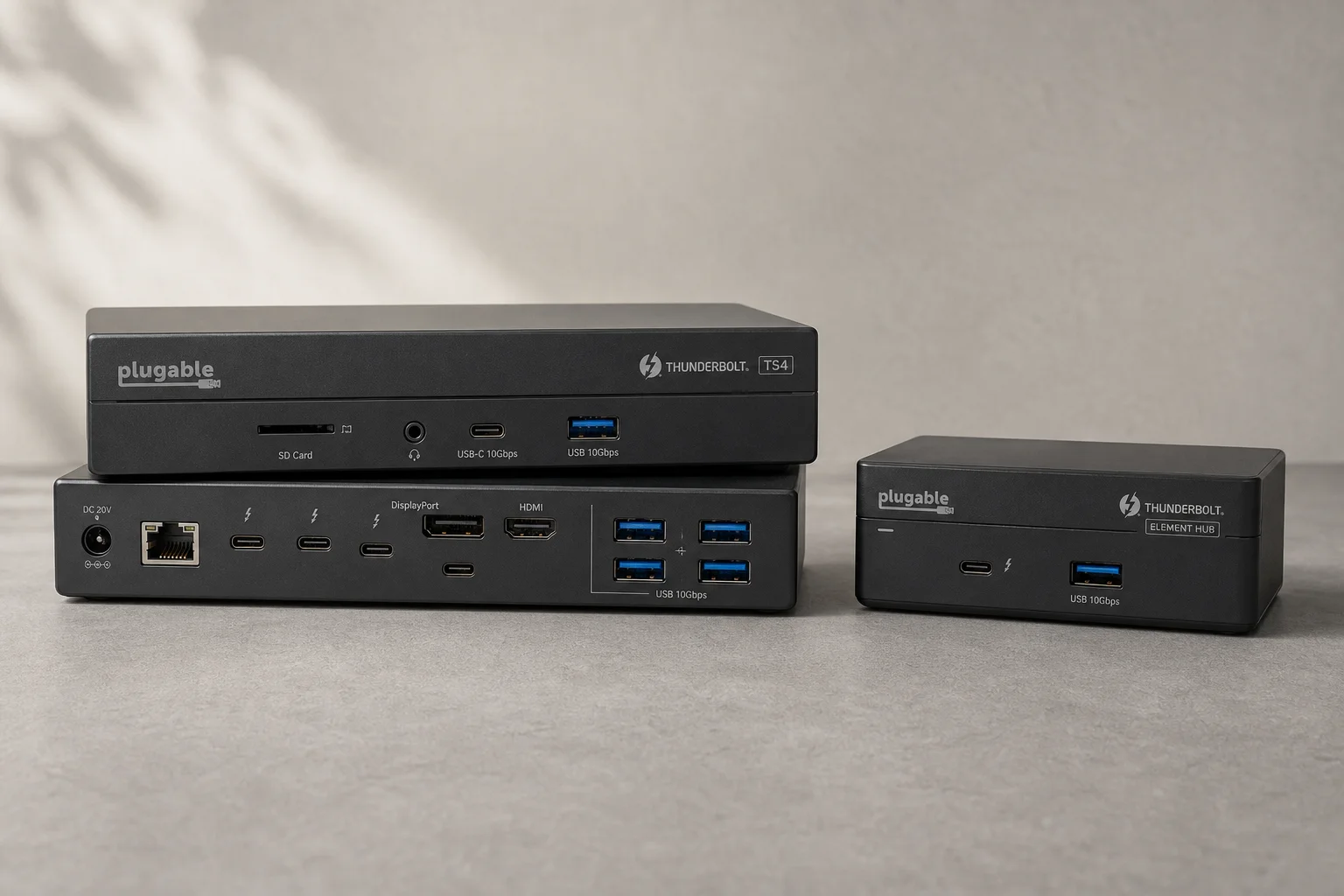
CalDigit Thunderbolt Docks: TS4 vs Element Hub
Two Thunderbolt docking solutions with different port counts and use cases. The TS4 offers 18 ports and 2.5 Gbps ethernet; the Element Hub provides a compact 8-port alternative.