Road Bikes
Basso Sempre Veloce Review: A Consumer-Focused Italian Road Bike
A close look at the Basso Sempre Veloce, a full carbon road bike with 35 mm tire clearance, an integrated cockpit, and a brief aimed at everyday riders rather than World Tour racers.
Introduction
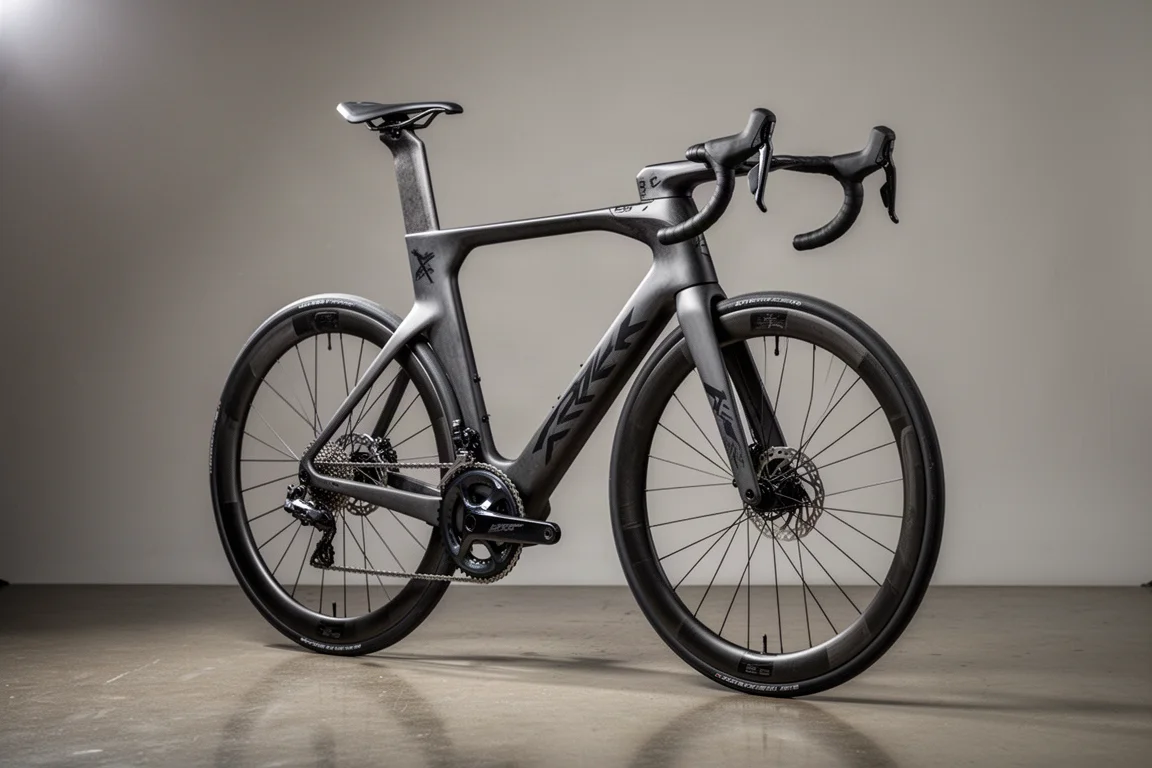
Basso has added a new model to its road lineup, the Sempre Veloce, and the brand is positioning it for consumers rather than for World Tour racers. That framing is worth taking seriously. A large part of the high-end road market is built around racing requirements, and plenty of those bikes are neither suitable nor practical for the riders who actually buy them.
The Sempre Veloce takes a different route. It pairs a full carbon frame with aero-looking tube shapes, an integrated bar and stem, clearance for 35 mm tires, and anti-vibration damping built into the frame. Basso also offers two seatpost options, one with setback and one straight.

The bike used for this review is a size 51 with the integrated cockpit and matching seatpost, finished in raw carbon. It looks thoroughly modern, and the frame details reward a closer look before getting into how it rides.
Who This Bike Is For
This is a road bike for riders who want speed without the compromises of a pure race frame. The 35 mm tire clearance is the clearest signal of that intent: the Sempre Veloce can take wider rubber and handle rougher surfaces than a traditional race bike, which makes it a more practical everyday option.
The geometry is unusual for a road bike. Both the head tube and the seat tube are long, which makes the whole bike quite tall. Basso does offer small sizes, which is not always a given in this part of the market, though the smallest options may still be too tall for the smallest riders. A steep 76.5 degree seat tube angle keeps the 370 mm reach on the smallest size more manageable than the geometry table suggests, a useful reminder that stack and reach figures alone do not tell you whether a bike will fit.
It remains a fairly aggressive bike, so a bike fit before buying is a sensible step.
Main Strengths
The strongest arguments for the Sempre Veloce are in how it is put together and how it behaves on the road rather than in any single headline number.
Frame, Geometry, and Fit
The frame is full carbon, with aero-looking tube profiles and a tall front end that separates it from a pure racing position. Tire clearance runs to 35 mm, and Basso offers the choice of a setback or straight seatpost, which gives riders some room to tune their position without changing frames.
The headset bearings are a detail worth noting. They use a solid lubricant, similar in approach to the premium aftermarket bearings found on some high-end frames. Basso claims they are three times more durable than a standard headset bearing. That matters more than it sounds, because replacing bearings on a bike with an integrated bar and stem is an expensive job, and workshops charge more for the additional complexity. Longer service intervals are a genuine benefit.
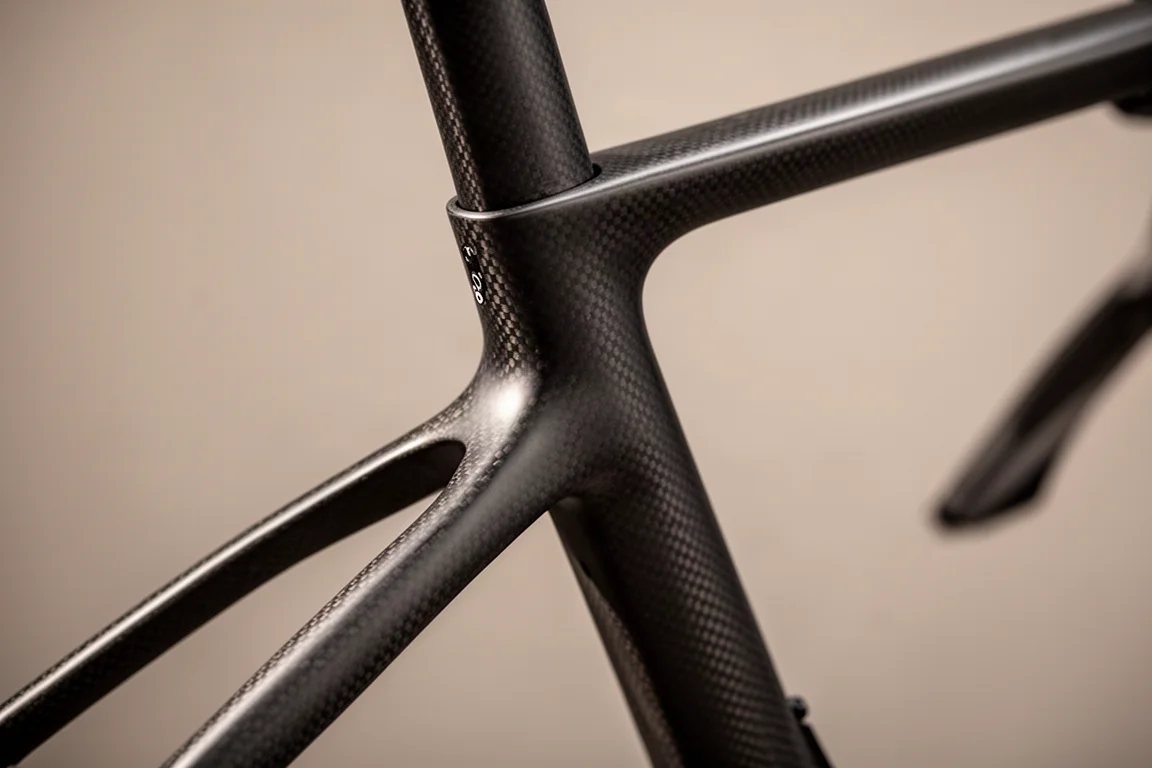
Fit is where the geometry becomes practical. The tall head tube and seat tube, combined with the small sizes Basso offers, mean more riders can find a workable position than the numbers first suggest. The steep seat tube angle does much of that work by pulling the rider forward over the cranks.
Ride Quality and Handling
On the road, the Sempre Veloce responds well under sprinting and carries speed through corners in the way Italian road bikes tend to. It is a bike that encourages hard efforts.
It is also not overly aggressive once you set the price aside. The generous tire clearance makes it versatile enough to handle fairly rough surfaces, and with 32 mm tires fitted it feels fantastic to ride. As an everyday road bike that can also take on light gravel, it makes a convincing case.
Build, Components, and Setup
The build reviewed here runs Shimano Dura-Ace with DT Swiss ERC carbon wheels, and 32 mm Continental GP 5000 S tires set up tubeless complete the package. That tire has proven pleasantly capable in use, with no punctures so far.
Two handlebars are available. The existing Levita and the new Fuga, which brings a more compact drop and a 65 mm reach, 11.7 mm less than the Levita. Anything that makes it easier to reduce the reach of a bike is welcome, because reach is often the limiting factor for riders. Both handlebars share the same spacer shape, so they are cross-compatible. The catch is width: the Fuga comes in a single size, 40 cm at the drops and 37 cm at the hoods. That is nicely narrow, but not narrow enough for very small riders and probably too narrow for larger ones. Because the Levita starts at 40 cm at the hoods, smaller riders have only one option.
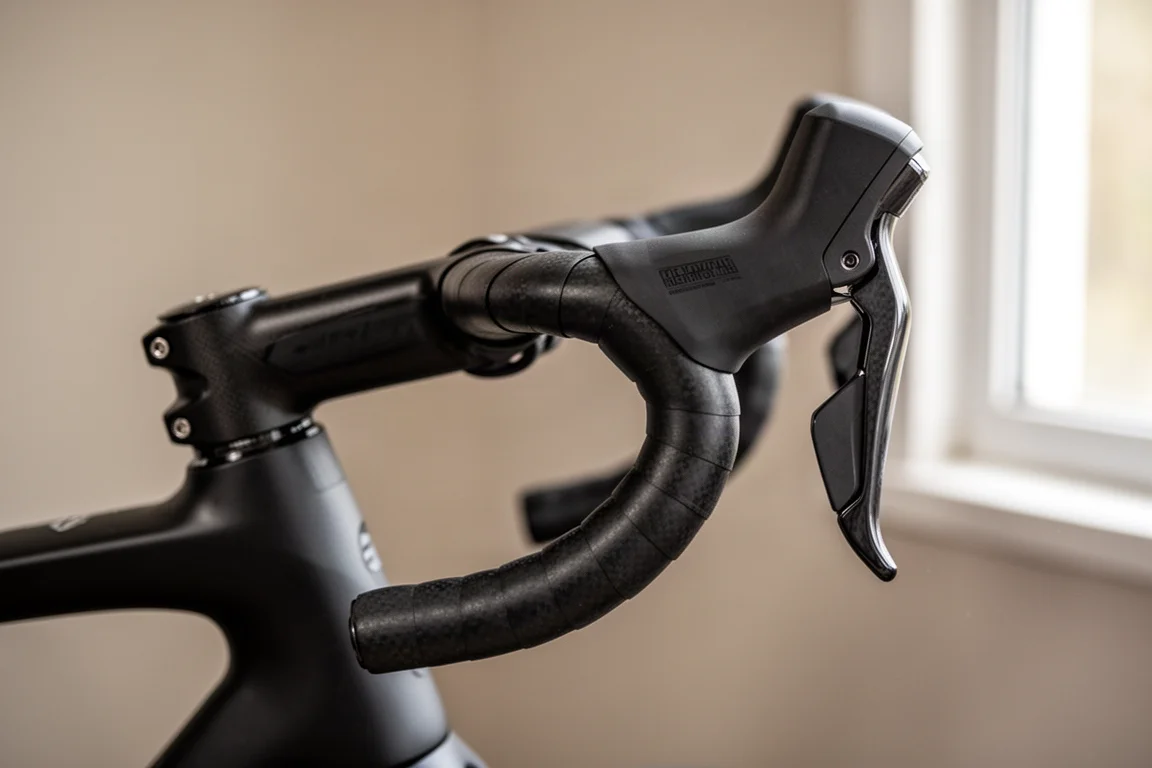
Living with the bike is easier than the integrated cockpit suggests. Assembly out of the box went smoothly with limited tools. The headset uses a preload and top cap arrangement with two side bolts adjusted by a Torx T25, and the Di2 seatpost battery has a purpose-made fitting from Basso that slots in easily. The seatpost is secured with two bolts at the back, a system that has shown no slippage, and the fastening hardware is tucked neatly behind the seat tube so nothing drops inside when the post is removed. There is even a scale on the back of the seatpost, a small but welcome touch for anyone who travels with their bike and reinstalls the post regularly.
One practical annoyance: the bike mixes Allen key and Torx bolts, so three tools are needed to stay self-sufficient on a ride. Some recent bikes hide tools in the handlebars or through axles, and that is missing here.
Things to Consider Before Buying
Price is the first consideration. The build reviewed here comes in at €10,499, and the frameset alone is €4,999, which does include the bar, stem, headset, and seatpost. An Ultegra Di2 build starts at €7,949, and special Rosso Vivo paint adds €450. UK pricing will differ because the UK distributor specs its own builds.
Handlebar width is the second. The Fuga’s single 40 cm width suits many riders but leaves the smallest and the largest at a disadvantage, and the Levita’s smallest size is 40 cm at the hoods.
The one-piece bar and stem is comfortable and the shape is well judged, though it sits at the stiffer end of the spectrum without being the stiffest available. That is largely a matter of preference. Servicing is the trade-off that comes with any integrated cockpit: more complexity, higher workshop costs, and fewer easy adjustments at home. It is still a fairly aggressive bike, so budget for a professional fit if you are between sizes.
Buying Advice
The obvious comparisons are other Italian-branded high-end road frames. The Italian-made Colnago C68 is £5,269 for a frameset, and handlebars are not included at that price. The Pinarello Dogma F is £5,500 for a frameset, again without handlebars. The Wilier Filante SLR is £4,800 and does include a handlebar. The last two are Italian brands rather than Italian-made frames.
Against that group, the Basso frameset price covers the bar, stem, headset, and seatpost, which is not always the case elsewhere. The Sempre Veloce is a luxury purchase, handmade in Italy, and priced accordingly. What you get for the money is a distinctive bike with generous tire clearance, a composed ride, and looks that stand out.
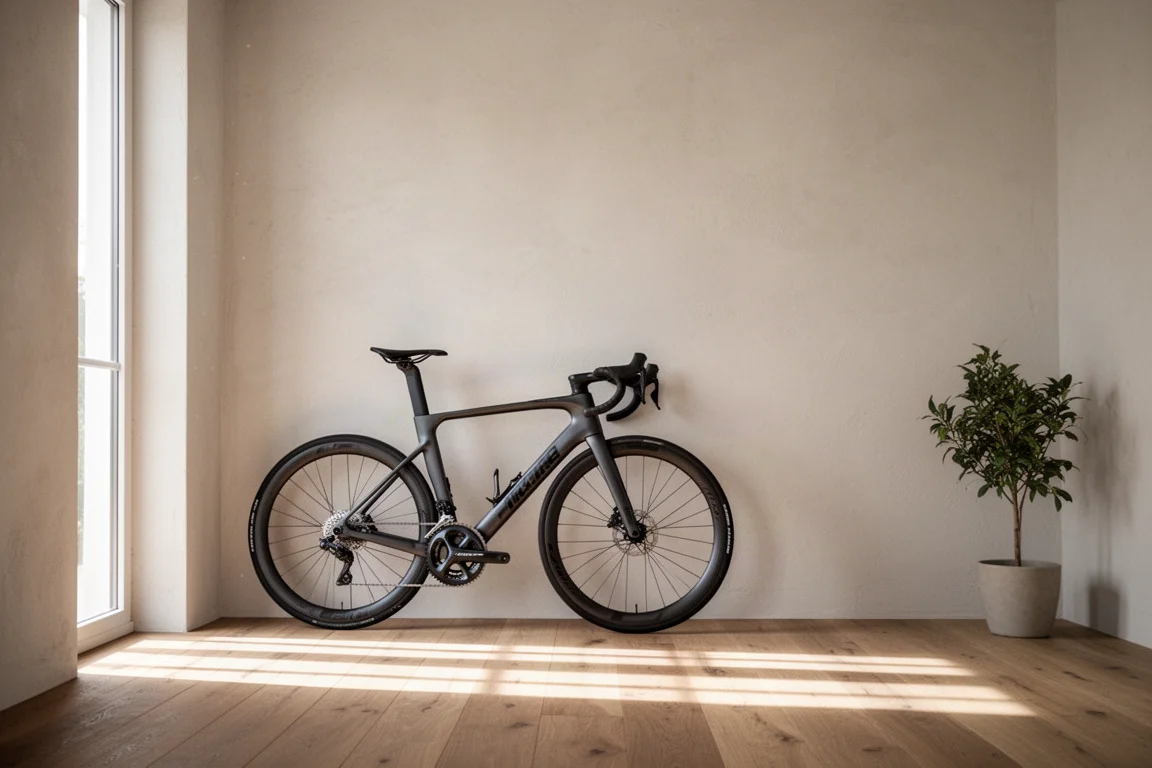
If the budget is there and the handlebar options fit you, the Sempre Veloce is a genuinely appealing everyday road bike with room to run bigger tires. If you need a very narrow or a very wide cockpit, check what is available before committing.
Conclusion
The Basso Sempre Veloce is a consumer-focused road bike that does not pretend to be a World Tour machine. It combines a tall, practical geometry, 35 mm tire clearance, an integrated cockpit, and a ride that responds sharply when you push. The pricing puts it firmly in luxury territory, and the handlebar widths and mixed bolt standards are worth weighing up first. For riders who want a fast, versatile, and distinctive Italian road bike and who fit the available sizing, it is a convincing option.
Product link
View more details for Basso Sempre Veloce
This product is mentioned in the review. Check the specifications, options, and compatibility before buying.
View more details for Basso Sempre VeloceFurther reading
Related Reviews

Road Bikes
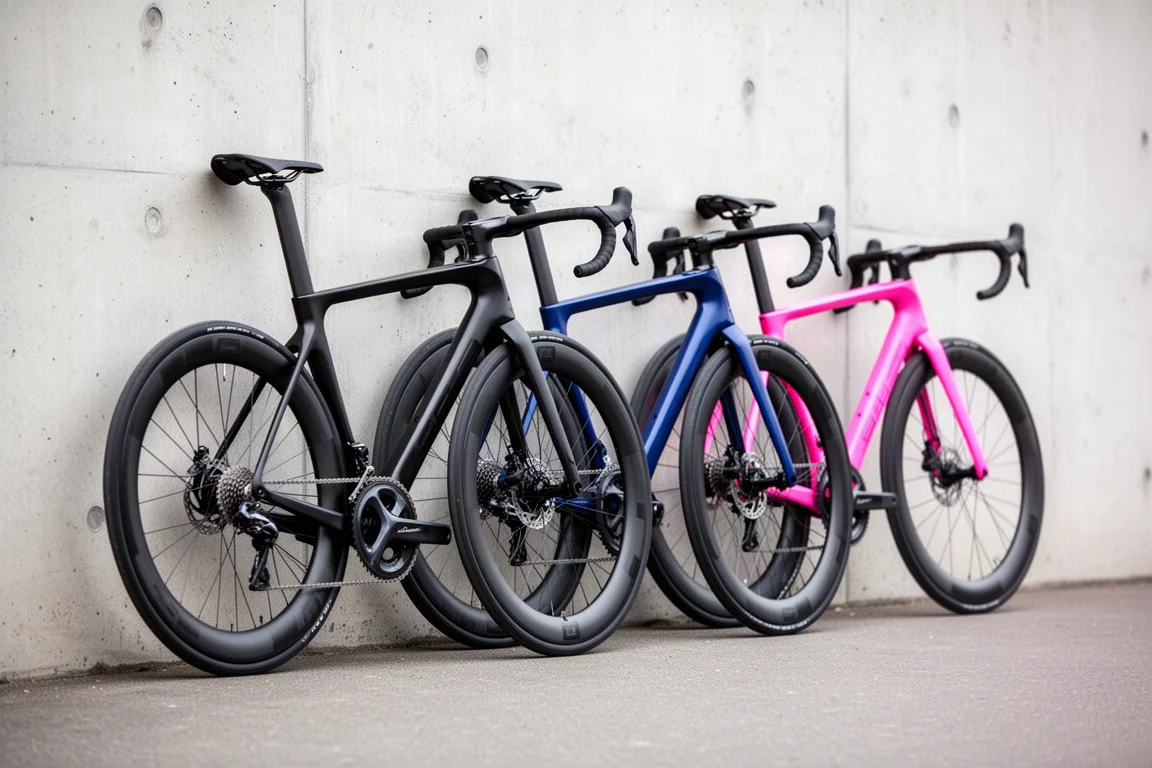
10 New Road Bikes Worth Watching: Aero, Titanium, Steel and Endurance Standouts
A practical roundup of 10 new road bikes, from aero flagships chasing single-watt gains to titanium, steel and endurance platforms built for real roads.
Road Bikes
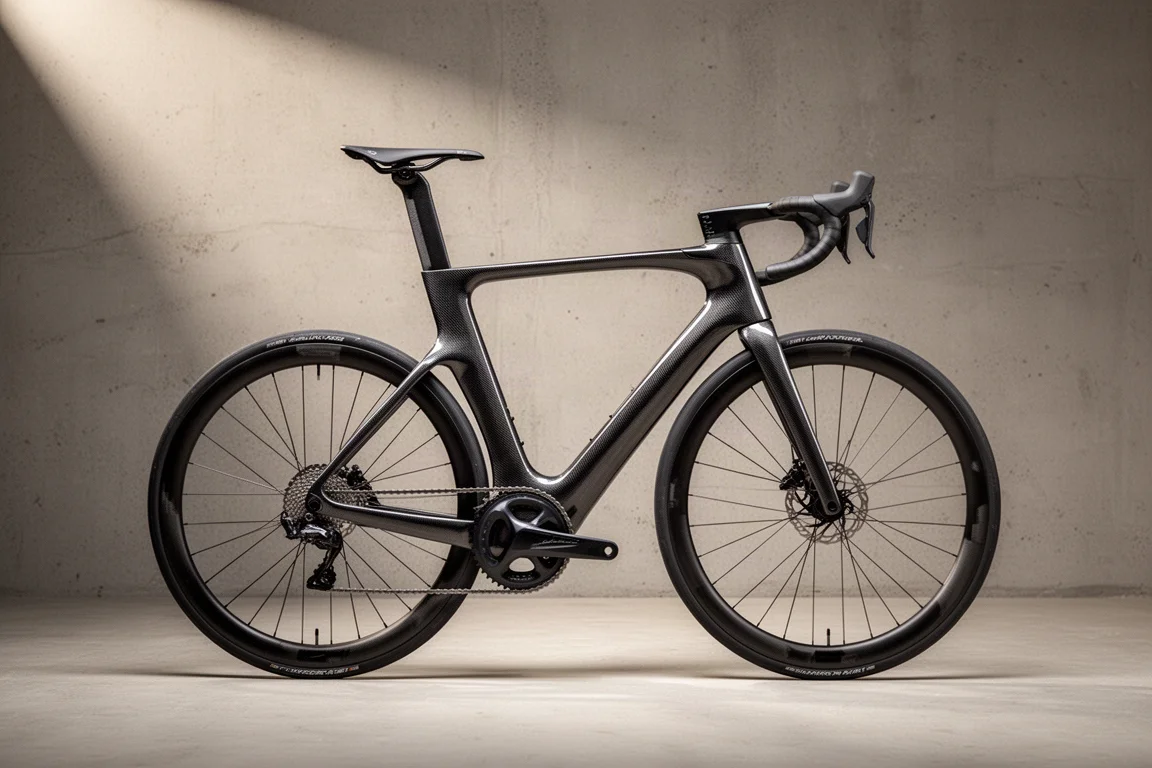
2026 Tour de France Road Bikes: Six Race Machines Worth a Closer Look
Six race bikes from the 2026 Tour de France grid, reviewed for paint, silhouette, wheels and the specification details that matter to buyers.
Road Bikes
3T Strada Italia Review: A Radical Aero Road Bike That Rides Smooth
A made in Italy carbon aero road bike with a deep head tube, wide tire clearance and a genuinely comfortable ride. Here is what to know before buying.