3D Printers
Bambu Lab X1 Carbon Review: 3D Printing Finally Feels Like an Appliance
A fully enclosed, low-fuss 3D printer that made one lapsed enthusiast fall back in love with printing, with honest notes on price, ecosystem, and who should skip it.
Introduction
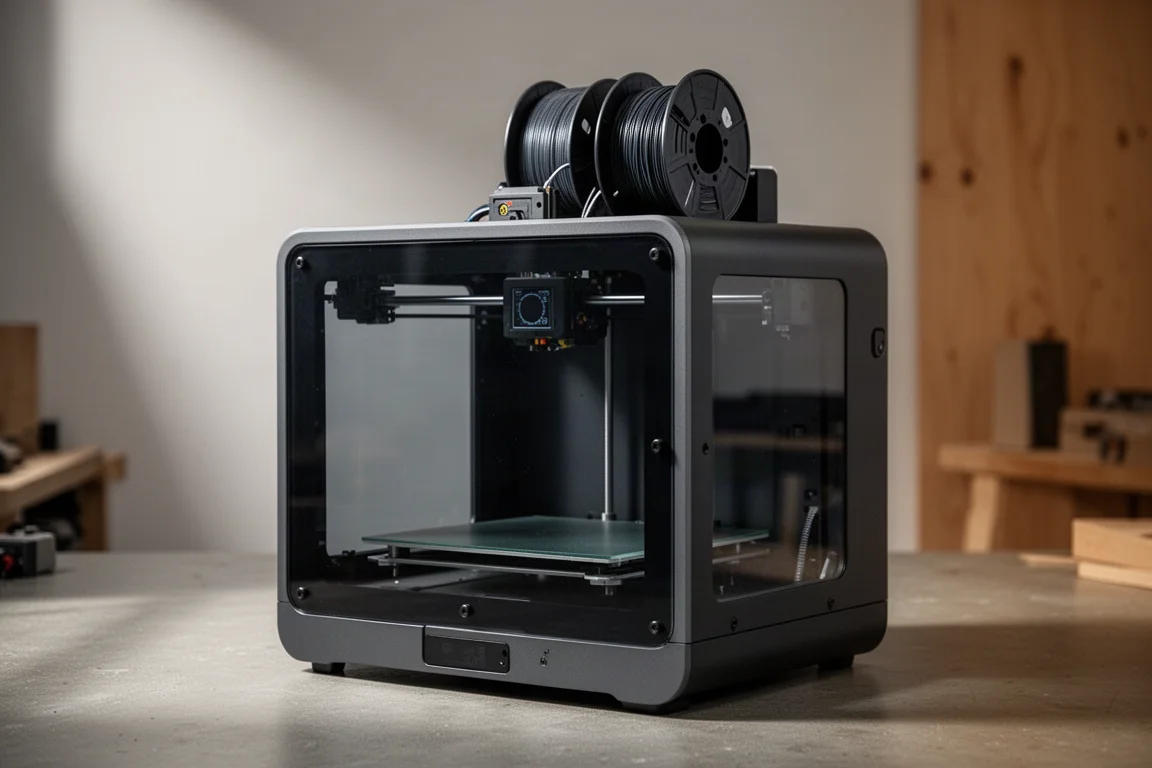
If you have been waiting for 3D printing to grow up before jumping in, or coming back to it after years away, the Bambu Lab X1 Carbon makes a strong case that the wait is over. The pitch that finally landed for this lapsed enthusiast was simple: a printer that behaves like an appliance. Put material in, press the button, get the part. No tinkering, no endless upgrades, no weekend spent calibrating things you never asked to calibrate.
That framing matters because it describes how the X1 Carbon is actually used. You can tinker with it if you want to, but nothing forces you to. For anyone whose real goal is making things rather than maintaining a machine, that distinction is the whole story.
Who This Product Is For
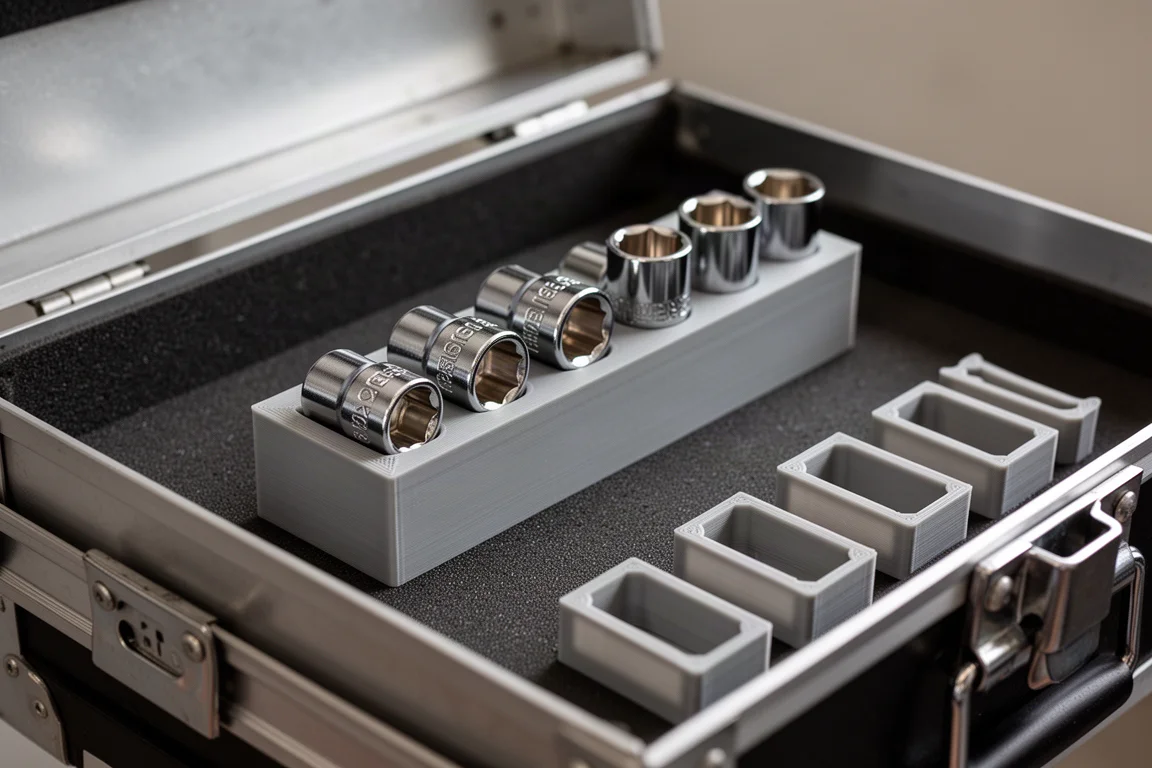
This printer suits people who want the end result, not another hobby project. It works well for shop owners, makers, and generally handy people who want to solve everyday problems: an adapter for a CNC dust extractor, a sliding duct system so a laser and a printer can share a space, a photography stand for consistent macro shots of collectibles, or a custom socket organizer that actually fits the drawer.
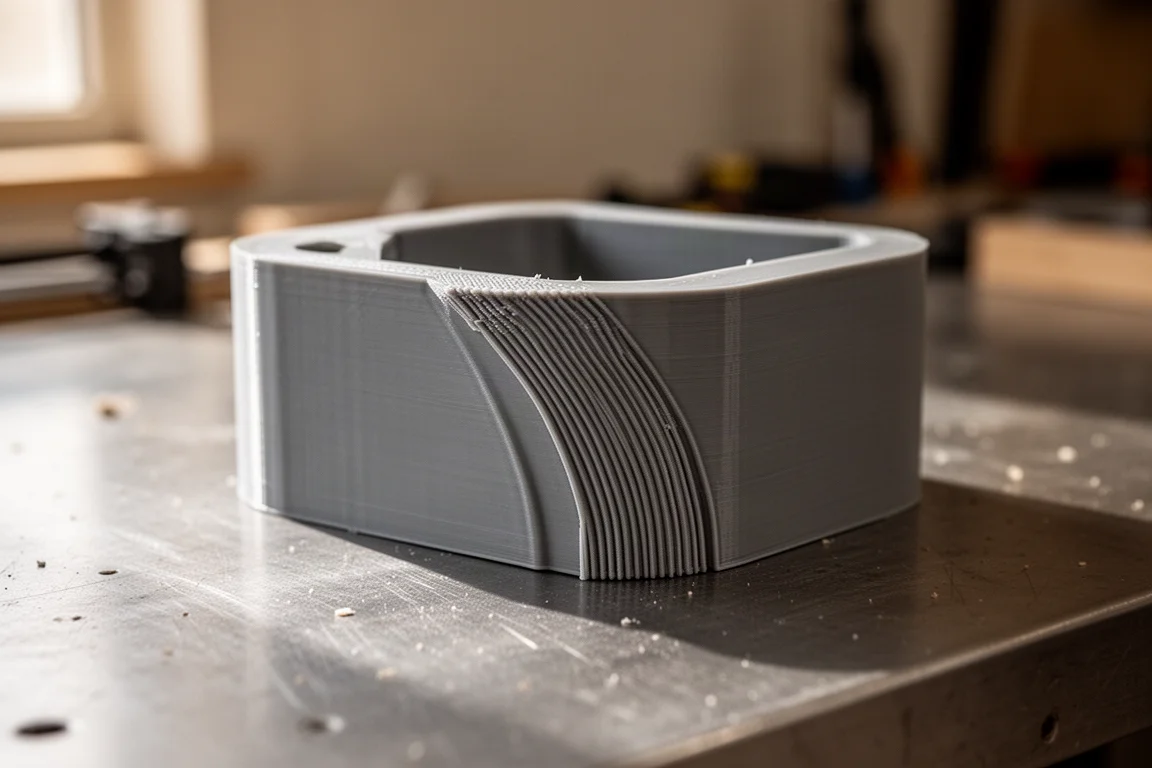
It is also forgiving of beginners in a way older machines were not. The handful of failed prints reported here traced back to user error, such as a dirty build plate, the wrong filament selection, or running out of filament mid-job. Each failure was fixable, and each one taught something that fed into the next iteration.
If you only want to do basic printing, this may be more machine than you need. A simpler, less expensive model can handle everyday PLA jobs perfectly well, and for many first-time users that is the smarter buy.
Main Strengths
The headline strength is that it works like an appliance. Setup is straightforward, it runs quietly enough that it can share a room with a desk about 15 feet away without disrupting anything, and the only genuinely loud moment is the initial vibration routine during startup calibration, which is startling the first couple of times and easy to get used to.
Print quality is the other standout. On a sample benchy, the surface finish is good enough that unless you get up close and run a fingernail over it, you would be hard pressed to tell it came from an FDM machine, the kind that squeezes out melted plastic in layers like toothpaste. And with a few finishing tricks, results can look even better.

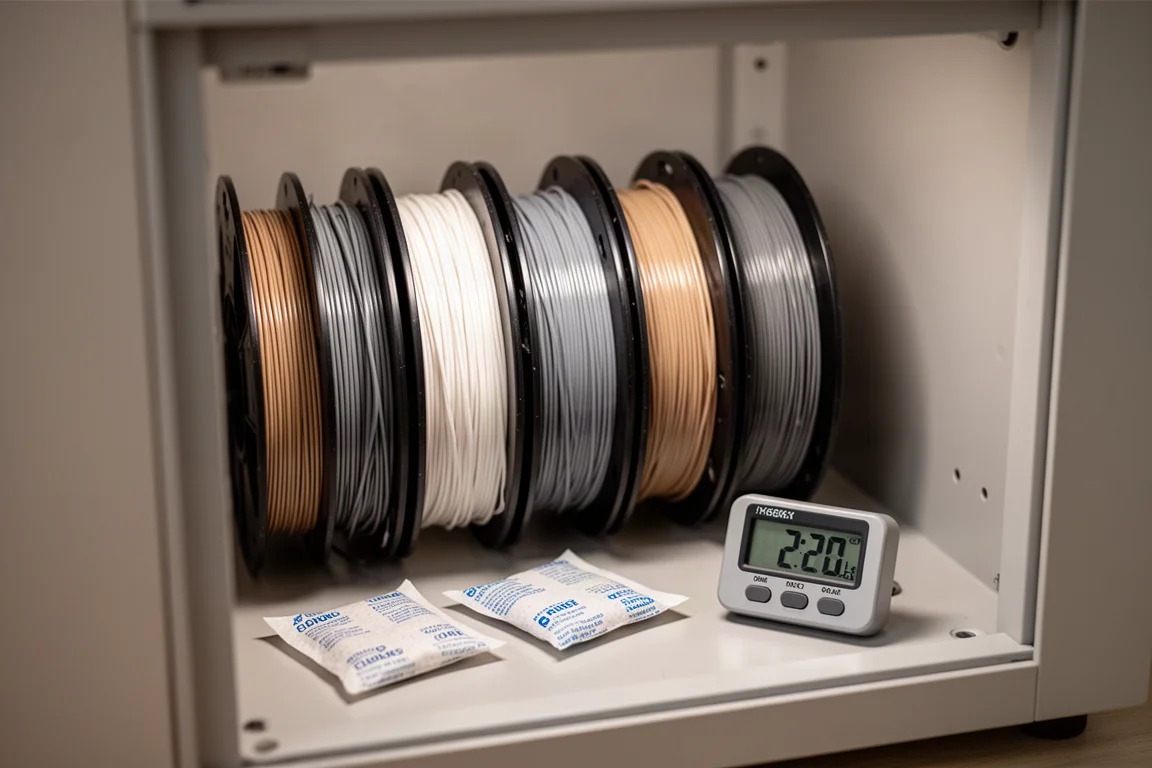
The real differentiator, though, is the Carbon part of the name. The X1C is built to handle engineering-grade filaments: nylon, glass-filled fiber, and carbon fiber materials. Those filaments are abrasive, so they demand a robust hot end, and they need to be dried and stored carefully. This printer is designed around that workflow, which is exactly why it earns its place in a serious shop.
Things to Consider Before Buying
Price is the first consideration. The X1 Carbon sells for around $1,000, not including the AMS. The AMS, the top-mounted unit that holds up to four spools and can be chained through an AMS hub to support up to 16 spools total, adds roughly $300 if bought as a bundle. There is also an AMS 2 Pro with a heated element and a smarter build for only about $60 more, and that upgrade is worth serious consideration.
On filament, Bambu’s own spools cost more than third-party alternatives, though they include an RFID chip so the printer automatically identifies what is loaded. The software lets you override that and specify what is actually in there, and profiles for a wide range of third-party filaments are already loaded, so the system is friendlier to other brands than the closed ecosystem reputation suggests. Buying Bambu filament on sale narrows the price gap considerably, and for a set-it-and-forget-it workflow, the convenience may justify it.
The ecosystem question deserves honest treatment. Bambu caught criticism for shifting toward a more closed, iPhone-like system rather than an open PC-like one. If you want to hack, mod, and tinker with your printer as a hobby in itself, other platforms are a better fit. If you would rather the printed parts be the hobby, the controlled environment is a feature, not a flaw.
Also worth noting: a wave of capable budget printers in the $300 to $600 range now delivers impressively close quality. The honest takeaway is that you can get roughly 90 percent of the results for well under half the price. What those machines generally trade away is hands-off reliability and the ability to run demanding engineering filaments without fuss.
Buying Advice
Buy the X1 Carbon if you want high-end materials, a fully enclosed cabinet, tight quality control, easy service, a huge community, and a large library of downloadable models from the official model site. That combination is still where this machine leads the market.
If your ambitions are modest, skip it. A basic printer will cover casual printing, and the money saved is real. The multi-material and multi-color capabilities of the AMS are genuinely useful in some cases, but nobody needs 16 colors to print functional parts.
Conclusion
The Bambu Lab X1 Carbon is not a Star Trek replicator, but it is the closest thing yet to a true 3D printing appliance: reliable, quiet, enclosed, and capable of engineering-grade materials without demanding constant attention. Combine it with an accessible design tool, and the gap between “I have an idea” and “I have the part” shrinks dramatically. For anyone who values the output over the process, it remains the benchmark to beat.
Product link
View more details for Bambu Lab X1 Carbon
This product is mentioned in the review. Check the specifications, options, and compatibility before buying.
View more details for Bambu Lab X1 CarbonFurther reading
Related Reviews
3D Printers
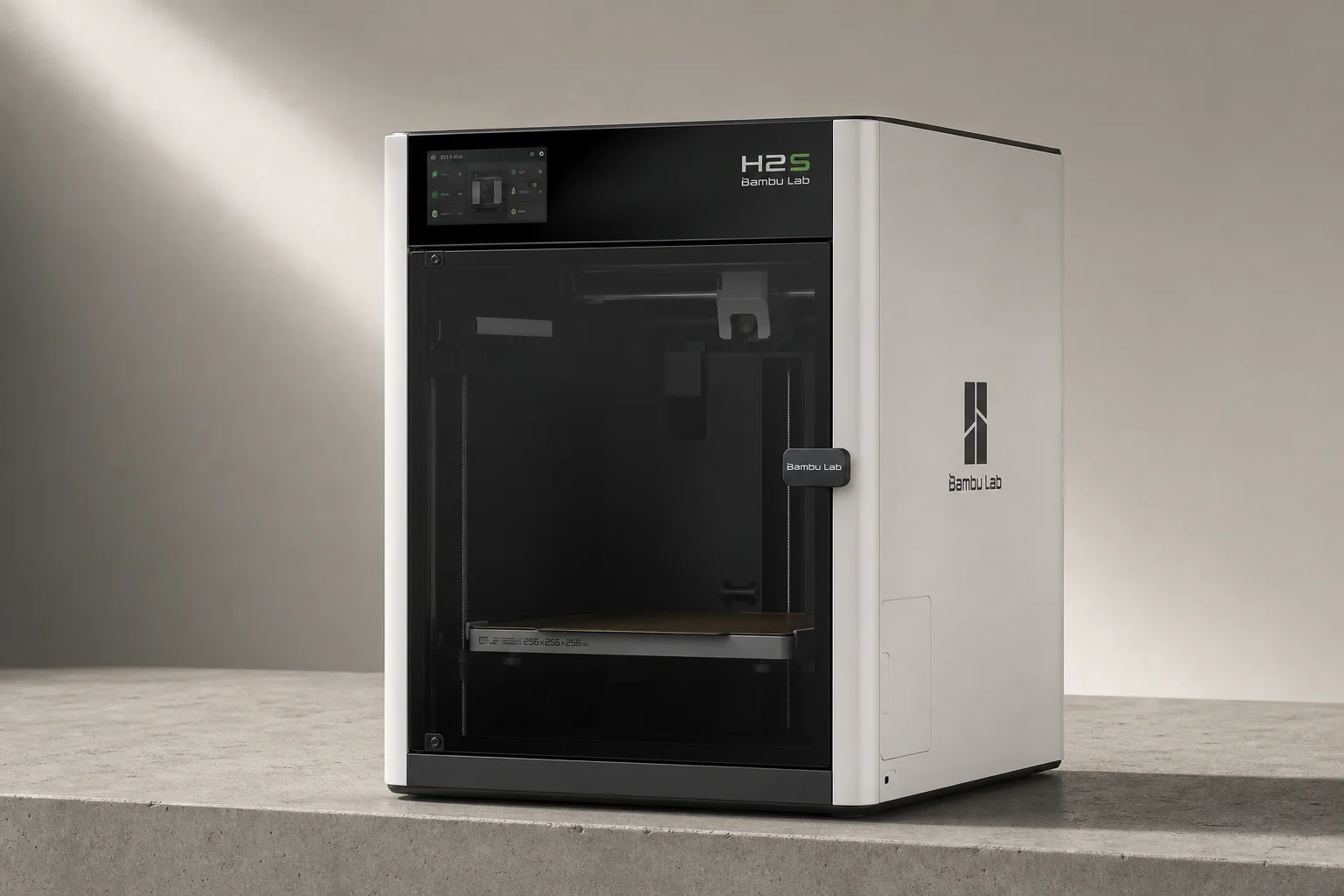
Bambu Lab H2S Review: Large-Format 3D Printing Without the Dual Extruder
The H2S strips away the H2D's dual-nozzle complexity for a simpler, cheaper large-format printer. Here's what that trade-off means for your prints.
3D Printers
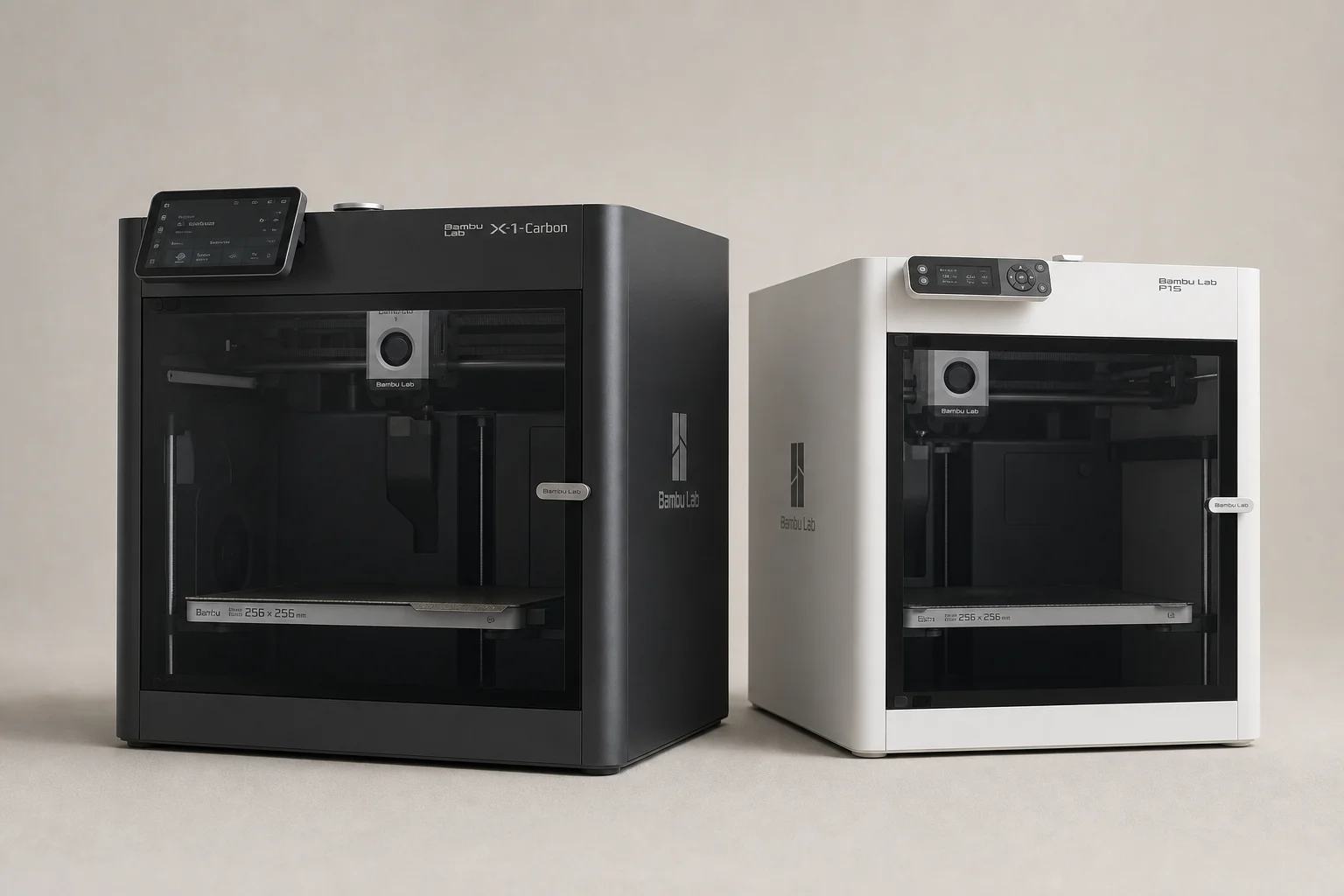
Bambu Lab P1S vs X1 Carbon: Why the Budget Option Wins
After testing both printers side by side, the P1S delivers nearly identical print quality at half the price. Here's what the premium features actually cost you.
3D Printers
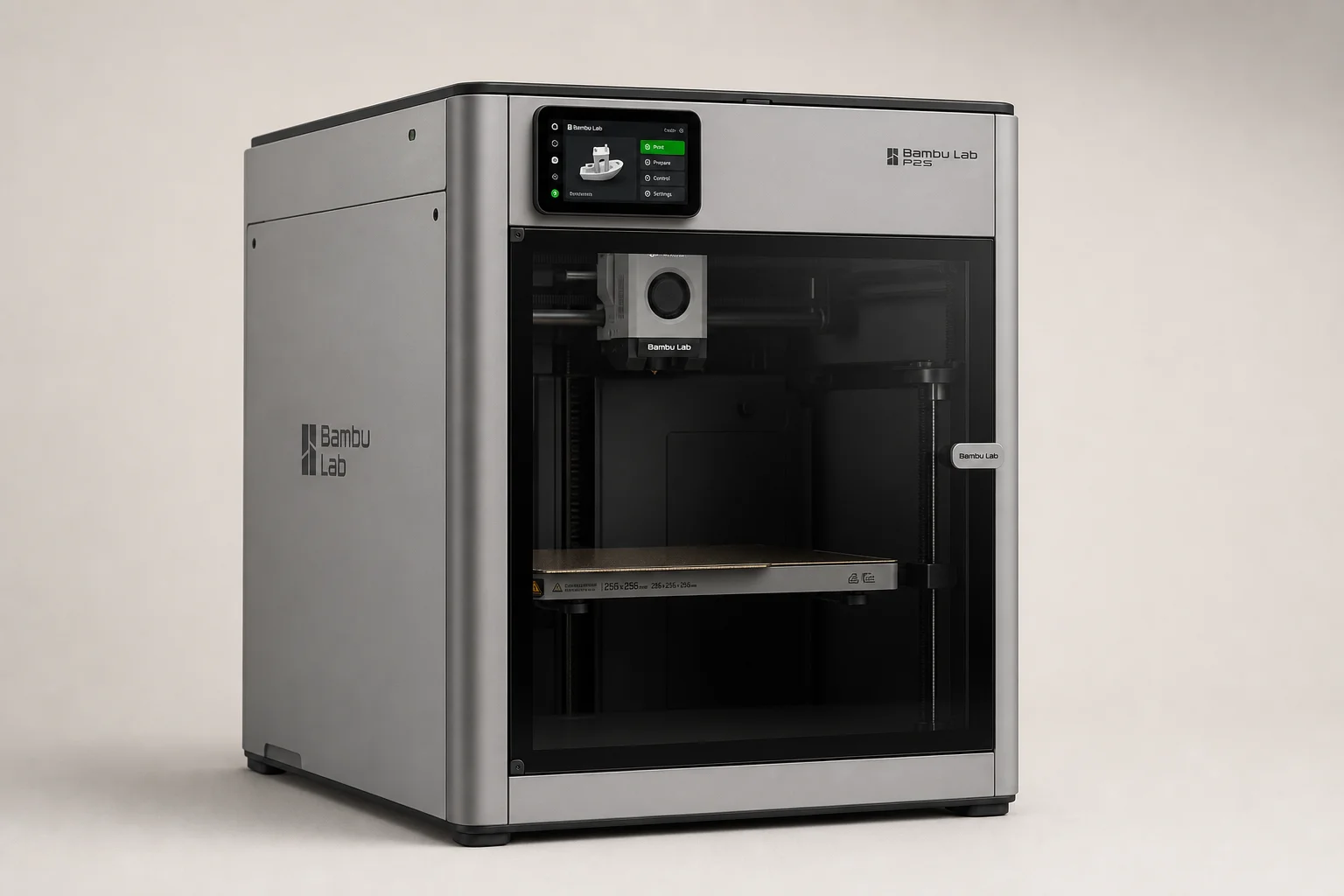
Bambu Lab P2S Review: A Strong Mid-Range 3D Printer Worth Considering
The Bambu Lab P2S brings significant upgrades over its predecessor, including a new touchscreen, improved cooling, and quick-swap nozzles. Here's what real-world use reveals about its strengths and trade-offs.