Cycling Gear
Badlands 2025 Bike Setup: Nine Pieces of Gear Tested Over 800 km
A full breakdown of the bike, drivetrain, tires, luggage and nutrition used to finish an 800 km ultra bikepacking race, including what held up and what did not.
Introduction
Badlands 2025 covers roughly 800 km of southern Spain, mixing tarmac, fast gravel and rough rocky tracks in punishing heat. The build described here completed the race in 62 hours, with a single charge of the drivetrain battery lasting all the way to the finish line and a failed power bank causing the only serious electronics problem.
This is not a list of the only correct choices. Riders at the event ran everything from aero road bikes with a small top tube bag to mountain bikes with suspension forks, and tire widths ranged from 38 mm to full mountain bike rubber. The setup below was assembled around one priority: efficiency rather than outright speed.
How This Setup Was Chosen
The goal was to reduce effort at any given speed rather than to chase a fast time. That meant riding deliberately easy on climbs, using time trial extensions on any smooth surface, and accepting extra weight in exchange for carrying everything needed.
Time trial bars were central to that plan. A base pad with shorter extensions and bar tape on the ends created a second riding position, and they were used often on road sections and smooth gravel. Even for riders with no interest in speed, a second position is a useful way to rest the body over long days.
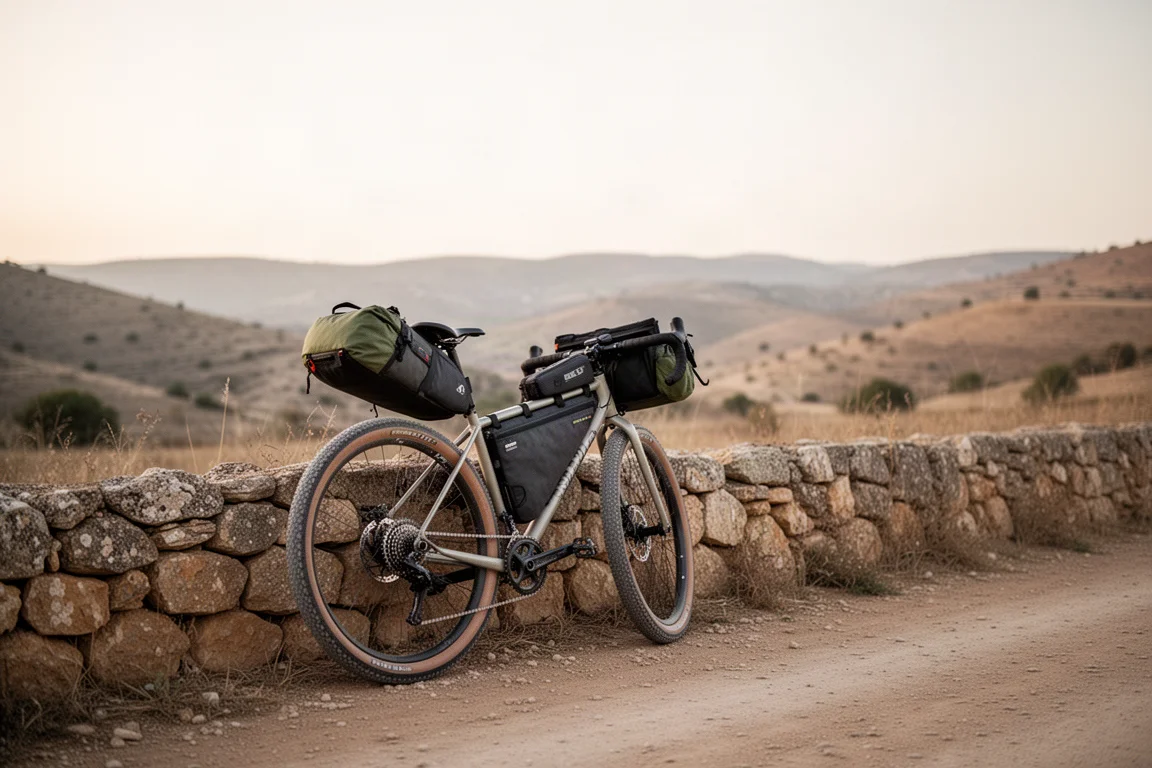
Luggage capacity was the hardest decision. Lighter setups were tempting, but the final choice went toward more capacity rather than less, with a rear cargo pack paired with top tube and frame bags. The complete build weighed an estimated 15 kg loaded, which was judged a reasonable trade-off against leaving essentials behind.
The Bike: 51 Saturn Gravel Bike
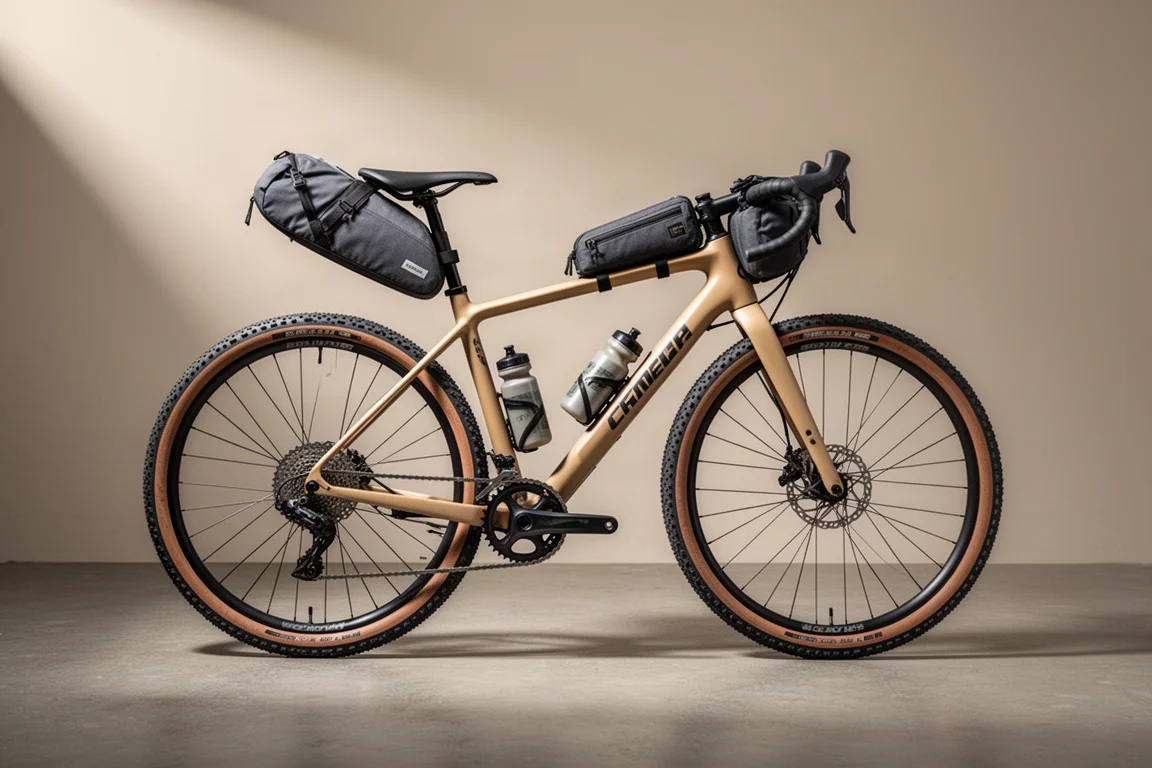
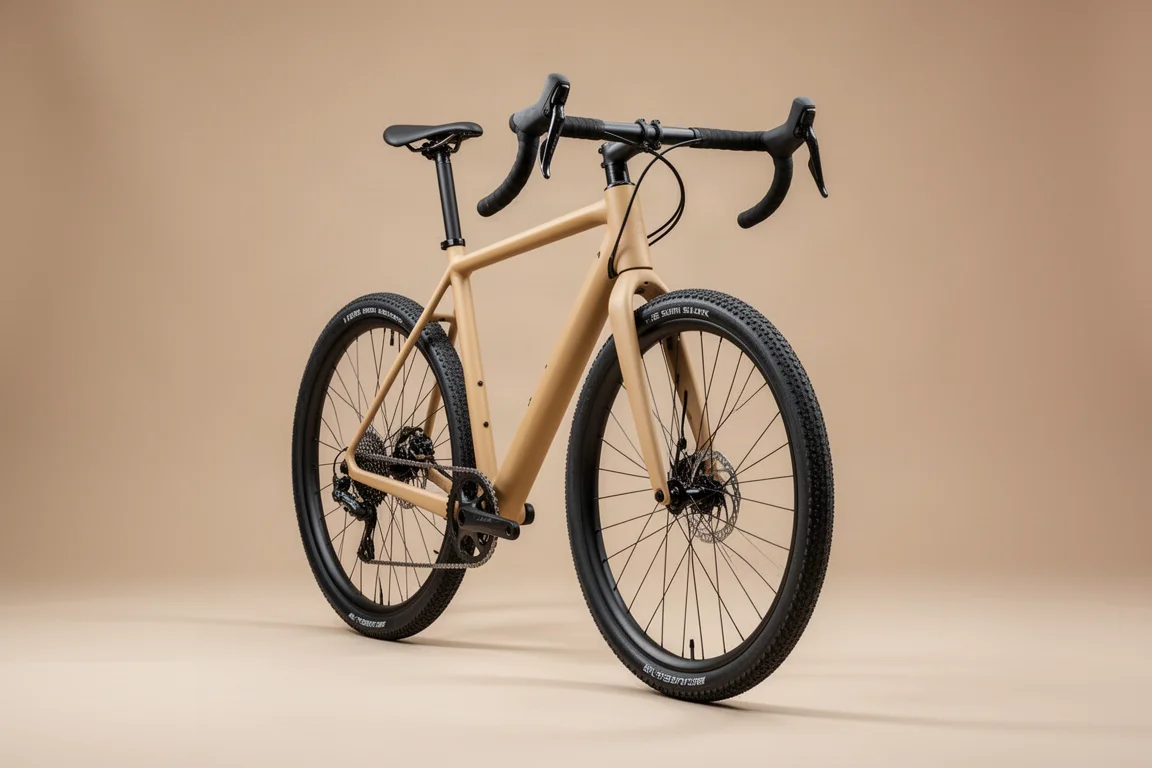
The build centred on a 51 Saturn gravel bike finished in the Desert Sandstorm colorway. Part of the appeal was access to a brand new wireless gravel groupset that was still scarce at the time, making an 800 km race an unusually thorough first test.
The geometry delivers the high-speed stability that long, fast gravel sections reward, with plenty of comfort and a light frame. Mounting points for bottles, bags and additional cargo are generous, which matters once a race kit is fully loaded. Nothing came loose over the full distance and no frame problems appeared.
The Drivetrain: Shimano GRX Wireless
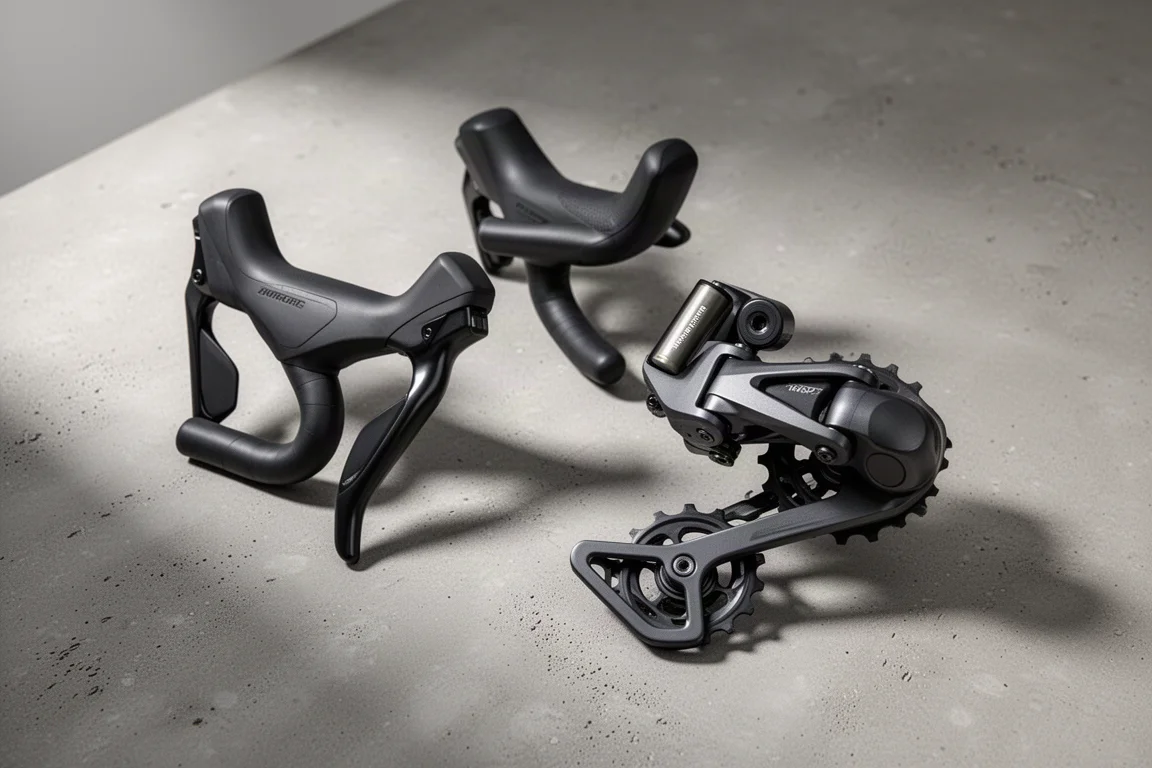
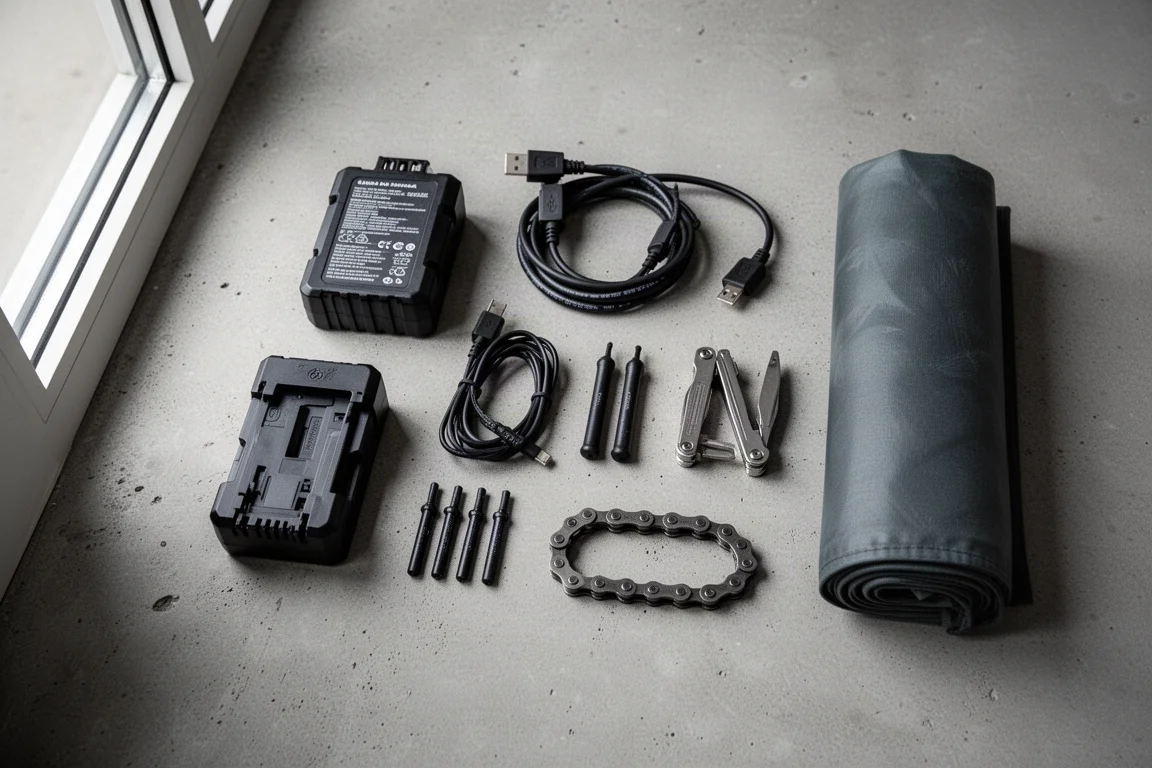
On the road, shift speed felt indistinguishable from Di2. The practical gains are elsewhere: the system is wireless, which simplifies a build, and the battery is removable and charges over USB-C. Claimed runtime sits in the region of 800 km, and a single charge covered the full 62 hours of racing before running flat at the finish line.
The housing is bulky and divides opinion on looks. The battery is not quick to remove when tired, and no spare units were available at the time, which makes a second battery a sensible addition for anything approaching this distance. The system also keeps a mechanical hanger, a vulnerable point in a race where tumbles and rock strikes are common. Gearing ran 10-51 at the rear with a 40T chainring, and a smaller chainring is not offered, so the range is less tunable than some alternatives.
The Tires: Maxxis Reaver 45 mm
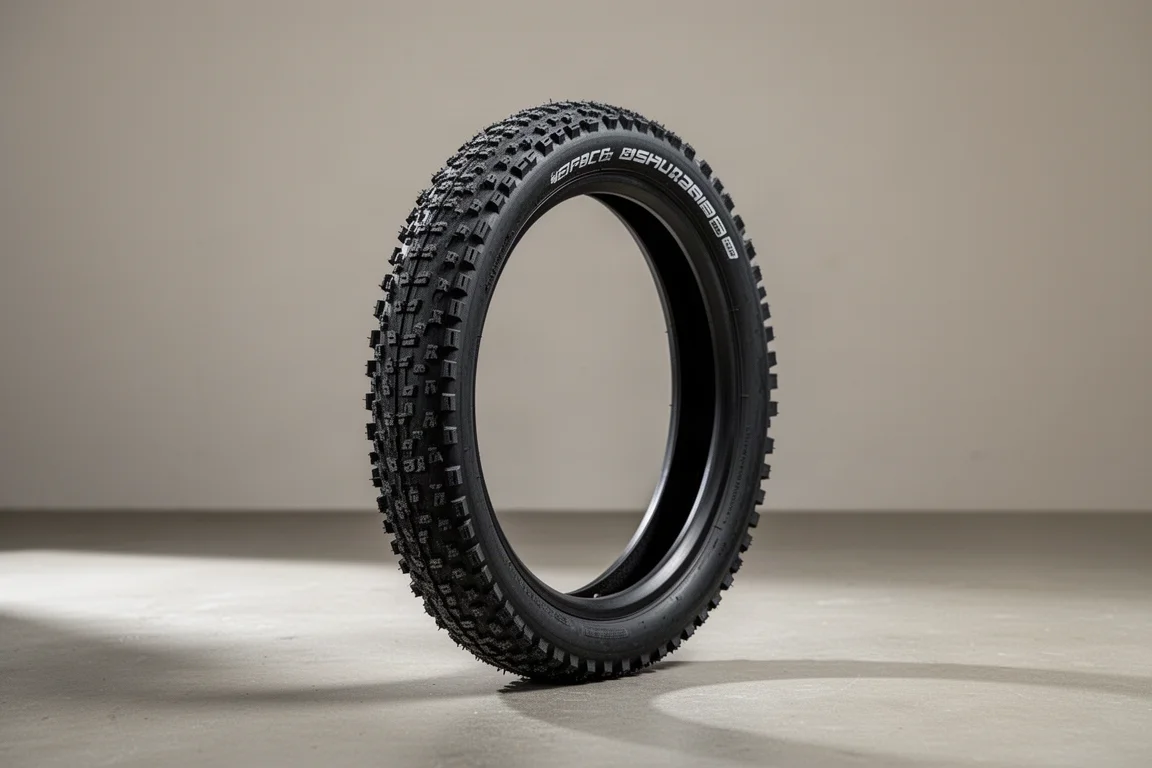
The 45 mm semi-slick Maxxis Reaver proved a strong match for a course that swings between tarmac, smooth gravel and rougher, rockier tracks. The tread pattern was all that was needed, with no call for anything chunkier or wider. They roll fast on tarmac and the shoulder lugs hold grip through looser corners.
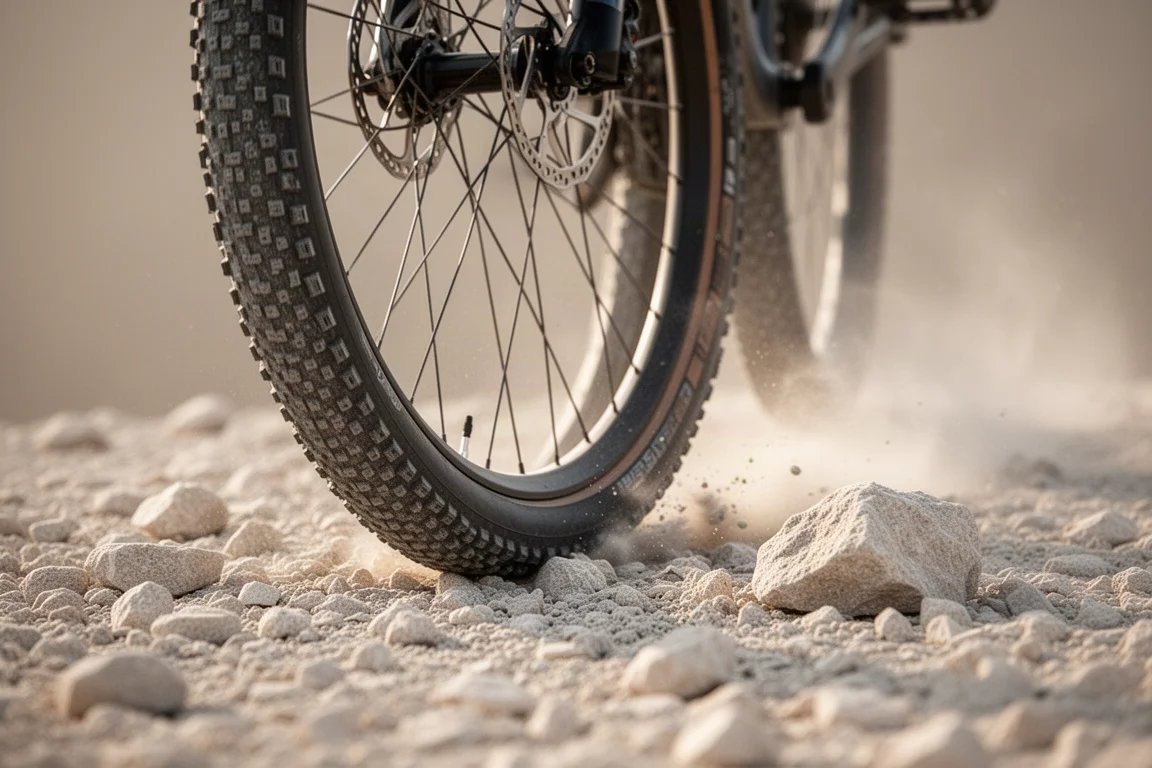
Based on testing away from the race, moving up to a 47 mm or 50 mm version costs very little in speed, weight or rolling resistance, so a wider option is worth considering for rough courses. One double puncture occurred on the final climb after the front wheel hit a boulder field at speed, cutting the sidewall above the bead and the top of the tread. Two plugs and an electric pump had it rolling again in about five minutes, and the preceding 750 km had been trouble free.
Front Suspension: USE Vybe Suspension Stem
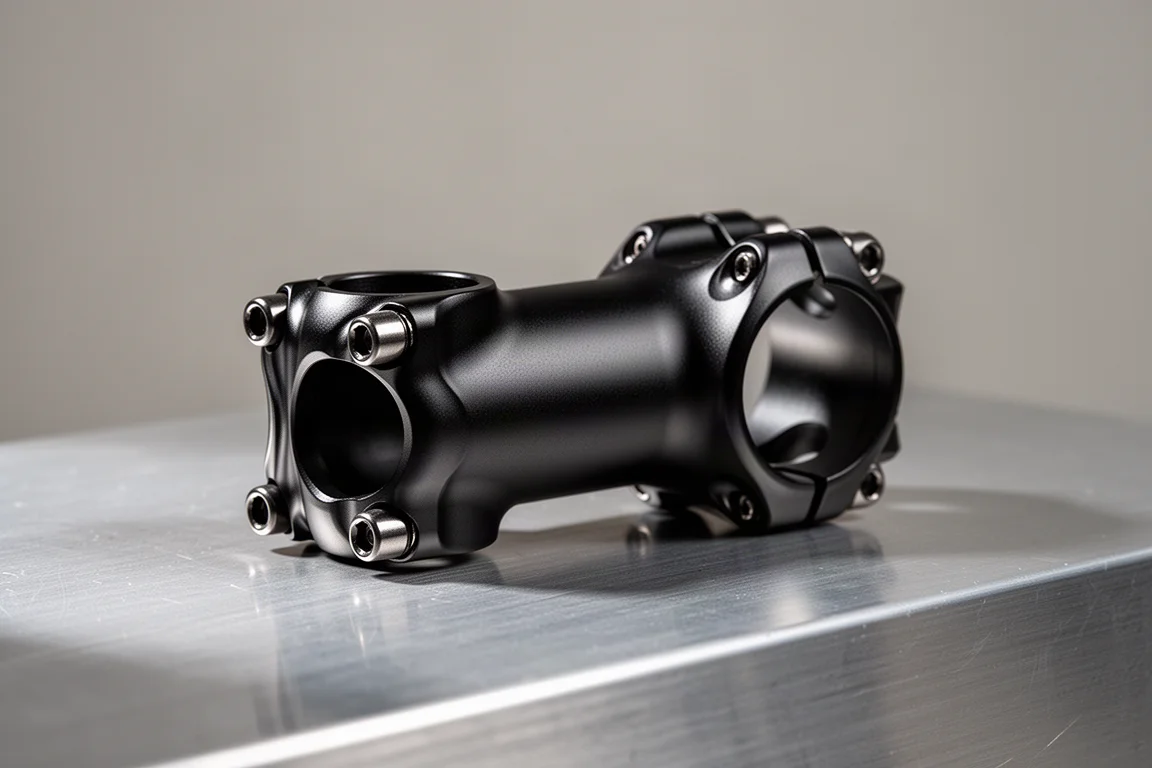
The front end used a USE Vybe suspension stem, paired with a wide flared gravel handlebar and time trial extensions. The stem performed well on day one and took a noticeable edge off rough gravel, which is exactly what a long distance rider hopes for.
On day two it stopped working, and the cause was never confirmed. Desert heat and the combined weight of extensions, computer and lights are both plausible factors, and a suspension stem carrying that much load is operating well outside its normal use case. It is a reminder to keep front end add-ons within sensible limits on a heavily loaded build.
Rear Comfort: USE Vybe Suspension Seatpost
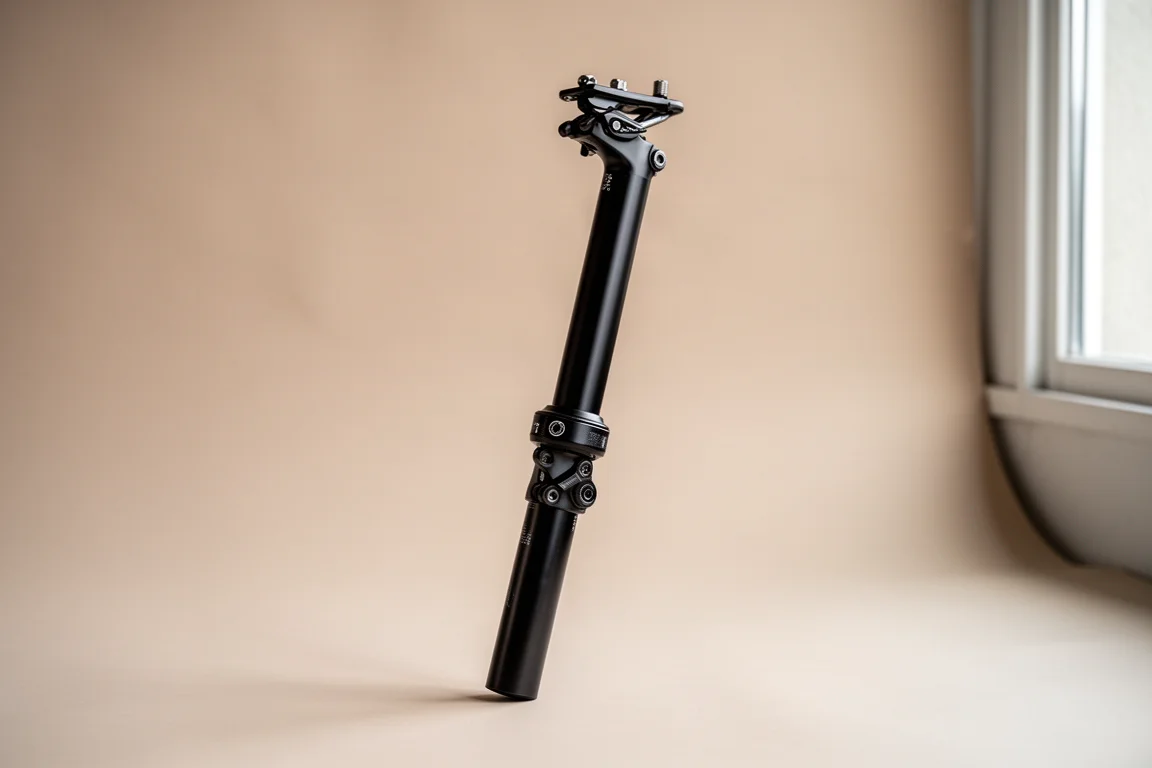
The matching USE Vybe suspension seatpost was the more straightforward success of the two. It was described as fantastic across the whole ride, absorbing the chatter from rough surfaces without any reported issues over the full distance.
For riders chasing comfort without changing frames, a suspension post is one of the lower risk upgrades available, and this one held up to 800 km of mixed terrain and high temperatures.
Luggage: Tailfin Aero Cargo Pack
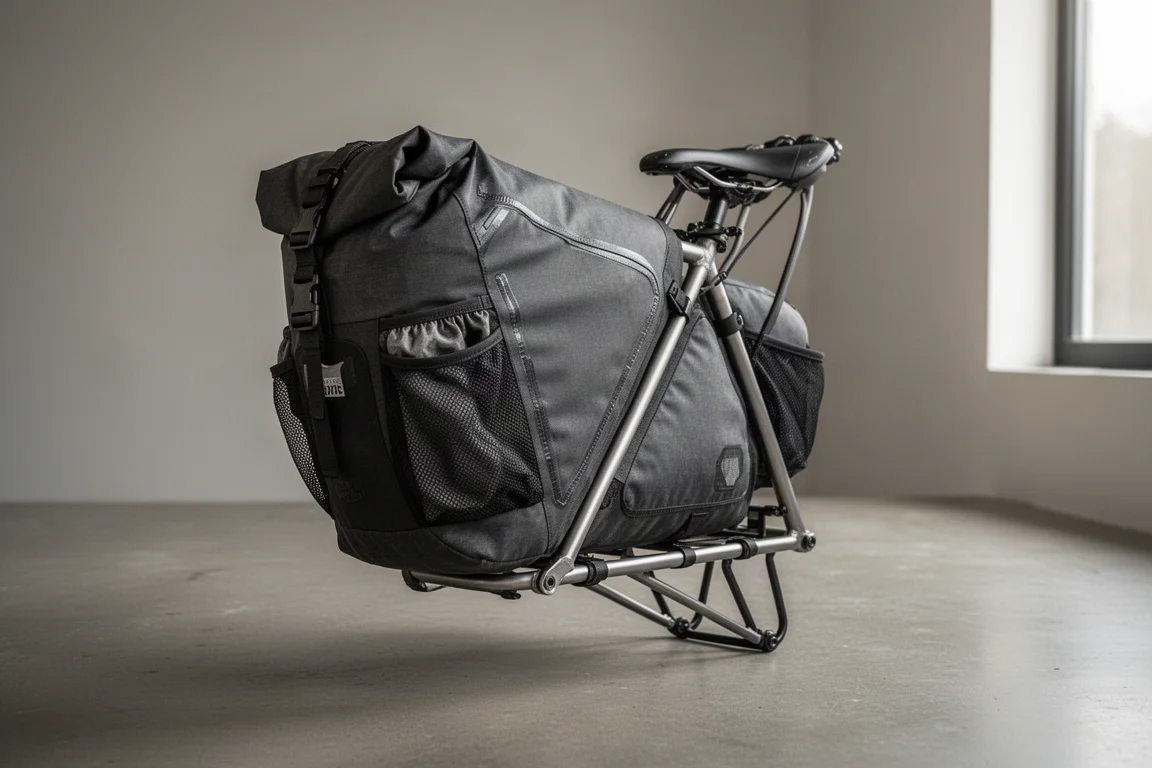
At the rear, a Tailfin Aero Cargo Pack carried the bulk of the kit. The roll top opens quickly, and the cargo expander pockets on the sides keep gels and spare clothing within reach without unpacking everything.
Stability is the standout quality. The pack stayed put and did not move around, which is a meaningful difference from a swinging seat pack that shifts behind the rider. Paired with a top tube bag and a frame bag, it provided enough room for tools, spare clothing, food and electronics. In hindsight the load could have been trimmed, but without the pack there was no obvious way to carry everything comfortably.
Navigation: Wahoo ELEMNT ROAM
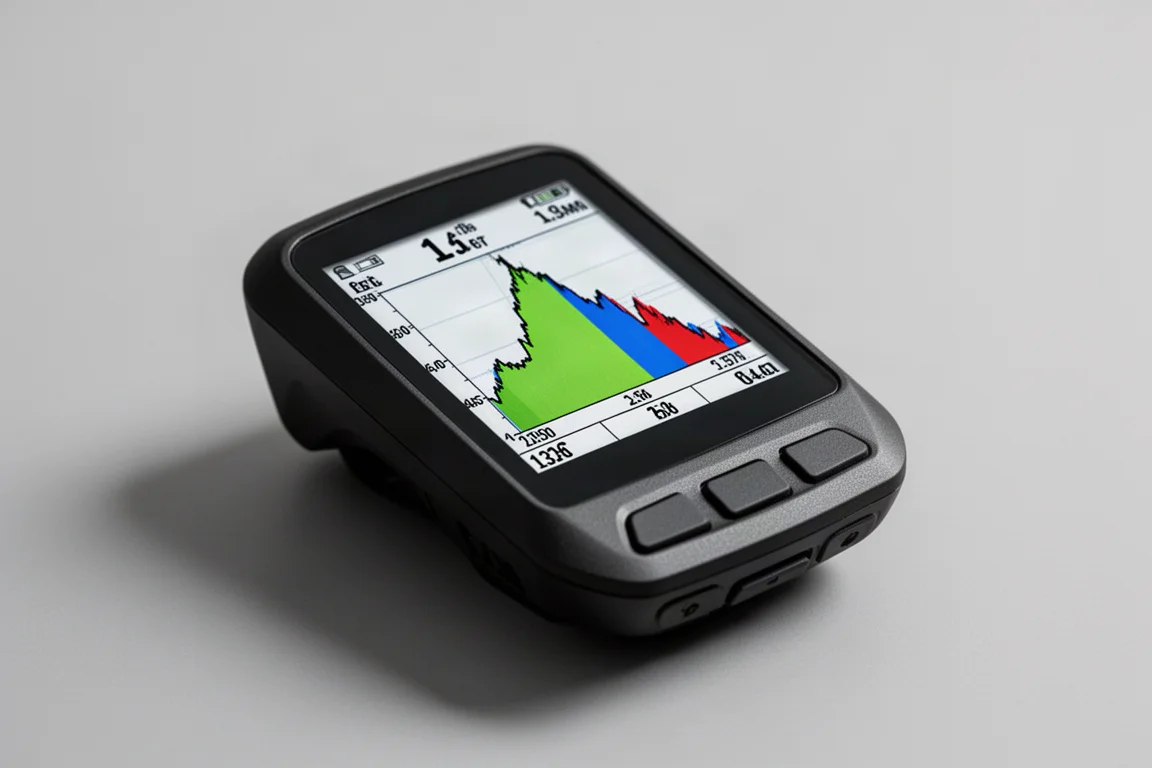
The Wahoo ELEMNT ROAM sat up front on a bar mounted computer mount. It ran for 23 hours on a single charge, which is strong performance for a full day and night of riding.
Charging is where the plan came unstuck. A battery bank failed during the race, leaving both the computer and a phone flat until power could be found elsewhere. A larger, more dependable power bank is the practical fix, and standardising on USB-C charging across every device on the bike keeps the cable count down.
Lighting: Exposure Maxx-D
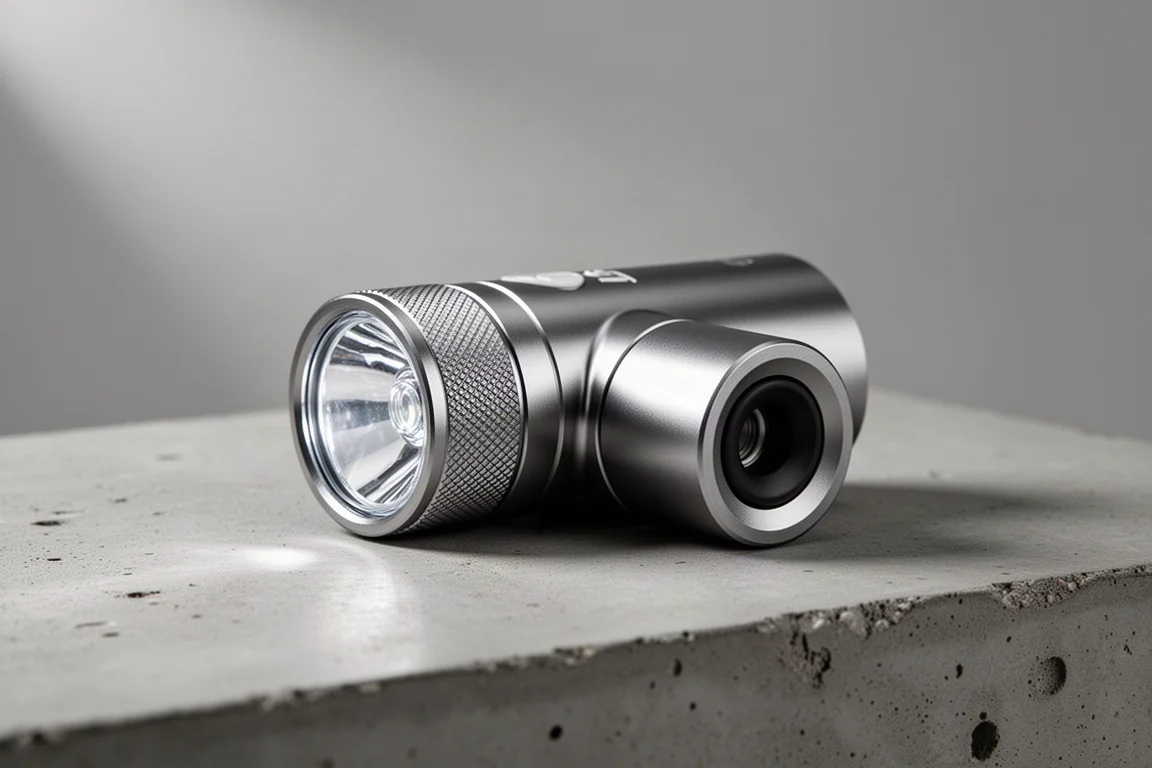
Front lighting came from an Exposure Maxx-D. It produced enough output for a full night on remote tracks, though the entire battery was drained before sunrise on the first night of riding.
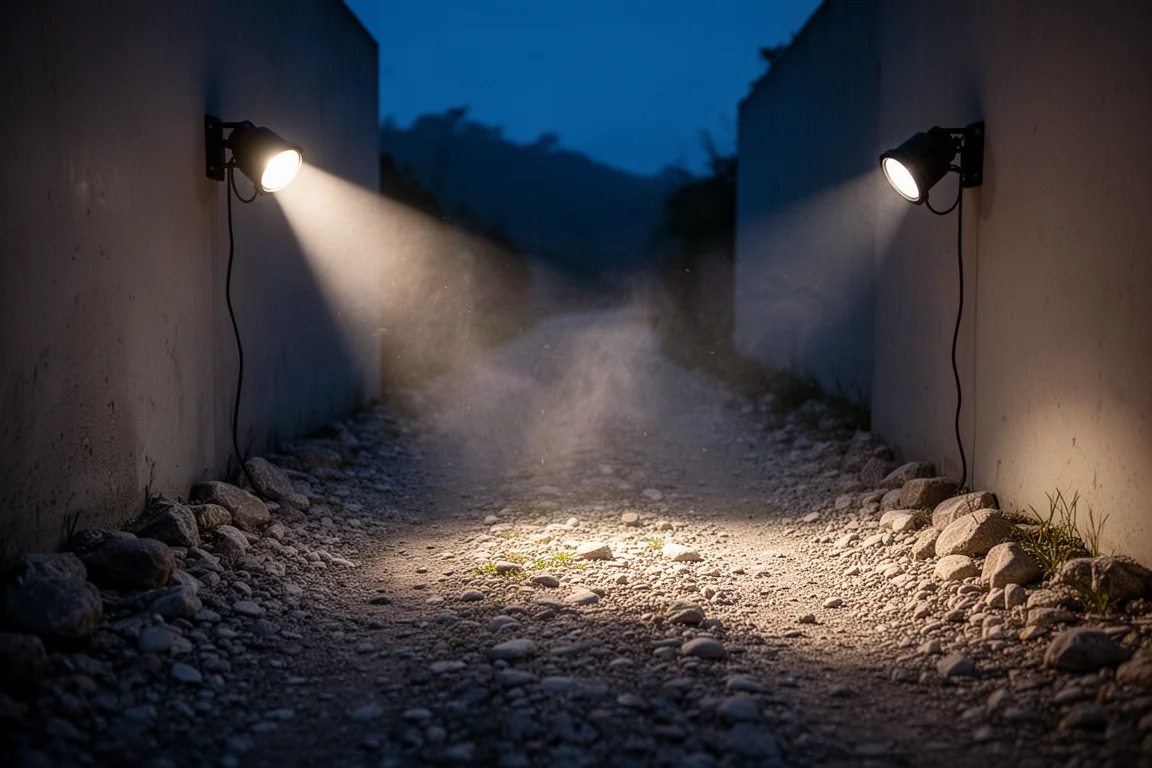
A second front light covered the second night without trouble, which makes two lights the sensible default for anything beyond a single overnight. Newer lights in this family also charge over USB-C, reducing the number of cables needed to keep a complete setup running.
Nutrition: FTP Endurance Fuel
Nutrition was built around steady intake rather than large meals. On the bike there were three 850 ml bottles plus a 2 L hydration pack, with electrolyte tablets dropped into every other bottle, and no cramping issues reported.
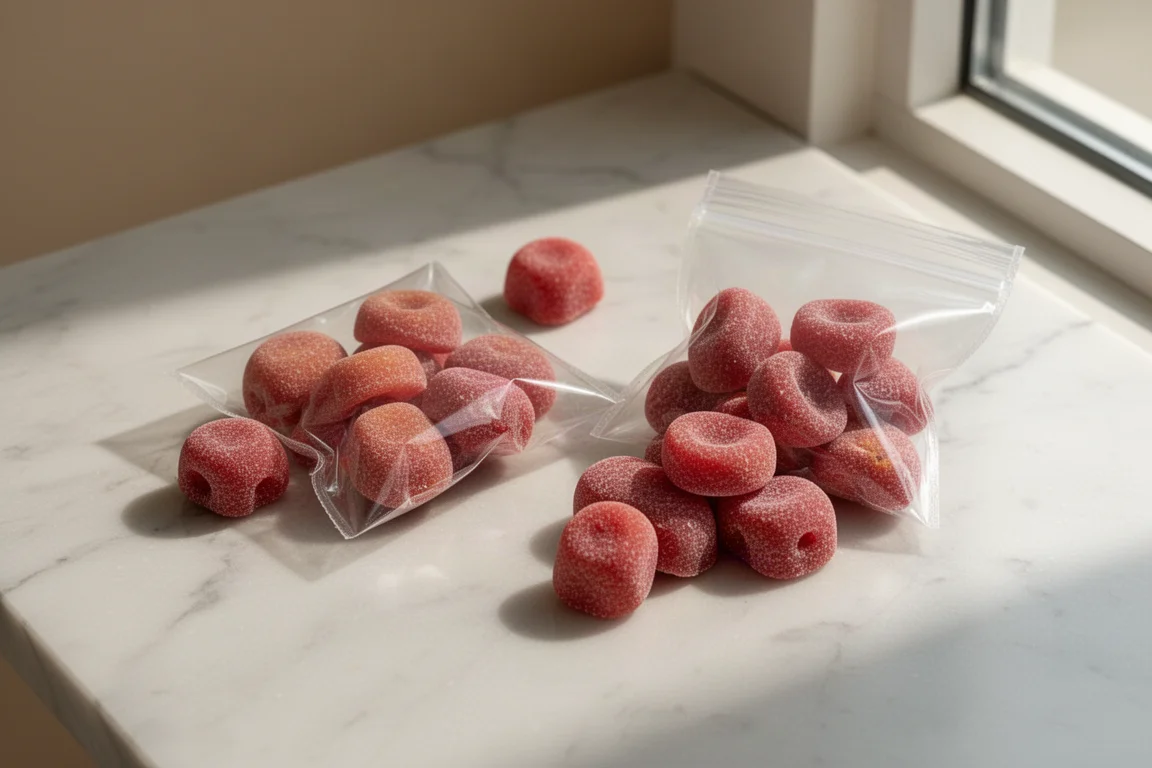
FTP Endurance Fuel supplied the main solid fuel. The pieces are soft and chewy, closer to a fruit pastel than a dense bar, in a light tart cherry flavour that is easy to digest and not overly sweet. They arrive in a large bag and are dispensed into smaller resealable pouches, with one carried in the frame bag and one in the hydration pack for access while riding. Dozens were eaten over the race. Rice bars and gels filled the gaps, and shop stops added crisps, ice cream, cola and baguettes. The combination kept energy levels steady across 62 hours without stomach trouble.
Overall Buying Advice
The most useful lesson from this build is that power management matters more than shaving grams. A failed battery bank took out navigation and communication for a stretch, and the wireless groupset battery ran flat exactly as the finish line was crossed. A dependable high capacity power bank and a spare groupset battery are worth far more than a lighter bag setup.
Comfort components deserve a place on a long distance build, but they should be used within their intended limits. The suspension seatpost was a clear success across the full distance. The suspension stem worked well on day one and then stopped functioning, with heat and a heavily loaded front end among the possible causes. Elsewhere the bike, tires, luggage and nutrition all held up, and a 45 mm semi-slick proved enough tire for a course that mixes tarmac with rocky tracks. Aim for efficiency rather than pace: go easy where the terrain is hard and push on where speed comes cheap.
Conclusion
This setup was not perfect, but it was well matched to the race. The frame, tires, rear luggage and fuelling plan all did their job over 800 km and 62 hours, while the electronics and the front suspension stem were the weak points. For anyone building toward a first ultra, the priorities are clear: carry a dependable power bank, plan for a spare drivetrain battery, keep loaded suspension components within sensible limits, and choose a semi-slick tire width around 45 mm or slightly wider.
Further reading
Related Reviews
Cycling Gear
8 Cycling Products Riders Keep Coming Back To
Eight cycling components and accessories with clear strengths, honest trade-offs and long-standing reputations among riders and mechanics.
Cycling Gear
Aero Helmets and Bottle Setups Tested: Six Options Ranked by Measured Watt Savings
Wind tunnel data on six aero helmets and bottle setups, with real watt savings, practical trade-offs, and guidance on what is worth buying first.
Cycling Gear
Aero Road Bikes and Fast Tires Worth Watching in 2026
Four aero road bikes and one fast road tire, with the real strengths, the open questions, and what to check before you buy.