Books
The Backyard Astronomer's Guide (4th Edition): A Complete Review
The fourth edition of The Backyard Astronomer's Guide promises to take beginners and veterans alike deeper into amateur astronomy and astrophotography. Here's what it delivers.

Introduction
Starting in amateur astronomy can feel overwhelming. The hobby spans the entire universe, the gear options are endless, and the learning curve varies wildly depending on what you want to observe or photograph. A good book, one you can own, study, and return to again and again, is still one of the best ways in. For many stargazers, that book has long been The Backyard Astronomer’s Guide.
The fourth edition from Firefly Books aims to keep that tradition going. Whether you are brand new to the hobby or have years of observing behind you, it covers equipment choices, sky navigation, observing targets, and even astrophotography in one substantial reference.
Part One: Starting From Scratch
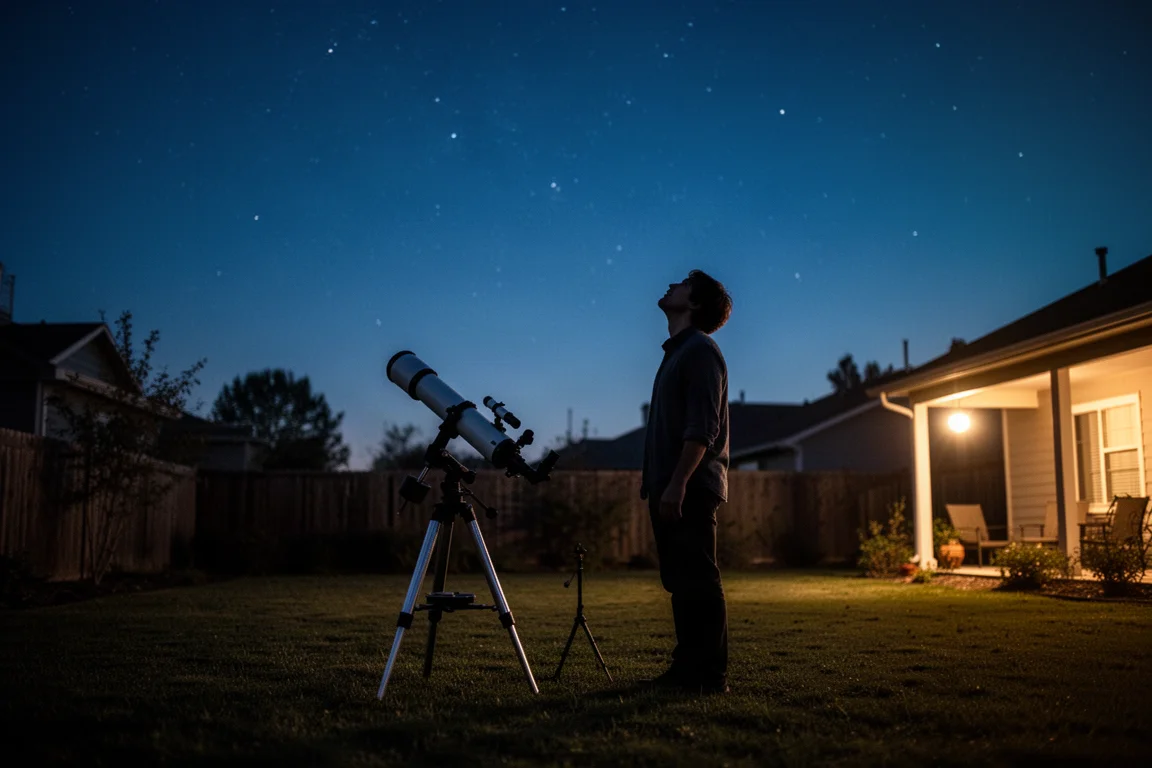
The book opens with material aimed squarely at complete beginners. It walks through what you can see in the daytime, evening, and night sky with nothing but your own eyes, and it addresses the realities of light pollution and the limitations of your local night sky honestly rather than glossing over them.
From there, it introduces beautiful maps of the brightest stars and constellations, along with the basic principles of star hopping. This is a gentle, well-structured way to dip your toes into navigating the sky before spending a cent on equipment.
The first buying guide appears in this section, and the advice is refreshingly grounded: everyone should start in amateur astronomy with a solid pair of binoculars. The book explains differences in design and suggests several brands at various price levels, then follows up with detailed star charts for the northern and southern hemisphere so you know what to point them at.
Part Two: Choosing Your First Telescope
Part two shifts toward the complexities, and the costs, that come with the hobby. One of the smartest editorial choices here is a chart near the start of the section that sets realistic expectations for what you will and will not see with a new telescope. That single page can save first-time buyers a lot of disappointment.
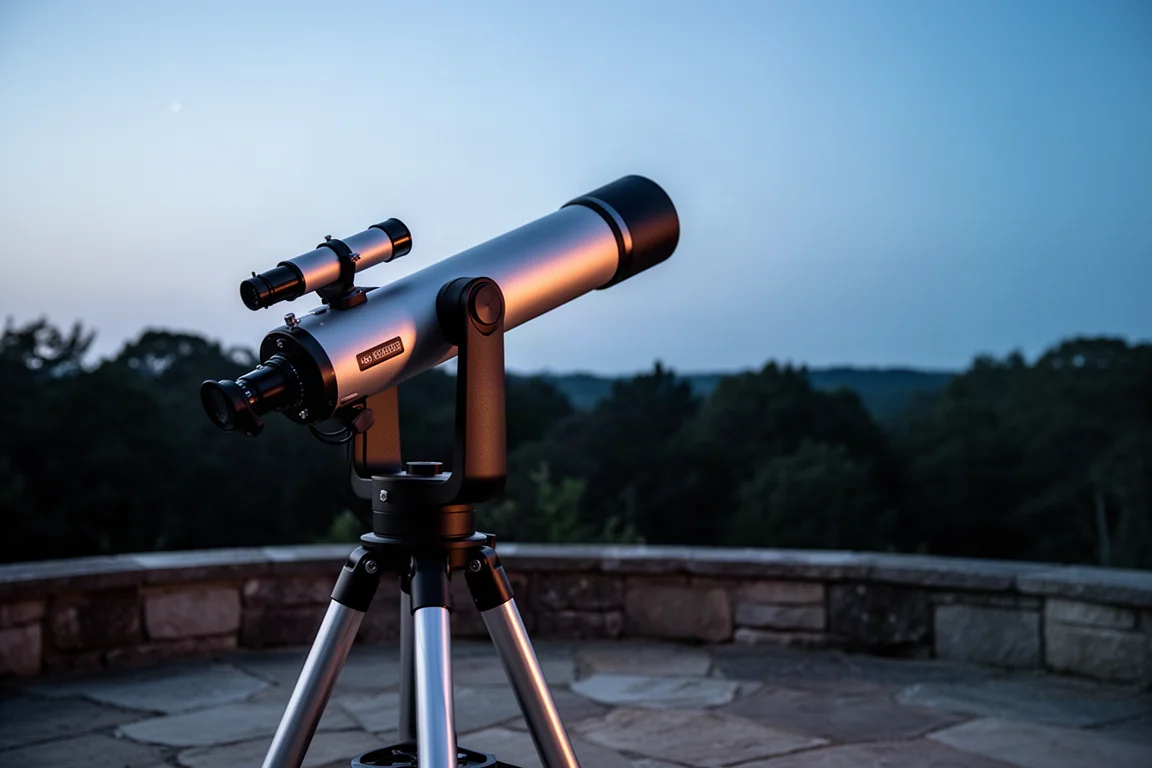
The focus is on choosing the best telescope for your needs and budget, including what to look for and, perhaps more importantly, what to stay away from on a first purchase. The options presented range widely, from refractors in the $150 to $300 range to Schmidt-Cassegrains that run well over $1,000.
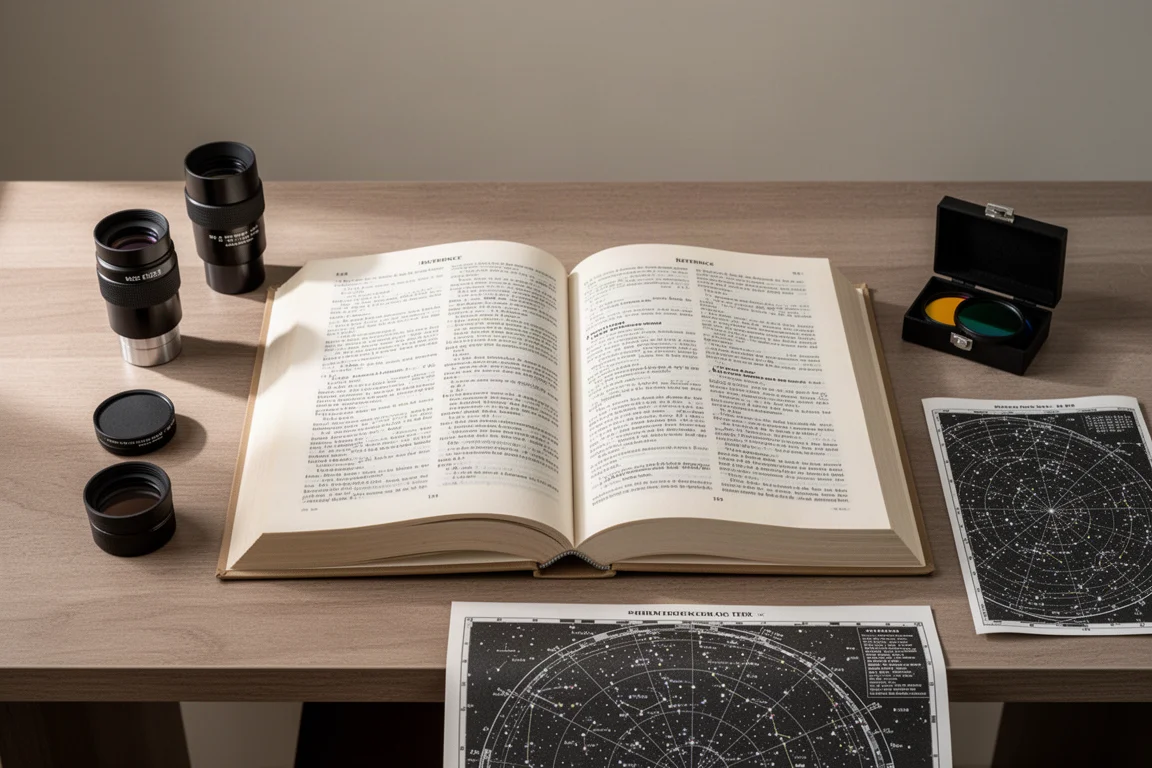
After the telescope, attention turns to eyepieces and accessories, with technical specifications and magnification calculations covered across a wide range of eyepiece designs and prices. Filter selection, which can be even more confusing than eyepieces, gets its own treatment with explanations for planetary and nebula filters.
Practical readers will appreciate the technical breakdowns and how-to guides throughout, including maintenance and collimation basics covered in the appendix. If you have bought a go-to telescope, there is a detailed guide to these advanced instruments that, in our view, is better than most user manuals, walking through everything from polar alignment to two-star alignment.
Part Three: Touring the Night Sky
With equipment covered, the book moves on to what you can actually observe. It begins with the Moon, our closest neighbor, offering great diagrams and a gorgeous 14-day journey of the best objects to view on the lunar surface from new moon to full moon. Whether you are using binoculars or a telescope, this is a section worth spending serious time on.
The tour then continues with a dedicated section for each of the eight major planets of our solar system, covering everything from the opposition of Mars and the tilting rings of Saturn to the distant ice planets Neptune and Uranus.
Moving beyond the solar system, the deep space guides present a tour of the best stars, star clusters, nebulae, supernova remnants, and galaxies, supported by beautiful illustrations and images. Realistic expectations are maintained throughout, and an impressive tour of the best deep sky objects of the northern and southern sky provides highlights that could keep you busy for years.
Part Four: Astrophotography
The final portion of the book enters the complicated and fascinating realm of astrophotography, and this is where the fourth edition shows the most visible expansion. It is a wide-ranging look at imaging the night sky that works for newcomers as well as readers with months or years of experience.
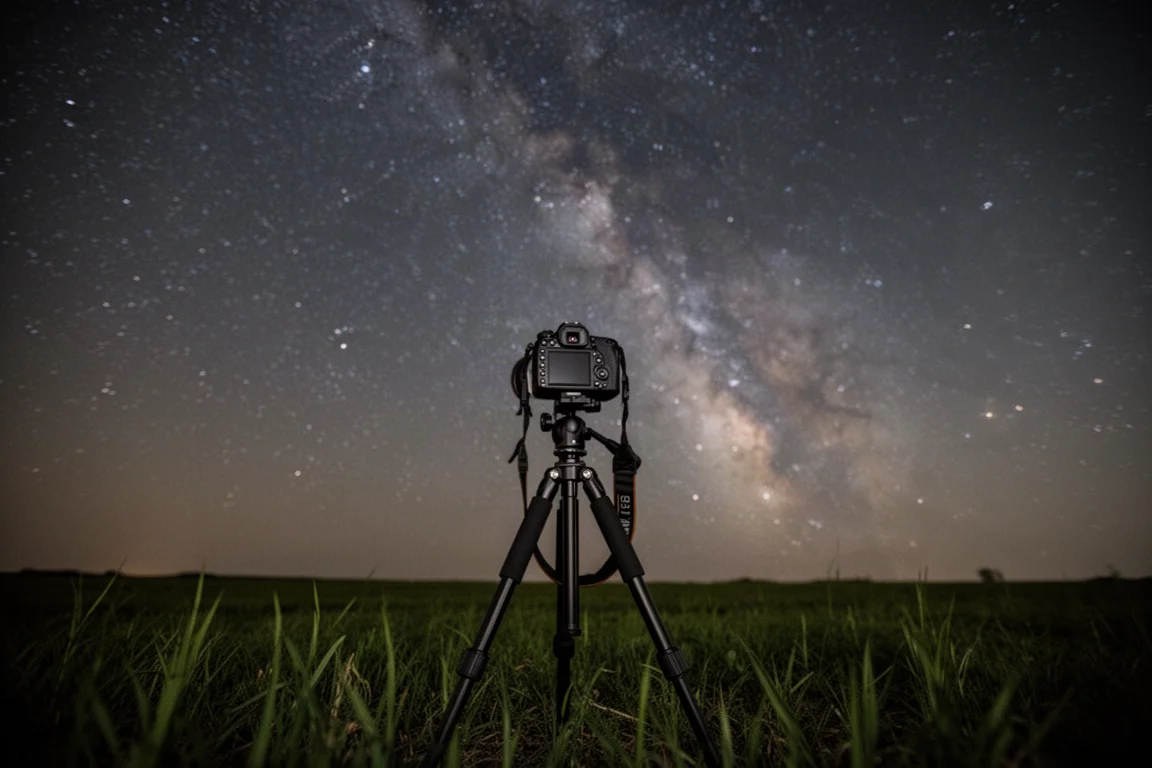
The coverage spans equipment from cell phones to DSLRs and mirrorless cameras, with a range of lenses and setups that can cost anywhere from hundreds to thousands of dollars. The section on camera settings is a particularly strong starting point for anyone wanting to do tripod shooting and star trails with a DSLR. Tracker-based long-exposure photography gets attention too, and advanced features such as auto guiding, along with the benefits of capturing light, dark, flat, and bias frames, are all explained.
For the processing side, a general workflow is presented for Photoshop and Lightroom, giving new imagers a sensible structure rather than leaving them to piece one together from scattered online tutorials.
Buying Advice
If you are new to astronomy and want a single resource that grows with you, this book fits that role well. Beginners get an honest on-ramp through binoculars and star hopping, while intermediate observers get detailed guidance on telescopes, eyepieces, filters, and alignment procedures. The expanded astrophotography section also makes it a worthwhile upgrade consideration for readers who already own an earlier edition and are moving into imaging.
The authorship behind the book, from Terrence Dickinson and Alan Dyer, carries decades of experience, and it shows in the depth and longevity of the material.
Conclusion
The fourth edition of The Backyard Astronomer’s Guide continues to be a go-to resource in amateur astronomy regardless of experience level. It is honest about expectations, thorough on equipment, generous with sky tours, and surprisingly deep on astrophotography. For anyone serious about getting started or going deeper, it earns a place on the shelf next to the telescope.
Product link
View more details for The Backyard Astronomer's Guide (4th Edition)
This product is mentioned in the review. Check the specifications, options, and compatibility before buying.
View more details for The Backyard Astronomer's Guide (4th Edition)Further reading
Related Reviews

Books
A Top 5 Books Reading List: Strategy, Stoicism, and a Chef Who Walked Away
Five books worth reading, from Sun Tzu and Miyamoto Musashi to Marcus Aurelius, Epictetus, and Marco Pierre White's striking autobiography.
Astrophotography
ASKAR FRA400C Review: A Versatile 400mm Refractor for Astrophotography and More
The ASKAR FRA400C is a compact 72mm refractor that balances reach, versatility, and portability for astrophotographers and visual observers.
Astrophotography
Askar SQA106 Review: A Premium 106mm Astrograph With Exceptional Optics
The Askar SQA106 is a premium 106mm quintuplet astrograph with impressive sharpness across full-frame sensors, though its price and weight demand careful consideration.