Camping Sleeping Pads
Backpacking Sleeping Pads Compared: Five Options for a Better Night's Sleep
Five inflatable sleeping pads compared by baffle style, width, thickness, noise, and how much tent floor they claim.
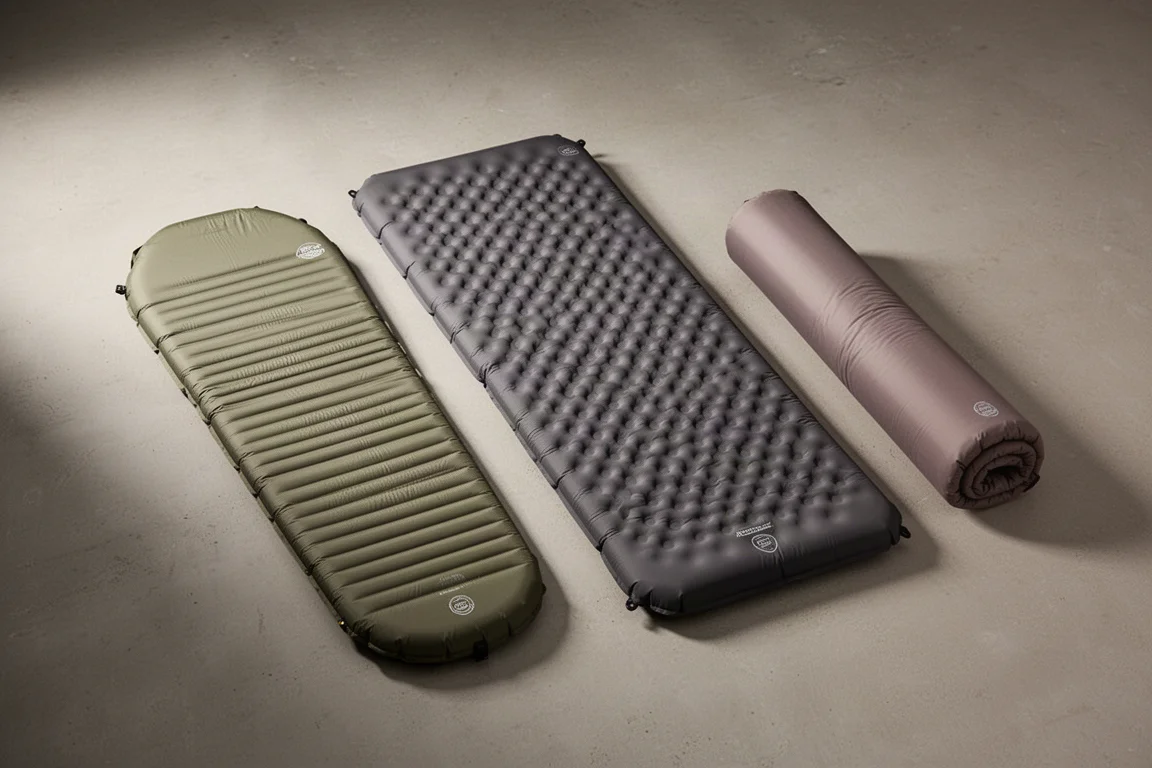
Introduction
Ask most backpackers what stands between them and a good night outdoors, and the answer is usually comfort rather than warmth. The sleeping pad carries most of that burden. Over the past decade the category has moved quickly: pads that once packed down small were narrow and thin, while the newest designs are wide, thick, and built from soft stretchy fabrics that feel far closer to a mattress at home.
That progress comes with trade-offs. The five pads below cover the span of that evolution, from a long-serving packable model to the current comfort leaders, and each one asks for something in return. This guide looks at how each construction behaves in the kind of small one-person tent many solo backpackers use, and where each pad makes the most sense.
What Matters Most in a Backpacking Sleeping Pad
Thickness, width, and baffle layout matter more than any single specification. Inflatable pads in this group sit between roughly 50 mm and the thicker end of the range, and once you lie down and spread your weight, that depth is what lifts you clear of the ground. Kneel or sit on a thinner pad and it will bottom out, which is normal rather than a fault. Every pad here is insulated, whether with reflective foil, a foam fill, or a combination of the two.
Width is the second variable. A 20 inch pad is the traditional mummy width, and on those pads your arms tend to fall off the edge. A 25 inch pad is wide enough to keep arms supported and lets you spread out on your back, but it also fills more of a small tent floor.
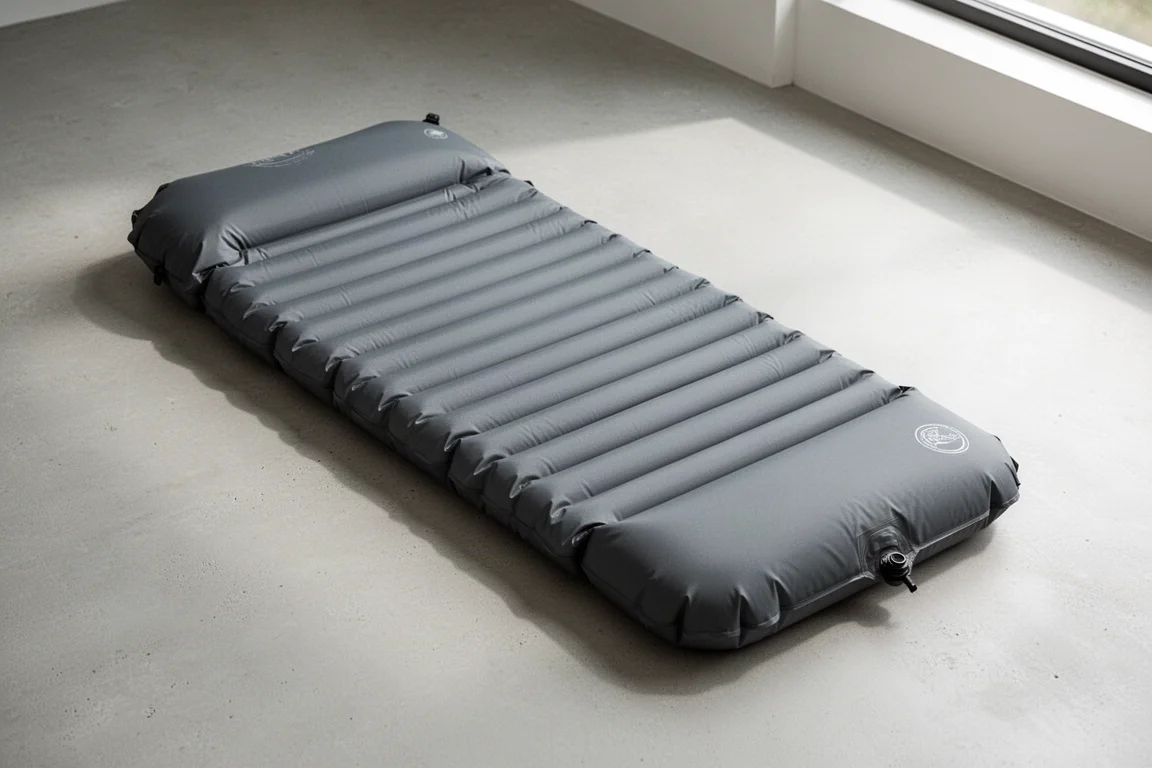
Baffle direction changes how a pad feels. Vertical baffles run head to toe and tend to suit side sleepers, while horizontal baffles are shorter and usually feel a little more supportive. Individual pocket or air-sprung constructions take a different approach, using separate cells to relieve pressure at hips, shoulders, and elbows.
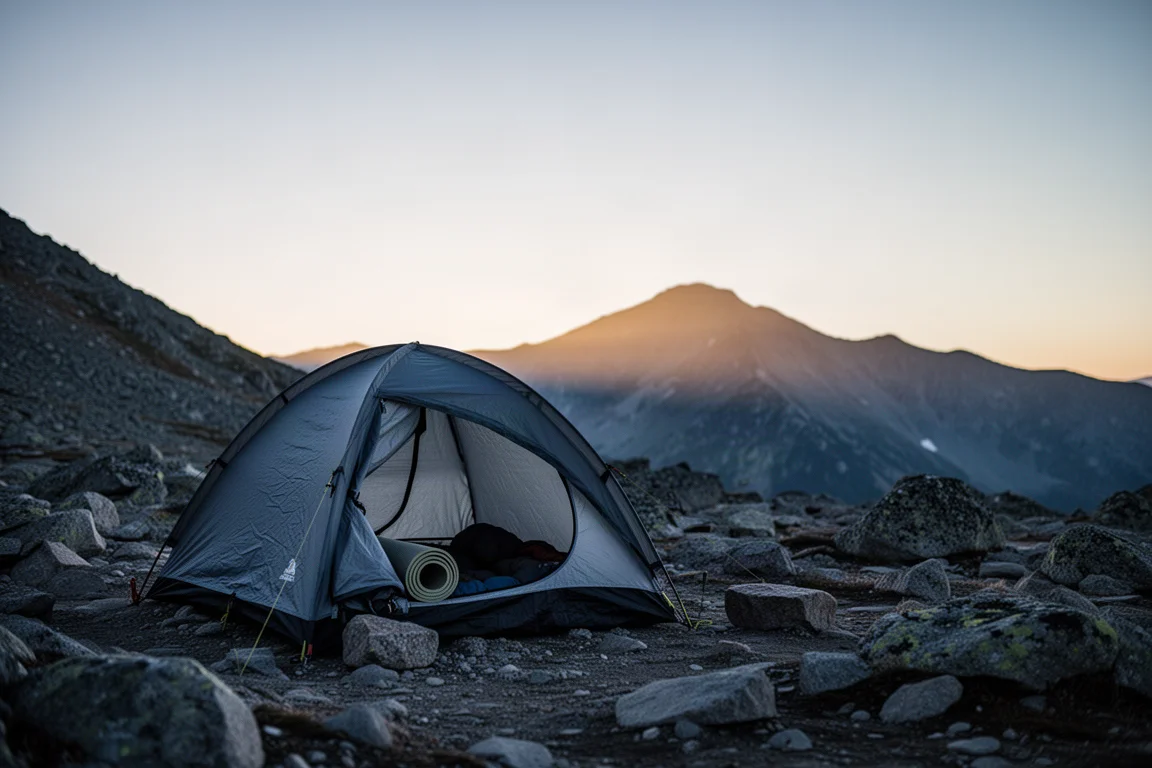
Insulation is the last major factor. Reflective foil layers bounce body heat back, while foam fills add a little structure. Pads built with insulation running the full length of each baffle chamber tend to show fewer cold spots than designs with shorter insulated sections. Noise is worth checking too, since older thin pads can sound like a crisp packet every time you shift in the night.
Exped Hyperlite: The Packable Classic
The Exped Hyperlite is the oldest design in this group and still the smallest once packed away. Its packed size is genuinely tiny, which is exactly what it was chosen for, and after roughly nine years of use it still holds air and does its job without fuss.
Inflated, that compactness shows up as a narrow 20 inch mummy footprint around 50 mm thick. Lying on it, your arms hang off the edges, and the vertical baffles suit side sleepers better than horizontal ones, since horizontal baffles can leave side sleepers waking with a dead arm. The trade-off is support: horizontal baffles are shorter and generally feel firmer under the body.
A thin pad also leaves more room in a small tent, with headroom to sit up, cook, or change, and space at the foot end for gear. The main drawbacks are noise and warmth, because thinner pads are louder and less warm than the thicker, newer designs.
Rab Ionosphere Ultralite: Small, Simple, Supportive
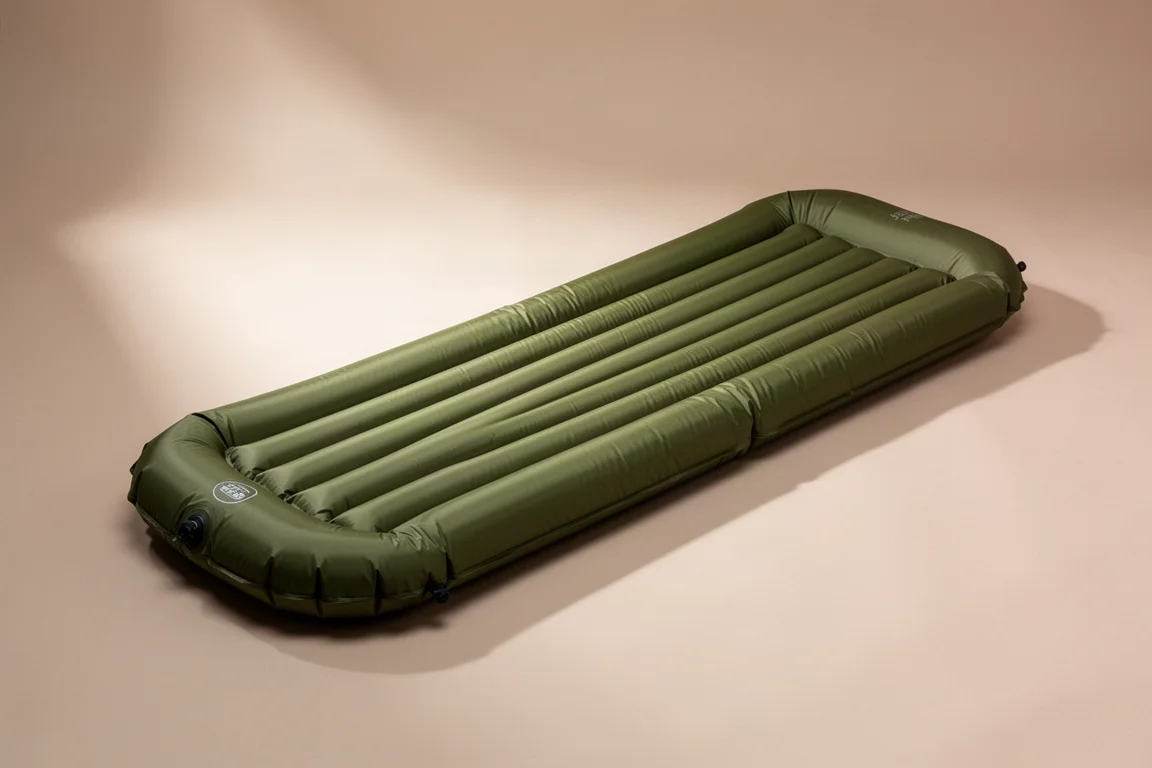
The Rab Ionosphere Ultralite in regular is the smallest inflatable pad in this group. Inflated, it has almost exactly the same mummy footprint as the Exped, and both sit at around 50 mm thick. The difference is in the baffles: the Rab runs them horizontally, which gives a little more support but can leave side sleepers with a dead arm by morning.
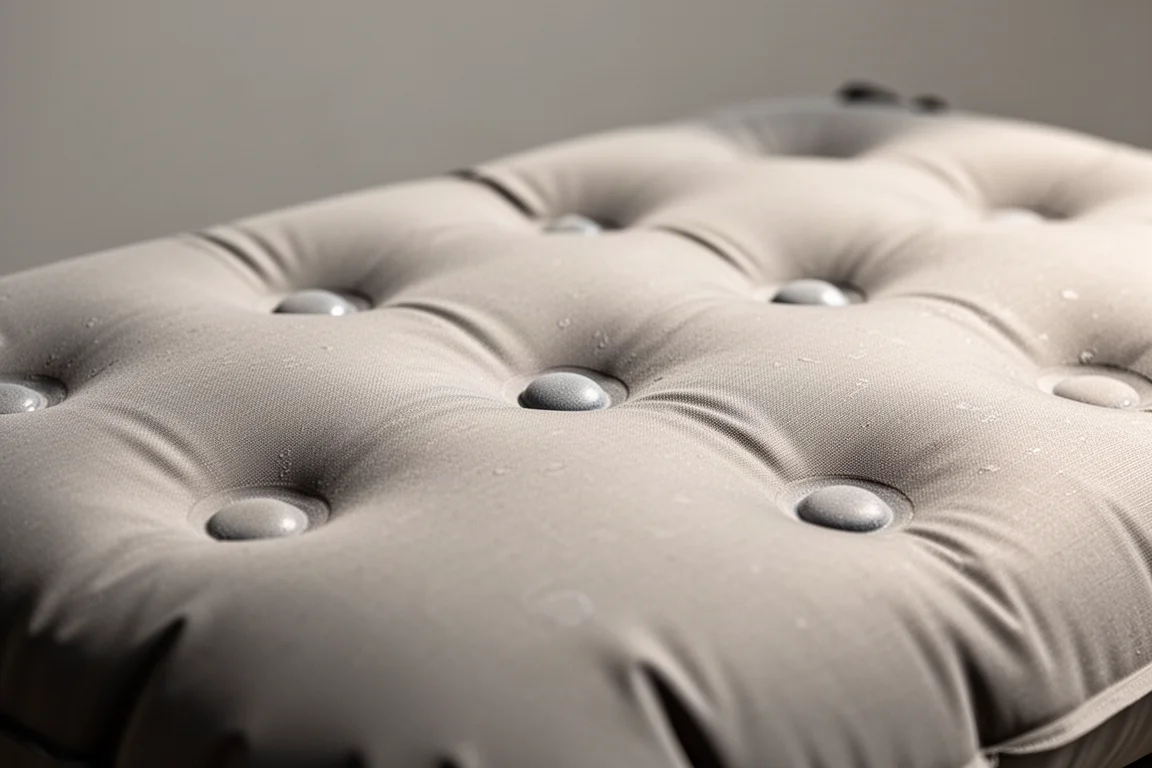
Small pads like this are also much easier to inflate by mouth than the large ones. An inflator bag still makes the job quicker and avoids the light-headed feeling that comes from blowing up a pad directly, and a small electric pump will comfortably manage a pad of this size on a single charge. Both compact pads have served well over the years, and they remain the sensible choice when packed size and tent space matter more than outright luxury.
Sea to Summit Comfort Light Insulated: Pocket Baffles for Pressure Relief
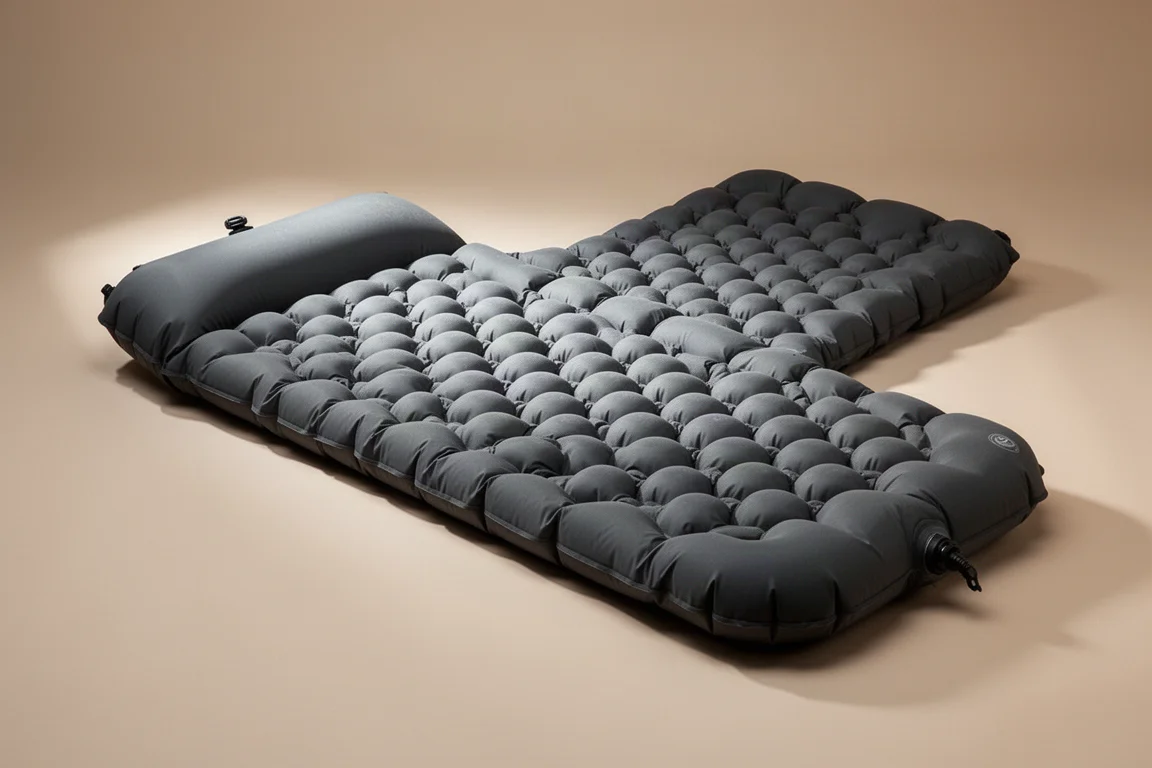
The Sea to Summit Comfort Light Insulated uses an air-sprung pocket construction rather than straight baffles. Instead of long chambers, the surface is made up of individual cells designed to relieve pressure points, and they do a good job of cradling hips, elbows, and shoulders. For many sleepers this pocket layout is more comfortable than either vertical or horizontal baffles, even though the pad is a mummy shape and only 20 inches wide.
Insulation comes from a reflective foam layer, and the pad deflates quickly through its valve. Inflation takes roughly four bags of air with an inflator bag, which is manageable but still more work than a small pad. Like the other thin designs here, it will bottom out if you kneel or sit on it; the comfort appears when you lie down and spread your weight.
One feature that straight-baffle pads cannot match: this style of pad can be folded over to make a seat that lifts you off the ground. Folding a horizontal-baffle pad that way risks damaging it, so for backpackers who like to sit comfortably around camp, this is a genuine bonus.
ZenBivy Ultralight Flex: Wide, Stretchy, and Quiet
The ZenBivy Ultralight Flex is part of a bed system and comes with an inflator bag that doubles as its storage sack. It is 25 inches wide and full width rather than mummy shaped, so your arms stay on the pad and you can spread out on your back. It is also noticeably quieter than older pads and uses a soft stretchy fabric that feels far more forgiving than the plastic surfaces of a decade ago.
Two things to plan for. First, filling it takes around six bags of air, so losing or forgetting the inflator bag would be a serious problem, because blowing it up by lung power alone is not realistic. Second, it needs to be pumped fairly firm. With too little air the hips can bottom out, though a little softness does feel good.
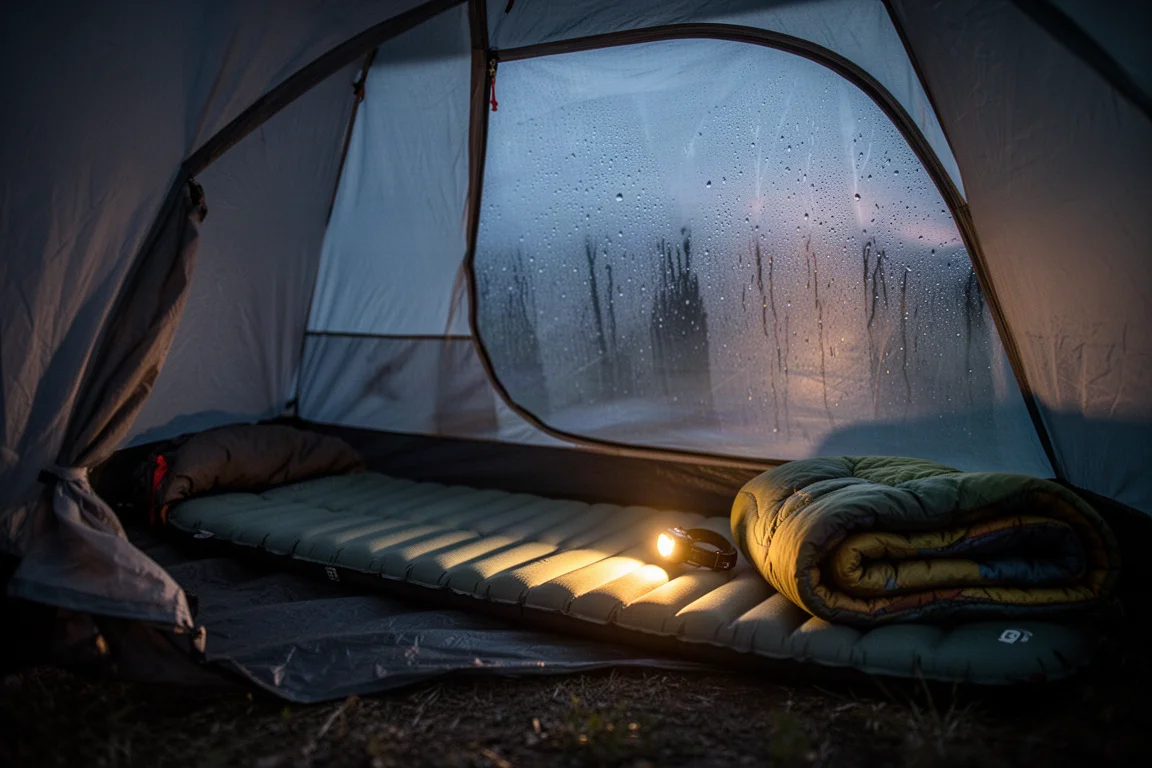
The payoff is comfort. This is one of the most comfortable backpacking pads in this group, but it claims a lot of floor space in a small one-person tent, running nearly edge to edge and close to the end wall.
Therm-a-Rest NeoLoft: The Comfort Ceiling, With a Catch
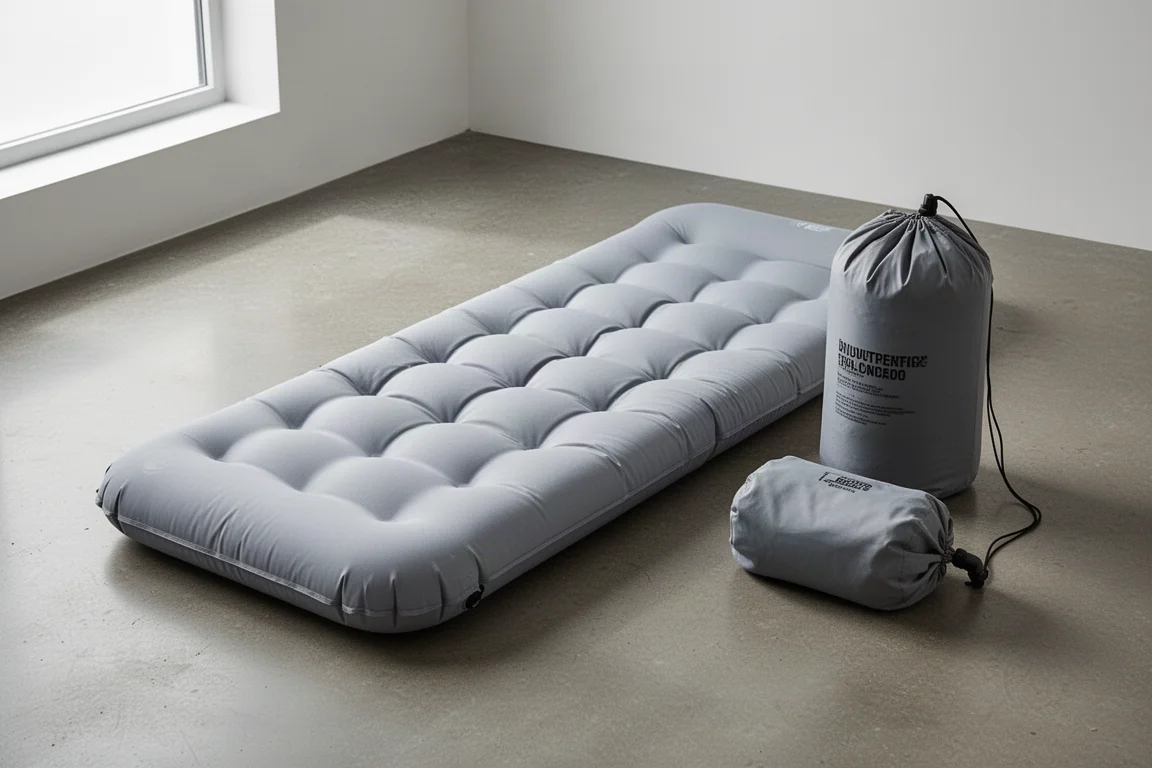
The Therm-a-Rest NeoLoft is the most comfortable backpacking pad in this comparison. It uses horizontal baffles, but with a stretchy fabric the whole surface gives under you, so it feels much closer to a mattress at home than to a traditional air pad. Hips never reach the floor, and the pad is quiet. It has two valves, one for inflation and one for rapid deflation, and a large inflator bag that moves a lot of air in a single bagful, though a full inflation still takes around six bags.
It is also noticeably thicker than the ZenBivy, almost like a car-camping air bed, while keeping the weight and insulation expected of backpacking gear. It carries a certified R-value, and for three-season use in temperate conditions that is plenty. In Arctic conditions or the coldest winter weather it may not be warm enough on its own, and a higher R-value pad or a closed-cell foam pad underneath would be the safer setup.
The catch is floor space. In a small one-person tent the NeoLoft pushes the inner tent toward the outer, brings your head and sleeping bag very close to the wall, and leaves little room to move. In a two or three person tent it is excellent, and it is not a realistic option for bivvy camping or the tightest solo shelters. It also feels slightly spongy, with a sense that you could roll off the end, and it needs to stay centred to feel stable.
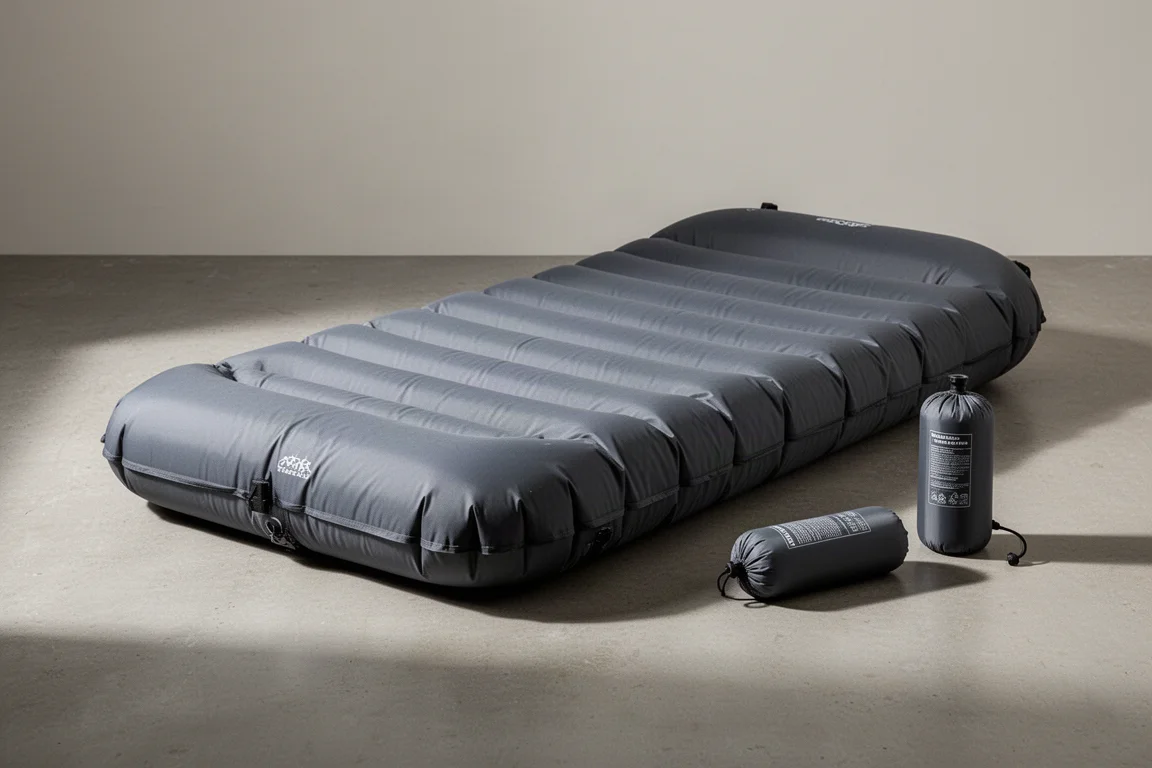
Buying Advice: Matching a Pad to Your Shelter
The right pad depends on your shelter as much as your sleeping style. If you use a compact one-person tent or a bivvy, a narrow 20 inch pad around 50 mm thick keeps the interior usable, with headroom to sit up and space for gear at the foot. A mummy shape in a pocket or baffled construction will still deliver a comfortable night, as long as you accept the narrower footprint.
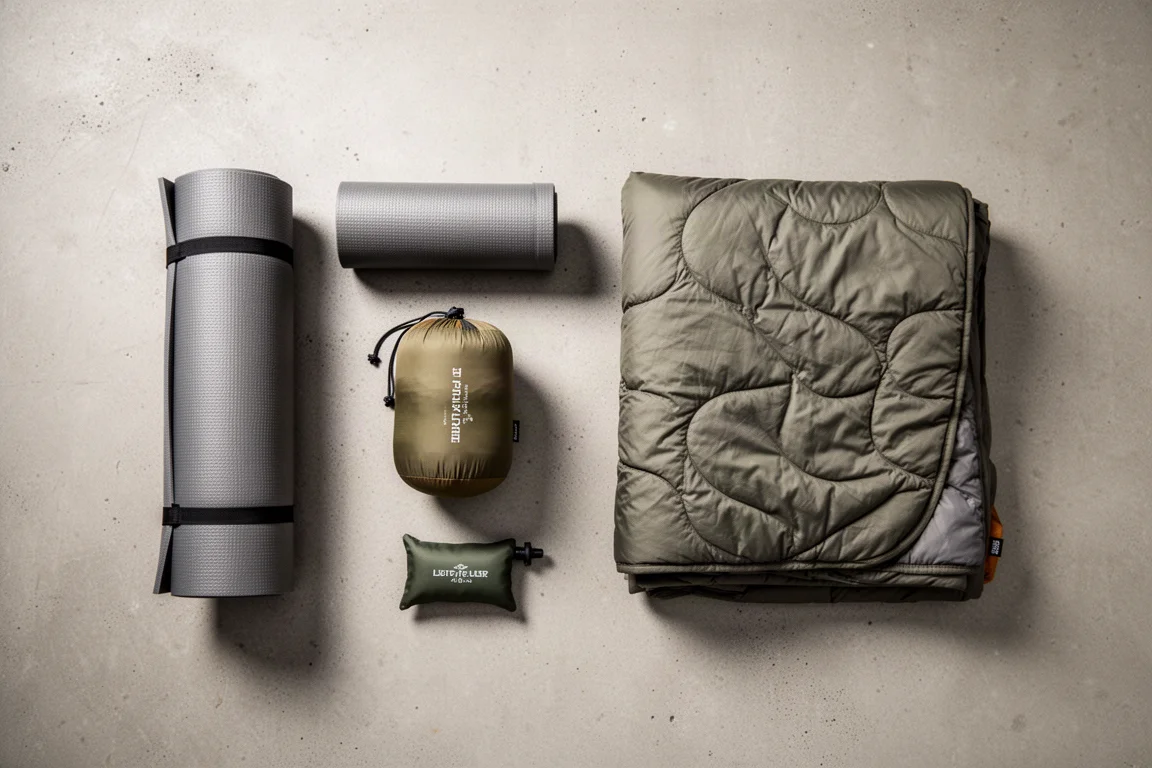
If you sleep in a two or three person tent, or you simply value comfort over minimal packed size, the wider stretchy pads are the better buy. They are quieter, feel warmer, and are far more forgiving on hips and shoulders. The cost is floor space and inflation effort: budget for an inflator bag, and decide whether you want to carry the extra weight of a small electric pump, which is convenient but noisy and needs charging on multi-day trips.
Two other points are worth weighing. Warranties differ between brands, and a manufacturer that replaces a faulty pad is worth paying a little more for. Cheaper pads from newer brands now use much of the same construction technology, so they are worth checking before committing to a premium price, provided you are comfortable with the level of after-sales support on offer.
Finally, think about the tent itself. Many lightweight solo shelters are cut to the minimum, and a wide, thick pad can overwhelm them. If you are tall, or you simply want room to move, a slightly larger one-person shelter will make more difference to your sleep than any single pad feature.
Conclusion
Sleeping pad design has solved the comfort problem. Modern pads are thick, quiet, and built from fabrics that feel like bedding rather than plastic, and the pocket and stretch constructions in particular have removed most of the pressure points that used to keep people awake.
The remaining question is fit. A compact 20 inch pad keeps a small tent liveable and packs away to almost nothing. A wide 25 inch stretch pad delivers the best night’s sleep but claims a large share of the floor. Match the pad to the shelter you actually use, and comfort stops being the thing that decides whether you sleep well outdoors.
Further reading
Related Reviews
Camping Sleeping Pads
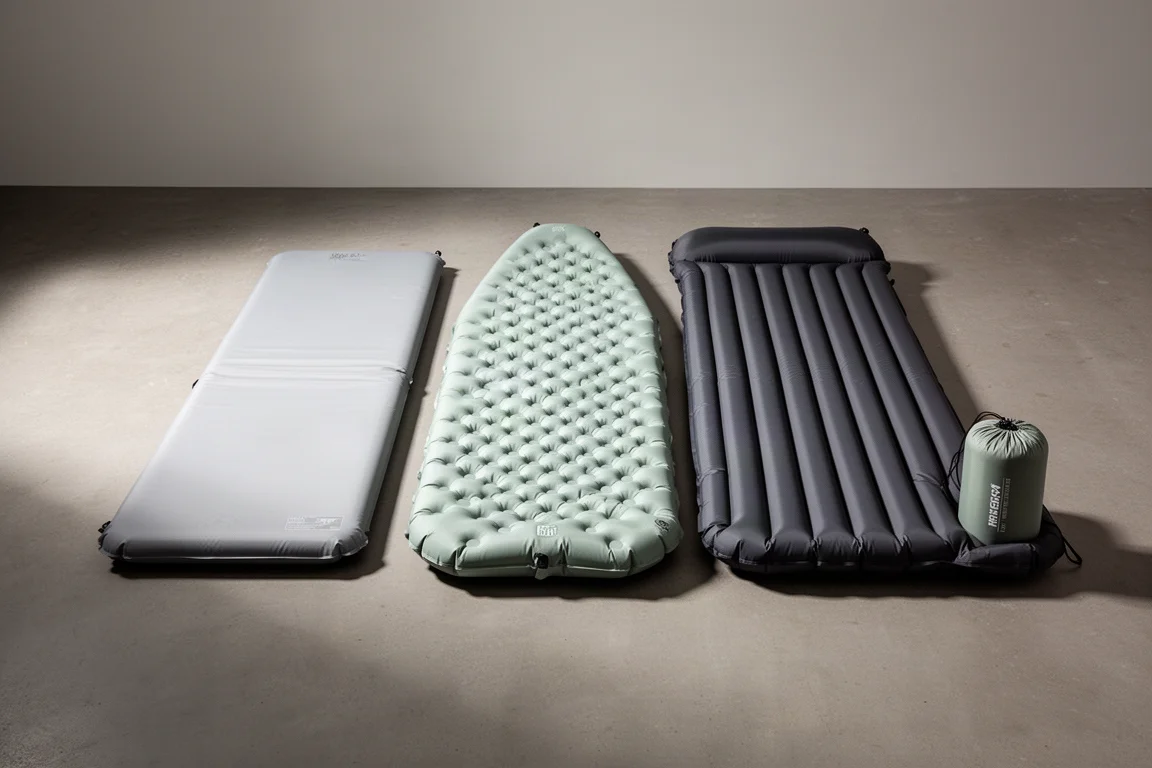
Best Sleeping Pads 2026: Comfort Awards and Top Picks
A comfort-focused roundup of ten sleeping pads, from budget dimpled designs to thick stretch-top models, with gold, silver, and bronze comfort awards.
Camping Sleeping Pads
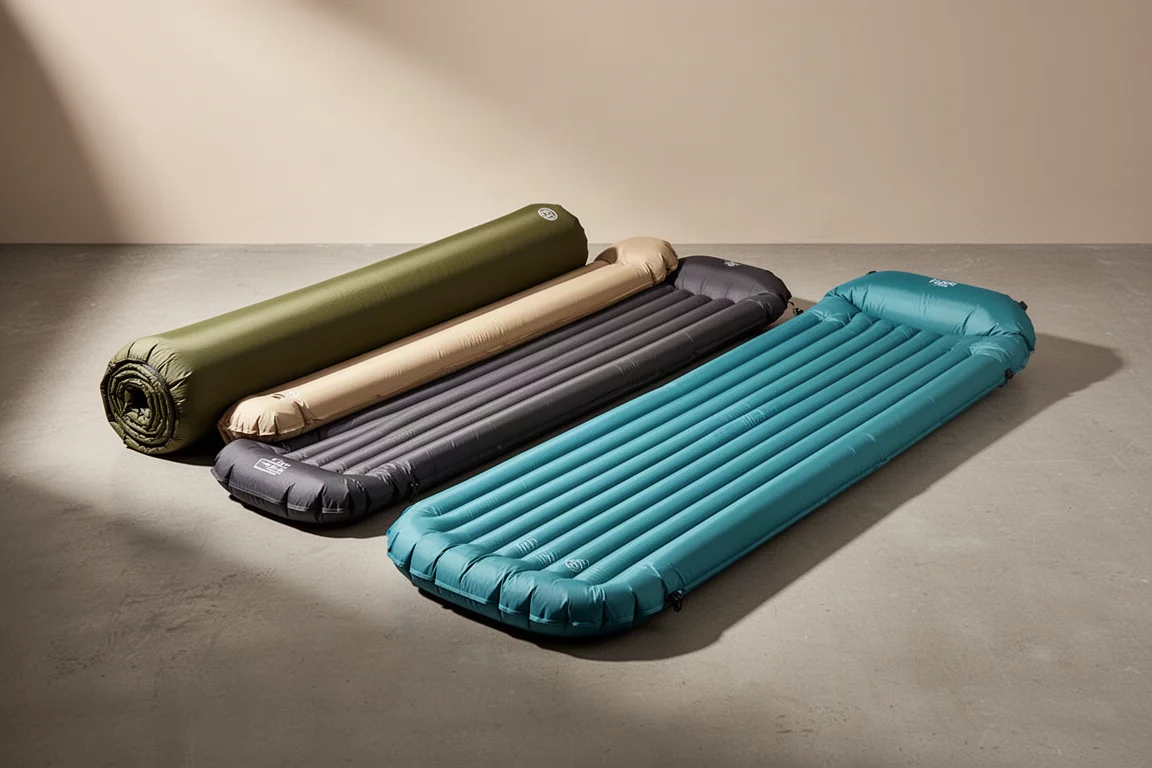
Best Ultralight Sleeping Pads 2026: Seven Lightweight Pads Compared
Seven sub-600 g sleeping pads compared on weight, comfort, warmth, and price, with clear picks for cold sleepers, comfort seekers, and budget buyers.
Camping Sleeping Pads
DOD Outdoors Soto Air Mattress Review: Comfort First, at a Price
A thick foam-and-air camping mattress with an 8.3 R-value and a clever inflation system, weighed against a premium price and a tight storage bag.