Backpacking Packs
Backpacking Pack Sizes Explained: Outdoor Vitals CS40 vs Gregory Paragon 50
A practical look at 40, 50 and 70 litre backpacking packs, with two specific options compared on volume, load capacity and fit.
Introduction
Choosing a backpack for backpacking is one of the few gear decisions that gets harder the more you learn about it. Volume charts, frame designs and load ratings all pull in slightly different directions, and a pack that works beautifully for one hiker can be the wrong tool for another.
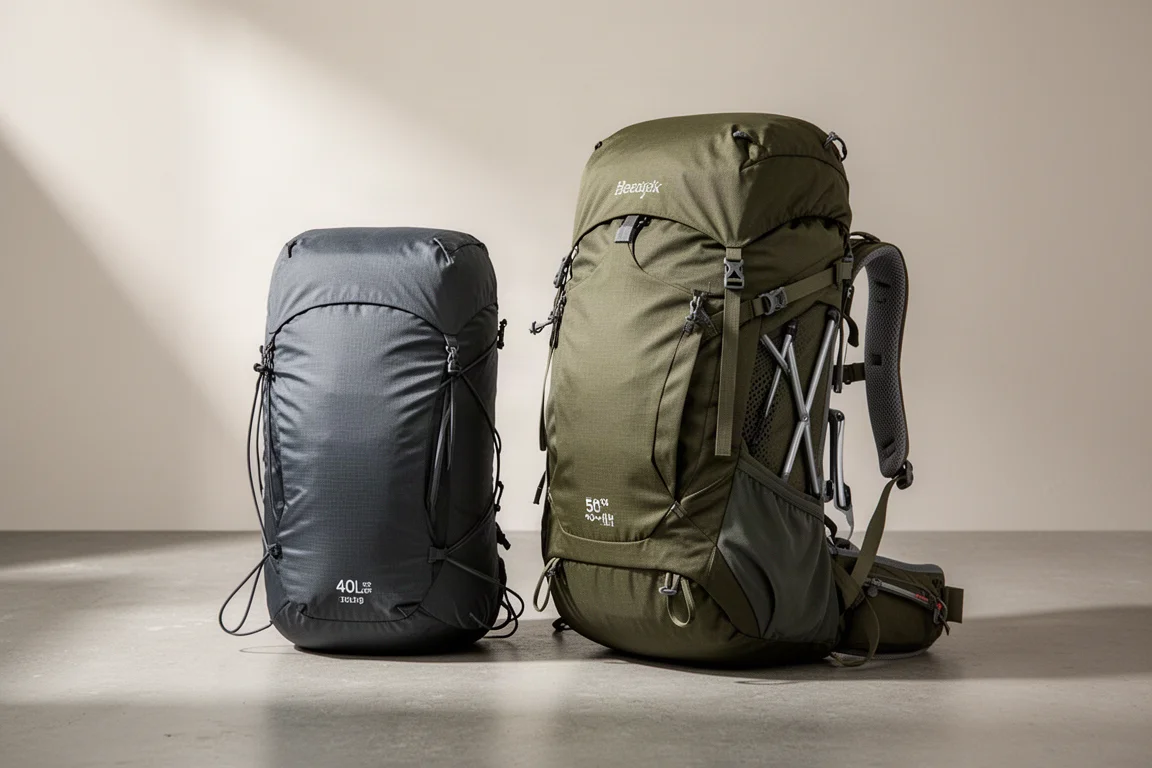
The two packs in this guide sit at opposite ends of that range. The Outdoor Vitals CS40 is a 40 litre ultralight design built around compact gear and modest loads. The Gregory Paragon 50 is a more traditional 50 litre pack with a sturdier frame and an adjustable fit. Both are genuinely useful, and both are wrong for certain trips, which is exactly why the comparison is worth making.
Before weighing them against each other, it helps to understand what actually decides pack size, because volume is only one of the variables that matter.
Why the Right Pack Size Starts With Your Trip Style
The first question is not how many litres you need. It is what kind of backpacking you are going to do. A weekend hiker heading out for a couple of nights has very different requirements from a section or thru-hiker covering hundreds or thousands of miles and who needs every item to be as efficient and simple as possible. Expedition style trips, and specialised trips that require specialised gear, sit somewhere else again.
That decision shapes everything downstream. If you are aiming for the lightest, most minimal kit you can assemble, you will buy gear that supports that goal. If you are taking a more traditional weekend approach, weight matters less and comfort matters more, and your gear choices will reflect that. The pack then has to carry the resulting weight comfortably.
Choosing the wrong style of pack is the most common way to end up disappointed. An ultralight, low volume pack that suits a long distance hiker extremely well can be a poor match for someone whose trips and gear look nothing like that. The pack is a tool, and it only works when it matches the job.
How Volume and Load Capacity Work Together
Volume is the most visible specification and the easiest to over-focus on. A 40 litre pack, a 50 litre pack and a 70 litre pack each make sense for different trips. A 40 litre pack is often simply not enough space for a winter trip, where bulkier insulation and layers take up far more room. A 70 litre pack exists for the opposite problem, carrying the extra bulk of pack rafting or cold weather gear. Somewhere in the middle, a 50 to 55 litre pack is a genuinely good all-round size that handles longer trips well.
As a general starting rule, a first backpack in the 50 to 65 litre range is a sensible place to begin.
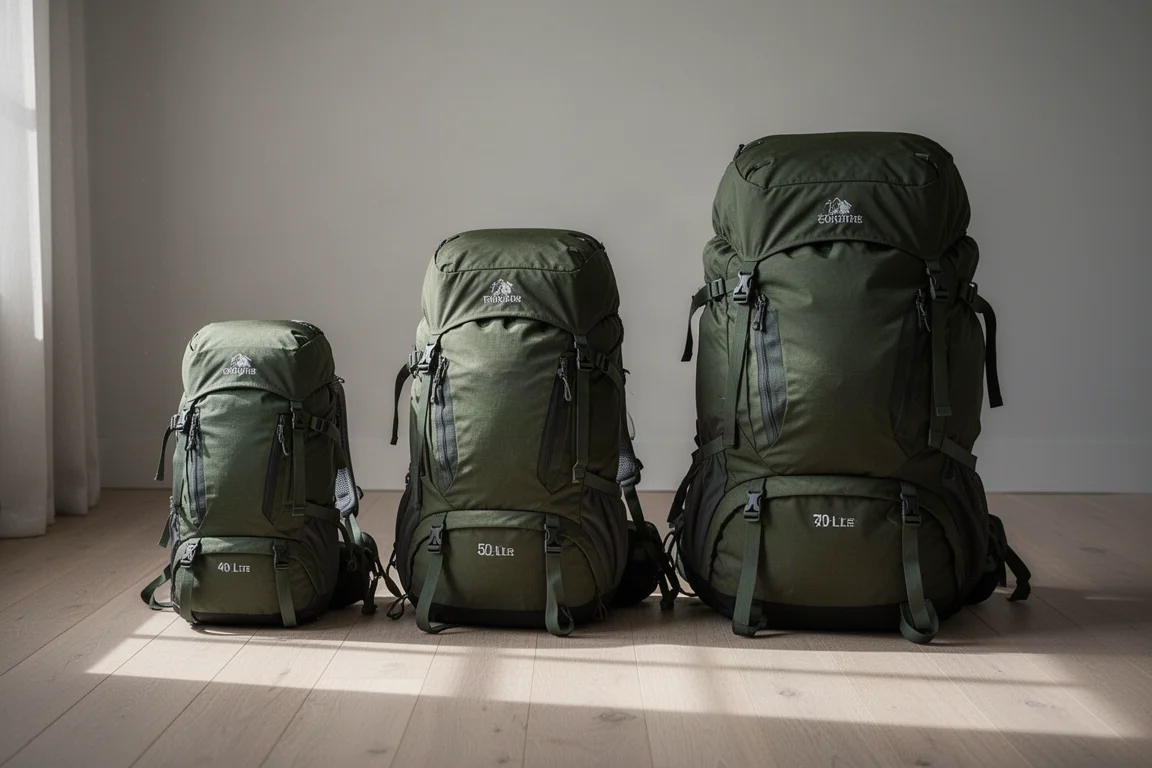
Capacity alone does not tell you what a pack can actually carry. Frame design decides how a given volume feels on your back. A 40 litre pack can have a frame and still not be comfortable above roughly 30 pounds, because that frame is built for light loads rather than heavy ones. A 50 litre pack with a more robust frame can carry 35 to 40 pounds. Larger packs with heavier duty frame systems go further still.
Your own size plays a part too. Two hikers can pack the same list and end up with very different volumes. A smaller person may find that a 40 litre pack holds everything they need, while a larger person may genuinely require 60 or even 70 litres for the same trip, simply because their clothing and sleeping gear take up more space.
Best Ultralight Pick: Outdoor Vitals CS40
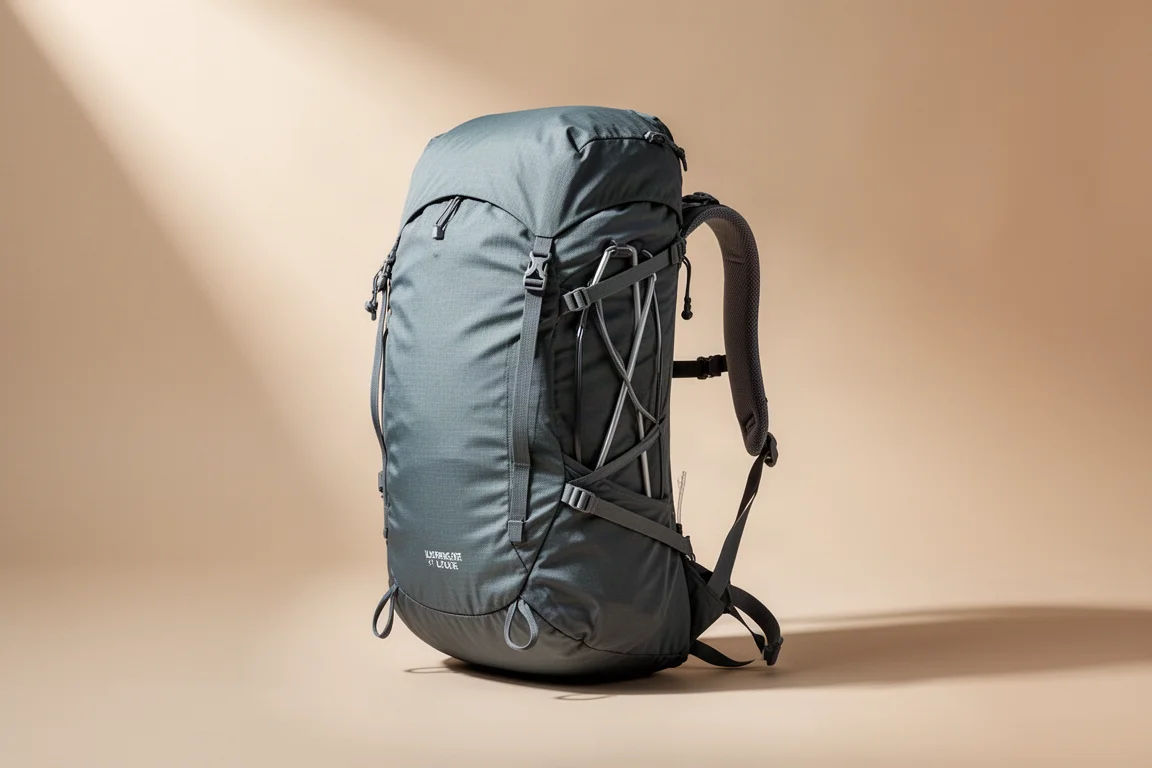
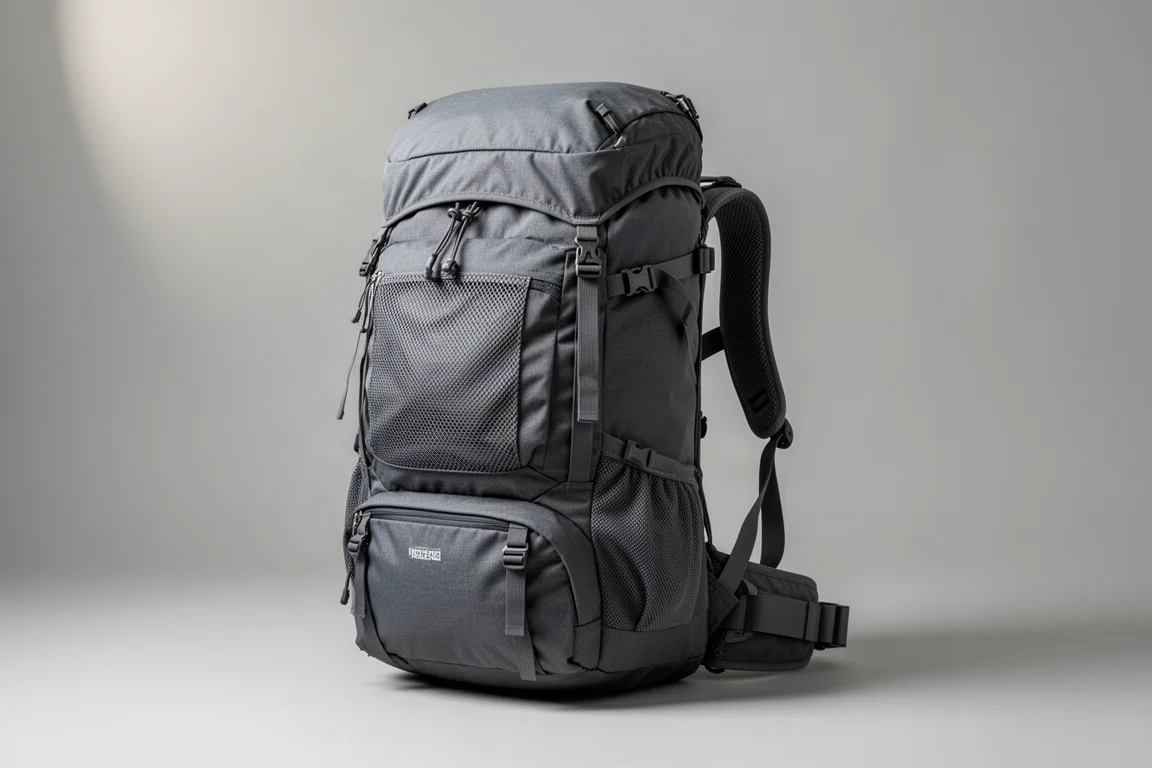
The Outdoor Vitals CS40 is a 40 litre pack with an ultralight design. It does have a frame, but it is not built to haul heavy loads: it is comfortable with roughly 30 pounds or less.
That makes it a strong match for short trips with compact, carefully chosen gear, and for hikers who are deliberately building a minimal kit. The trade-off is straightforward. The same low volume that keeps the pack light is what makes it a poor fit for winter trips or for anyone carrying bulkier equipment. If your gear list is still growing, or your trips involve cold weather and extra layers, the volume will run out before the frame does.
Best All-Round Pick: Gregory Paragon 50
The Gregory Paragon 50 is a traditional style backpacking pack, the kind of design most hikers picture when they think of a hiking pack. At 50 litres it sits in the range that handles longer trips comfortably, and its more robust frame carries 35 to 40 pounds.
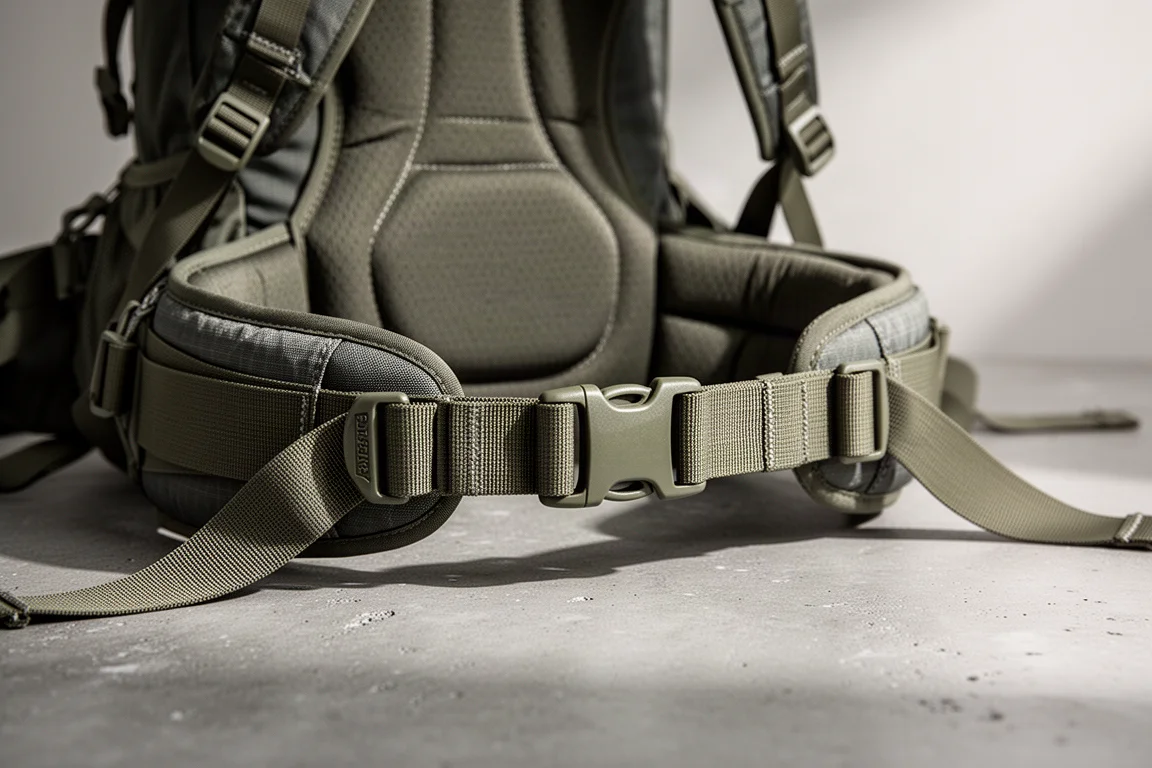
Fit is the other half of the story here. The Paragon 50 offers an adjustable torso length along with hip belt adjustment, so the pack can be fine-tuned to your body rather than simply accepted as it comes. For a first pack, that adjustability is worth a great deal, because a well fitted pack carries weight far better than one that sits slightly wrong.
Fit and Adjustability: Why It Matters as Much as Volume
Adjustability is the feature that separates two packs of similar volume. Some designs let you change the torso length and fine-tune the hip belt so the load sits where it should. Others come with a fixed fit, where the shoulder strap length and hip belt are set, and the pack either suits your body or it does not.
As loads get heavier, this matters more. A pack that carries 40 pounds well is usually one that has been adjusted to the individual wearer, with the hip belt taking the bulk of the weight. Fixed fit designs can work perfectly well, but they depend on your proportions matching the pack rather than the other way around.
Buying Advice: Matching the Pack to Your Trip
There is a long-running debate about whether to buy your backpack first or last. Buying it last has a clear advantage: once your other main gear is in place, you know both the weight and the bulk you are asking the pack to carry.
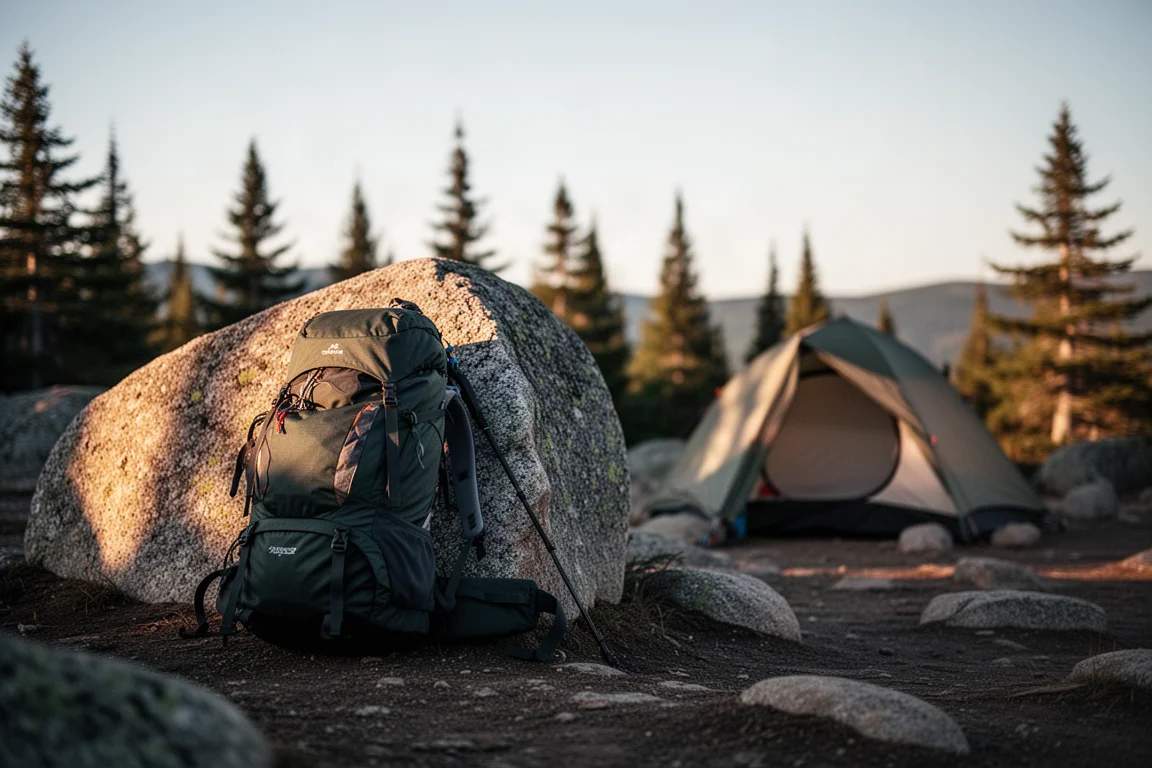
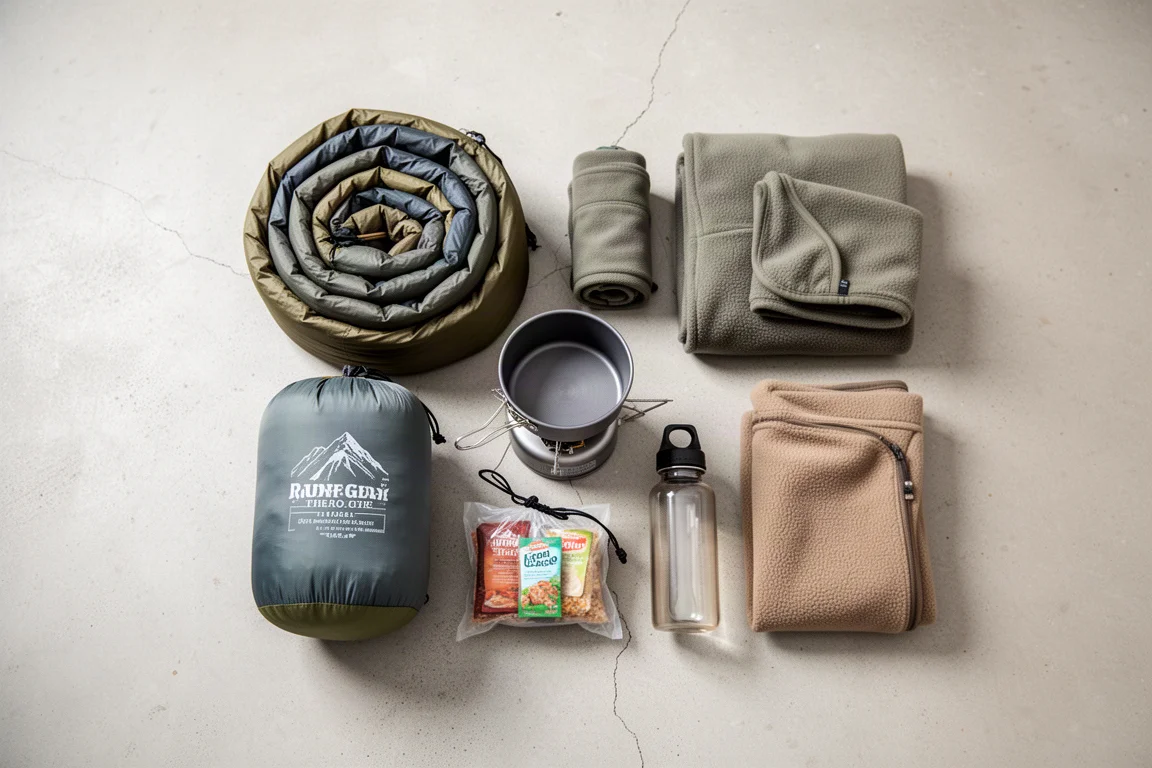
Laying everything out in front of you, the tent, sleeping gear, clothing and cook gear, makes that concrete. You can see the total weight and judge how much volume it occupies, then choose a pack whose frame and capacity match what you actually own rather than what you expect to own.
Neither approach replaces the earlier step of deciding what style of backpacking you are doing. Trip style shapes your gear, your gear shapes the volume and weight, and volume and weight shape the pack. Work through it in that order and the decision becomes far less overwhelming.
Conclusion
The Outdoor Vitals CS40 and the Gregory Paragon 50 are both good packs, and the right choice depends entirely on the trips you have planned. If you want a light, minimal 40 litre pack for short trips with compact gear, the CS40 fits that brief. If you want a traditional 50 litre pack that carries 35 to 40 pounds with an adjustable fit, the Paragon 50 is the more versatile starting point.
Decide on your style of backpacking, buy the rest of your gear to match it, and let the pack follow. That sequence is what keeps a first backpack purchase from becoming a regret.
Further reading
Related Reviews
Backpacking Packs
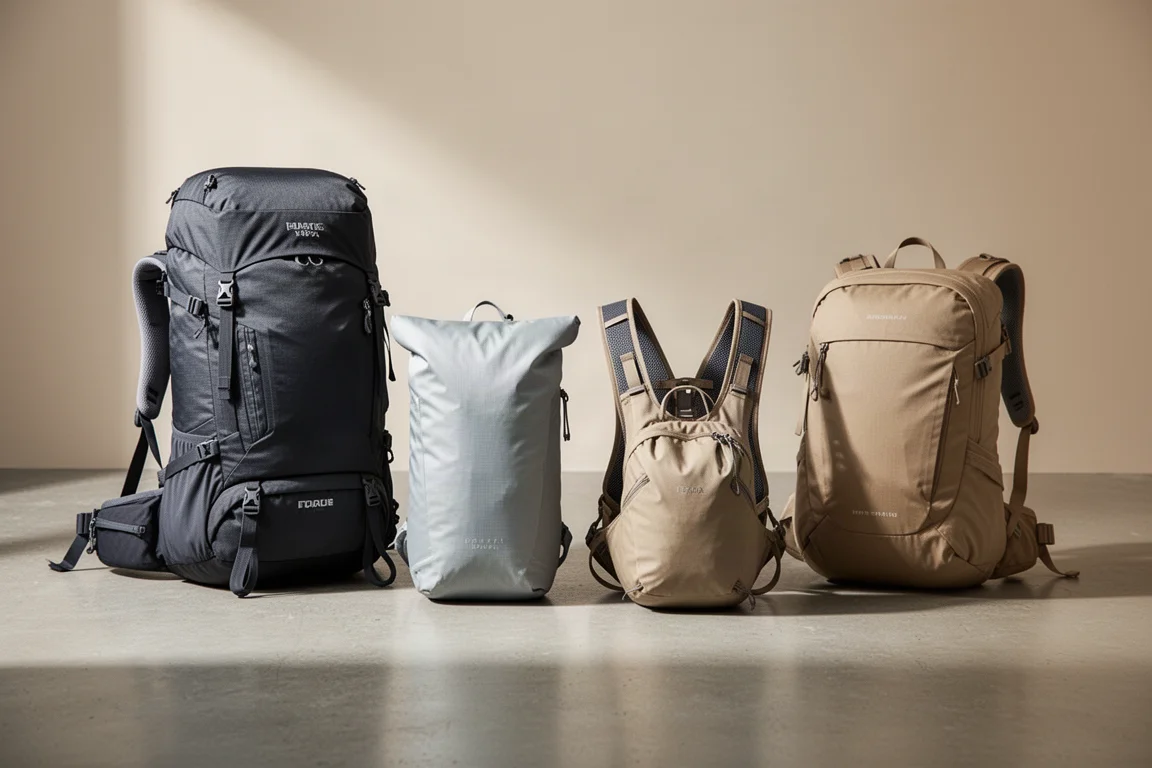
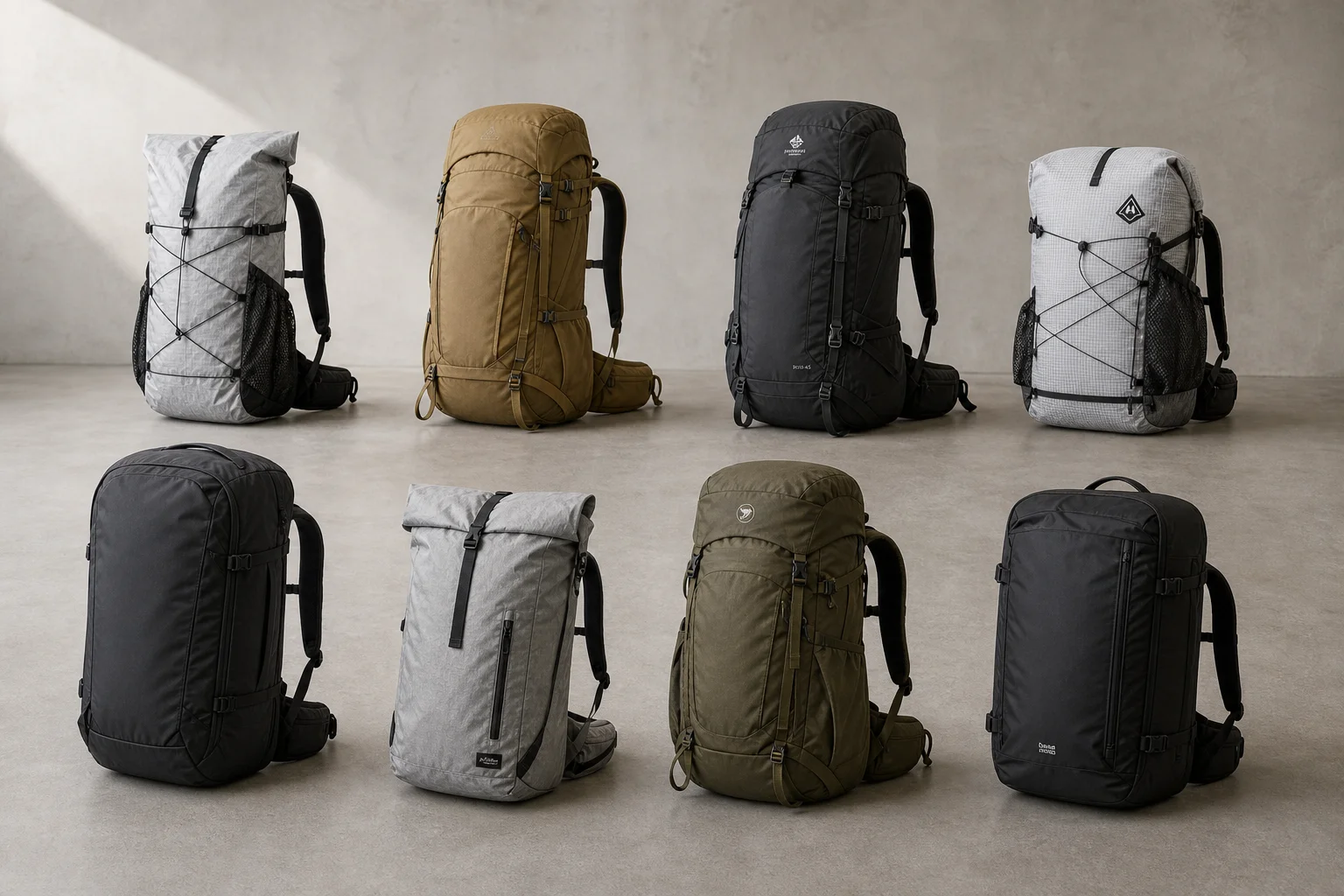
Backpacking Pack Types Compared: Traditional, Ultralight, Frameless, and Hybrid
Four pack categories, four representative packs, and a practical way to decide which kind of backpacking pack matches the weight of your gear.
Backpacking Packs
Best Backpacking Packs 2026: Six Picks for Every Style of Trip
Six backpacking packs that earned their place by weight class and purpose, with the real strengths and trade-offs to weigh before you buy.
Backpacking Packs
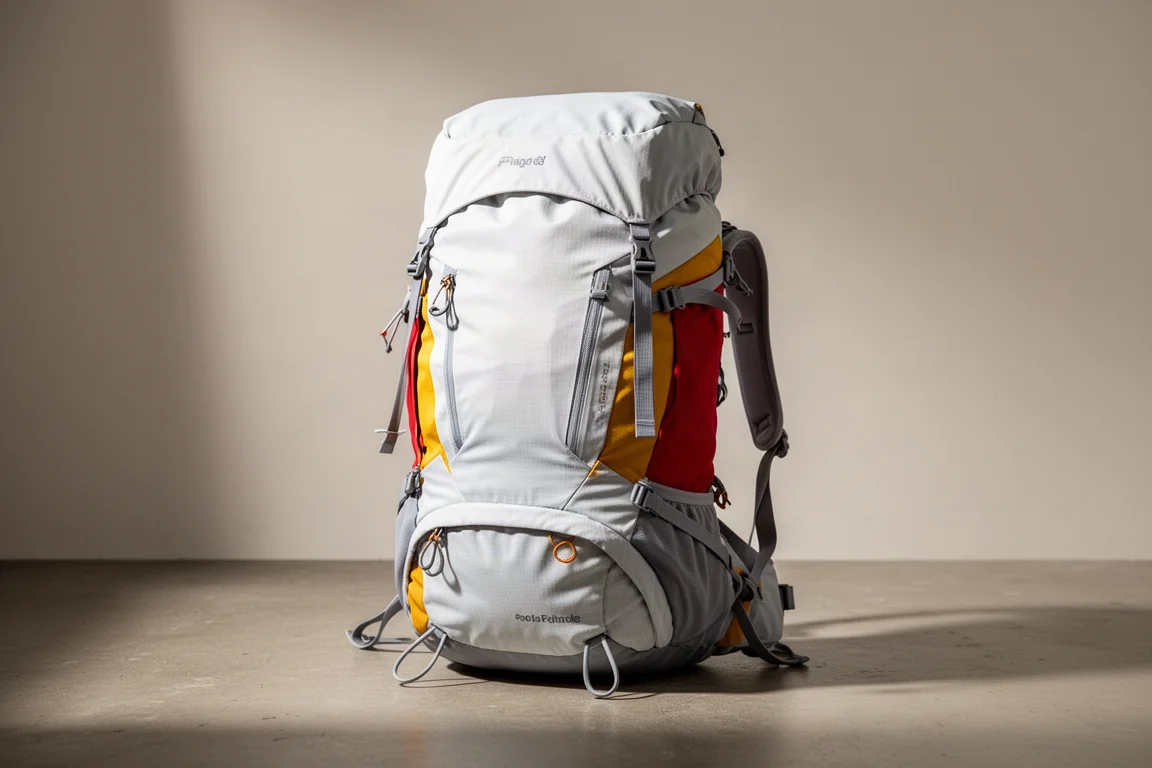
Big Agnes Prospector 50 Review: A Hybrid Pack That Sits Between Two Worlds
A 50-liter backpacking pack that mixes ultralight features with traditional padding and panel access. Here is who it suits and where it falls short.