Backpacking Hygiene
Backcountry Hygiene Done Right: Two Toilet Kit Essentials for Long Hikes
A practical look at two small but important pieces of a backcountry toilet kit: a long serrated trowel built for stubborn ground and a dedicated bag that keeps everything together.
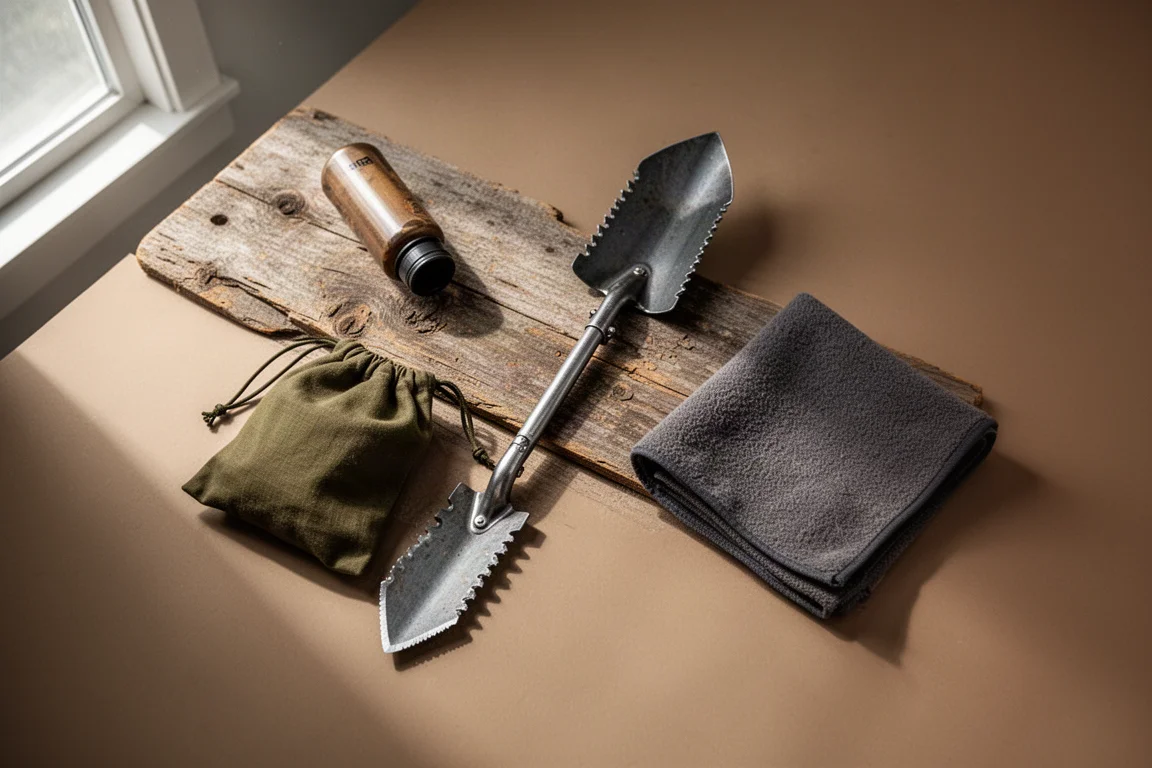
Introduction
Backcountry hygiene is one of those things that is easy to postpone until it becomes a problem. On a long-distance hike, the consequences of skipping it are predictable: chafing from built-up grime, sunburn on exposed skin, dental trouble from days without brushing, and the daily discomfort of an unmanaged bathroom routine. None of these are dramatic on their own, but together they can turn a demanding route into a miserable one.
Most of the routine is straightforward. Cover up, carry sun protection, wash when you can, and brush your teeth. The part that gets the least attention is the toilet kit, even though it is the one system you will use every single day. This guide looks at two pieces of that kit in detail: a long-handled trowel built for stubborn ground, and a dedicated bag that keeps the whole setup contained and easy to find.
What Matters in a Backcountry Poop Kit
A functional backcountry toilet kit comes down to three things.
First, you need a trowel that can actually dig. The goal is a cat hole at least six inches deep, ideally closer to eight, and wide enough to accommodate everything you put into it. Shallow holes are not just unpleasant, they also fail to do the job properly. Second, you need to carry out everything that does not belong in the ground, which generally means paper and wipes go into a bag and stay in your pack. Third, the whole kit should live in one place so you can grab it, use it, and put it away without unpacking your entire bag.
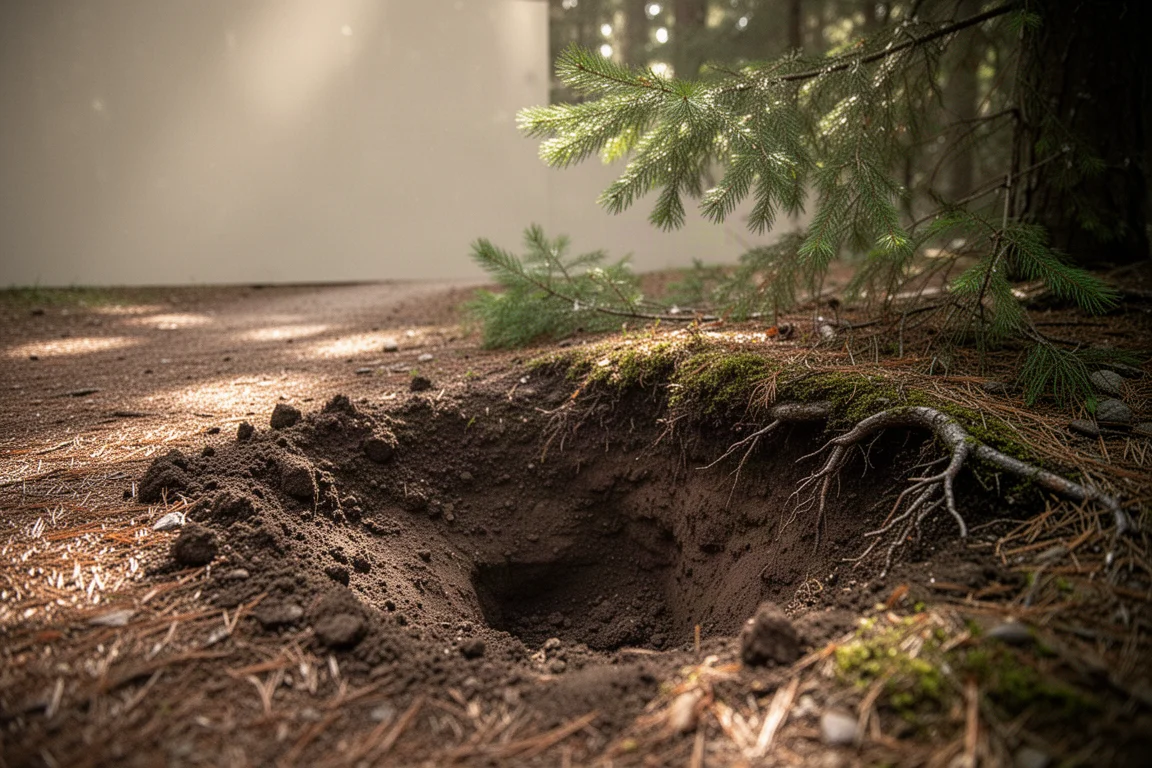
A kit that is slow to set up is a kit that gets skipped, and a skipped routine is where most of the common trail problems begin.
Vargo Dig Dig Trowel: Serrated Edges for Rooty Ground
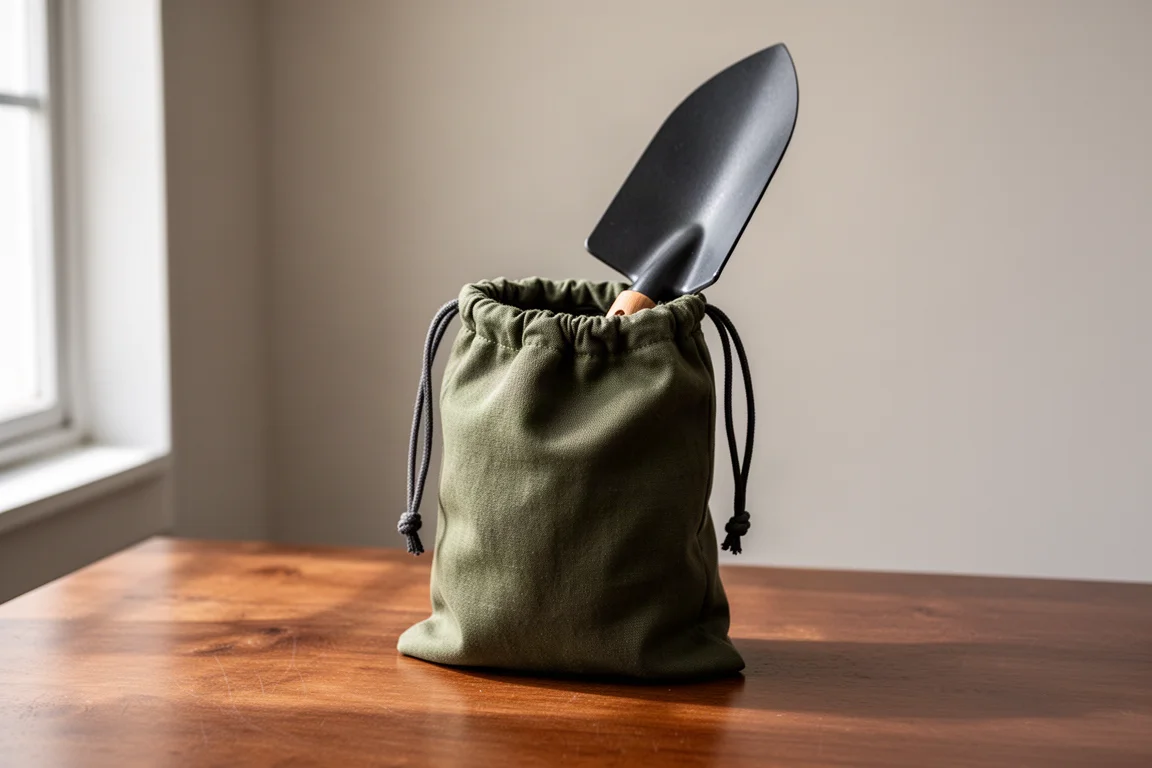
The Vargo Dig Dig Trowel addresses the most common reason cat holes end up too shallow: ground that fights back. It is a long-handled trowel with serrated edges, and those edges are the point. In terrain full of roots, a smooth blade tends to slide off or bend, while a serrated edge can bite in and cut through, so you end up with a genuinely deep hole rather than a scrape in the dirt.
The length is worth noting. It is a long trowel, which is exactly what you want when you are reaching down into a hole that is getting deeper by the minute. The trade-off is pack space, though it still fits neatly inside a dedicated kit bag, so it does not need to float loose among the rest of your gear.
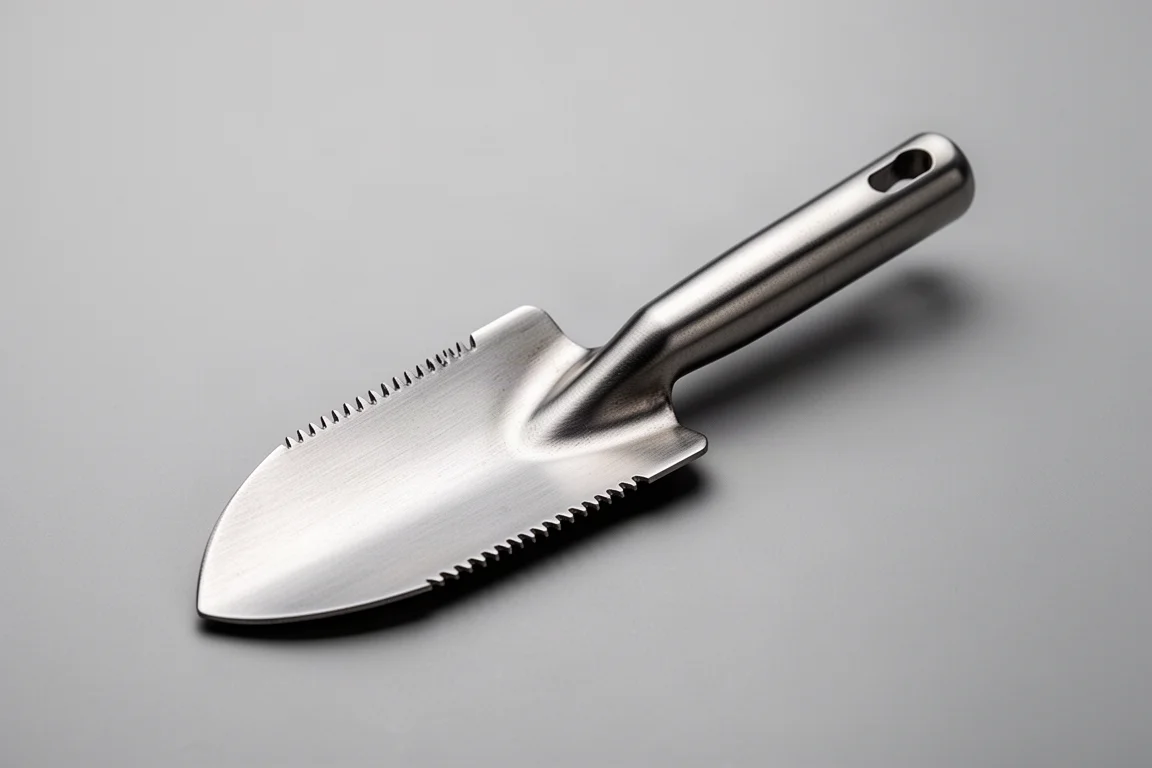
For anyone who hikes in forested or root-heavy terrain, this is the difference between a routine chore and a frustrating one.
Space Bear Bags Poop Kit Bag: A Home for the Whole Kit
A trowel is only useful if you can find it when you need it, and that is where the Space Bear Bags Poop Kit Bag earns its place. It is a dedicated stuff bag for the toilet kit, sized so that a full-length trowel drops straight in without a fight.
Keeping the kit together has a practical benefit beyond tidiness. When the trowel, paper, wipes, and hand hygiene items all live in the same bag, you can pull one item out of your pack and have everything you need. Nothing gets left behind at camp, and nothing gets mixed in with your food or your sleeping layers.
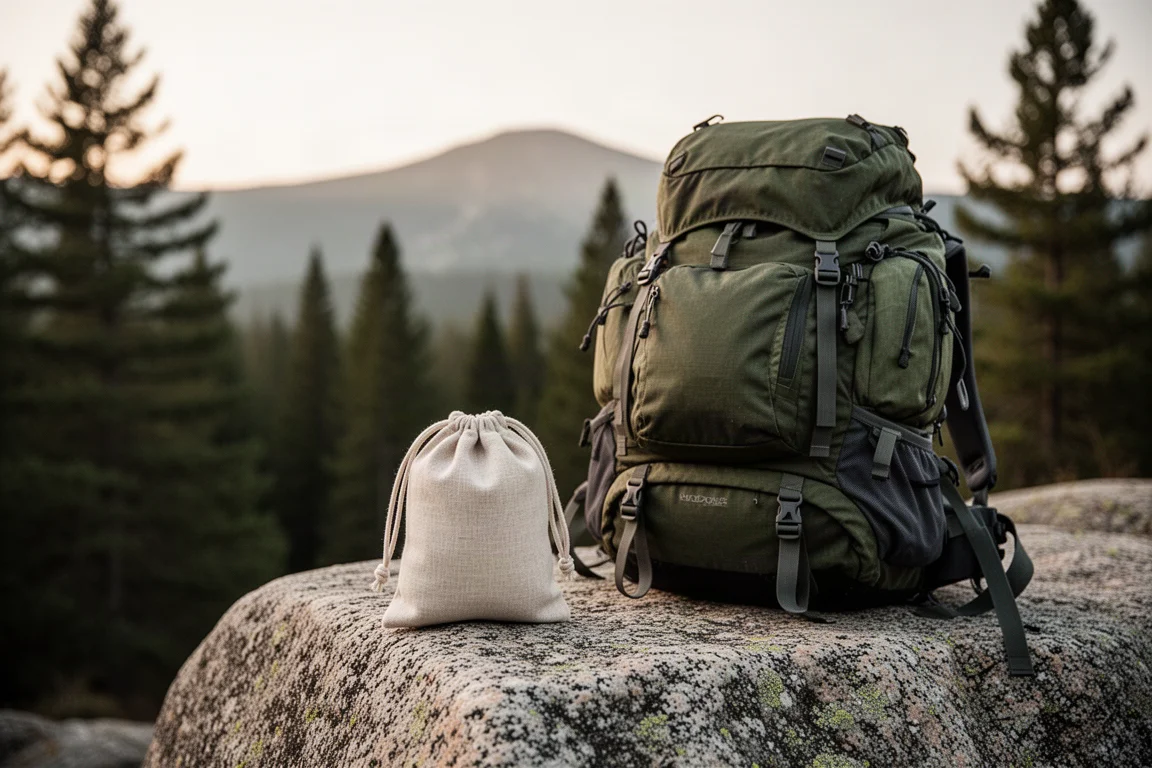
It is also easy to spot, which matters more than it sounds when you are rummaging through a packed bag in low light.
Why Cat Hole Depth Matters
Six inches is the minimum, and eight is better. A hole that meets that standard takes a few extra seconds of digging and keeps the site in better condition for everyone who comes after you. Depth also makes the process itself easier, since a deeper, wider hole is more forgiving to use.
The mistake most people make is stopping when the ground gets hard. That is precisely the moment a trowel with a proper cutting edge proves its worth, and it is why the tool you carry matters more than the technique you use.
Packing Out What You Bring In
Toilet paper and wipes do not disappear. Baby wipes in particular are usually not biodegradable, and even the ones that claim to be break down slowly enough that burying them is not a real solution. The reliable approach is to carry them out in the same kit bag you brought them in.
That means the bag needs to be something you are willing to put back in your pack after use, which is another argument for a dedicated container rather than a loose plastic bag. Plan the capacity of your kit around the longest stretch between resupply points, not the shortest.
Hand Hygiene After the Job
Hand hygiene is the part of the routine that is easiest to rush and most important to get right. Washing with soap and water is the first choice. Hand sanitizer is a useful backup, but it does not cover everything, and it is not a substitute for soap when there is any chance of fecal matter on your hands.
A small amount of soap and a little water go a long way. Wash, rinse well away from the water source, and only then handle food, water bottles, or anything else you will touch again.
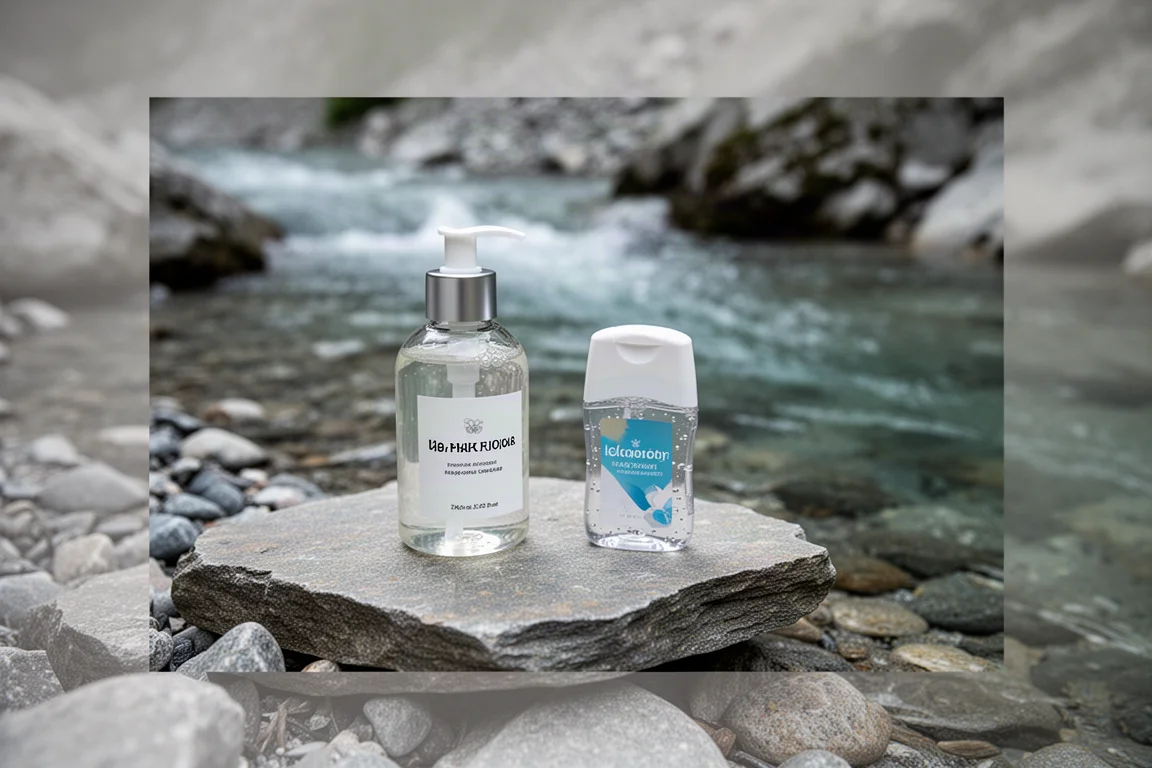
Keeping soap in the same kit as the trowel makes the sequence automatic: dig, use, clean up, pack out, wash hands, move on.
Matching the Kit to Your Trip Length
The kit itself does not change much between an overnight trip and a long thru-hike, but the quantities do. Carry enough paper and wipes for the full stretch between resupply, plus a margin for the days when the weather turns and everything takes longer.
Weight is the other variable. A trowel and a small stuff bag are not heavy items, and the space they take up is minimal compared with the inconvenience of improvising. For most backpackers, this is one of the easier places to carry the right gear rather than the lightest possible gear.
Buying Advice
If you are building a toilet kit from scratch, start with the trowel. It is the item that determines whether the rest of the routine works, and a serrated, long-handled design covers more ground types than a compact blade.
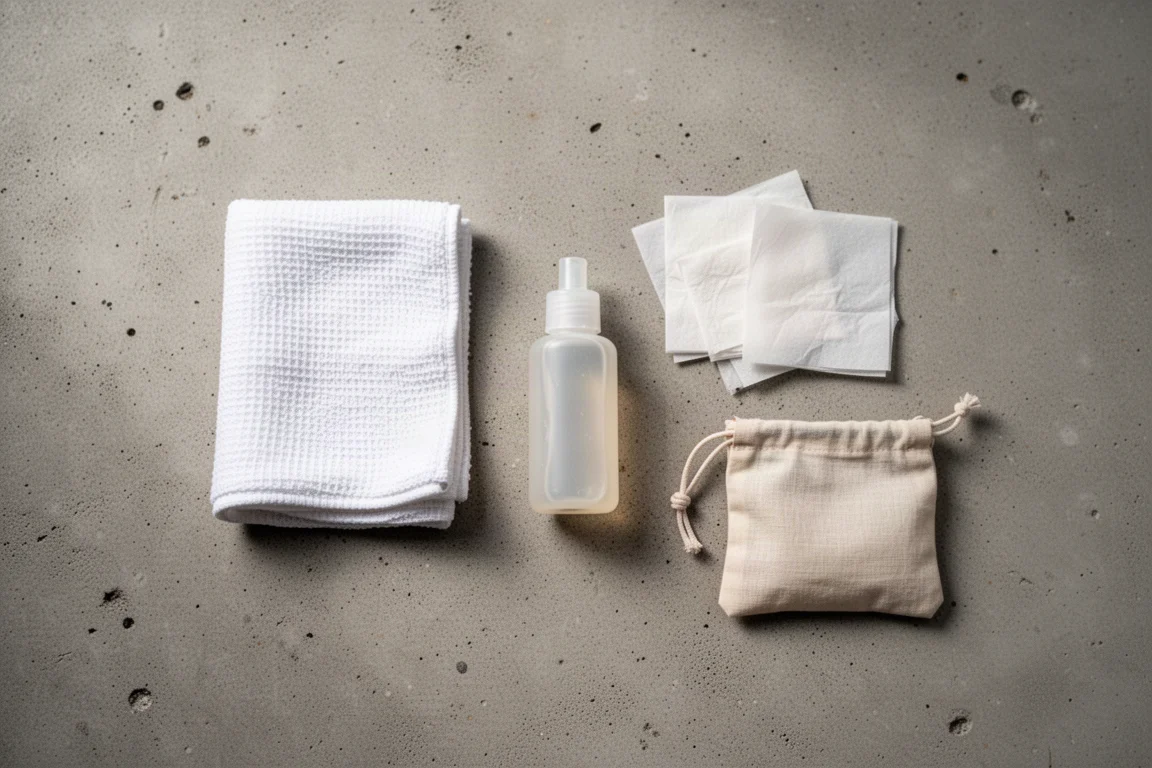
From there, add a dedicated bag so the kit stays together, then size your paper and wipes to the trip. Both items here are simple and durable, and they solve a daily problem rather than an occasional one.
If you already carry a trowel that struggles in rooty ground, upgrading that single item will change the whole experience more than any other adjustment to the kit.
Conclusion
Backcountry hygiene is not glamorous, but it is one of the few systems you use every day on a long hike. A trowel that can cut through roots and a bag that keeps everything in one place are small additions that make the routine faster, cleaner, and far more likely to be followed. Get those two pieces right, and the rest of the kit falls into place.
Further reading
Related Reviews
Backpacking Gear
Backpacking Gear Roundup: Seven Picks for Fastpacking and Three-Season Camps
Seven backpacking items for shoulder-season conditions, from an Ultra fabric fastpacking pack and armless sunglasses to a fast-boiling pot and stove combo and a premium down jacket.
Backpacking Gear
Backpacking Gear Staples: 13 Pieces Worth Building a Kit Around
A practical look at thirteen backpacking essentials that earn a permanent place in the pack, from a minimal cook kit to a sub-two-pound framed backpack.
Backpacking Gear
Backpacking Gear That Earns Its Place: 8 Go-To Essentials for 2026
A field-tested look at the backpacking gear that keeps delivering, from pillows and filters to tents and lighting, plus what to skip.