Stationery
Back to School Stationery Kit: The Pens, Pencils, Notebooks, and Bags Worth Packing
A practical back-to-school stationery kit covering mechanical pencils, gel and ballpoint pens, pen cases, binder notebooks, planners, and backpacks for students.
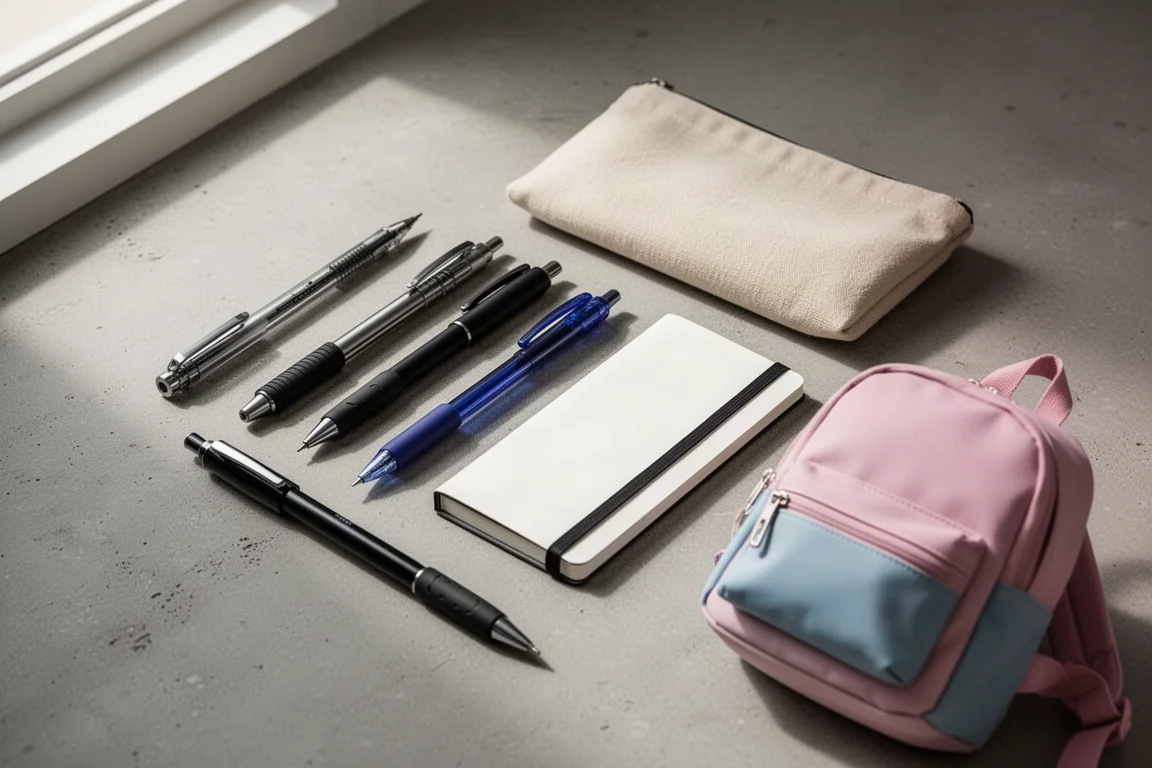
Introduction
Building a back-to-school stationery kit is mostly about matching tools to how you actually study. Heavy-handed writers need a pencil that protects its own lead, students who color-code need gel pens that can survive a highlighter, and anyone juggling four classes needs a notebook system that keeps handouts and notes under control. This guide pulls together a complete kit: pencils, pens, pen cases, notebooks, planners, and backpacks, with a few practical packing tips at the end.
Pencils and Erasers
A capped mechanical pencil is an underrated carry for school. The Pentel Sharp Kerry has been a favorite for years precisely because of that cap: remove it, post it on the back, and the pen-like body extends the lead with a satisfying click. It looks classy, feels balanced in hand, and protects the tip when it gets shoved into a bag between classes.
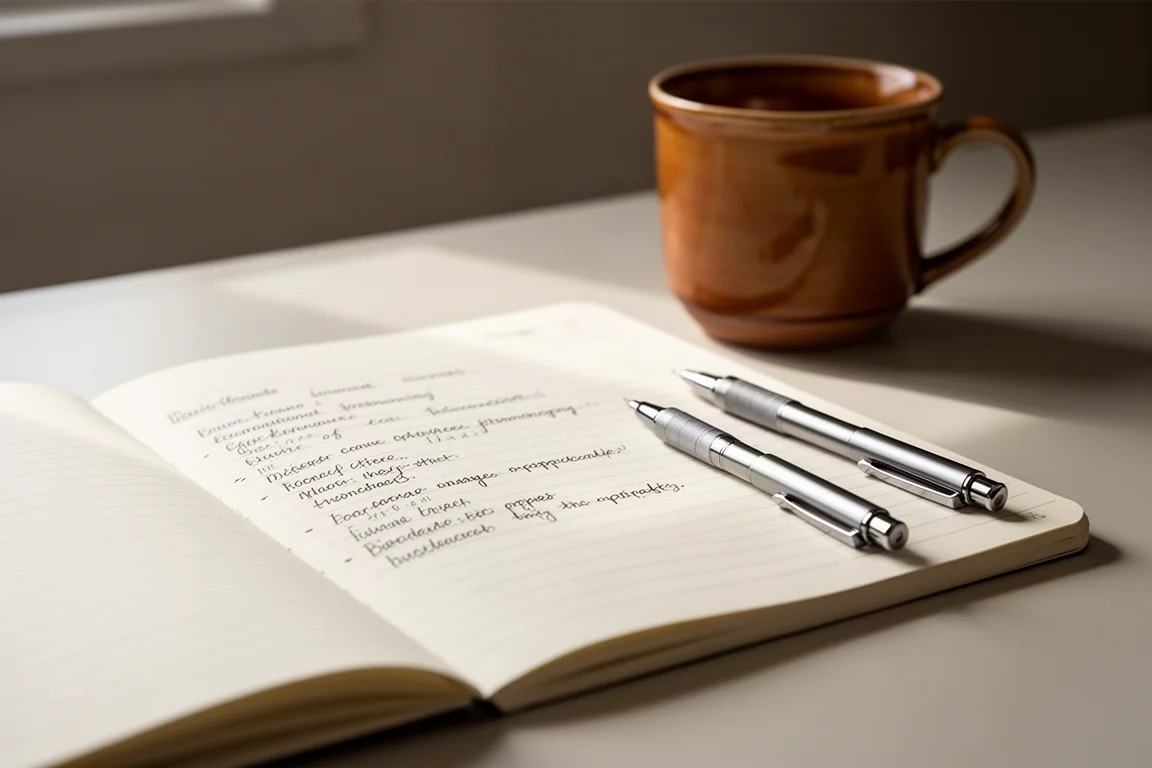
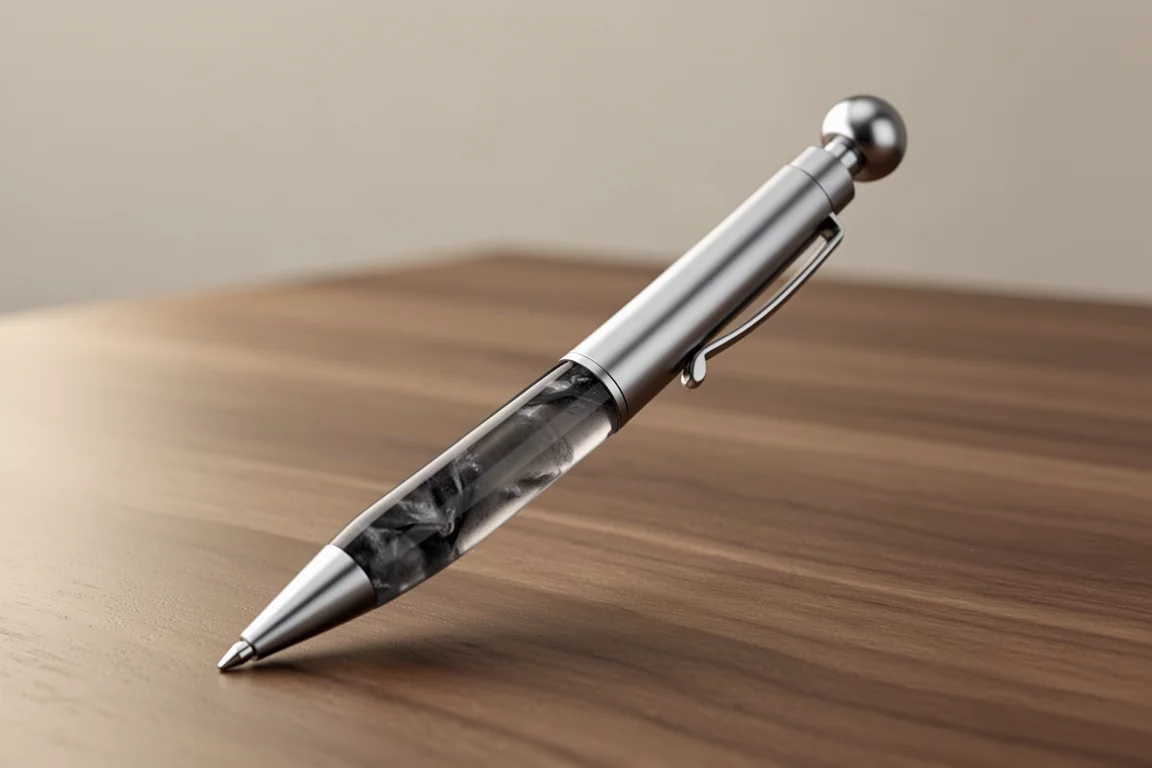
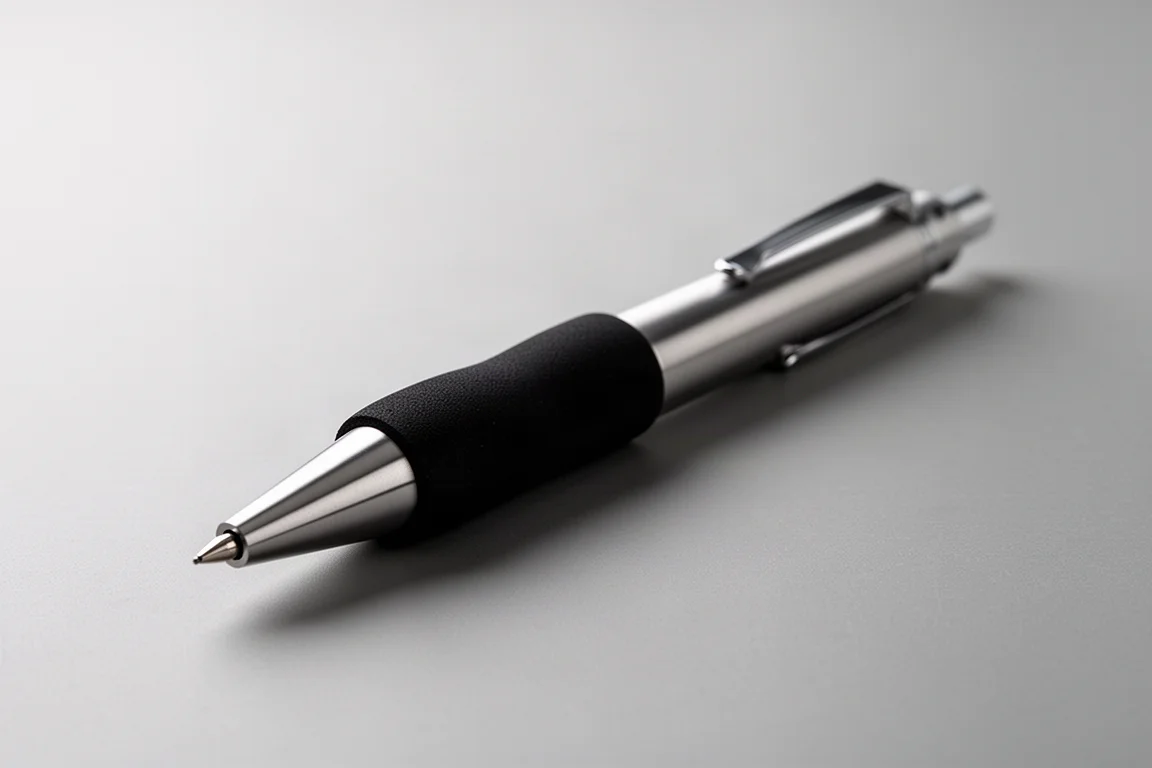
If you press hard when you write, lead breakage is the constant enemy. The Zebra DelGuard Type-GR is built for exactly that problem, with a spring mechanism that keeps the lead from snapping under heavy pressure. The Type-GR version adds a wide, ergonomic rubber grip, which makes long note-taking sessions noticeably more comfortable.
For erasing, a soft Japanese art eraser is a small upgrade that pays off every day, and it pairs naturally with either pencil above. If you sketch at all, it is also worth tossing a couple of permanent-ink fineliners such as Uni Pin or Sakura Pigma Micron pens into the same pencil case; they handle both note doodles and technical drawings.
Pens
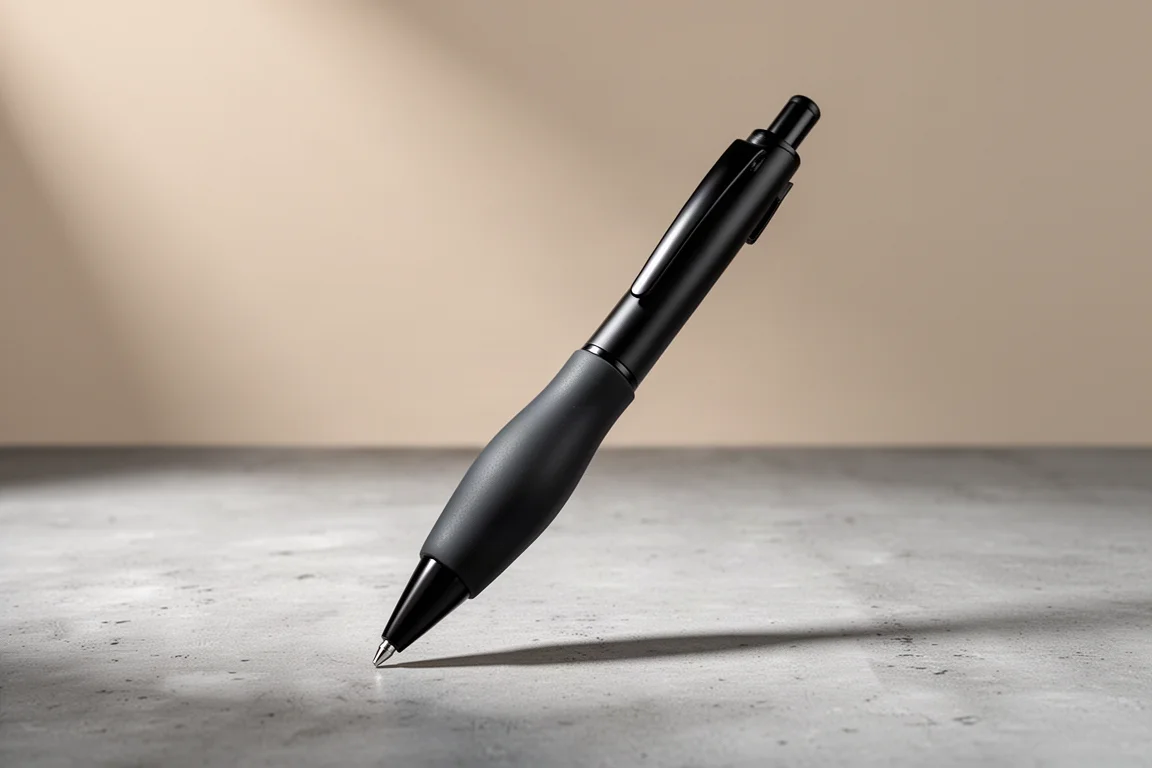
For an all-around note-taking pen, the Uni Jetstream Alpha Gel Grip Ballpoint Pen is the pick. The Jetstream ink is famously smooth for a ballpoint, so much so that people who claim to hate ballpoints tend to change their mind after one line. The Alpha Gel grip adds a cushioned, tactile surface that keeps your hand comfortable through hour-long lectures.
Gel Pens for Color-Coded Notes
If you prefer gel pens and like writing notes in color, the Uni-ball Signo UM-151 is hard to beat. The color range is enormous, and tip sizes span 0.28 mm, 0.38 mm, and 0.5 mm, so you can build a full color-coded system at whatever line width suits your handwriting. It is a capped pen, which keeps the tip fresh and makes it easy to clip onto a notebook cover.
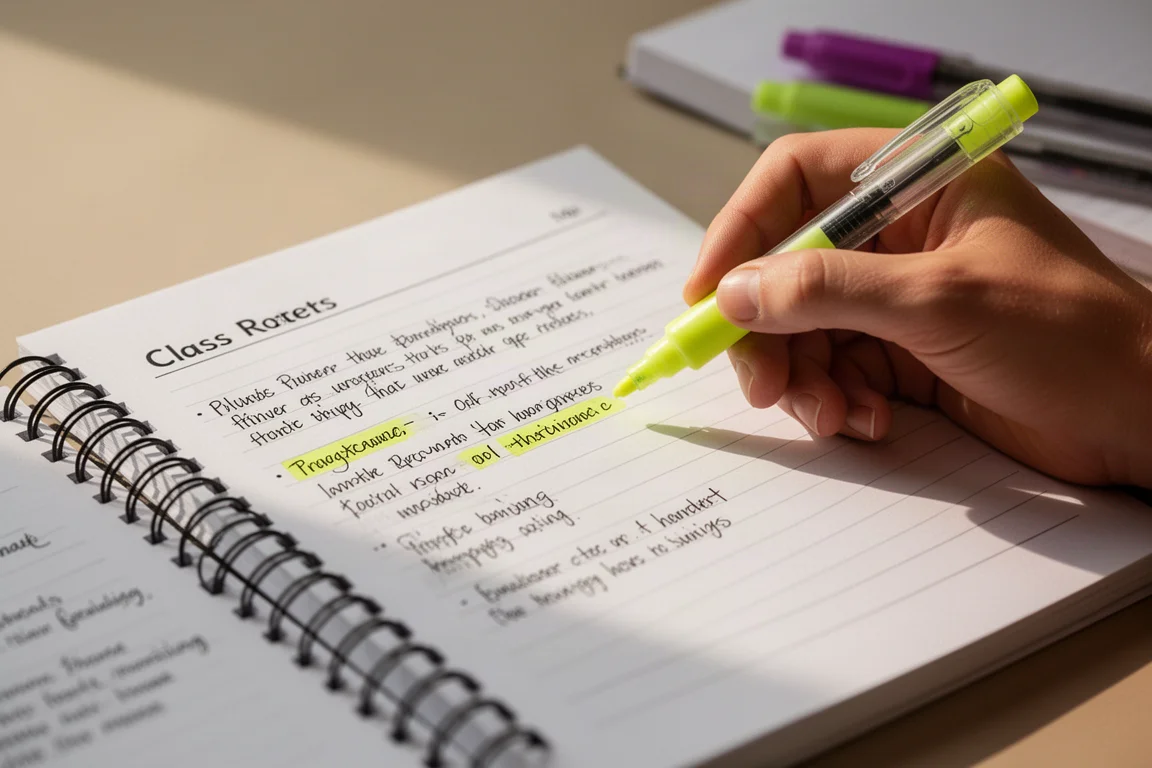
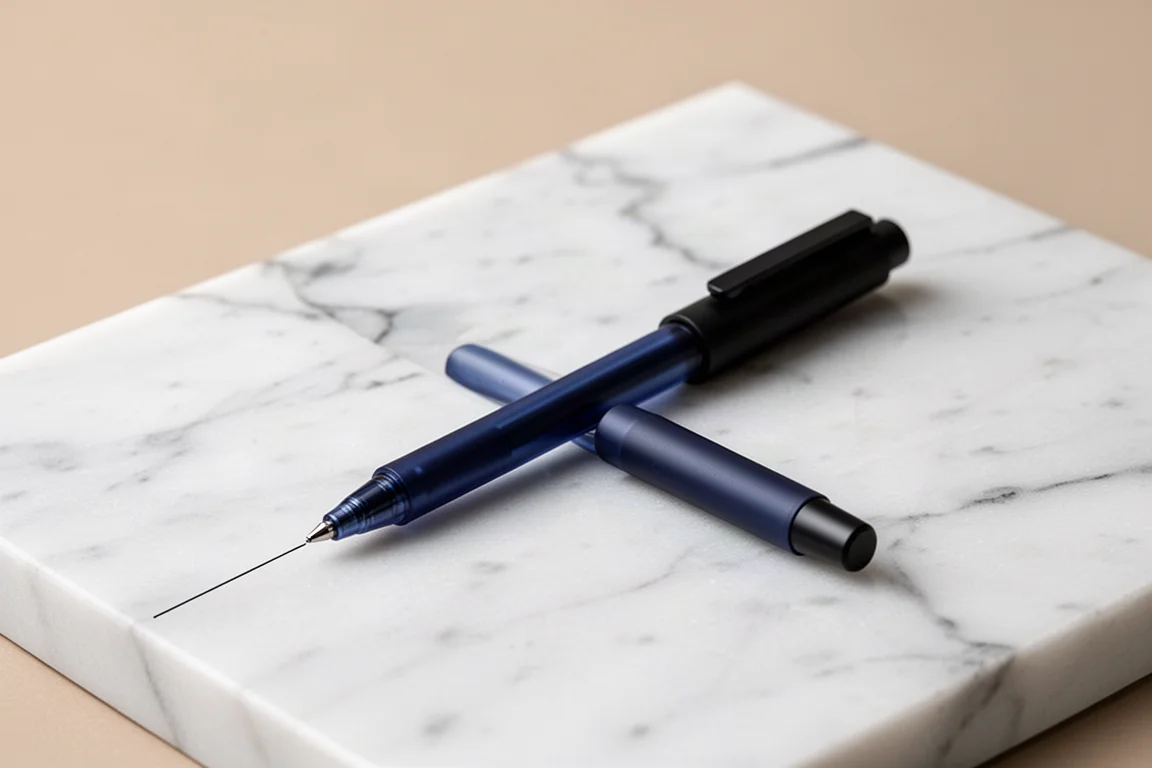
The Zebra Sarasa Mark On solves a different problem: highlighting. If you color-code with highlighters, a gel pen whose ink can be highlighted over without smudging is priceless. It is retractable, comfortable for long writing sessions, and it works as a genuine everyday pen rather than a specialty tool.
Pen Cases
A pen case needs to match your carry style. If you want room for 15 to 20 pens, the Lihit Lab Alclea is a roomy pouch-style case with a bonus: a back pocket that fits a phone, which is handy when you want a free hand walking between classes.
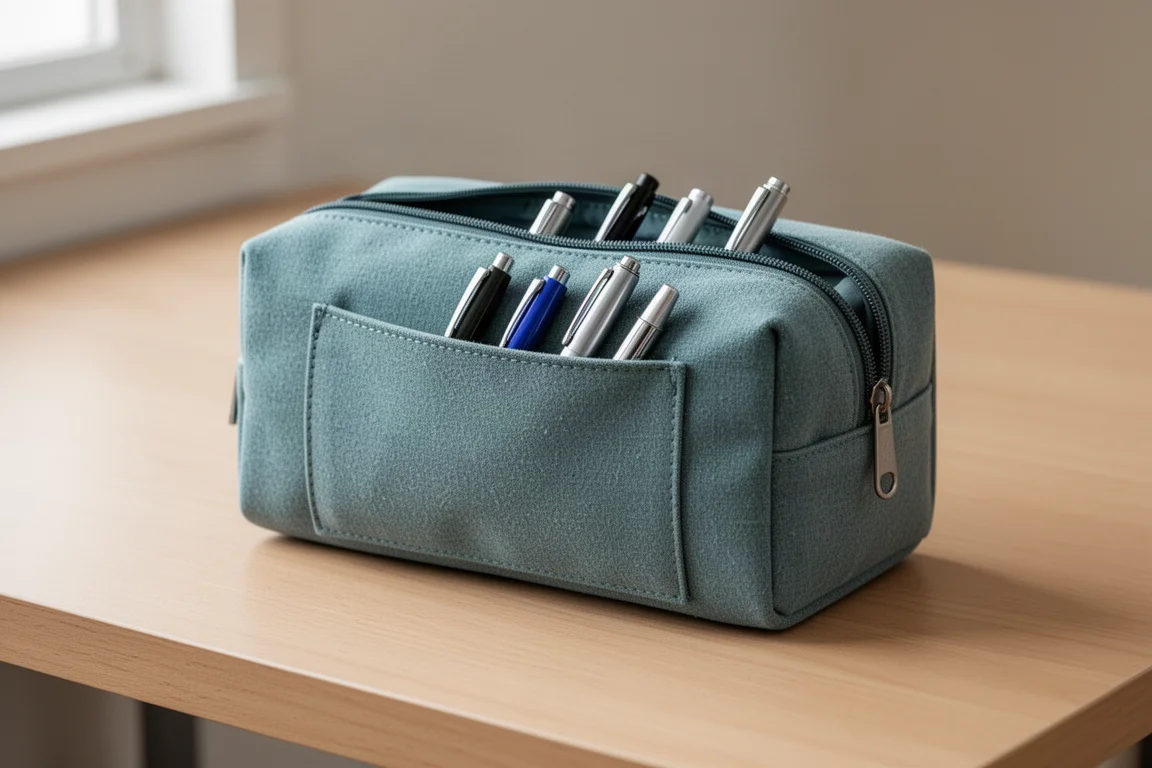
Other solid options worth a look include standing pen cases that sit upright on your desk during lectures, and simple tins if you are an art student who needs to sort markers, pencils, and fineliners into separate containers.
Notebooks, Binders, and Paper
Paper quality matters more than most students expect. Smooth Japanese loose-leaf paper handles gel pens, fountain pens, and highlighters without bleeding, and it makes handwritten notes feel less like a chore. Pair that paper with a binder notebook and you get the writing experience of a notebook with the flexibility of a binder.
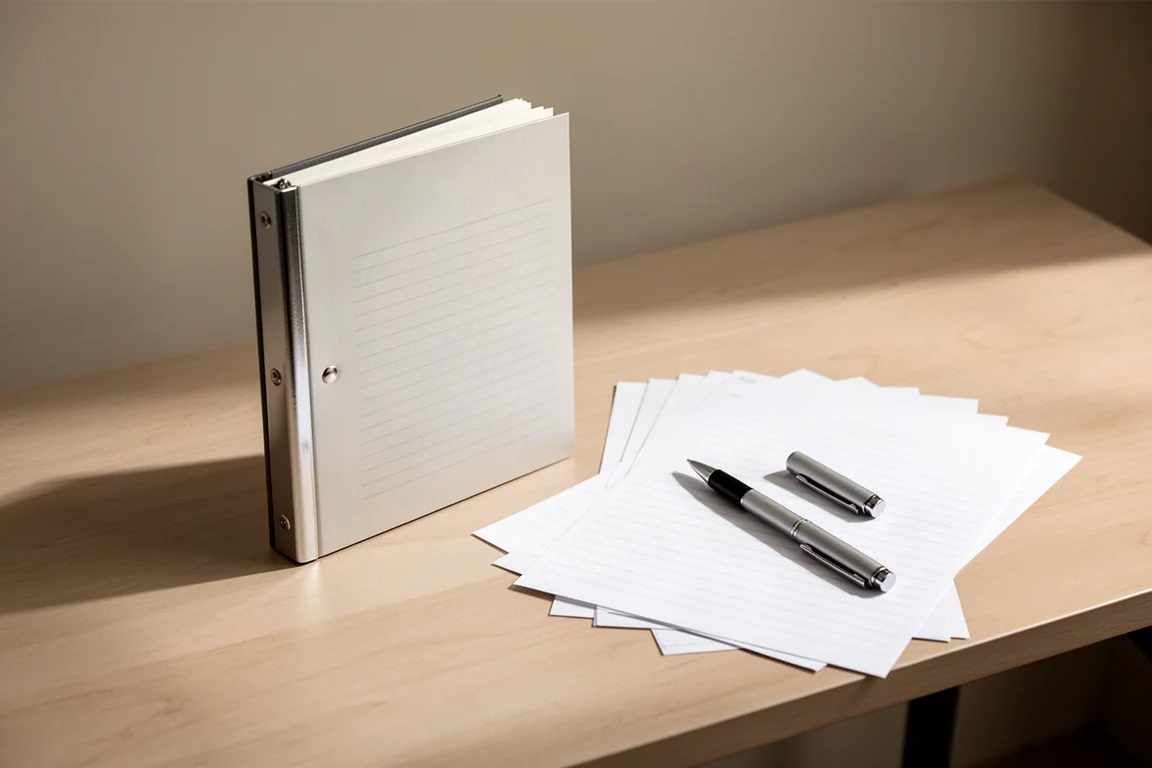
The Kokuyo Campus Smart Ring 60 Binder Notebook is the classic version of that idea: a notebook-style cover with a slim ring mechanism inside, holding replaceable loose-leaf pages so you can reorganize notes after class.
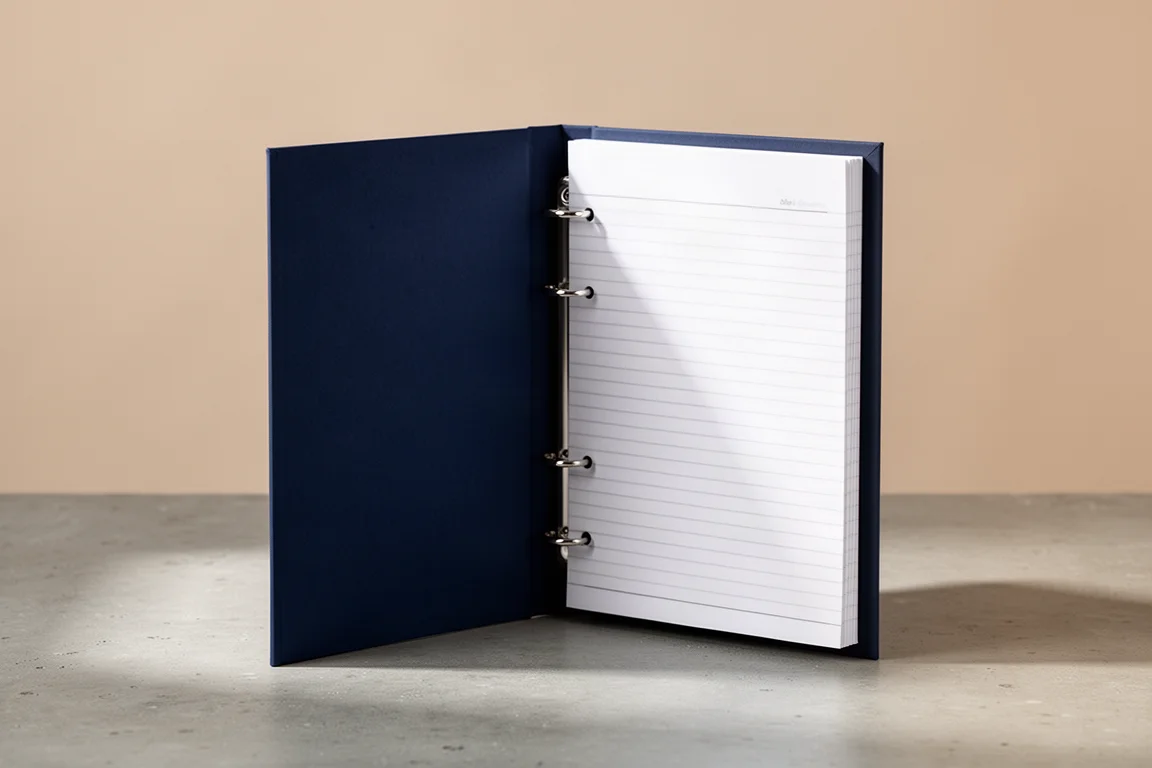
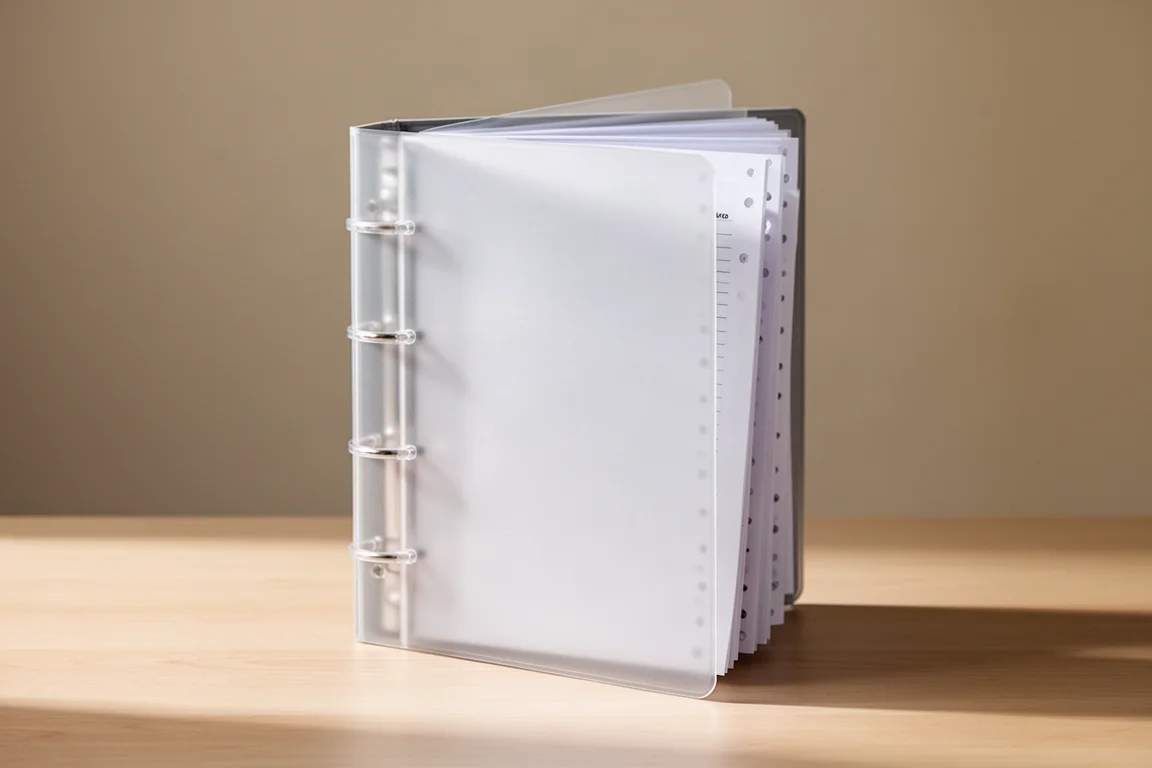
The Maruman Kurufit takes the same concept with the rings fully enclosed inside the binder cover, which gives it a cleaner, more traditional notebook look on the outside. It is a good choice if the exposed rings of a standard binder notebook bother you.
Planners
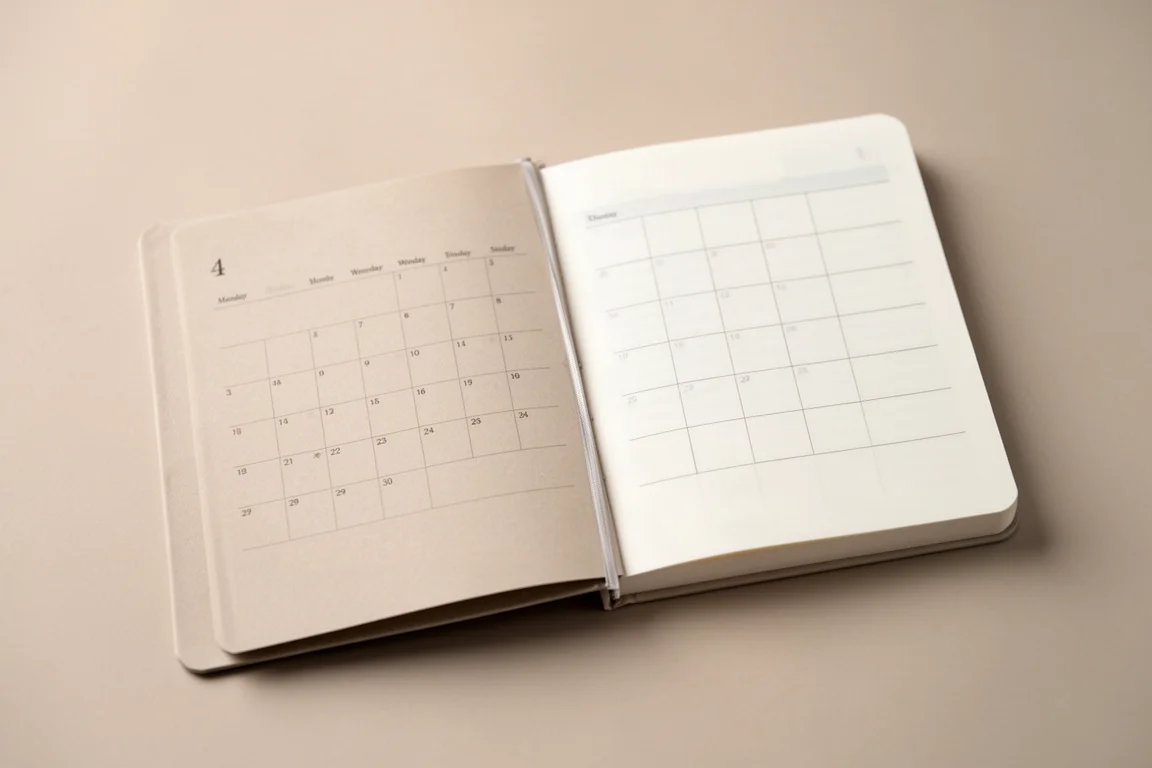
For students, a weekly vertical layout is usually the most useful planner format, because you can see the whole week at a glance and block out hours the way you would in a calendar app. Look for an academic-year weekly planner with a clean, minimal interior if that structure suits you.
If dated planners feel like pressure, an undated option such as the Hobonichi Day Free is a smarter fit. There are no blank-date guilt trips: you fill in whatever days you actually use, which makes it much easier to keep the habit going through a full semester.
Backpacks
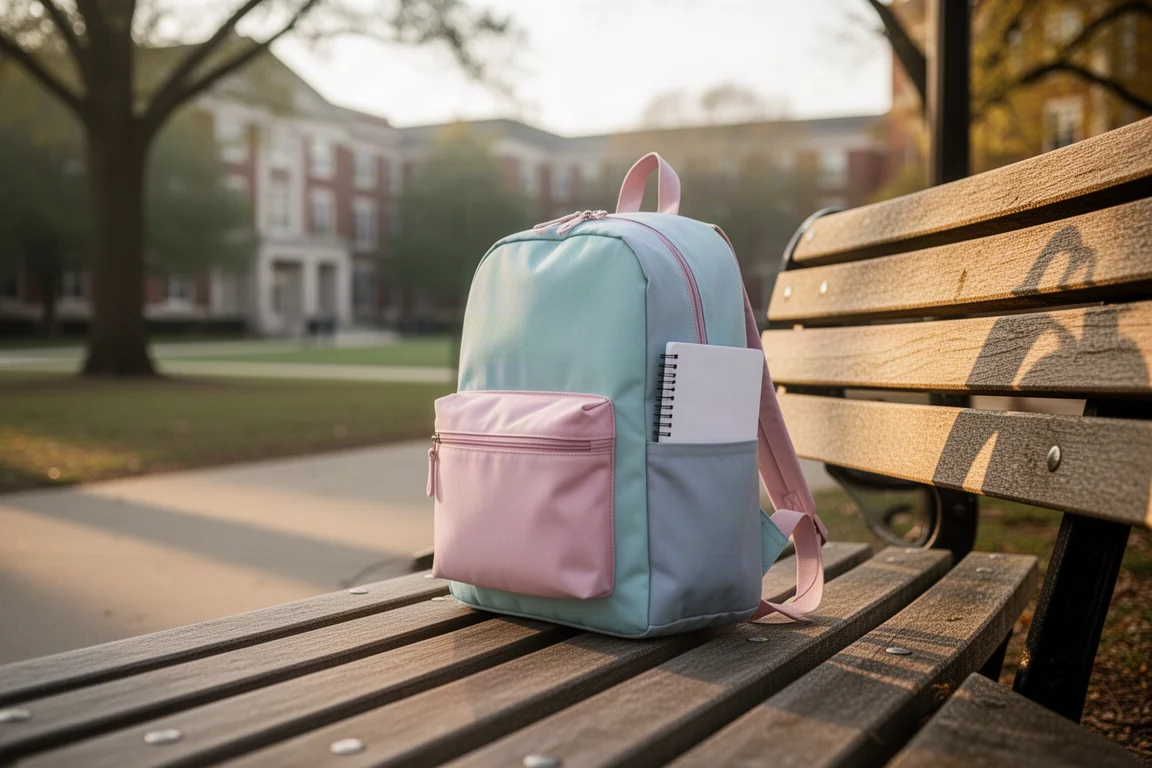
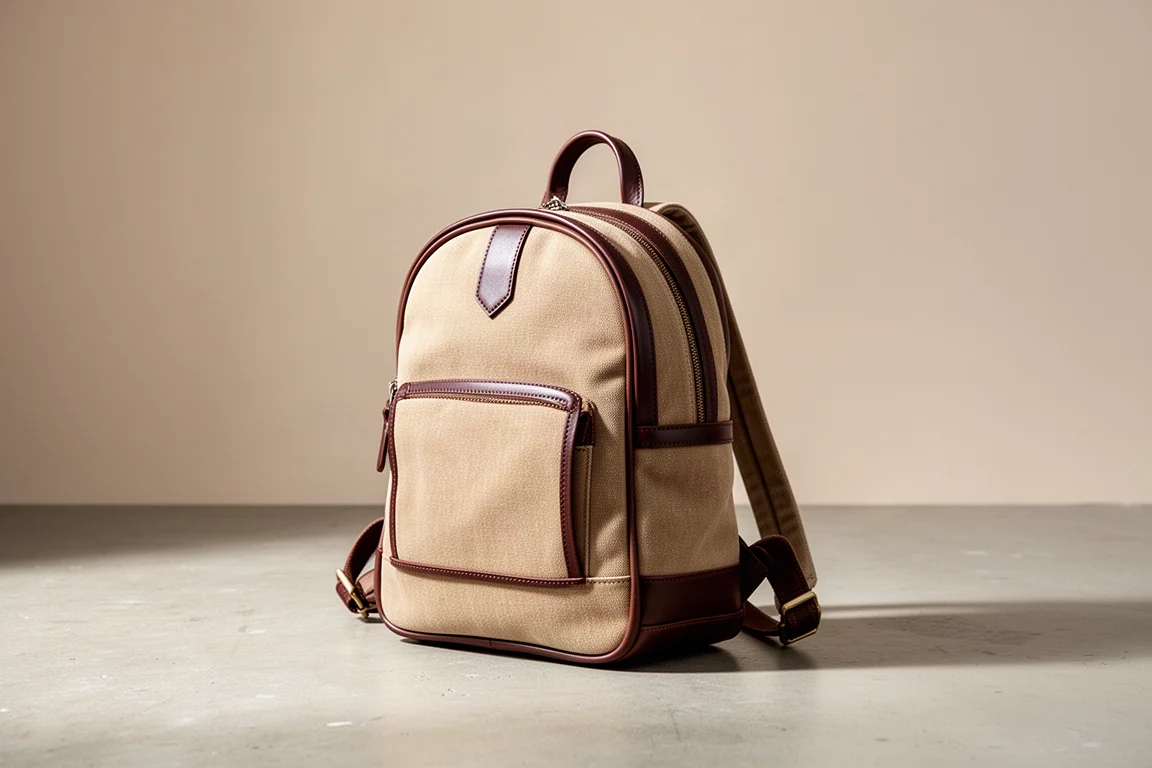
A good student backpack needs to fit a laptop, notebooks, and a pen case without turning into a black hole. A compact, well-padded everyday pack in the 13 to 15 liter range is enough for most schedules, and a fun color or gradation makes it something you are actually happy to grab each morning.
The Doughnut Macaroon Backpack is exactly that kind of pack: compact, padded, and available in playful colorways, including a pink-and-blue gradation that turns heads.
Art students should also look at purpose-built sketch bags with dedicated compartments for drawing supplies and a laptop holder, which keep fragile tools separated from textbooks.
Packing Tips for Small Backpacks
If your backpack is small, pack essentials only and condense what you can. Combine four class notebooks into one or two, or better, use a single binder notebook with loose-leaf: take notes on separate sheets during class, then reorganize them into per-class sections later. Favor multi-use items such as double-sided markers and multi-pens to cut down the number of pens you carry, and keep a slim file cover for handouts so loose paper never takes over the bag.
Conclusion
A solid back-to-school kit does not need to be complicated: one pencil that suits your grip, one or two pens you genuinely enjoy writing with, a roomy pen case, a binder notebook with good paper, a planner you will actually open, and a backpack that fits your day. Pick pieces that match how you study, and the whole setup will last you well past the first semester.
Further reading
Related Reviews
Stationery
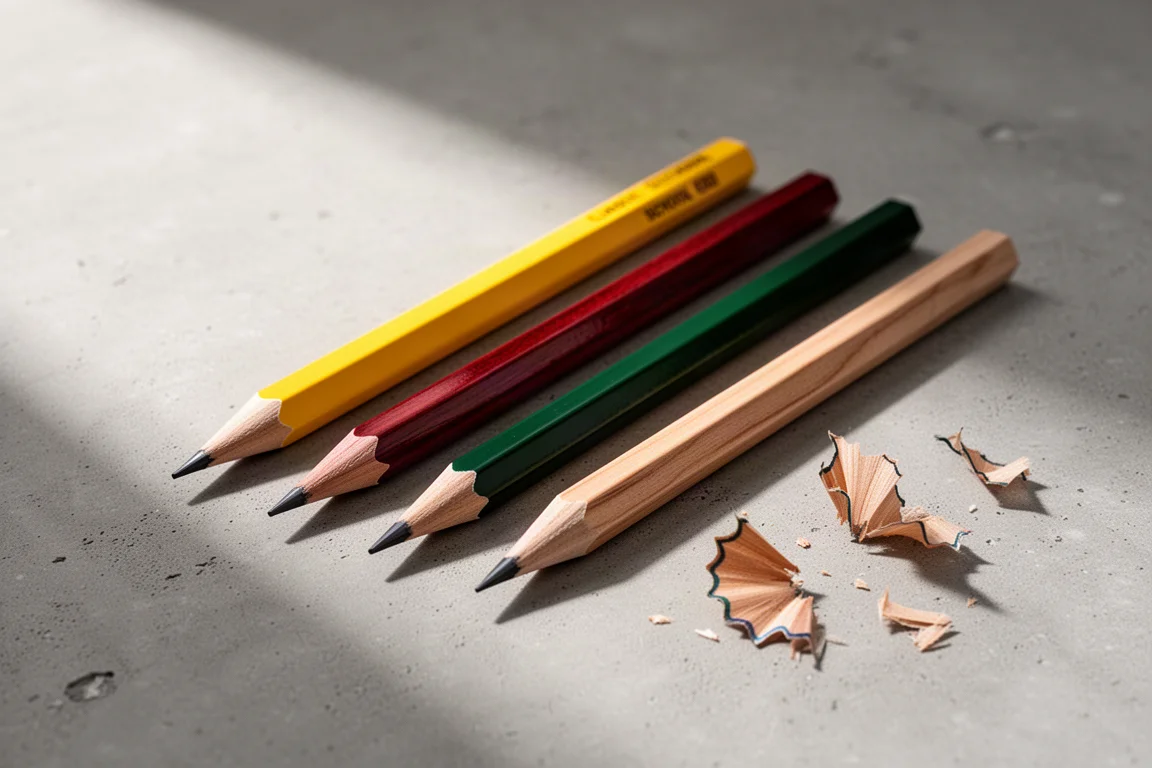
Musgrave Pencils Review: Four Classic Pencils from Tennessee's Last Pencil Factory
We put four Musgrave pencils to paper, from the classic Harvest to the Unigraph 1200 drawing pencil, to see what a century-old Tennessee workshop can still do.
Stationery
Fountain Pen Tiers Explained: From Starter Pens to Luxury Grails
A practical overview of the different levels of fountain pens and inks, from a sub-$20 starter setup to Italian piston fillers and retractable gold-nib everyday carries.
Stationery
HP Premium 32 lb Copy Paper Review: A Fountain Pen Friendly Everyday Printer Paper
A heavy, smooth 120 GSM copy paper that handles fountain pens far better than standard printer stock, with only minor trade-offs in shading and sheen.