Stationery
Back to School Binder Setups for Note-Taking, Reviewing, and Time Management
Three practical binder setups built around hand-written notes, structured review, and schedule tracking, with the papers and accessories that make each one work.
Introduction
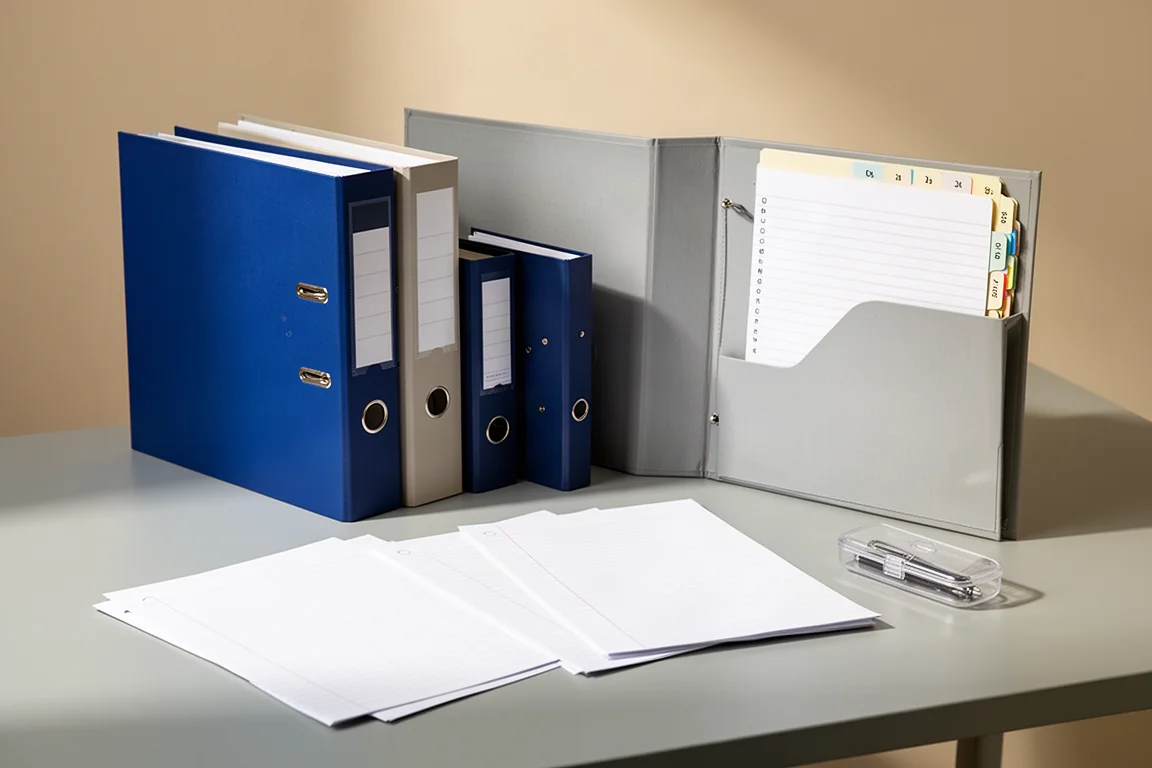
The school year moves fast, and a crusty old binder does nobody any favors. A well-planned binder setup keeps notes, review material, and your schedule in one place, so you can actually stay on top of your classes instead of digging through loose papers the night before a test.
Hand-written notes are worth defending: they support better memory retention, cut down on distraction, and push you to become a more effective writer. The three setups below cover the main jobs a student binder needs to do, and the papers and accessories that make each one click.
Binder for Students Who Take Notes by Hand
If you still write your notes by hand, the King Jim Tefrenu Binder is built with you in mind. Unlike a regular binder, it has four rings at the top and four at the bottom, so the rings stay out of the way whether you are left-handed or right-handed. No more bumping into metal or twisting your arm into an awkward position as you fill a page. The rings open with just a pinch instead of being pulled apart, and the bold covers make each binder easy to grab at a glance when you are rushing between classes.
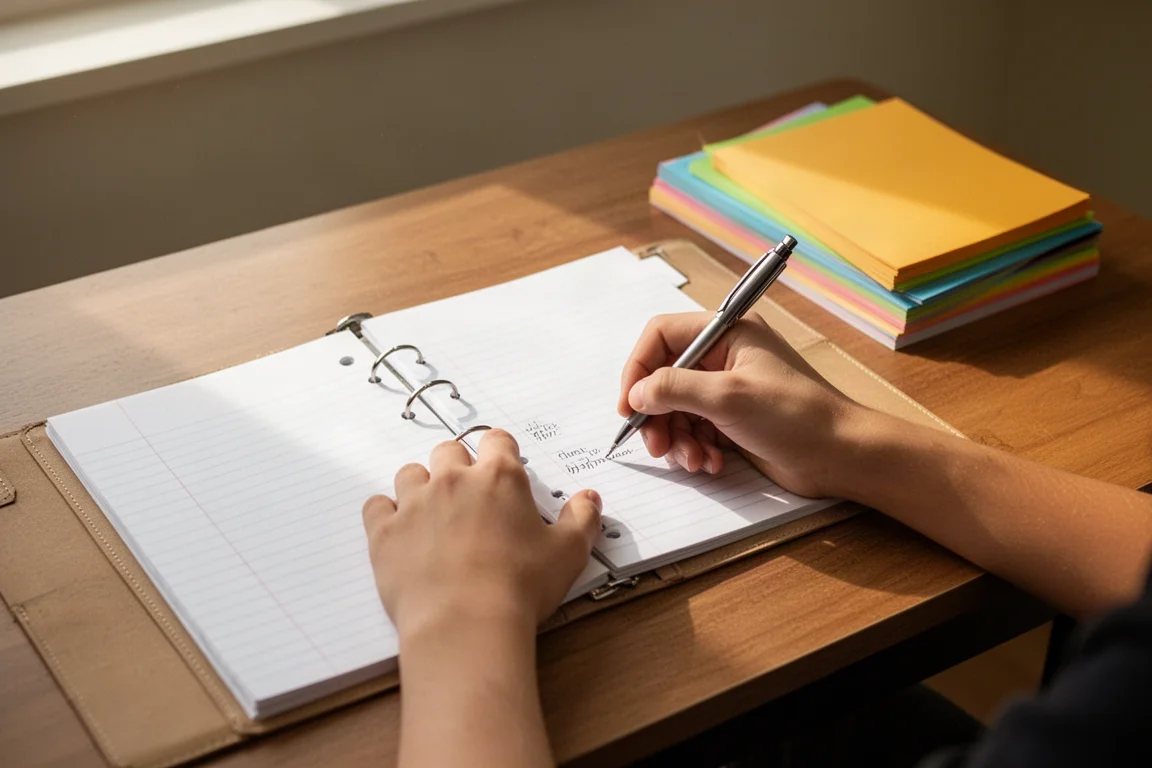
To fill it, Maruman Easy to Write Loose Leaf Paper brings color-coded organization to your pages. The colorful lined paper makes it easy to tell apart lecture notes, reading assignments, and anything else, and each sheet includes a section for writing in the subject and date. The Tefrenu also includes a pocket sheet with a flap closure, which is handy for anything that cannot go onto the rings.
Binder for Reviewing
Taking notes is one thing; understanding them and keeping the information fresh is another. A binder dedicated to reviewing cuts down the stress of scrolling through endless pages of scribbles when exam season hits.
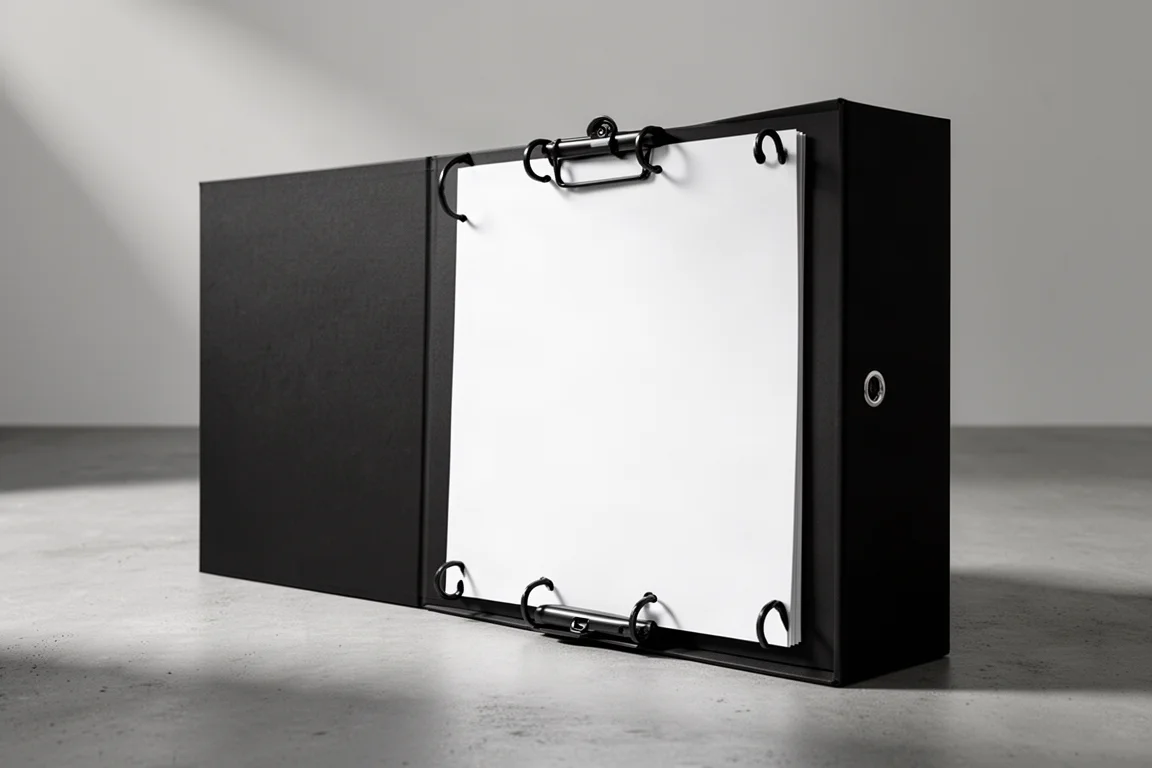
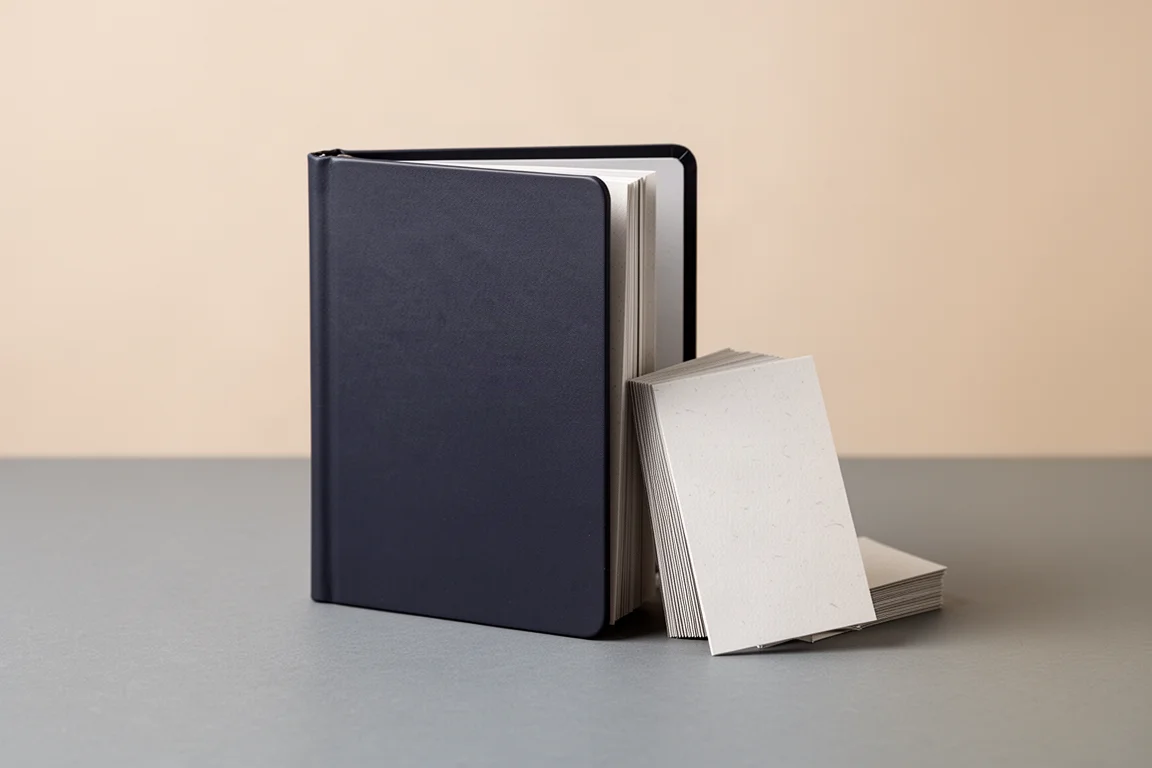
The compact Maruman Session Binder is the anchor here. Its mini size saves space when studying, will not bulk up your backpack, and is especially convenient for studying on the go or in front of a laptop. Despite its small form, it holds up to 60 sheets that are roughly the same size as flash cards.
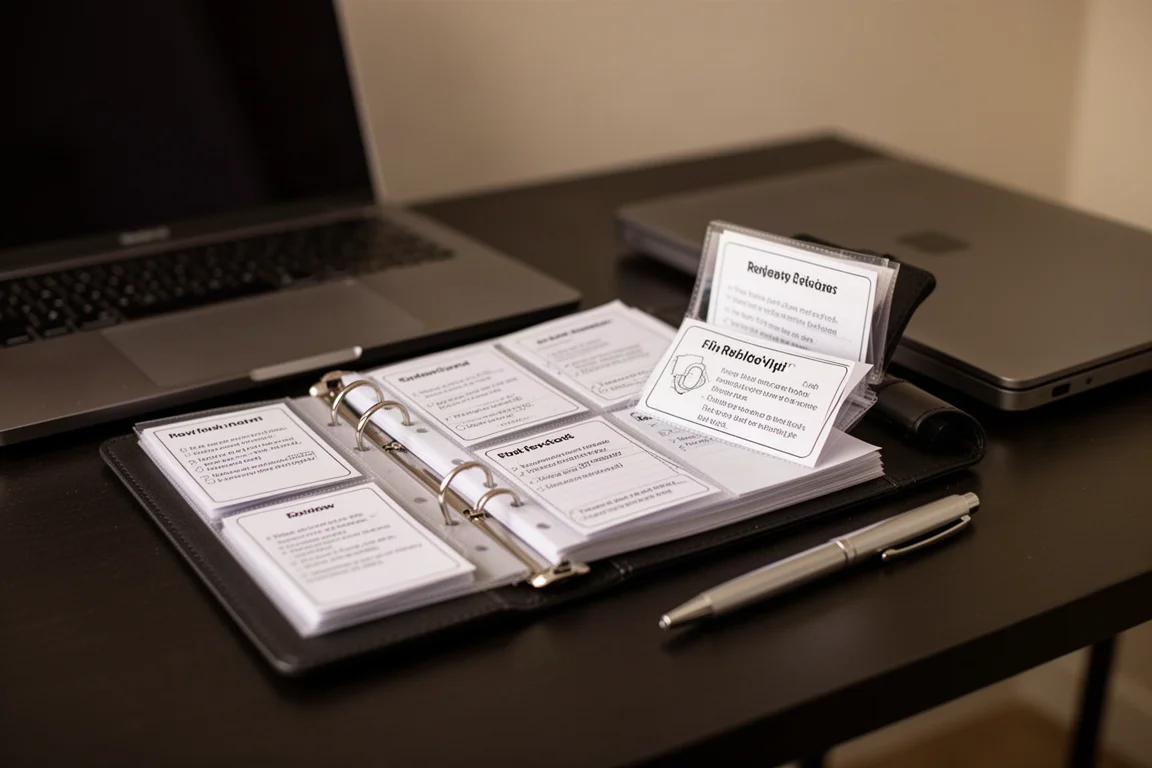
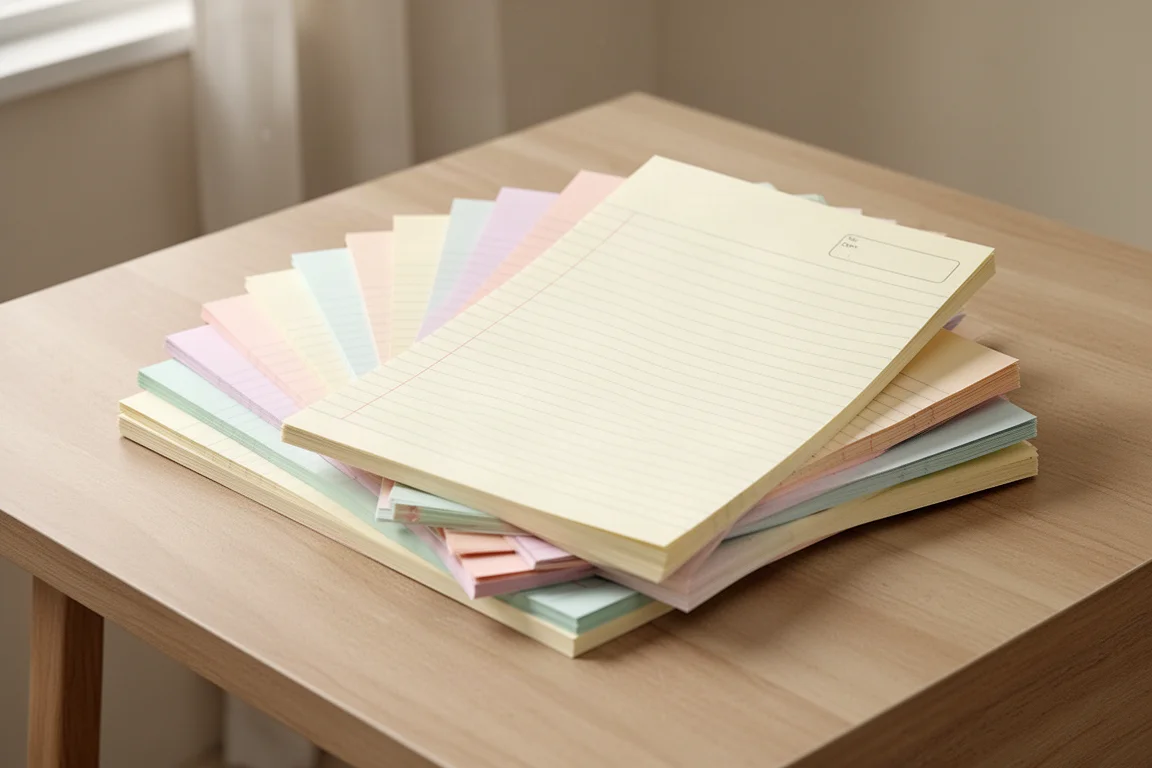
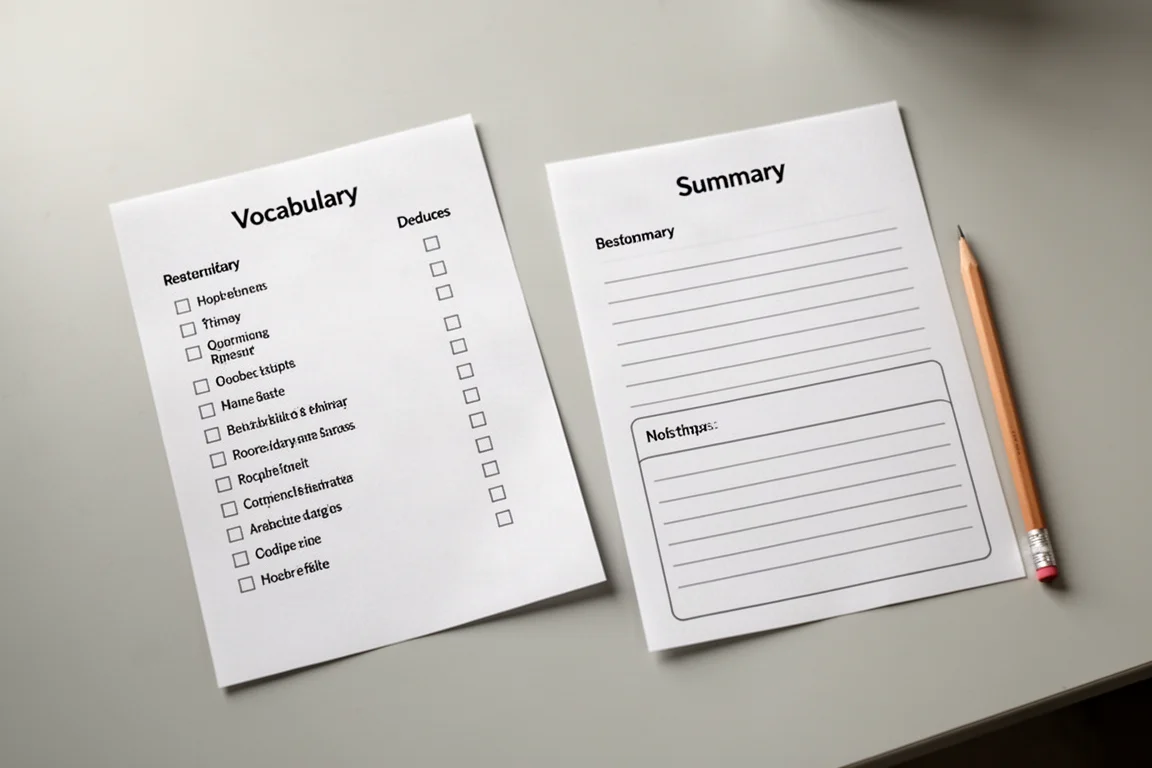
Pair it with Maruman Smart Review Paper, which comes in two versions: Vocab List and Rule Summary. Both include checkboxes for tracking how many times you have reviewed the material, which turns revision into something you can actually see progress on. A good habit is to keep a sheet or two in your everyday note-taking binder; when you hit something you will need to study later, jot it down and transfer the sheet into the mini binder after class. Label the title page with the class you are reviewing, then use dividers to separate what you are actively studying from what you have already retained.
Binder for Tracking Your Time
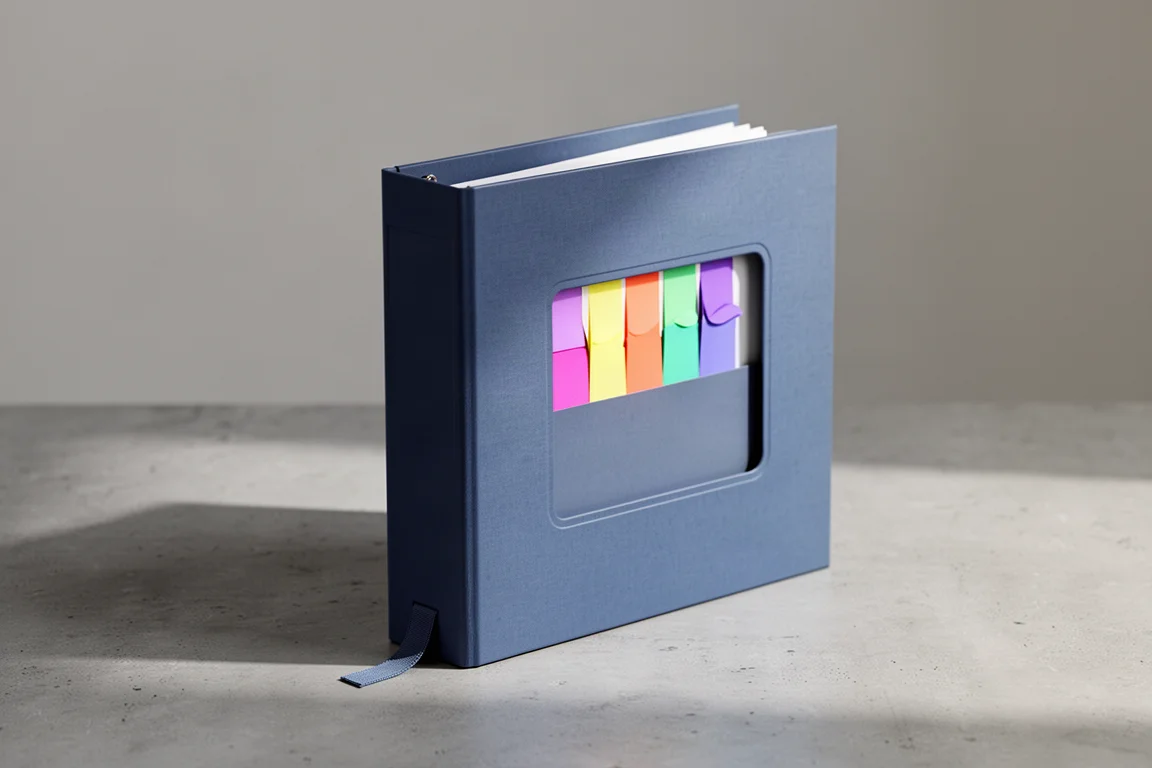
When your schedule feels impossibly packed, a binder devoted to planning keeps crunch time from sneaking up on you. The Kokuyo Campus Index Binder swaps the pinching metal rings and bulky design of a typical binder for a few smart touches. Its rings open and close smoothly by pulling the tab at the bottom, and the front cover has a cutout that lets you reach the five index tabs inside without even opening the binder first.
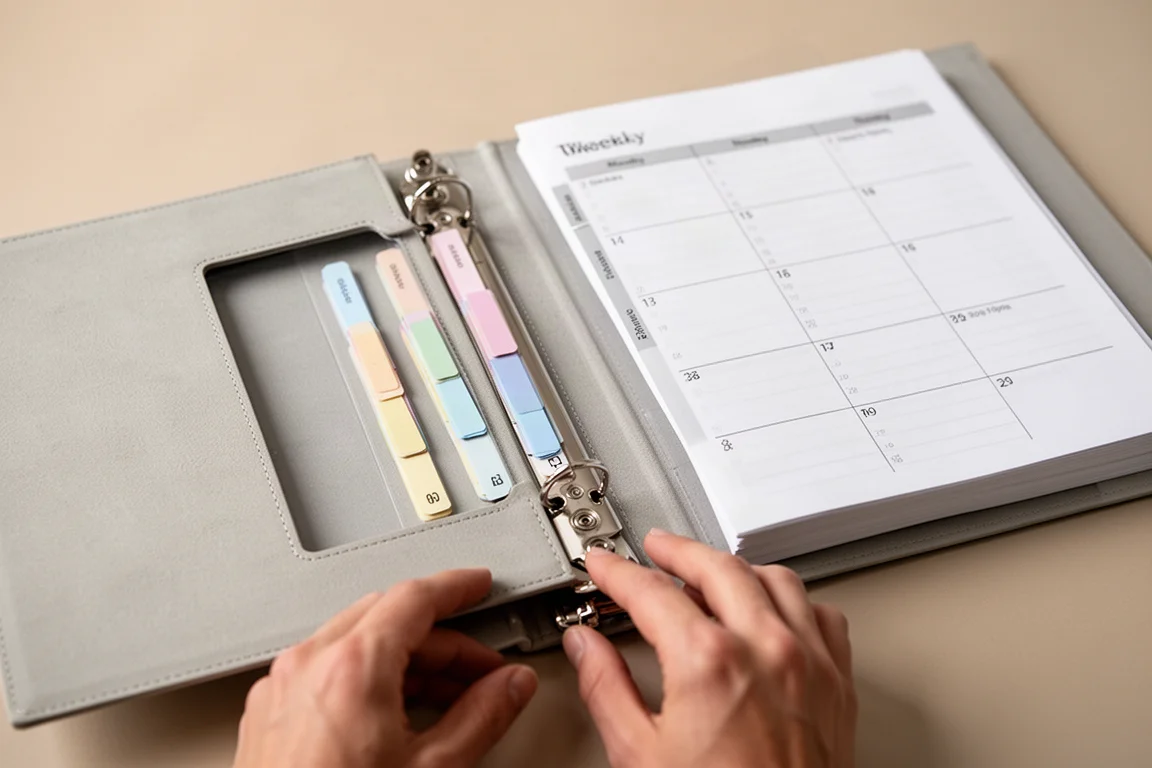
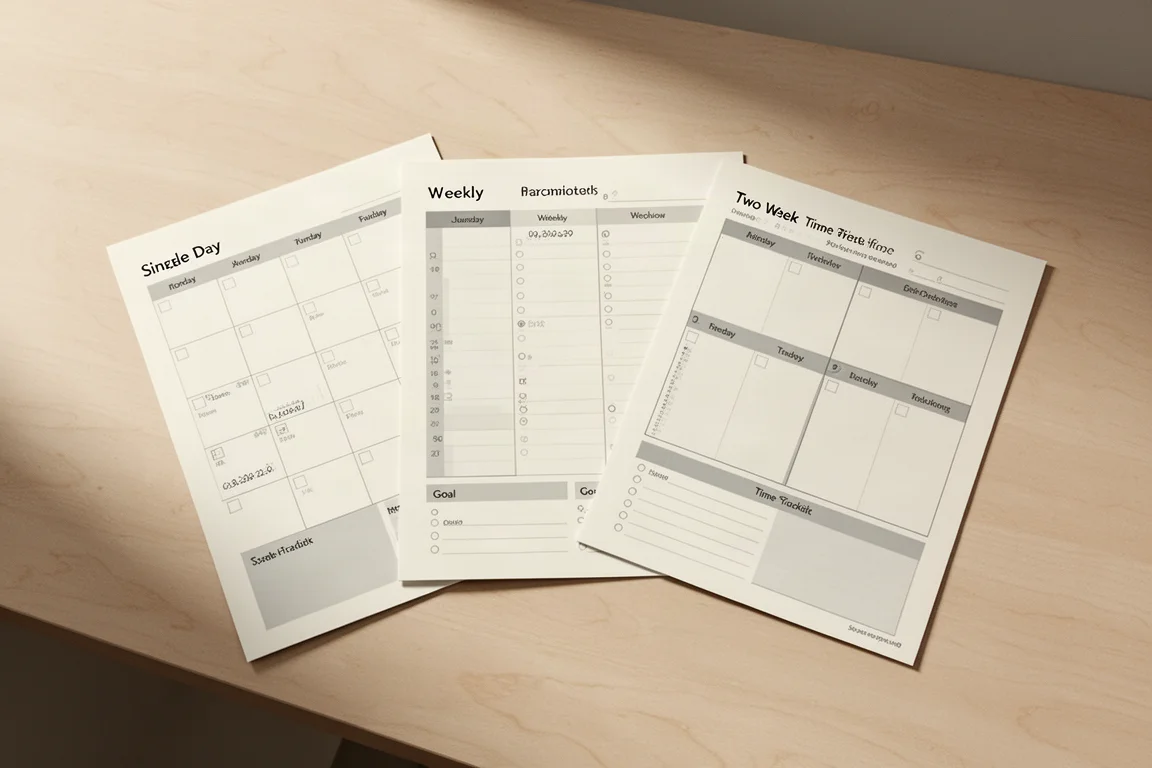
Kokuyo Campus Study Planner Paper comes in Daily, Weekly, and 2 Week layouts, so you can match the format to how you actually work. Each layout includes space for setting goals, tracking time spent studying, and noting upcoming due dates, which is exactly what you need to see a busy week before it happens.
Practical Tips for Any Binder Setup
Pick the right sheet style for each class. Graph paper is the obvious choice for math, but for general note-taking and writing out formulas, dot grid and ruled hybrid sheets make it easy to produce organized bullet points and clean diagrams side by side.
Clear out your binders regularly and remove papers you no longer need to cut clutter and weight. Set a reminder every three to four months depending on your class schedule, and move older materials into folders so they are still there when you need them for end-of-year review.
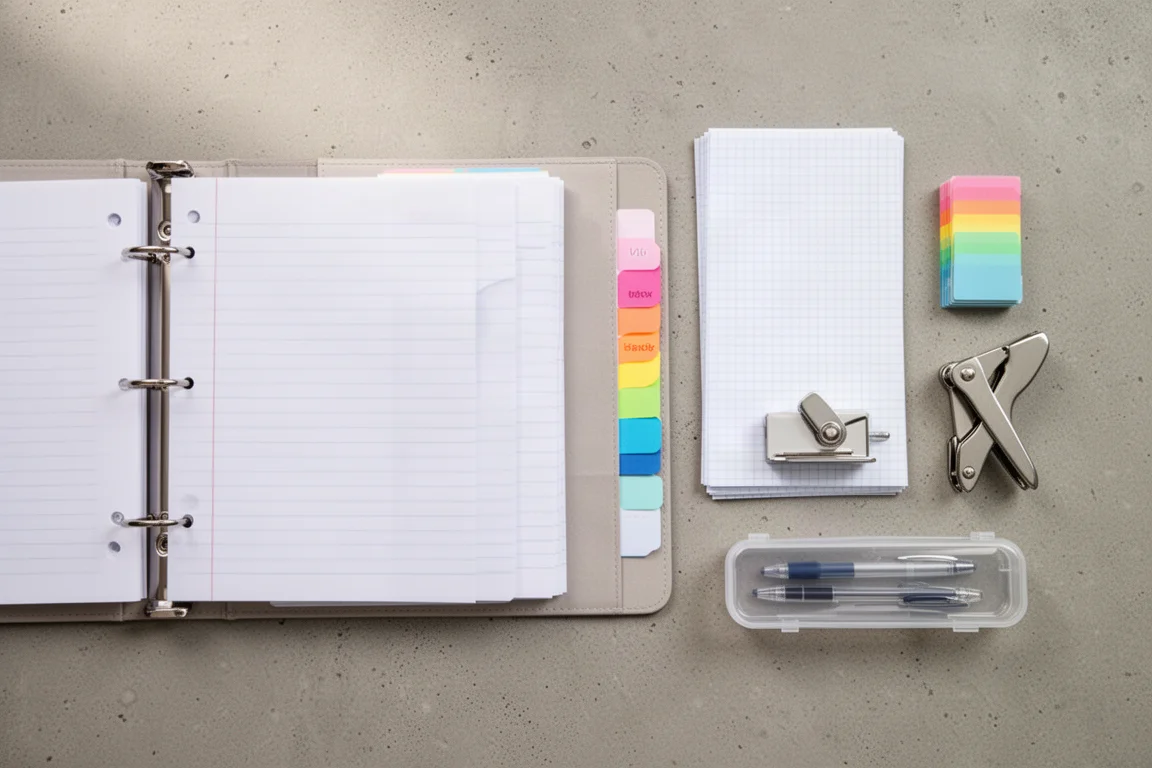
Finally, remember that the real advantage of a binder over a notebook is personalization. A notebook is locked into its printed sheet style, but a binder’s paper and accessories can be rearranged whenever your needs change. Keeping a hole punch on hand also means you can add loose papers at any time, and Japanese-style binders, which generally have more rings, work best with a hole punch designed for that spacing.
Conclusion
One binder rarely fits every job. A dedicated note-taking binder keeps daily class work organized, a mini review binder keeps key facts fresh, and a planner binder keeps your schedule under control. Match the setup to the way you study, and your binder becomes something you reach for with confidence instead of something you shove into a backpack.
Further reading
Related Reviews
Stationery
Musgrave Pencils Review: Four Classic Pencils from Tennessee's Last Pencil Factory
We put four Musgrave pencils to paper, from the classic Harvest to the Unigraph 1200 drawing pencil, to see what a century-old Tennessee workshop can still do.
Stationery
Fountain Pen Tiers Explained: From Starter Pens to Luxury Grails
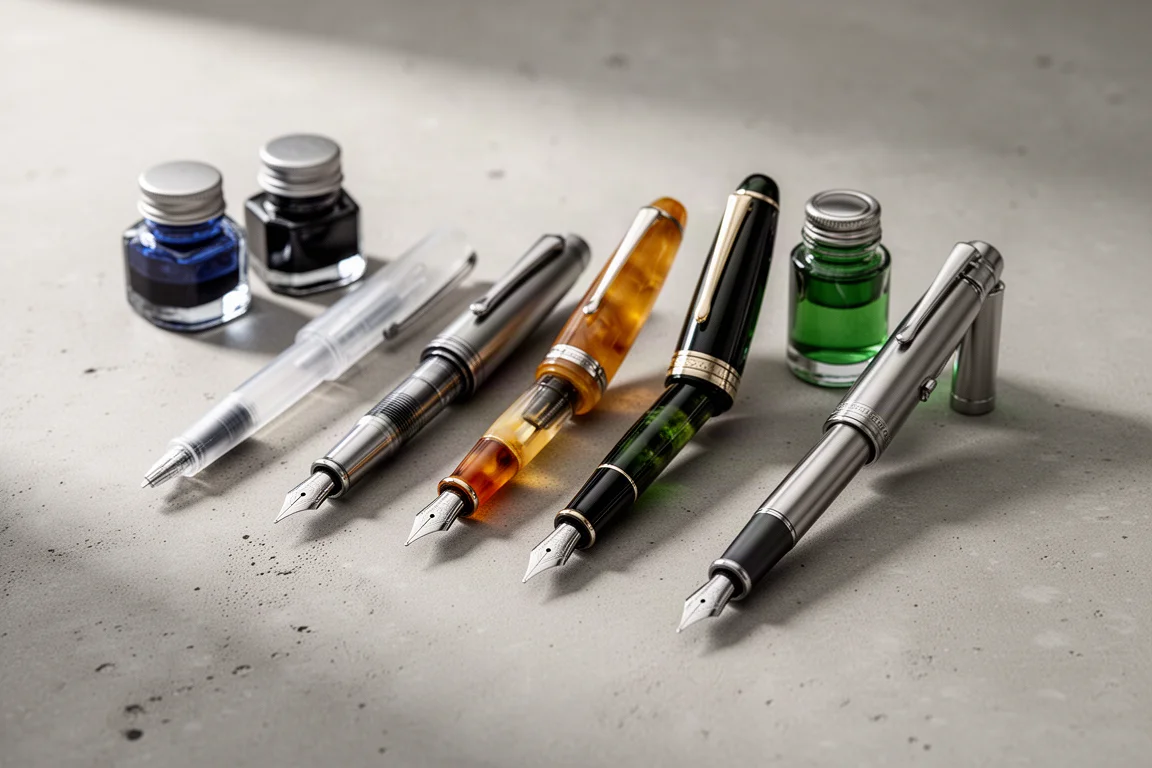
A practical overview of the different levels of fountain pens and inks, from a sub-$20 starter setup to Italian piston fillers and retractable gold-nib everyday carries.
Stationery
HP Premium 32 lb Copy Paper Review: A Fountain Pen Friendly Everyday Printer Paper
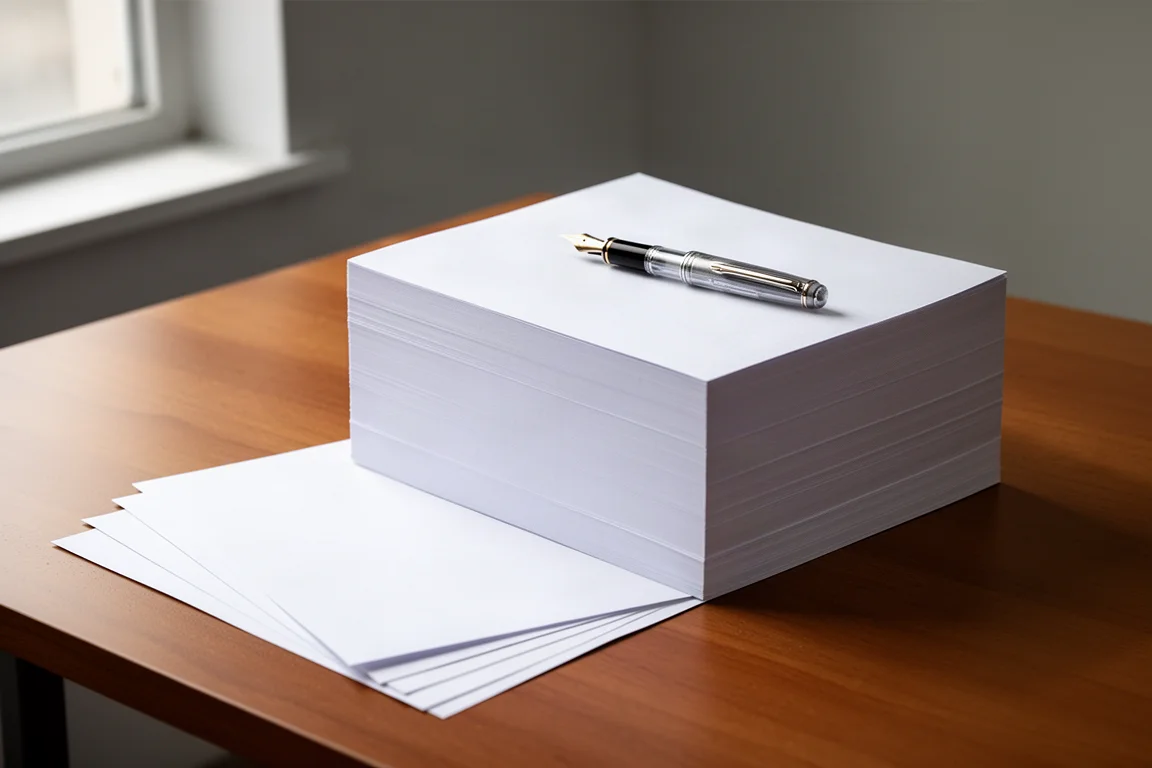
A heavy, smooth 120 GSM copy paper that handles fountain pens far better than standard printer stock, with only minor trade-offs in shading and sheen.