Aquarium Equipment
Avast Marine K1 Kalk Stirrer Review: A Safer, Lower-Maintenance Way to Dose Kalkwasser
A practical look at the Avast Marine K1 Kalk Stirrer, covering why it holds saturation longer, how it protects your ATO pump, and the starting media and dosing numbers worth knowing.
Introduction
Kalkwasser remains one of the most cost-effective ways to keep alkalinity and calcium stable in a reef tank, but the traditional method has always carried an awkward side. Mixing kalk in a top-off reservoir means the solution loses potency over time, the ATO pump has to push abrasive calcium hydroxide through its moving parts, and the dose you actually deliver depends on evaporation, which drifts noticeably from season to season.
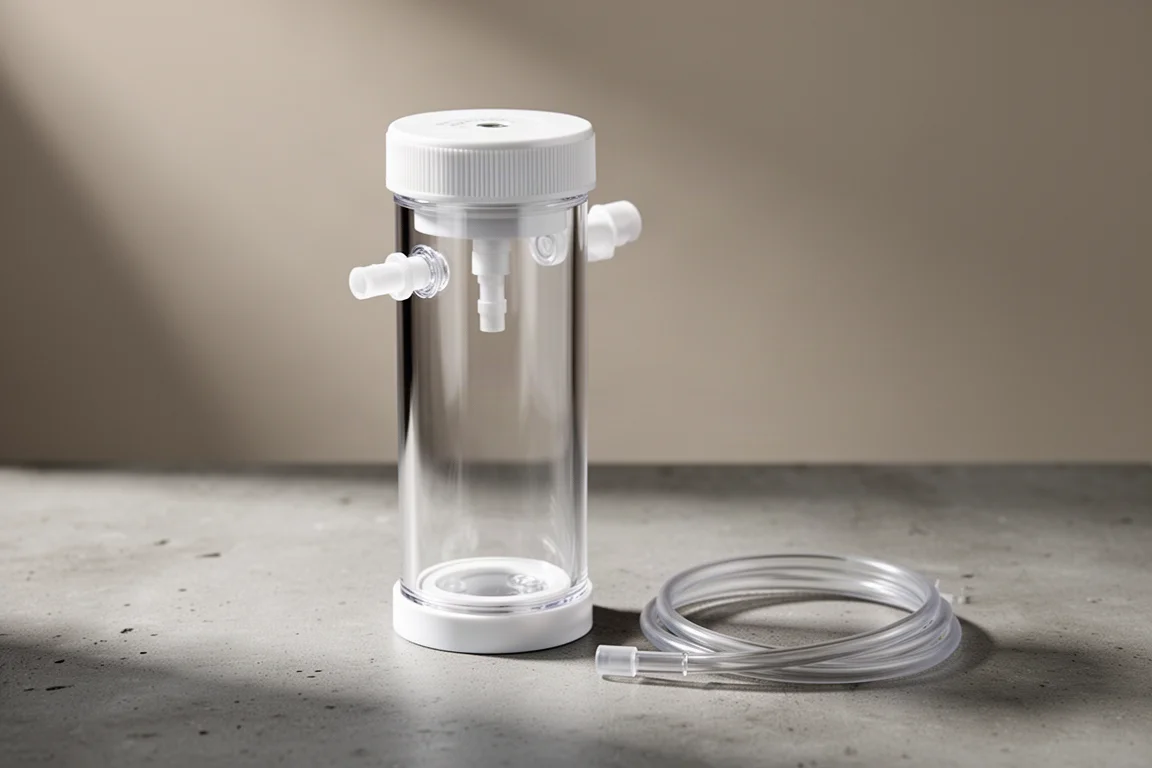
The Avast Marine K1 Kalk Stirrer takes a different route. It is a compact, well-built reactor designed to hold kalkwasser at maximum saturation for longer, spare the ATO pump from unnecessary wear, and hand dose control to a dosing pump instead of an evaporation rate. It is presented as the safer, more accurate, more reliable and longer-lasting kalkwasser solution compared with a conventional ATO approach.
This review covers who the K1 suits, where it clearly improves on the old method, the small number of trade-offs worth planning for, and the starting media and dosing figures to know before you set one up.
Who This Kalk Stirrer Is For
This stirrer makes the most sense for reef keepers who already dose kalkwasser and are tired of the weekly maintenance cycle that comes with a reservoir. Because the stirrer keeps working with a fresh line of water, the cleaning routine stretches out considerably, turning a weekly job into roughly a monthly one.
It is also a strong fit for anyone currently running two-part dosing who would rather simplify. Dosing a single solution for alkalinity and calcium is easier than managing two, and it removes the precipitation risk that appears when the two parts meet. As a bonus, it means only one dosing pump is required instead of two.
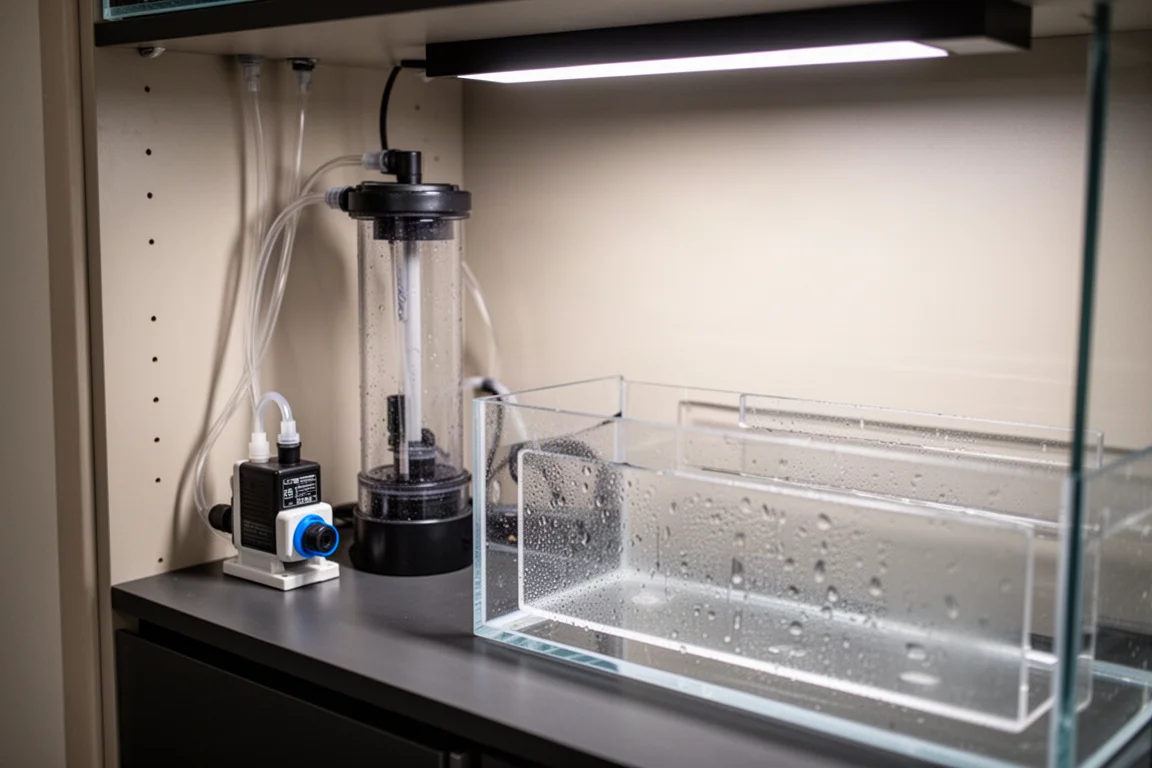
Space is another reason to consider it. The K1 has a small footprint that fits more easily than most two-part containers or large reservoirs of mixed kalk solution, and it takes up noticeably less room than a full calcium reactor setup.
Main Strengths
Longer Saturation, Less Cleaning
The core advantage is how the stirrer behaves between refills. Constant mixing with a fresh line of water helps the solution retain maximum saturation for longer, so the potency you rely on does not quietly fade the way it can in a static reservoir. In practice, that means fewer refills and a maintenance rhythm that is far easier to live with over a long tank run.

The rigid long stem tube is part of that story as well. It pushes water up from the bottom through the stirrer, which is how the design aims to reach maximum saturation on every cycle rather than only right after a fresh mix.
Built for Reliability, Not Just Convenience
Reliability here comes from moving dose control away from evaporation. Regulating kalkwasser with a dosing pump is far more consistent than leaving the volume to a tank whose evaporation rate can swing dramatically through the year. The same approach protects the ATO pump, since highly acidic calcium hydroxide is no longer being drawn through its moving parts.
Leak risk has been addressed in the design too. Rather than relying on a pressurised chamber, which is prone to weeping over time, the Avast Marine stirrers use a gravity draining system. Barb drains let you attach your preferred length of hose straight to the sump, and a quarter-inch push connect inlet makes the freshwater input simple to install. All of it sits inside a compact, well-built package.
Things to Consider Before Buying
The K1 is a dosing component rather than a standalone solution, so it needs a dosing pump in the loop. The recommended configuration draws water from the ATO reservoir and feeds it directly to the stirrer, which means planning for one more piece of equipment and the tubing to match.
Routine checks are part of ownership. A five-minute stir followed by a potency or saturation reading with an EC pen gives you a baseline, and a weekly check confirms the reading has not fallen. If it has, it is time to swap out the media or simply add more.

It is also worth confirming your sump has room for the stirrer plus tidy hose routing, and that you are comfortable monitoring alkalinity as you tune the dose. None of this is complicated, but it does reward a little planning before the first fill.
Buying Advice
Setup is straightforward once the plumbing is in place. Start with one cup of kalkwasser media, stir for five minutes, then verify potency or saturation with an EC pen. From there, draw water from your ATO reservoir with a dosing pump and feed it to the stirrer, beginning around 500 millilitres per day. Monitor alkalinity and increase or decrease the dose as the tank requires. Set it, stir it, dose it.
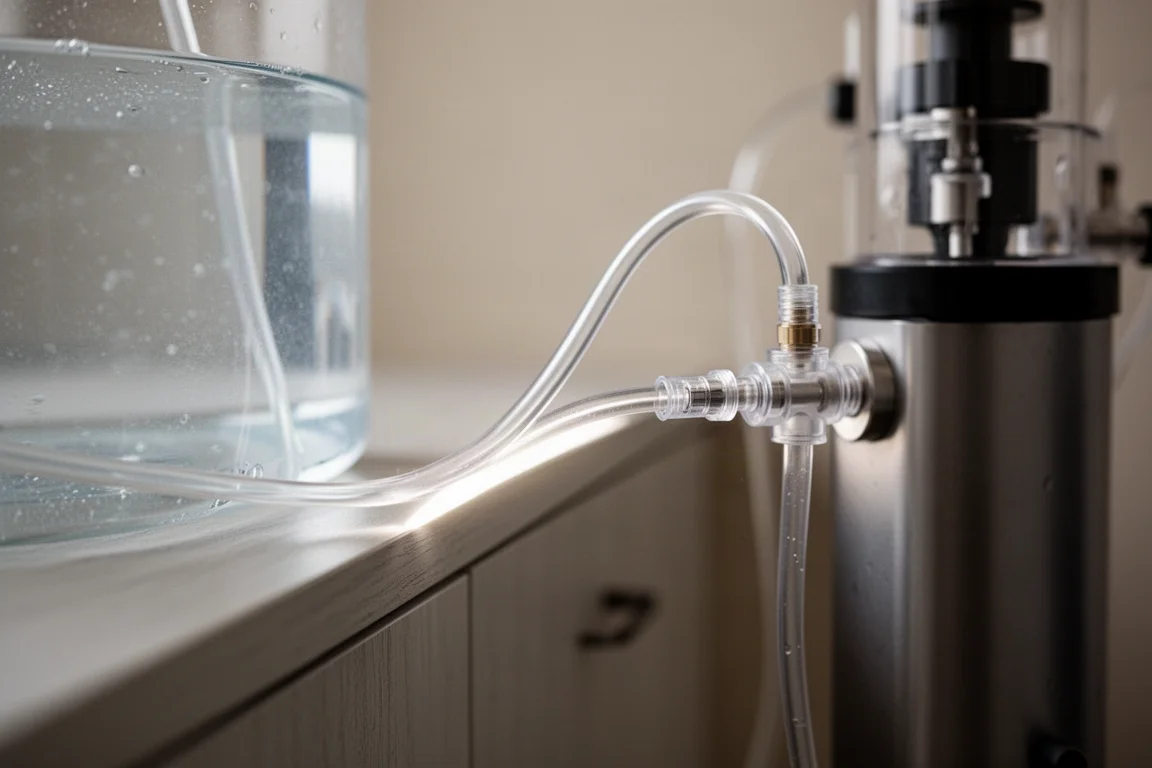
If you are upgrading from a reservoir-based kalk routine, the appeal is easy to see: less cleaning, less wear on the ATO pump, and a dose that does not depend on the weather. If you are already running two-part, the case is equally practical, since one solution and one pump replace two of each while freeing up space in the cabinet.
Conclusion
The Avast Marine K1 Kalk Stirrer earns its place by solving the parts of kalkwasser dosing that quietly cause the most trouble. It holds saturation longer, keeps caustic solution away from your ATO pump, and shifts dosing onto a pump you can actually control rather than an evaporation rate you cannot. Add gravity draining, simple barb and push connect fittings, and a footprint that fits where larger gear will not, and it becomes a genuinely low-drama way to keep alkalinity and calcium steady. For reef keepers who want kalkwasser without the weekly upkeep, it is a well-considered upgrade.
Product link
View more details for Avast Marine K1 Kalk Stirrer
This product is mentioned in the review. Check the specifications, options, and compatibility before buying.
View more details for Avast Marine K1 Kalk StirrerFurther reading
Related Reviews
Aquarium Equipment
Abyzz Professional DC Pumps: A100, A200, and A400 Reviewed
A closer look at three German-made DC return pumps built for large reef systems, with titanium internals, fine flow control, and a 10-year warranty.

Aquarium Equipment
AdaptiveReef Controller Accessories: Three Tactile Upgrades for Your Reef Controller
A practical look at three AdaptiveReef add-ons that put physical switches, at-a-glance status lights, and a loud alarm within arm's reach of your reef tank.

Aquarium Equipment
Adaptive Reef Controller Boards: Basic vs Deluxe for Cleaner Aquarium Gear
A practical look at the Adaptive Reef Basic and Deluxe controller boards, what each one includes, and how to choose the right size for your tank gear.