Headphones
Audio-Technica ATH-M50x vs Beyerdynamic DT 770 Pro: Which Studio Headphone Fits You?
Two closed-back studio headphones at around $150, compared on build, cables, comfort, isolation, sound character, and power requirements.
Introduction
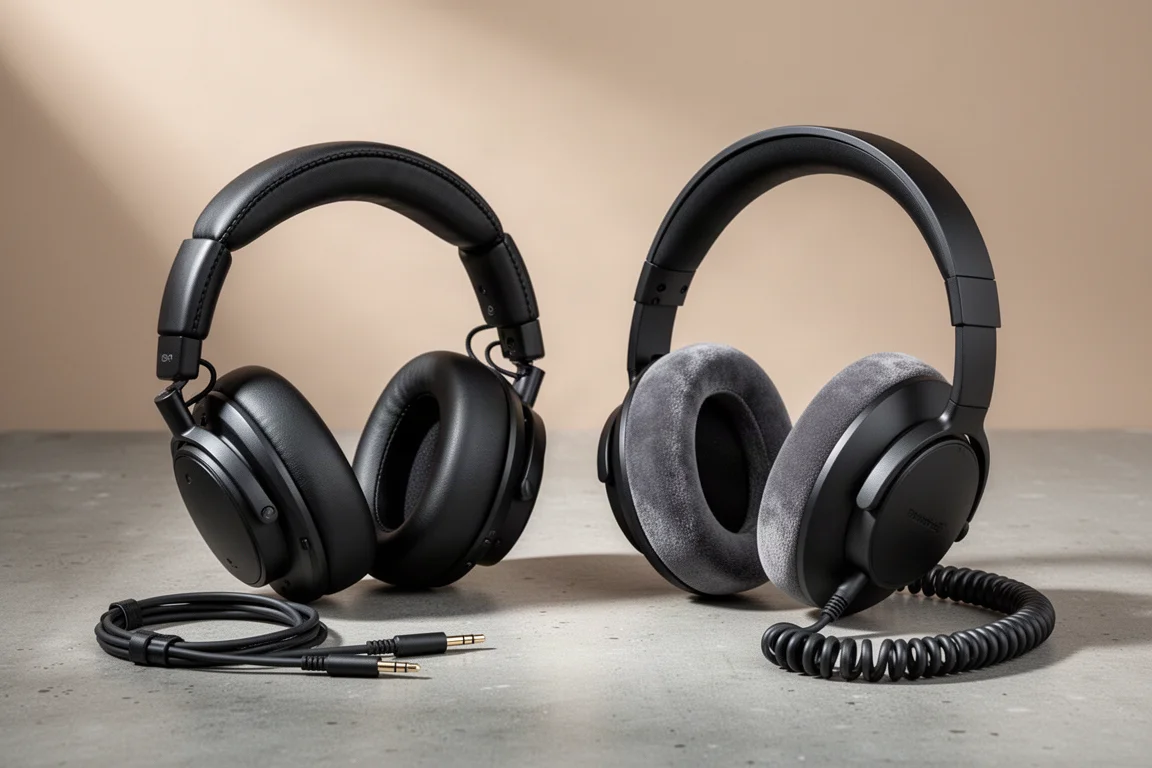
Around $150 sits a small group of headphones that audio professionals keep coming back to, and two names dominate the shortlist: the Audio-Technica ATH-M50x and the Beyerdynamic DT 770 Pro. Both are closed-back designs, both are built well for the money, and both are capable of serious work. The decision is rarely about which one is “better” in the abstract. It comes down to how you use headphones day to day.
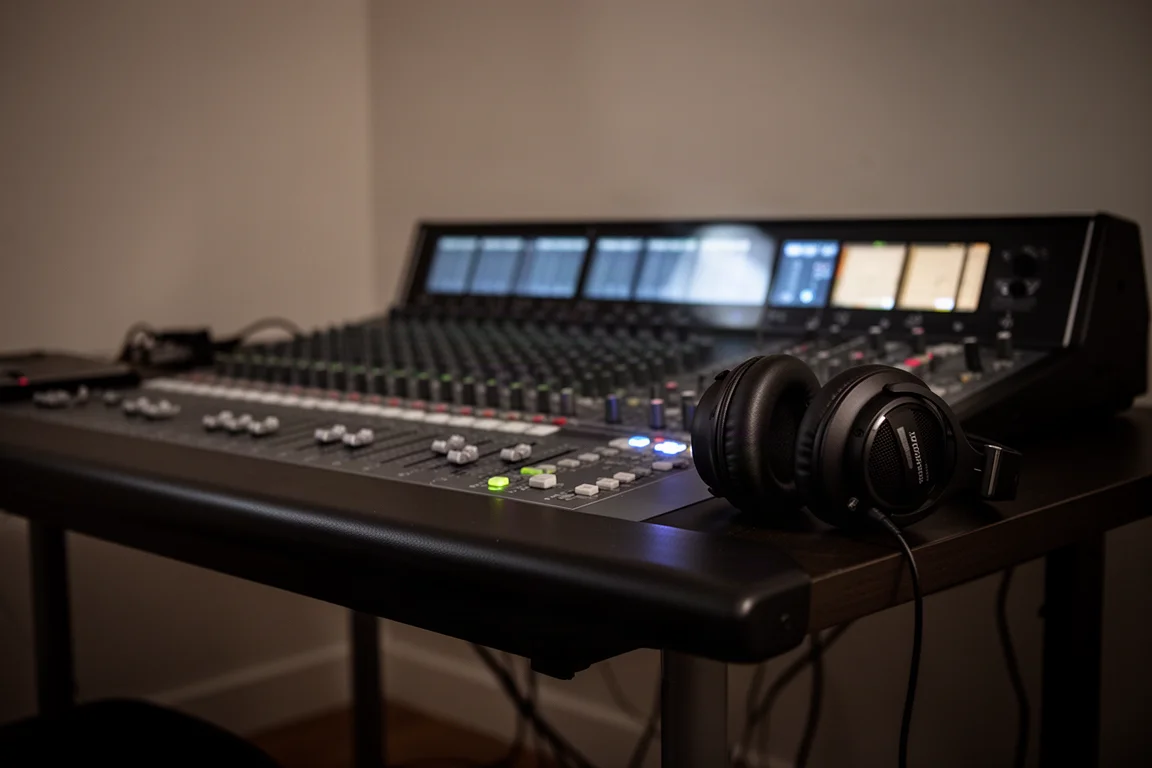
This comparison walks through the differences that actually change how you work: cable handling, portability, comfort over long sessions, isolation, the way each pair presents a mix, and the power requirements that can rule one of them out of your setup entirely. By the end, you should have a clear idea of which pair belongs on your desk and which one you can skip.
What Both Headphones Deliver for the Price
Build quality is excellent on both, and neither is likely to disappoint at this price point. Both use lightweight plastic in their construction, which is expected here and does not appear to cause reliability problems in practice. Both are closed-back, which is what makes them useful in noisy rooms where some isolation matters.
Durability is a genuine strength of this category. Long-term users of the ATH-M50x report pairs that still sound the way they did when they were new after many years of steady use, even when the exterior shows its age. The one wear item on the Audio-Technica side is the ear pad material, which can start to chip away around the third or fourth year of consistent use. Replacement pads are inexpensive, typically under $15. The DT 770 Pro also takes replacement pads, though those tend to cost a bit more.
Audio-Technica ATH-M50x: Flexible Cables, Folding Frame, Flatter Response
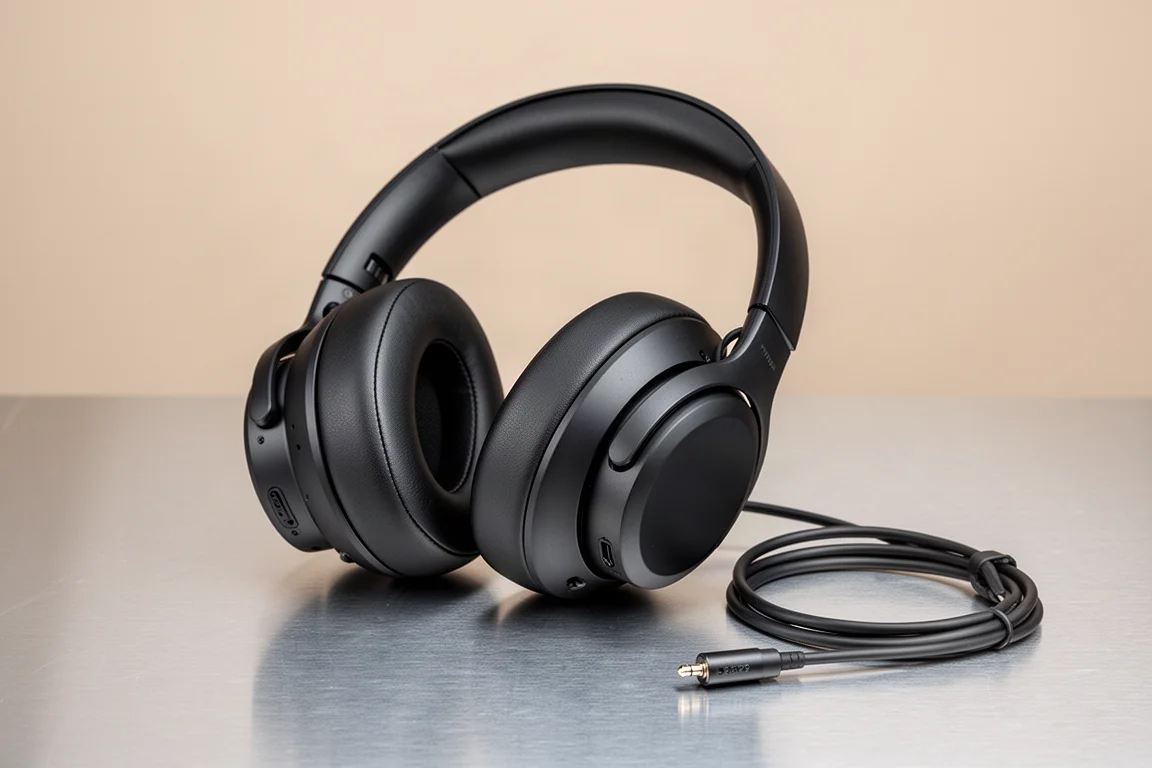
The ATH-M50x earns its reputation largely through features. Its cables are detachable, which matters for two reasons: a broken cable is a cheap fix rather than a dead pair of headphones, and you can swap between lengths depending on the job. A short cable is handy when you do not need the reach, since it tangles far less than a long one.
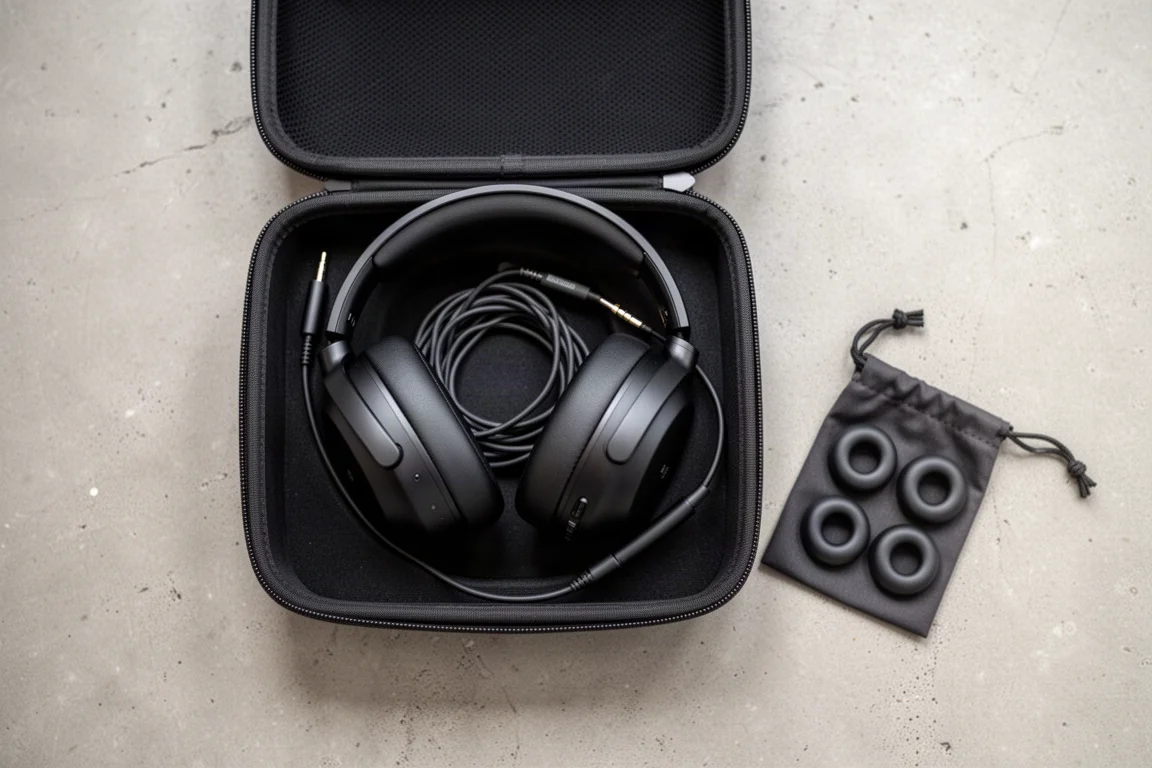
The other standout feature is the swivel mechanism. The ear cups rotate and the headphones fold, which makes them genuinely portable. They slip into a small compartment in a work box and travel easily, which is why they remain a common choice for live production work where packing light and packing fast is the norm.
On sound, the ATH-M50x is the flatter of the two. It tends to present a mix as a single unit rather than as a set of separate elements, and that perspective is valuable. If a mix is muddy or jumbled, this pair will make that muddiness obvious rather than flattering it. For live sound and broadcasting, where you want a dependable reference rather than extra sparkle, that trait is a real advantage.
The trade-off is fit. The ATH-M50x sits closer to an on-ear feel than a true over-ear feel, and the ear cups do not offer much extra room. For short sessions that is fine. Over a long day it becomes the most noticeable weakness of an otherwise very capable headphone.
Beyerdynamic DT 770 Pro: Clarity, Isolation, and All-Day Comfort
The DT 770 Pro approaches the same job from a different direction. Its strongest quality is clarity. The frequency response carries a boost in the highs, which brings out shimmer and detail in whatever you are listening to. The result is a sense of spaciousness and separation that makes it easier to pick out individual elements inside a mix, which is exactly what you want when you are working on arrangement or balance.
The cable is coiled, which some users prefer for tidiness, but it is not detachable and it can run short for certain setups. An extension cable solves that for a few dollars, and for many desks it is a necessary addition rather than an optional one.
The cloth ear pads appear likely to hold up a little longer than the material on the ATH-M50x, though they may stain over time with heavy use. Replacements are available, at a slightly higher cost than the Audio-Technica pads.
Isolation is a close contest, but the DT 770 Pro edges ahead. It is also a true over-ear design, with noticeably more room inside the ear cups, and that extra space is what makes long listening sessions comfortable rather than punishing. The one place it gives ground is portability. It does not fold, so it is a poor fit for anyone who needs to pack headphones into a small case for live production work.
One detail to plan for: the DT 770 Pro is sold in several impedance versions. Higher-impedance versions need substantially more power to reach the same output level, so the version you choose should match the gear you own.
Comfort and Isolation: The Daily-Use Difference
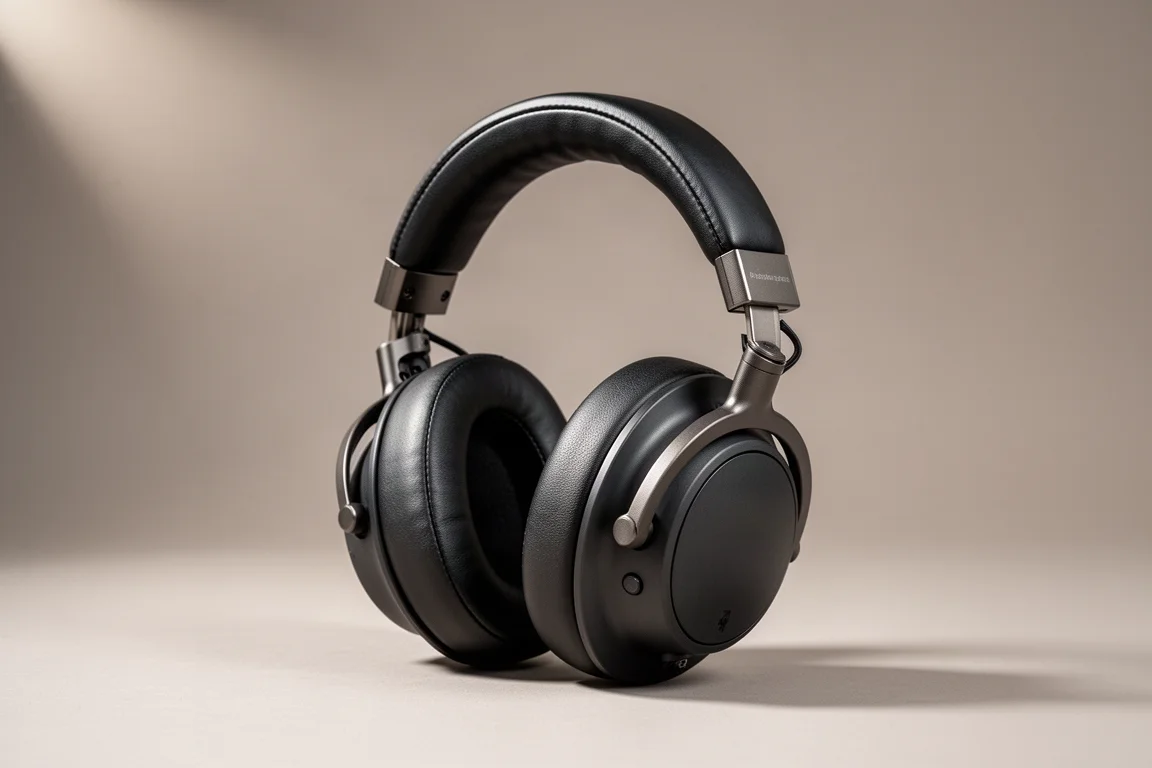
Comfort is the single biggest difference between these two headphones, and for many buyers it will decide the purchase on its own. The ATH-M50x can become uncomfortable after extended wear, with ear pressure building up during long sessions. The DT 770 Pro can be worn for hours without that discomfort, and the extra room in the ear cups is the reason why.
Isolation leans toward the DT 770 Pro, but loudness leans the other way. The ATH-M50x can get louder, and depending on which version you own, the Beyerdynamic pair may not reach the same output level. In an extreme environment, such as monitoring on a loud stage, the louder headphone can be the more practical one even though it isolates less. In an ordinary studio or office, isolation is the more useful quality, and the DT 770 Pro has the edge.
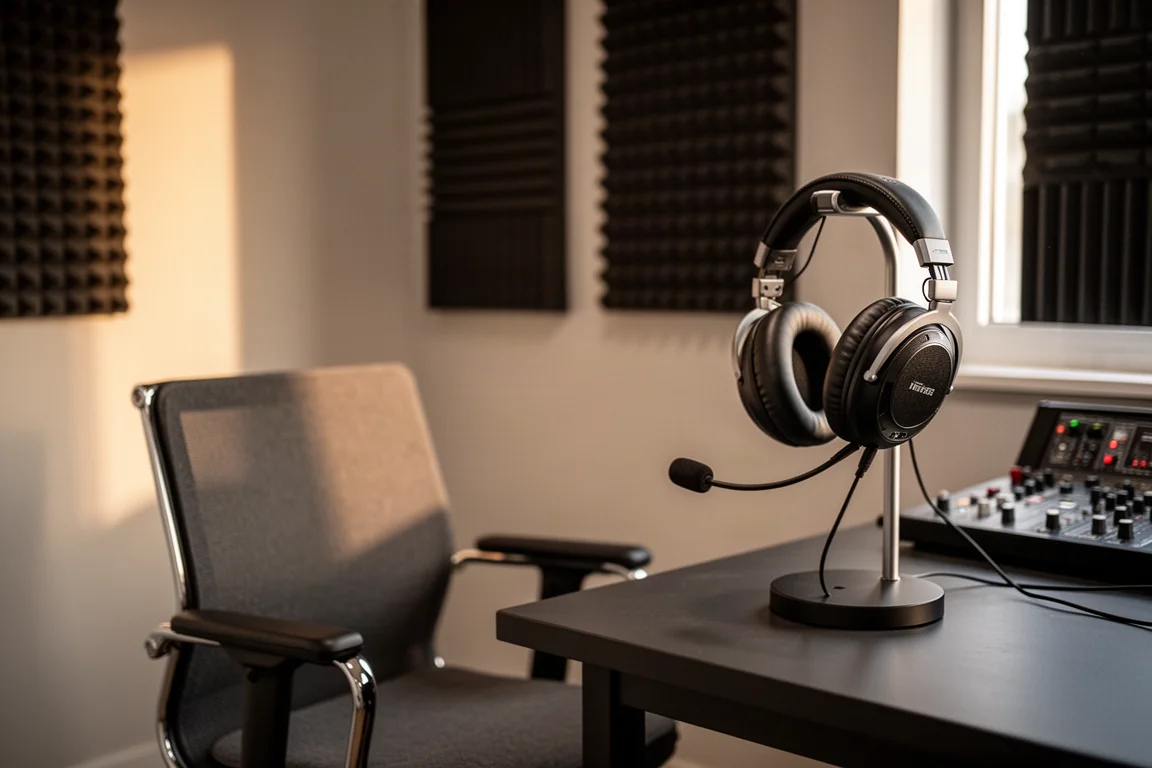
If you wear headphones for hours at a time, weight the comfort question heavily. It is the difference you feel every single day, and it is harder to work around than any other gap between these two designs.
Impedance and Power: What Your Setup Needs
This is the category that can quietly disqualify the DT 770 Pro, and it is worth checking before you buy. The headphone comes in several impedance versions, and the higher-impedance option requires a great deal more power to produce the same listening level.
If you are running an audio interface or a dedicated headphone amplifier, that extra power demand is usually not a problem. If you plan to plug straight into a laptop or a smartphone headphone output, the higher-impedance version is not the right choice, and a lower-impedance version is the safer route.
The ATH-M50x does not carry the same power warning, which makes it the more forgiving option for buyers who move between devices and want something that simply works from whatever output is available.
Buying Advice: Which One Matches Your Workflow
Choose the Audio-Technica ATH-M50x if portability and flexibility come first. Detachable cables, a folding frame, and a flatter reference presentation make it a strong fit for live production, broadcasting, and anyone who needs to pack headphones into a small case and travel with them. It is also the easier pair to drive from everyday outputs, and its replacement pads are inexpensive.
Choose the Beyerdynamic DT 770 Pro if you wear headphones for long stretches and want more detail from your mixes. Better comfort, better isolation, and a high-frequency lift that separates elements clearly are the reasons to pick it. Just confirm the impedance version suits your gear, and budget for an extension cable if your desk setup needs the extra reach.
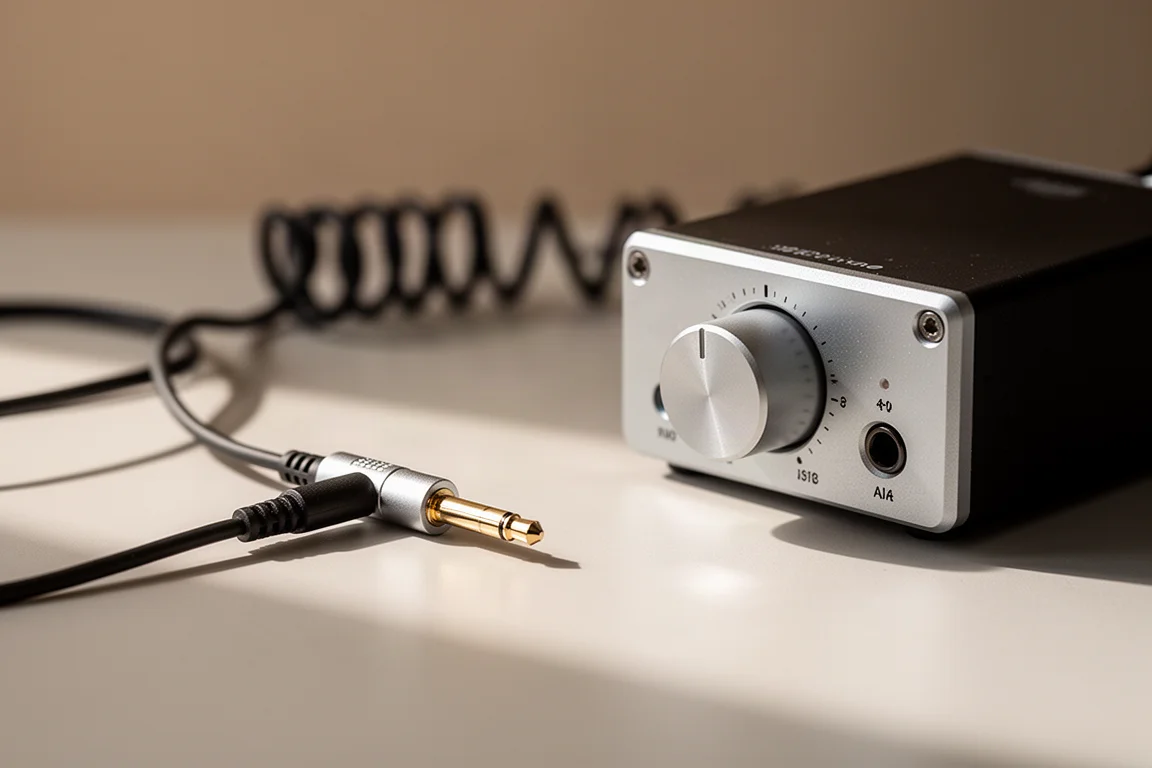
Neither choice is a compromise on build quality. Both are well made for the money and both hold up over years of use, so the decision really is about which set of strengths matches the way you listen and work. If you split your time between portable live work and long mixing sessions, the honest answer is that owning both for different tasks is a reasonable outcome rather than an indecisive one.
Conclusion
At around $150, the Audio-Technica ATH-M50x and the Beyerdynamic DT 770 Pro both deliver a great deal of value, and the right pick depends on your priorities rather than on one being objectively superior. Reach for the ATH-M50x when you need folding portability, detachable cables, a flat reference character, and easy driving from any output. Reach for the DT 770 Pro when comfort over long sessions, stronger isolation, and extra clarity in the highs matter most, and when your setup can supply the power the higher-impedance version asks for.
Further reading
Related Reviews
Headphones
Apos Audio Caspian Review: Warm Bass, Solid Build, and a Detail Trade-Off
The Apos Audio Caspian is an easy-to-drive open-back headphone with standout bass and a warm, relaxed tuning, though mid-range and treble detail trail the competition.
Headphones
Audeze LCD-X vs LCD-XC vs LCD-3: Which High-End Headphone Fits Your Setup
A practical comparison of three Audeze planar magnetic headphones under $2,000, covering the open-back LCD-X, the closed-back LCD-XC, and the wood-ringed LCD-3.
Headphones
Audeze LCD-X vs HiFiMan Edition XS: Two Open-Back Headphones Compared
A practical comparison of the Audeze LCD-X and the HiFiMan Edition XS, covering build quality, comfort, sound signature, and which listener each one suits.