Audio Accessories
Audio Cables and Power Conditioners: A Three-Tier Buying Guide
A practical, tiered look at audio cables and power conditioners, from budget basics to the point where spending more stops making sense.
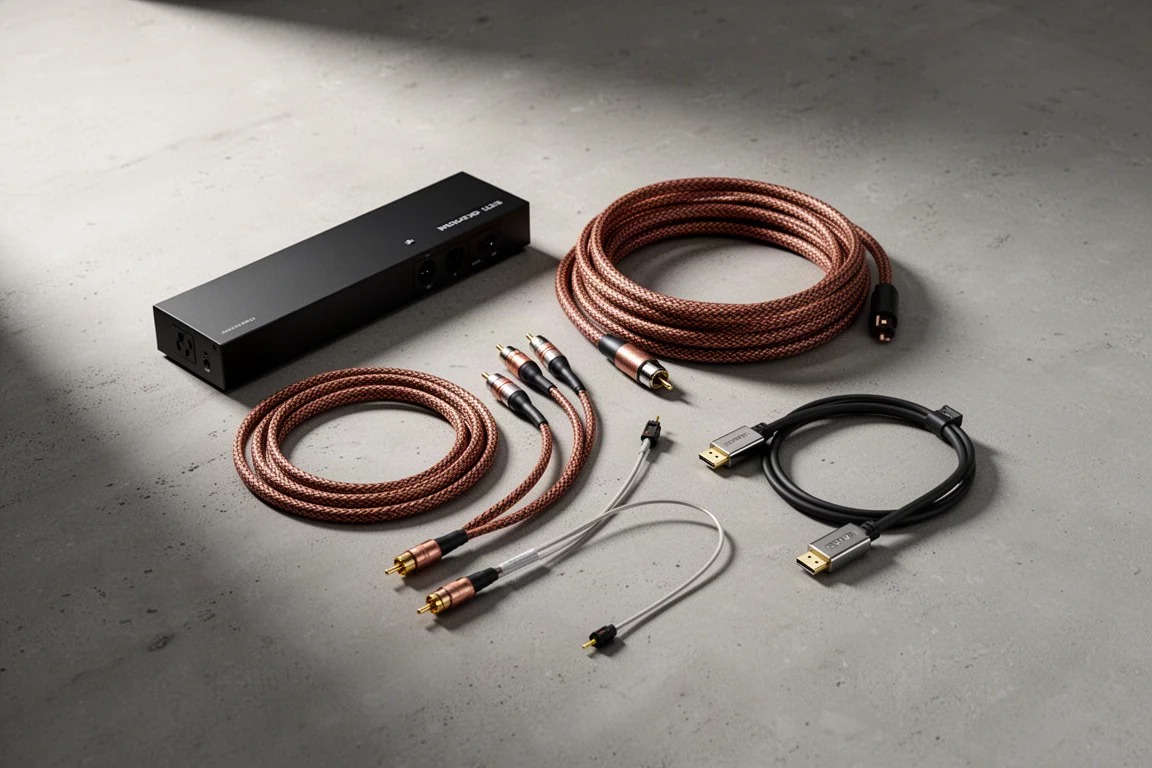
Introduction
Cables may be the most argued-about part of a hi-fi system. Amplifiers, DACs, and speakers all get their due, but mention power cables or HDMI and the conversation changes temperature quickly. The useful position is simpler than either camp suggests: every part of the chain matters, and cables are part of the chain. What does not follow is that you need to spend thousands of dollars to get a system that behaves.
This guide covers three tiers: a practical budget tier, a mid tier where upgrades start to make sense, and an upper tier that marks where spending more stops being worthwhile. Not every item is necessary for every system, and none of it is a directive. Treat it as a menu.
How to Think About Cables and Power
Two factors do most of the real work in a cable purchase: shielding and build quality. A properly shielded interconnect can eliminate a hum that no amount of tweaking elsewhere will fix, and connectors that grip properly and stay seated save you from intermittent faults that are maddening to track down.
Beyond that, the sensible approach is home auditioning. AudioQuest cables carry a 30-day return policy, and Amazon purchases can be sent back, so you can compare a candidate against what you already own on your own equipment. Whether you hear a difference is your call to make, rather than something to accept on faith or dismiss without listening.
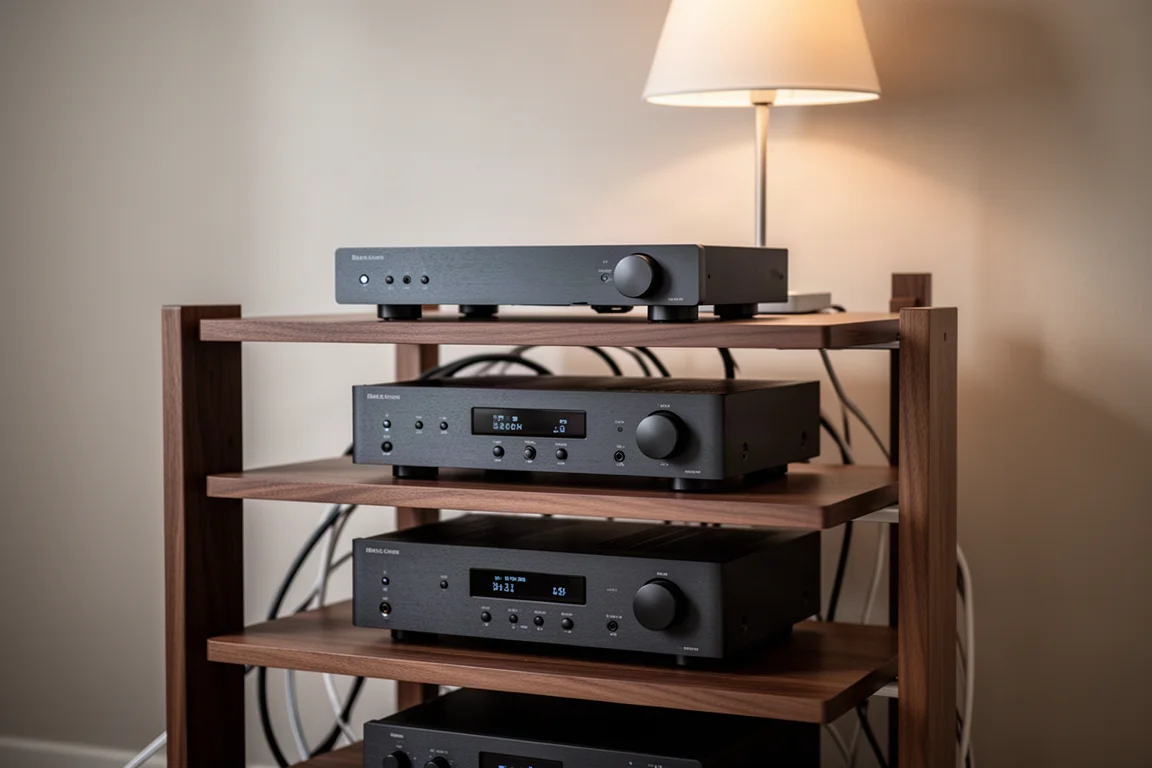
There is also a ceiling worth respecting. Beyond a few hundred dollars for a single cable or conditioner, the case becomes difficult to make for most systems, and this guide stops there on purpose.
Budget Tier: The Practical Basics
The goal at this level is straightforward: solid connections, adequate shielding, and no meaningful outlay. Assembled end to end, the list lands around $100, less if you need fewer interconnects.
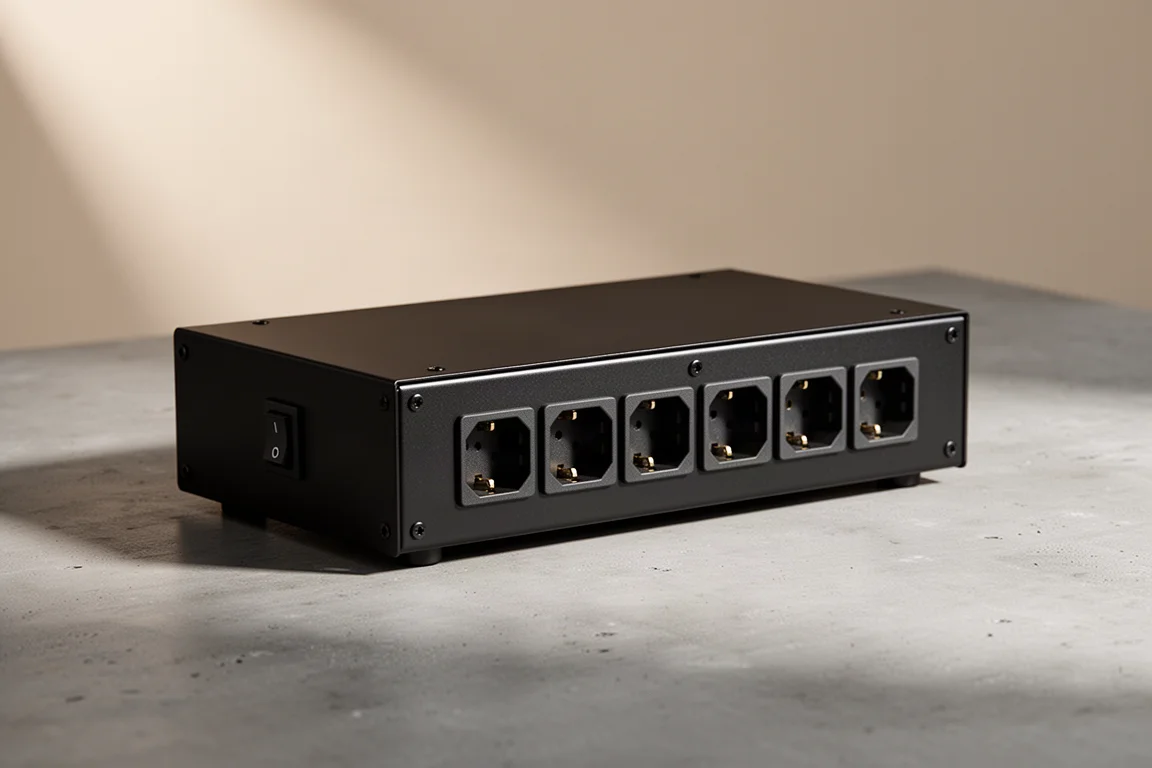
Furman Power Conditioner
A six-outlet Furman power conditioner at around $26 sits in the same price bracket as an ordinary power strip, which makes it an easy starting point. The chassis is metal and built heavily, and the model carries more than five thousand ratings. Having more outlets than a small system needs is a comfortable problem to have.
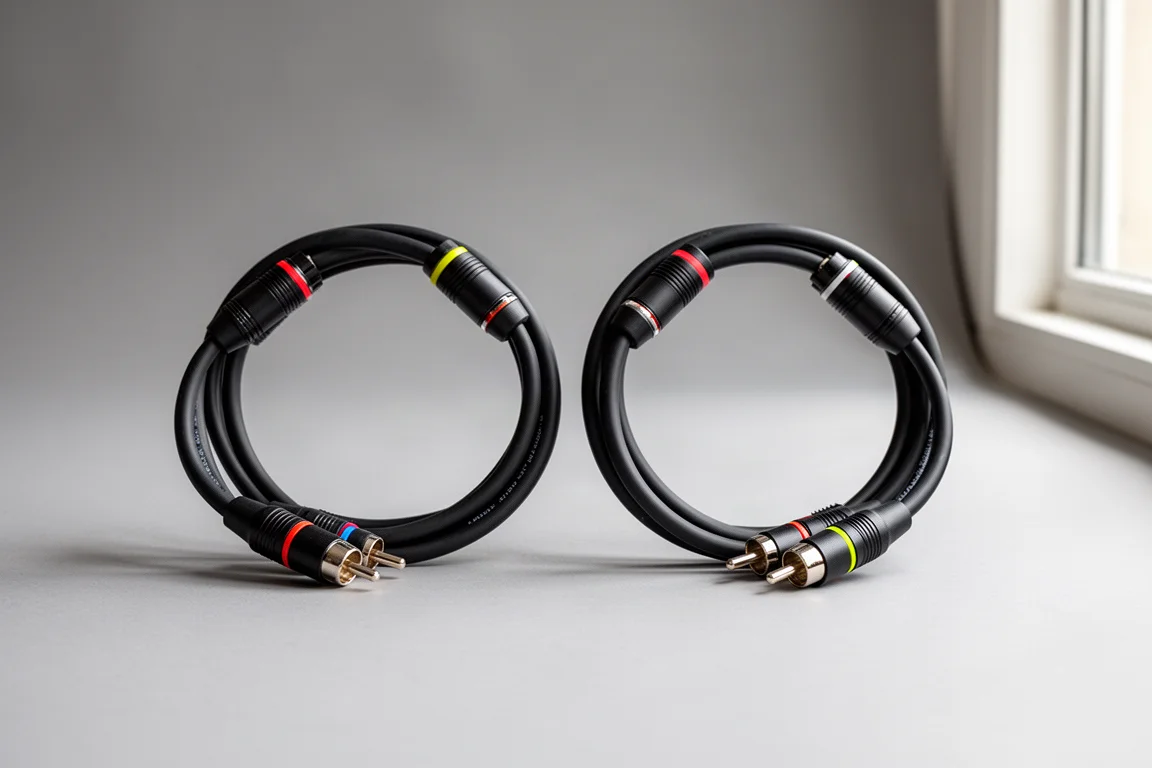
Amazon Basics RCA Cables
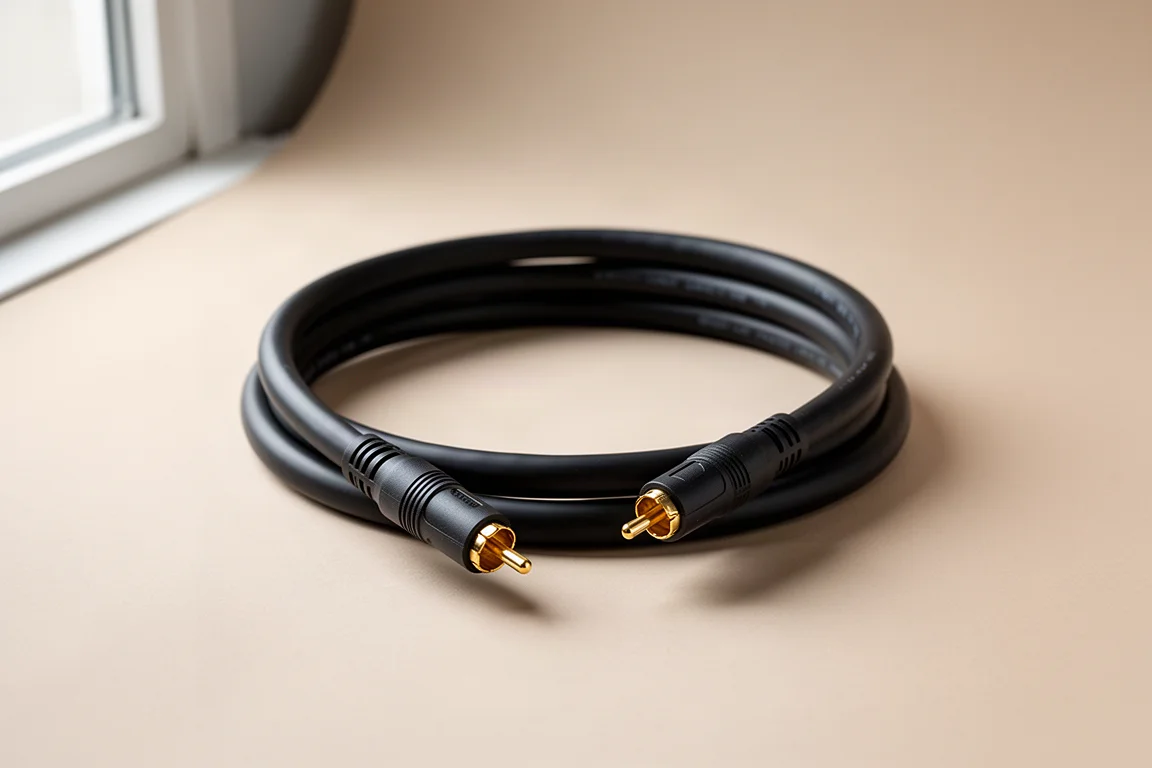
Interconnects at this level are chosen for shielding and build rather than for sound. Unshielded budget RCAs are a common cause of hum, and swapping one out for an Amazon Basics cable has resolved the problem outright. They are light and pliable, so they route easily behind a rack, and they cost about $8.63 depending on length. Four-foot lengths are the standard option; three-foot lengths are not offered.
Amazon Basics Optical Cable
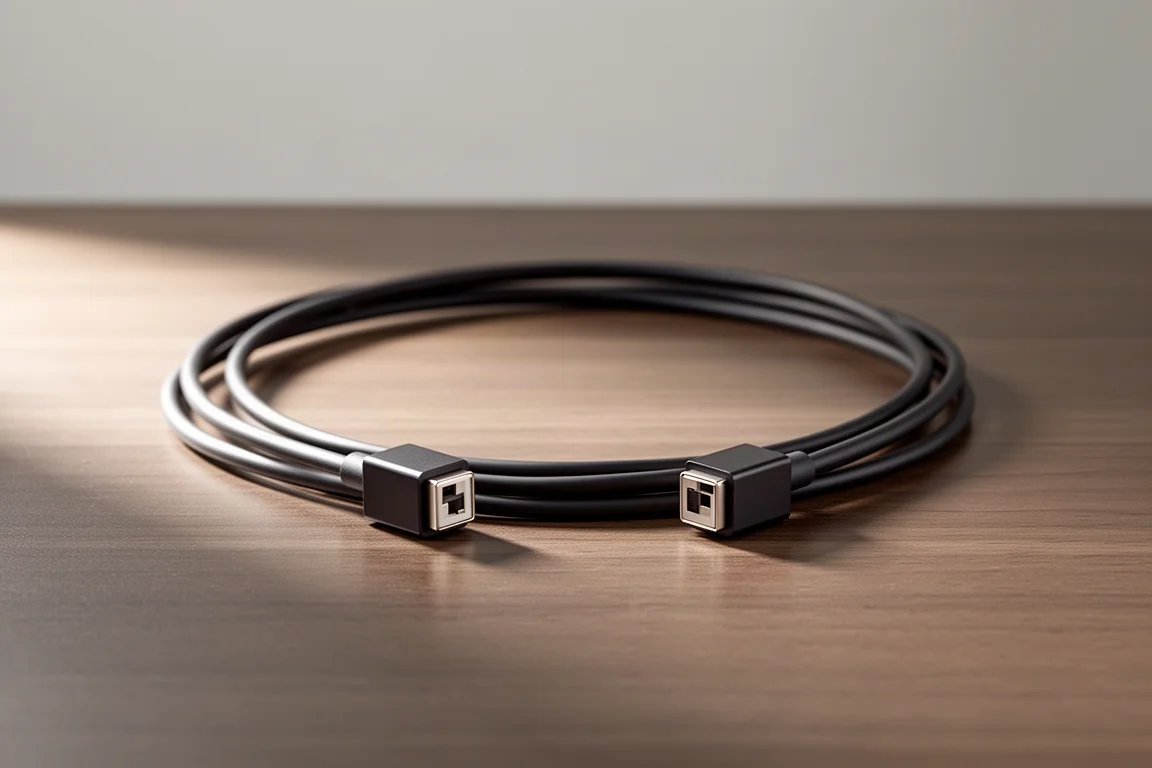
The thin optical cables bundled with components generally work, so this is not a mandatory purchase. Where it earns its place is in semi-permanent installations, where a more pliable cable is far easier to route and dress behind furniture.
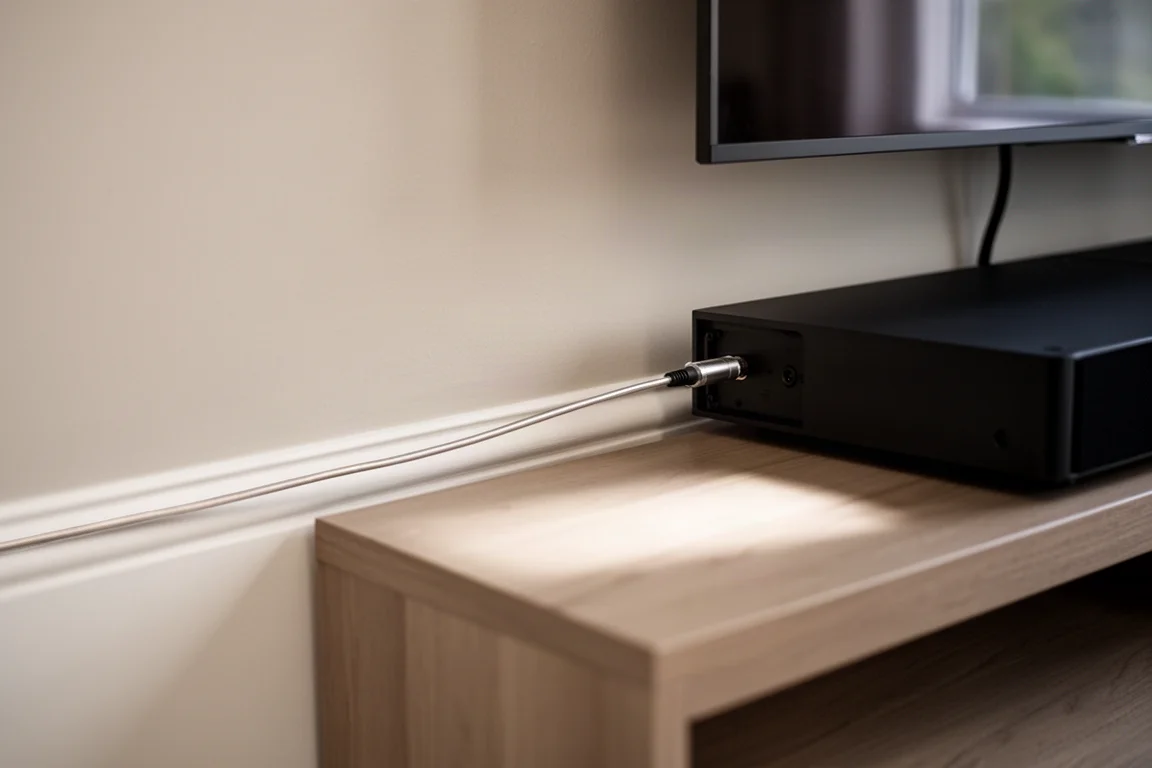
For permanent runs, this is an affordable way to keep the connection tidy, and it pairs naturally with the rest of the budget tier.
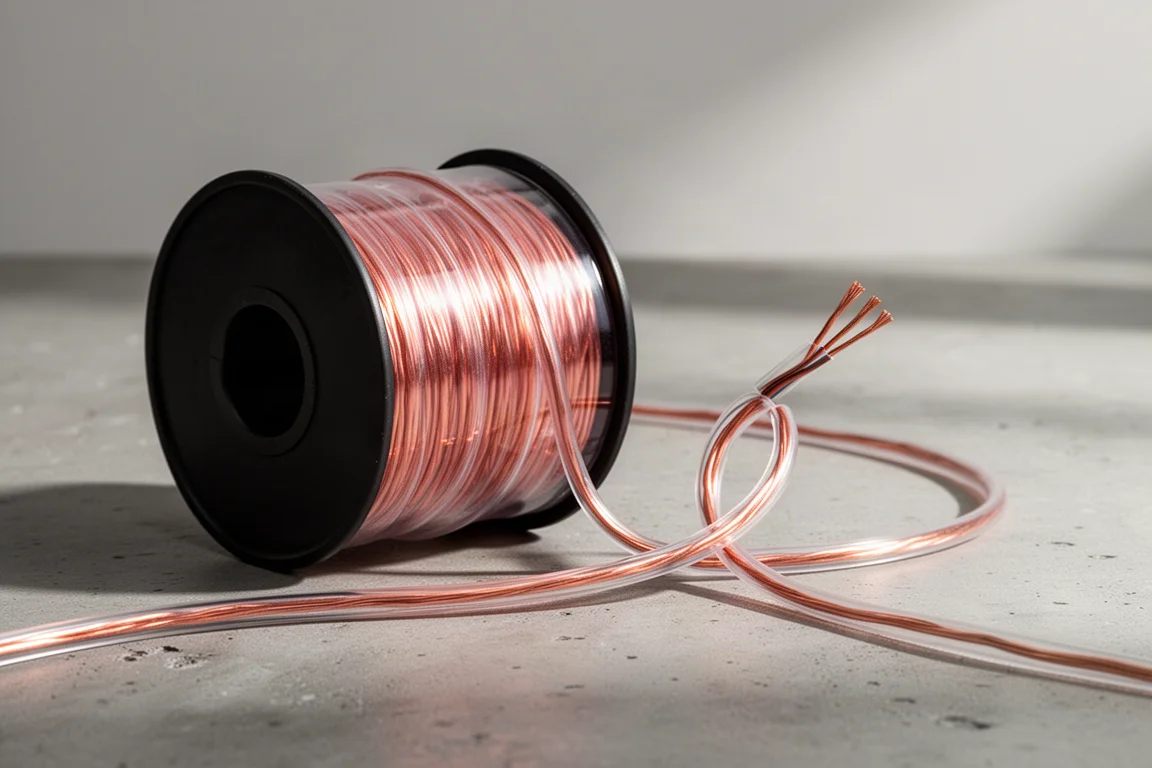
Monoprice 12-Gauge Oxygen-Free Copper Speaker Wire
Speaker wire is one area where buying in bulk pays off. A 50-foot roll of 12-gauge oxygen-free copper runs about $25, which is enough for two long runs or several shorter ones. Cutting your own lengths lets you match the real distance between amplifier and speakers instead of coiling up excess cable behind the rack.
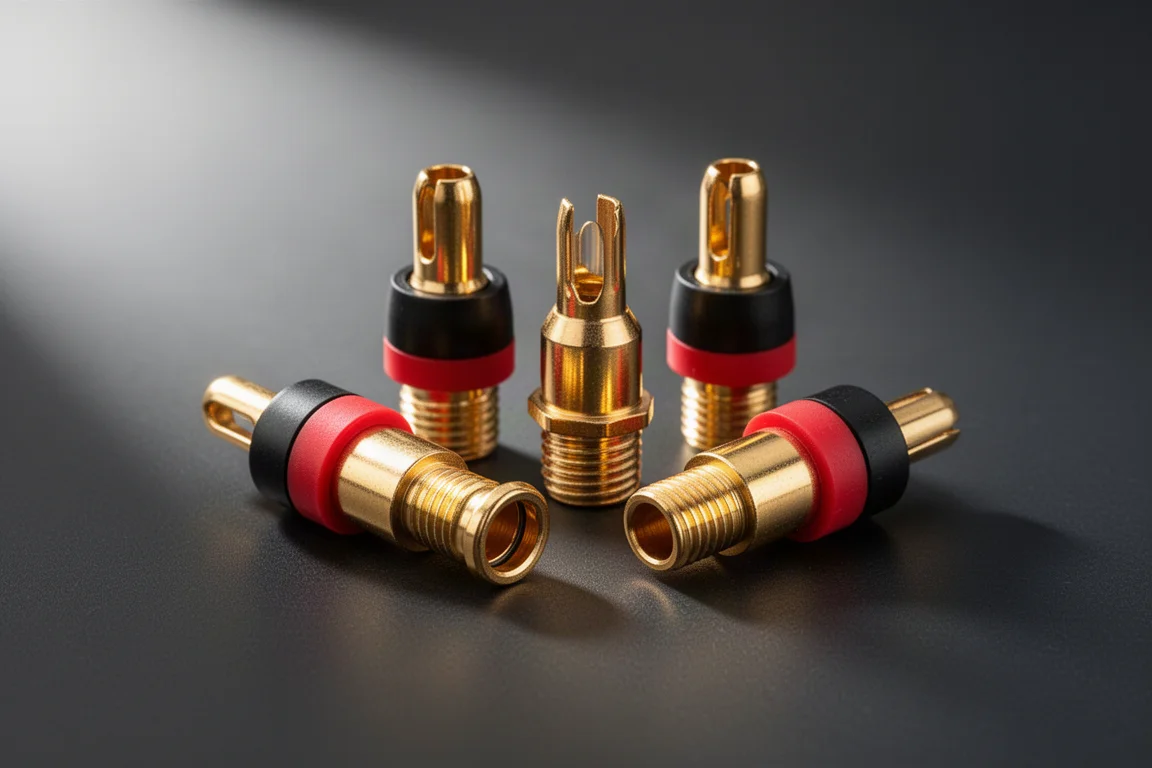
Amazon Basics Banana Plugs
Bare wire works, but terminations make swapping components much easier. These plugs unscrew to reveal a set of jagged edges, and the folded wire is gripped when the plug is tightened back down. That grip is why they hold better than set-screw designs, which tend to pull loose over time. They are sold in packs of six pairs.
Amazon Basics Subwoofer Cable
A subwoofer cable is not the place for a significant outlay. This one costs around $11, and length is the main variable in the price.
Amazon Basics High-Speed HDMI Cable
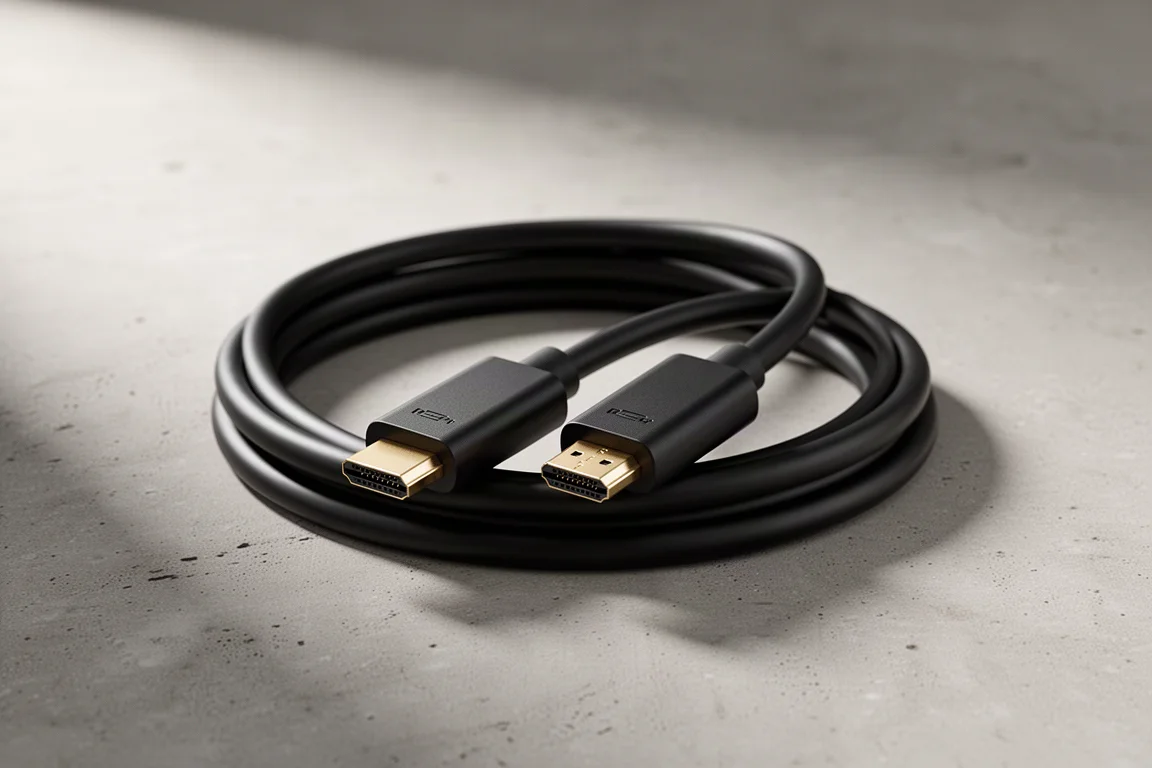
At roughly $6.70 for a 48 Gbps cable, this is the practical default for most HDMI connections in a system. It is the budget counterpart to the premium HDMI option covered later.
Mid Tier: Where Upgrades Start to Make Sense
Roughly $300 covers everything in this tier. Build quality and materials step up, and this is where auditioning at home becomes genuinely interesting.
AudioQuest Pearl HDMI Cable
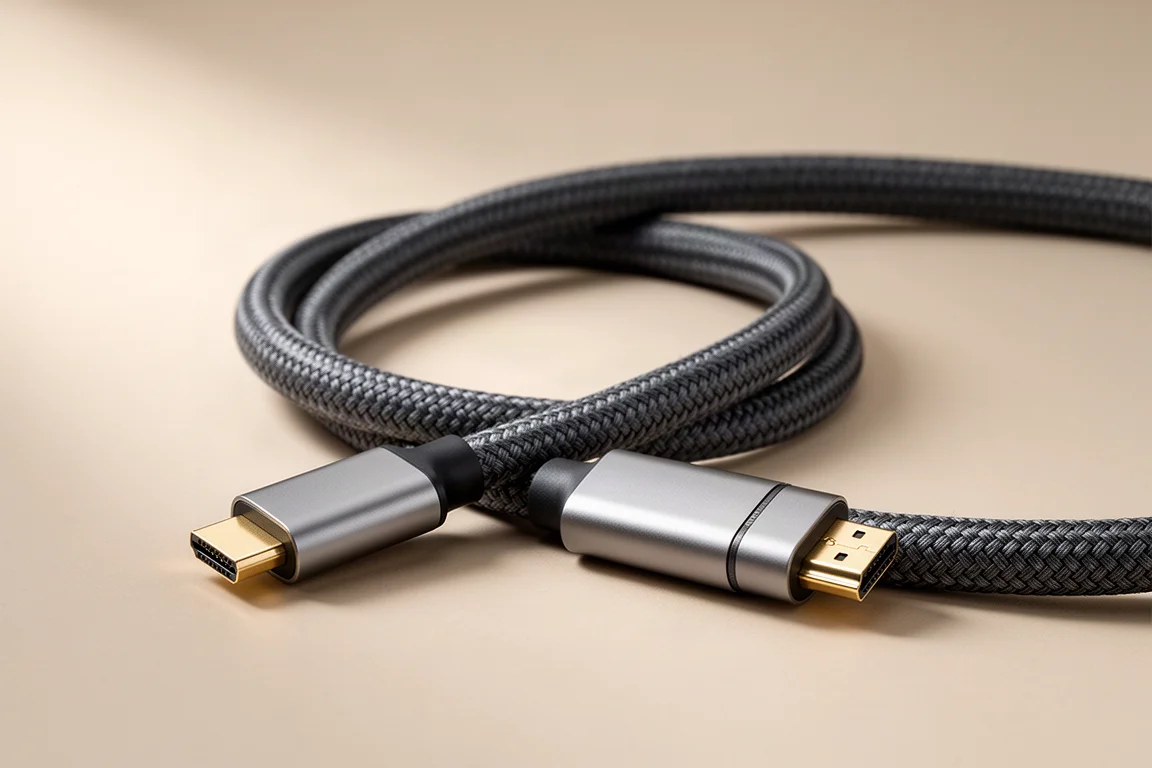
Whether a digital cable can change what you hear or see is contested, and that is exactly why this cable is interesting. The Pearl is the brand’s most affordable 48 Gbps option at around $50, with the 2.5-foot length costing less, and it is backed by a 30-day return policy. If you want to test the question on your own system rather than argue about it, this is a reasonable place to begin.
World’s Best Cables RCA Interconnects
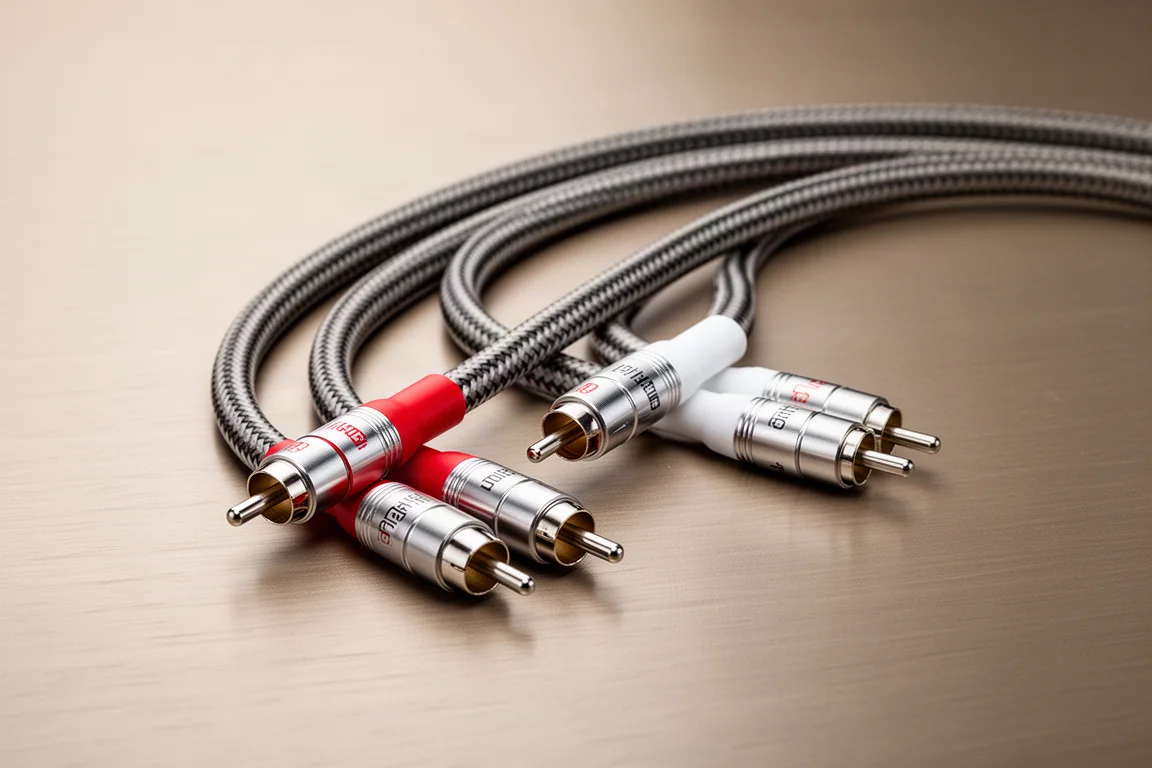
These interconnects run about $25 to $35 per pair depending on the version, with the Amphenol and Canary builds being the common picks. They are constructed well and stay pliable, so they follow the route you need instead of fighting it. Some versions are directional and are marked accordingly. For buyers who prefer to shop through Amazon, this is a safe choice.
Emotiva CMX6 Power Conditioner
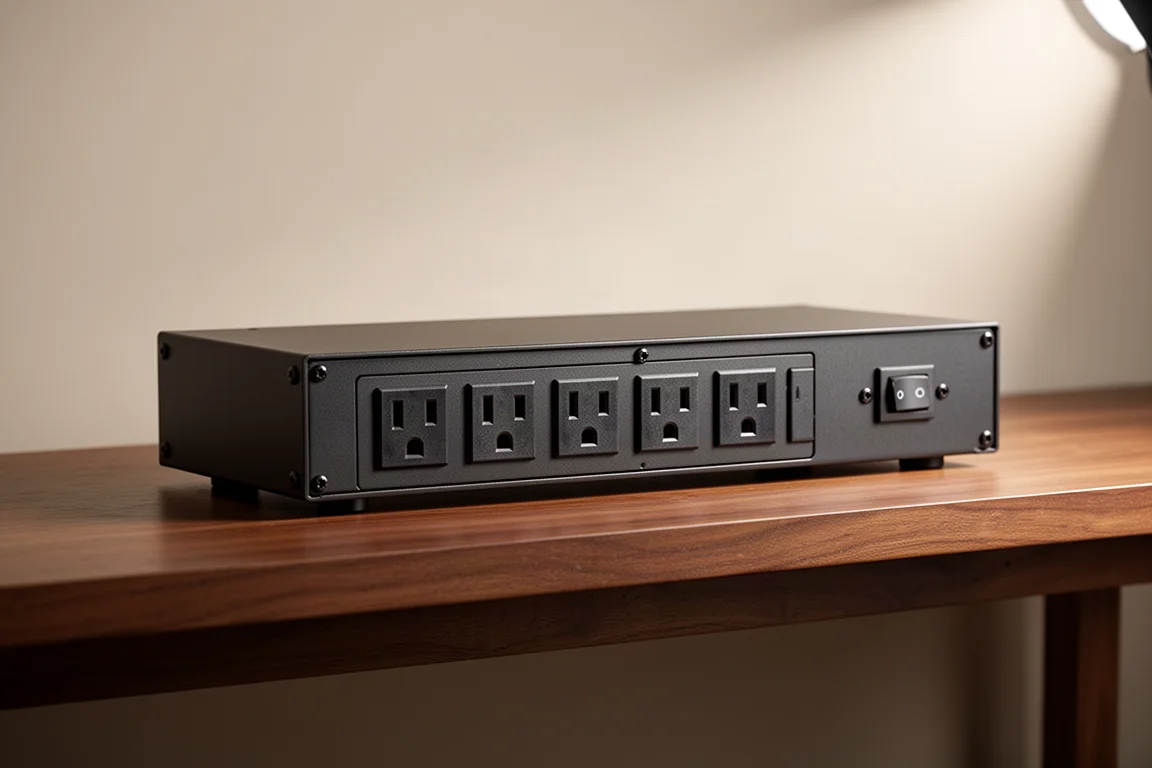
Six outlets, solid construction, and a price that recently dropped from $170 to about $100. It can be mounted, which helps in a rack or against a wall, and the build quality is the main argument in its favour at this price.
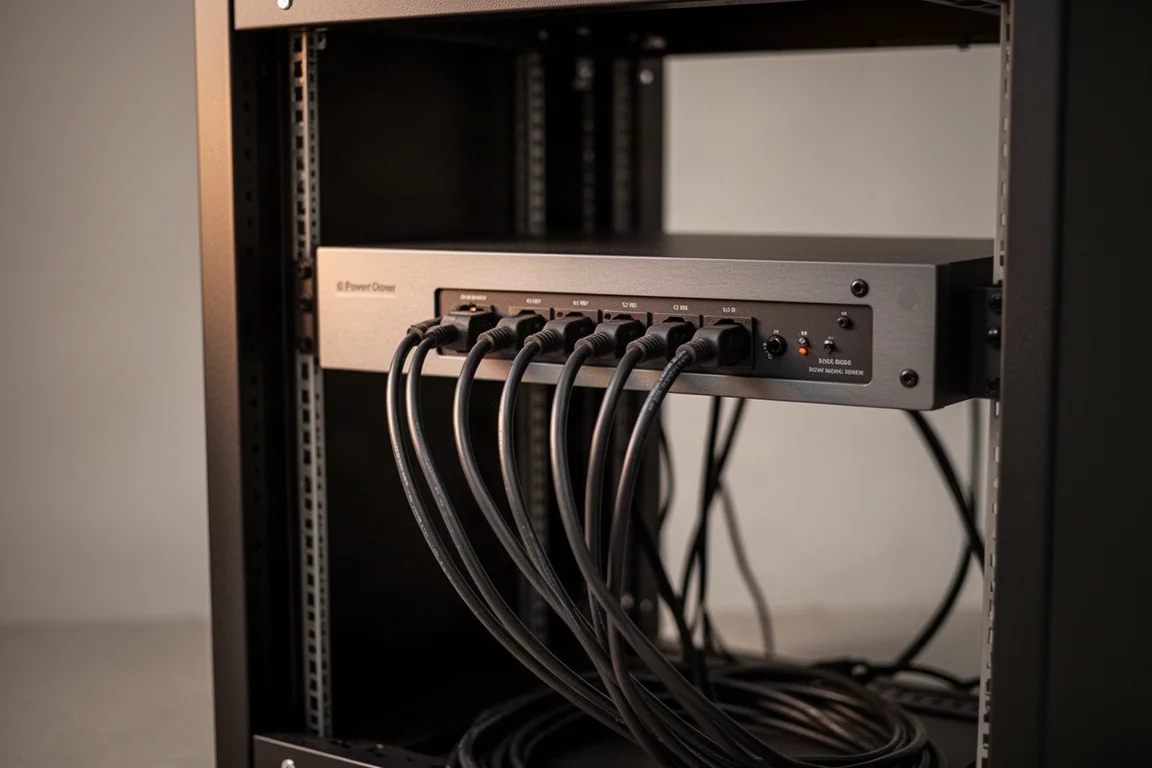
If you are not convinced by power conditioning, a well-built distribution point at around $100 is still easy to justify on practical grounds alone.
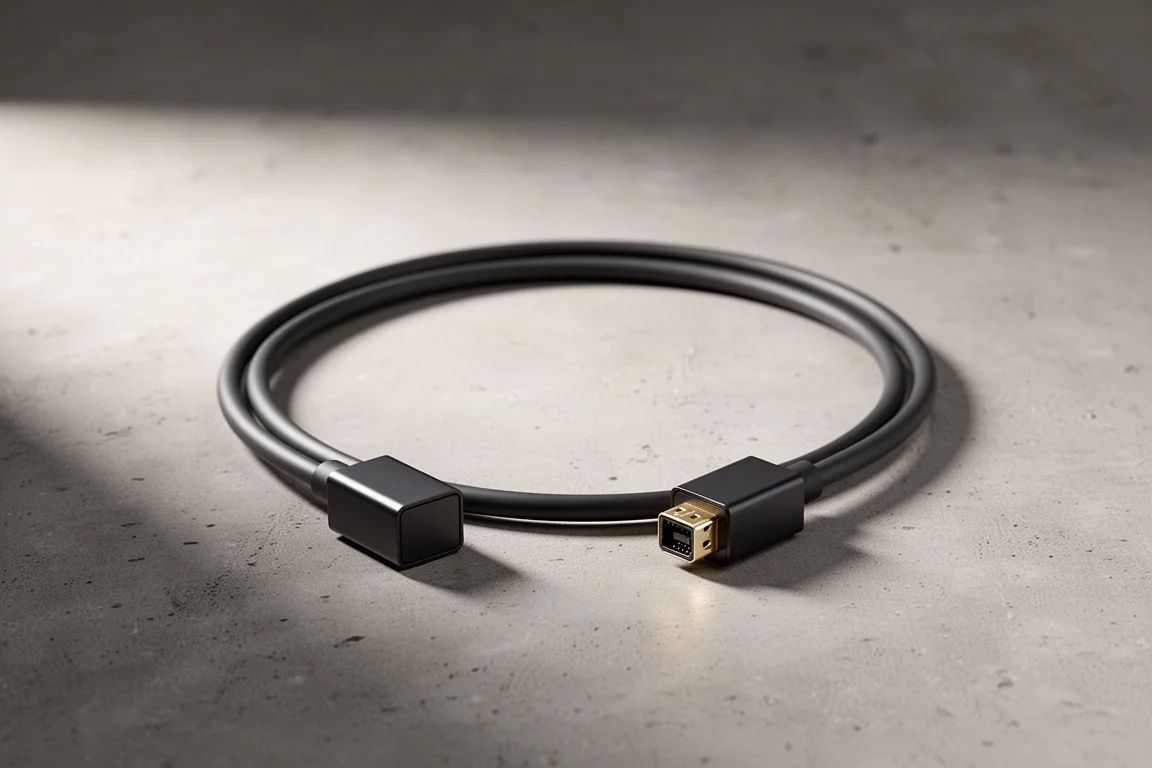
AudioQuest Optical Cable
At around $40, with the price rising for longer lengths, this is a modest step up from the very thin optical cables that ship with many components. Where any difference comes from is difficult to pin down, but the outlay is small enough that it counts as low-risk insurance on a semi-permanent connection.
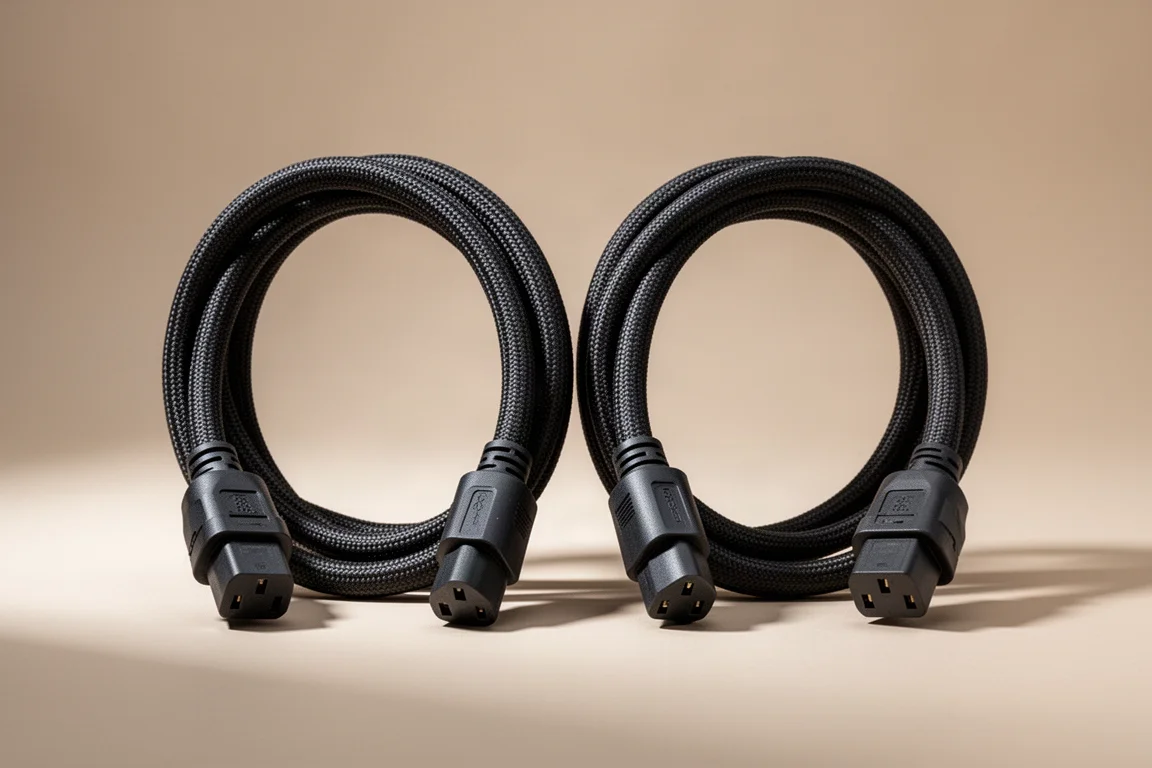
Pine Tree Audio Power Cables
About $60 each for a two-foot length. The comparison is what makes these appealing: a $5 generic cord against a $60 cable is a small enough gap to audition without much regret, and if the whole idea turns out to be nonsense, the cable goes back.
SVS Subwoofer Cable
Around $25, braided, and built noticeably better than a basic cable. There is no claim about sound here, just solid construction that will hold up over years of use.
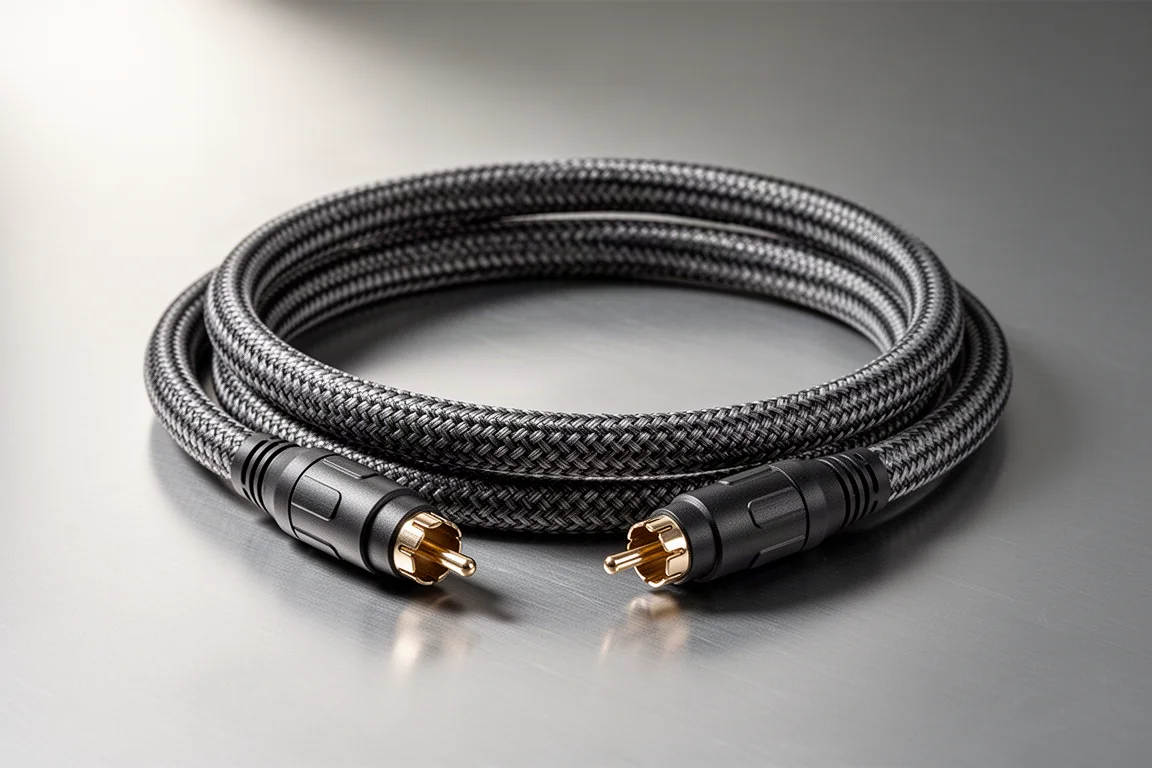
SVS Speaker Cables
Braided and available in lengths that reach $100 per pair or more. The finish is cleaner than a homemade cable unless you are adding your own heat shrink and hardware, and the build is the reason to consider them.
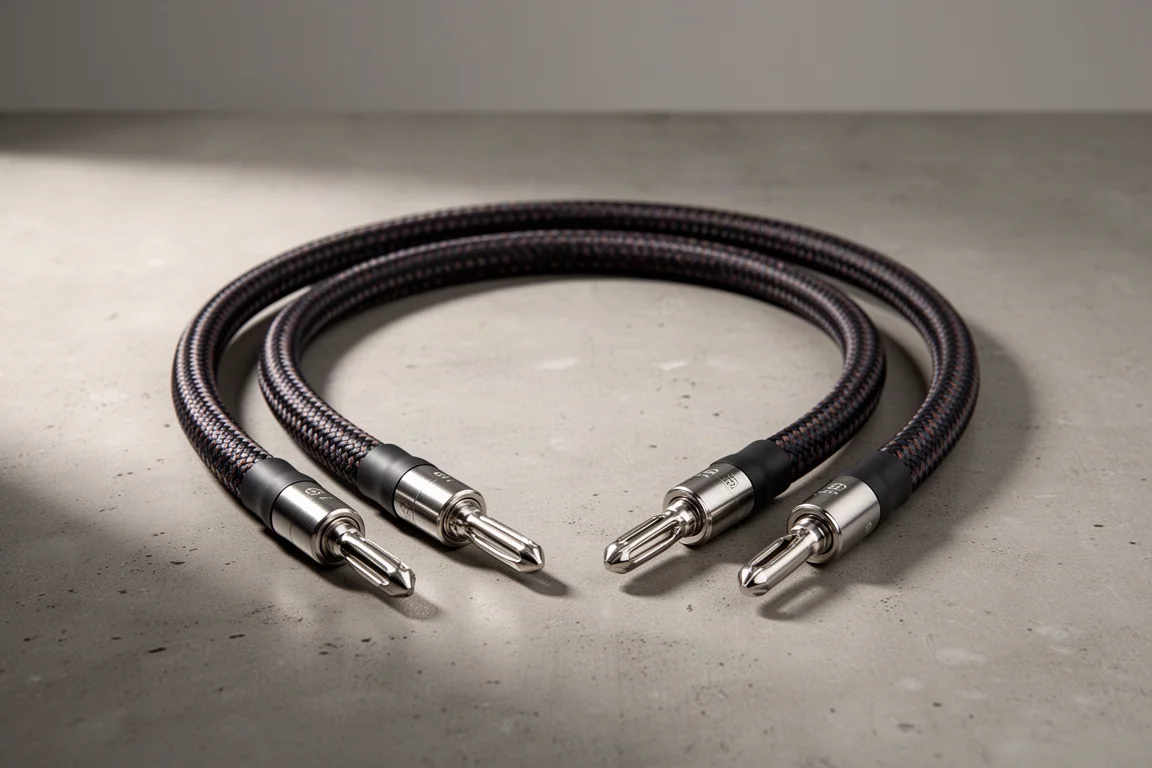
Upper Tier: Where This Guide Stops
The upper tier is where the returns get harder to argue for. Buying one of each item lands around $800, which is not a small number, and there is no reason to buy it all at once. Building the set in stages over time is the sensible route.
AudioQuest PowerQuest 3 Power Conditioner
Eight outlets, several of them high-current for a power amplifier or receiver, plus 5V USB outputs and ethernet in and out. It has risen in price to around $400, and a smaller version with fewer outlets and features sits around $250. The draw is a lower noise floor with cleaner separation between instruments, though whether that is the best use of money in a given system remains a judgment call.
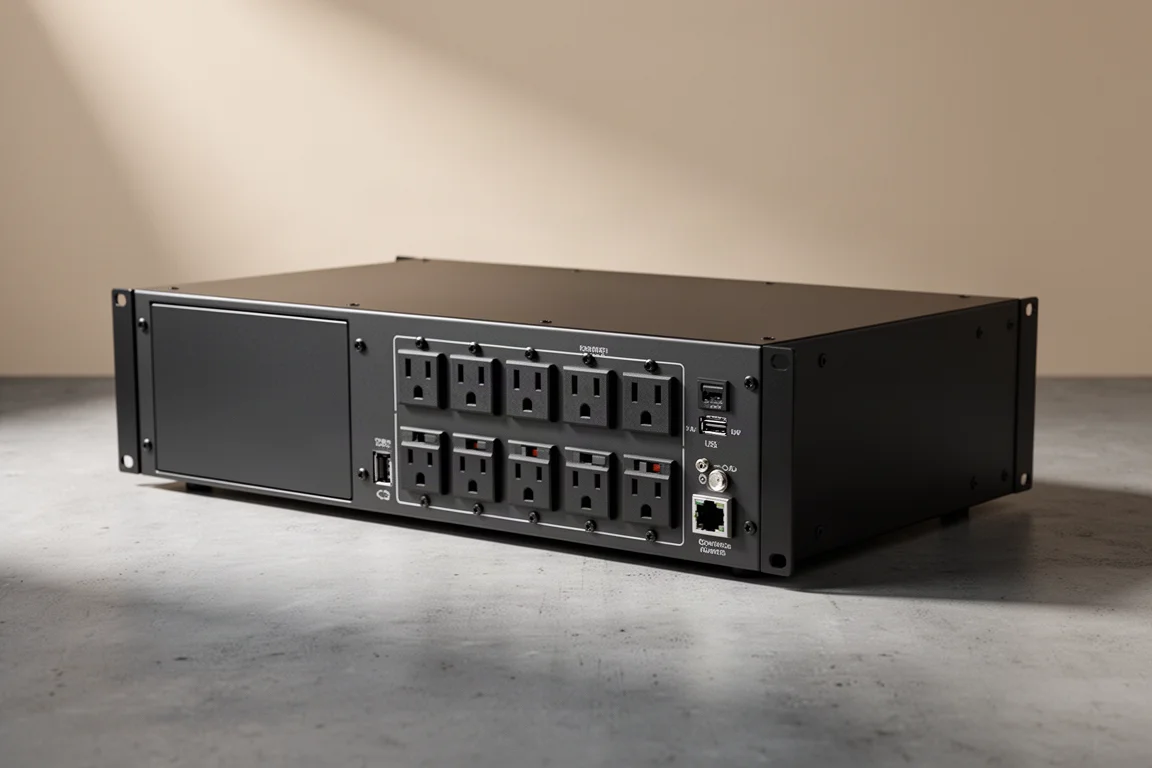
AudioQuest NRG-Y3 Power Cable
Available with a standard three-prong IEC connector, a figure-eight connector, and other plug types, so you can match whatever your component uses. The drawback is weight. These cables are substantial enough that they can pull on the inlet of a lighter component, which is worth managing by looping the cable or propping it against the wall. Blind comparisons have produced noticeable differences, with the stock cable mistaken for the upgrade at least once, which is a useful reminder about expectations.
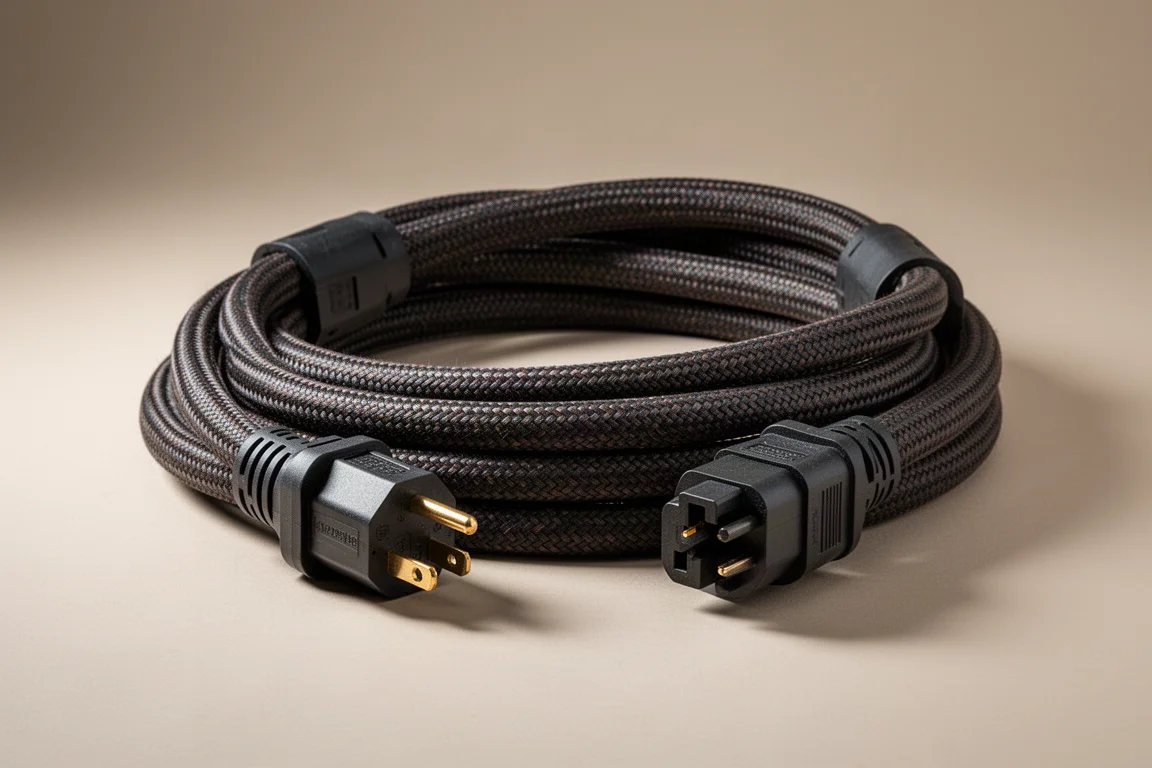
AudioQuest X2 Speaker Wire
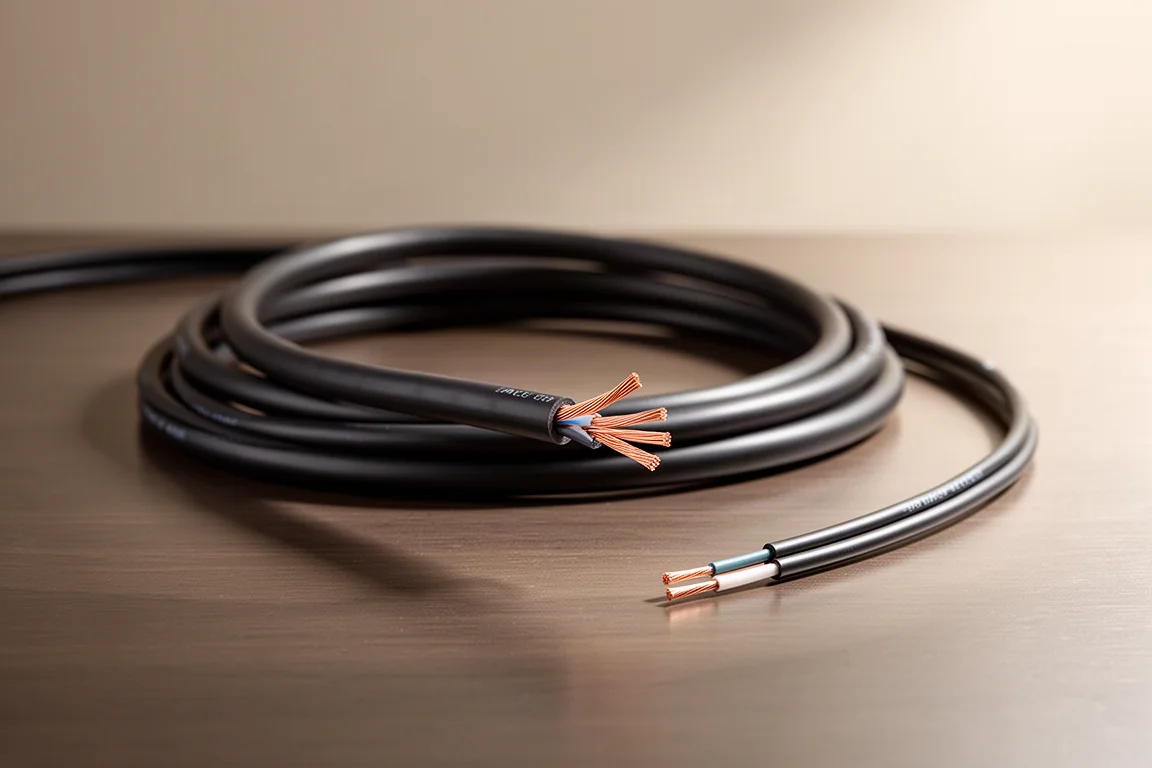
A 30-foot run of bare AudioQuest speaker wire at around $80, available from major retailers. You terminate it yourself with banana plugs, which makes it considerably cheaper than a finished cable from the same family. Keep the weight question in mind here as well: a pliable cable that does not stress the binding posts is often the better practical choice.
Buying Advice: Matching Cables to Your System
Start at the bottom and work upward. Shielding and build quality in the budget tier solve real problems, and most systems will notice those improvements long before they notice anything from a premium cable.
Past the mid tier, the picture changes. Optical, HDMI, subwoofer, and speaker cables do not appear to deliver significant gains above the mid tier options, so there is little reason to spend more on those four categories. Power conditioning and power cables are where the remaining budget is better directed, and even there the sensible move is to buy in stages rather than all at once.
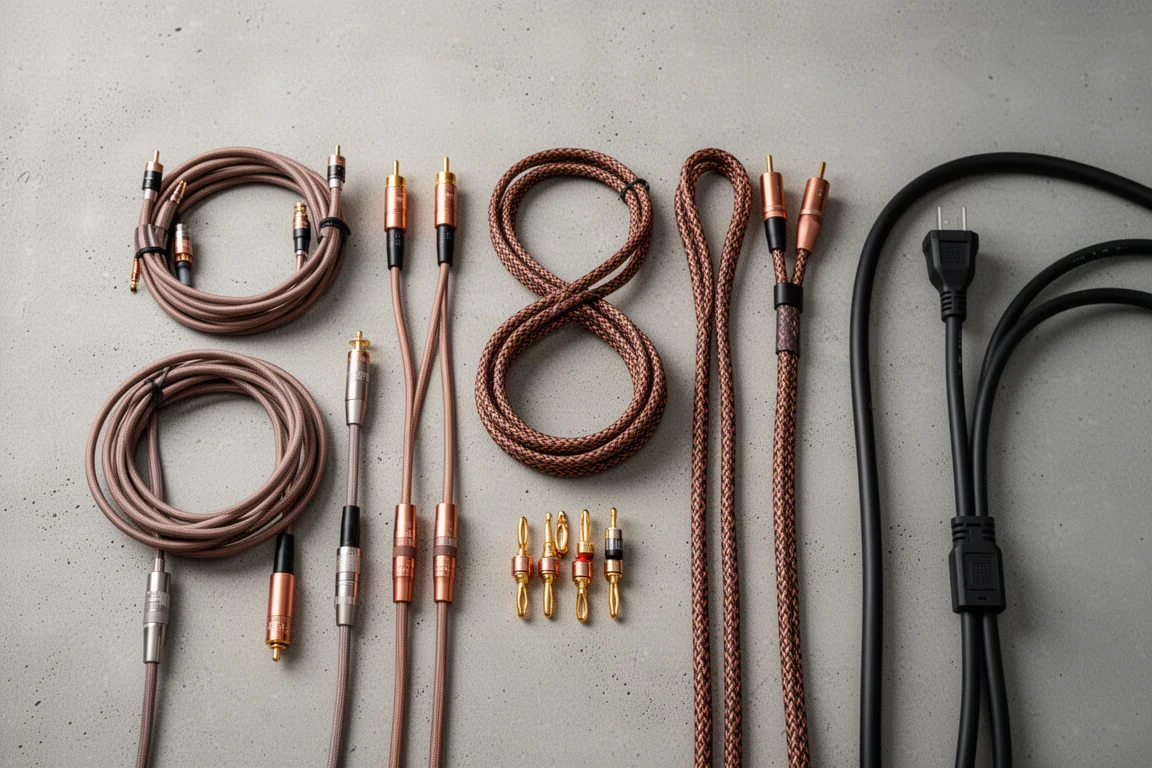
Two practical warnings are worth repeating. Heavy power cables can strain the inlet on a lighter component, and heavy speaker cables can pull on binding posts, so plan the routing before you commit. And because return policies cover most of what is listed here, the strongest advice is to audition at home, on your own equipment, and let your ears settle the argument.
Conclusion
Cables are not a place to spend wildly, and they are not a place to ignore either. The budget tier covers the fundamentals for around $100, the mid tier adds better materials and build for roughly $300, and the upper tier marks the point where this guide stops recommending more. Buy in stages, keep the receipts, and test each change against what you already own.
Further reading
Related Reviews
Audio Accessories
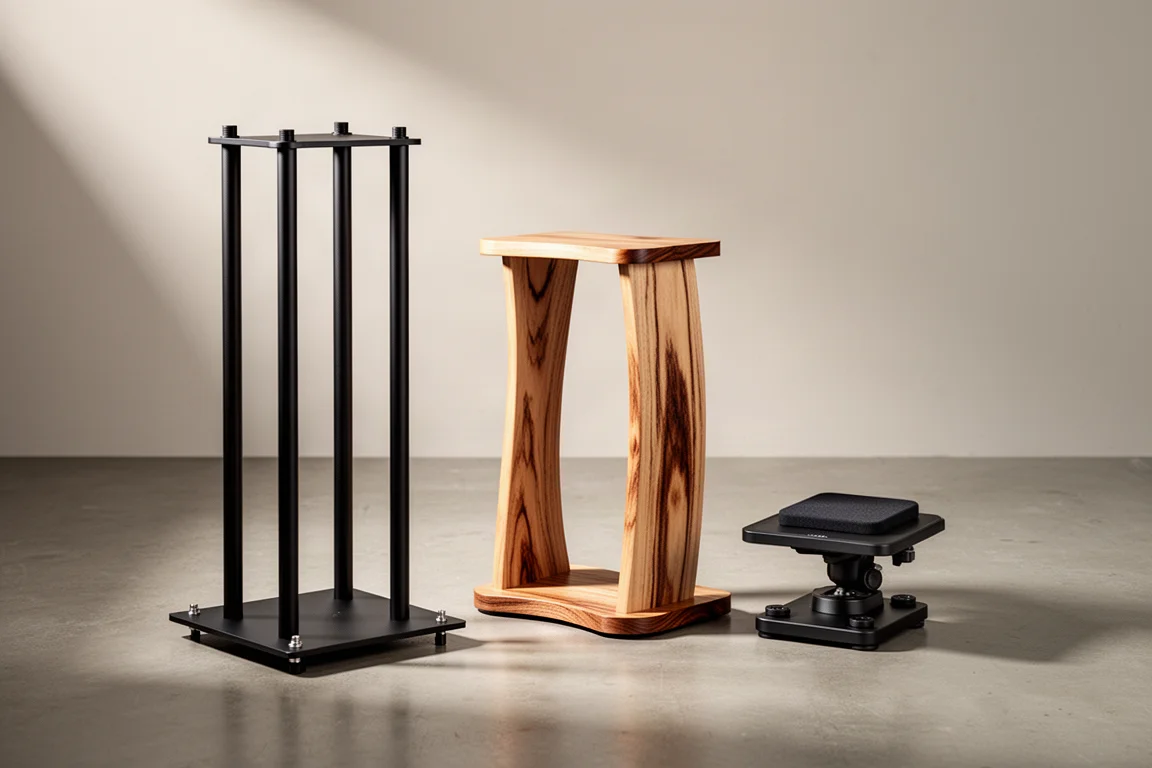
Cheap Speaker Stands Worth Buying: Four Affordable Options for Better Sound
Four affordable speaker stands, from heavy fillable steel columns to wooden designs and desktop isolation platforms, with the trade-offs that matter before you buy.
Audio Accessories
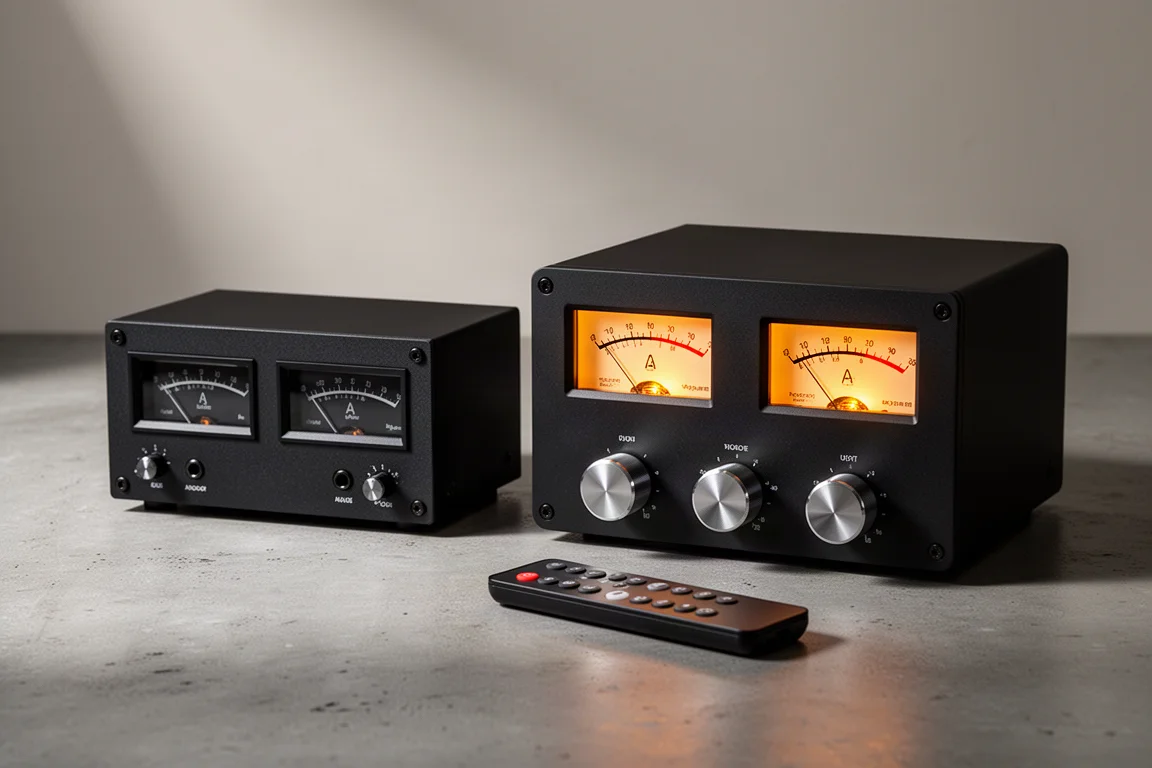
Fosi Audio LC30 vs Duke Audio V3 Pro: Two Speaker and Amplifier Switchers Compared
Two affordable switchers that let you compare amplifiers and speakers in real time, with VU meters, remotes, and clear differences in features.
Audio Accessories
Isolation Devices Compared 2026: Toughnut, IsoAcoustics, Stack Audio and Ungoy
A measurement-led comparison of six audio isolation devices, covering Toughnut Audio cones, IsoAcoustics pucks and RIA footers, Stack Audio 100 and EQ, and a ball-bearing design.