Ski Boots
Atomic Hawx Ultra 110 S Review: A Light, Low-Volume Ski Boot That Stays Approachable
A 98mm low-volume ski boot with a 110 flex, Prolite construction, and GripWalk soles. Here is who it suits and what to weigh before buying.
Introduction
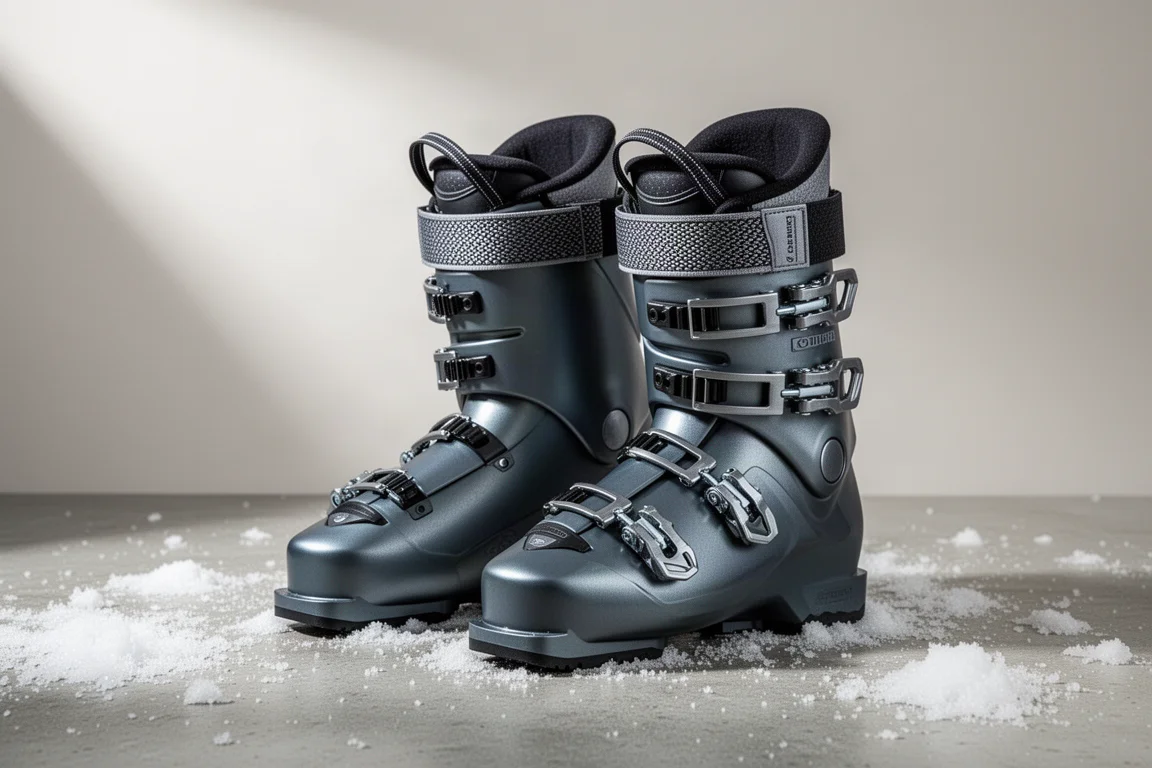
The Atomic Hawx Ultra 110 S is built around a straightforward idea: keep the boot light and precise, but dial the flex back just enough that strong skiers can still drive it all day. The numbers tell most of the story. A 98mm forefoot last places it firmly in low-volume territory, while a 110 flex keeps it a step below the burliest all-mountain shells.

That combination is what makes the boot worth a closer look. A narrower last usually signals a demanding, race-adjacent fit, and a 110 flex usually signals something more forgiving. Atomic has brought the two together, which produces a boot that rewards accurate foot placement without demanding maximum input on every single turn.
Who the Atomic Hawx Ultra 110 S Is For
This is a boot for advanced skiers with a narrower, lower-volume foot who want performance without the punishing stiffness of a full race shell. Atomic positions the 110 flex for skiers who are a little lighter in weight, or who simply prefer a boot that is not quite as burly and responsive as a top-tier flex.
It also suits anyone who values a genuinely light boot on their feet. Because the shell is pared back rather than overbuilt, the Hawx Ultra 110 S stays easy to manage from the lift line to the last run, and it does not ask you to muscle it into submission.
Lightweight Construction and Prolite Design
Prolite construction is the foundation here. Atomic starts with the more essential materials and builds outward, so the frame carries the most strength and power while the rest of the boot is cut thinner to save weight. The result is a very light boot that still delivers a really nice level of responsiveness.
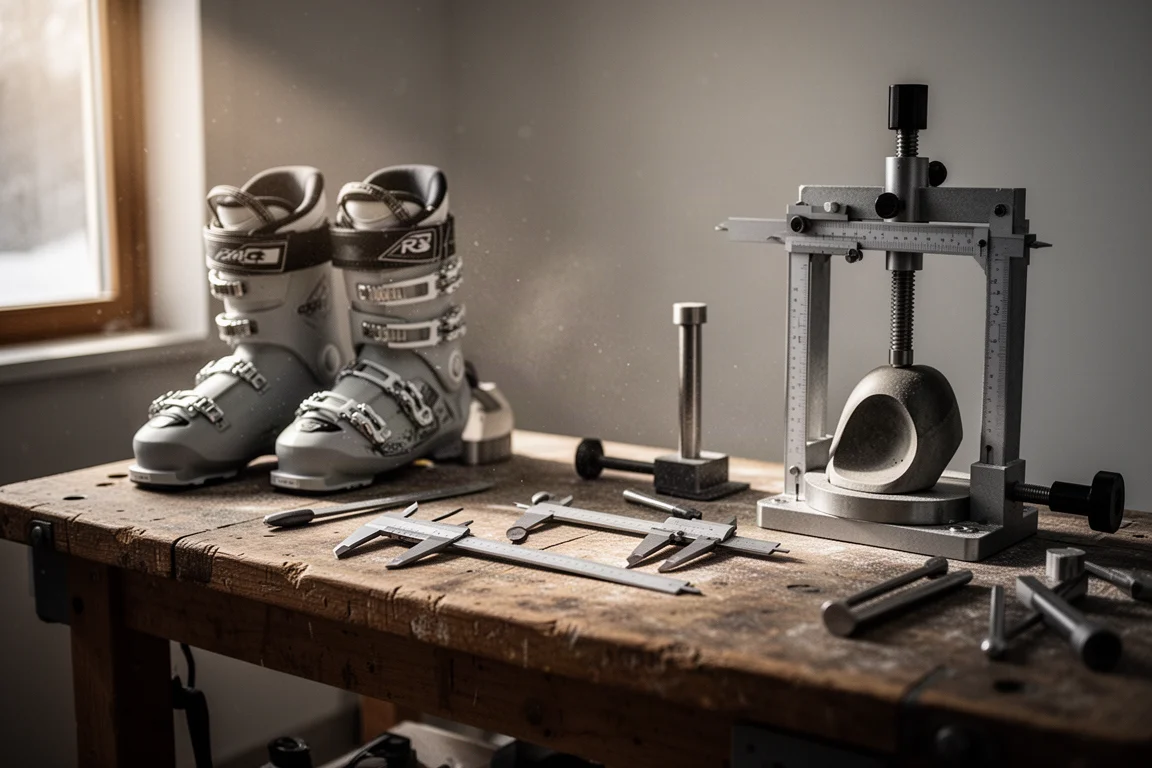
In practice, that means the shell holds its shape where your foot needs support and pressure transfer, while the surrounding material stays slim. The forefoot remains low volume, which keeps the foot close to the shell for quicker, more direct edge-to-edge response. Skiers who have struggled with sloppy, high-volume shells tend to notice that closeness immediately.
Fit and Liner Details
The liner is more substantial than the minimal setups found in some boots. Four liner loops help you pull the boot on, a burlier arrangement than a single tongue strap, and they make the whole process easier when you are standing in a cold parking lot.
The liner also carries plastic on the upper cuff and through the tongue. That matters for performance: whether you are pushing forward into the boot or driving it laterally, the stiffer upper portion of the liner cuff helps translate that movement into better responsiveness.
Buckles, Power Strap, and Walk Mode
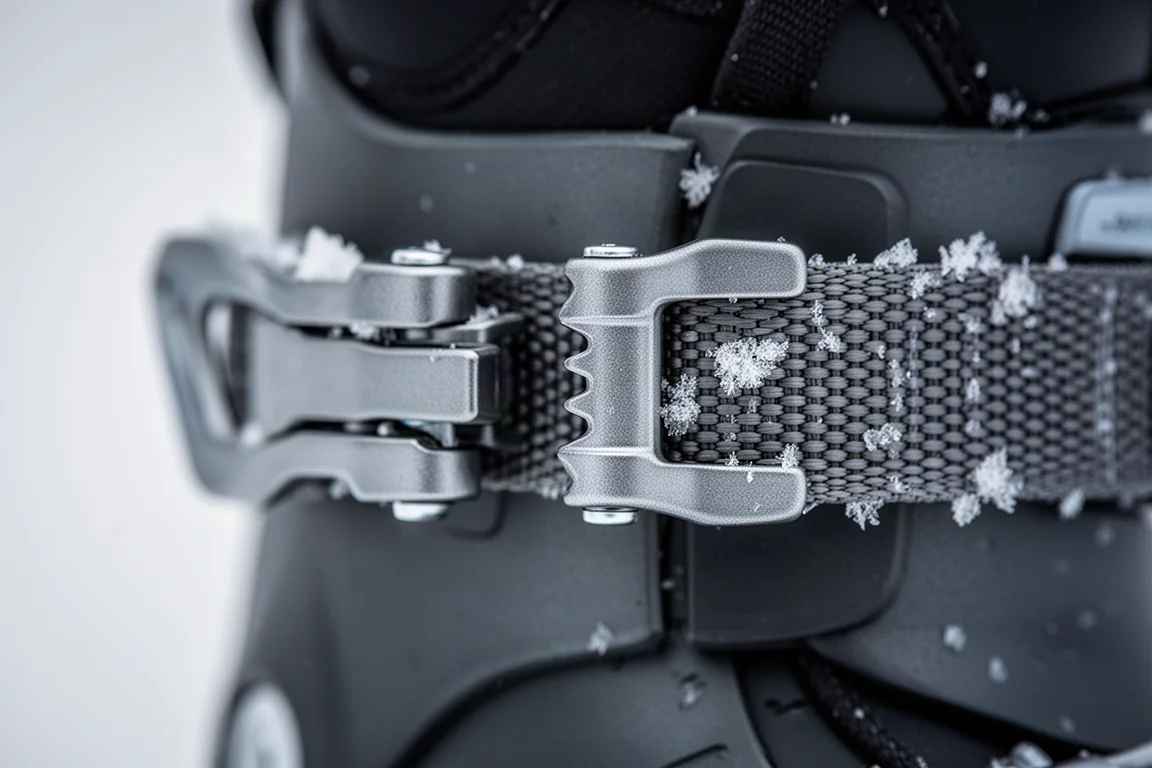
The buckles are micro-adjustable, and the top two add macro-adjustable catches. For a narrower, lower-volume leg, those catches let you snug the cuff down properly so your leg can push into the boot more easily, which results in a more direct transfer of energy. A power strap across the top finishes the closure and adds another point of adjustment.
GripWalk soles come pre-installed, which makes walking around noticeably easier before and after skiing. Once you click in, though, the feel is more business-like: the boot stays composed and planted rather than soft or vague underfoot.
Things to Consider Before Buying
The 98mm last is the defining characteristic, and it is worth being honest about what that means. This boot is designed for lower-volume feet. If your foot is wide or high-volume, the shell will likely feel tight in the forefoot and may need significant work, or a different boot entirely.
The flex is the other consideration. A 110 flex is moderate rather than stout, which is exactly the point for lighter or less aggressive advanced skiers. Heavier skiers, or those who want maximum resistance when they drive hard into the front of the boot, may find themselves wanting more.
The boot board is also on the softer side. That is deliberate: it takes the edge off landings while keeping full width and letting you pressure the sides of the boot, which adds to the lateral feel. Skiers who prefer an extremely firm, plank-like platform may simply prefer a different setup.
Buying Advice
Fit should always come before flex, and this boot makes that easy to apply. If your foot is genuinely low volume, the advantage of a 98mm last shows up right away in how quickly the shell takes up space around your foot and how directly your input reaches the ski.

Flex preference comes second. If you are an advanced skier who wants something lighter and a little less demanding than a stiff race-oriented boot, the 110 flex is well judged. If you are chasing maximum power transfer and weigh more, size up your expectations rather than the boot and look at a stiffer option in the same family.
One practical note: because the GripWalk soles are pre-installed and the shell is light, this is an easy boot to live with across a full day, from the first lift ride to the walk back to the car.
Conclusion
The Atomic Hawx Ultra 110 S does one thing particularly well: it pairs a precise, low-volume 98mm fit with a flex that most advanced skiers can actually use all day. Prolite construction keeps the weight down without hollowing out the frame, the liner and buckle hardware give you real adjustability for a narrower leg, and GripWalk soles make the boot practical off the snow as well as on it.
If you have a lower-volume foot and want a lightweight boot that is responsive without being punishing, this is a strong candidate. If your foot is wider or you need a stiffer platform, look elsewhere in the range rather than forcing the fit.
Product link
View more details for Atomic Hawx Ultra 110 S
This product is mentioned in the review. Check the specifications, options, and compatibility before buying.
View more details for Atomic Hawx Ultra 110 SFurther reading
Related Reviews
Ski Boots
2027 Ski Boot Roundup: Six 130-Flex Boots Worth Knowing
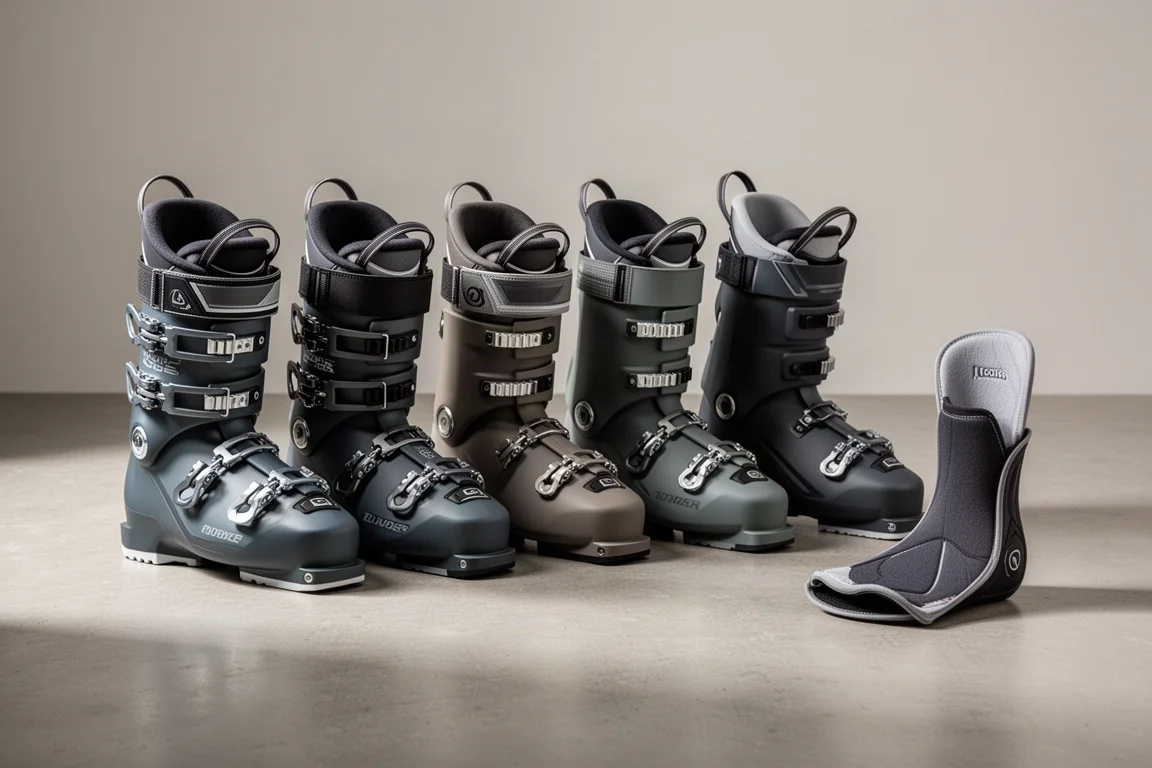
Six 130-flex ski boots for 2027, plus a low-volume liner upgrade, compared on weight, fit, flex feel, and ease of use.
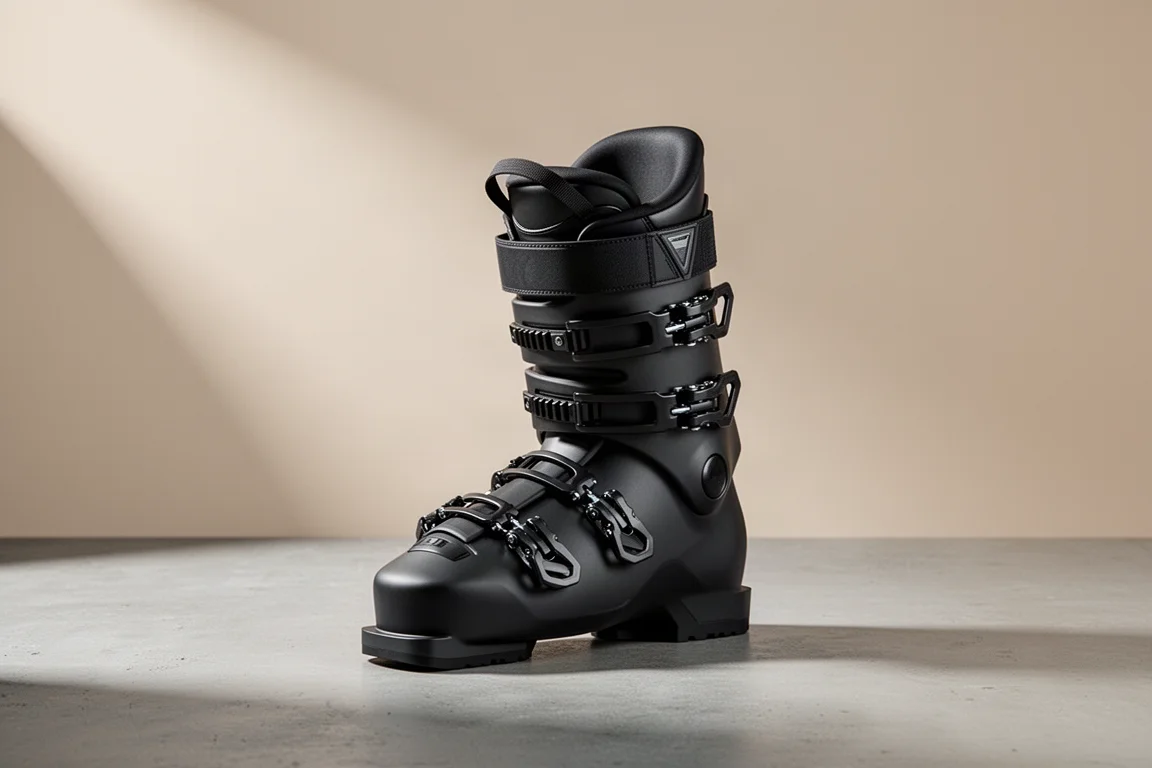
Ski Boots
Armada AR One Ski Boot Review: A Three-Piece Cabrio That Finally Gets It Right
Armada's first ski boot blends three-piece Cabrio design with Atomic engineering, a heat-moldable shell, and a 100mm last that fits better than any Cabrio before it.
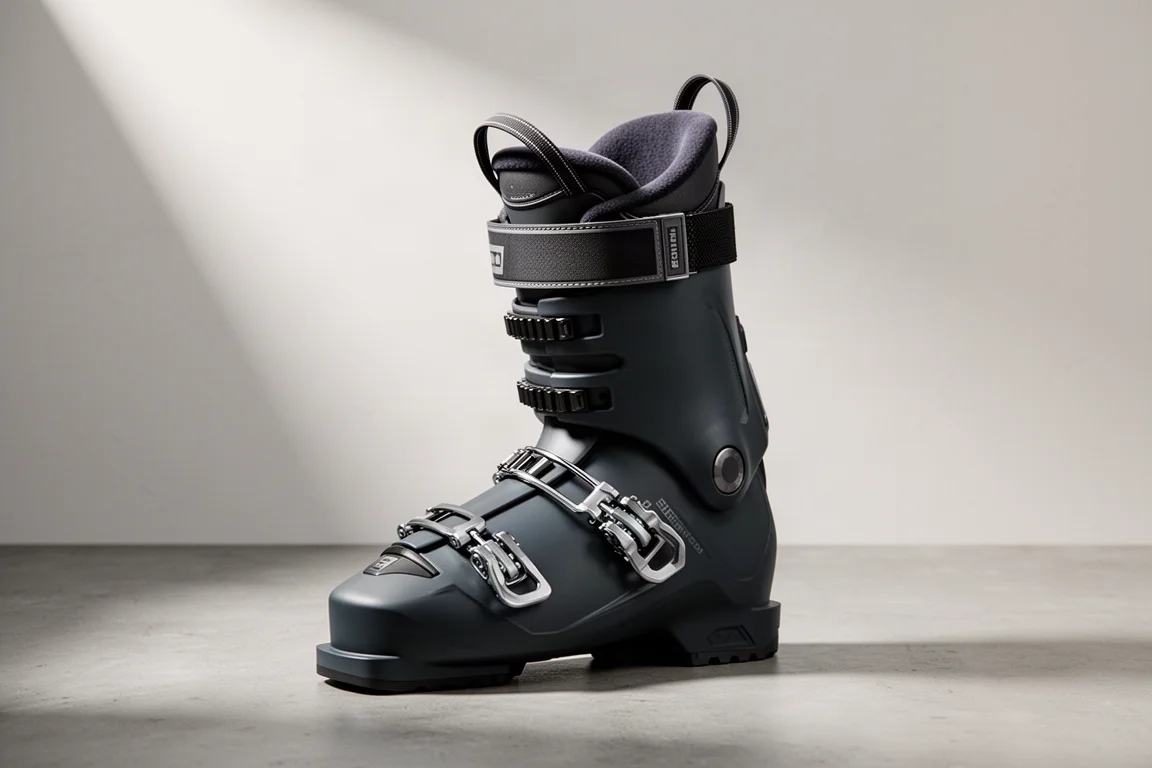
Ski Boots
Armada AR1 Ski Boot Review: A Cabrio and Overlap Hybrid for Park and Freeride Skiers
Armada's first ski boot pairs a three-piece cabrio shell with overlap-style buckles and a cable-driven slingshot buckle. Here is where it shines, and what to weigh before buying.