Ski Boots
Atomic Hawx Prime 120 S Review: A Light 120-Flex All-Mountain Boot
A medium-fit, medium-flex all-mountain ski boot built around a stiff energy backbone, a 100mm forefoot last, and a lighter overall build for advanced and expert skiers.
Introduction
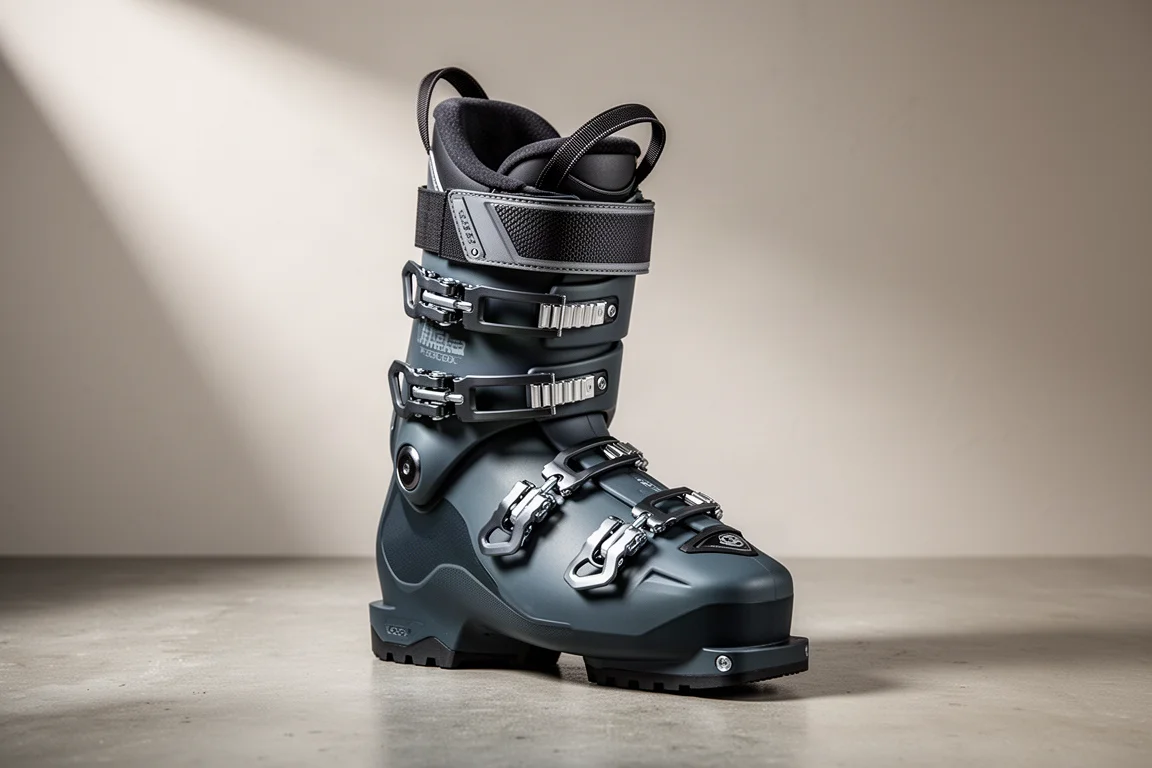
The Atomic Hawx Prime 120 S is a ski boot built for the middle ground that a lot of strong skiers actually live in. It pairs a 100mm forefoot last with a 120 flex, which puts it squarely in the medium-volume, medium-fit category rather than at either extreme of the width or stiffness scale.
That combination is the point. Atomic describes the boot as a blend of fit and performance, aimed at advanced and expert skiers who want a little more room across the forefoot without stepping up to a genuinely wide shell. The result is a boot that stays responsive while keeping the overall build light.
Who the Atomic Hawx Prime 120 S Is For
This boot is aimed at advanced and expert skiers who ski all mountain and have a medium-volume, medium-fit foot. If that describes your foot, the 100mm forefoot last gives you a bit more breathing room than a narrow race-oriented shell, but it is not a wide boot by any stretch.
The 120 flex suits skiers with enough weight, technique, and leverage to bend a fairly stout shell. It is a natural match for someone driving modern, wider all-mountain skis who wants a boot that transfers input quickly rather than absorbing it.
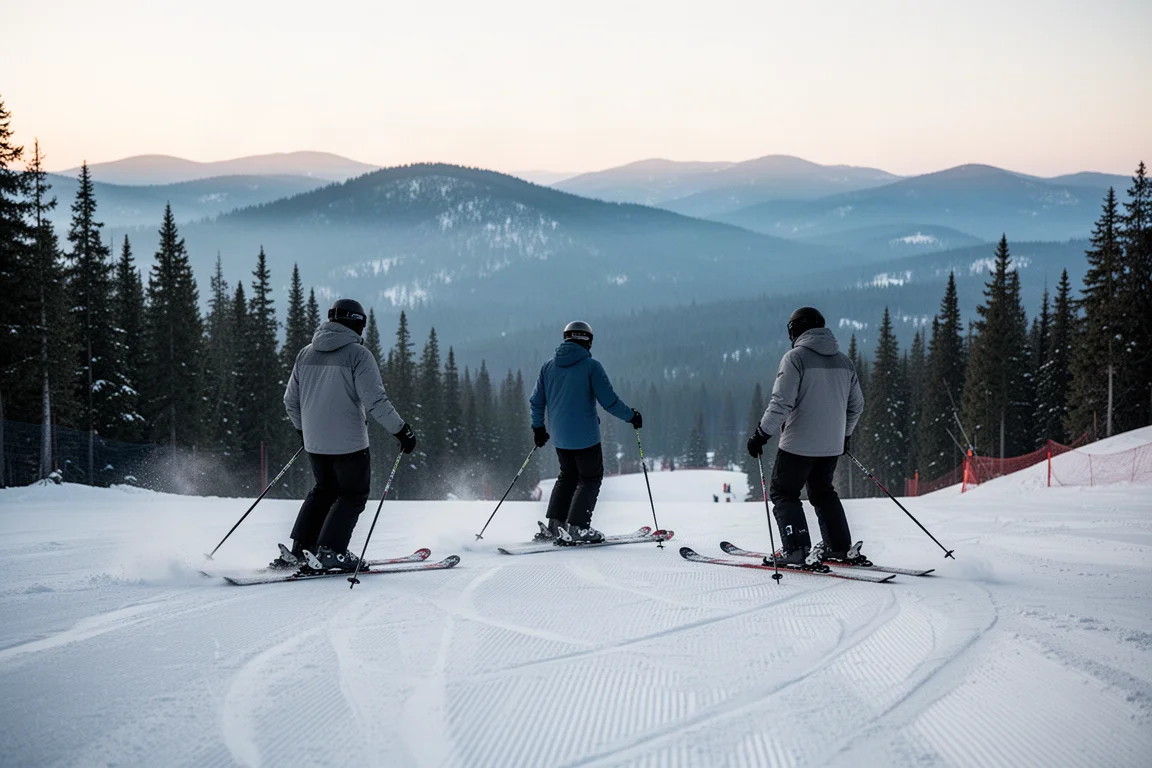
Light weight matters here too. Skiers who spend long days on the hill, hike a little for terrain, or simply prefer a boot that feels less like a block of concrete on the foot will find the reduced mass one of the more appealing parts of the package.
Main Strengths: Prolite Construction and Lateral Stiffness
Atomic builds this boot using a construction approach it calls Prolite, which starts with the most essential structural parts first and then builds outward from there. The starting point is an energy backbone, a stiffer section of plastic positioned to deliver the lateral stiffness a skier needs to drive a modern, wider ski.
That lateral stiffness is the headline strength. Wider skis ask for more leverage from the boot, and a shell that resists sideways flex translates your movements into edge pressure more directly. The lower shell also uses stiff plastic through the forefoot, which keeps the boot responsive despite being a little wider and lighter than a pure performance shell.
The overall effect is a boot that feels quick without feeling punishing. For skiers who want a light boot but are not willing to trade away the ability to pressure an edge, this is the balance Atomic is aiming for, and it lines up neatly with the way modern all-mountain skis are built.
Fit and Adjustment: Buckles, Power Strap, and the Liner
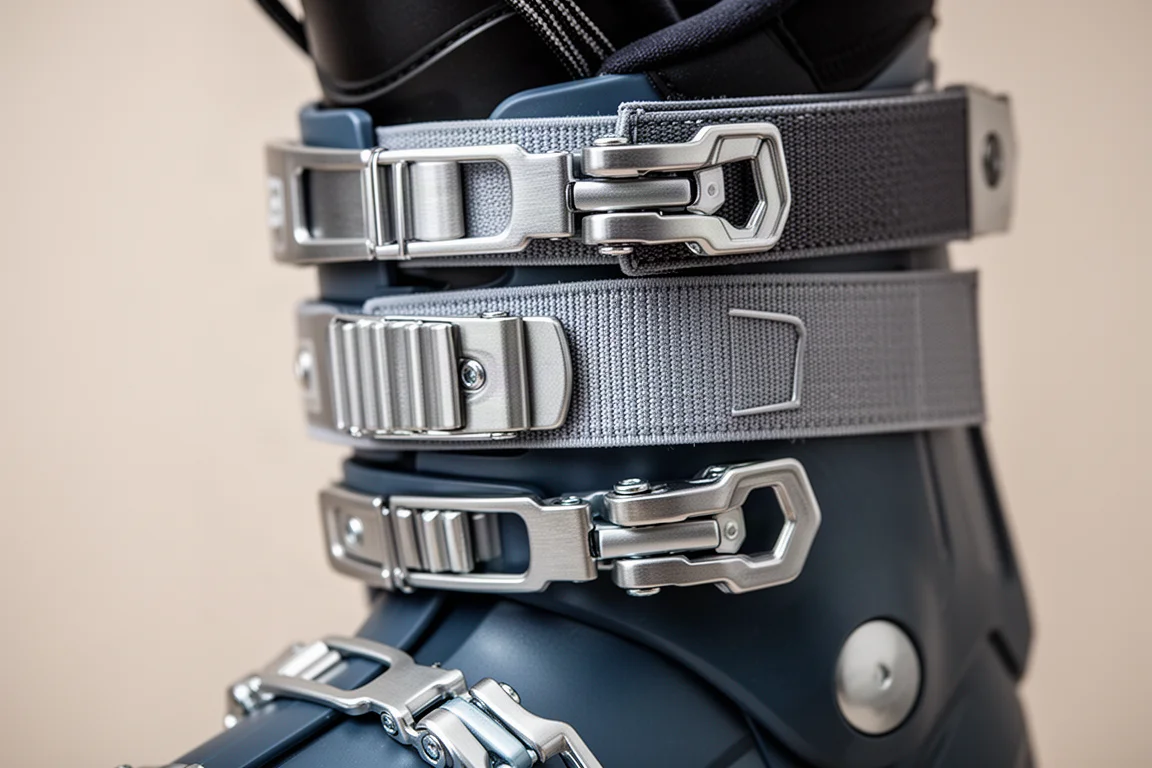
There are four micro-adjustable buckles on the shell. The top two also offer a macro adjustment, which lets you open them up a little further if you have a wider lower leg. That is a small detail, but it is the kind of thing that decides whether a boot is comfortable for a full day or merely tolerable for two runs.
A power strap across the top cinches everything down, hugging the upper cuff to the lower leg and reducing the friction and distance between your body, the plastic of the boot, and ultimately the edge of the ski. It is a simple component doing meaningful work.
The liner uses a four-way looping system that wraps around the foot and lower leg. Atomic adds plastic around the top of the liner and in the tongue, which creates a more direct transfer of energy between the lower leg and the shell, in both lateral and fore-aft directions. The result is a 360-degree wrap of plastic around the liner rather than a soft interface that dulls your input.
Getting the Boot On and Off
Getting a stiff performance boot on and off is the part of ski ownership most people dread, and it is a genuine reason some skiers end up in a softer shell than they need. The four-way liner looping system here is designed to make that process easier, giving the liner a way to open up as the foot slides in.
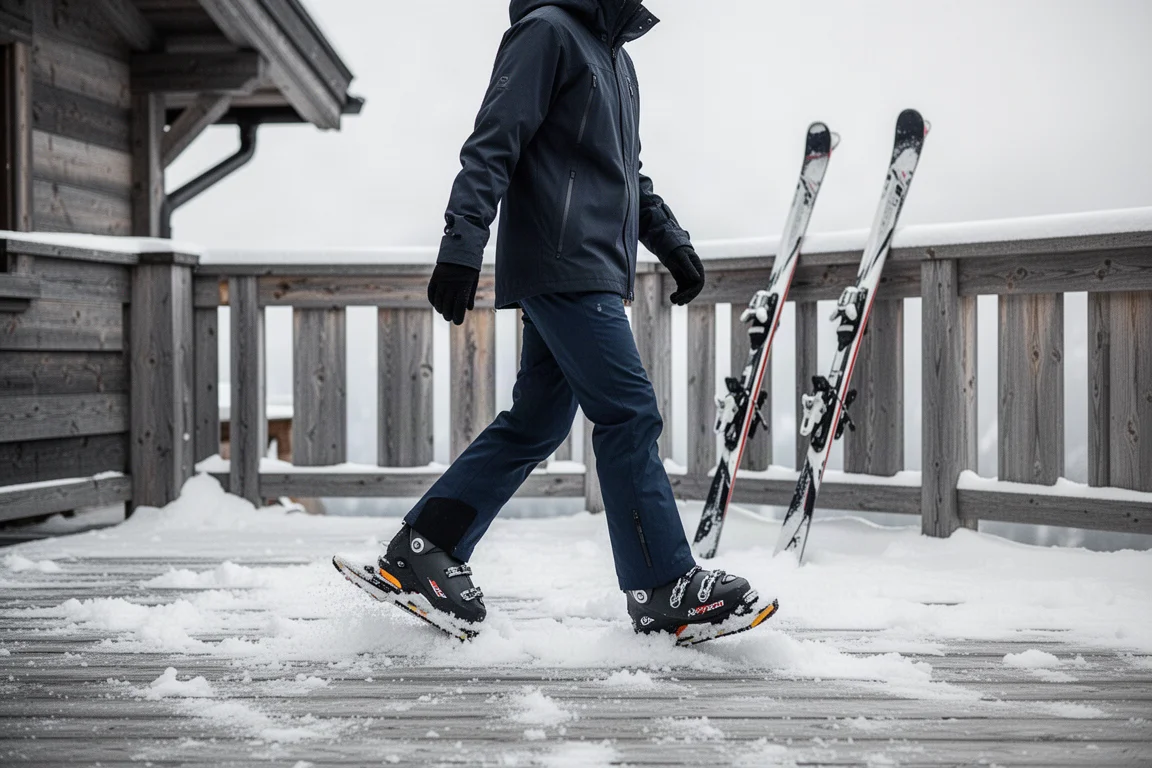
The boot also comes with grip soles pre-installed, which makes walking around easier once you have clicked in. That covers the short walks across a parking lot, a lodge deck, or a staircase between the car and the lift, which is where most boot damage and most frustration actually happens.
Things to Consider Before Buying
The first thing to be honest about is the fit category. This is a medium-volume, medium-fit boot with a 100mm forefoot last. Skiers with very wide feet, very high insteps, or unusually narrow heels may find that another shell shape suits them better, even if the flex and weight are exactly what they want.
The second is the flex. A 120 flex is a strong boot, and it rewards a skier who can work it. Lighter or less aggressive skiers may get more out of a softer shell that flexes more easily through the turn.
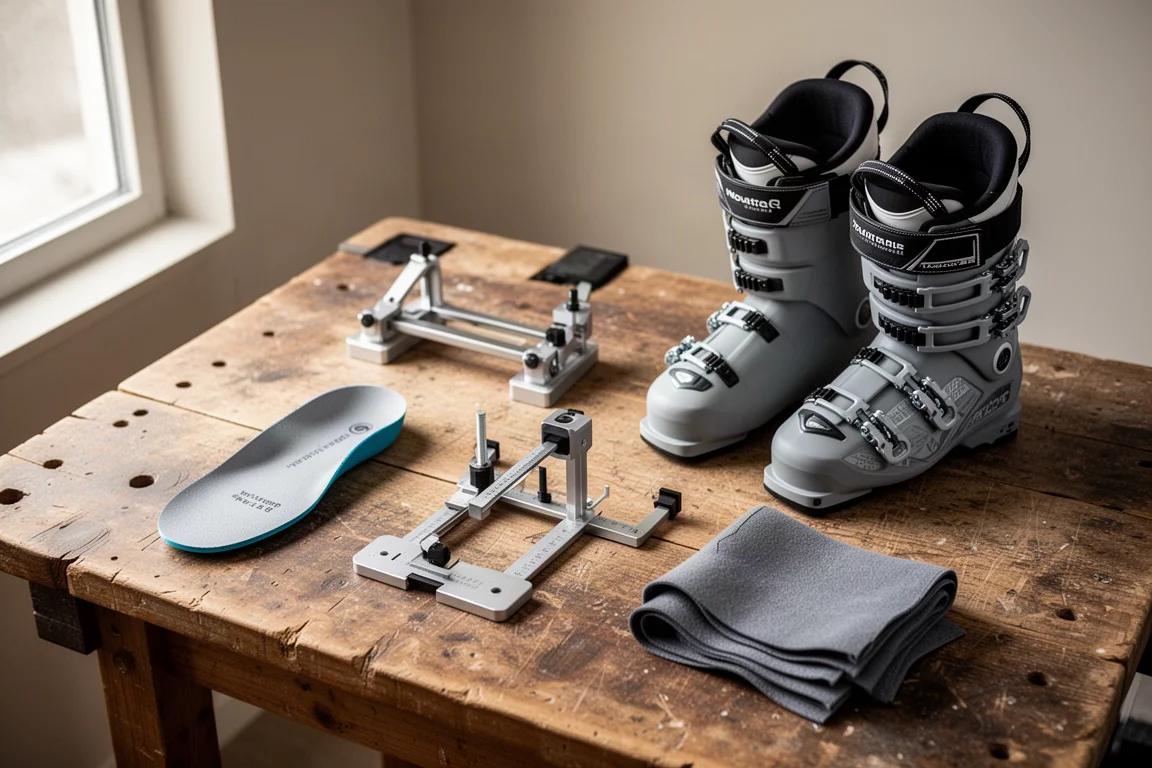
Third, fit beats specification every time. Flex numbers, last widths, and weight claims are useful filters, but the boot that works is the one that matches your foot. A qualified bootfitter is worth the time, particularly if you have a history of pressure points or have never been properly measured.
Buying Advice
Start with your foot, not the number on the box. Measure your foot, note the width and volume, and use the 100mm last and medium-volume fit here as a filter rather than a target. If your foot falls into that middle band, this boot is a credible candidate.
Then match the flex to how you ski. The 120 flex makes sense for advanced and expert all-mountain skiers who want a light boot that still holds an edge and drives a wider ski. If you are still building technique or you ski mostly at lower speeds on softer snow, a more forgiving flex will likely serve you better.
Finally, weigh the practical details. The macro adjustment on the top two buckles helps if you have a wider lower leg, the power strap lets you fine-tune the cuff closure, and the pre-installed grip soles make the walk to the lift less of a chore. These are the small features that shape how a boot feels over a full season rather than a single run.
Conclusion
The Atomic Hawx Prime 120 S makes a clear case for itself. It offers a 100mm forefoot last and a medium-volume fit for skiers who want a touch more room, a 120 flex for those who can use it, and a light build that does not come at the cost of lateral stiffness.
If you are an advanced or expert all-mountain skier with a medium-fit foot, this is a boot worth putting on your shortlist and trying in person. The specification sheet tells a coherent story, and the details around the buckles, power strap, liner, and grip soles suggest a boot designed to be lived with, not just skied hard.
Product link
View more details for Atomic Hawx Prime 120 S
This product is mentioned in the review. Check the specifications, options, and compatibility before buying.
View more details for Atomic Hawx Prime 120 SFurther reading
Related Reviews
Ski Boots
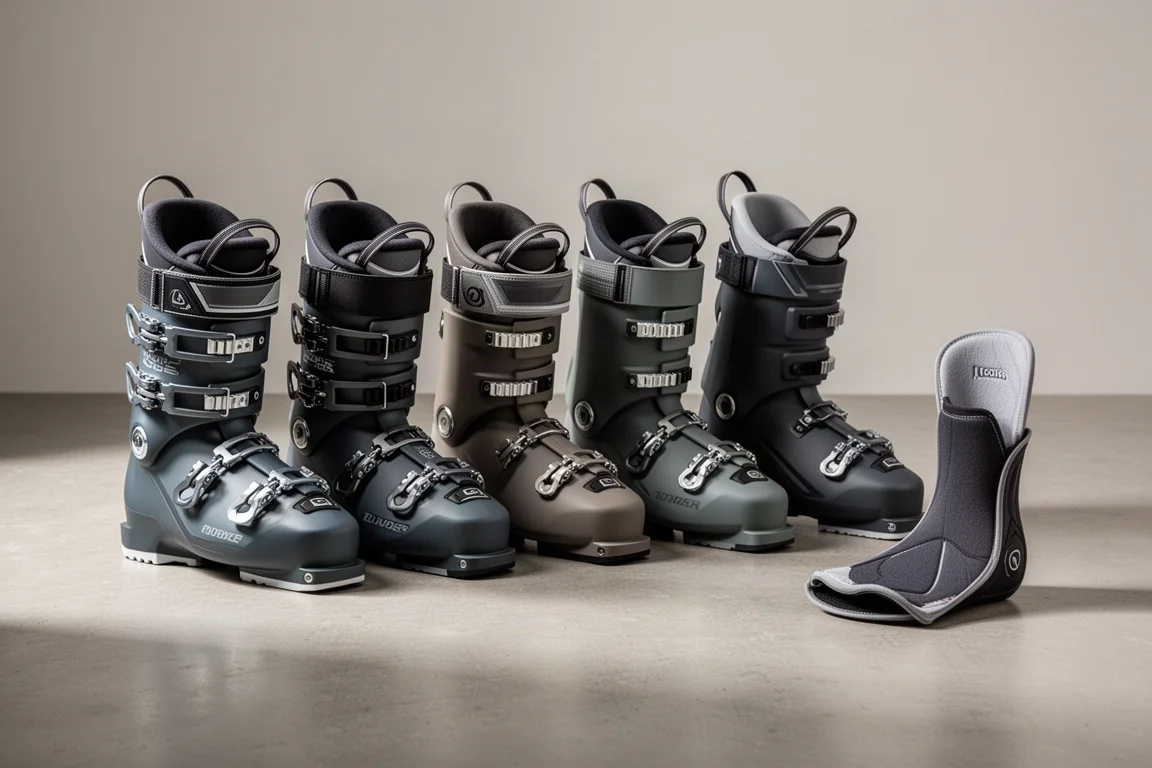
2027 Ski Boot Roundup: Six 130-Flex Boots Worth Knowing
Six 130-flex ski boots for 2027, plus a low-volume liner upgrade, compared on weight, fit, flex feel, and ease of use.
Ski Boots
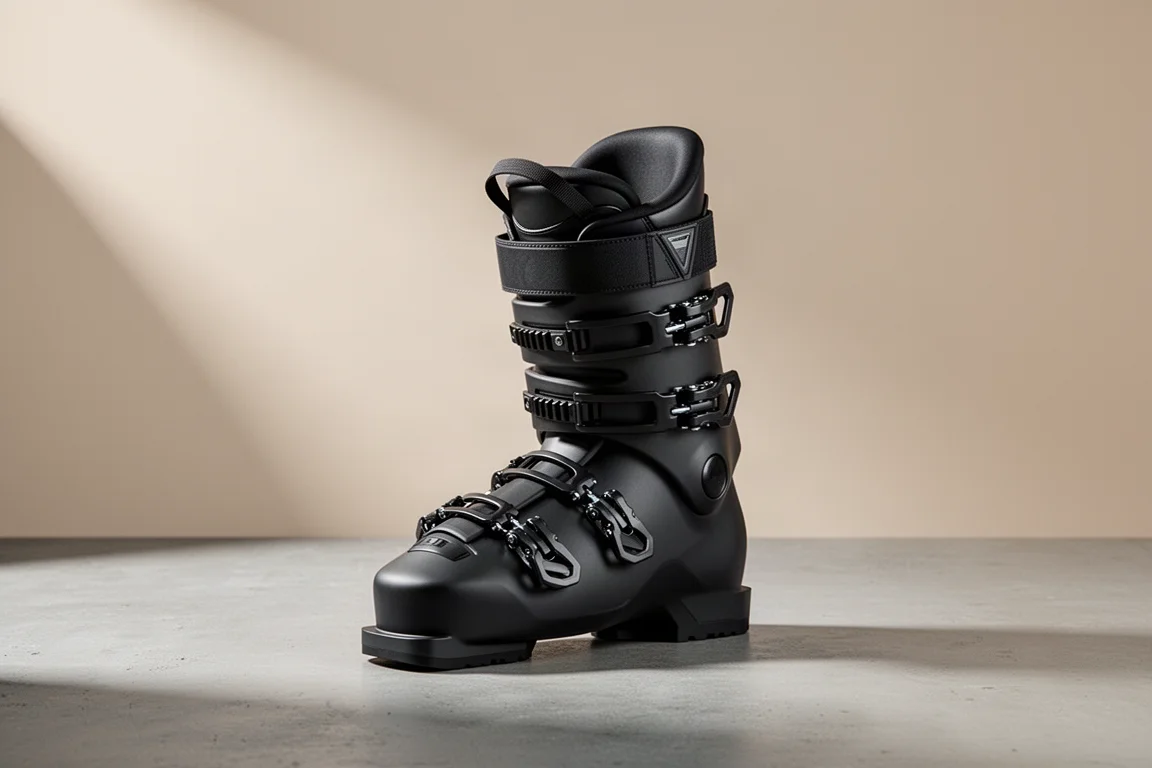
Armada AR One Ski Boot Review: A Three-Piece Cabrio That Finally Gets It Right
Armada's first ski boot blends three-piece Cabrio design with Atomic engineering, a heat-moldable shell, and a 100mm last that fits better than any Cabrio before it.
Ski Boots
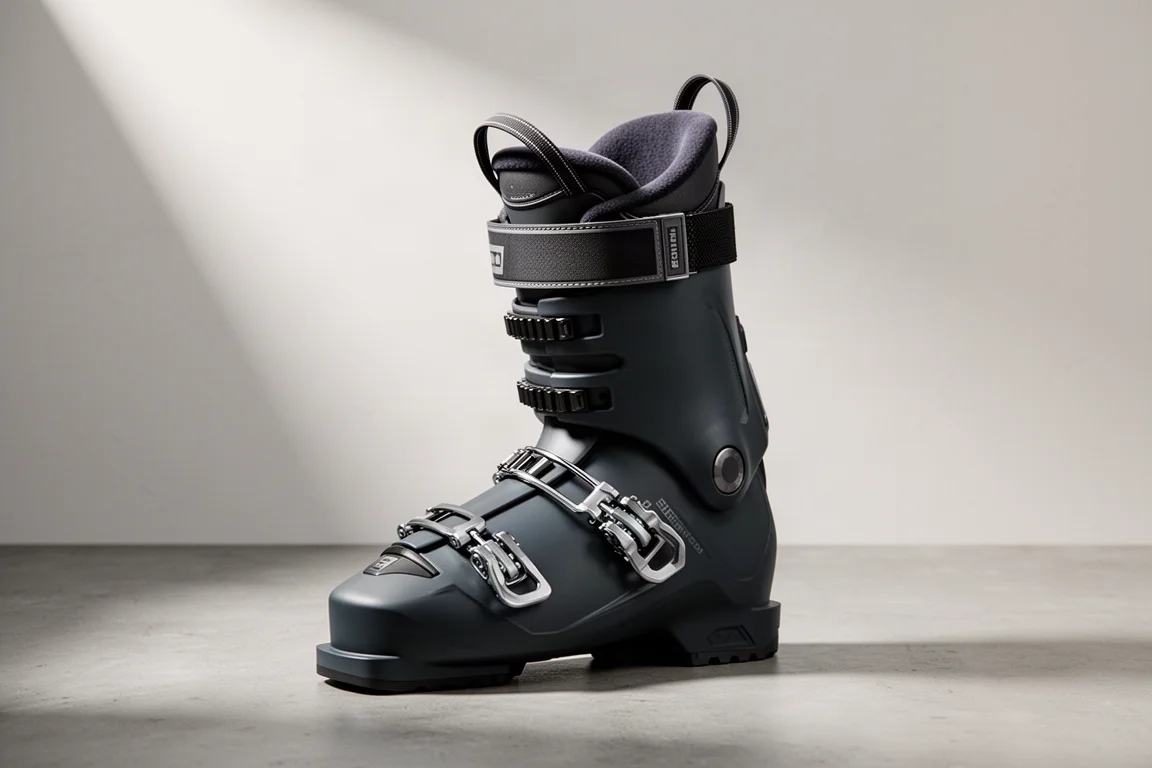
Armada AR1 Ski Boot Review: A Cabrio and Overlap Hybrid for Park and Freeride Skiers
Armada's first ski boot pairs a three-piece cabrio shell with overlap-style buckles and a cable-driven slingshot buckle. Here is where it shines, and what to weigh before buying.