Ski Boots
Atomic Hawx Prime 120 Review: A Smooth-Flexing All-Mountain Boot
A 120-flex all-mountain ski boot with a liner that breaks in without heat molding, easy buckles, and a smooth, consistent flex, plus the trade-offs worth knowing before ordering.
Introduction
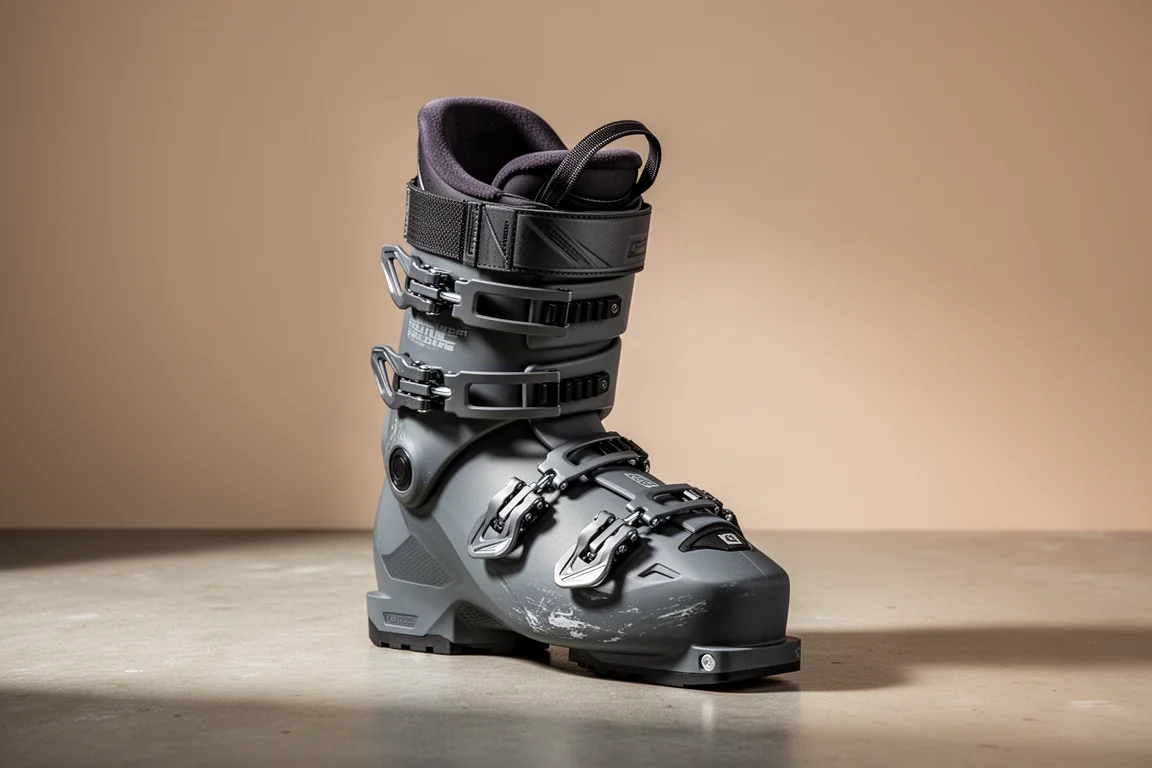
The Atomic Hawx Prime 120 is a 120-flex all-mountain ski boot built around a Mimic liner and a shell that flexes smoothly under pressure. It sits inside the wider Hawx range, where different models indicate different widths and flex ratings, and the Prime 120 is the version that suits a mid-volume foot paired with a moderate flex preference.
What makes it worth a closer look is the balance. The liner settles in without heat molding, the buckles are genuinely easy to work with gloves on, and the flex stays consistent as temperatures shift through the day. Those are the qualities that matter once the novelty of a new boot wears off.
Who the Atomic Hawx Prime 120 Is For
This boot suits skiers who want an all-mountain fit with a moderate 120 flex rather than a race-stiff 130. It is a reasonable option for riders who split their time between groomers, softer snow, and variable terrain, and who prefer a liner that breaks in quickly over one that needs a shop appointment for molding.
It is also a sensible pick for skiers moving across from another brand with a similar last and flex. For a mid-volume foot, the Hawx Prime 120 fit closely to the Lange LX 120, which makes it a straightforward swap for anyone already comfortable in that general shape.
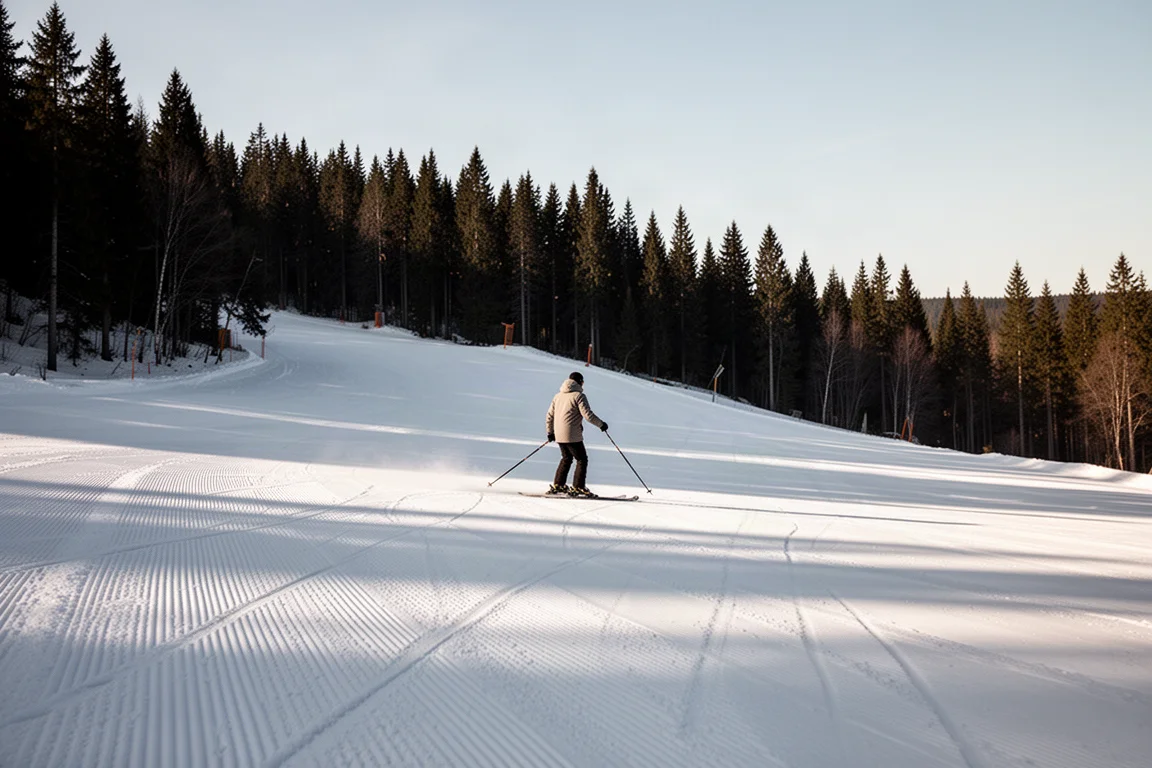
Skiers who spend a lot of days on snow should also weigh how they use the boot. Someone logging 70 to 80 days a season will wear through any liner faster than a weekend skier, and that changes the math on how long any boot stays in rotation.
Main Strengths
Buckle Design and Liner Comfort
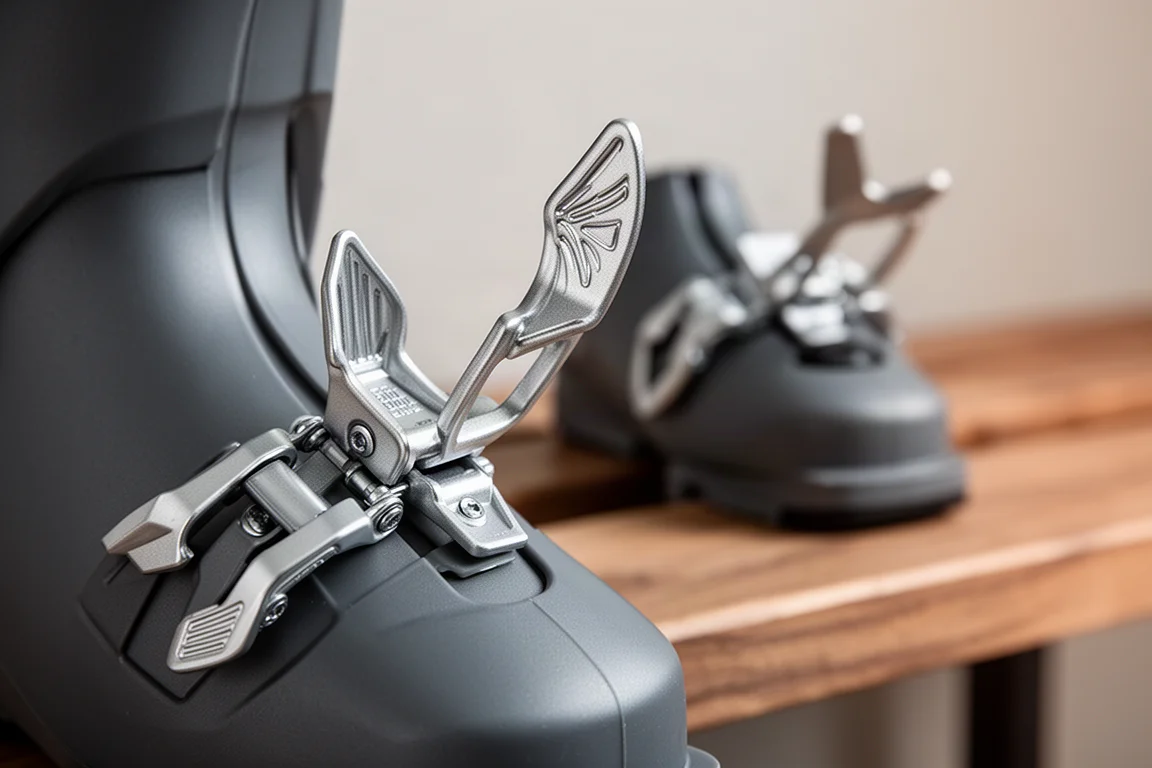
The buckles are a standout. The winged-out lever shape releases pressure quickly when it is time to step out, and the same levers are easy to open and close while wearing mittens. That sounds minor until a cold, windy transition makes it obvious.
The Mimic liner also broke in quickly. Wearing the boots around the house for four or five evenings was enough to pack them out, with no heat molding involved. Online retailers note that friction from simply wearing and skiing the liner does much of the same work as a shop mold. The interior is lined with a smooth leather-like material at the back that lets a ski sock and foot slide in easily, while the tongue uses a more traditional nylon that keeps pressure points away. Small pull loops on the liner make it easier to tug the boot snug and to pull the liner out when it needs drying.
Smooth, Consistent Flex
The plastic flex is the strongest argument for this boot. Under shin pressure the shell bends in a smooth, progressive arc, and the recoil back toward neutral is quick and controlled. The shell also held its flex shape well as the weather warmed, where other boots in the same rotation felt more variable from day to day.
Things to Consider Before Buying
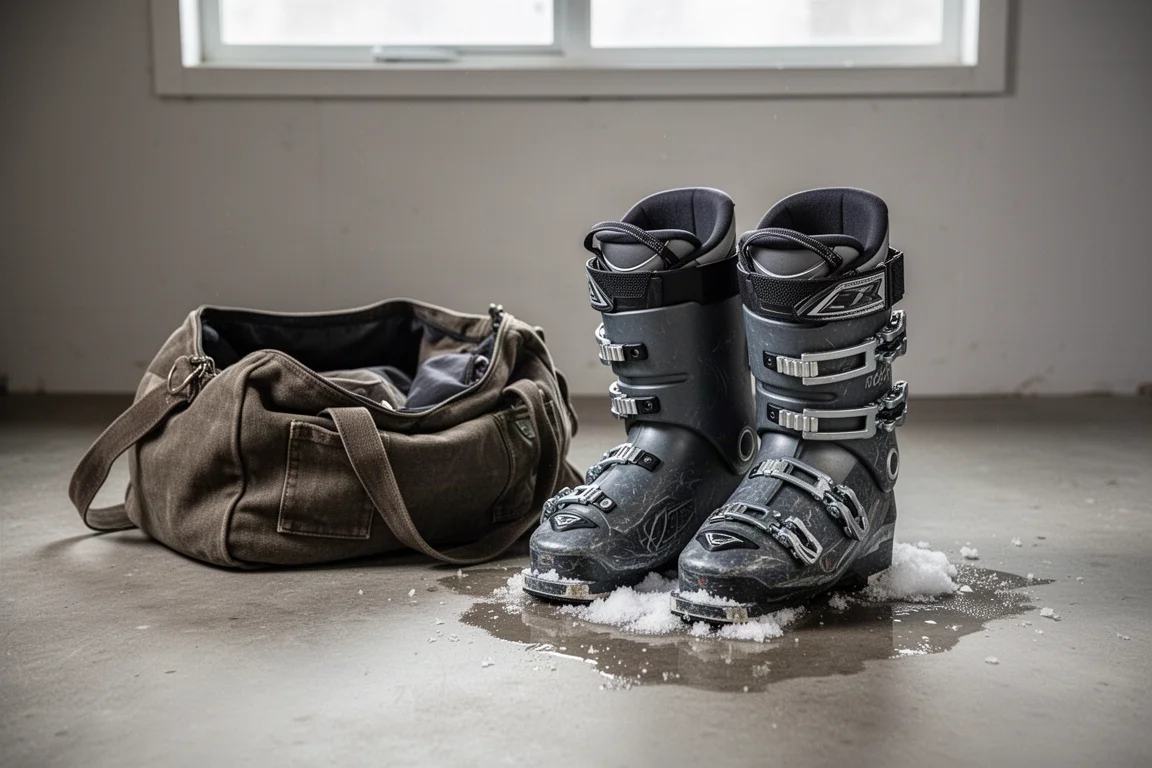
There are real trade-offs. When the boots are buckled for storage, the overlapping plastic at the instep can fold in on itself and wedge, creating a divot that has to be lifted out before the foot goes in. Left alone, that fold can push the shell into a shape that is hard to undo. It is a storage habit worth building rather than a dealbreaker, but it is not something every boot demands.
Durability is the other consideration. The shell scuffs more readily and loses shape sooner across a season, so the realistic service life lands around 100 to 120 hard ski days. For a skier logging 40 days a season that still spans a couple of years; for someone skiing 70 to 80 days it means a boot may be ready for replacement after a single season.
One more detail worth knowing before ordering: the 120 flex version does not ship with the same hardware as the 130, so adding a booster strap means drilling and melting the shell to mount it. Buyers who want factory rivets and premium straps should look at the stiffer flex, while anyone set on the 120 should plan for that small piece of installation work.
Buying Advice
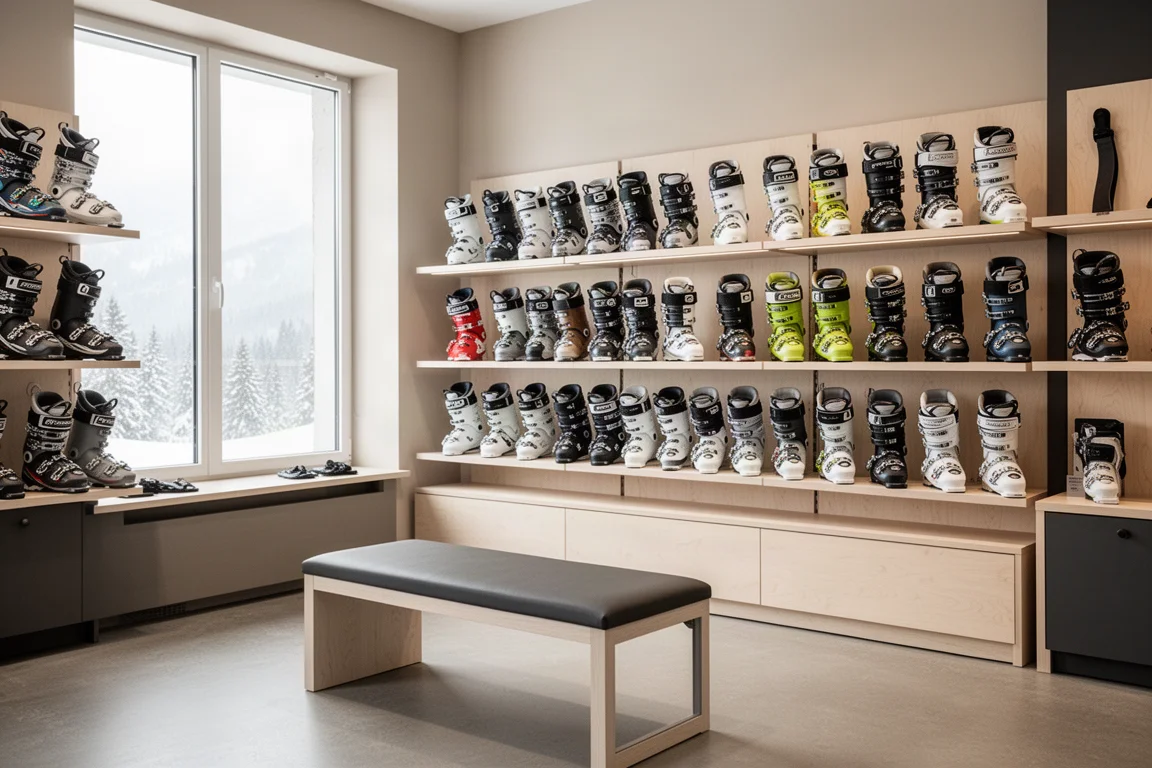
Fit comes first. Try the boots on if there is any way to do so, and if ordering online, choose a retailer with a generous return policy, since shell width and flex both need to feel right before anything else matters. Buying two flex ratings and returning the one that does not suit is a practical route, and many online retailers make that inexpensive.
On price, the Hawx Prime 120 was found at roughly $360 to $420 with coupons and price matching, while the Lange LX 120 sat near $500 to $700 with little seasonal discounting, a gap of close to $300. At that spread the Atomic is the better value, and its on-snow performance matched or exceeded the more expensive boot in this comparison.
Skiers who care most about longevity should weigh the shorter service life against the lower price. Losing roughly 10 to 15 percent of total usable days is a modest trade for a boot that fits well, flexes smoothly, and costs several hundred dollars less.
Conclusion
The Atomic Hawx Prime 120 is a strong all-mountain boot for skiers who want a moderate flex, a liner that breaks in without heat molding, and hardware that is genuinely easy to live with. Its weaknesses are practical ones: storage care, faster cosmetic wear, and hardware differences versus the stiffer flex version. For the price, it is an easy recommendation for anyone whose foot suits the fit.
Product link
View more details for Atomic Hawx Prime 120
This product is mentioned in the review. Check the specifications, options, and compatibility before buying.
View more details for Atomic Hawx Prime 120Further reading
Related Reviews
Ski Boots
2027 Ski Boot Roundup: Six 130-Flex Boots Worth Knowing
Six 130-flex ski boots for 2027, plus a low-volume liner upgrade, compared on weight, fit, flex feel, and ease of use.
Ski Boots
Armada AR One Ski Boot Review: A Three-Piece Cabrio That Finally Gets It Right
Armada's first ski boot blends three-piece Cabrio design with Atomic engineering, a heat-moldable shell, and a 100mm last that fits better than any Cabrio before it.
Ski Boots
Armada AR1 Ski Boot Review: A Cabrio and Overlap Hybrid for Park and Freeride Skiers
Armada's first ski boot pairs a three-piece cabrio shell with overlap-style buckles and a cable-driven slingshot buckle. Here is where it shines, and what to weigh before buying.