Backpacking Packs
Atom Packs Mo EP60 vs ULA Ohm 2.0: Two Ultralight Backpacking Packs Compared
A practical look at the customizable Atom Packs Mo EP60 and how it stacks up against the ULA Ohm 2.0 for long-distance backpacking.
Introduction
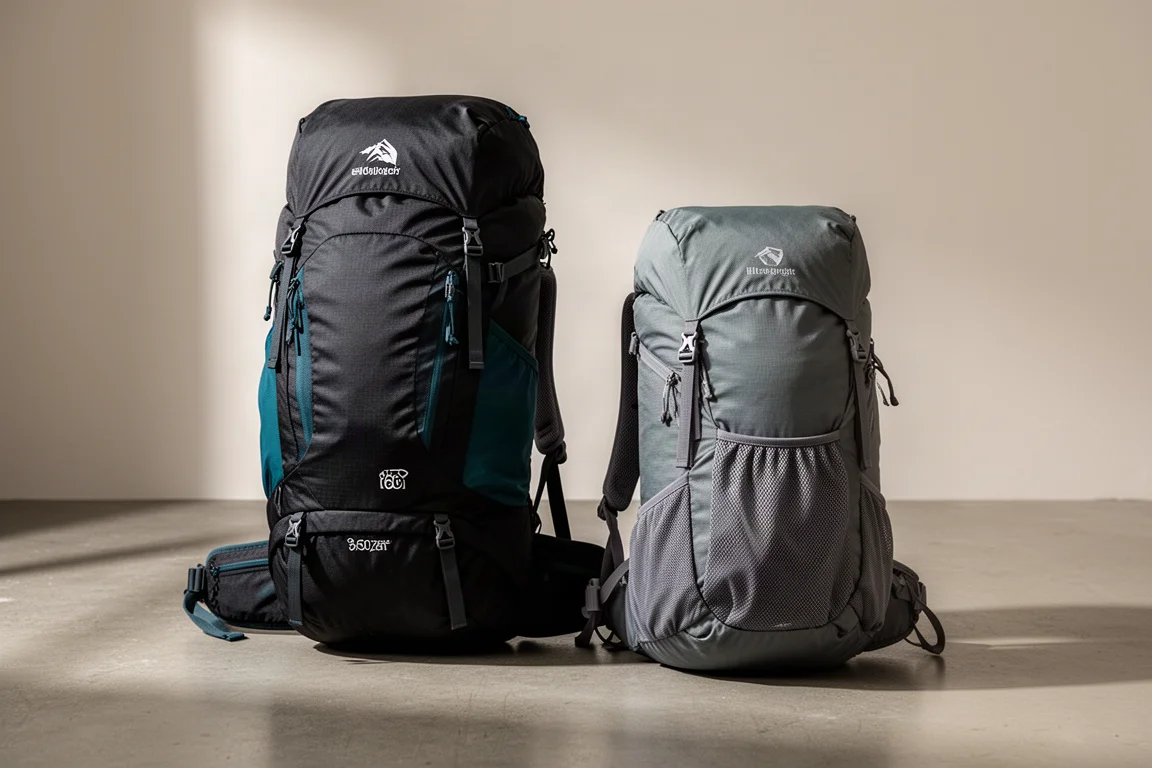
The Atom Packs Mo EP60 is a 60 liter ultralight backpack built for long-distance hikers who want a pack configured around their own body and gear list. It is not a budget option, and Atom Packs does not present it as one. The useful question is whether the customization, the 33 ounce configured weight, and the weather performance justify the price when a well established alternative such as the ULA Ohm 2.0 costs noticeably less.
This comparison covers what the Mo EP60 does well, where it asks for compromises, and which kind of hiker each pack suits.
What the Atom Packs Mo EP60 Brings to the Trail
Atom Packs describes the Mo as a pack designed with the average thru-hiker in mind. The EP60 version carries 60 liters, which leaves plenty of room for bulky loads such as camera gear. The pack is rated for a 22 pound base weight with an overall carrying capacity of 42 pounds, figures that keep it relevant for hikers who are not counting every gram.
The configuration described here weighs 33 ounces. The top closure uses a Y strap rather than a single strap, which holds a bear canister more securely when one is required. The shoulder straps are wide and well cushioned for a lightweight pack, and the hip belt carries a similar level of padding, so the Mo sits in a comfortable middle ground instead of chasing the lowest possible weight.
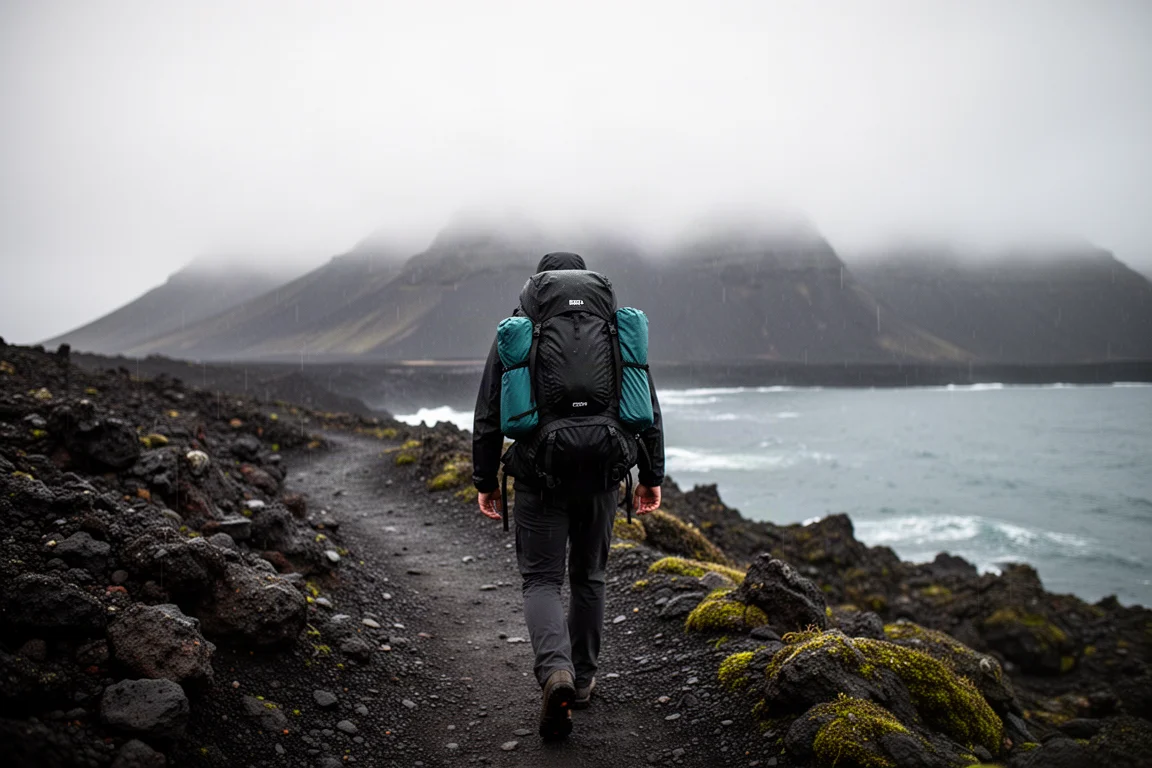
On the trail, the wide shoulder straps are one of the more noticeable details, and they contribute directly to comfort under a heavier load. The same width can make third-party accessories a tight fit, and a Peak Design clip takes some effort to attach, though it does go on.
Customization, Sizing, and Pocket Layout
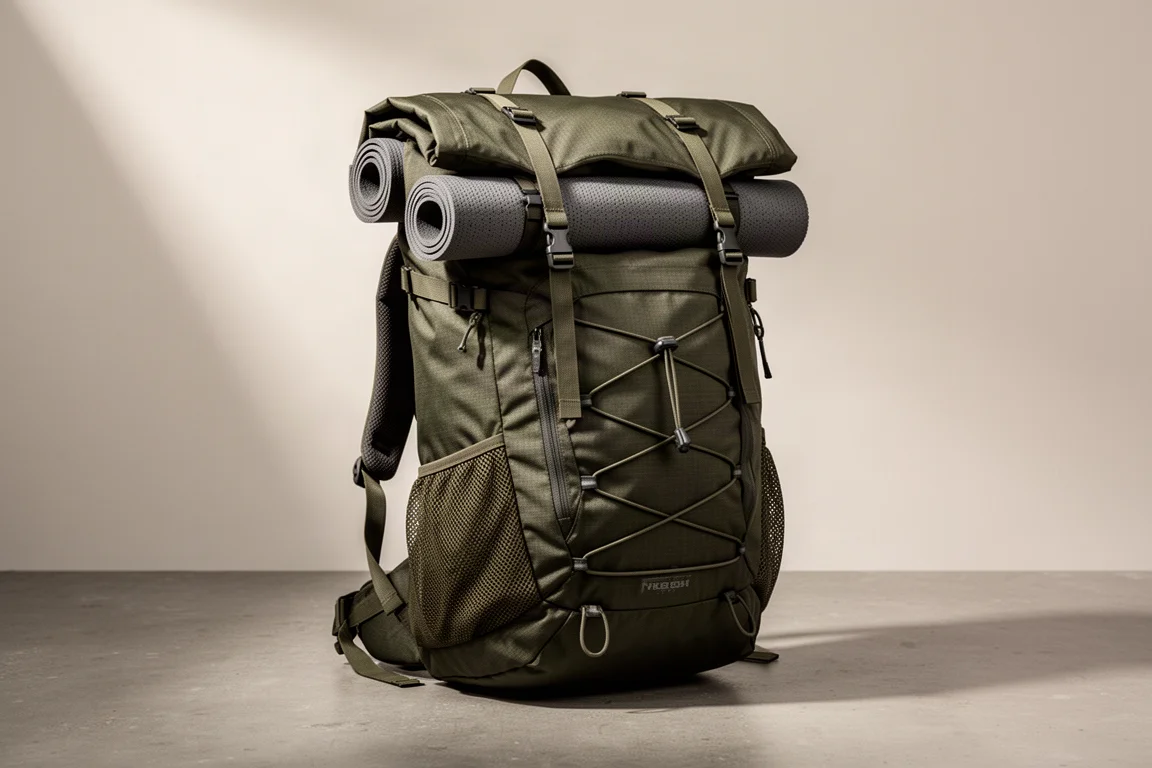
Atom Packs offers an unusual amount of choice at checkout. Torso length and hip belt size are selected separately from body measurements rather than being locked to a single small, medium, or large, and colors can be chosen for different areas of the pack. Optional extras include shoulder strap pockets, a pocket on the bottom of the pack, and a hydration port, so two packs from the same model can end up looking and functioning quite differently.
Two shoulder pockets can be ordered, one per side, and they are handy for a phone or a compact camera that needs to come out quickly. The bottom pocket is the standout addition: it keeps snacks within reach while walking and frees up hip belt space that otherwise fills with small cameras, tripods, and sunscreen. The hip belt pockets themselves are spacious, which matters given that they are a paid extra.
The outer pouch can be specified as mesh, which adds roughly five liters of storage and makes it easy to see where items are packed, or as a dynamic stretch pocket. The bottle holders hold 2.5 liters each, are deep, and can be cinched down while walking so bottles stay put. Bungee cord runs along either side of the pack and across the main pocket, leaving plenty of space to dry washed socks or clip small items.
Weather Resistance and Durability Over 100 Miles
Across more than 100 miles of backpacking on trips in Michigan, Colorado, and Iceland, the Mo EP60 held up well. Rain was relentless for long stretches in Iceland, and no significant moisture appeared inside the pack beyond what came from reaching in with wet hands. That is a meaningful contrast with the ULA Ohm 2.0, which shows visible moisture inside during heavy rain.
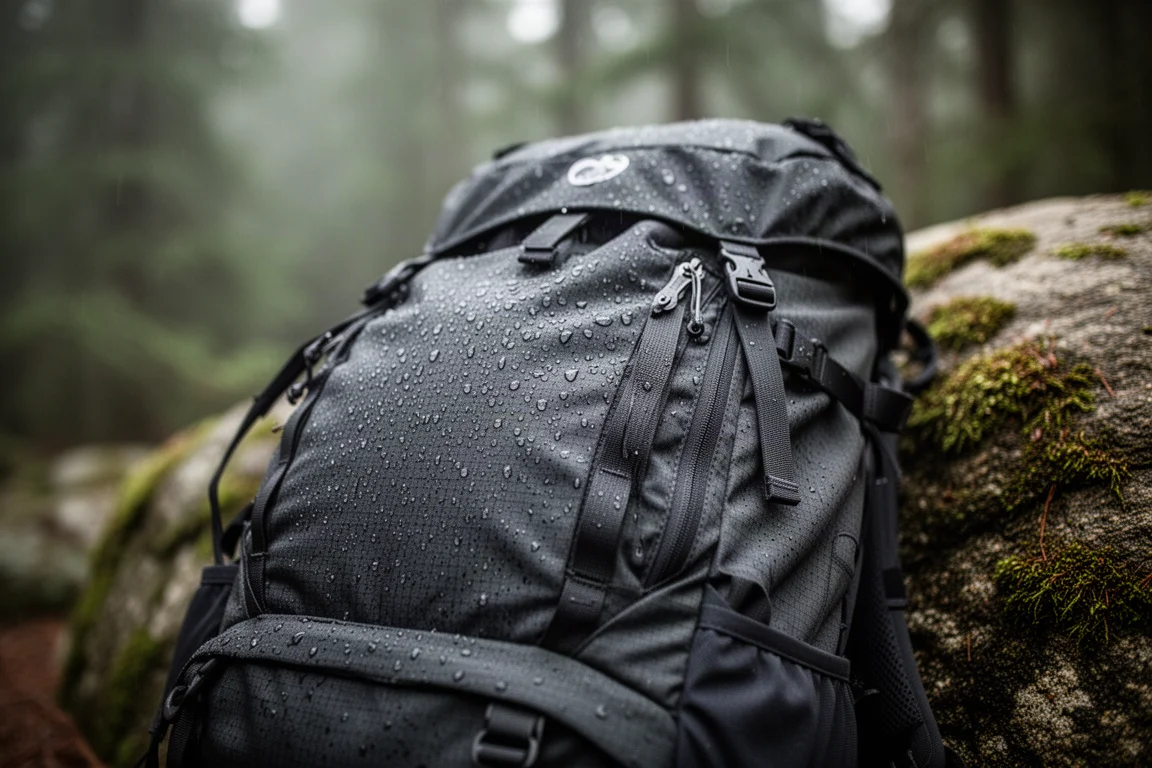
A pack liner is still worth carrying as redundancy, since a puncture in the fabric would put a sleeping bag at risk. The liner sold by Atom Packs initially feels thin and flimsy compared with others on the market, yet the same liner has survived more than 100 miles without issue, so the light construction reads as a deliberate trade rather than a weak point.
Where the Mo EP60 Falls Short
Two omissions stand out. The pack has no loops on the bottom, which makes it harder to strap a wet shelter or tent to the outside. Hikers who prefer to keep a damp tent away from the rest of their gear will need to modify the pack or accept carrying it inside.
The hip belt pockets attach with a small hook, and those hooks popped off repeatedly, leaving a pocket dangling and forcing readjustments on the move. Hip belt sizing also sits in an awkward place for some body types, where a medium and a large both look plausible. Choosing the smaller size left the hip belt pockets resting against the hip bone rather than wrapping snugly, which was less comfortable than expected. Sizing up is worth considering, and it is the first change to try before judging the pack’s overall fit.
How the ULA Ohm 2.0 Compares
The ULA Ohm 2.0 is the natural reference point, and one detail is easy to miss until it is felt under load. Where the hip belt meets the body of the pack, straps on either side can be tightened to hug the hips and lock the pack against the back. That adjustment is a large part of why the Ohm 2.0 feels more comfortable when the pack is heavy.
On price, the Ohm 2.0 is listed at $260, while the Mo EP60 in the configuration described here comes to roughly $371 plus shipping. The Ohm 2.0 does let moisture into the main compartment during heavy rain, which is where the Mo EP60 pulls ahead.
Comfort is the deciding factor for many hikers, and the gap between these two packs is not settled by specification sheets alone. Hip belt sizing on the Mo EP60 may account for part of the difference, and a larger hip belt could change the comparison. Until that is settled, the Ohm 2.0 holds an edge in how it carries weight, while the Mo EP60 holds an edge in weather protection and customization.
Price and Value: What You Pay For
The Mo EP60 sits well outside budget territory. At the time of purchase, the base pack was $382, two hip belt pockets added $46, and a pack liner added $4, for a total of $432 plus shipping. Current pricing is lower: the base pack is $330, two hip belt pockets are $38, and a pack liner is $3, bringing the same configuration to about $371 plus shipping. That is a saving of roughly $61 against the earlier pricing.
Atom Packs is based in England and ships to the United States. US customers can switch the site to display prices in US dollars, so no currency conversion is needed when ordering.
That leaves the central question of whether the Mo EP60 is worth roughly $111 more than the ULA Ohm 2.0. For hikers who value a fully customized fit, generous pockets, and a pack that shrugs off sustained rain, the case is reasonable. For hikers who put how a pack carries weight above everything else, the Ohm 2.0 remains compelling.
Buying Advice: Who Should Choose Which Pack
Choose the Atom Packs Mo EP60 if the priority is a pack built around your own measurements, with options such as shoulder pockets, a bottom pocket, a hydration port, and color choices, plus the confidence of a 60 liter body that stays dry in persistent rain and can hold a bear canister on a Y strap. It suits hikers who carry heavier or bulkier loads, including camera gear, and who are comfortable spending more to get exactly the layout they want.
Choose the ULA Ohm 2.0 if comfort under load and a lower price matter most, and if you already use a pack liner so occasional interior moisture is not a concern. Hikers who fall between hip belt sizes on the Mo EP60 should also weigh the cost of trying a larger belt before deciding, since fit is the one variable most likely to change the outcome.
Conclusion
Both packs are credible choices for long-distance backpacking, and the decision comes down to what a hiker values. The Mo EP60 delivers customization, generous storage, and strong weather resistance at a premium price, while the ULA Ohm 2.0 keeps a comfort advantage and a lower entry cost. Matching the pack to your own measurements, gear volume, and budget will matter more than any single specification.
Further reading
Related Reviews
Backpacking Packs
Backpacking Pack Types Compared: Traditional, Ultralight, Frameless, and Hybrid
Four pack categories, four representative packs, and a practical way to decide which kind of backpacking pack matches the weight of your gear.
Backpacking Packs
Best Backpacking Packs 2026: Six Picks for Every Style of Trip
Six backpacking packs that earned their place by weight class and purpose, with the real strengths and trade-offs to weigh before you buy.
Backpacking Packs
Big Agnes Prospector 50 Review: A Hybrid Pack That Sits Between Two Worlds
A 50-liter backpacking pack that mixes ultralight features with traditional padding and panel access. Here is who it suits and where it falls short.