Cycling Accessories
AS2 Pro Tiny Pump vs AS2 Pro Max: Two Electric Pumps Tested Over Six Months
A practical comparison of the AS2 Pro Tiny Pump and the AS2 Pro Max after six months of real riding, covering pressure control, runtime, noise, and what they cannot do.
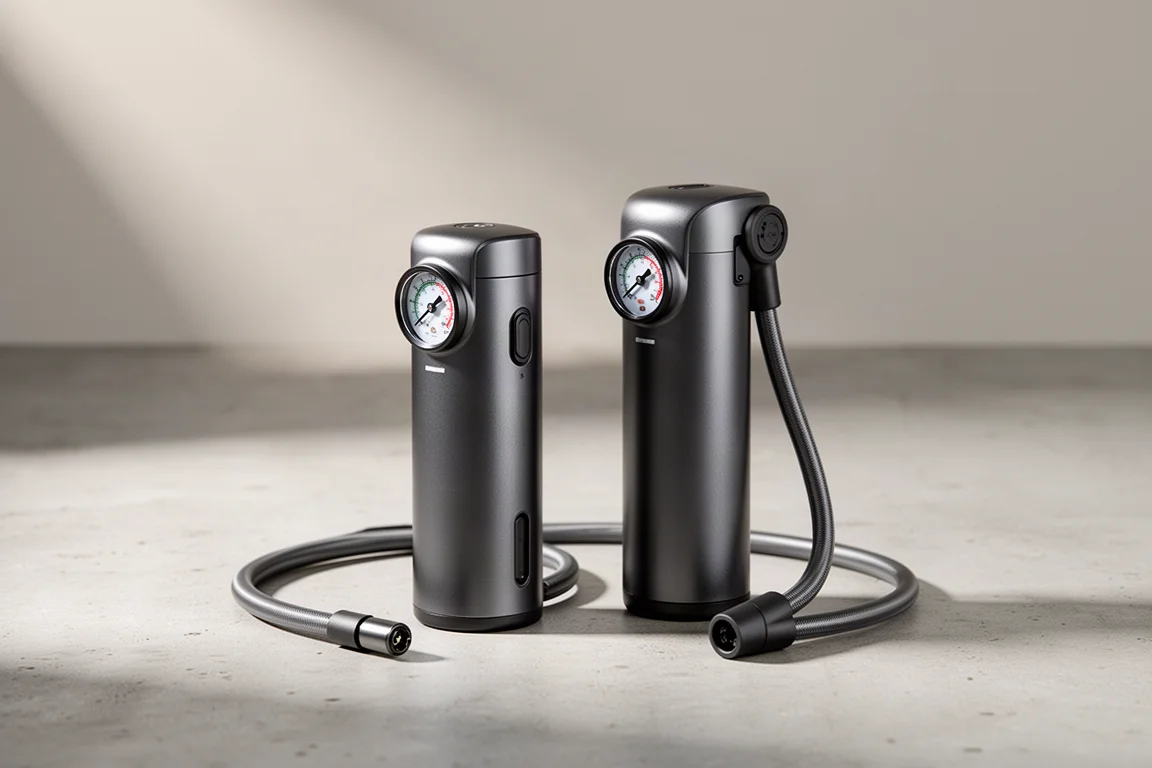
Introduction
An electric pump looks like a straightforward swap for the mini pump in your saddle bag, but the real question is whether it performs when you are standing at the roadside with a flat tire. Two models, the AS2 Pro Tiny Pump and the AS2 Pro Max, have been in regular use for six months across commuting, gravel events, mountain bike rides and travel to see how they compare with a traditional mini pump and a CO2 cartridge.
Both pumps come from one of the better known names in this category, and both include a pressure gauge on the rear. The smaller AS2 Pro Tiny Pump costs $109 and the larger AS2 Pro Max costs $129. This guide covers what each one does well, where they fall short, and which size suits which rider.
Why an Electric Pump Makes Sense Now
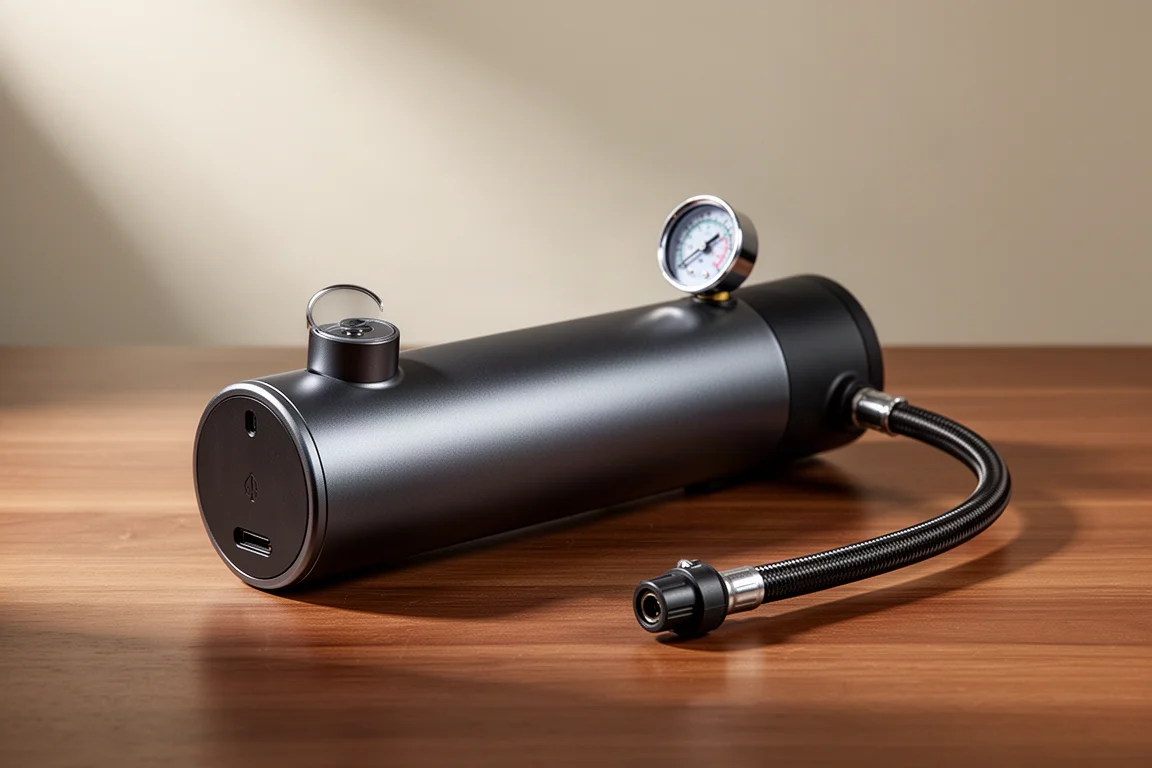
The single biggest change is that you choose a pressure instead of guessing one. On a manual mini pump you finish a repair with no real idea of what you have achieved, whether that is 40, 50 or 60 PSI. With these pumps you set the number you want, thread the head onto the valve, press the button and hold it, and the pump stops at that target. That removes the guesswork entirely and is the part that changes how a roadside repair feels.
Using one is also less physical work than a mini pump. There is no repeated hard stroking, no sore arms afterwards, and in practice the inflation is quicker than a manual pump of comparable quality, although speed is rarely the priority when you are fixing a puncture. Being a minute or two slower or faster during a gravel event is not something most riders will notice.
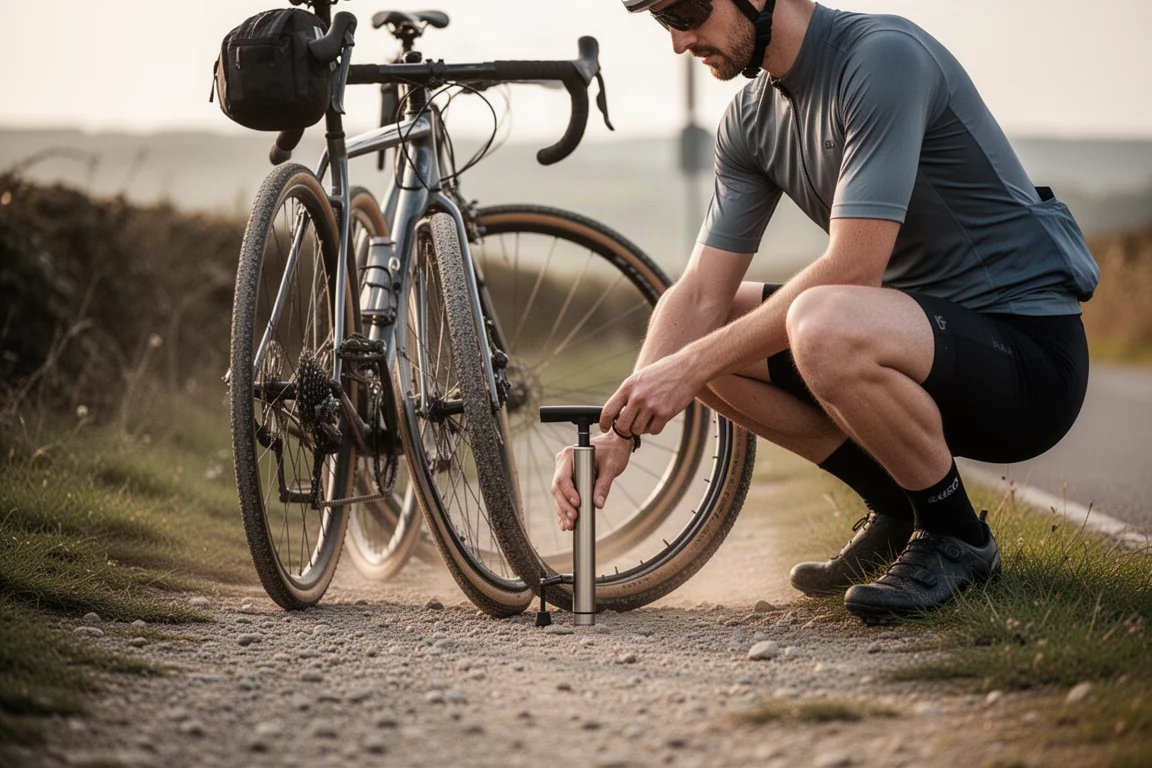
The trade-off is noise. These pumps are noticeably loud in use, and that is the main sensory downside compared with a silent hand pump. Otherwise the experience is simple: attach, press, hold, done.
AS2 Pro Tiny Pump: Small, Light, Saddlebag Ready
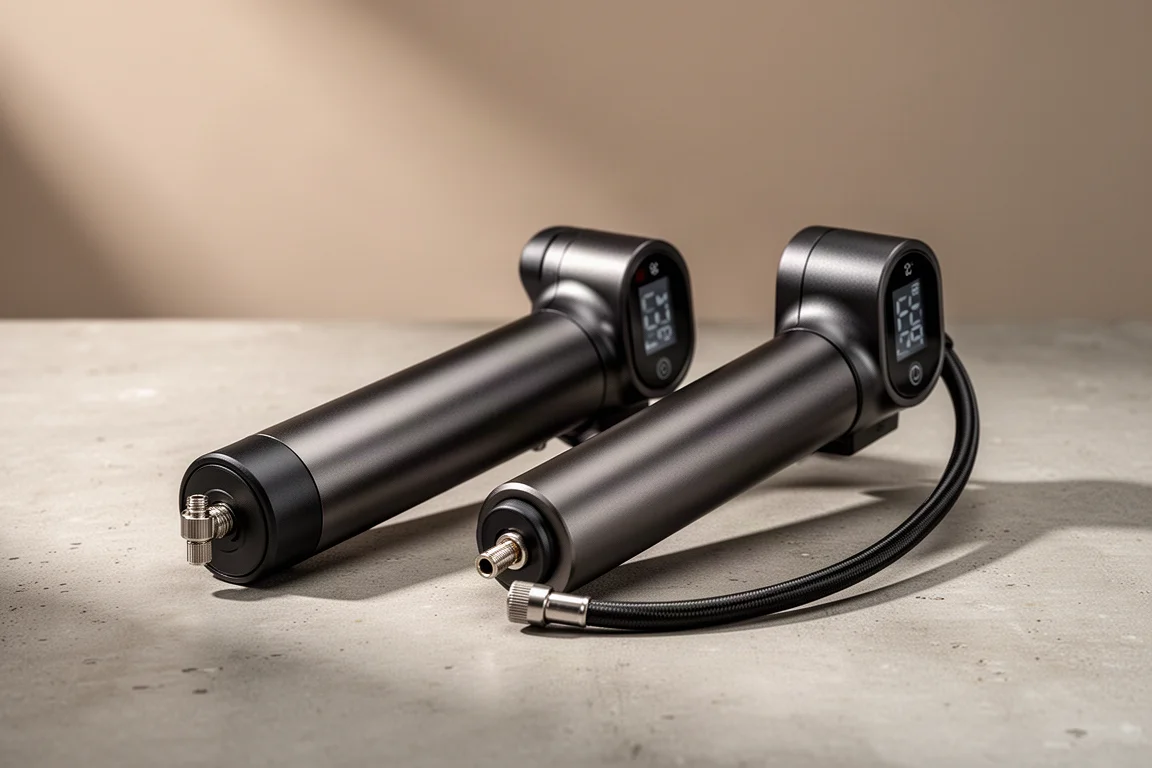
The Tiny Pump is the compact model at $109, and its size is the whole point. It fits inside a saddle bag, inside the down tube of a mountain bike, or in a bikepacking setup, which makes it the version that can genuinely live on the bike all the time. It carries the same rear pressure gauge as the larger model, so the set-and-inflate workflow is identical.
The manufacturer claims it will inflate a 28mm tire from zero to 80 PSI three times on a single charge. Riders who run lower pressures, or who plug a puncture before all the air escapes and only need to go from roughly 20 PSI back up to their riding pressure, will get considerably more than that from one charge.
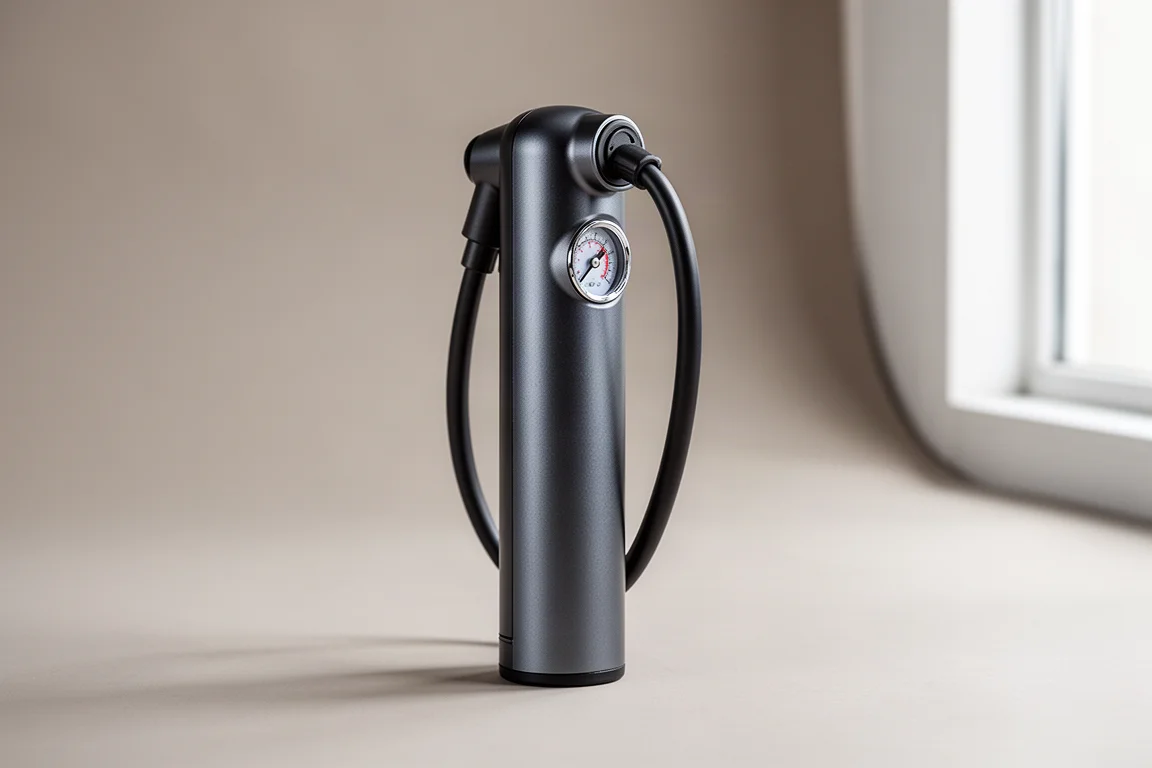
AS2 Pro Max: More Air for Travel and Home
The AS2 Pro Max is the larger sibling at $129, and it exists for the situations where capacity matters more than pack size. The manufacturer claims the same 28mm tire can be inflated from zero to 80 PSI ten times on one charge, which moves it well beyond emergency repair duty. It works as a replacement for a track pump in a kit bag, in the back of a car or van on the way to a race, or in a bike travel bag.
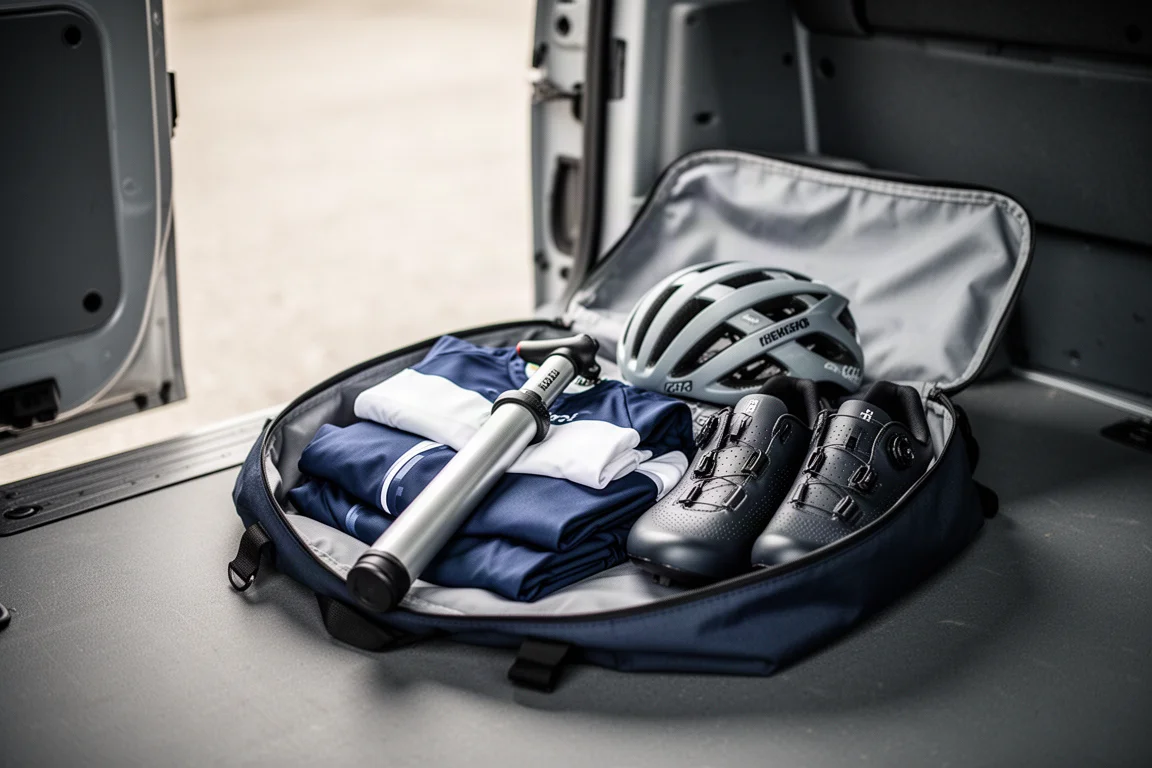
It is also useful off the bike. Used in a workshop or studio it covers everyday inflation without needing a floor pump or a compressor, which is a practical role for anyone who wants one tool to handle both home and travel. The larger battery simply means fewer charges and more confidence over a long trip.
As with the smaller model, it holds its charge when stored. Left for months, it still starts a ride fully ready, so the emergency case is covered as long as you top it up after use.
Real-World Runtime and Battery Confidence
The obvious concern with any battery tool is what happens when it goes flat mid-ride, and a manual mini pump will never have that problem. After six months of use, neither pump has run out when it was actually needed, and neither has lost meaningful charge while sitting unused for long periods.
Partial inflation is what makes this work. Most punctures are plugged or patched before the tire is fully empty, so a repair often means topping up from around 20 PSI rather than filling from zero, which uses far less battery. A single charge comfortably covers one or two punctures on a ride. Riders dealing with three, four or five punctures in a day will usually run out of tubes, plugs or patches before they run out of pump.
The Compromises Worth Knowing About
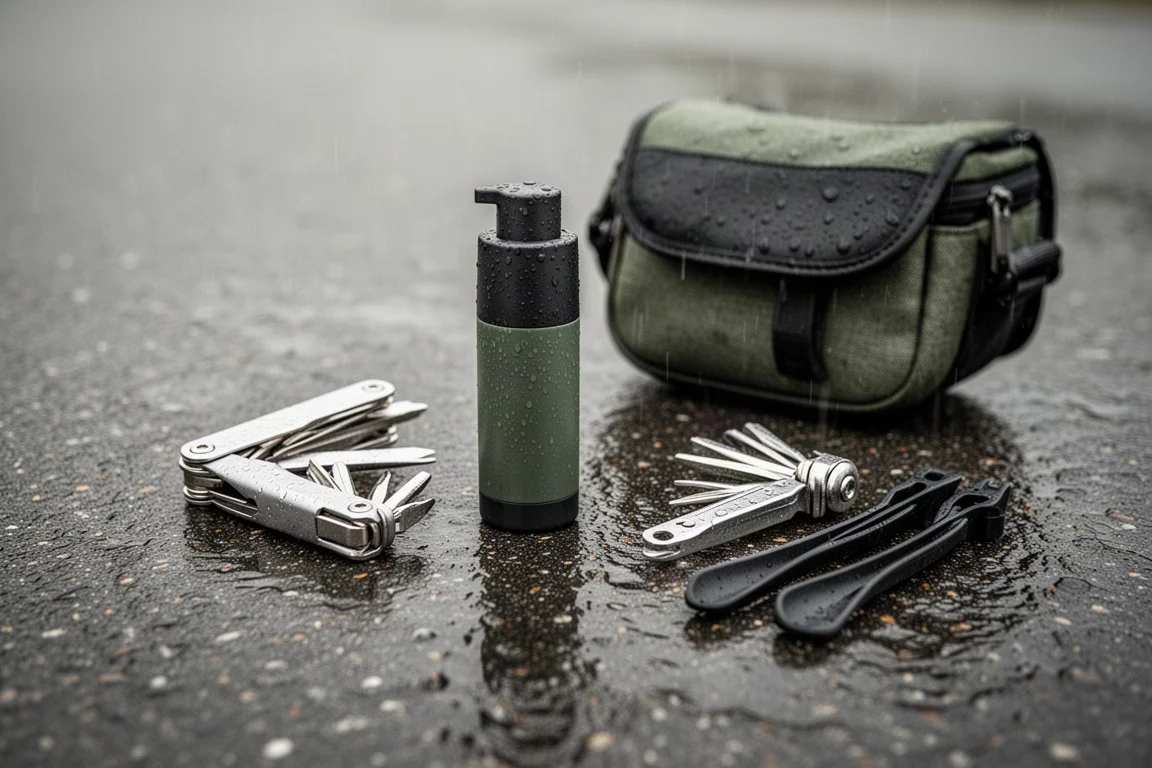
The most significant limitation is water resistance. These pumps are not waterproof, so they need to travel inside a plastic bag to stay protected from rain and road spray. Inside a bag they are well shielded, but it is an extra step that a simple mechanical pump does not require.
Extended use makes the body warm to the touch. A silicone case is supplied, though it adds bulk and weight and is easy to leave at home. A short hose extender is also included, and care is needed with plastic valves on TPU inner tubes, where heat from the pump head could potentially cause damage. Metal valves connect directly without any issue.
The pumps also cannot seat a new tubeless tire. Attempts to inflate a fresh tubeless setup produced no movement at all, even with the valve core removed, because the pump cannot shift enough air quickly enough to pop the bead. A tubeless track pump remains necessary for that job.
There is also the wider question of built-in, non-replaceable batteries, which is worth weighing against your own preferences on disposable electronics. Beyond that, the batteries are also the reason these pumps sit at a higher price than a good quality manual mini pump.
Which Pump Fits Which Rider
The two sizes map onto two fairly clear use cases. The Tiny Pump belongs on the bike, kept in a saddle bag, a frame bag or a down tube, where its small size and low weight matter most. The AS2 Pro Max belongs off the bike, in a kit bag, a car, a van or a bike travel bag, where the larger battery earns its keep.
Riders who want one pump to cover both roles will usually be better served by the larger model, since it can still be carried in a bag when needed. Riders who want the lightest possible on-bike setup, or who ride loaded bikepacking routes, tend to get more value from the smaller one.
Buying Advice
At $109 and $129 respectively, neither pump is cheap, and both are a real investment compared with a manual mini pump. The convenience, the speed, the ease of use and the reliability observed over six months make a reasonable case for the price, and the value calculation improves considerably for anyone who currently buys CO2 cartridges.
Both models are available in cheaper versions without the pressure gauge, and other brands offer comparable designs, with some more expensive options also on the market. For most riders the gauge is worth keeping: it is the feature that removes the guesswork and delivers most of the practical benefit. If budget is the deciding factor, a good quality manual mini pump remains a perfectly capable alternative that never needs charging.
Conclusion
These pumps turned out to be far more useful than expected. They are quick, simple and reliable in daily use, and after six months neither has left a rider stranded with a flat battery at the wrong moment. The compromises are real and worth accepting knowingly: no water resistance, no tubeless seating, noticeable noise, and a sealed battery that cannot be swapped out.
Choose the AS2 Pro Tiny Pump if the priority is a pump that always lives on the bike. Choose the AS2 Pro Max if you want one unit that covers travel, race days and home inflation in place of a track pump. For riders who want less faff and no sore arms at the roadside, both are easy to recommend.
Further reading
Related Reviews
Cycling Accessories
7 Inexpensive Everyday Products That Are Brilliant for Cyclists
Seven cheap household products that solve real problems for cyclists, from portable bike washing and dry shoes to clean bottles and protected paintwork.
Cycling Accessories
Amazon Cycling Accessories Worth Buying: Five Practical Picks
A basket of low-cost cycling accessories judged on real-world use, from a dash cam style camera and light combo to bone conduction headphones and one tool best left on the shelf.
Cycling Accessories
Electric Bike Pumps Compared: AS2 Pro Tiny Pump vs AS2 Pro Max
A practical look at two battery-powered bike pumps: what they do well, where they fall short, and which one suits which kind of rider.