Thru-Hiking Gear
Arizona Trail Thru-Hike Gear List: 13 Items That Earned Their Place
A field-tested Arizona Trail thru-hike gear list covering the pack, shelter, sleep system, footwear, water treatment and electronics that held up over a dry-year desert crossing.
Introduction
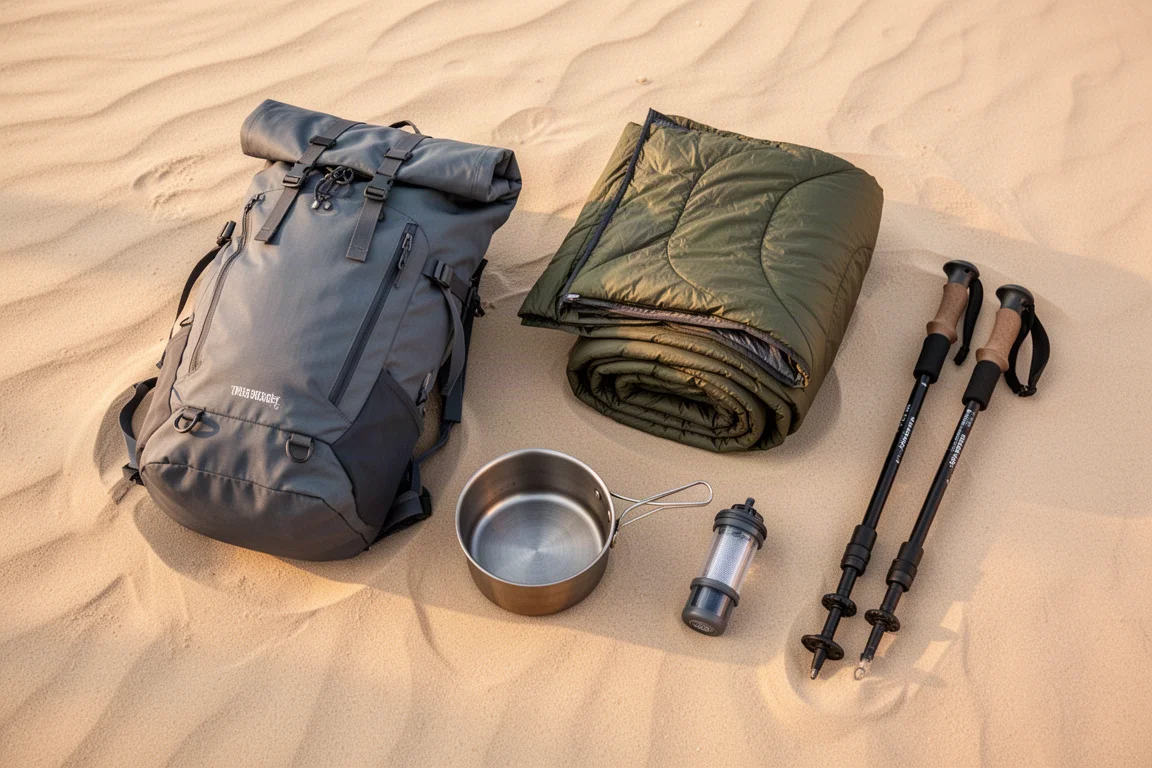
A dry-year Arizona Trail thru-hike asks a gear list to do two things at once: stay light enough for long days, and stay strong enough to handle long water carries, camera equipment, and a heavier food load than most desert crossings require. Base weight for this setup came in around 26 to 27 lb, and with six liters of water on board the pack weighed close to 40 lb before any food went in.
That is a harder test than the number suggests, and it sorted the list quickly. Everything below earned its place, either because it carried the weight without complaint or because it solved a specific problem on a rocky, exposed and occasionally wet route.
Carry System: The ULA Ultra Catalyst
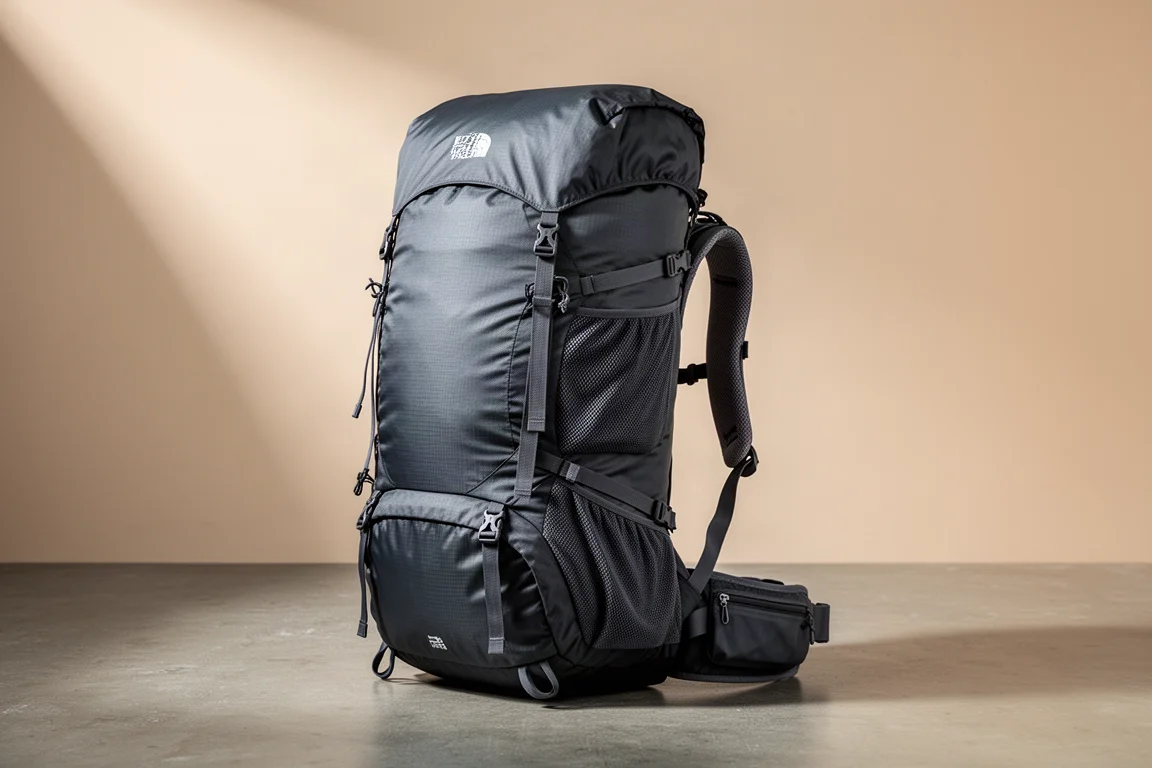
The Ultra Catalyst is the workhorse of the ULA pack line, rated to carry up to 40 lb and built from Ultra 400 fabric. It pairs that weight ceiling with 75 liters of volume, which leaves room for bulky loads without turning every morning into a compression puzzle. For a hike with camera gear, longer water carries and more food than usual, that extra headroom mattered more than saving a few ounces.
The roll-top closure is what keeps the pack predictable. Whether the load is full or half eaten, the top rolls down and holds everything in place. Two paid add-ons are worth considering: a Y strap across the top and loops on the bottom. The Y strap secures a bear canister or a shelter up top more firmly than a single strap, while the bottom loops let a shelter ride underneath. Mounting the shelter low stabilizes the pack so it does not flop over when set down, and it lets a wet tent drip on the outside instead of soaking the contents.
Loaded past 40 lb the pack stopped being comfortable, but it never failed. It held everything, came through intact and remains in great condition. Inside its rated range it carries well.
Shelter: The Zpacks Duplex Zip
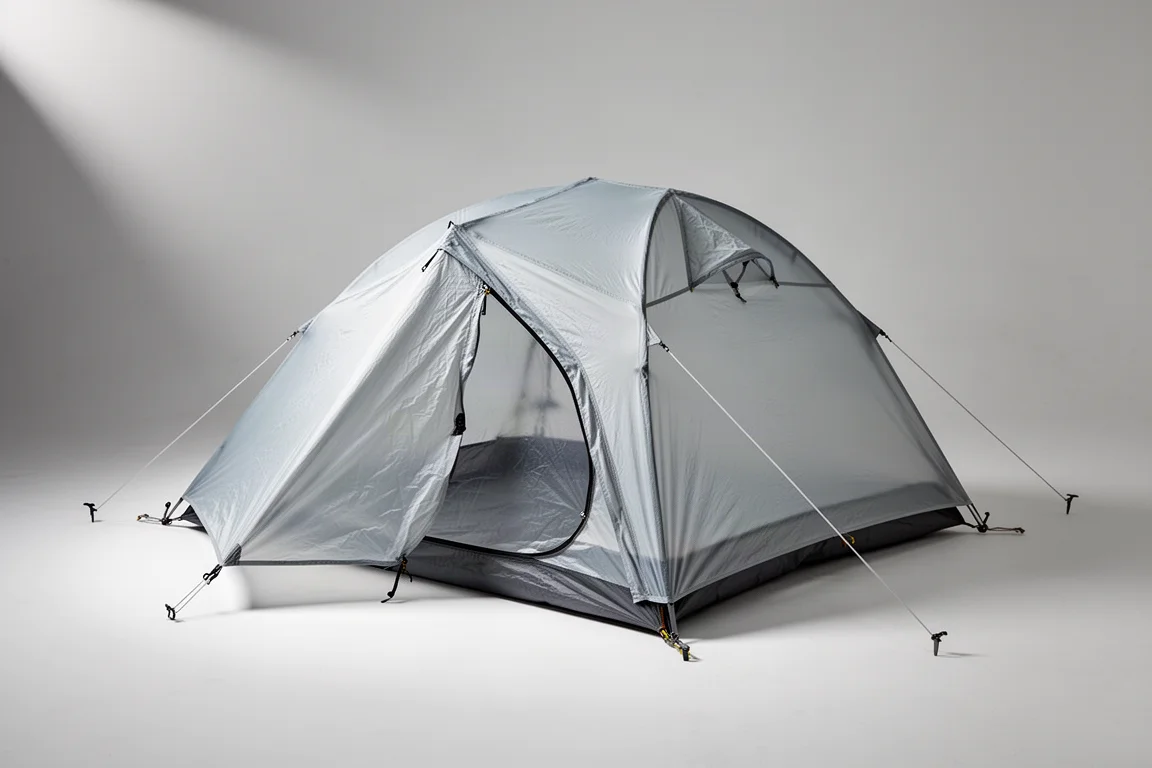
This is the familiar two-person Dyneema shelter with one meaningful change: the vestibule closes with a zipper that runs from the top all the way down, replacing the bungee attachment. The result is a vestibule that catches less wind and makes noticeably less noise overnight.
It is still a Dyneema shelter, so the fabric still crinkles. The mesh inner, though, proved its worth. It held up through a long night of scratching and biting from a determined animal outside, and it kept everything inside untouched.
The vestibule does not seal against crawling insects or small animals, so the mesh is the real barrier. Treat that as the trade-off for a shelter this light.
Stakes: MSR Mini Groundhog
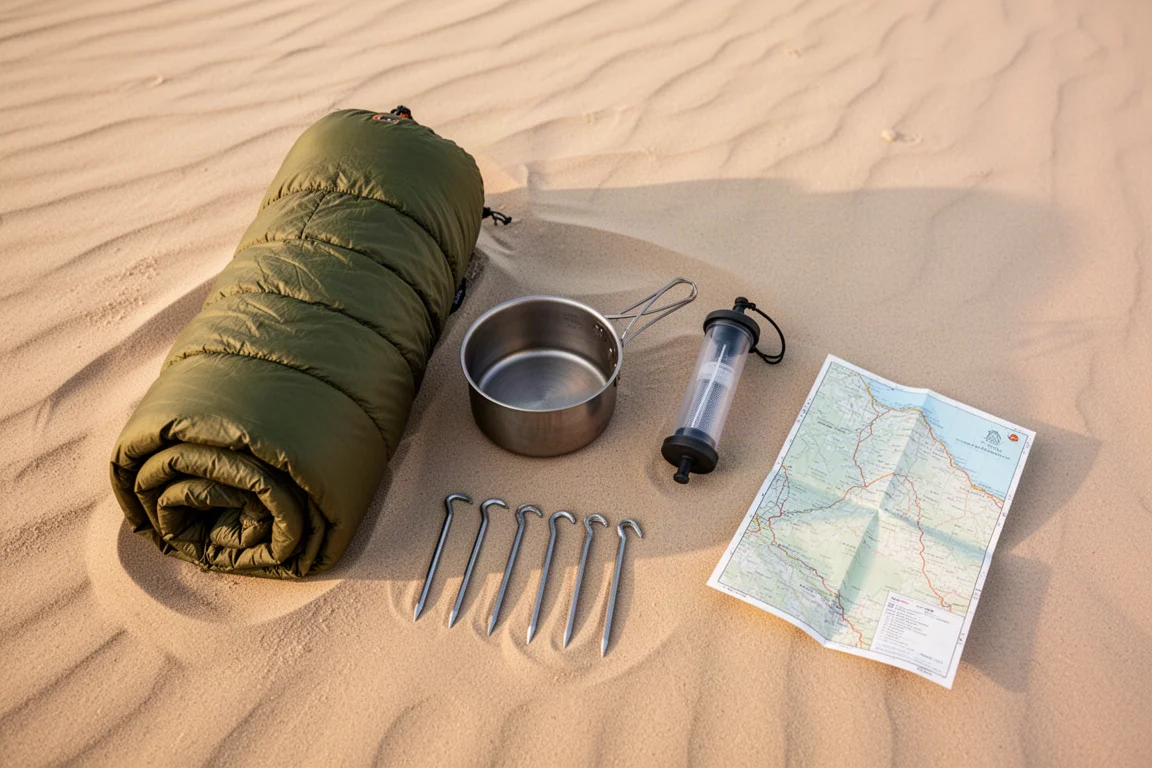
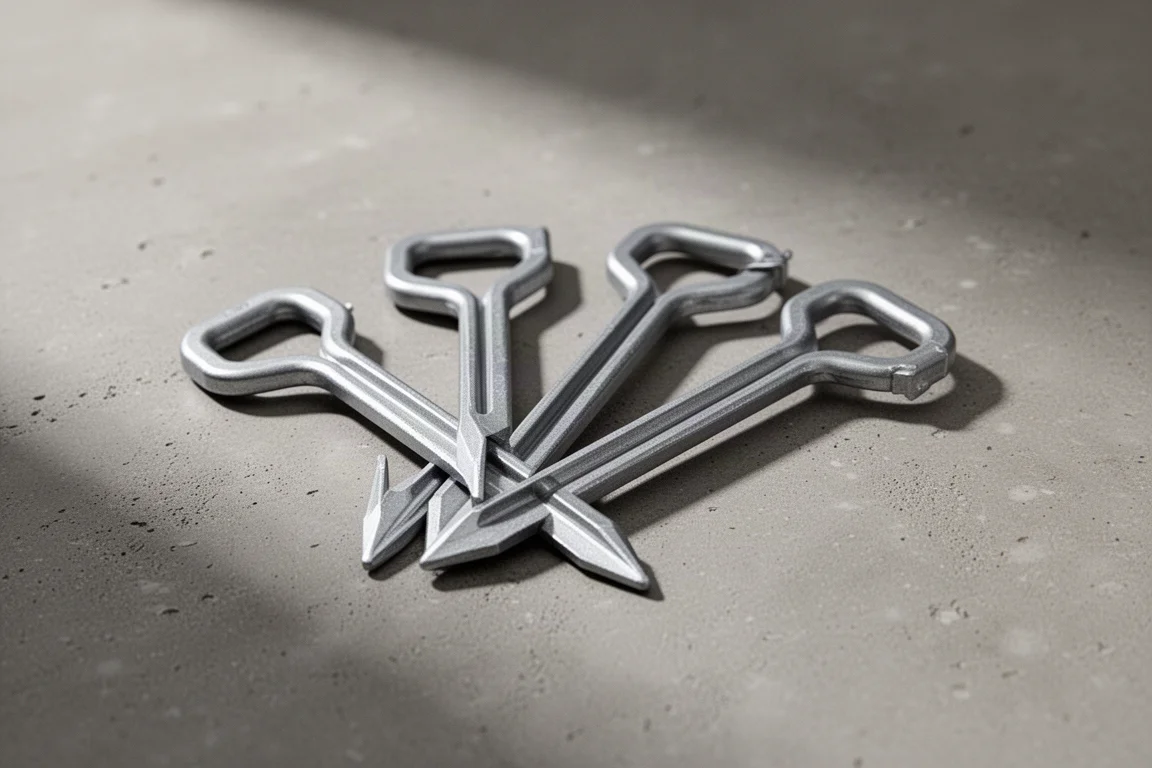
Stake kits tend to become a mixed bag of odds and ends collected from various shelters, and that was true here. Starting over from square one, the MSR Mini Groundhog would be the go-to, especially on desert ground where the Y-beam shape grips loose soil better than thin shepherd’s hook stakes.
They are lightweight, inexpensive and durable. They do not bend out of shape the way some included stakes do, and they stand out against the soil, which makes them easier to spot at pack-up time.
Sleep System: Enlightened Equipment Enigma Apex Quilt
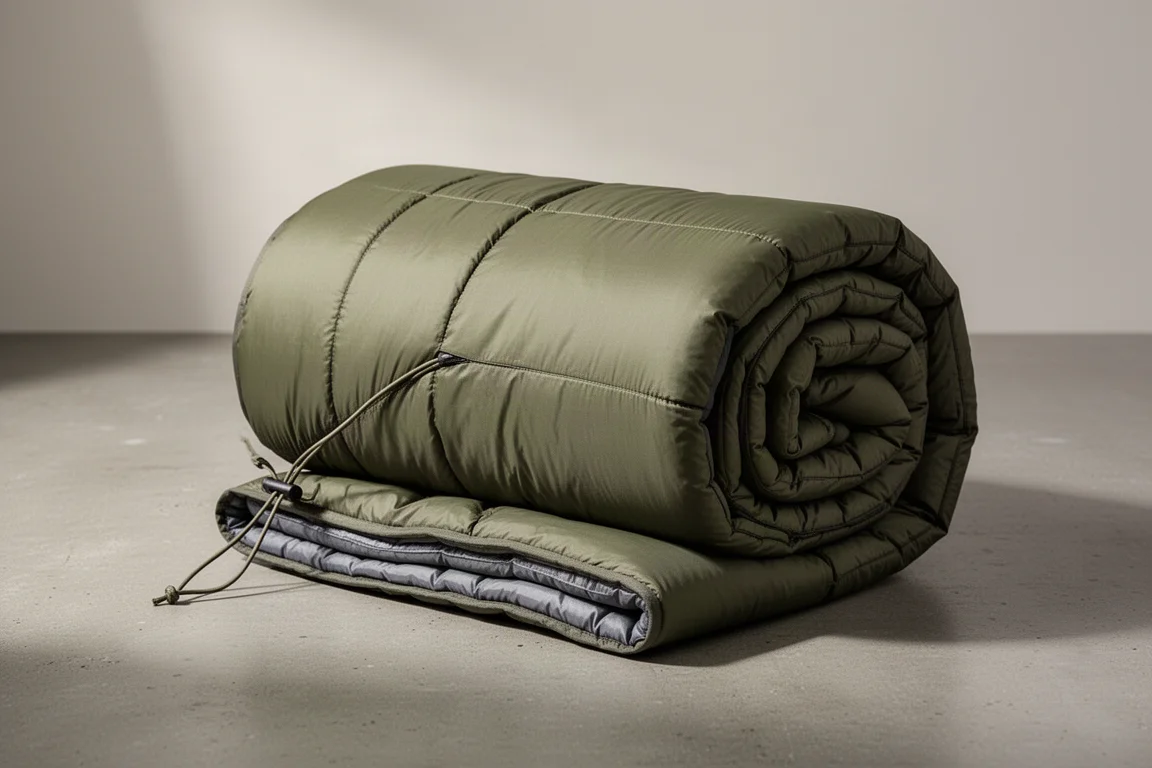
The Enigma Apex is a 30 degree synthetic quilt, chosen after a down allergy forced a move away from down insulation. At the time it was the lightest synthetic quilt available in the dimensions needed, and it has been the reliable option since.
Down remains more packable and lighter, so this is a compromise rather than a preference. Under a quilt of any kind, a sleeping pad is mandatory; without one, sleep quality drops fast.
Sleeping Pad: Nemo Tensor Elite
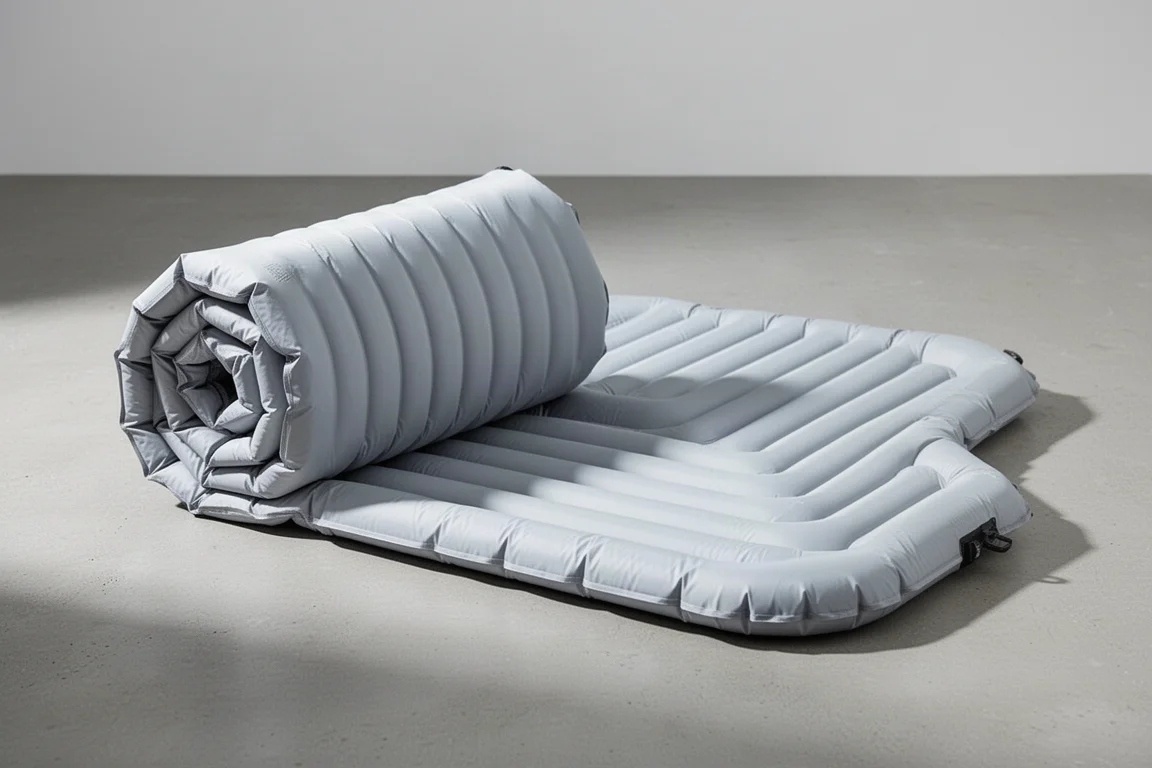
The Tensor Elite is a mummy-shaped, full-length inflatable pad rated at 2.4 R value, and it weighed in close to the short-length pad it replaced. After years on a shorter pad, the full length was a genuine upgrade in comfort, and 2.4 R value was enough for the conditions this route threw at it.
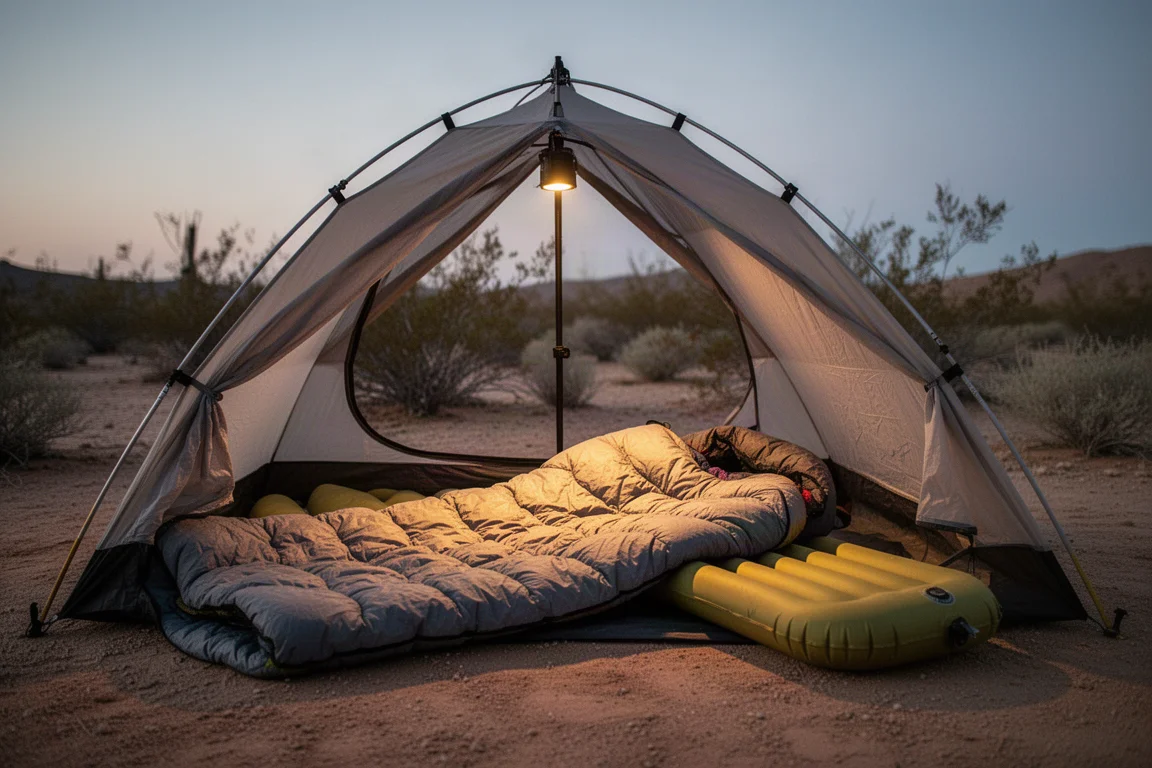
It performed well until a small broken-off stick in an otherwise good campsite punched a hole in the fabric. A patch kit fixed the puncture, but a slow leak remained for the rest of the hike, which meant topping the pad up in the middle of the night as the trip went on. The lesson is straightforward: carry a patch kit, and clear the ground carefully before inflating anything this light.
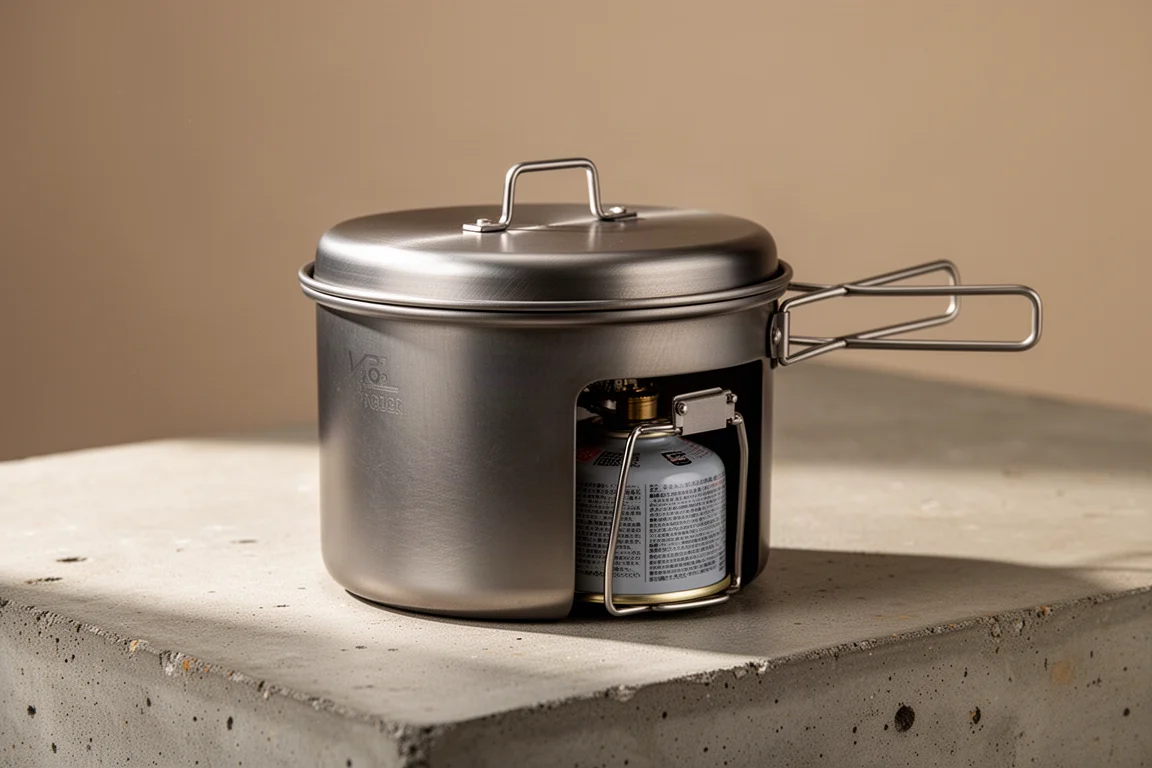
Cook Kit: Toaks Outdoors 750 ml Titanium Pot
The 750 ml titanium pot was a first experiment with titanium after years of aluminum, and it worked out well. It matched the aluminum pot it replaced in both dimensions and weight, which is unusual, since titanium cookware often weighs more than the aluminum equivalent.
The trade-off is thin walls. That is where the weight saving comes from, so pack the pot where it will not be squashed or bent out of shape.
Water Treatment: Sawyer Squeeze
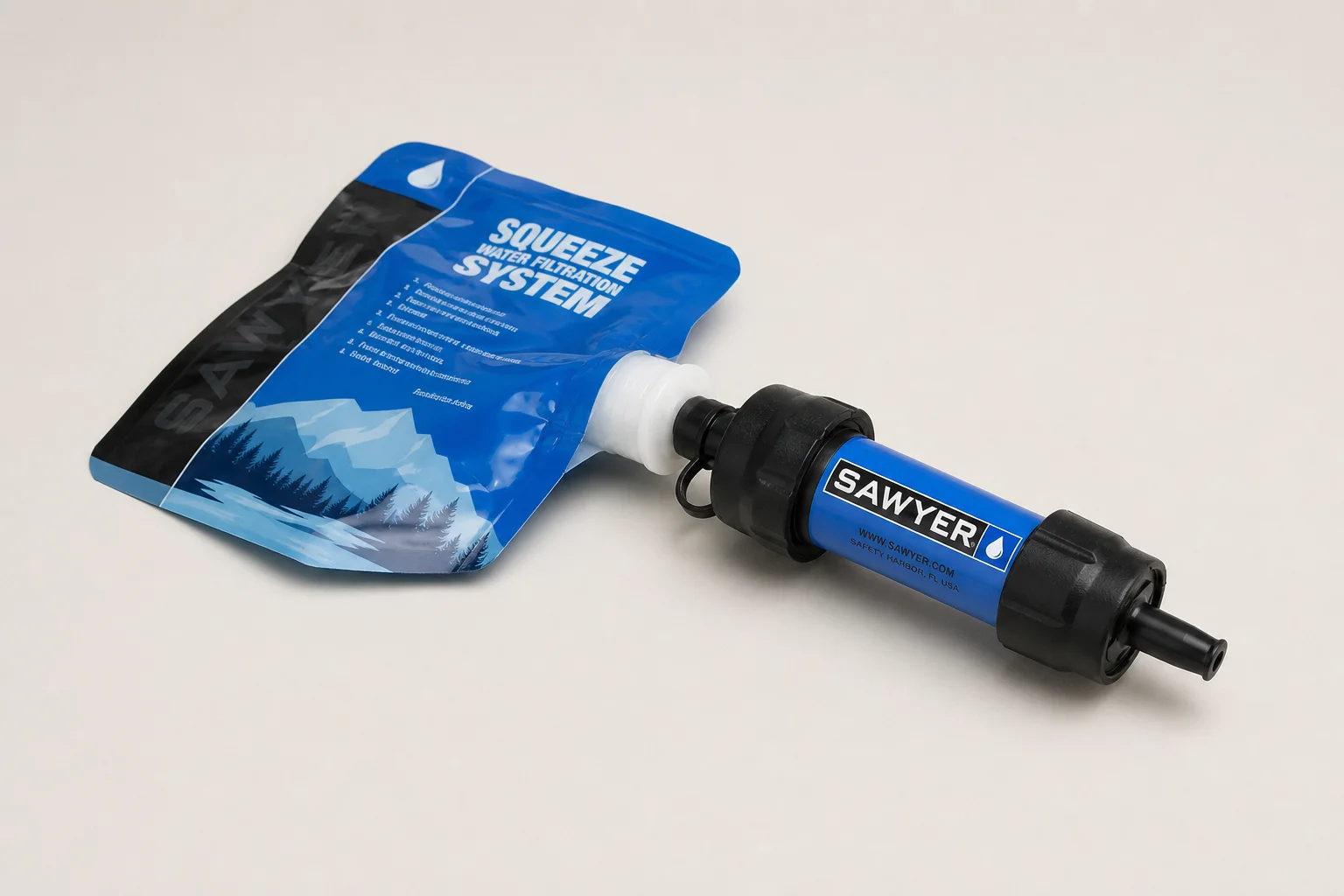
The Sawyer Squeeze screws directly onto the threads of a disposable sport bottle: scoop water from the source, screw the filter on, and drink through it. It is a fast, simple setup with very little to go wrong.
On a dry year, though, water is water, and silty sources gunked the filter up badly enough that it had to be replaced twice. Prefiltering through a bandana before filling would have extended its life considerably. Carry a spare bandana for exactly that job.
Hiking Clothing: Columbia PFG Shirt
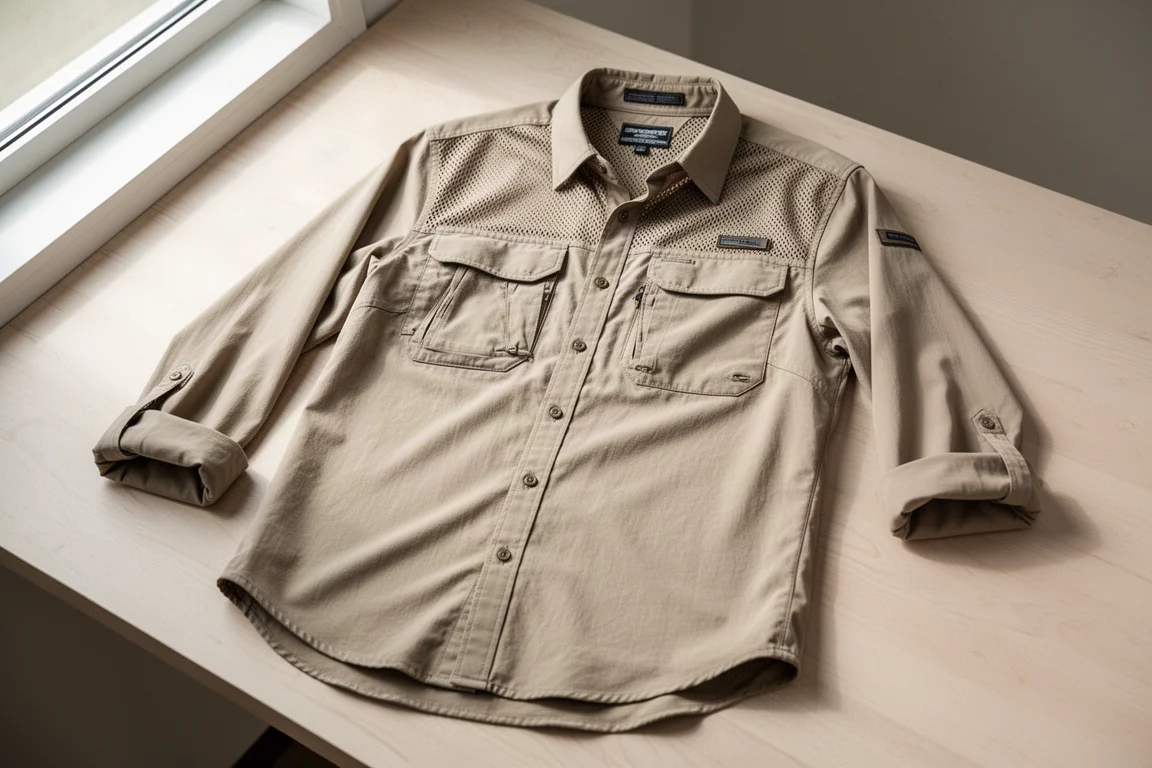
The PFG shirt has been the default hiking top for most long trails. It is a button-up, so it can be opened for airflow or closed when the morning is cold, the back is ventilated, and the sleeves roll up or down depending on the sun. The fabric is thick enough to handle cold spells and still breathable enough for canyon heat.

Worth remembering alongside the expensive items: some of the best-performing clothing on this hike came from a thrift store. A pair of inexpensive athletic shorts handled the hottest section of the route perfectly well. If budget is a concern, good athletic clothing that fits well will do the job.
Footwear: Altra Lone Peak
The Lone Peak has been the long-standing thru-hiking choice and covered the first, less rocky portion of this route. It is comfortable over long days and has proven itself across multiple long trails.
Its limitation shows up on terrain that is rocky for mile after mile, where more underfoot protection pays off.
Footwear: Topo Athletic Terraventure Trail Runners
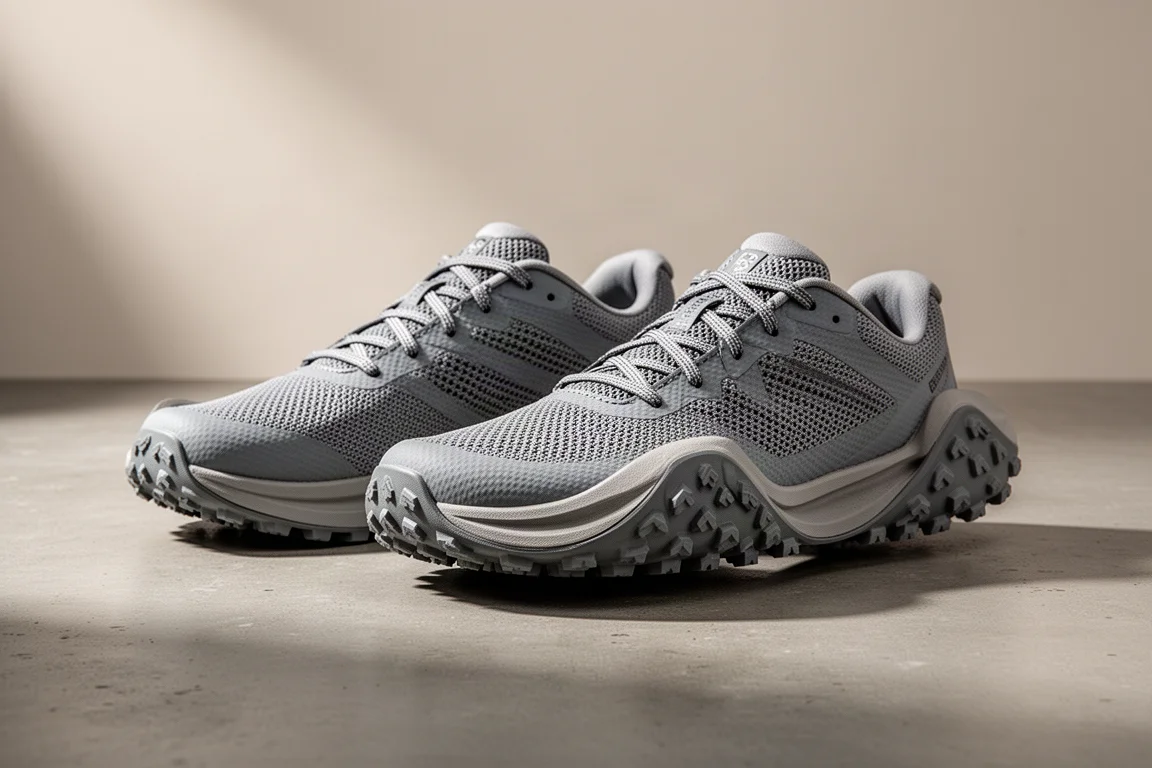
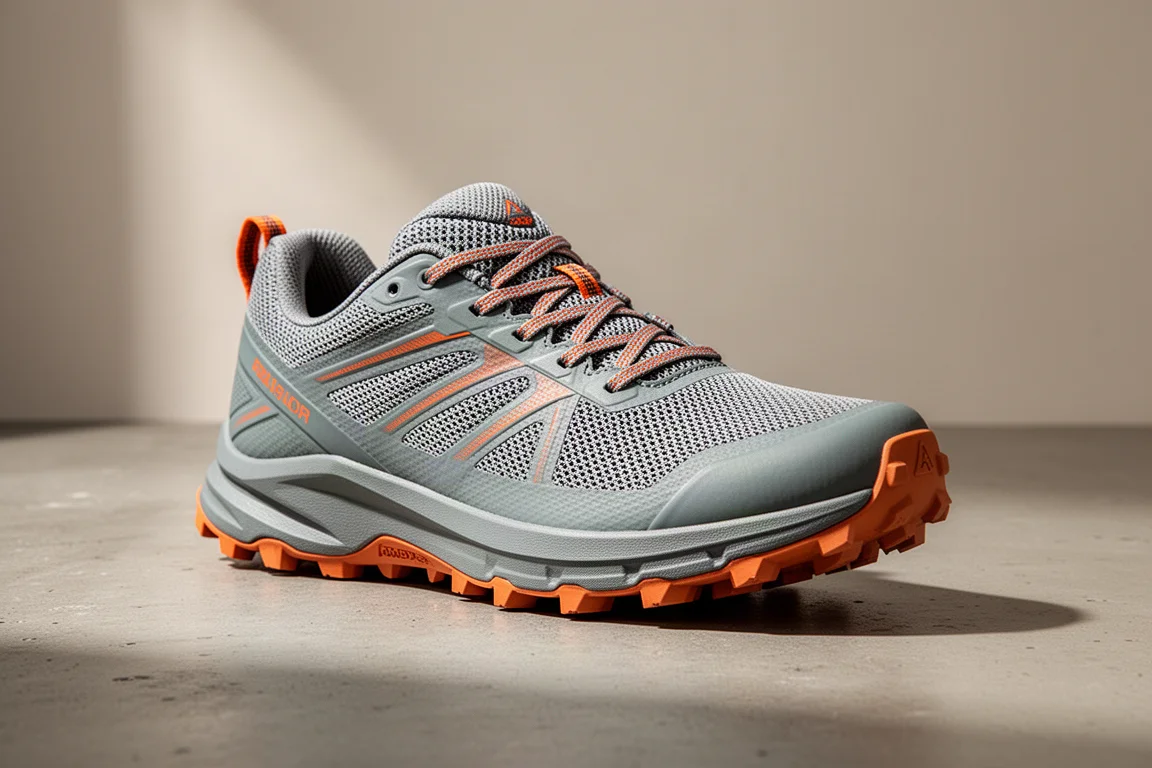
The Terraventure took over for the second half of the hike, which was the longer and rockier portion. The rock plate is the reason it was preferred: on a trail that is rocky most of the time, it protects feet from being beaten up in a way a lighter runner does not.
Given the choice again, the Terraventure would be the shoe for the entire route. The added structure is a fair trade for the protection it provides.
Electronics: Garmin inReach Mini
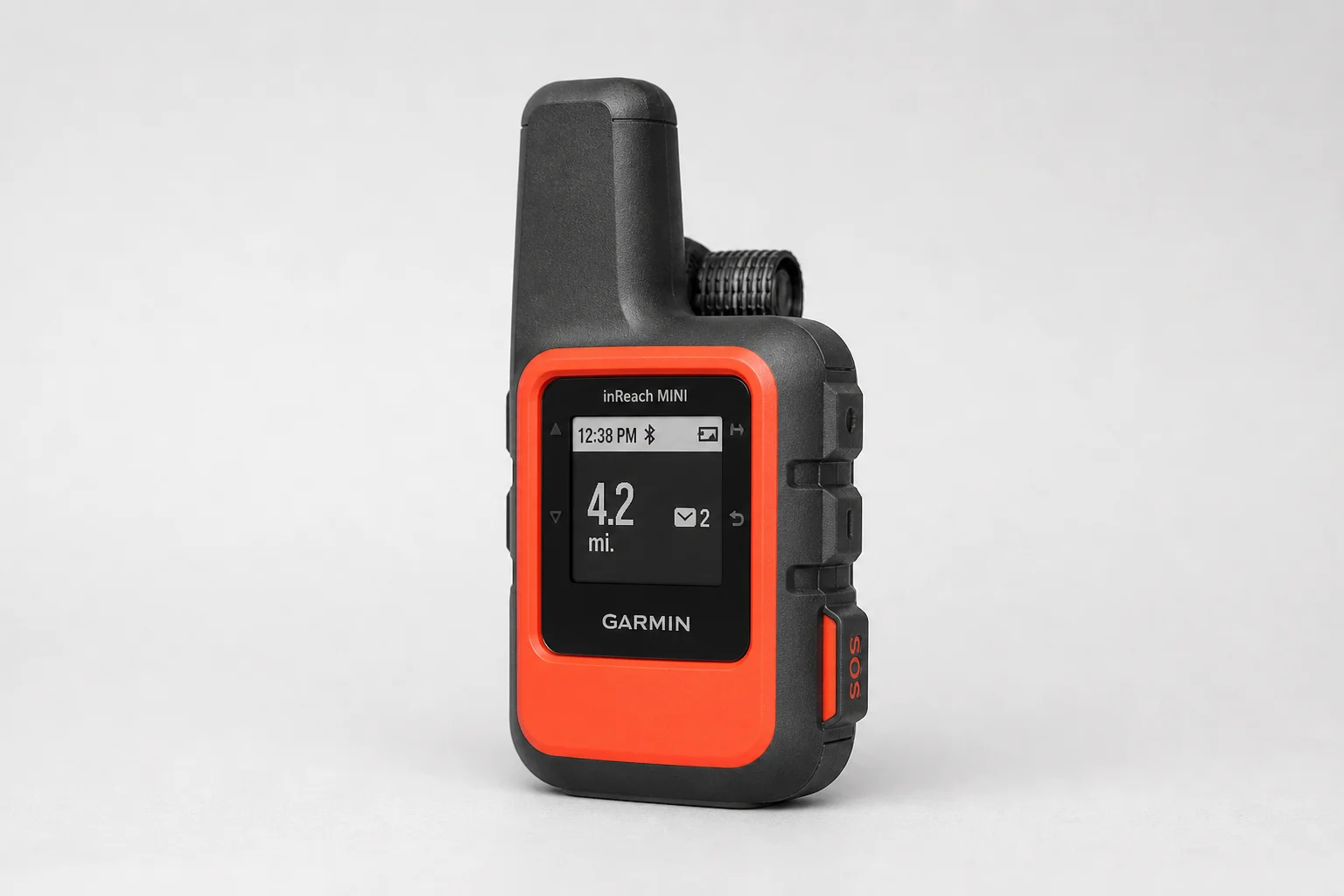
The inReach Mini is a satellite communicator that will not be left behind again after its SOS function was used to call for search and rescue on an earlier hike. It also sends messages, and an unlimited messaging plan keeps check-ins simple from anywhere on trail.
One detail worth acting on before a remote trip: an SOS extraction can be expensive, so an insurance plan that covers it is worth arranging. The manufacturer offers one directly.
Lighting: Nitecore NU25 Headlamp
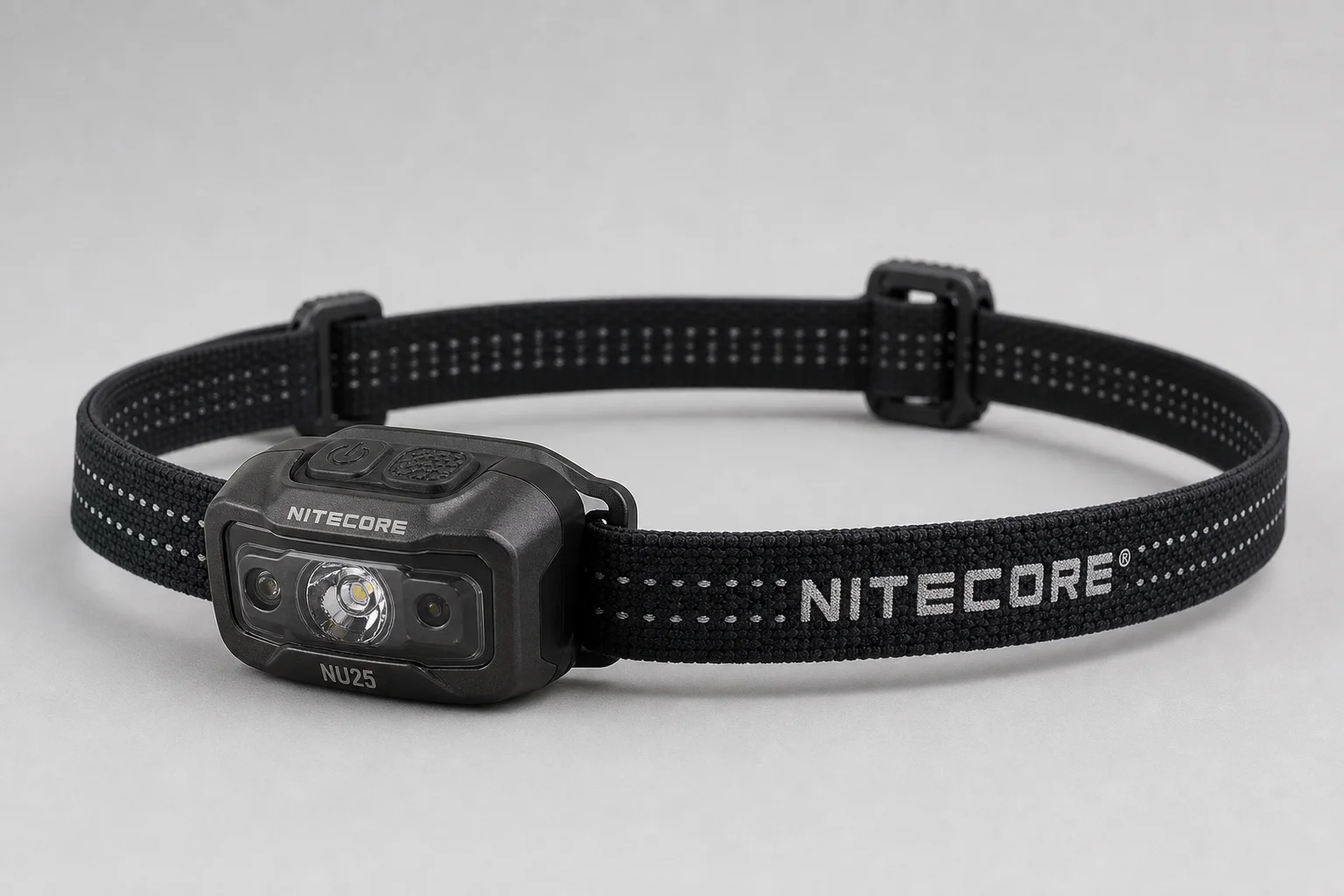
The NU25 has been the headlamp of choice for a while. It is rechargeable, has a red light mode, is adjustable, and the band is comfortable. It covers camp chores and night hiking without extra bulk.
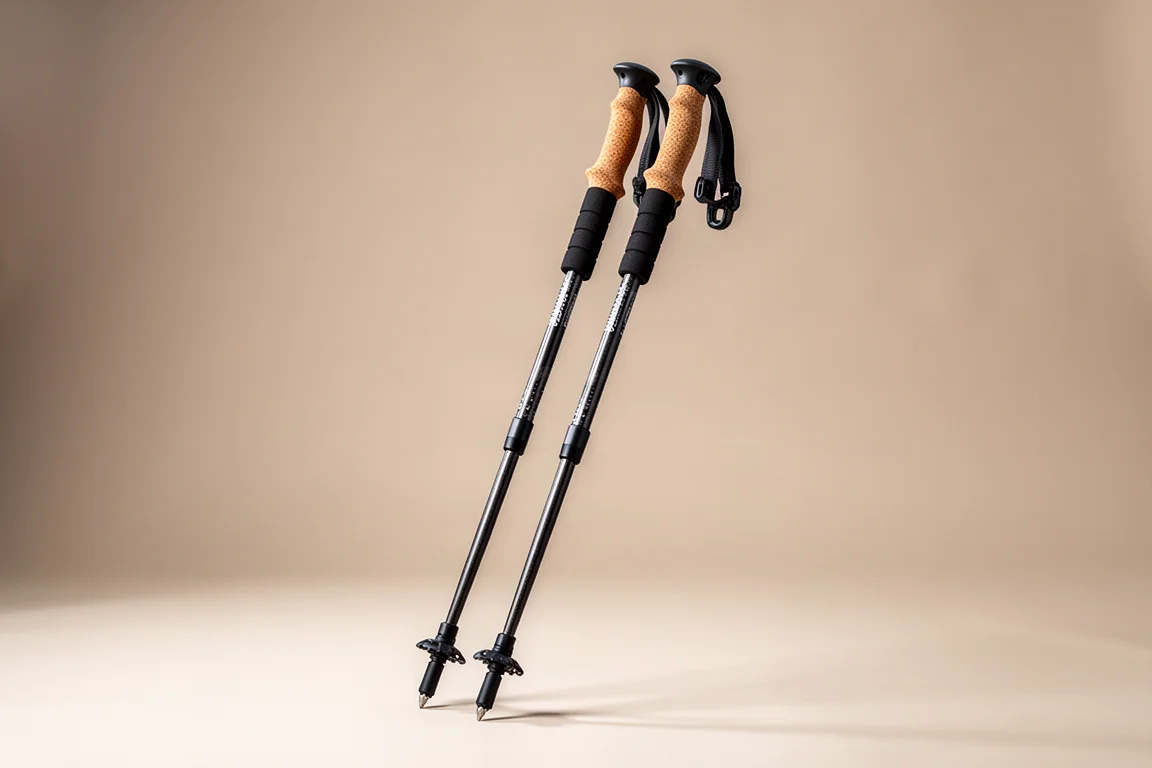
Trekking Poles: Black Diamond Carbon Cork
These poles have been in use mostly since a 2017 thru-hike. Another brand was tried and genuinely liked, but it caused recurring problems, while the Black Diamond poles never did. Considering the mileage they have covered, that says most of what needs saying about durability.
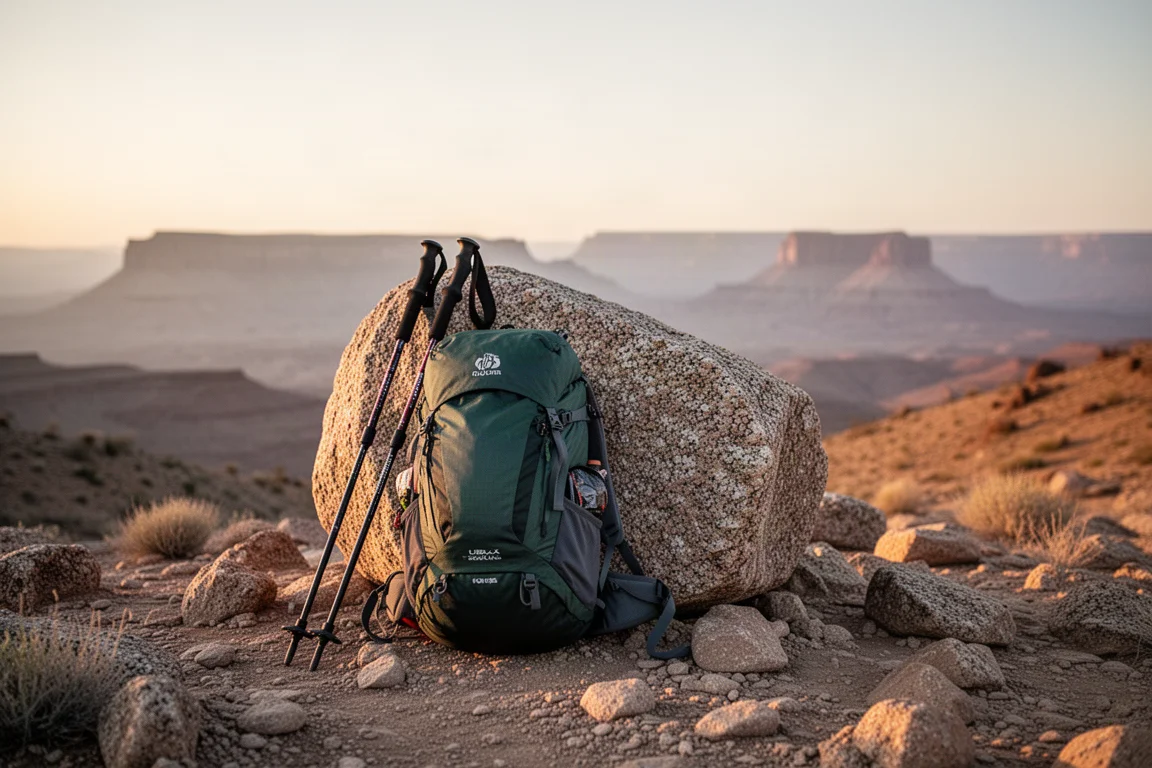
For long-distance use the appeal is simple: cork grips that stay comfortable over hours of hand contact, and a set that has survived season after season without issues.
Buying Advice
The most useful number from this hike is the weight math. A base weight of roughly 26 to 27 lb, plus about 13 lb of water for six liters of capacity, put the pack at nearly 40 lb before food. If a planned route involves long dry carries or camera gear, choose pack capacity and comfort margins with that ceiling in mind rather than an average day.
Three habits made a bigger difference than any single purchase. Redundancy for waterproofing and repairs, including a pack liner, a patch kit and a spare bandana for prefiltering, kept small failures from becoming trip-ending ones. Sun protection in exposed terrain, including a wide-brimmed hat, sun gloves and a reflective umbrella, was worth the extra ounces in desert conditions. And a lighter, less structured trail runner is not automatically the right call on a rocky route.
Finally, price is not the same as performance. Name-brand ultralight gear works well, but inexpensive athletic clothing that fits properly can handle a long desert hike just as comfortably. Nothing on this list felt excessive in hindsight, and nothing was wished away.
Conclusion
A dry-year desert thru-hike rewards gear that is honest about its limits. The pack carried more than it was strictly rated for and survived. The shelter stayed quiet and kept its occupant safe. The quilt, the pot and the filter all did their jobs, with the filter and the sleeping pad teaching the clearest lessons about maintenance and care.
If you are building a list for a similar route, start with the weight math, prioritize a shelter and sleep system you trust, and spend the savings on a satellite communicator and a patch kit. That combination handles almost everything a long, exposed trail can throw at you.
Further reading
Related Reviews
Thru-Hiking Gear
Great Divide Trail Thru-Hike Gear List: 10 Field-Tested Essentials
A 1,100 km thru-hike of the Great Divide Trail put this gear to the test. Here are the items that performed in cold, rain, snow, and technical terrain.

Backpacking Gear
Building a 10 lb Base Weight: An Ultralight Backpacking Gear List
A practical walkthrough of the ultralight pieces behind a 10 lb base weight, from a 765 g pack and a roomy one-person tent to a full camp chair and a dependable water filter.

Backpacking Gear
A 15-Pound Lightweight Backpacking Gear List for Solo Trips
A beginner-friendly 15-pound backpacking setup built from easy-to-find gear, with notes on what each piece does, how it packs, and where to spend your attention.