Road Bikes
Argonaut Supernaut RM3 Review: Handmade Carbon With Race Bike Pace
A close look at the Argonaut Supernaut RM3, a handmade US carbon road bike with endurance-level smoothness, race bike snap, and a premium price to match.
Introduction
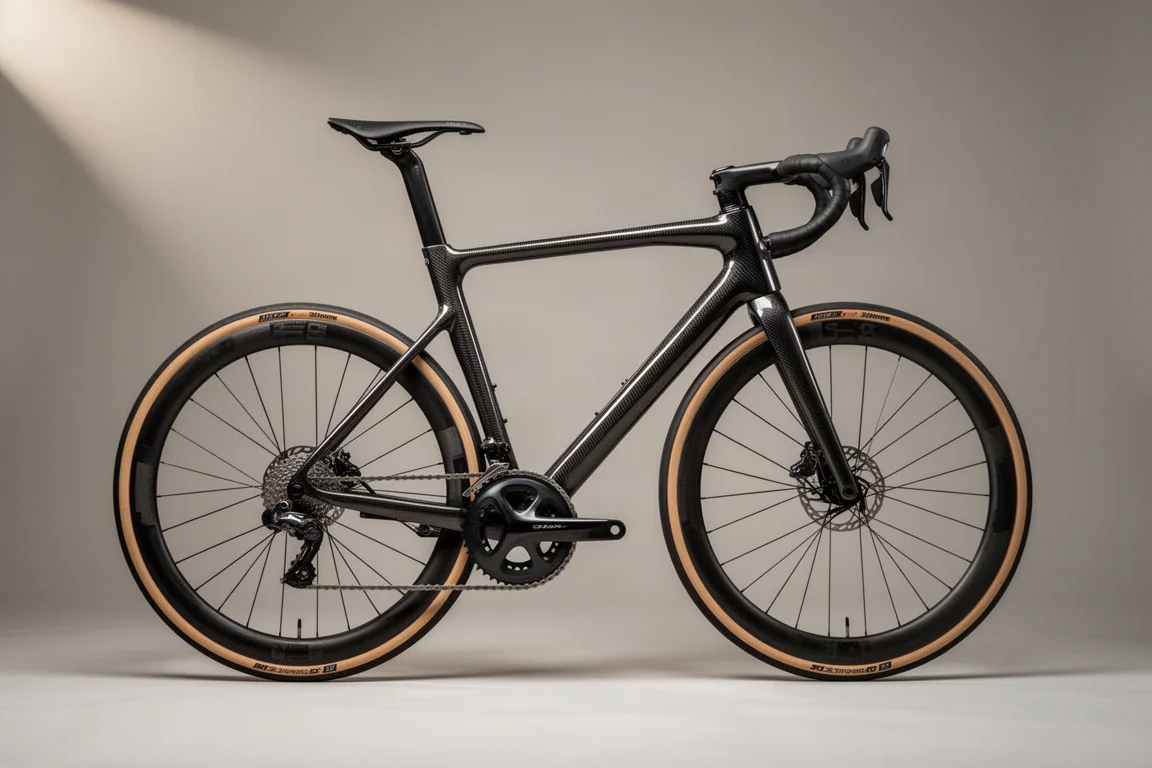
The Argonaut Supernaut RM3 is a handmade carbon road bike built in the United States by a small team, in very limited numbers. Around 100 frames will be made this year. At a time when most road bikes are shaped in wind tunnels, the RM3 takes a different route: traditional tube shapes, visible carbon, and a ride feel that puts quality ahead of aero numbers.
The headline here is the ride. The RM3 is smooth in a way that is rare on a race-oriented road bike, yet it stays stiff and snappy the moment you push on the pedals. The main obstacle is the price. At $16,500 as tested, this is a serious amount of money, and it sits in the same territory as a mass-produced aero race bike such as the Tarmac SLR, which is made in Taiwan.
Who This Bike Is For
This is a bike for riders who can justify a premium purchase and want something that stays desirable for years rather than seasons. It suits the rider who has moved past chasing every aero gain and wants a bike with a story behind it: a small brand, its own manufacturing process, and frames it makes itself.
It is not aimed at younger riders hunting the fastest race position or the lightest aero frame on the start line. It is closer to a bike for life, the one you buy as a treat and keep for a long time.

The RM3 also makes sense for riders who are already considering other high-end boutique brands and want something that does not look like everything else in the group. The appeal is partly the ride and partly the idea of owning a frame that will not go out of fashion next season.
Ride Quality and Responsiveness
The standout quality of the RM3 is how it rides. It is buttery smooth, and on rough surfaces it rivals an endurance bike for comfort while still feeling fast and responsive like a race bike. The 30mm tires on this build contribute, but the frame does most of the work: bumps and cracks in the road do not reach the contact points the way they do on a stiff aero race bike. Even on narrower 28mm tires, the ride stays very smooth.
That smoothness does not come at the cost of pace. The frame is rigid and reacts immediately when you get on the power, whether climbing or sprinting, and it turns into corners with race bike sharpness. The balance is the whole point: enough stiffness for speed, with just enough compliance built back into the frame to keep long rides comfortable.
Climbing is where the low weight and stiffness combine well. The bike feels light, responds when you crank out power, and holds a gear comfortably on long, steady gradients with hairpins breaking up the pitch. Descending is equally confidence inspiring. The geometry, the tuned stiffness of the frame and wheels, and the wider tires make sweeping corners feel natural, and confidence builds ride after ride.
Frame Craftsmanship and Build Details
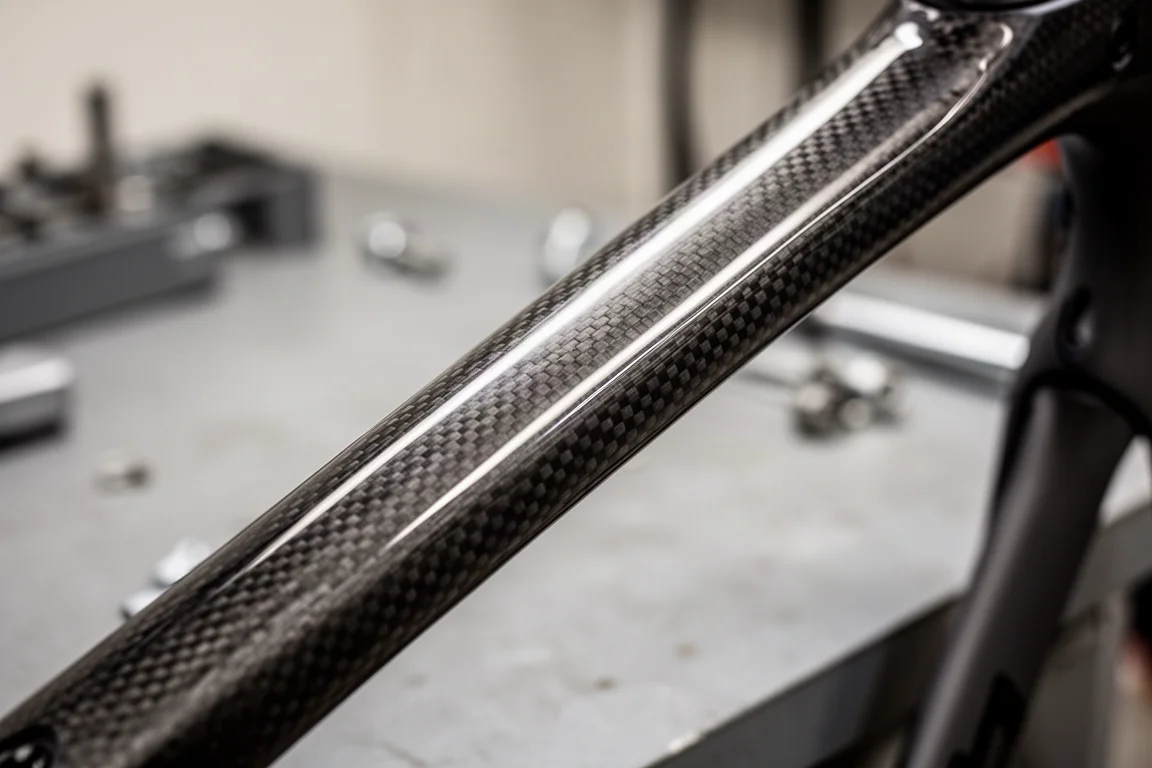
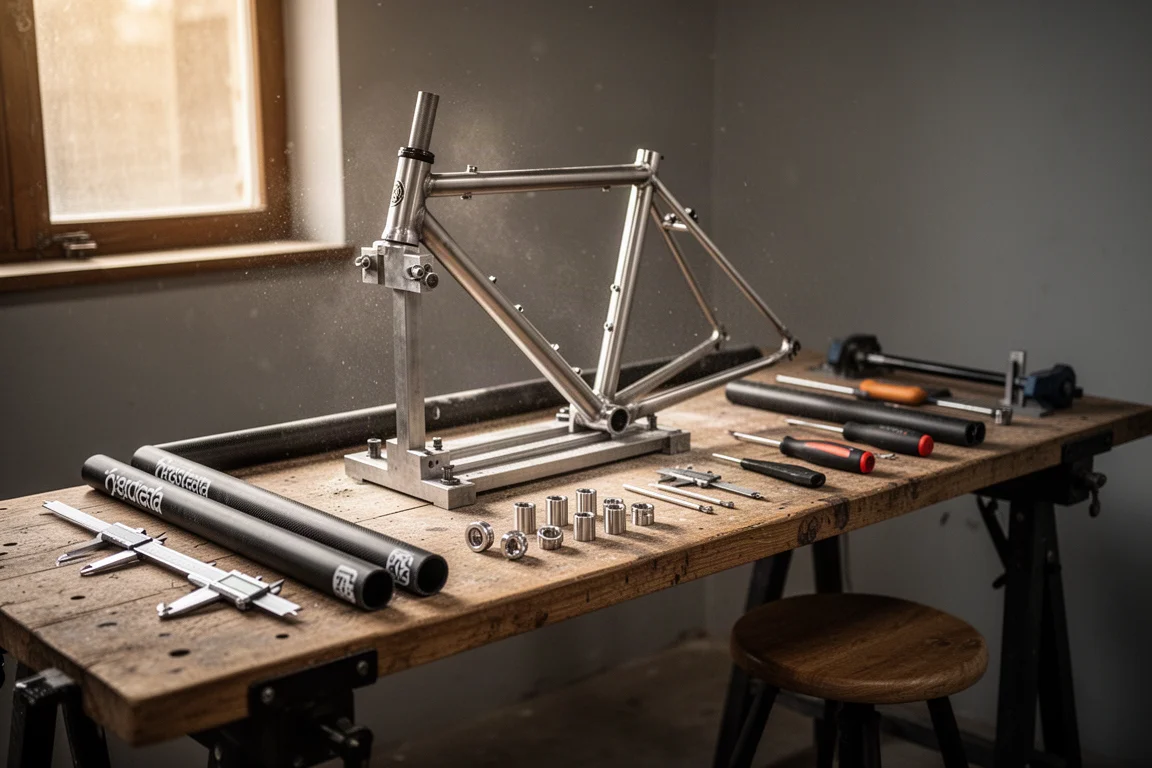
The frame is the reason the ride feels the way it does. Argonaut uses its own silicon mandrels, which allow high pressure to compact the carbon fibre and resin inside the mould. The result is a more precise layup with fewer voids and air bubbles, which means less weight and far better control over how the finished frame behaves.
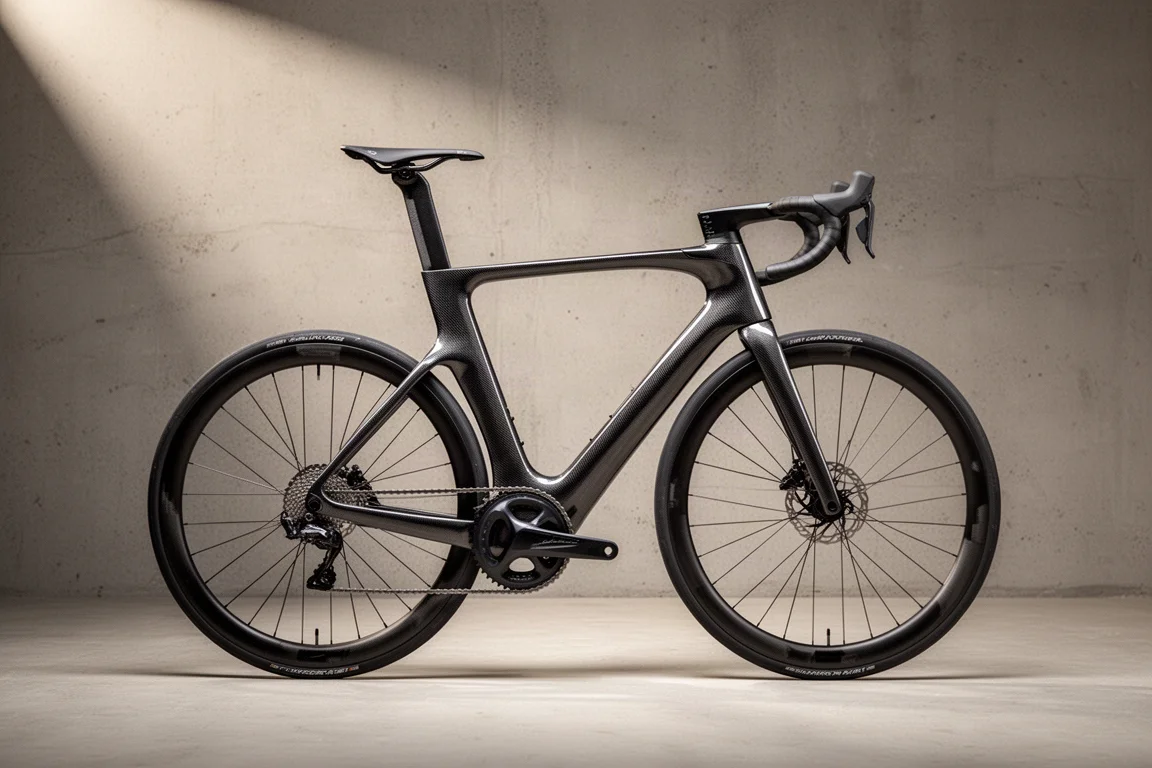
The finish leaves the carbon weave visible under the clear coat, so the work is not hidden. Look closely and the tubes are not perfectly round either. They use flattened, shaped profiles, along with a tapered head tube, a wishbone rear stay and non-dropped seat stays. The silhouette reads as traditional, but the details are considered.
The bottom bracket is worth noting. The T47 standard was developed by Argonaut in collaboration with Chris King, and it is open source, which is why so many other brands now use it. It allows titanium threaded inserts to be bonded into an oversized shell, combining the stiffness of a large bottom bracket with threads that are easy to live with and service.
Fit, Geometry, and Handling Character
The geometry sits between categories. There is a little more layback than a pure race bike, a slightly higher stack and a shorter reach, but it is not an endurance bike either. Think of it as a sports bike: quick and capable, with real-world comfort and usability built in rather than bolted on.
Frames come in a number of stock sizes rather than being bespoke as standard, although fully bespoke frames are also available. Each build can be sized around bike fit data, with seatpost offset and handlebar dimensions chosen to suit the rider. That process is why a bike like this can feel like a tailored fit without the long wait of a fully bespoke handmade frame.
The Wheel and Component Package
Argonaut builds its own wheels for this bike: 43mm deep, hookless rims with a 23mm internal width, DT Swiss hubs and Aero Blaze spokes. The thinking behind them is to tune wheel stiffness high and keep the frame a touch less stiff, so the wheelset, frame, fork and handlebar work as one system rather than as separate parts. The wheels are notably stiff, and that firmness is what gives the bike its crisp, reactive feel through corners.
The rest of the build is top tier. A Dura-Ace Di2 groupset with a CeramicSpeed pulley wheel and a ceramic bearing bottom bracket spins very freely indeed. Up front there is an ENVE fork paired with an ENVE AR one-piece bar and stem, which has a comfortable shape on the tops and a little give in the drops, adding composure on descents.
Tire clearance is generous for a road bike. There is room for 35mm wide tires, so the RM3 can take wider rubber if your roads are rougher than average or you simply want more comfort without changing bikes.
Things to Consider Before Buying
Price is the obvious consideration. At $16,500, the RM3 costs about the same as a mass-produced aero race bike from a large brand, and that money buys different things: wind tunnel development and a broad dealer network on one side, a handmade US frame from a run of about 100 a year on the other.
Availability is part of the proposition. With roughly 100 frames made this year, the bike is rare by design, and buyers should expect to work with the brand on sizing rather than picking a model off a shop floor.
The ride character is another point to weigh. The frame and wheels are stiff where it counts, and riders who prefer a softer, more compliant wheel feel may notice the difference. The geometry is also racier than an endurance bike, though less aggressive than a pure race machine, so it will not suit every position preference. Riders chasing maximum aero gains, or the most aggressive race posture available, are likely to be happier on a dedicated race bike.
Buying Advice
If the price is not a barrier and you want one bike to keep for years, the Supernaut RM3 makes a strong case. Its ride quality is the kind that stays rewarding, the frame work is first class, and the T47 bottom bracket and 35mm tire clearance give it a practical, long-lived foundation that will not feel dated in a few seasons.
Before committing, weigh what you actually want from a premium purchase. A similar budget spent on a mass-produced race bike buys aero development and a familiar dealer network. Spending it here buys a handmade frame from a small US team, a limited production run, and a fit process built around your own numbers.

If you are fed up with race bikes that go out of fashion every few years and you want something with a story behind it, the RM3 deserves serious consideration. Riders chasing outright aero performance or the most aggressive race position should look at more conventional race bikes first.
Conclusion
The Argonaut Supernaut RM3 is a special bike, and the ride quality is the reason. It is smooth enough to rival an endurance bike and sharp enough to feel like a race bike, with a handmade US-built frame, thoughtful engineering and a component package to match. It is not for everyone, and the $16,500 price puts it out of reach for most riders, but for those who can justify it and want a bike they will keep for years, it is very easy to recommend.
Product link
View more details for Argonaut Supernaut RM3
This product is mentioned in the review. Check the specifications, options, and compatibility before buying.
View more details for Argonaut Supernaut RM3Further reading
Related Reviews

Road Bikes
10 New Road Bikes Worth Watching: Aero, Titanium, Steel and Endurance Standouts
A practical roundup of 10 new road bikes, from aero flagships chasing single-watt gains to titanium, steel and endurance platforms built for real roads.
Road Bikes
2026 Tour de France Road Bikes: Six Race Machines Worth a Closer Look
Six race bikes from the 2026 Tour de France grid, reviewed for paint, silhouette, wheels and the specification details that matter to buyers.
Road Bikes
3T Strada Italia Review: A Radical Aero Road Bike That Rides Smooth
A made in Italy carbon aero road bike with a deep head tube, wide tire clearance and a genuinely comfortable ride. Here is what to know before buying.