Floorstanding Speakers
Arendal Sound 1610 Tower 8 Review: A Floorstander Built for Real Bass
A three-way Norwegian floorstander with a 5-inch carbon midrange, three 8-inch woofers, and measured in-room bass below 20 Hz, at $7,600 per pair.
Introduction
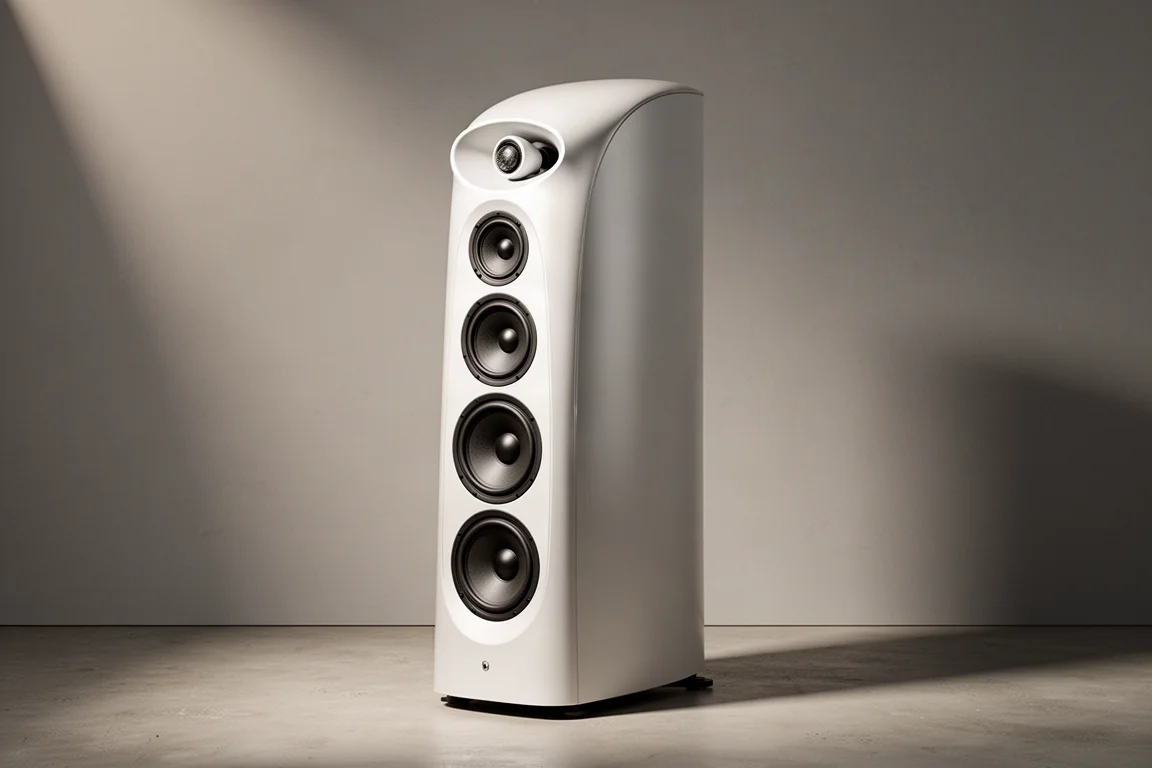
The Arendal Sound 1610 Tower 8 is a three-way floorstanding loudspeaker priced at $7,600 per pair. The name carries some history: Arendal means “Eagle Valley,” and 1610 is the year the Norwegian coastal town earned its trading status. The 1610 series sits between the long-running 1723 THX models and the newer 1528 series, and it borrows heavily from the 1528 playbook.
This article focuses on what the Tower 8 actually delivers: driver technology, measured neutrality, bass extension, amplifier demands, and the practical details that matter before committing to a pair.
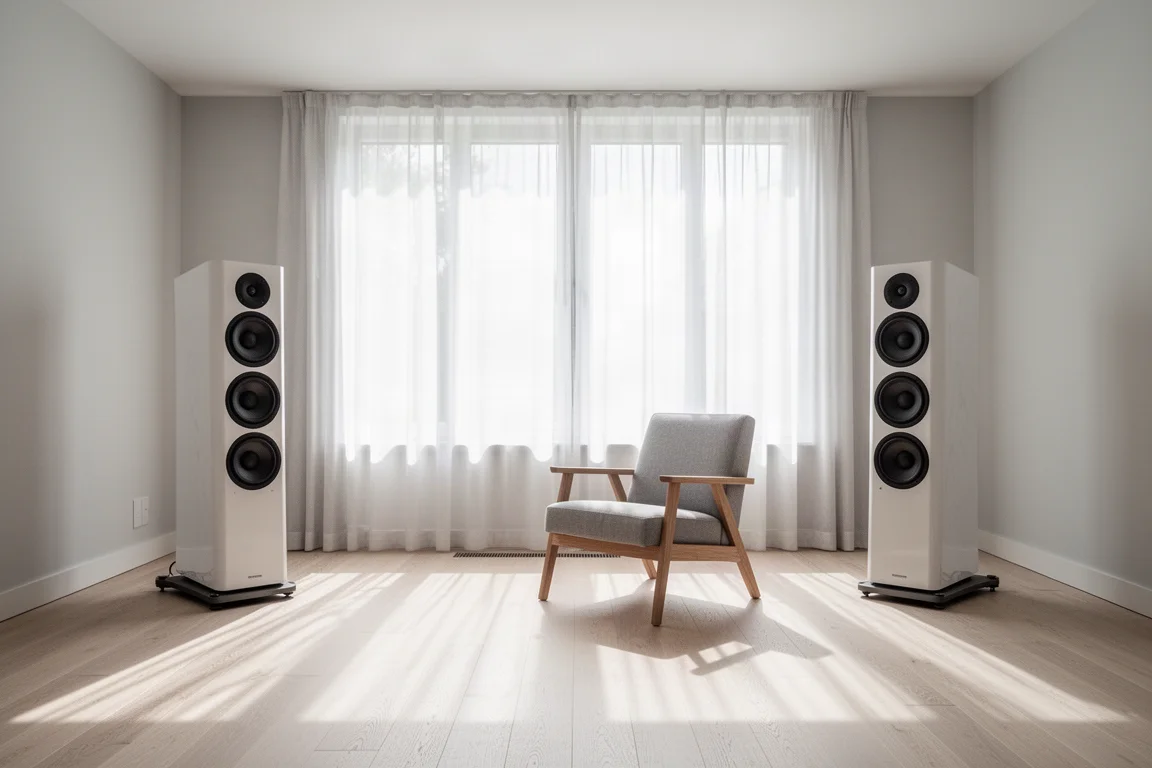
The short version is that the Tower 8 is a neutral, wide-dispersion floorstander with genuine low-frequency authority, built into a heavy HDF cabinet at a price that undercuts several obvious rivals.
Who the Arendal Sound 1610 Tower 8 Is For
The Tower 8 suits listeners who want a full-range floorstander without adding a subwoofer. With in-room bass extension measured below 20 Hz and tuning in the 26 to 27 Hz region, the speaker covers the low end on its own, which makes it a natural fit for two-channel music systems as well as multi-channel setups where the same cabinet handles both music and film.
It also suits rooms where listeners move around rather than sit in one spot. The waveguide and driver geometry produce a wide listening area, so the usable sweet spot is broader than you would expect from a conventional three-way tower.
Where it asks more from the buyer is amplification. This is a 4-ohm speaker with an impedance minimum in the 3.3-ohm range, and it deserves an honest 400 watts per channel to reach its potential. The speaker itself will handle more than that.
Design and Driver Technology
The cabinet is built from HDF throughout, with a 2-inch front baffle and 1-inch side panels. That construction explains the weight and the inert feel when you tap the panels. The front baffle is curved, and the design follows Arendal’s approach to passive time alignment, shared across the 1610 and 1528 lines.
The driver complement is the heart of the speaker. A 1.1-inch (28 mm) magnesium aluminum tweeter sits in the same waveguide used on the 1528, though the 1528 uses a more exotic lithium magnesium tweeter. Below it is a 5-inch carbon midrange in its own sealed chamber, a high-output design that gains sensitivity from being isolated in its own acoustic space. The midrange and tweeter sit in close formation, a layout Arendal calls ROST.
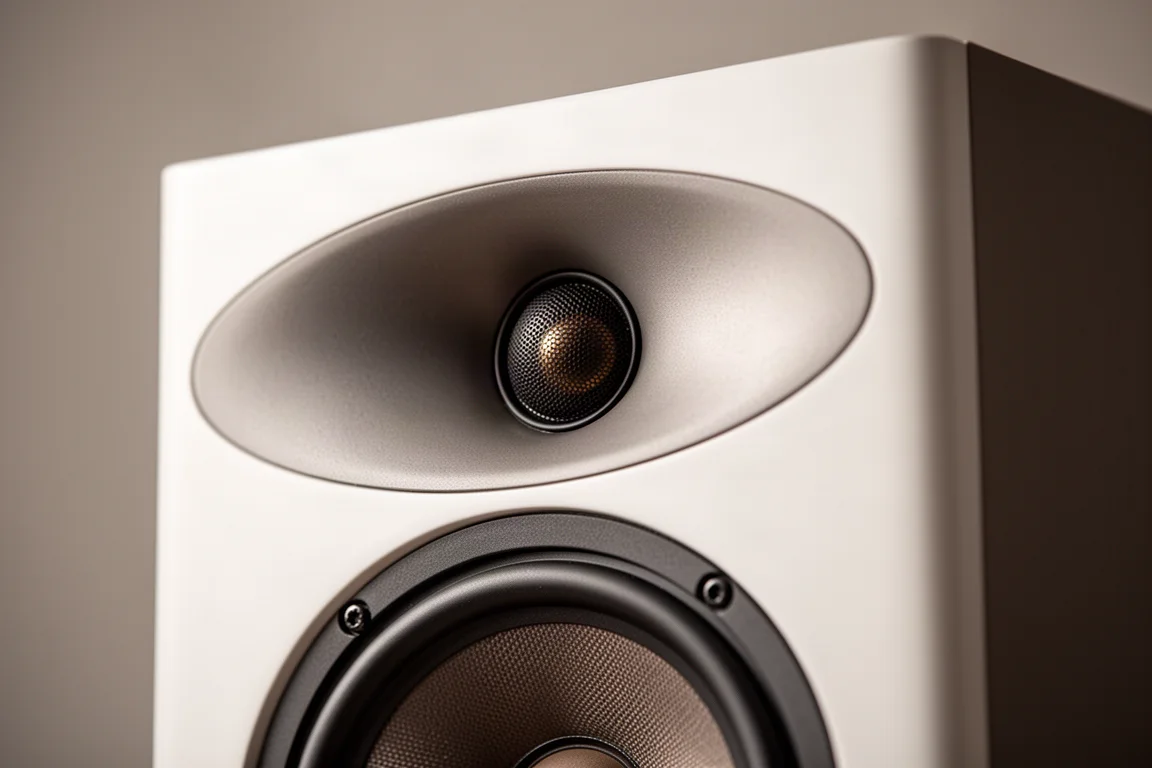
Low frequencies come from three 8-inch high-excursion aluminum drivers, each well vented, with additional venting on the back plate. A 4.5-inch port sits underneath. The speaker ships with a substantial port plug, but leaving the ports open is the better choice if you want the bass the design is capable of.
The Tower 8 arrives with metal outriggers and rubber isolation pads. They are simpler than the full-width bars supplied with the 1528 series, though still metal and still effective at decoupling the cabinet. The grilles are small and plastic, and they protrude over the flush-mounted drivers. Leaving them off keeps the baffle clean and shows off the driver array. Finishes include white and the basalt option shared with the 1528 series.
Bass Extension and Amplifier Needs
Bass is where this speaker separates itself from most of its price class. Measured in-room extension reaches below 20 Hz, with tuning around 26 to 27 Hz. The result is effortless low-frequency output rather than a thin floorstander that needs help lower down.
That capability shapes the rest of the system. A nominal 4-ohm load with a minimum near 3.3 ohms means the Tower 8 wants a stout amplifier, and 400 honest watts per channel is a reasonable target.
One omission is worth noting. The Tower 8 does not offer bi-amp capability. With three 8-inch woofers wired in parallel, a bi-amp option would have been useful for listeners running more modest amplifiers. As it stands, a single high-quality pair of cables and a strong amplifier is the straightforward path.
Listening Impressions
The Tower 8 was evaluated in two very different rooms: a smaller 12 by 15 foot music room where the listening position sat close to the wall in a high-pressure area, and a large 25 by 20 by 10 foot theater room that demands serious output from any speaker.
In the larger room, driven by a digital integrated amplifier, the speaker held its composure at low levels and at very high levels alike. Soundstages extended well beyond the speaker boundaries, imaging was precise, and instruments occupied clearly defined positions without blurring together. With modest toe-in, the pair produced a strong phantom center, and the cabinets effectively disappeared from the presentation.
Detail retrieval is a signature of this design. On a sparse vocal cover, the speaker exposed background noise and microphone clipping that turned out to be part of the recording itself, audible only faintly on other systems in the house and in a car. That is the kind of transparency that cuts both ways: it rewards good recordings and does not hide flaws.
Bass-heavy material stayed controlled rather than boomy. In the smaller music room, room correction was used to tame standing waves caused by the close back wall, and the low end became extremely tight with no audible overhang. Dynamic material with wide swings, from blues guitar with sharp drum transients to dense electronic tracks, was reproduced with an explosive sense of range, and a bass-forward track that could make lesser woofers bottom out simply invited more volume.
How It Compares With Other Floorstanding Speakers
Several alternatives sit near this price. The Revel Performa F226Be has risen to $8,468 per pair and uses dual 6.5-inch woofers, so it costs more while moving less air than the Arendal’s three 8-inch drivers and cannot match its bass output. The Paradigm Founder 100F, at roughly $6,000 per pair, brings excellent engineering, premium construction, and strong imaging dynamics from three 7-inch drivers, a 6.5-inch midrange, and a 1-inch aluminum-magnesium tweeter. The Paradigm Founder 120H, at $8,790 per pair, offers excellent controlled vertical dispersion that helps in highly reflective rooms, but with two woofers it cannot equal the Arendal’s low-frequency capability. The Focal Aria Evo X No.4, at $6,598 per pair, is a beautiful speaker with exceptional cabinetry work, yet it does not have the same dynamic range capability.
Set against those options, the Tower 8’s combination of reference-level neutrality, controlled directivity, triple 8-inch woofer authority, and premium construction is difficult to match for the money.
Things to Consider Before Buying
The Tower 8 is a large, heavy speaker, and the cabinet construction that makes it so inert also makes placement a two-person job. Plan the space before it arrives.
Amplification is the other consideration. With a 4-ohm nominal load, a 3.3-ohm minimum, and no bi-amp option, a modest amplifier is the wrong pairing. Budget for a high-current design that can deliver roughly 400 watts per channel if you want the speaker to perform at its ceiling.
Smaller details matter less but are worth knowing. The supplied grilles are plastic and protrude past the flush-mounted drivers, so many owners will simply leave them off. The outriggers use isolation pads rather than the full-width bars found on the 1528 series. And the port plug is best left in the box if full-range bass is the goal.
Buying Advice
At $7,600 per pair, the Tower 8 is positioned as a high-value option in the premium floorstanding segment, and the ownership terms reinforce that. Arendal Sound offers a 60-day trial period with free shipping both ways, along with a 10-year warranty. That combination removes much of the risk from buying a large speaker without hearing it in your own room first.
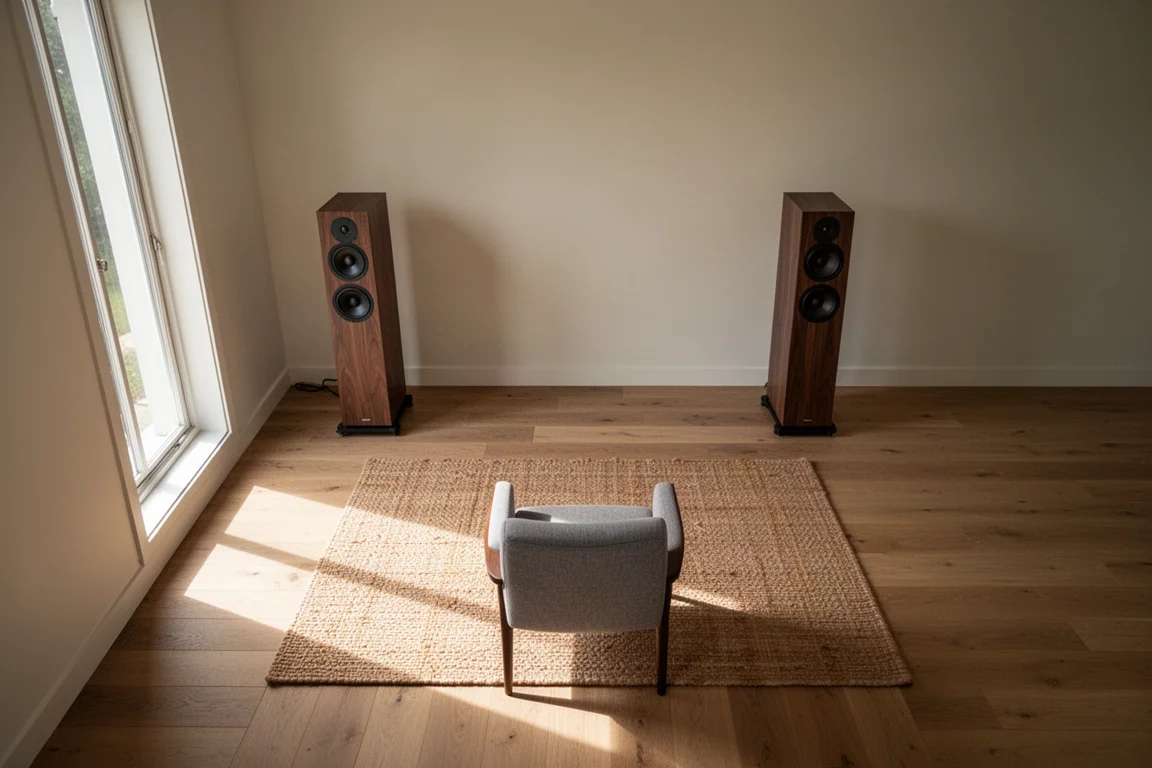
Buyers who want a floorstander that plays full range without a subwoofer, maintains composure when pushed, and offers a wide usable listening area will find the Tower 8 a coherent package. If your room is highly reflective and you need narrower dispersion, or if a smaller cabinet footprint is essential, other designs in this price band may fit better.
Conclusion
The Arendal Sound 1610 Tower 8 delivers real bass, real output, and full-range extension, backed by excellent midrange and tweeter integration and measured neutrality. The cabinet is built to a standard above most speakers in its class, and the 60-day trial plus 10-year warranty make the decision easier to live with. The main trade-offs are amplifier demands and the absence of bi-amp capability. For listeners prepared to feed it properly, it is a compelling floorstander.
Product link
View more details for Arendal Sound 1610 Tower 8
This product is mentioned in the review. Check the specifications, options, and compatibility before buying.
View more details for Arendal Sound 1610 Tower 8Further reading
Related Reviews
Floorstanding Speakers
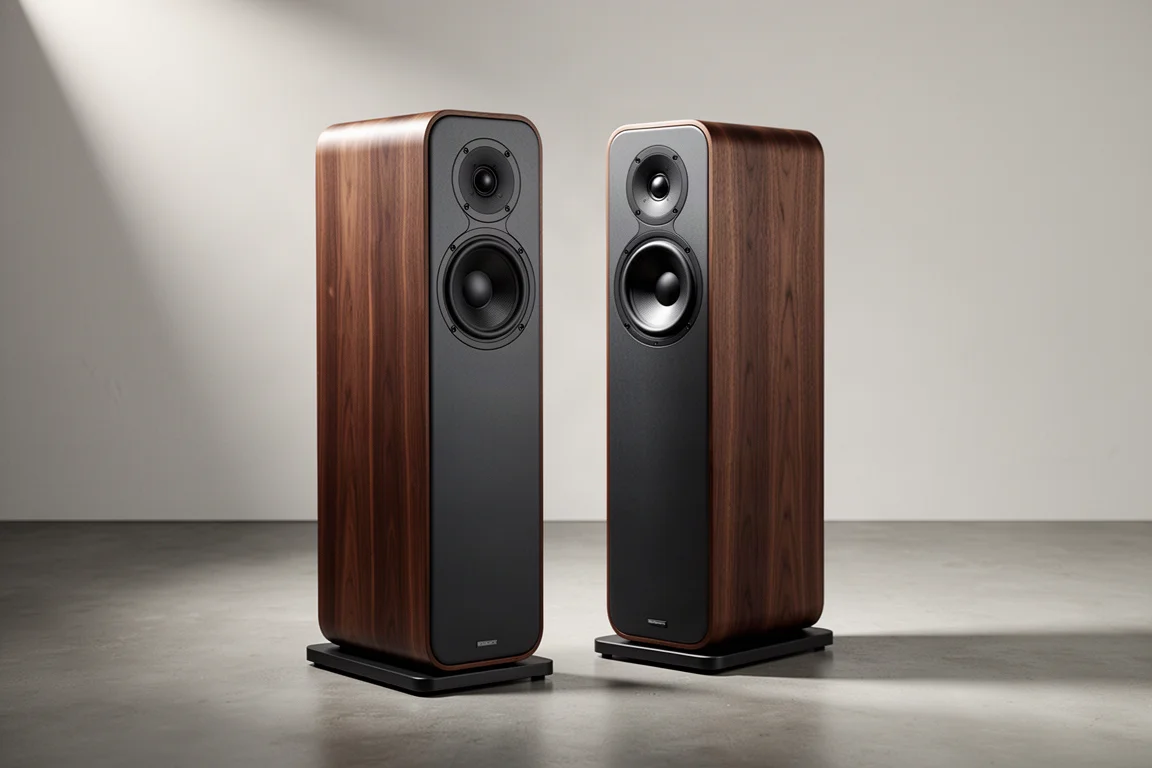
Acoustic Energy AE109 Mark II Review: A Refined Floorstander at £699
The Acoustic Energy AE109 Mark II is a slim, warm sounding floorstander that delivers clarity, midrange body and strong imaging in small to medium rooms.
Floorstanding Speakers
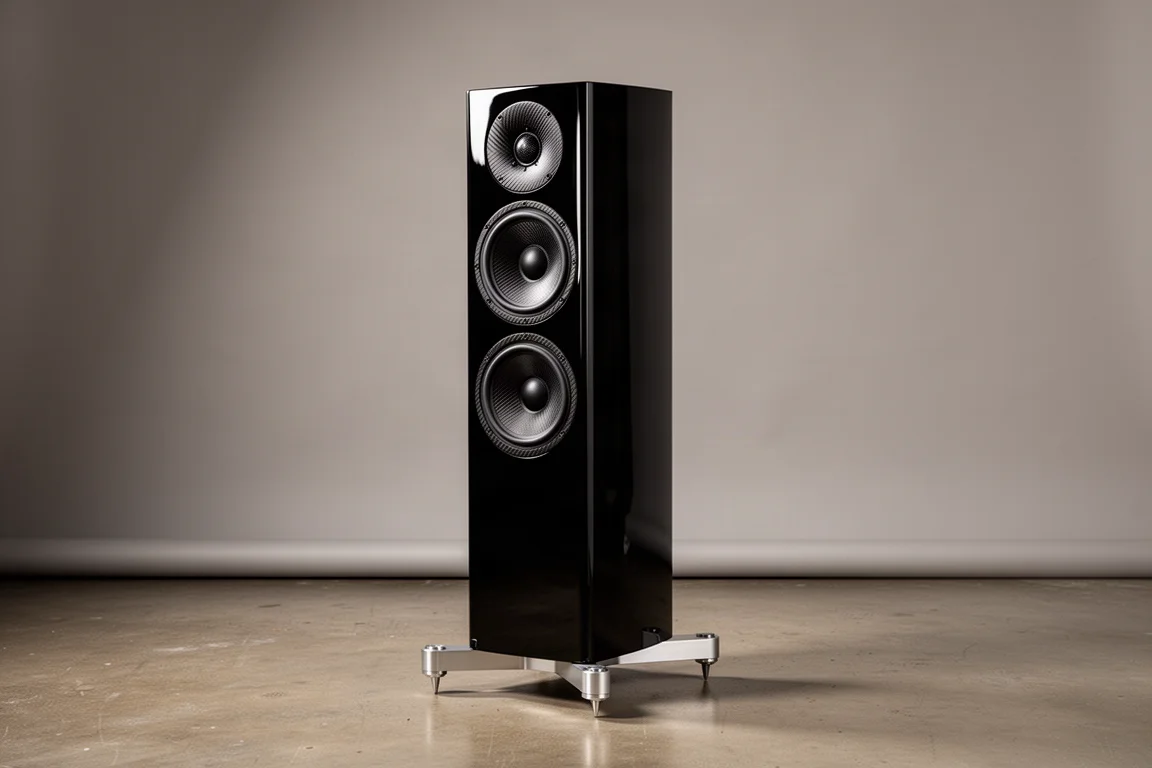
Acoustic Energy AE509 Review: A Slim Floorstander With Deep, Defined Bass
A practical look at the Acoustic Energy AE509, a slim floorstanding speaker with carbon fibre drivers, deep and well-defined bass, and an easy-going character that rewards careful system matching.
Floorstanding Speakers
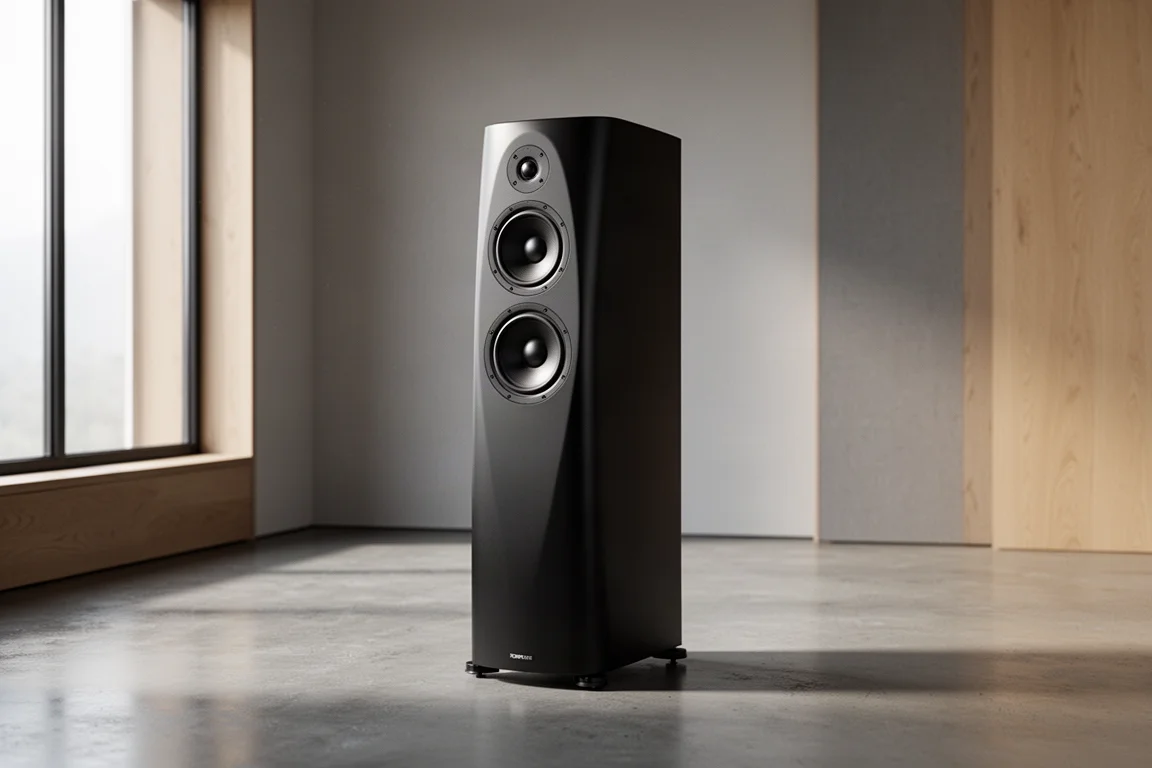
Arendal 1528 Tower 8 Review: Reference Neutrality With Real Demands
A close look at the Arendal 1528 Tower 8, a nearly five-foot, 200-pound floorstander that rewards generous space, serious power, and high listening levels with reference-grade neutrality.