Floorstanding Speakers
Arendal Sound 1528 Tower Review: A Flagship Floorstander Built Like a Monolith
The Arendal Sound 1528 Tower pairs a lithium magnesium tweeter and a carbon graphene midrange with four 8-inch woofers in a 53-inch, 175-pound cabinet.
Introduction
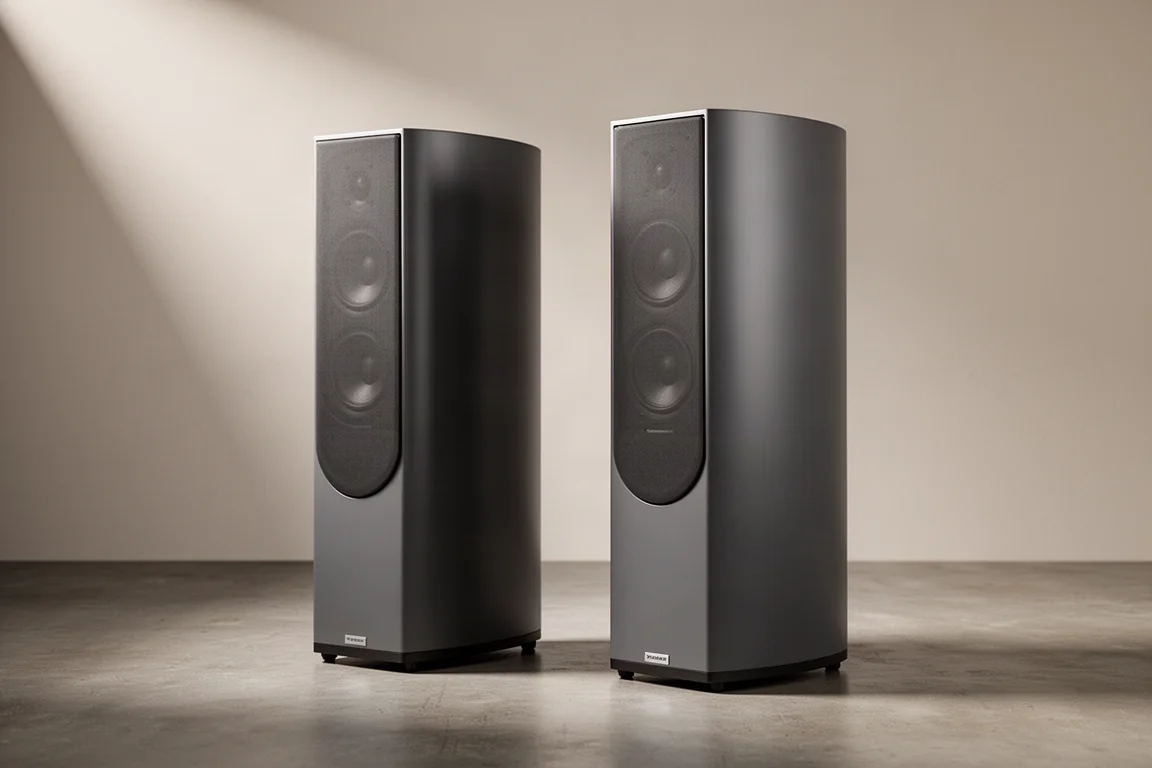
The Arendal Sound 1528 Tower is the flagship floorstander in the 1528 series, and it makes its intentions clear the moment you stand next to it. Each cabinet measures 53 inches tall and weighs roughly 175 pounds, built from multi-layer HDF into an enclosure that feels closer to a concrete block than a typical speaker box. Behind the curved front baffle sits a lithium magnesium tweeter, a carbon graphene midrange in its own sealed chamber, and four 8-inch aluminum cone woofers.
That combination is aimed at listeners who want a speaker that works as convincingly in a two-channel system as it does as the front pair of a home theater. This review covers what the 1528 Tower does well, where it asks more of a room and an amplifier, and what to weigh before committing.
Who the 1528 Tower Is For
This is a large-room speaker first and foremost. The cabinet’s acoustic design and its physical scale both point toward a listening distance of roughly 12 to 14 feet, with the speakers positioned well apart. In a smaller room, seated closer than that, the soundstage and imaging tend to sit a little high, which is a placement issue rather than a flaw in the speaker itself.
With a rated sensitivity of 89 dB, the 1528 Tower also expects a capable amplifier. That figure is lower than the company’s 1723 series, and it is a deliberate trade: sensitivity was exchanged for deeper bass extension and greater low-frequency output. Anyone pairing these with a modest receiver should plan on adding a serious power amplifier.
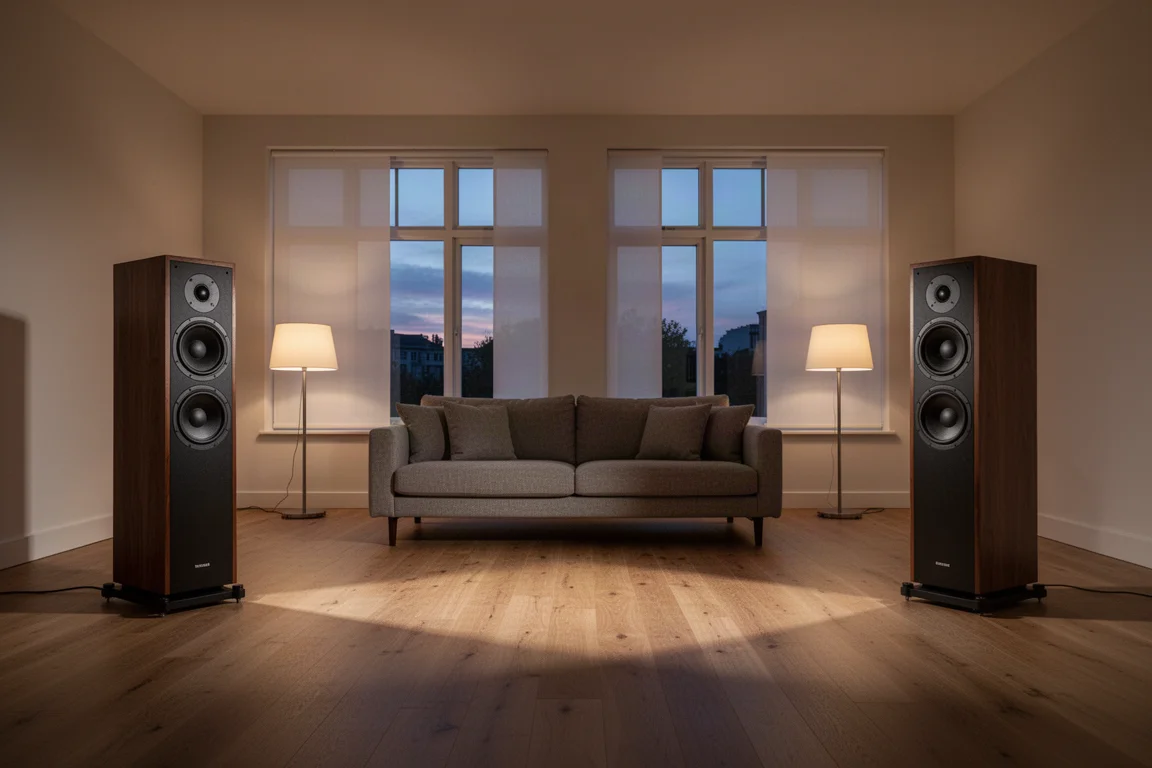
By contrast, listeners with a dedicated, acoustically treated room, a strong amplifier, and the patience to fine-tune placement will find a lot to work with. The speaker is equally at home behind a baffle wall or out in the open as a two-channel flagship, which is a rare combination at this level.
Cabinet Design and Build Quality
The first thing that stands out is the construction. The cabinet is built from multi-layer HDF, and tapping it anywhere produces the same dead, consistent thud, with no hollow sections or soft spots. The front baffle is slightly offset from the front of the cabinet, and the side panels curve gently backward. That curvature serves two purposes: it contributes to time alignment and gives the speaker a distinctly organic silhouette rather than a plain rectangular box.
Smaller details reinforce the same impression. The binding posts are high quality, and the magnetic grilles attach cleanly without visible hardware. Internally, the crossover uses air-core inductors of heavy gauge wire along with power resistors mounted on standoffs for thermal management, which is the kind of build that supports high output over long sessions.
There is also a set of jumpers intended to adjust the tilt of the midrange, treble, and bass mechanically. Those jumpers were not active on the early units used for this evaluation, so they were left alone. Buyers who prefer to tune digitally may find the option unnecessary, while others will see it as one more tool available for room calibration.
The 1528 Tower is offered in two finishes: a flat grey and an ivory tone. Both are restrained and Nordic in character, and the cabinet carries a small “Love from Norway” detail that underlines where the design comes from.
Tweeter and Midrange Drivers
The tweeter uses a lithium magnesium diaphragm. That material was chosen over beryllium largely because it is easier to source and easier to work with, and it is claimed to be lighter and faster than beryllium, though at this level of metallurgy the differences are fine ones. What matters more is behaviour: the tweeter stays articulate and detailed without compressing as volume rises, and it does not turn harsh when the amplifier is pushed.
The midrange is arguably the most interesting driver in the speaker. It is a 5-inch carbon graphene unit, built in layers to spread breakup modes across the diaphragm rather than concentrating them at a single frequency. The result is a driver that is very well damped and unusually well behaved outside its passband. Arendal also seals the midrange in its own chamber to raise sensitivity, and pairs it with third or fourth order crossovers that keep it working within a deliberately narrow bandwidth.
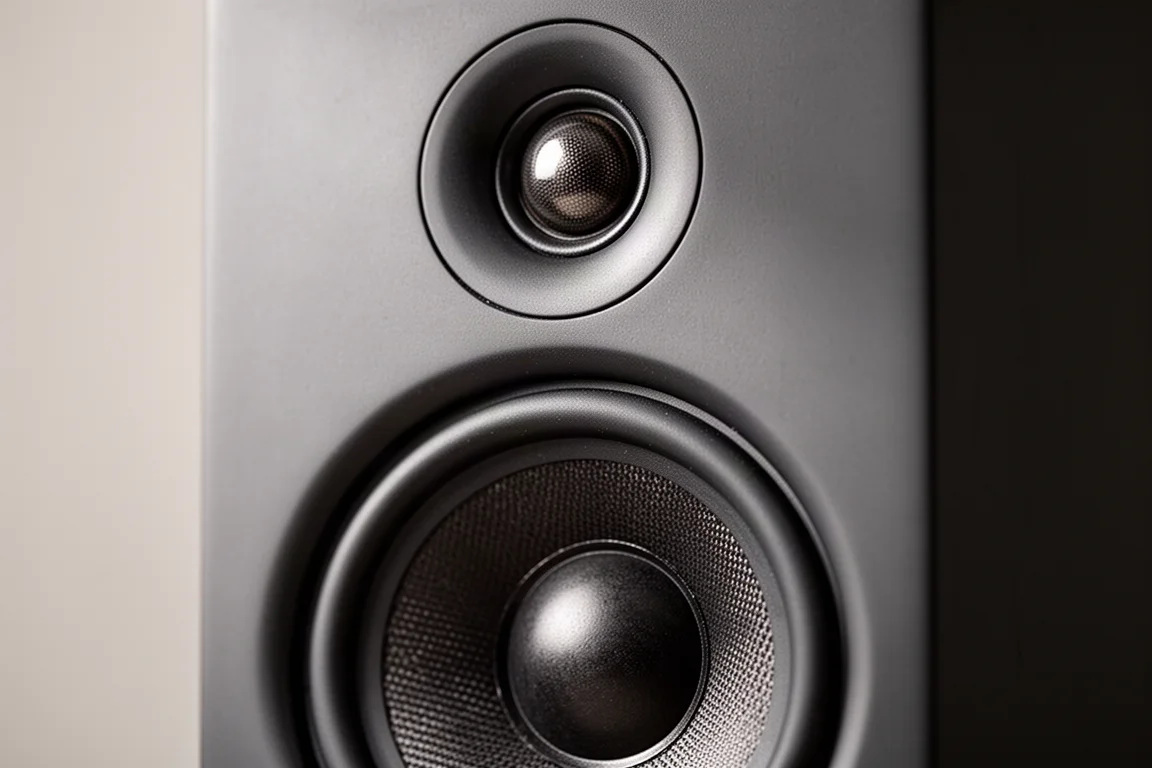
Output figures reflect that headroom. The speaker is specified at 112 dB continuous and 118 dB peak, and it holds together as levels climb rather than tightening up or hardening. Vocals in particular benefit: female voices come through without the chesty or cupped coloration that weaker midrange designs often introduce.
Bass Performance and Port Design
The bass section uses four 8-inch aluminum cone drivers with inverted surrounds, and the front baffle is shaped to cover those surrounds for a cleaner, more organic look. Four 8-inch cones add up to more radiating surface area than a single 15-inch driver, so low-frequency capability is substantial before any room gain is counted.
The measured behaviour is where the design gets interesting. Roll-off begins in the 50 Hz region, but the slope is shallower than the typical fourth-order roll-off of a vented cabinet, sitting closer to second order. A gentler slope means the speaker takes more advantage of room gain, and in-room measurements in a domestic listening room came back flat to roughly 17 Hz, with real output below 20 Hz and consistent results across a wide seating area. In effect, the speaker behaves like a sealed design in the lower octaves while keeping the output advantages of a ported one.
That port is a single, very large opening on the bottom of the cabinet, roughly 5.5 inches in diameter, with a long tube. Putting it underneath allows the length the design needs without an awkward external flare, and it also makes the speaker easier to place than a rear-ported equivalent, since the boundary interaction is easier to manage.
Amplification and Power Requirements
The 1528 Tower wants power, and the 89 dB sensitivity figure is the reason. Where the 1723 series sits in the low 90s, this flagship trades some of that efficiency for low-frequency extension and output. A 350-watt amplifier drove the speakers well, but they clearly opened up further as more power was applied, which suggests that 400 to 500 watts, or more, is a more comfortable match. Modern Class D amplifiers make that kind of power affordable, and this is exactly the sort of speaker that benefits from them.
The drivers are built to handle it. Large magnet structures give the woofers strong motor force, the midrange magnet assembly is heavy enough that it is anchored to the front baffle, and the tweeter’s thermal management keeps it from compressing under sustained high output. In practical terms, the speaker’s limits tend to arrive at around the same time as the room’s.
Placement, Room Size, and Setup
Placement matters more here than with most speakers. In a domestic room, roughly one foot of clearance from the wall behind the speakers worked well, and 10 inches to a foot is a sensible starting range. Toe-in proved decisive: a change of about one inch transformed the focus of the image, tightening the centre and improving intimacy on vocals without losing the sense of space.
The speakers also have a high acoustic centre, so listeners seated close may find the image sitting above ear level. Sitting further back, around 12 to 14 feet, corrects this naturally. For tighter spaces, the puck system is the intended fix: it tilts the cabinet to aim the drivers down toward the listening position. The puck set normally sells for around $400, and at the time of writing it is included with new orders, which is worth confirming before purchase. Adding aftermarket feet raises the speaker further, so any such change should be paired with additional tilt or a longer listening distance.
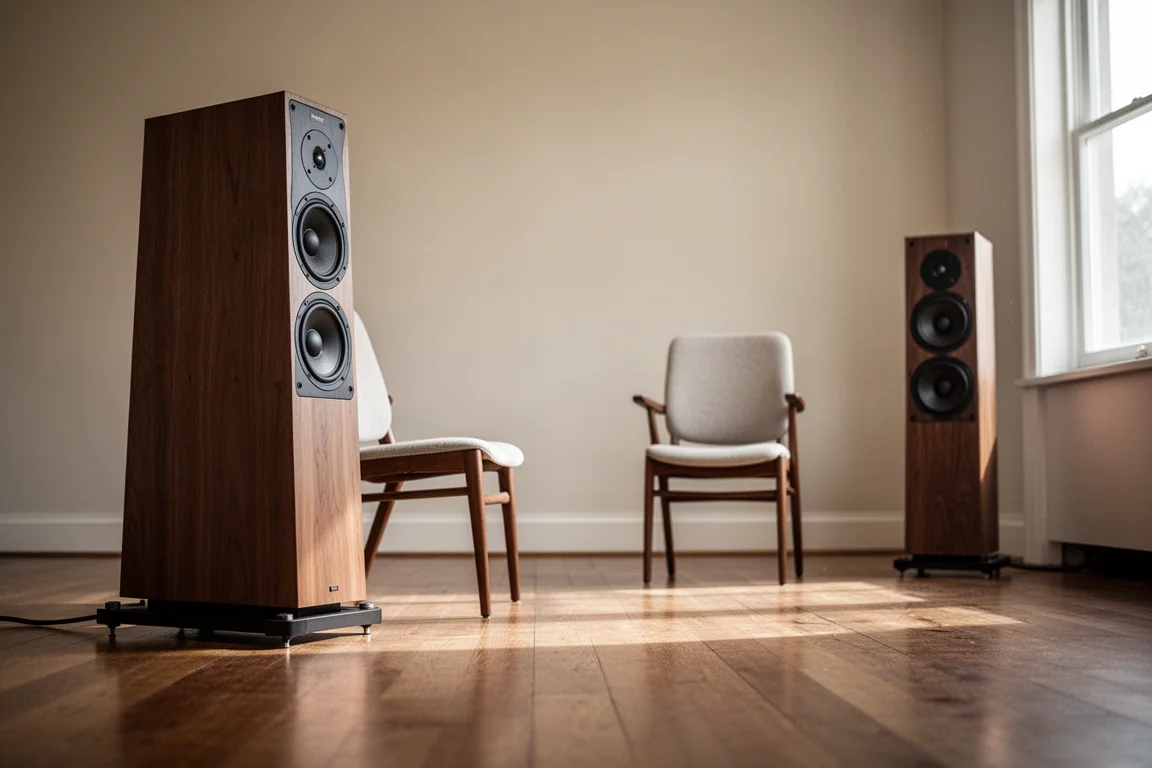
One more consideration is the room itself. The speaker measured remarkably linear in-room, and its on- and off-axis behaviour is controlled well enough that careful positioning pays off quickly. A lively, untreated room will still colour the result, so acoustic treatment and a little calibration time are worthwhile investments for anyone buying at this level.
Things to Consider Before Buying
Scale is the first thing to plan for. At 53 inches tall and around 175 pounds each, these cabinets need space, a solid floor, and at least one other person when it comes time to move them. They are large-room speakers, and buyers in smaller spaces should think carefully about listening distance before committing.
Finish choice is limited to a flat grey and an ivory tone. Some listeners will want more options, particularly lighter colours, and that is simply not available in this series. The mechanical jumpers for tilt adjustment were also inactive on early units, so anyone planning to rely on them should verify their status.
Finally, budget for the supporting system, not just the speakers. A high-current amplifier and some room treatment are part of getting the most from the 1528 Tower, and the difference between a casual setup and a carefully tuned one is easy to hear.
Buying Advice
Priced under $10,000, the 1528 Tower sits in a bracket where build quality often becomes a compromise. Here it does not. The closest comparison in this price range is the Paradigm Founder 120H, which takes a different approach with active bass drivers. Judged purely on cabinet construction, driver quality, and internal parts, the Arendal competes well above its price, and it would not look out of place at a considerably higher figure.
The ownership terms are unusually generous. Arendal backs the 1528 series with a 10-year warranty and a 60-day trial period, with shipping covered both ways, which matters a great deal on a speaker this heavy. That return policy removes most of the risk from buying without hearing them first.
For most buyers, the sensible approach is to start with a strong amplifier, place the speakers roughly a foot from the wall behind them, and spend an afternoon working on toe-in before changing anything else. The puck tilt system is worth taking advantage of while it is included, particularly in rooms where the listening seat ends up closer than 12 feet.
Conclusion
The Arendal Sound 1528 Tower is a flagship floorstander that behaves like one in every respect: substantial construction, a tweeter and midrange that stay composed at high output, and bass that reaches far lower than its cabinet dimensions suggest. It asks for a large room, a capable amplifier, and some patience with placement, and it rewards all three.
For listeners building a serious two-channel system or a high-output home theater front stage, the 1528 Tower is a compelling option, especially with a 10-year warranty and a 60-day trial behind it.
Product link
View more details for Arendal Sound 1528 Tower
This product is mentioned in the review. Check the specifications, options, and compatibility before buying.
View more details for Arendal Sound 1528 TowerFurther reading
Related Reviews
Floorstanding Speakers
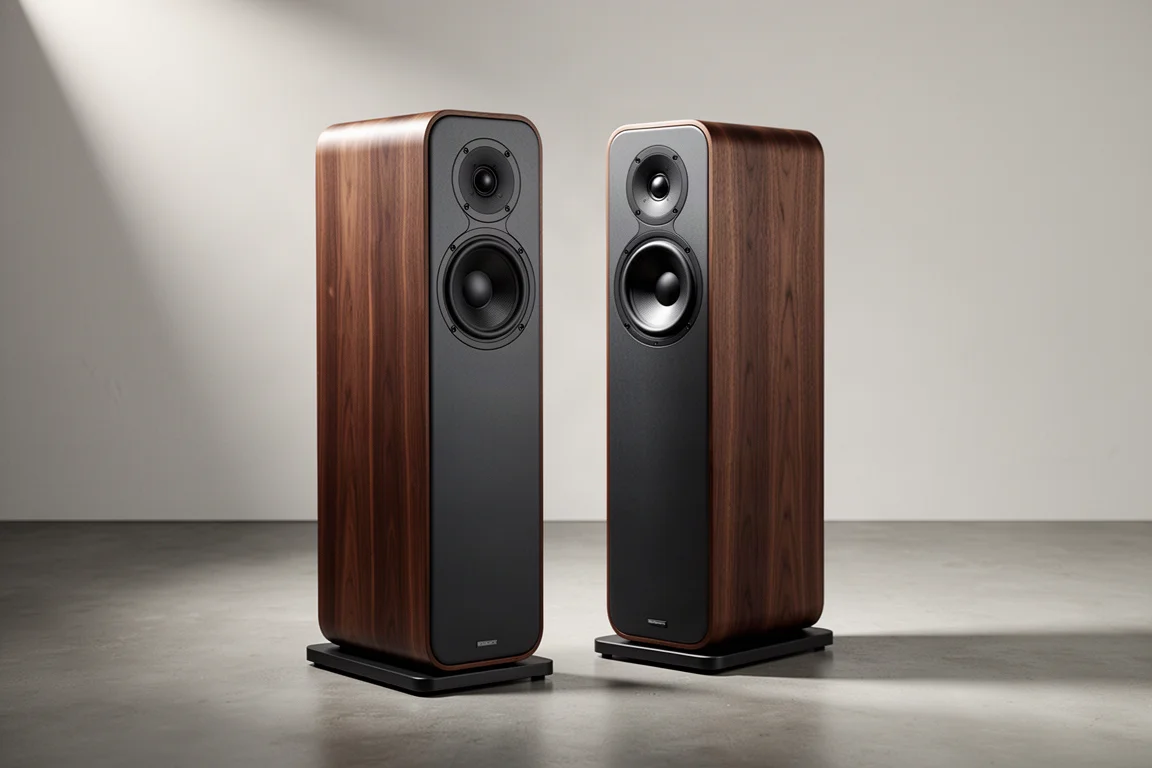
Acoustic Energy AE109 Mark II Review: A Refined Floorstander at £699
The Acoustic Energy AE109 Mark II is a slim, warm sounding floorstander that delivers clarity, midrange body and strong imaging in small to medium rooms.
Floorstanding Speakers
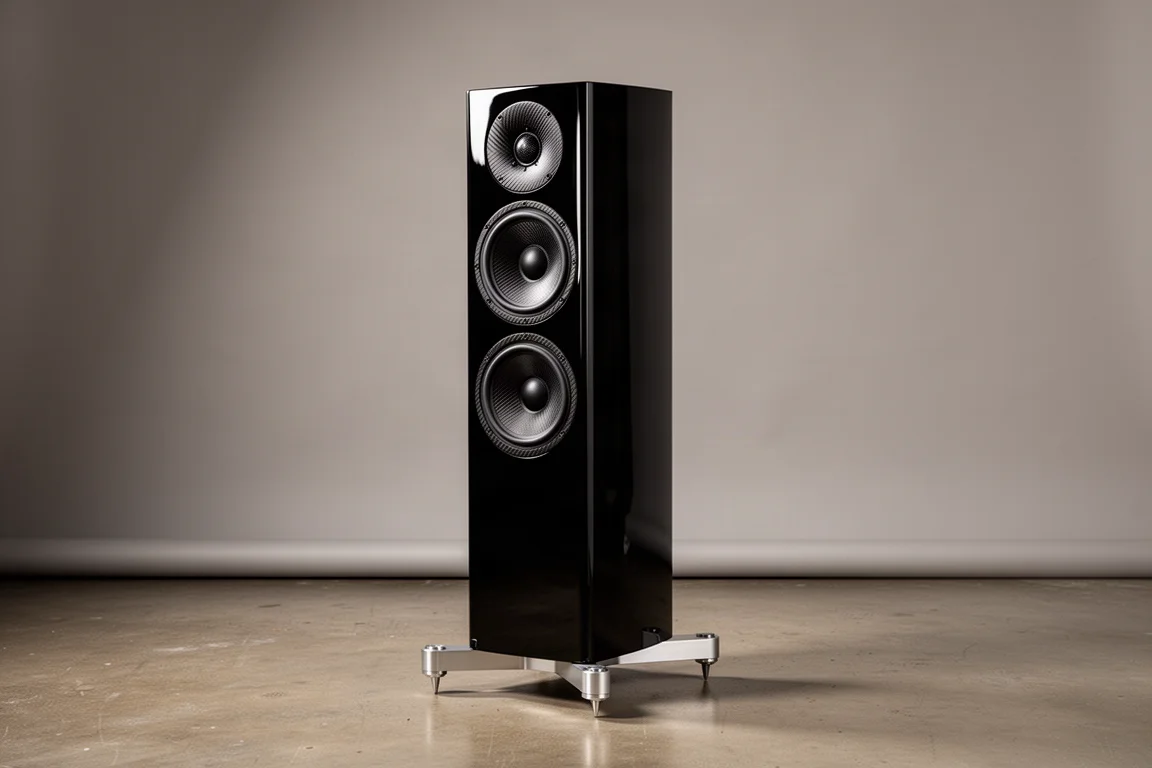
Acoustic Energy AE509 Review: A Slim Floorstander With Deep, Defined Bass
A practical look at the Acoustic Energy AE509, a slim floorstanding speaker with carbon fibre drivers, deep and well-defined bass, and an easy-going character that rewards careful system matching.
Floorstanding Speakers
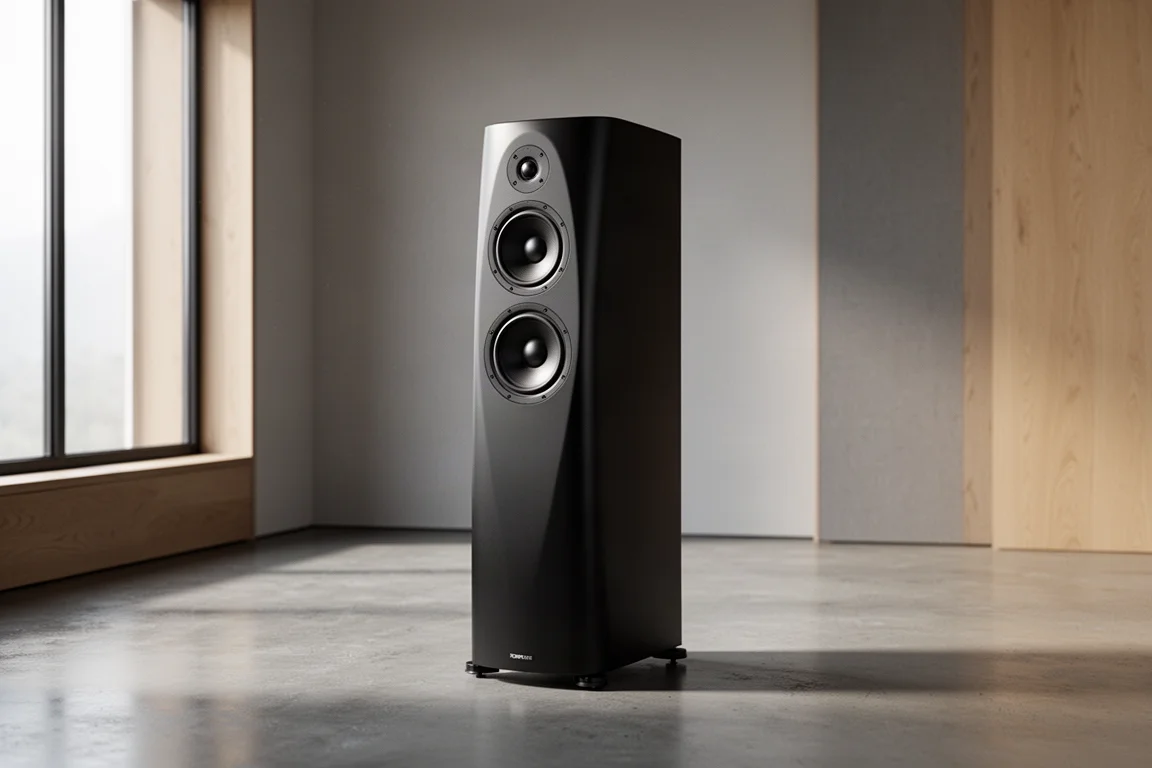
Arendal 1528 Tower 8 Review: Reference Neutrality With Real Demands
A close look at the Arendal 1528 Tower 8, a nearly five-foot, 200-pound floorstander that rewards generous space, serious power, and high listening levels with reference-grade neutrality.