Floorstanding Speakers
Arendal 1961 Tower Review: A Slim Floorstander That Still Wants a Subwoofer
The Arendal 1961 Tower pairs a stout, compact cabinet with a neutral, detailed sound, but the sonic gap over the cheaper 1961 bookshelf is smaller than the price gap suggests.
Introduction
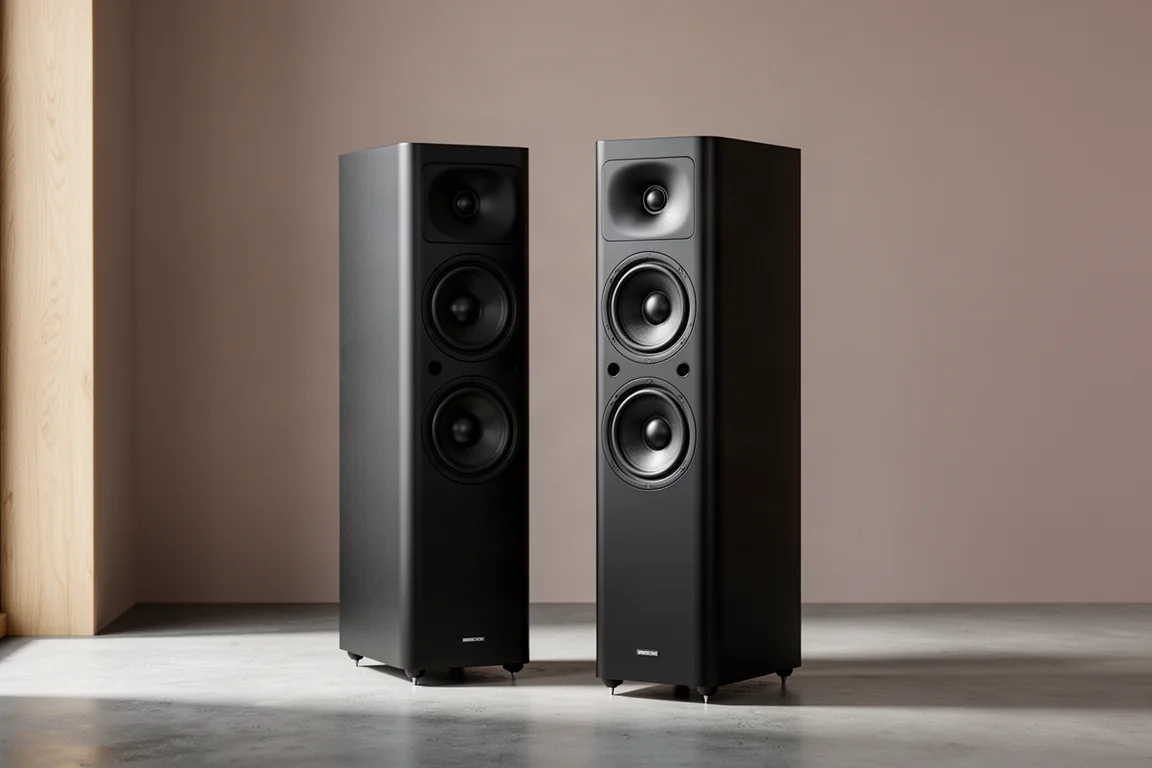
The Arendal 1961 Tower is the floorstanding model in the brand’s 1961 series, which also includes a compact bookshelf and a larger monitor. It is a 2.5-way design built around a roughly 1-inch tweeter and four 5.5-inch woofers, two of which sit above and below the tweeter in an MTM configuration. A rear-facing slot port helps the cabinet reach a reported frequency response of 39 Hz to 20 kHz.
On paper that reads like a meaningful step up from the 1961 bookshelf. In practice the step is smaller than the price gap suggests, and understanding that is the most useful thing you can take away before choosing between the two.
Who This Speaker Is For
The 1961 Tower suits listeners who want a slim floorstander that behaves well in an ordinary room. For two-channel music and home theater alike, it delivers a focused and precise presentation without demanding a large footprint, and because the cabinet is genuinely compact it is easier to work into a wider range of living spaces than a full-size tower.
Amplification matters more than room size here. With a reported sensitivity of 87 dB and a nominal impedance of 4 ohms, the tower is easier to drive than the 1961 bookshelf but still not what anyone would call an easy load. A home theater receiver can run it comfortably, provided that receiver is rated for 4-ohm speakers.
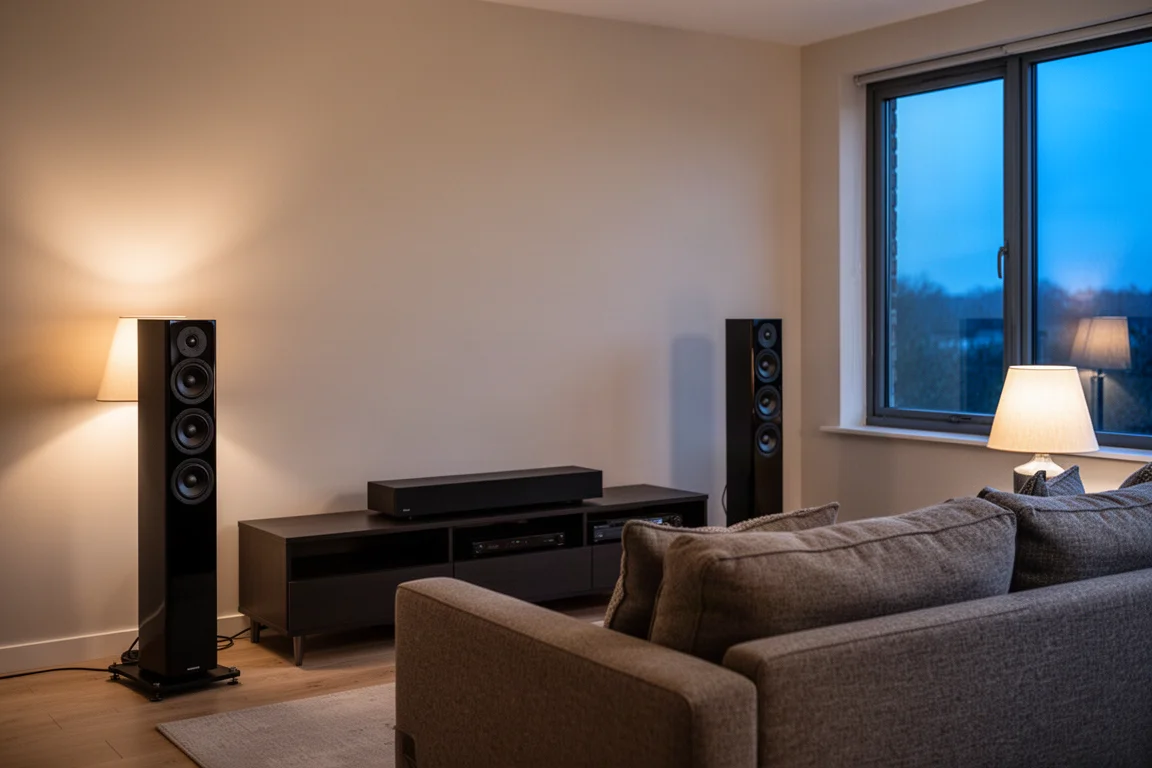
Anyone hoping a floorstander will remove the need for a subwoofer should look elsewhere. The towers do have more bass than the bookshelf, but not enough to be considered full range, and buyers who want true 20 Hz to 20 kHz playback will still be adding a subwoofer to the system.
Main Strengths
The case for the 1961 Tower rests on a neutral, detailed character and a cabinet that stays out of the way in a room.
Design and Build Quality
Build quality is a clear strength. The cabinets are stout and well built, and the finish leaves nothing to complain about. One of the bigger surprises is size: product images suggest a larger speaker than the one that actually arrives. In person the tower is small, close in stature to the Sonus Faber Lumina III.
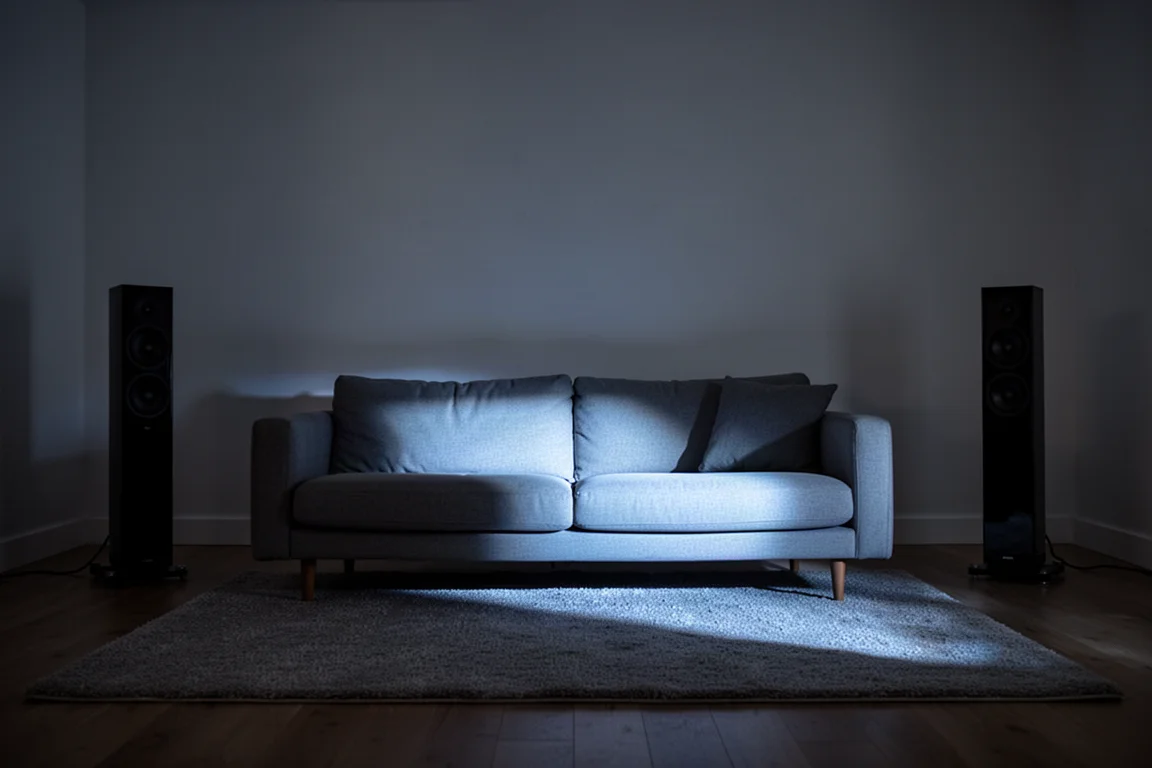
The design language is simple and modern, and the slim format is easy to live with. A slight upward rake to the cabinet divides opinion; it allows for a shorter cabinet, but plenty of listeners will simply prefer a speaker that stands straight.
Sound Performance
Sound is focused and precise, with a little extra body and low-mid bass weight compared with the bookshelf. A 20 Hz to 20 kHz sweep produced a very linear response, nearly identical to the bookshelf from about 200 Hz upward. Below 200 Hz the tower’s bass is boosted where the bookshelf stays linear, and that extra bass was the only real difference between the two.
The midrange is neutral, detailed and intelligible. Adding a mid-bass driver above the tweeter does not add warmth or body, so the tower keeps the same clear midrange character as the smaller model.
Treble is another strong point. Both 1961 models roll off in the same way, right at 15 kHz, and air extension and detail rank high among the tower’s attributes. The upper registers can sound bright, though not fatiguing. A waveguide surrounding the tweeter helps with detail and dispersion.
Soundstage and dynamics hold up well. The towers disappear into a three-dimensional space and keep solid definition between the speakers and beyond them. Like the bookshelf, they want a bit of volume before they come alive; from roughly 65 to 70 dB upward they are captivating with both music and movies.
Things to Consider Before Buying
The most important consideration is bass. The tower reaches lower than the bookshelf, but it is not a full-range speaker, and a subwoofer stays part of the plan for anyone who wants deep low-frequency output. Even without one, the towers have enough bass to enjoy music and movies at a satisfying level without turning boomy or bloated.
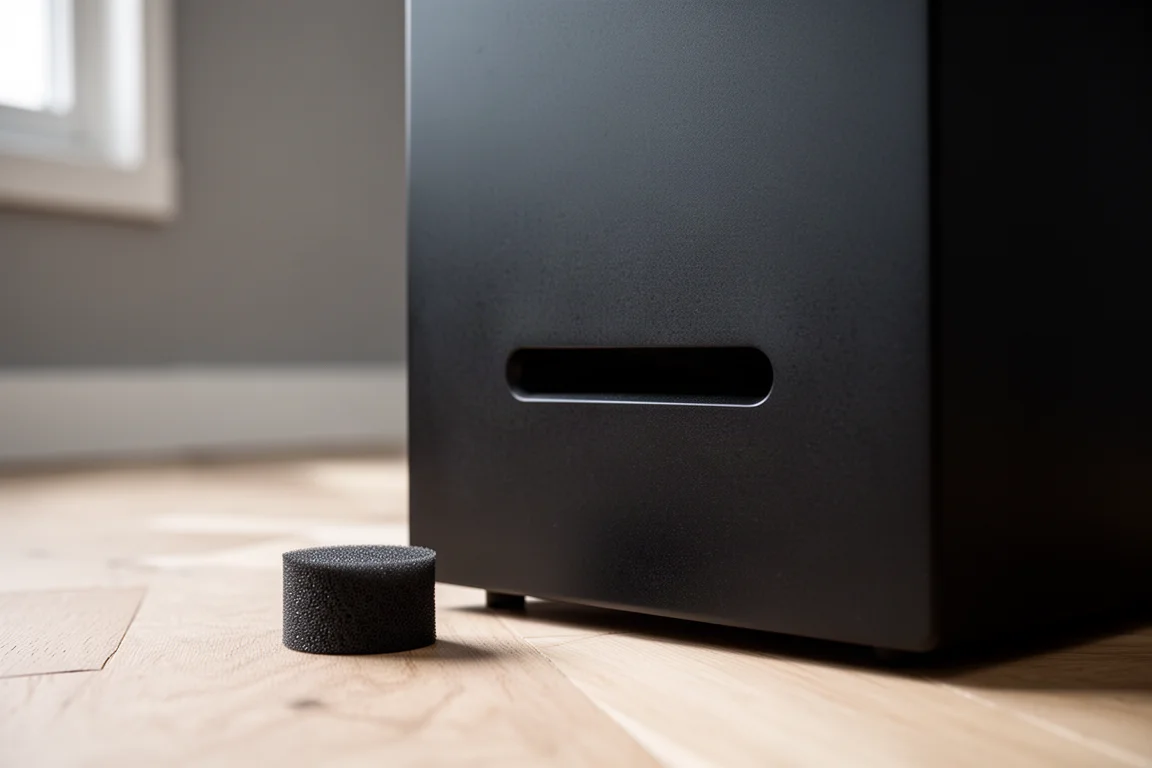
Placement and the rear slot port deserve attention. Positioning the speakers about 2 feet out from the front wall produced the most even response from 200 Hz upward, though the port still added a small rise in the bass. Arendal includes foam plugs for taming that output. Inserting them effectively turns the tower into a sealed design and cuts the frequency response to 49 Hz, without harming the mids or the treble, so if you already own a subwoofer, plugging the ports is worth trying.
Amplification is the second consideration. The 87 dB sensitivity and 4-ohm impedance mean the receiver or amplifier should be comfortable with a 4-ohm load, and a home theater receiver rated for 4-ohm speakers will do the job. In practice several receivers drove the speakers without trouble, and a Marantz Cinema 50 proved the most enjoyable pairing.
Smaller details round out the picture. The magnetic grills ship as two pieces that combine to cover the full face rather than a single full-face grill, the same parts used on the bookshelf and center models, which looks like a cost-saving measure and takes something away from an otherwise excellent design. If you plan to build a home theater around the towers, matching the rest of the system also takes care: the 1961 Center has a chestier character that does not gel as well with the towers’ clarity, and a single 1961 bookshelf used as a center is the more convincing solution.
How It Compares
Against the Polk Reserve R700, the Arendal sounds smaller and leaner in the low end, though its bass is quicker and more textural and detail oriented. Add a subwoofer and the Arendal can match or even surpass the R700’s bass, at the cost of another speaker and more money. The Polk is the more full-range design, which makes it the better value despite costing more, and its milder top end gives it a warmer, smoother tone that flatters a wider range of recordings, including material that is not audiophile quality. If you have the room, the Polk Reserve R700 remains the budget speaker to beat, with the 1961 a solid contender. The Sonus Faber Lumina III is the closest rival in both size and performance, with more top-end presence and a price near $2,400 a pair that makes it less of a value, though its finish is second to none and worth the splurge for some buyers.
The budget comparison is more interesting than it first looks. The Polk XT60 sells for around $500 a pair in a similar size and format, and while the Arendal wins on build, materials and overall sense of occasion, the two measured closer than they differed in the same room. The larger Polk XT70 would narrow the gap further. The Polk R600 is another near neighbour on price, within a dollar or two of the towers, with larger 6.5-inch drivers, similar sensitivity and an 8-ohm nominal load that is likely easier to drive, plus a white finish option.
Buying Advice
The 1961 Tower is a great speaker, but the 1961 bookshelf is the smarter buy within the same family. A bookshelf pair costs $799, and adding a subwoofer brings the total to roughly $1,698, about a dollar less than the towers cost on their own. That combination can do everything the towers can do and then some. The towers sit in a gray area: not quite a value leader on their own, and not quite enough to stand alone for every type of music or movie.
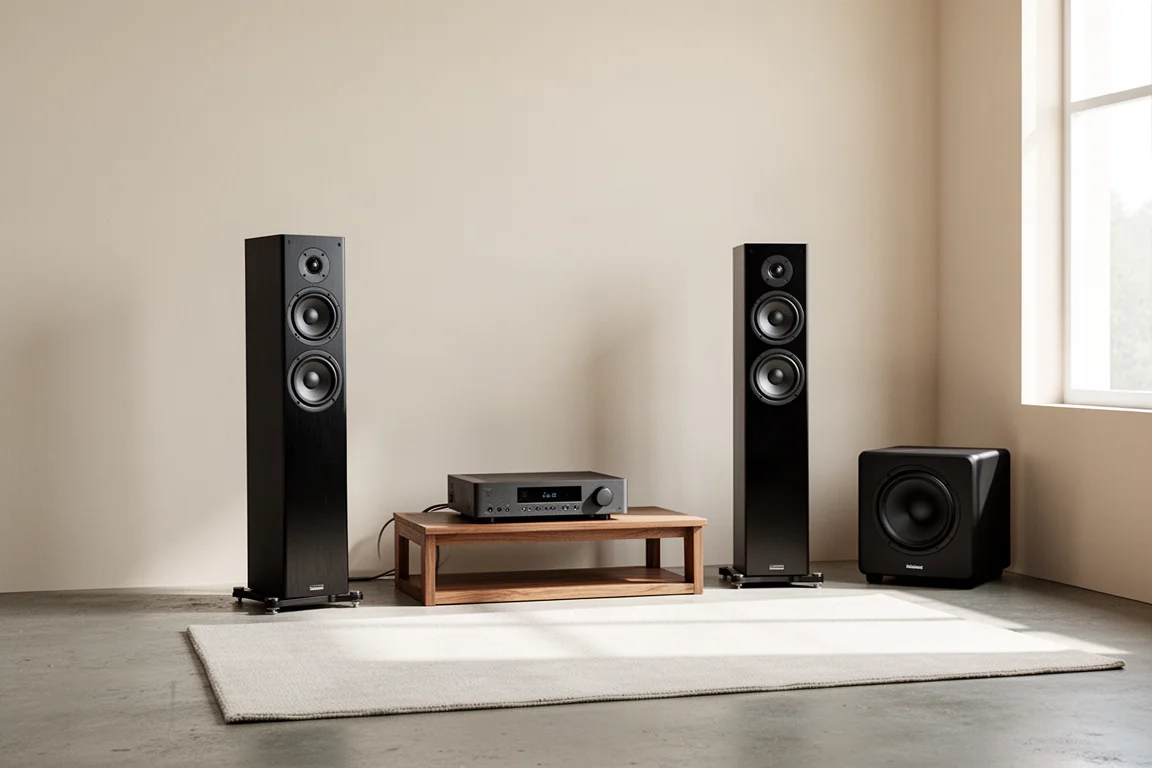
If the towers are still the right call for your room or your taste, plan for a subwoofer from the start and experiment with the foam port plugs, particularly if the speakers will sit close to a wall. If you already own a capable subwoofer and a 4-ohm-friendly amplifier, the value calculation shifts and the towers become easier to justify. And if maximum low-frequency output matters more than cabinet size, the Polk Reserve R700 deserves a place on the shortlist.
Conclusion
Arendal continues to give listeners a genuine taste of high-end audio without draining the bank, and the 1961 Tower is a well-built, neutral and detailed floorstander that is easy to live with. The catch is that it needs a subwoofer just as much as the bookshelf does, and it costs more to get there. Buyers who want the floorstanding form factor will be happy with it; buyers chasing the best value in the range should start with the bookshelf pair and a subwoofer.
Product link
View more details for Arendal 1961 Tower
This product is mentioned in the review. Check the specifications, options, and compatibility before buying.
View more details for Arendal 1961 TowerFurther reading
Related Reviews
Floorstanding Speakers
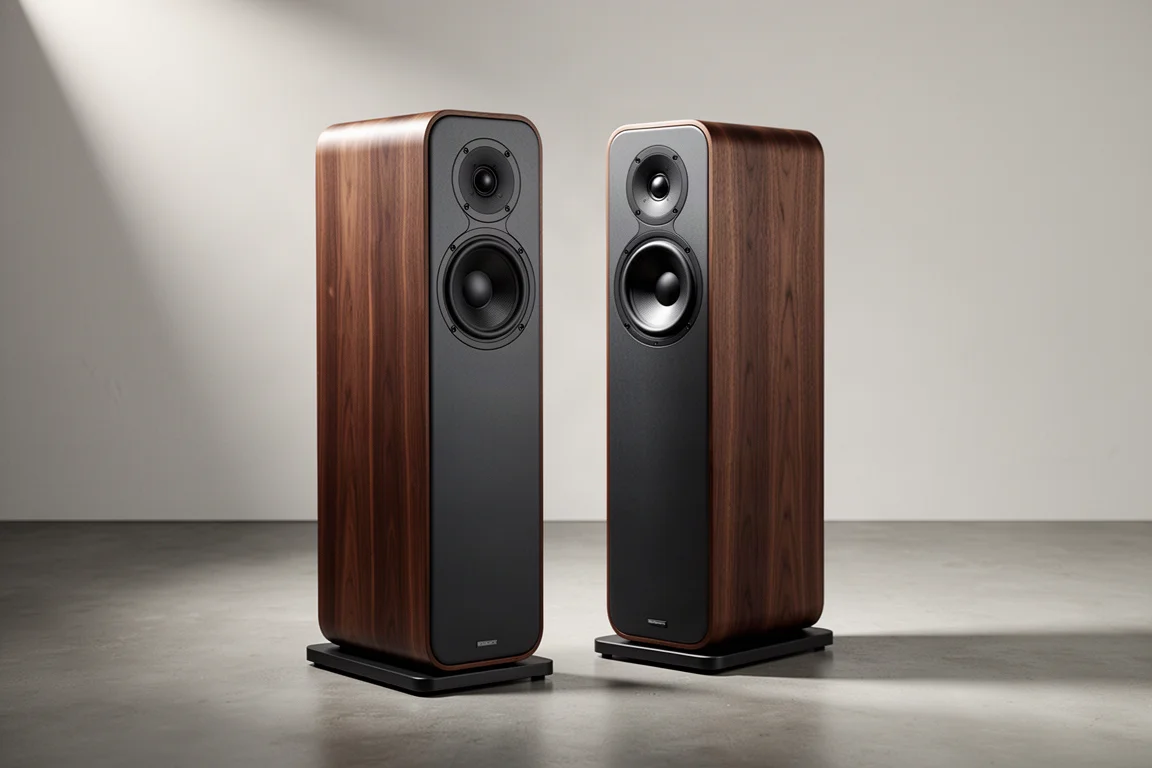
Acoustic Energy AE109 Mark II Review: A Refined Floorstander at £699
The Acoustic Energy AE109 Mark II is a slim, warm sounding floorstander that delivers clarity, midrange body and strong imaging in small to medium rooms.
Floorstanding Speakers
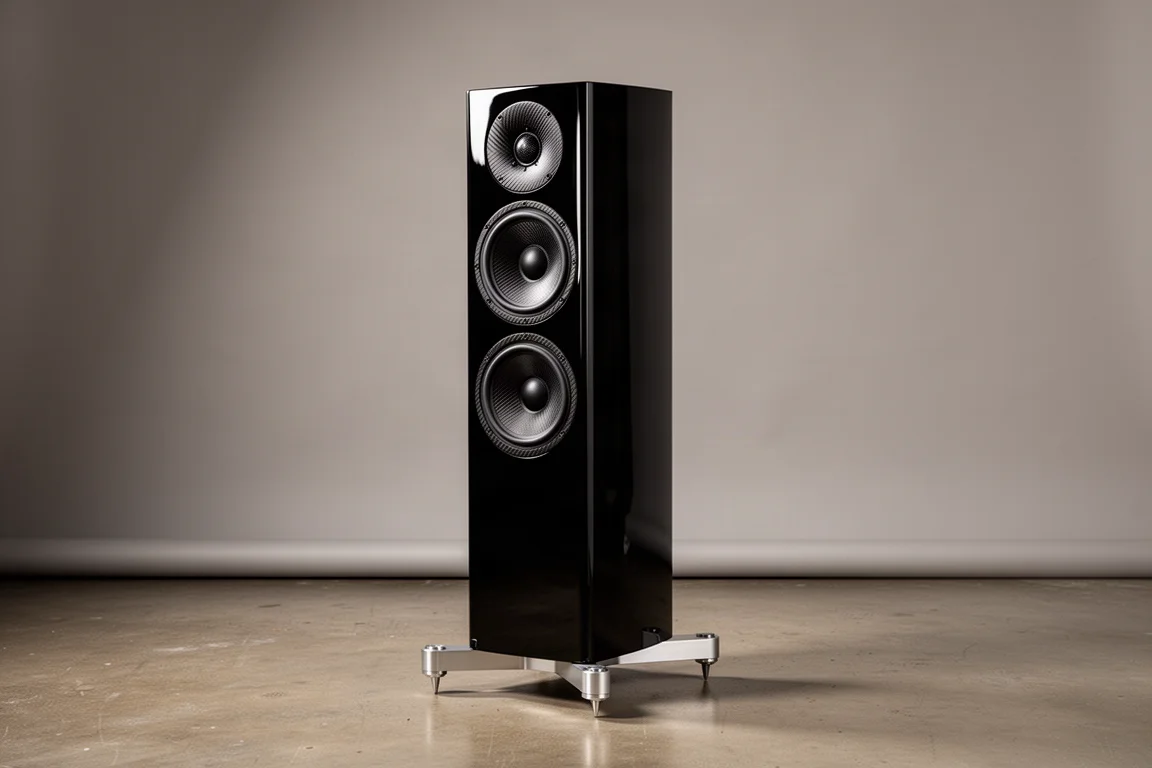
Acoustic Energy AE509 Review: A Slim Floorstander With Deep, Defined Bass
A practical look at the Acoustic Energy AE509, a slim floorstanding speaker with carbon fibre drivers, deep and well-defined bass, and an easy-going character that rewards careful system matching.
Floorstanding Speakers
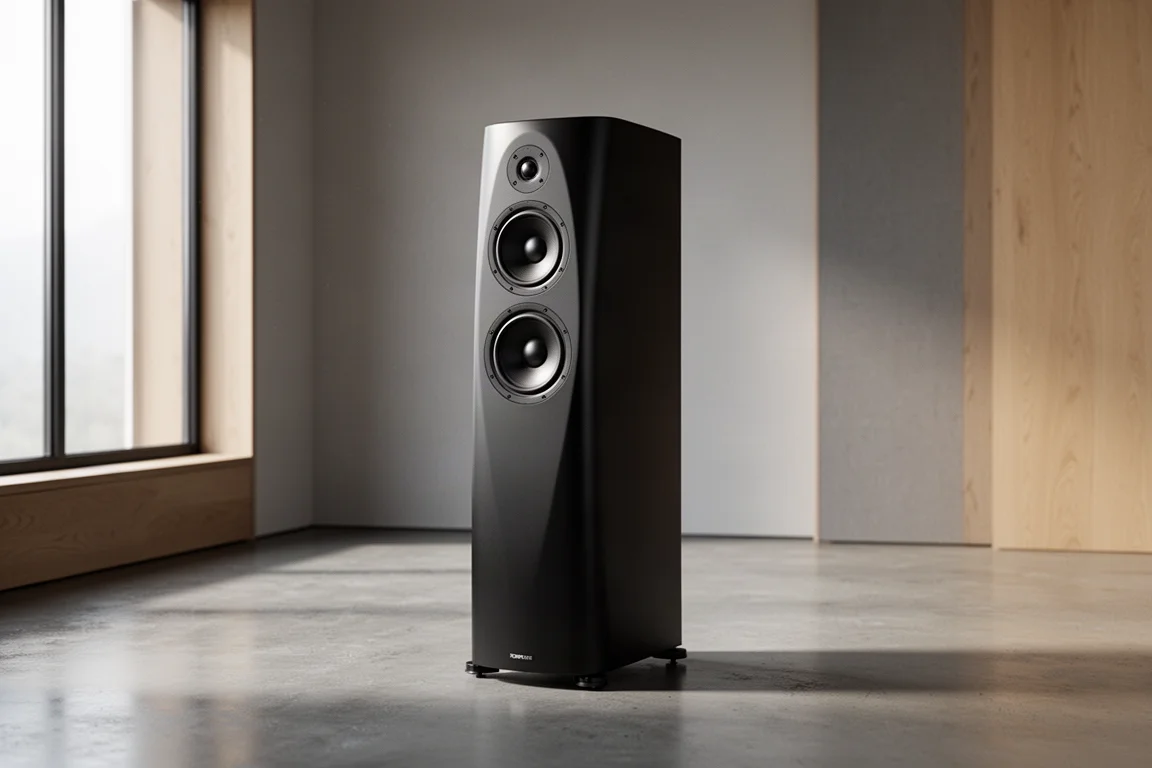
Arendal 1528 Tower 8 Review: Reference Neutrality With Real Demands
A close look at the Arendal 1528 Tower 8, a nearly five-foot, 200-pound floorstander that rewards generous space, serious power, and high listening levels with reference-grade neutrality.