Outdoor Apparel
Are Expensive Down Jackets Worth It? Uniqlo, Arc'teryx, REI, and Ghost Whisperer Compared
A practical comparison of four down jackets from $60 to $400, covering fill power, shell durability, warmth when you stop moving, and who each one actually suits.
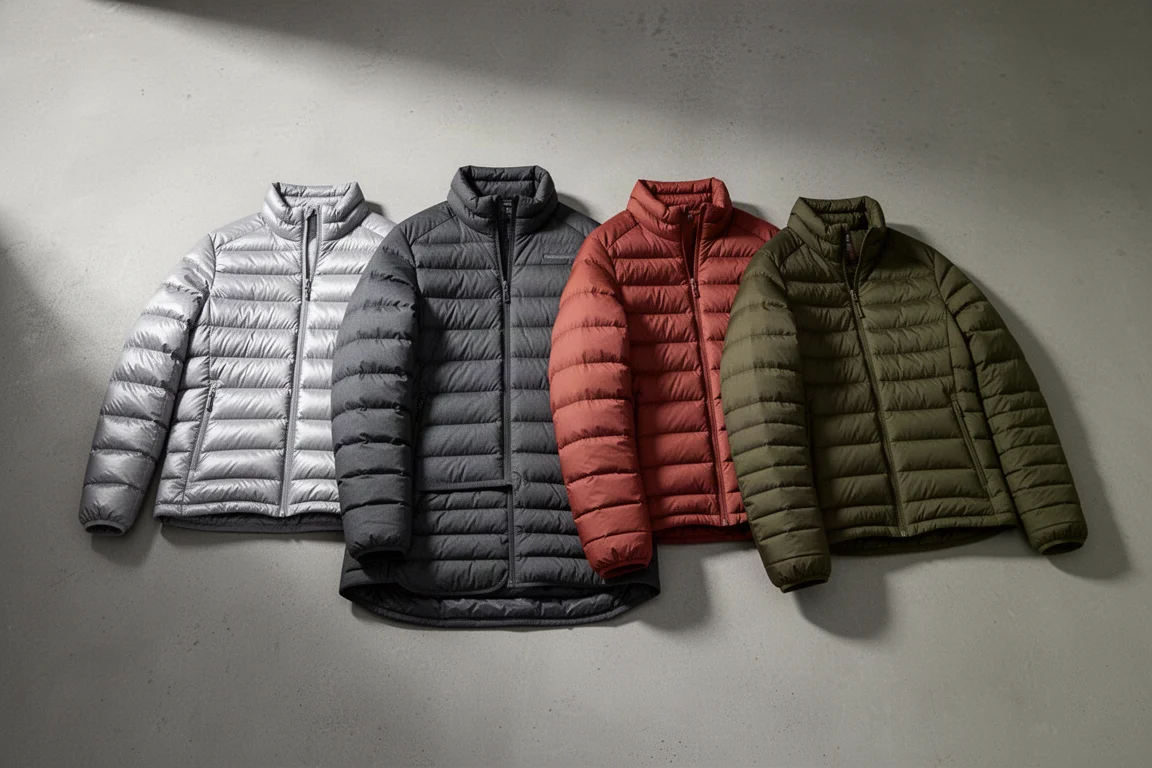
Introduction
Down jackets occupy one of the widest price ranges in outdoor gear. A lightweight quilted jacket can cost under sixty dollars, while a jacket that looks broadly similar from a technical brand can run into the hundreds. The obvious question is whether the extra money buys anything you can actually feel on a cold day.
This comparison covers four down jackets across that range: the Uniqlo Ultralight Down Jacket at $59.90, the Arc’teryx Cerium Down Jacket at $400, the REI 650 Down Jacket at $99, and the Mountain Hardwear Ghost Whisperer at $350. The differences show up most clearly in two situations: moving through mild winter cold, and then standing still in the same conditions once your own body heat stops doing the work.
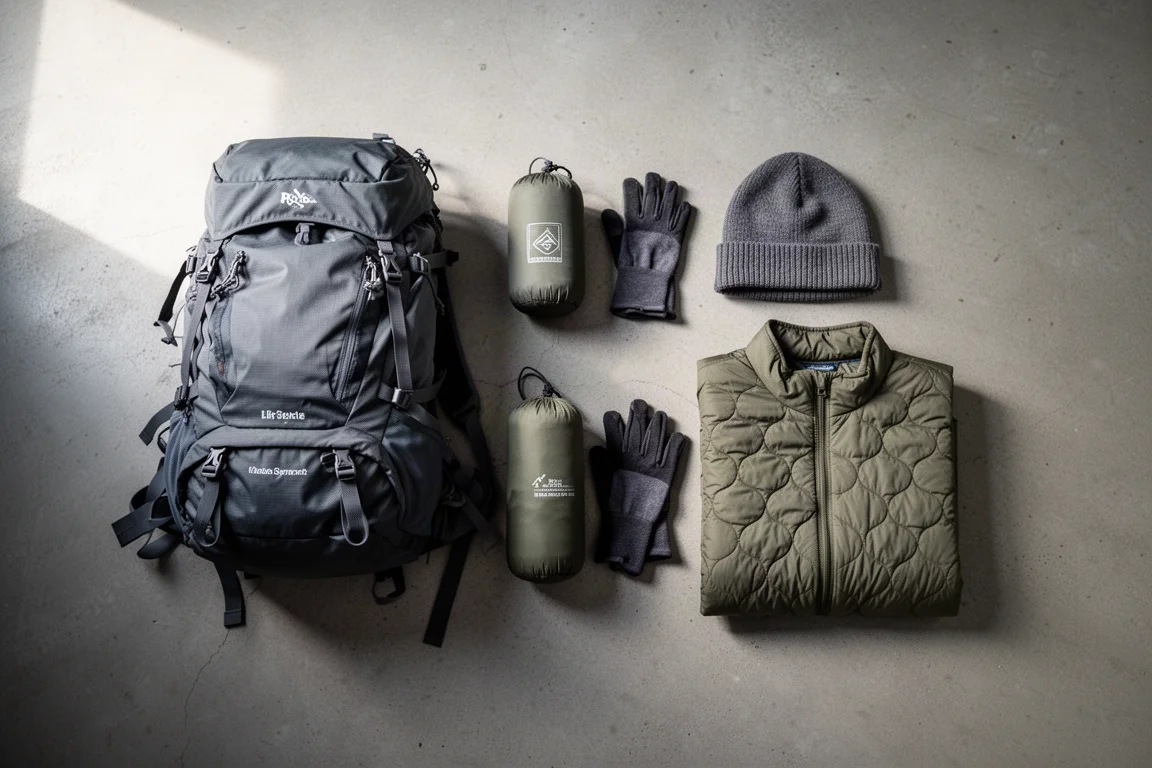
The short answer is that fill power and shell thickness explain part of the price gap, but durability, cut, and how long a jacket keeps performing are what you are really paying for at the top end.
What Separates a Budget Down Jacket From a Premium One
Four specifications do most of the work. Fill power describes the quality of the down: 750 fill and 850 fill are both high numbers, and a higher figure generally means more warmth for the same weight. Shell denier describes the thickness of the nylon face fabric, and it matters more than it sounds, because a thinner shell saves weight but is also more vulnerable to wear.
Weight and cut follow from those choices. A jacket with a wide, short hem lets cold air move in and out around the waist, while a longer body and longer sleeves trap more heat where it counts. Water repellency is the fourth factor, and for down insulation it is not a minor detail. Down loses its ability to keep you warm once it is wet, which is why most down jackets receive a durable water repellency treatment on the outer fabric.
Uniqlo Ultralight Down Jacket: The Entry-Level Baseline
The Uniqlo Ultralight Down Jacket uses a 10 denier nylon shell and 750 fill power down, and it weighs just 8.3 ounces. At $59.90 it is one of the least expensive down jackets you can buy, and on paper its fill power sits close to jackets costing several times as much.
Worn on an easy hike in mild winter conditions, it was genuinely comfortable while moving. The fabric feels like almost nothing, and the heat generated by walking was enough to stay ahead of the cold. The problems appeared the moment movement stopped. After roughly fifteen to twenty minutes of standing around, heat drained out of the core quickly, and the wide bottom hem and boxy cut were the main reason: cold air moved freely in and out around the waist.
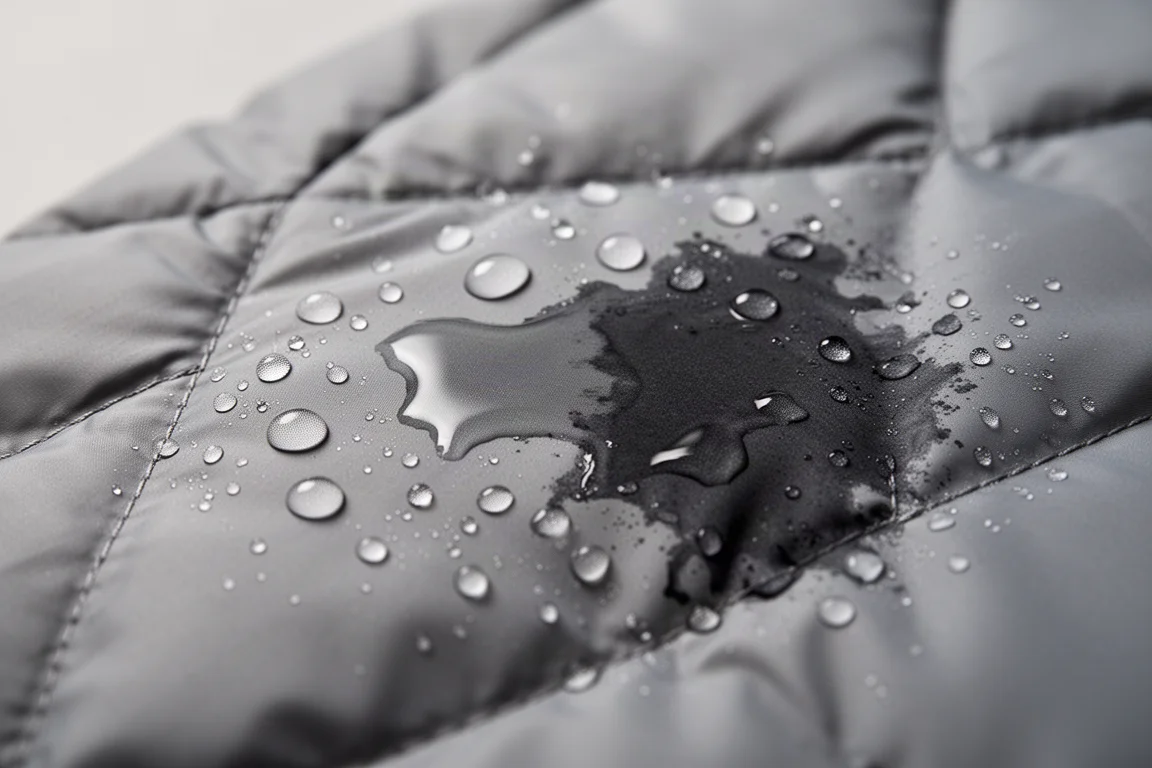
Water handling is the bigger limitation. A direct hit of snow left a wet streak that sat on the surface instead of beading off, which means the water repellency finish did not hold up under direct contact. Because down insulation loses its warmth when wet, a jacket that lets moisture through in wet snow works against its own purpose.
There is a fair argument that this is an uneven comparison, since the Uniqlo is positioned as a city jacket rather than a backpacking layer. That framing is also the honest description of what it is. It is light, inexpensive, and pleasant for everyday wear in mild cold, and one long-term owner has used the same jacket for ten years. It is simply not built to be a technical layer on a cold, wet mountain day.
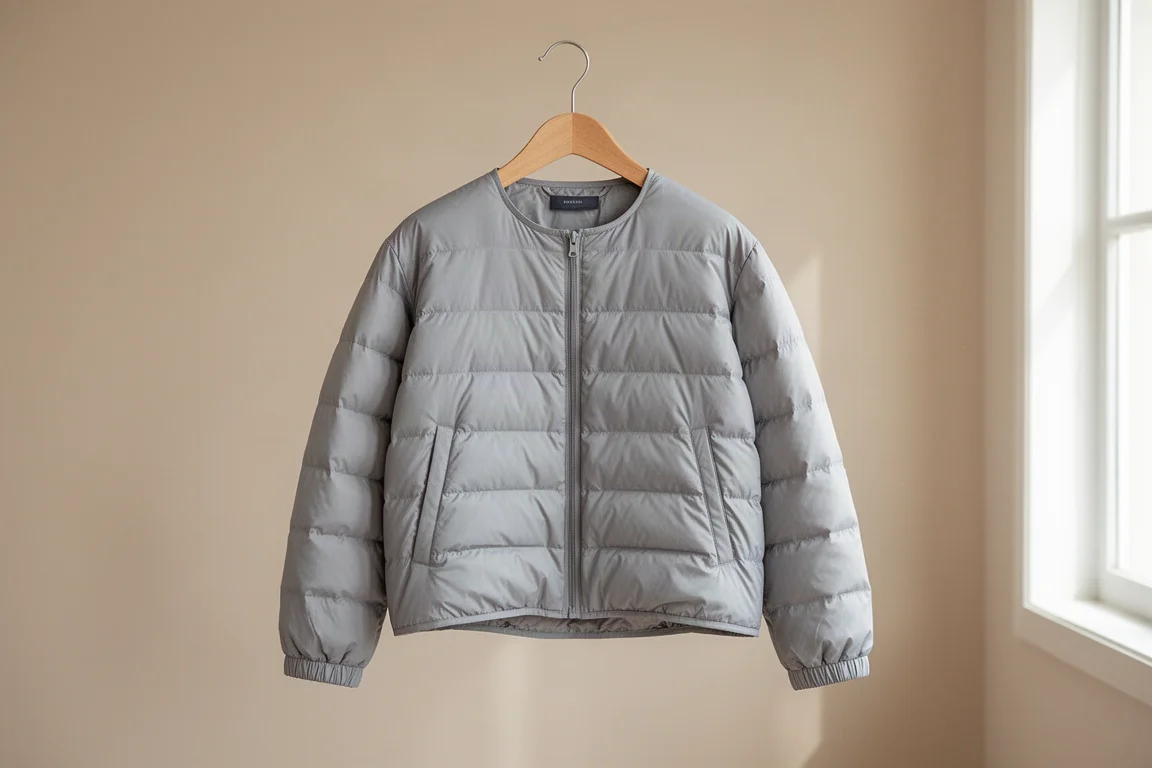
Arc’teryx Cerium Down Jacket: Where the Extra Money Goes
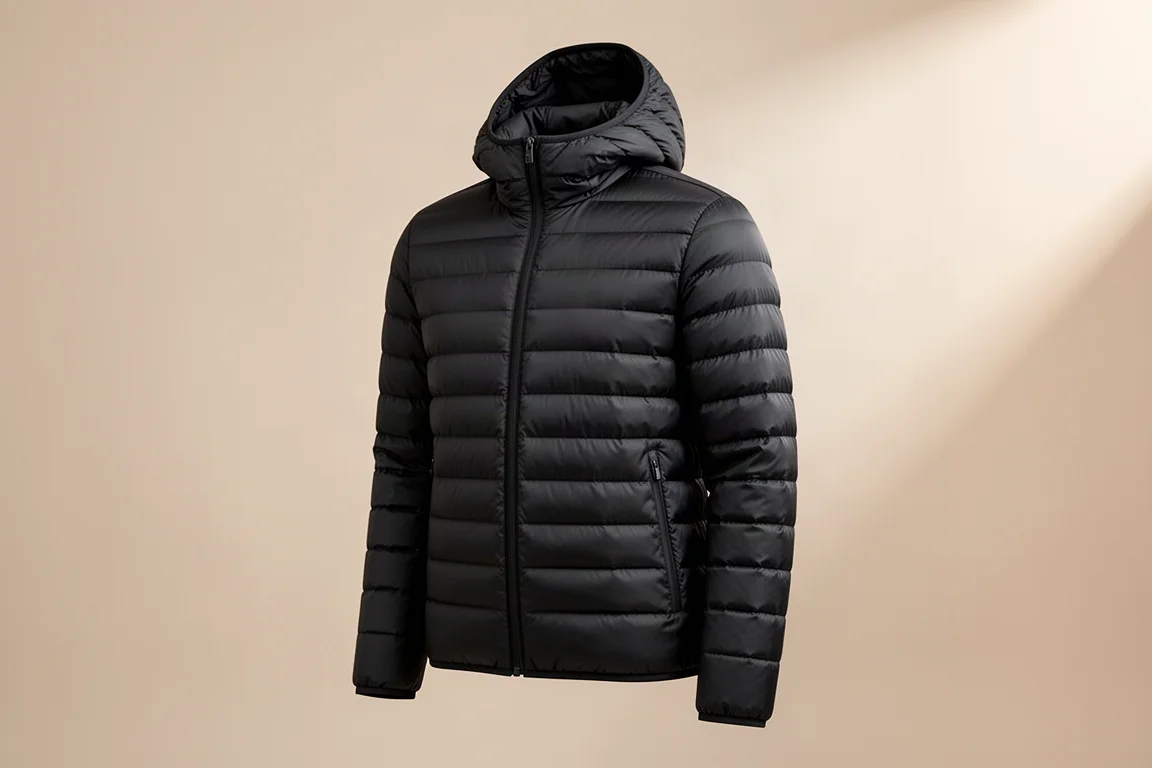
The Arc’teryx Cerium Down Jacket costs $400 and uses a 20 denier nylon shell, twice the thickness of the Uniqlo, along with 850 fill power down. It weighs 10.2 ounces, so it is slightly heavier, and that extra weight goes into both insulation and fabric.
The difference is easiest to feel when standing still. Put on after the Uniqlo, it felt noticeably warmer within minutes, and the cut explains part of that: a longer body, longer sleeves, and a longer back that covers more of the seat. Shining a light through both jackets shows more down between the baffles on the Cerium, and clearly more light passing through the thinner insulation of the cheaper jacket.
The honest conclusion is that the price gap is not mostly about warmth. Part of it is, but the larger share goes to durability and to how long the jacket is expected to last, along with the details that make a jacket easier to live with across many seasons. A thicker shell resists abrasion and punctures better than a 10 denier face fabric, and that is what you are paying for at the top of the market.
REI 650 Down Jacket: The Practical Middle Ground
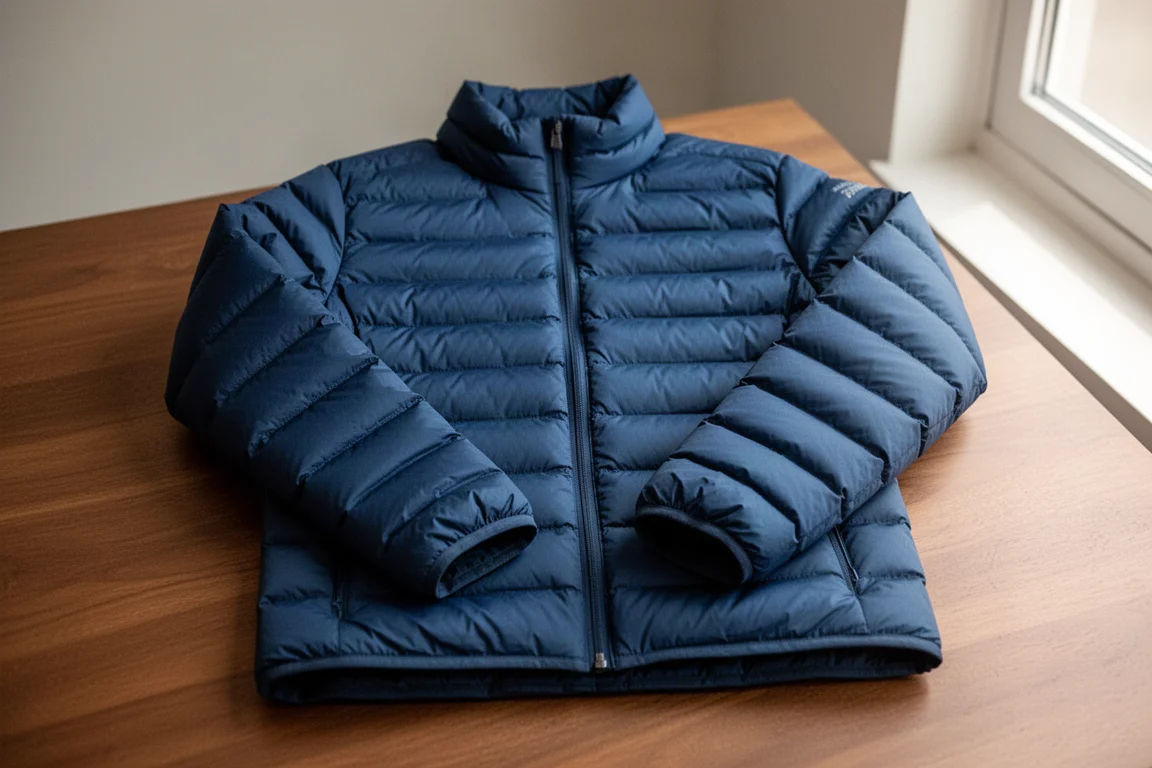
The REI 650 Down Jacket costs $99 and uses 650 fill power down, a lower figure than the Uniqlo’s 750. Fill power alone would suggest it is the less warm jacket, but that is not how it works in practice. This jacket has noticeably more loft, and that extra thickness of insulation makes it warmer than the entry-level option despite the lower fill rating.
For anyone who wants a genuine hiking and backpacking layer without moving into premium pricing, this is the most sensible starting point in the group. It sits close enough to the Uniqlo in price to be a realistic alternative, while behaving much more like a jacket built for cold, active use.

For buyers comparing numbers on a spreadsheet, this is the useful reminder that fill power measures down quality relative to weight, not warmth on its own.
Mountain Hardwear Ghost Whisperer: The Lightweight Favorite
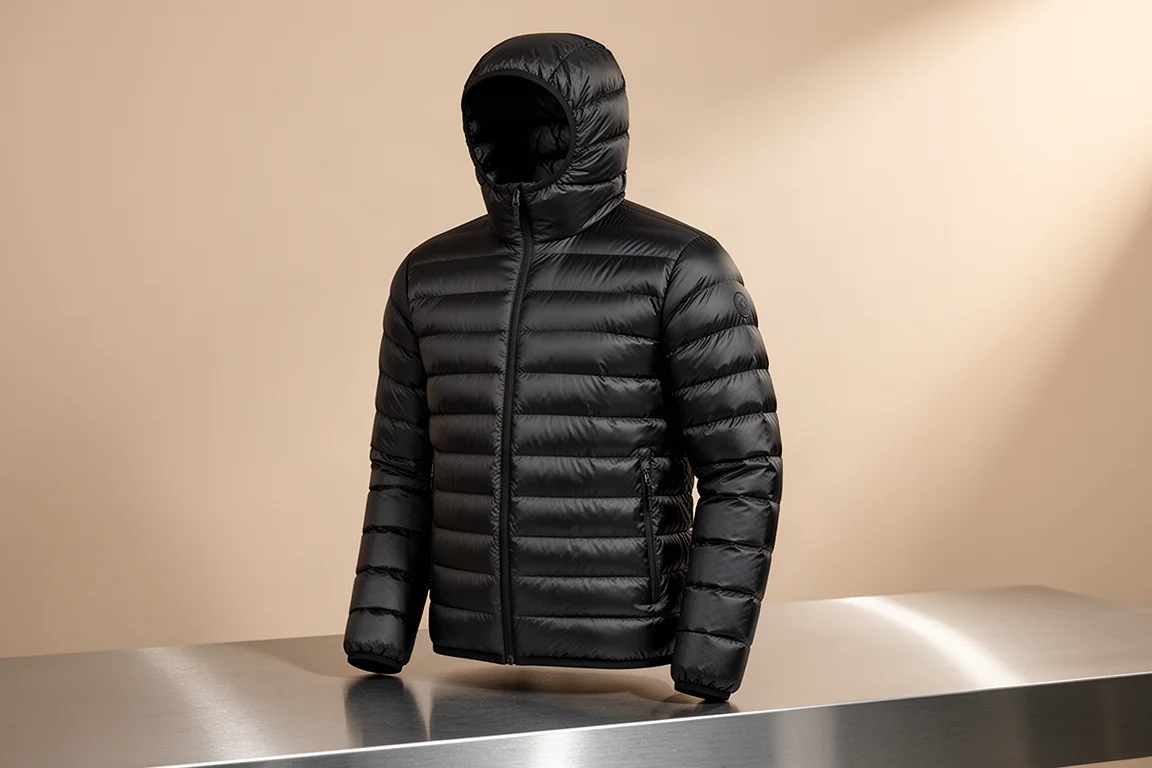
The Mountain Hardwear Ghost Whisperer weighs 7.8 ounces, making it the lightest jacket here, and it costs $350. It stays warm while moving and warm while stopped, which is the combination that matters most across a long day out, and it works as a single answer for nearly every trip.
That blend of low weight and dependable warmth is why it stands out. It is not the cheapest route, but it is the one that removes the need to think about which jacket to pack.
Buying Advice
Match the jacket to how you will actually use it. If you want a light layer for commuting, errands, and mild winter days, the Uniqlo Ultralight Down Jacket does that job for $59.90 and adds almost no weight to a bag. Its thin shell and short, boxy cut are the trade-offs, and it should not be relied on as a wet-weather layer or as insulation for long periods of standing still.
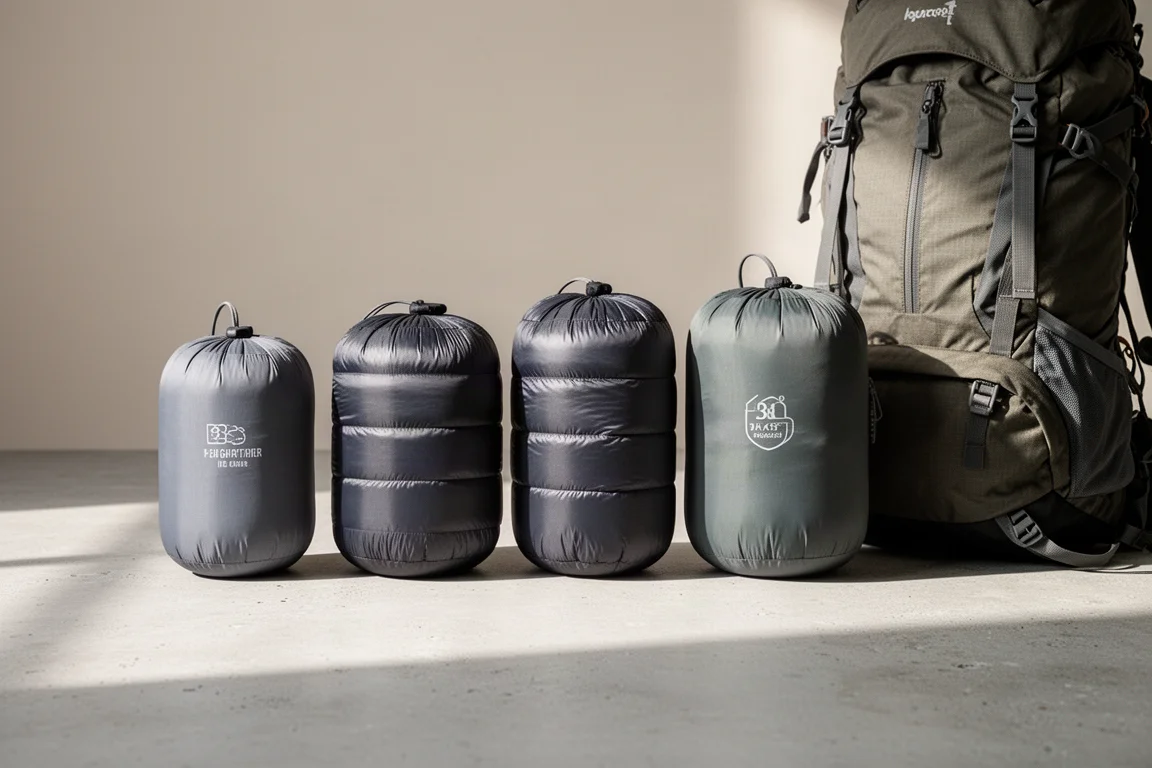
If you hike or backpack in cold conditions, the REI 650 Down Jacket at $99 is the value pick, offering more loft and more warmth than its fill number suggests. If weight is the priority and you want one jacket for every trip, the Mountain Hardwear Ghost Whisperer at $350 is the lightest and most versatile option in the group. And if you want the longest service life along with the most warmth when you stop moving, the Arc’teryx Cerium at $400 sits at the durable end of the range, with a thicker shell, 850 fill down, and a longer cut.
None of these four is a poor choice in the abstract. The mistake is buying for the wrong conditions: a city jacket taken into wet, cold mountains, or a premium technical jacket used only for walking to the train.
Conclusion
The Arc’teryx Cerium is the warmer and more durable of the two jackets that look most alike, and the price gap reflects fabric, insulation, and expected lifespan more than a dramatic difference in comfort on a mild day. The Uniqlo Ultralight Down Jacket remains strong value for what it is designed to do, provided it is treated as a city and mild-weather layer rather than a technical one.
Between them, the REI 650 Down Jacket and the Mountain Hardwear Ghost Whisperer cover the two most useful positions: an affordable jacket with real loft, and an ultralight jacket that stays warm whether you are moving or standing still.
Further reading
Related Reviews
Outdoor Apparel
Arc'teryx Atom LT Review: A Lightweight Synthetic Mid-Layer Built for Movement
A close look at the Arc'teryx Atom LT, a breathable synthetic mid-layer with Coreloft insulation, fleece side panels, and a helmet-compatible hood.
Outdoor Apparel
Fjällräven Vidda Pro Ventilated Trousers Review: Tough Trekking Pants With Two Long Vents
A detailed look at the Fjällräven Vidda Pro Ventilated trousers, covering the G-1000 fabric, side ventilation zips, pocket layout, sizing, and the trade-offs to weigh before buying.
Outdoor Apparel
Helicon Tex Windrunner Review: An 8-Ounce Nylon Wind Shirt at $70
A close look at the Helicon Tex Windrunner, an ultra-light nylon anorak with strong ventilation, a $70 retail price, and a sizing chart that runs large.